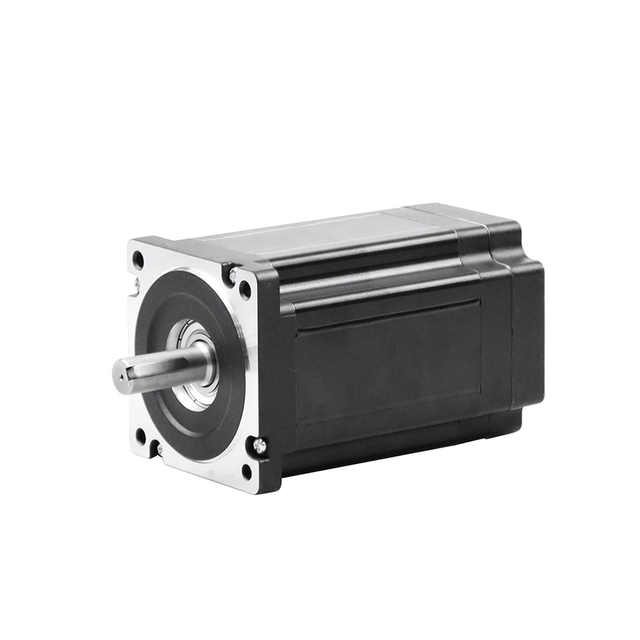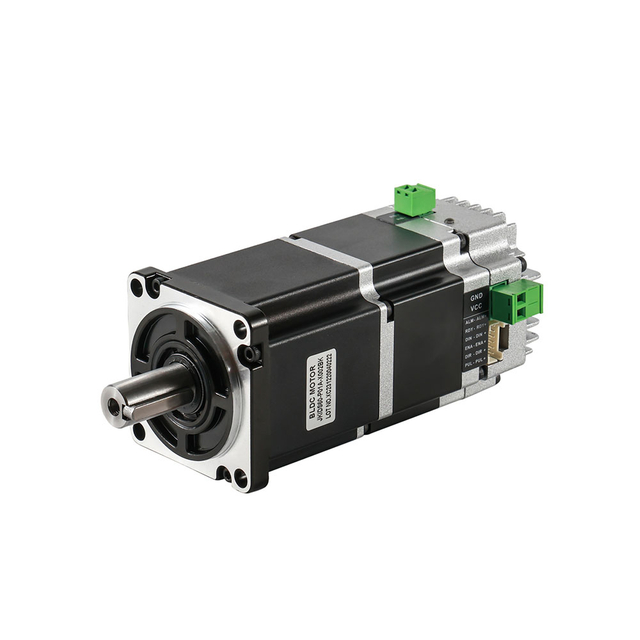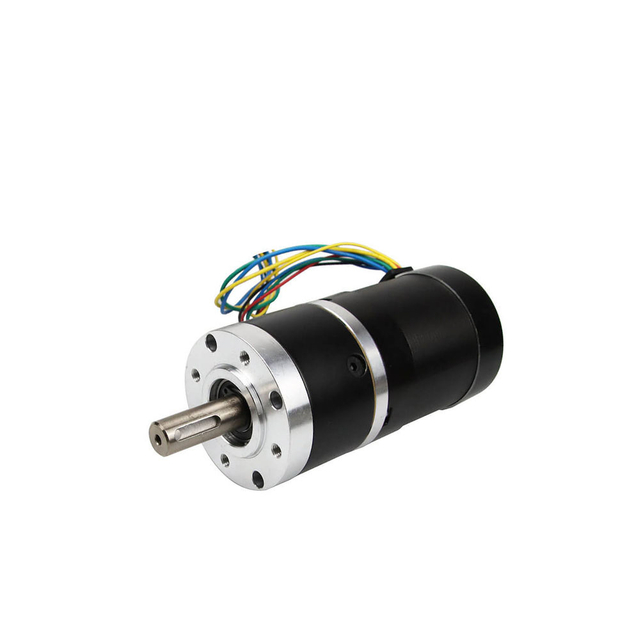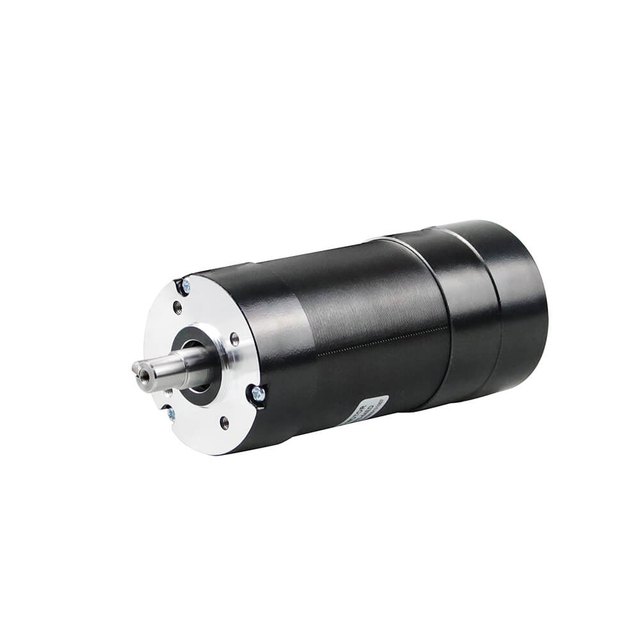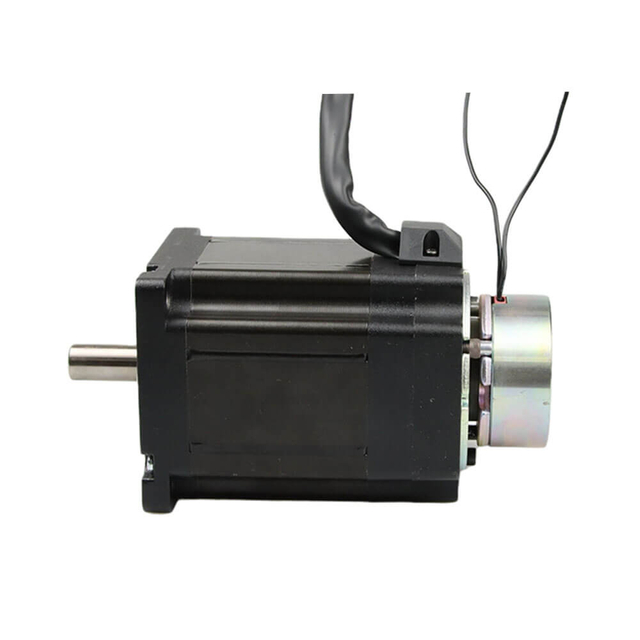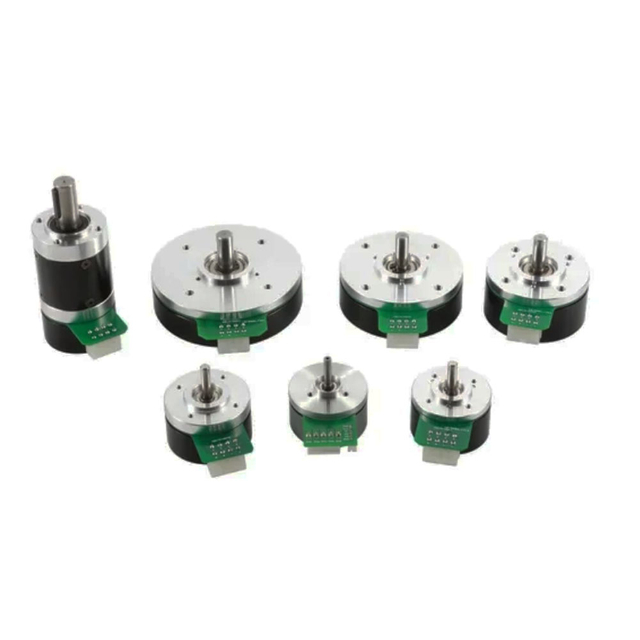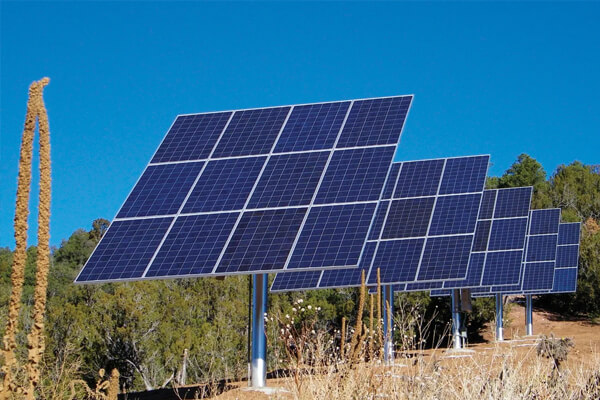
Brushless DC (BLDC) motors have become a cornerstone in the advancement of solar energy efficiency. Unlike traditional brushed motors, BLDC motors eliminate the wear and tear associated with brushes, providing superior durability, precision, and energy efficiency. In solar panel tracking systems, the choice of a BLDC motor can significantly impact the overall performance, longevity, and energy output of the installation.
Types of BLDC Motors Used in Solar Tracking Systems
Brushless DC (BLDC) motors have become essential in solar tracking systems due to their efficiency, precision, and reliability. Solar trackers, whether single-axis or dual-axis, require motors capable of continuous operation, precise positioning, and high torque at low speeds. Selecting the right type of BLDC motor is crucial for optimizing energy yield and ensuring long-term system reliability. Below, we explore the main types of BLDC motors commonly used in solar tracking applications.
Inner-rotor BLDC motors are characterized by having the rotor inside the stator, which is the most traditional motor configuration. In this design, the rotor contains permanent magnets, and the stator holds the winding.
Key Features
High power density: Offers significant torque in a compact size, ideal for small to medium solar trackers.
Smooth rotation: Provides precise movement with minimal vibration.
Low inertia: Responds quickly to control signals, suitable for systems requiring frequent adjustments.
Applications
Small commercial solar rooftops
Lightweight single-axis trackers
Low-maintenance remote solar installations
Outer-rotor BLDC motors have the rotor on the outside, surrounding the stator. This configuration increases the rotor’s moment of inertia, which makes them ideal for slow, high-torque applications such as solar tracking.
Key Features
High torque at low speed: Essential for moving large solar panels smoothly.
Direct-drive capability: Often allows direct coupling with the tracker, reducing gear losses.
Stable operation: Outer rotor design minimizes vibration and provides consistent movement.
Applications
Large dual-axis solar trackers
Utility-scale solar farms
Heavy-duty outdoor solar tracking systems
Integrated BLDC motors combine the motor and controller in a single unit, simplifying installation and improving system efficiency. These motors are ideal for automated solar tracking systems requiring real-time adjustment based on sunlight data.
Key Features
Compact design: Reduces wiring complexity and space requirements.
Smart control integration: Enables tracking based on sensor inputs, solar irradiance, and algorithmic calculations.
Improved reliability: Integrated electronics are optimized for motor performance, reducing the risk of failure.
Applications
Automated commercial and residential trackers
Smart solar farms with IoT monitoring
Systems requiring precise energy optimization
These motors use Hall-effect sensors or encoders to monitor rotor position. The sensors provide real-time feedback, enabling precise positioning of solar panels.
Key Features
High precision: Minimizes energy loss due to incorrect panel orientation.
Reliable tracking: Sensors compensate for wind, load, and mechanical variations.
Adaptive performance: Can respond to environmental changes and adjust positioning accordingly.
Applications
Dual-axis trackers for maximum efficiency
High-value commercial solar installations
Areas with variable weather conditions
Sensorless BLDC motors estimate rotor position through back-EMF (electromotive force), eliminating the need for physical sensors.
Key Features
Simplified wiring: Reduces installation complexity and cost.
Lower maintenance: Fewer components to fail.
Cost-effective: Suitable for smaller or less critical solar tracking applications.
Applications
Small residential trackers
Low-cost single-axis systems
Remote or off-grid installations with minimal maintenance requirements
6. High-Torque, Low-Speed BLDC Motors
Certain solar trackers require high torque at extremely low speeds to rotate large solar arrays accurately. These motors are optimized for slow, continuous movement, ensuring precision over extended periods.
Key Features
Direct drive capability: Eliminates the need for complex gear mechanisms.
Energy-efficient operation: Maintains panel positioning with minimal power consumption.
Durable design: Built to withstand outdoor environments and continuous operation.
Applications
Large utility-scale solar farms
Dual-axis trackers for high-efficiency energy harvesting
Systems operating in high-wind or challenging weather conditions
Conclusion
The selection of BLDC motors for solar tracking systems depends on factors such as panel size, type of tracker, torque requirements, and environmental conditions. Inner-rotor and outer-rotor motors offer solutions for different torque and speed needs, while integrated motors with controllers simplify installation and enhance precision. Sensor-based and sensorless designs provide flexibility based on cost and operational requirements, and high-torque, low-speed motors are crucial for large-scale installations. Choosing the right BLDC motor ensures maximum energy capture, reliability, and long-term performance of solar tracking systems.
Solar panel tracking systems are designed to maximize the exposure of photovoltaic panels to sunlight throughout the day. This is achieved through single-axis or dual-axis tracking mechanisms, which require precise and reliable motor control. BLDC motors offer the high torque, low maintenance, and precise speed control needed for continuous operation in outdoor environments.
The efficiency of a solar tracker is directly linked to the motor's ability to respond to solar position data in real-time. BLDC motors provide the dynamic performance necessary for rapid positional adjustments, ensuring that panels are always oriented optimally to capture maximum sunlight.
How BLDC Motors Enhance Solar Tracking Precision
High Accuracy Positioning for Maximum Sunlight Exposure
Solar tracking efficiency depends on precision. BLDC motors offer exceptional position accuracy through closed-loop control, allowing solar panels to follow the sun’s movement with minimal deviation. Their built-in electronic commutation ensures:
Smooth rotation without cogging
Fast response to position changes
High-resolution angular control
This level of precision helps solar trackers maintain the optimal panel angle, increasing daily energy output by up to 25–40% depending on the system type.
Torque Stability for Heavy Solar Panel Structures
Many solar arrays are large and heavy, requiring a motor solution that can constantly handle load variations throughout the day. BLDC motors deliver:
Consistent torque output across the speed range
High starting torque for static load lifting
Reduced vibration and mechanical stress
Their ability to maintain torque stability even under strong winds or sudden angle changes makes them ideal for single-axis and dual-axis trackers.
Brushless DC (BLDC) motors have emerged as the preferred choice for solar tracking systems due to their efficiency, precision, and durability. Implementing BLDC motors in solar trackers enhances energy capture, reduces maintenance costs, and ensures long-term system reliability. Below, we explore the key advantages that make BLDC motors ideal for solar tracking applications.
1. Exceptional Energy Efficiency
One of the most significant advantages of BLDC motors is their high energy efficiency. Unlike brushed motors, BLDC motors do not have brushes that create friction, resulting in minimal energy loss.
High conversion efficiency: BLDC motors typically achieve 85–95% efficiency, ensuring that more energy is available for solar power capture rather than being wasted in motor operation.
Reduced power consumption: Low energy requirements for motor operation mean the solar tracker consumes less power, leaving more energy to be delivered to the grid or battery storage.
Optimized for continuous operation: Energy-efficient performance ensures that solar trackers can operate 24/7, adjusting panels continuously without excessive energy drain.
2. High Precision and Accurate Tracking
Precision is crucial in solar tracking systems, where even small misalignments can result in significant energy loss. BLDC motors provide superior positioning accuracy, allowing solar panels to follow the sun's trajectory precisely.
Smooth rotation: BLDC motors provide incremental movement with minimal vibration, critical for both single-axis and dual-axis trackers.
Sensor integration: BLDC motors can be equipped with Hall-effect sensors or encoders, ensuring exact angular positioning of the solar panels.
Maximized solar yield: Accurate panel alignment increases energy output by 20–30% compared to fixed solar arrays.
3. Low Maintenance and Long Lifespan
Traditional brushed motors suffer from brush wear and friction, leading to frequent maintenance requirements. BLDC motors eliminate this issue, offering:
Extended operational life: With no brushes to replace, BLDC motors can operate reliably for 10–20 years, matching the expected lifespan of solar panels.
Reduced downtime: Low maintenance means fewer interruptions for repair or replacement, keeping solar trackers operational continuously.
Cost savings: Reduced maintenance requirements translate to lower operational costs over the system's lifetime.
4. Robust Performance in Harsh Environments
Solar trackers are installed outdoors and must withstand extreme weather conditions such as heat, cold, dust, and humidity. BLDC motors are designed for reliable operation in challenging environments:
Sealed designs: Many BLDC motors come with IP65 or higher protection ratings, preventing dust and water ingress.
Temperature tolerance: Motors can operate efficiently across a wide temperature range, from sub-zero winters to scorching summer heat.
Corrosion-resistant materials: BLDC motors resist rust and degradation, ensuring consistent performance even in coastal or humid regions.
5. High Torque at Low Speeds
Solar panels require slow, steady movement rather than rapid rotation. BLDC motors deliver high torque at low speeds, making them perfect for smooth solar tracking:
Direct drive capability: Eliminates the need for complex gearboxes, reducing mechanical losses.
Precise load handling: Capable of moving large panel arrays without vibration or strain.
Enhanced durability: Operating at low speed with high torque reduces mechanical wear, increasing system reliability.
6. Compatibility with Smart Controllers
BLDC motors can be easily integrated with advanced tracking controllers, enabling intelligent solar tracking:
Automated solar alignment: Smart controllers adjust panels in real-time based on solar irradiance and position data.
Energy optimization: Controllers prevent unnecessary motor movement, conserving energy and reducing wear.
Remote monitoring: Integrated BLDC systems allow operators to track performance and detect issues via IoT-enabled platforms.
7. Quiet and Smooth Operation
Noise can be a concern, especially for residential or commercial rooftop solar installations. BLDC motors operate quietly due to brushless design:
Minimal vibration: Smooth operation reduces mechanical stress on tracker components.
Low noise levels: Ideal for urban or noise-sensitive areas.
Improved structural longevity: Reduced vibration prevents damage to panels and mounts over time.
Conclusion
The advantages of BLDC motors make them an essential component in modern solar tracking systems. Their energy efficiency, precise control, low maintenance, durability, and compatibility with smart controllers ensure that solar trackers operate at peak performance. By selecting BLDC motors, solar power operators can maximize energy output, reduce operational costs, and improve system longevity, ensuring a higher return on investment and more sustainable energy generation.
Brushless DC (BLDC) motors are the backbone of solar tracking systems, ensuring precise panel orientation and maximizing energy capture. Selecting the right motor requires a detailed understanding of critical performance specifications. These specifications determine the motor’s efficiency, reliability, and ability to handle the environmental and mechanical demands of solar tracking. Below, we provide a comprehensive breakdown of the essential specifications for BLDC motors in solar tracking applications.
1. Torque Output
Torque is the rotational force a motor can generate, and it is a crucial specification for solar trackers, especially for large panels or dual-axis systems.
High starting torque: BLDC motors must overcome the initial inertia of solar panels and mounts, particularly in large arrays.
Continuous torque: Ensures smooth operation throughout the day, maintaining precise tracking without stalling.
Optimal torque-to-size ratio: Motors must provide sufficient torque without being oversized, balancing performance and cost-efficiency.
Typical Requirement: Solar trackers often require torque in the range of 10–100 Nm depending on panel size and tracker type.
2. Speed Range
Solar tracking requires slow and steady rotation rather than rapid movement. The motor’s speed range determines how smoothly it can adjust the panel orientation.
Low-speed precision: Ideal solar tracking speeds are typically 0.5–3 RPM.
Stable operation: Motors must maintain consistent speed under variable loads, ensuring accurate positioning.
Controlled acceleration and deceleration: Prevents mechanical stress and prolongs system lifespan.
3. Voltage and Power Ratings
Matching the motor to the solar tracker’s power supply is critical for efficient operation.
Voltage compatibility: Motors should operate within the system voltage range, often 12V, 24V, or 48V DC for small trackers, and up to 400V DC for large solar farms.
Power rating: Determines the motor’s ability to handle load requirements without overheating.
Energy efficiency: Motors with optimized voltage and power characteristics reduce energy consumption and maximize the net energy gain from solar tracking.
4. Temperature Tolerance
Solar trackers are exposed to extreme environmental conditions, making temperature tolerance a key specification.
High-temperature operation: Motors must operate in temperatures up to 60–70°C or higher, depending on local climate.
Low-temperature operation: Must remain functional in sub-zero conditions, especially in cold regions.
Thermal protection: Motors may include thermal sensors or cut-off mechanisms to prevent overheating and damage.
5. Protection and Ingress Ratings (IP Rating)
BLDC motors for solar trackers often operate in dusty, humid, or wet environments. Proper protection ensures long-term reliability.
IP65 or higher: Indicates the motor is dust-tight and can withstand water jets, ideal for outdoor solar installations.
Corrosion-resistant materials: Motors with coated housings and stainless steel components resist environmental degradation.
Sealed bearings and connectors: Prevent entry of dirt, sand, or moisture, maintaining performance over time.
6. Motor Efficiency
Efficiency directly impacts the overall energy gain from a solar tracking system.
High efficiency (>85–90%) ensures minimal energy loss during motor operation.
Reduced electrical losses: Less heat generation improves reliability and reduces cooling requirements.
Optimized design for low-speed operation: Specialized BLDC motors maintain efficiency even at very low rotational speeds typical in solar tracking.
7. Rotor and Encoder Accuracy
For precise solar tracking, the motor’s rotor and feedback system must be highly accurate.
Encoder resolution: High-resolution encoders allow fine positional adjustments, minimizing shading losses.
Hall sensors: Provide reliable rotor position data for sensor-based BLDC motors.
Minimal backlash: Ensures that mechanical play does not affect panel positioning.
8. Noise and Vibration Levels
While not directly affecting energy production, low noise and vibration are essential for residential or urban solar installations.
Smooth torque delivery: Reduces mechanical stress and prolongs component life.
Quiet operation: Important for rooftop installations near occupied buildings.
Enhanced stability: Low vibration prevents structural fatigue in the solar array mounts.
9. Lifetime and Reliability
Solar trackers are long-term investments, and motor reliability determines system uptime and maintenance costs.
Expected operational life: High-quality BLDC motors can operate 10–20 years with minimal maintenance.
Durable bearings and components: Resist wear caused by continuous movement and environmental exposure.
Low maintenance design: Brushless design eliminates the need for regular brush replacement.
10. Integration Capability
Modern solar trackers benefit from smart motor integration, enabling advanced control strategies.
Compatibility with controllers: Motors should seamlessly integrate with microcontroller-based or IoT-enabled tracking systems.
Predictive maintenance support: Integrated motors can report status, vibration, and temperature data for proactive system management.
Flexible communication interfaces: Supports CAN, Modbus, or PWM control signals for system optimization.
Conclusion
The critical performance specifications of BLDC motors—including torque, speed, voltage, temperature tolerance, protection rating, efficiency, and positional accuracy—determine the effectiveness and reliability of solar tracking systems. By selecting motors that meet or exceed these specifications, solar operators ensure maximum energy capture, minimal downtime, and long-term operational stability. Proper attention to these technical details guarantees that solar tracking systems deliver optimal performance in any environmental condition.
BLDC Motor Control Strategies for Solar Trackers
Brushless DC (BLDC) motors play a pivotal role in solar tracking systems, ensuring precise alignment of solar panels with the sun throughout the day. The efficiency, reliability, and performance of a solar tracker largely depend on how the BLDC motor is controlled. Advanced control strategies allow motors to operate smoothly, respond to environmental changes, and maximize energy capture. Below, we explore the most effective BLDC motor control strategies used in solar tracking systems.
Sensor-based control relies on rotor position sensors, such as Hall-effect sensors or rotary encoders, to provide real-time feedback.
Key Features
Precise rotor positioning: The motor’s controller receives exact rotor position data, allowing accurate panel orientation.
Smooth tracking: Eliminates overshoot and mechanical oscillations during movement.
Dynamic response: Capable of adapting to wind loads or mechanical resistance, ensuring stable operation.
Applications
Dual-axis solar trackers where maximum precision is critical.
Large-scale solar farms with heavy panels and structural loads.
Installations in regions with variable sunlight and environmental conditions.
Sensorless control eliminates physical sensors and estimates rotor position using back-EMF (electromotive force) feedback.
Key Features
Simplified installation: Fewer components reduce wiring complexity and cost.
Lower maintenance: No sensors to fail or degrade over time.
Reliable operation at moderate speeds: Provides sufficient precision for single-axis or small-scale trackers.
Applications
Residential solar tracking systems where cost-effectiveness is a priority.
Small commercial trackers with less stringent precision requirements.
Remote or off-grid systems where maintenance accessibility is limited.
Many modern BLDC motors for solar tracking come as integrated systems, combining the motor and controller in one unit.
Key Features
Compact and streamlined design: Reduces installation time and wiring complexity.
Optimized control algorithms: Built-in controllers automatically adjust panel orientation based on solar position and irradiance data.
Real-time monitoring: Allows system operators to track motor performance and detect faults remotely.
Applications
Smart solar farms requiring automated, high-precision tracking.
Hybrid systems combining solar tracking with other renewable energy sources.
Urban or rooftop installations where space and wiring efficiency are critical.
4. Pulse Width Modulation (PWM) Control
PWM control regulates the motor’s speed and torque by adjusting the power supplied to the motor coils.
Key Features
Smooth torque delivery: Reduces vibration and mechanical stress.
Energy-efficient operation: Minimizes power consumption during motor operation.
Precise speed control: Enables fine adjustments in slow rotational speeds typical of solar trackers.
Applications
Systems requiring gradual, precise movements to follow the sun.
High-efficiency solar farms where every kilowatt-hour matters.
Integration with smart motor controllers for adaptive tracking.
5. Algorithm-Based or Smart Tracking Control
Advanced solar tracking systems use algorithmic control to optimize panel positioning.
Key Features
Sun-position algorithms: Motors adjust panels based on calculated solar angles, reducing reliance on sensors.
Adaptive tracking: Responds to cloud cover, shading, or environmental changes, optimizing energy capture.
Predictive movement: Reduces unnecessary motor action, saving energy and prolonging motor life.
Applications
Large-scale, utility solar farms seeking maximum efficiency.
IoT-enabled smart solar systems with real-time performance monitoring.
Installations with dual-axis tracking to achieve optimal solar exposure.
6. Closed-Loop Control for Enhanced Performance
Closed-loop control systems continuously monitor motor output and feedback to adjust the input, ensuring precise and stable operation.
Key Features
Error correction: Automatically corrects deviations in panel positioning.
Enhanced stability under load: Maintains consistent speed and torque even in windy or uneven terrain conditions.
Optimized energy usage: Prevents motor overworking, enhancing system efficiency.
Applications
Critical commercial and industrial solar tracking projects.
Dual-axis solar trackers with high mechanical loads.
Remote solar farms requiring long-term reliability and minimal maintenance.
7. Hybrid Control Strategies
Some solar trackers implement hybrid strategies, combining sensor-based feedback, algorithmic tracking, and PWM control.
Key Features
Maximum flexibility: Adapts to varying environmental conditions and solar angles.
Energy-efficient: Minimizes unnecessary motor activity while maintaining precision.
High reliability: Redundant control methods improve overall system resilience.
Applications
Large-scale solar farms with variable terrain or extreme weather conditions.
Systems integrating predictive maintenance and IoT monitoring.
Installations where energy yield optimization is a top priority.
Conclusion
BLDC motor control strategies are critical to the performance of solar tracking systems. Whether using sensor-based, sensorless, or integrated motor-controller designs, effective control ensures precise panel positioning, energy efficiency, and long-term reliability. Advanced strategies, such as algorithm-based, PWM, closed-loop, or hybrid controls, further enhance tracking accuracy and reduce maintenance costs. Selecting the appropriate control strategy is essential for maximizing solar energy harvest and system performance.
1. Single-Axis Solar Trackers
Single-axis trackers rotate panels along a single line—typically east to west. BLDC motors power these systems by providing:
Their high reliability minimizes downtime and ensures maximum operational efficiency throughout the year.
Applications in Single-Axis Trackers
Utility-scale solar farms
Rooftop solar tracking solutions
Large agricultural photovoltaic installations
Desert or remote solar arrays requiring low maintenance
BLDC motors’ high durability and dust-resistant designs make them particularly valuable in harsh environments.
2. Dual-Axis Solar Trackers
Dual-axis trackers follow both the azimuth and altitude of the sun, requiring a more complex motion control system. BLDC motors are used to control two axes independently:
Their precise speed control helps achieve optimal panel orientation at every minute of the day.
Critical Factors Supported by BLDC Motors
High positioning repeatability
Smooth bidirectional rotation
Rapid compensation for weather-driven sun angle changes
This results in superior energy capture, making dual-axis trackers ideal for advanced renewable energy installations.
3. Automatic Solar Panel Cleaning and Maintenance Robots
In modern solar farms, autonomous robots perform regular cleaning to maintain panel efficiency. BLDC motors drive:
Their compact design and energy-efficient performance allow these robots to operate for extended periods without frequent charging.
4. Solar Concentrator Systems (CSP Applications)
Concentrated solar power (CSP) systems require extremely precise tracking to reflect sunlight onto a central receiver. BLDC motors deliver the accuracy needed for:
In CSP applications, even a small angular error can drastically reduce system efficiency, making BLDC motors the preferred choice.
5. Off-Grid and Portable Solar Tracking Units
Portable solar trackers used in remote locations benefit greatly from BLDC motors because of their:
Low power consumption
Quiet operation
Compact size
Applications include:
Military field solar generators
Emergency power units
Portable scientific stations
Telecommunications solar units
BLDC motors ensure consistent performance even under fluctuating off-grid power supply conditions.
Why BLDC Motors Are Ideal for Solar Tracking
Superior Energy Efficiency
BLDC motors achieve efficiency levels of up to 90%, significantly reducing the energy required to operate the tracker. This directly contributes to the net energy gain from solar installations.
Efficiency Advantages:
Reduced energy loss during operation
Lower current draw for continuous tracking
Optimized performance in both low and high-speed conditions
Long Service Life and Reduced Maintenance
Solar farms require long-term reliability with minimal intervention. BLDC motors excel in this area because they:
Contain no brushes, eliminating mechanical wear
Generate less heat, prolonging component life
Offer stable electronic commutation
This dramatically reduces maintenance frequency and operational costs, especially for remote or hard-to-reach installations.
Exceptional Environmental Durability
Solar trackers often operate in extreme environments. BLDC motors withstand:
Many BLDC motor systems are designed with IP65–IP67 protection, making them suitable for outdoor installations that demand rugged endurance.
High-Control Flexibility and Automation
BLDC motors integrate seamlessly with advanced control systems, supporting:
Their compatibility with digital control electronics makes BLDC motors the backbone of next-generation intelligent solar farms.
Choosing the Best BLDC Motor for Your Solar Tracker
When selecting a BLDC motor for solar tracking, engineers must consider torque, precision, environmental resistance, and efficiency. A detailed assessment of solar panel size, tracker type, and local weather conditions is essential to match the motor specifications to system requirements. Additionally, motors with integrated controllers and predictive maintenance features provide long-term reliability and higher energy yield.
1. Required Torque and Load Capacity
The torque requirement is the most critical parameter when selecting a BLDC motor for solar tracking. Solar panels vary greatly in size and weight, and the motor must be capable of handling:
Static load (when the tracker is stationary)
Dynamic load (during movement and adjustments)
Wind load (especially in harsh weather conditions)
Higher torque motors ensure stable performance, preventing stalling and reducing stress on the mechanical components.
How to Evaluate Torque Needs
Calculate the total weight of the panel structure
Consider the center of gravity and rotational distance
Use safety factors for wind resistance
2. Motor Efficiency and Power Consumption
Since solar trackers operate continuously throughout the day, the motor’s power consumption affects the system’s overall energy gain. The best BLDC motors offer:
High-efficiency motors ensure that the tracker itself uses minimal power compared to the additional energy it helps generate.
3. Motor Speed and Control Accuracy
Solar tracking demands slow and controlled movement, following the sun’s trajectory with minimal deviation. Ideal BLDC motors should support:
Low-speed, high-torque operation
Smooth and stable rotation
Precise speed control via controllers
The ability to integrate with closed-loop control systems ensures accurate positioning and optimal energy capture.
4. Environmental Durability and Protection Rating
Solar trackers operate in extreme outdoor environments—exposure to dust, rain, humidity, and temperature fluctuations is expected. When selecting a BLDC motor, ensure it offers:
High IP rating (IP54 to IP67)
Corrosion-resistant materials
UV-resistant coatings
Extended temperature range support (-20°C to +60°C or more)
A durable motor significantly extends the lifespan of the tracking system.
5. Motor Size and Mounting Compatibility
Solar trackers come in a variety of designs. The motor must seamlessly integrate into the system’s mechanical structure. Consider:
Compact BLDC motors with high torque density are often ideal for solar tracking systems with limited mounting space.
6. Required Gear Ratio and Motor-Controller Pairing
BLDC motors for solar trackers are commonly paired with gearboxes to achieve the optimal torque and speed profile. Choosing the correct gear ratio is crucial for:
Precise movement
High load handling
Long-term reliability
Additionally, selecting the right motor controller (ESC or BLDC driver) is essential. A suitable controller provides:
Smooth acceleration and deceleration
Accurate position feedback
Protection against overheating or overcurrent
7. Noise Level and Vibration Performance
Solar farms, residential arrays, and commercial installations all benefit from quiet operation. BLDC motors provide:
This makes them ideal for locations where noise reduction is essential.
8. Availability of Customization Options
The best manufacturers offer customized BLDC motor solutions for solar trackers. These can include:
Customization ensures the motor perfectly matches the unique requirements of the tracking system.
Top Features of an Ideal BLDC Motor for Solar Trackers
High torque density
Energy-efficient design
Precision angle control
High resistance to weather conditions
Low maintenance and long service life
Compatibility with solar tracking software
Remote monitoring support (IoT-ready)
These features ensure consistent performance and reduced operating costs.
Single-Axis Trackers
Perfect for east-to-west tracking
Require strong torque and stable motion
Best suited for large solar farms
Dual-Axis Trackers
Require two independent BLDC motors
Demand high precision and real-time control
Ideal for maximizing energy capture
CSP (Concentrated Solar Power) Systems
Portable and Off-Grid Solar Trackers
Cost Considerations When Selecting a BLDC Motor
Although cost is an important factor, the cheapest option is rarely the best. Instead, evaluate:
Choosing a high-quality BLDC motor pays off through improved performance and extended system lifespan.
Conclusion
Choosing the best BLDC motor for your solar tracker ensures improved performance, enhanced energy capture, and long-term durability. By carefully assessing key criteria—including torque, efficiency, environmental protection, control accuracy, and compatibility—you can select a motor that delivers exceptional reliability in any solar tracking application. As solar energy continues to grow, BLDC motors remain indispensable for maximizing system output and ensuring sustainable performance for years to come.
Maintenance and Reliability Considerations
Although BLDC motors are low-maintenance, solar tracking systems benefit from periodic inspections to check for bearing wear, lubrication, and electrical connections. Implementing remote monitoring allows operators to detect anomalies early, minimizing downtime and ensuring continuous high-efficiency operation.
The rapid evolution of solar energy technologies is reshaping global renewable energy infrastructure, and at the center of this transformation is the continuous advancement of BLDC (Brushless DC) motors. As solar farms expand in scale and intelligence, BLDC motors are becoming more sophisticated—offering greater precision, reliability, and efficiency. The future of solar tracking lies in cutting-edge innovations in motor design, smart control, and advanced integration technologies.
1. Advanced Sensor Fusion for Extreme Tracking Precision
Future BLDC motors are increasingly integrating multi-sensor systems such as:
These sensors will enable real-time monitoring and ultra-precise angular adjustments, ensuring solar panels remain perfectly aligned with the sun even under rapidly changing environmental conditions.
Key Benefits
Sub-degree tracking accuracy
Predictive fault detection
Enhanced motion control stability
2. AI-Driven Motor Control for Predictive Solar Tracking
Artificial Intelligence (AI) is driving the next generation of motor control systems. Future BLDC motors will integrate directly with AI algorithms capable of:
Predicting sun movement with cloud detection
Optimizing panel tilt based on historical weather data
Automatically adjusting torque output in windy conditions
Reducing unnecessary movements to conserve energy
AI-powered solar tracking promises higher efficiency, reduced motor wear, and improved energy output over time.
3. Efficiency Gains Through Next-Generation Magnetic Materials
Modern BLDC motors are already highly efficient, but new magnetic materials are set to push boundaries even further. Future motors will utilize:
Rare-earth magnets with higher coercivity
Advanced NdFeB magnet grades
Ferrite magnets enhanced with nanocomposites
These innovations will allow motors to produce greater torque density, reduce power loss, and operate more reliably under extreme temperatures.
Expected Improvements
4. Lightweight, High-Strength Motor Housing Materials
Solar tracking systems demand motors that are resilient yet lightweight. Future BLDC motor casings will use advanced materials such as:
These materials will reduce the overall weight of tracking systems while improving corrosion resistance, particularly for desert or coastal solar installations.
5. Ultra-Low Power Consumption BLDC Motor Designs
As solar tracking expands to off-grid and remote applications, the demand for low-power BLDC motors is rising. Future designs will focus on:
Reduced idle power consumption
Improved motor winding technologies
Advanced commutation algorithms
Micro-power standby modes
These innovations ensure that the motor consumes only a fraction of the additional energy it helps generate.
6. Integrated Gearmotor Systems for Compact Solar Trackers
To streamline installation and reduce maintenance needs, future solar trackers will feature integrated BLDC gearmotor units with:
Built-in planetary or harmonic gearboxes
Pre-sealed housings for weather resistance
Lubrication-free operation
Modular plug-and-play installation
These integrated systems will reduce complexity and lower the cost of large-scale solar deployments.
7. IoT and Cloud-Connected BLDC Motor Monitoring
IoT integration is transforming renewable energy systems. Future BLDC motors will connect directly to cloud platforms for:
Real-time performance data
Predictive maintenance alerts
Remote configuration and firmware updates
Energy optimization suggestions
Solar farms will operate more intelligently, reducing downtime and maximizing energy harvest.
8. Enhanced Protection and Durability for Extreme Climates
Future BLDC motors will adopt even higher resistance to environmental stressors such as:
Expect the rise of motors with IP68+ protective ratings, advanced sealing technologies, and corrosion-proof coatings for multi-decade operation.
9. Modular and Scalable Motor Architectures
The future of solar tracking involves scalable systems that support rapid expansion. BLDC motors will increasingly be designed with:
Standardized mounting systems
Flexible shaft configurations
Modular control electronics
Stackable torque components
This modularity will simplify upgrades, replacements, and large-scale deployment.
10. BLDC Motors for Autonomous and Robotic Solar Maintenance
As solar farms grow in size, automation becomes essential. BLDC motors will power next-generation solar maintenance robots including:
Autonomous cleaning units
Robotic inspection systems
AI-driven dust detection tools
Panel cooling robots
These robots require compact, high-torque, low-energy BLDC motors for continuous and reliable operation.
11. Higher Voltage BLDC Motors for Utility-Scale Trackers
Large solar farms demand robust motors capable of handling:
Future BLDC motors will support higher voltage inputs to deliver stronger torque with lower current, resulting in:
12. Sustainable and Eco-Friendly BLDC Motor Manufacturing
As environmental regulations increase, BLDC motor manufacturers will adopt greener practices such as:
Reduced rare-earth metal usage
Recycled motor housing materials
Bio-lubricants for gearboxes
Energy-efficient production processes
Sustainable motor technologies will support the global shift toward cleaner energy systems.
Conclusion
The future of BLDC motors for solar tracking is driven by innovation in AI integration, sensor technology, higher efficiency design, IoT connectivity, and superior durability. These advancements will enable solar trackers to become smarter, more accurate, and more energy-efficient than ever before—ultimately increasing the global adoption of solar power and enhancing long-term performance of renewable energy systems.
With next-generation BLDC motors, solar tracking will become more automated, resilient, and optimized, supporting the worldwide transition toward sustainable energy solutions.
BLDC motors are transforming solar panel tracking systems, offering unmatched efficiency, precision, and durability. Their ability to operate reliably in harsh outdoor environments, coupled with low maintenance requirements and advanced control options, makes them the ideal choice for modern solar tracking applications. From utility-scale solar farms to small commercial installations, BLDC motors ensure that solar panels capture maximum sunlight, driving greater energy output and sustainability.
BLDC motors play an essential role in the advancement of solar tracking systems, from simple single-axis trackers to advanced dual-axis and CSP applications. Their precision, efficiency, low maintenance, and exceptional durability make them the ideal choice for maximizing solar energy output. As the world transitions to greener energy, BLDC motor-powered solar tracking systems will continue to drive the renewable energy revolution.