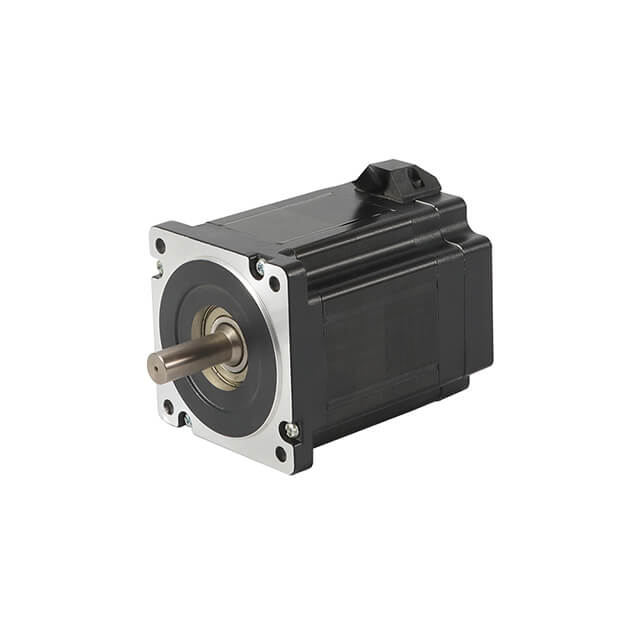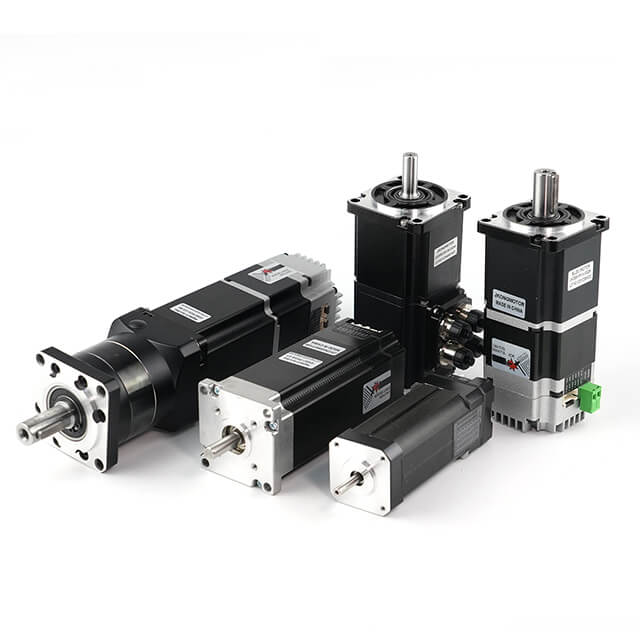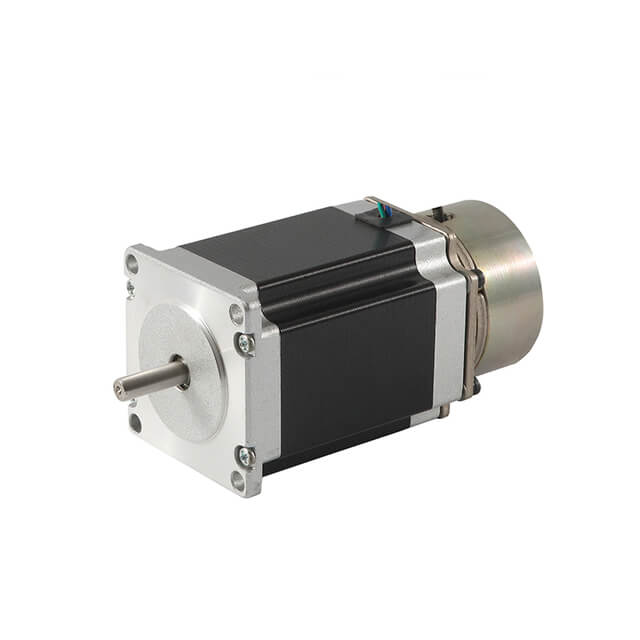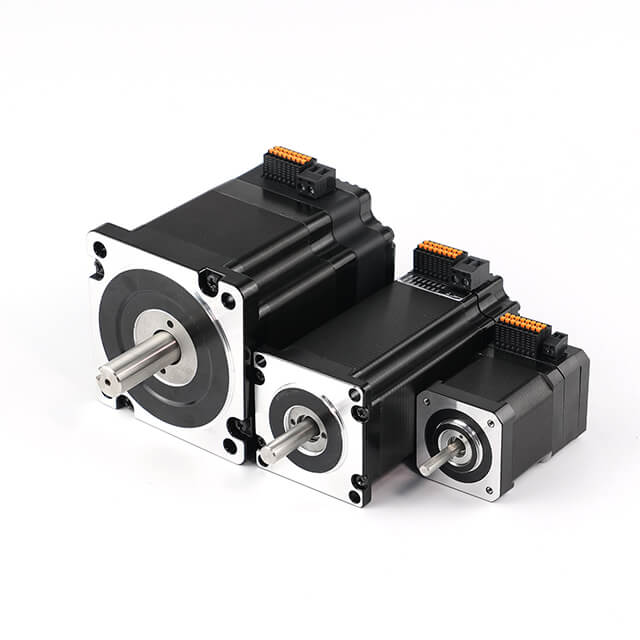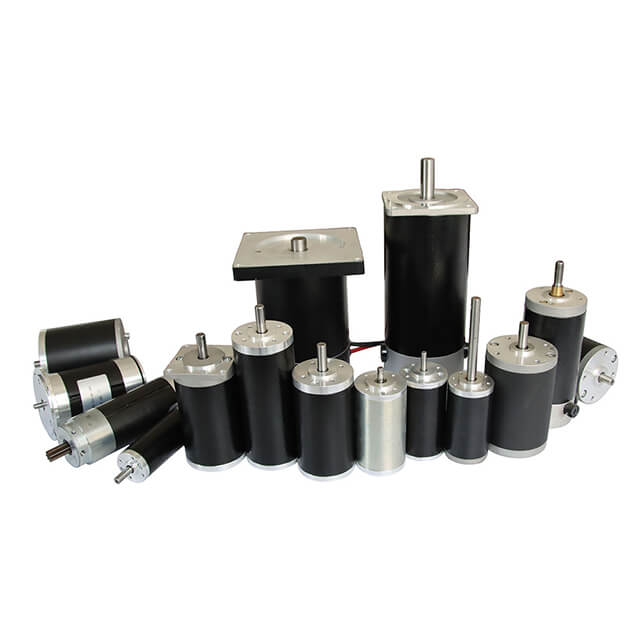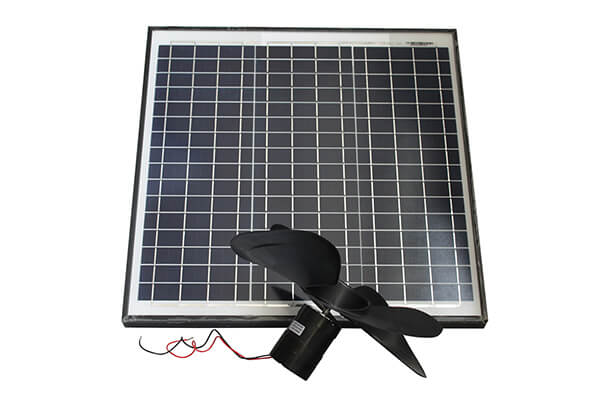
As global demand for renewable energy expands, solar panel tracker systems have become essential for maximizing power output and improving overall project ROI. At the core of these high-efficiency tracking systems are the motors that deliver accurate, durable, and responsive motion control. We provide advanced motor solutions engineered specifically for single-axis and dual-axis solar tracking applications, ensuring stable performance under extreme weather, variable loads, and long-term operational requirements.
Below is a comprehensive, in-depth guide to the best motors for solar tracker systems, including motor types, key performance features, engineering considerations, and how to choose the optimal drive solution for high-precision solar tracking.
High-Efficiency Solar Tracker Motors: Enabling Maximum Energy Harvesting
Solar trackers adjust panel orientation in real time, following the sun’s path to achieve a 25–40% increase in power generation compared to fixed installations. Their effectiveness depends heavily on the motor’s accuracy, torque delivery, and reliability.
We design and supply motors optimized for continuous outdoor operation, supporting both rotary and linear motion demands of tracking mechanisms. These motors ensure:
Smooth, stable movement preventing panel vibration
Precise angular control for accurate sun positioning
Low power consumption to minimize parasitic energy loss
Long service life with minimal maintenance
Robust wind load resistance
Types of Motors Used in Solar Panel Tracker Systems
BLDC motors are widely used in solar trackers due to their high efficiency, low noise, and long lifespan.
Key Advantages
High torque density for heavy solar array movement
Excellent efficiency (>90%) maximizing system economics
Minimal maintenance thanks to brushless design
Precise speed and position control with encoders
Suitable for both single- and dual-axis systems
BLDC motors are ideal for projects requiring continuous, smooth tracking and consistent operation under varying environmental loads.
Stepper motors offer a cost-effective, accurate solution for smaller or lightweight tracking systems.
Why Stepper Motors Work Well
Open-loop operation reduces system cost
High positioning accuracy with microstepping
Excellent low-speed torque
Simple driver integration
For compact solar trackers or residential installations, hybrid stepper motors provide a reliable balance of performance and affordability.
For large commercial or utility-scale systems where real-time dynamic positioning is critical, servo motors deliver unmatched performance.
Servo Motor Benefits
Closed-loop feedback for maximum positioning accuracy
High dynamic response to wind loads and environmental shifts
Excellent torque control under varying loads
Superior reliability for 24/7 operation
Dual-axis trackers especially benefit from servo motors due to the need for fast and responsive motion.
4. Gear Motors Designed for Solar Trackers
Many installations rely on gear motors, combining electric motors with high-strength gearboxes to deliver increased torque multiplication.
Why Gear Motors Are Popular
Ideal for heavy-duty tracker structures
Improved torque output with low power consumption
Compact design for integration in solar tracking arms
Weather-resistant housing options available
Gear motors ensure that even large solar arrays can be adjusted with minimal energy usage and maximum reliability.
Critical Performance Requirements for Solar Tracker Motors
To ensure maximum energy output, long-term stability, and reliable daily operation, motors used in solar tracker systems must meet a stringent set of performance standards. These requirements ensure the tracker can operate accurately in outdoor environments while maintaining low energy consumption and minimal maintenance. Below are the essential performance characteristics that define a high-quality solar tracker motor.
1. High Torque Output for Structural Stability
Solar panels face variable environmental forces—especially high winds, snow load, and mechanical inertia. Therefore, the motor must deliver consistent, high torque to adjust and hold the panel’s position securely.
Key characteristics include:
High starting torque to overcome panel inertia
Stable holding torque to maintain precise angles
Peak torque capacity for sudden load changes
Optimized gear ratios for torque amplification
Motors with high torque ensure the tracker can maintain alignment without slipping or drifting, even under severe weather conditions.
2. Precision Positioning for Maximum Energy Yield
Accurate solar tracking is essential for efficient energy harvesting. Motors must deliver precise angular positioning to keep panels aligned with the sun throughout the day.
Critical precision features include:
High-resolution encoders or Hall sensors
Smooth motion control without vibration
Minimal backlash in gearbox systems
Closed-loop operation for real-time correction
Even small positional errors reduce system performance, making precision control a core requirement of any solar tracker motor.
3. Low Power Consumption to Maximize ROI
Solar tracker motors should enhance energy production—not consume excessive power. Efficient motors reduce the system’s parasitic load, improving overall ROI.
Energy-saving features include:
High electrical efficiency windings
Low-friction mechanical components
Optimized duty cycles (motors operate intermittently, not continuously)
Energy-efficient gearboxes
BLDC and servo motors are typically preferred because they maintain high torque output at low power consumption.
4. Weather Resistance and Environmental Durability
Solar installations operate in harsh outdoor environments. Motors must be able to perform reliably under extreme and variable weather conditions.
Required protections include:
IP65 to IP67 waterproof and dustproof ratings
UV-resistant materials for long-term sunlight exposure
Anti-corrosion coatings for coastal or desert environments
Sealed bearings and housings to prevent moisture and dirt intrusion
Wide operating temperature ranges (−30°C to +70°C or more)
Durability ensures long-term, maintenance-free operation in remote solar farms.
5. Long Lifespan with Minimal Maintenance
Solar farms are often built in remote areas where maintenance is expensive. Motors must provide years of stable operation without requiring constant service.
Essential longevity factors include:
Brushless designs to eliminate wear from mechanical brushes
High-strength gearbox materials
Lubrication-free or sealed lubrication systems
High-grade bearings for extended life
Overload and thermal protection built into the motor control system
A typical solar tracker motor should exceed 10–20 years of service life with minimal manual intervention.
6. Robust Wind Resistance and Load Handling
Strong winds are one of the most critical stress factors in solar tracking systems. Motors must provide:
Wind stow functionality for safe position locking
High static load tolerance
Ability to withstand sudden wind gusts without damage
Integration with slewing drives or torque tubes for structural reinforcement
Strong load-handling capabilities ensure the system remains safe, reliable, and operational even in harsh weather.
7. Smooth and Quiet Operation
Smooth motion is essential to protect mechanical components and prevent unnecessary wear. Motors should operate with:
This protects the tracker mechanism and extends its operational life.
8. Advanced Control Integration
Modern solar tracker systems rely on intelligent control algorithms that adjust panel angles based on solar irradiance, weather data, and time of day.
Motors must support:
Integrated drivers and controllers
Communication protocols (Modbus, CANbus, RS485, etc.)
Remote monitoring and diagnostics
Real-time feedback control
Smart integration ensures optimized performance, simplified installation, and lower overall system cost.
Single-Axis vs. Dual-Axis Tracker Motors
Single-Axis Tracker Motors
These systems rotate solar panels along a single horizontal or vertical axis.
Motor Requirements:
BLDC and gear motors are commonly used here.
Dual-Axis Tracker Motors
Dual-axis trackers provide the highest energy gain but require more advanced motor performance.
Motor Requirements:
Servo motors are typically preferred for large-scale dual-axis systems.
Integrated Motor + Controller Solutions for Solar Trackers
Modern solar tracker systems require motion control solutions that are not only powerful and precise but also highly reliable, compact, and easy to deploy across large solar farms. Integrated motor and controller solutions combine the motor, driver, feedback electronics, and communication interface into a single compact unit. This integration simplifies installation, improves performance accuracy, and significantly reduces system costs—making it an ideal choice for both single-axis and dual-axis solar tracking applications.
Below are the key benefits, operating characteristics, and engineering advantages of integrated motor-control systems designed specifically for solar tracker technology.
1. Streamlined Architecture for Faster Installation
Solar farms often span thousands of meters across remote locations, making installation speed and simplicity essential.
With integrated motor-controller solutions:
All key control components are housed within one unit
No external driver or complex wiring is required
Commissioning time is significantly reduced
Field installation errors are minimized
This streamlined architecture accelerates project deployment and reduces labor hours—critical for large-scale solar tracker manufacturers and EPC companies.
2. Built-In Intelligent Control Algorithms
Modern integrated motors come equipped with advanced control algorithms that optimize solar tracking in real time. These algorithms deliver:
Smooth and precise angular movement
Automatic position correction based on sensor feedback
Dynamic wind stow functionality
Adaptive torque control for varying load conditions
Reduced vibration and mechanical stress on the tracker structure
These intelligent features enable trackers to operate more efficiently with higher energy yield and longer service life.
3. Enhanced Reliability in Harsh Outdoor Environments
Integrated systems are engineered for long-term performance in extreme outdoor conditions commonly faced by solar installations.
Typical reliability features include:
IP65–IP67 weatherproof housings
Sealed electronics and corrosion-resistant materials
Static and dynamic overload protection
Wide operating temperature range (−30°C to +70°C or higher)
High EMC/EMI immunity for electrical stability
By integrating the controller directly inside the motor body, the entire system gains improved environmental sealing and reduced points of failure.
4. Lower Total System Cost
Using separate motors, drivers, enclosures, connectors, and control boards increases cost and complexity. Integrated motor solutions reduce overall system expenses by:
Eliminating external control hardware
Reducing wiring, cabling, and junction boxes
Minimizing engineering and assembly costs
Lowering maintenance and service requirements
These cost efficiencies make integrated motors a highly scalable option for large solar farms and OEM tracker manufacturers.
5. Advanced Communication and Network Integration
Solar tracker systems rely heavily on real-time data and network communication for precise operation. Integrated motors support a variety of industrial communication protocols, including:
This connectivity enables seamless integration into centralized tracker controllers, SCADA systems, and remote monitoring platforms.
6. Integrated Feedback Sensors for High-Precision Positioning
Accurate sun tracking requires precise motor feedback. Integrated motor solutions typically include:
Hall-effect sensors for rotor position detection
Optical or magnetic encoders for high-resolution feedback
Torque and load monitoring sensors
These feedback systems help the tracker maintain optimal alignment, maximize daily power output, and adapt to changing weather and load conditions.
7. Energy Efficiency and Reduced Power Consumption
Integrated motors are optimized for solar tracking’s low-duty-cycle environment. They consume minimal power while still delivering the torque required for stable, accurate movement.
Energy-saving features include:
High-efficiency BLDC designs
Low current draw during active tracking
Standby and sleep modes to reduce consumption
Optimized motion profiles to minimize operating cycles
This efficiency helps reduce parasitic energy usage, improving the overall performance of the solar farm.
8. Simplified Maintenance and Long-Term Reliability
With fewer components, integrated solutions naturally reduce maintenance demands. Key advantages include:
No need to replace external controllers
Reduced risk of wiring failures
Predictive diagnostics built into firmware
Robust design targeting 10–20 years of lifespan
Remote monitoring capability enables operators to analyze motor performance and detect issues early, reducing downtime and service costs.
9. Compact, Space-Saving Design for Tracker Integration
Integrated motors provide a compact, unified design that fits easily into limited spaces within tracker structures. This is especially beneficial for:
Slew drive-based dual-axis trackers
Torque tube single-axis trackers
Linear actuator drive systems
The reduced footprint allows cleaner, more efficient mechanical designs and smoother installation processes.
10. Ideal for Both Single-Axis and Dual-Axis Solar Trackers
Integrated motor and controller solutions are versatile and suitable for all types of solar tracking mechanisms:
Single-Axis Trackers
Dual-Axis Trackers
High precision positioning
Dynamic movement and rapid response
Enhanced feedback and torque control
This adaptability makes integrated motors a universal solution for modern solar tracker engineering.
How to Choose the Best Motor for a Solar Tracker System
Selecting the right motor is one of the most critical engineering decisions for designing a high-performance solar tracker. The motor directly influences tracker accuracy, system reliability, power consumption, and long-term operational costs. To ensure optimal performance in both single-axis and dual-axis systems, engineers must carefully evaluate torque requirements, environmental factors, motion precision, and integration needs. Below is a comprehensive guide to choosing the best motor for any type of solar tracker application.
1. Identify the Type of Solar Tracker System
The first step is determining whether the system is:
Single-Axis Trackers
Operate along one rotational axis
Require moderate torque
Adjust infrequently throughout the day
Benefit from BLDC, stepper, or gear motors
Dual-Axis Trackers
Move along two independent axes
Require high precision and responsiveness
Require continuous or dynamic motion
Best driven by servo motors or high-torque BLDC systems
Understanding the tracking mechanism helps determine motor complexity, torque output, speed, and feedback requirements.
2. Calculate Torque and Load Requirements
Motors must deliver sufficient torque to move and hold the solar panels under varying load conditions.
Key factors affecting torque:
Panel size and total system weight
Wind load and gust resistance
Mechanical friction in bearings, actuators, and gearboxes
Inertia of rotating structures
Angle of movement and duty cycle
High-torque BLDC motors or gear motors are often preferred for torque-heavy applications, while servo motors fit precision-intensive dual-axis trackers.
3. Determine Required Positioning Accuracy
The motor’s accuracy directly impacts energy yield. Systems requiring precise solar alignment demand motors with:
Even a small angular deviation can reduce energy output significantly. Dual-axis systems especially benefit from servo motors due to their superior accuracy.
4. Consider Environmental and Durability Requirements
Solar trackers operate outdoors for decades, so the motor must endure environmental stresses such as:
Extreme temperatures (−30°C to +70°C or more)
Dust, sand, and moisture exposure
High UV radiation
Corrosive environments (coastal or desert regions)
Heavy wind conditions
Look for motors with:
Durability ensures long-term reliability with minimal maintenance.
5. Check Power Consumption and Efficiency
Solar tracker motors should consume as little power as possible to maximize net energy gain.
Features that reduce power consumption include:
High-efficiency BLDC designs
Low-friction gearing
Energy-saving control algorithms
Standby or sleep modes
Optimized movement scheduling
Systems with limited power availability—like off-grid solar farms—benefit from highly efficient DC motors.
6. Evaluate Integration and Communication Requirements
Modern solar farms increasingly rely on centralized control networks and remote monitoring. Therefore, motor selection must consider system integration requirements.
Important communication and control features:
Support for Modbus-RTU, CANbus, RS485, or CANopen
Built-in controllers for simplified wiring
Encoder feedback for real-time monitoring
Smart algorithms for dynamic positioning
Integrated motor + controller packages reduce wiring complexity and improve compatibility with SCADA systems and tracking software.
7. Assess Motor Type Suitability
Each motor type has specific advantages depending on the tracker design:
Servo Motors
Gear Motors
Provide torque amplification
Enhance mechanical advantage
Ideal for slewing drives and heavy-duty systems
Selecting the correct motor technology ensures proper force, speed, and control capabilities.
8. Match the Motor with the Mechanical Drive System
Solar trackers use different drive mechanisms:
The motor must support the mechanical drive’s torque, speed, and backlash characteristics. For example:
Slew drives require high-torque, slow-speed motors.
Linear actuators may require stepper or DC motors for direct linear output.
Torque tube systems benefit from high-torque BLDC or servo motors.
9. Consider the Motor’s Lifetime and Maintenance Needs
Solar farms require minimal downtime, so long lifespan and low maintenance are crucial.
Look for motors offering:
10–20+ year service life
Brushless design (BLDC/servo)
Sealed or maintenance-free gearboxes
Thermal, overload, and short-circuit protection
High-quality motors drastically reduce total operating costs over the system’s lifetime.
10. Evaluate Total Cost of Ownership (TCO)
Choosing the cheapest motor often leads to:
A better approach is evaluating TCO, which includes:
Purchase price
Installation cost
Power consumption
Maintenance expenses
Operational lifespan
High-efficiency motors with longer lifespans deliver the best long-term value.
Why High-Quality Motors Are Essential for Solar Tracker Success
The performance of a solar tracker is directly determined by the quality, efficiency, and durability of the motor that drives it. Motors act as the core mechanical force behind the system, enabling precise positioning of solar panels throughout the day. When motors underperform, fail prematurely, or consume excessive energy, the entire tracker system suffers—leading to reduced energy production, higher maintenance costs, and compromised overall efficiency. High-quality motors are therefore essential for ensuring long-term stability, optimal performance, and maximum return on investment in any solar tracking installation.
1. Higher Energy Yield Through Precision Tracking
High-quality motors deliver accurate and consistent positioning, allowing the tracker to follow the sun’s path with precision. Even slight deviations in angle can significantly reduce solar irradiance capture.
Premium motors provide:
High-resolution motion control
Smooth and stable movement
Minimal backlash or vibration
Precise angular adjustments throughout the day
This precision ensures that panels remain optimally aligned to the sun, increasing the system’s energy output by up to 25–40% compared to fixed installations.
2. Superior Reliability in Harsh Outdoor Conditions
Solar farms operate in extreme environments—deserts, coastal regions, high-altitude locations, and areas with intense UV exposure. Low-quality motors degrade quickly under such conditions, leading to frequent breakdowns.
High-quality motors are engineered with:
IP65–IP67 water and dust protection
Corrosion-resistant coatings and sealed housings
High-strength bearings
Wide operating temperature tolerance
These features ensure stable performance under wind, dust, snow, rain, and temperature fluctuations, allowing the tracker to operate year-round without failure.
3. Reduced Maintenance and Longer Service Life
Maintenance is one of the most expensive factors in large-scale solar farms, especially when trackers are distributed across hundreds of acres. Motors with inferior components require frequent servicing, lubrication, or replacement.
In contrast, high-quality motors provide:
10–20+ year operational lifespan
Brushless, wear-free operation
Sealed and maintenance-free gear mechanisms
Overcurrent, overload, and thermal protection
This drastically reduces unplanned downtime and maintenance costs, lowering the total cost of ownership (TCO) and improving system profitability.
4. Stable Performance in High Wind and Heavy Load Conditions
Wind loading is one of the most critical structural challenges for solar trackers. When strong gusts occur, motors must hold the panels firmly in place or quickly move them to a safe stow position.
High-quality motors offer:
High static and dynamic torque
Rapid response time
Robust mechanical strength
Precise holding capability
These characteristics ensure safe operation under stress, preventing mechanical damage, misalignment, or structural failure.
5. Lower Power Consumption for Improved Efficiency
Motors that consume excessive power reduce the net energy gain of the solar farm. High-quality motors are designed to operate with maximum efficiency, using minimal energy even while delivering significant torque.
Benefits include:
High electrical efficiency (>85–90%)
Optimized torque-per-watt performance
Intelligent motor control algorithms
Low idle and standby power draw
Lower parasitic consumption contributes directly to higher overall farm efficiency and faster project ROI.
6. Smooth Operation to Protect Mechanical Components
Mechanical stress and vibration can damage structural components over time, including gears, bearings, actuators, and torque tubes.
High-quality motors reduce mechanical wear through:
This extends the lifespan of the entire tracker assembly and ensures consistent long-term performance.
7. Simplified Integration With Modern Control Systems
Advanced solar farms use centralized controllers, SCADA systems, and intelligent tracking software that rely on real-time communication and feedback.
Premium motors integrate seamlessly due to features such as:
Built-in drivers and control electronics
Compatibility with industrial protocols (Modbus, CANbus, RS485, CANopen)
Real-time encoder feedback
Remote diagnostics and monitoring
This improves system intelligence, reduces wiring complexity, and enables predictive maintenance.
8. Enhanced Safety and System Protection
Tracker motors must incorporate safety features to prevent damage caused by electrical faults, overload, or mechanical obstructions.
High-quality motors include protections such as:
These safeguards protect both the motor and the entire tracker structure from costly damage.
9. Superior Performance in Large-Scale Utility Projects
Utility-scale solar installations require thousands of motors operating simultaneously. Even minor inefficiencies or failures can lead to significant energy loss or costly downtime.
High-quality motors ensure:
Consistent performance across large deployments
Uniform tracking accuracy
Predictable long-term reliability
Scalability without increased complexity
This makes them the ideal choice for solar developers, EPC contractors, and tracker manufacturers building long-term, bankable renewable energy assets.
10. Improved Return on Investment (ROI)
Ultimately, high-quality motors translate directly into better financial performance:
More energy captured
Fewer failures and service trips
Lower operational expenditure (OPEX)
Longer equipment lifespan
Higher reliability for investors
This ensures the solar farm generates maximum profitability throughout its operational lifetime.