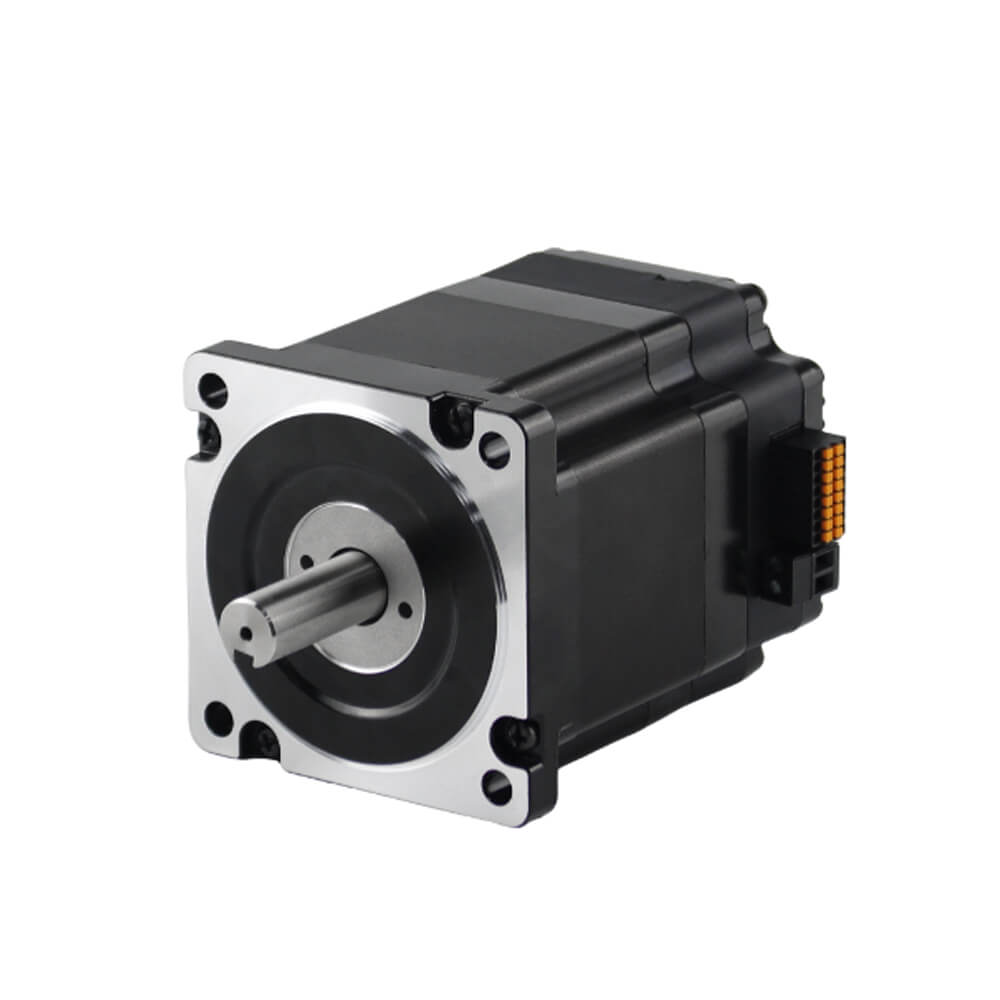
The slider industry has rapidly evolved with the increasing demand for high-precision, high-speed, and long-lasting motion control solutions. At the center of this transformation are integrated stepper servo motors, a breakthrough technology that combines the reliability of stepper motors with the precision and closed-loop control of servo systems. As manufacturers strive to deliver smoother, quieter, and more accurate slider mechanisms across automation, packaging, robotics, and consumer equipment, integrated stepper servo motors have become the preferred choice.
This comprehensive guide explores the technology, benefits, applications, and selection criteria of integrated stepper servo motors specifically tailored for the slider industry.
What Are Integrated Stepper Servo Motors?
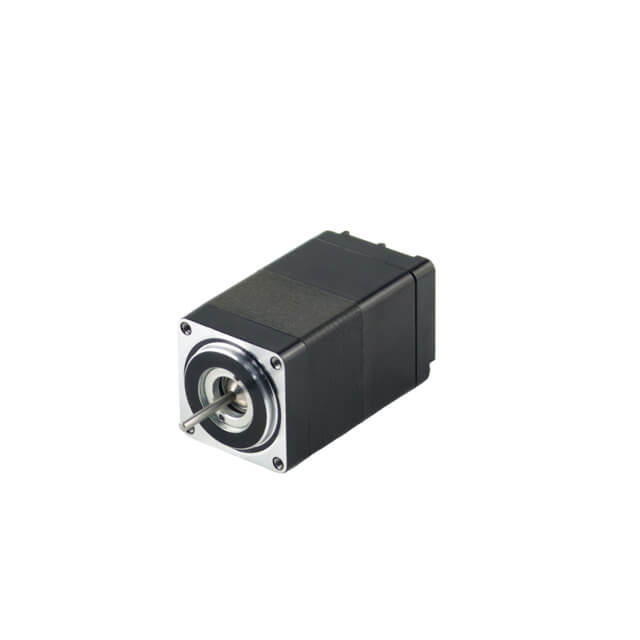
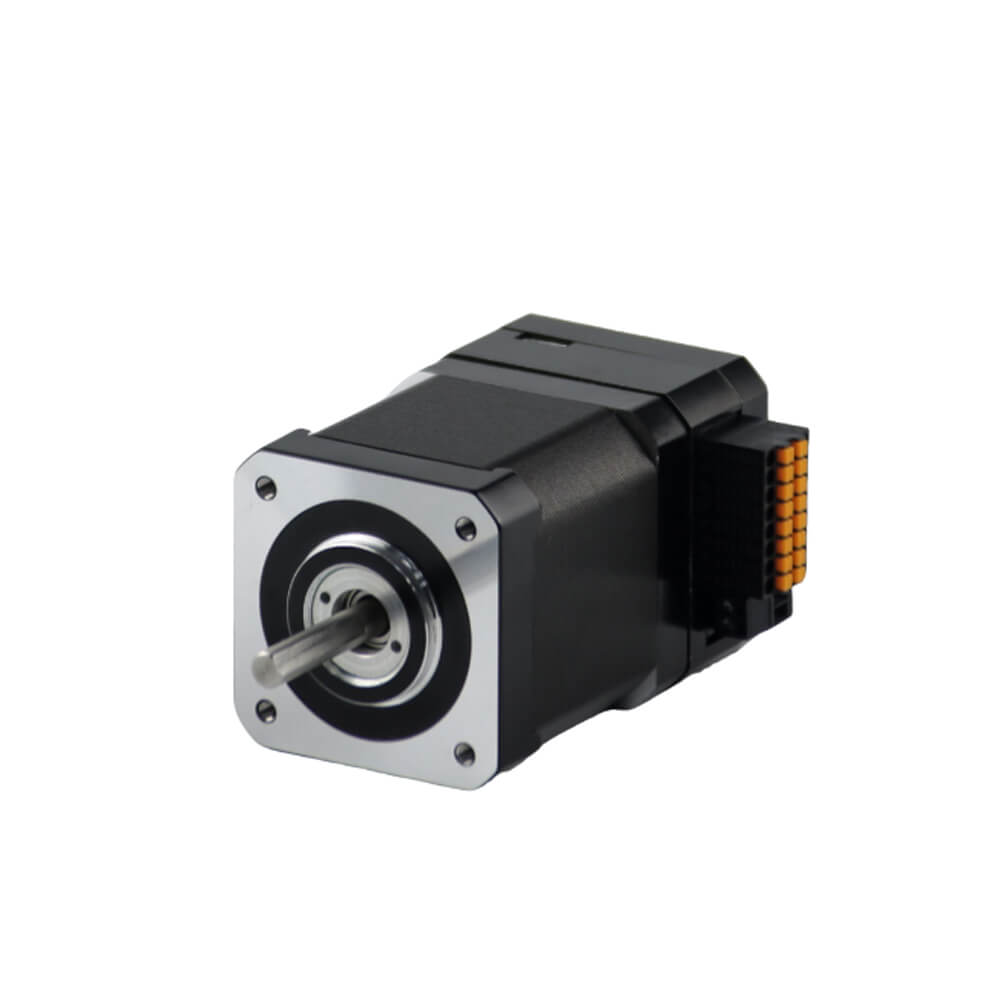
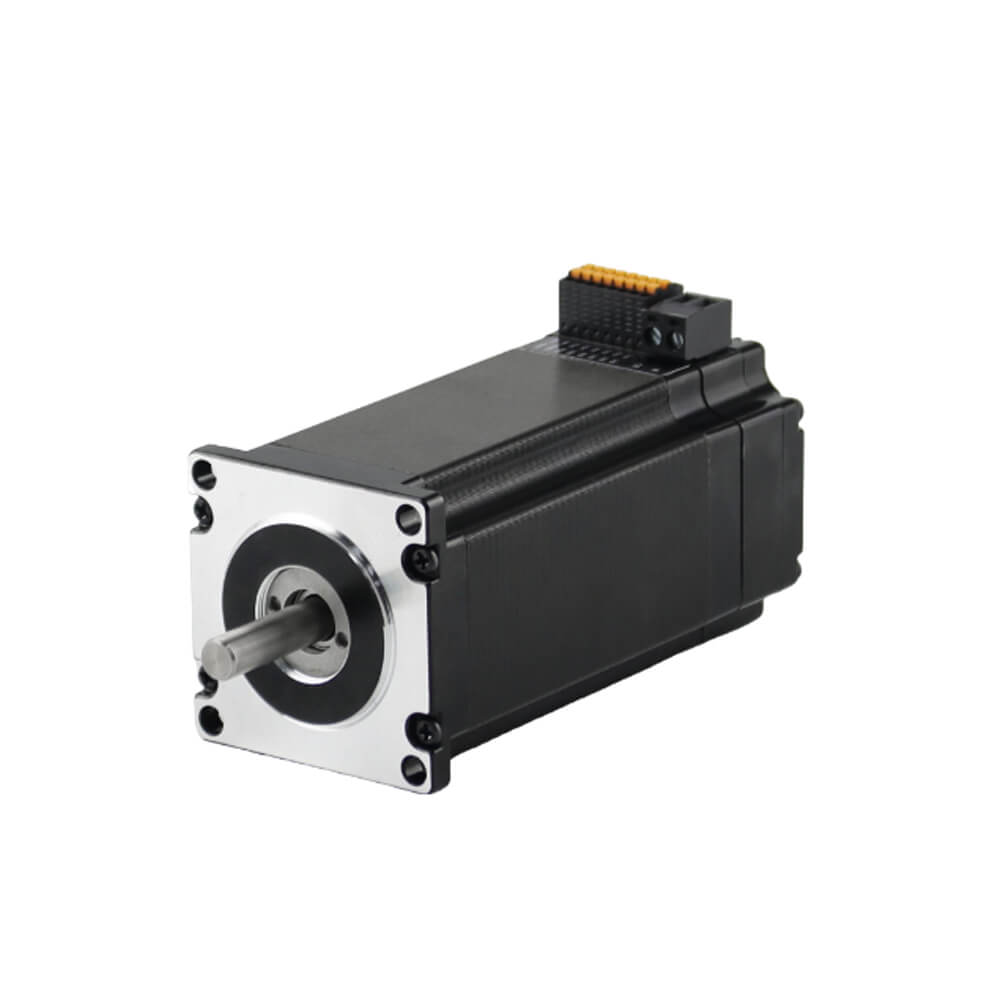
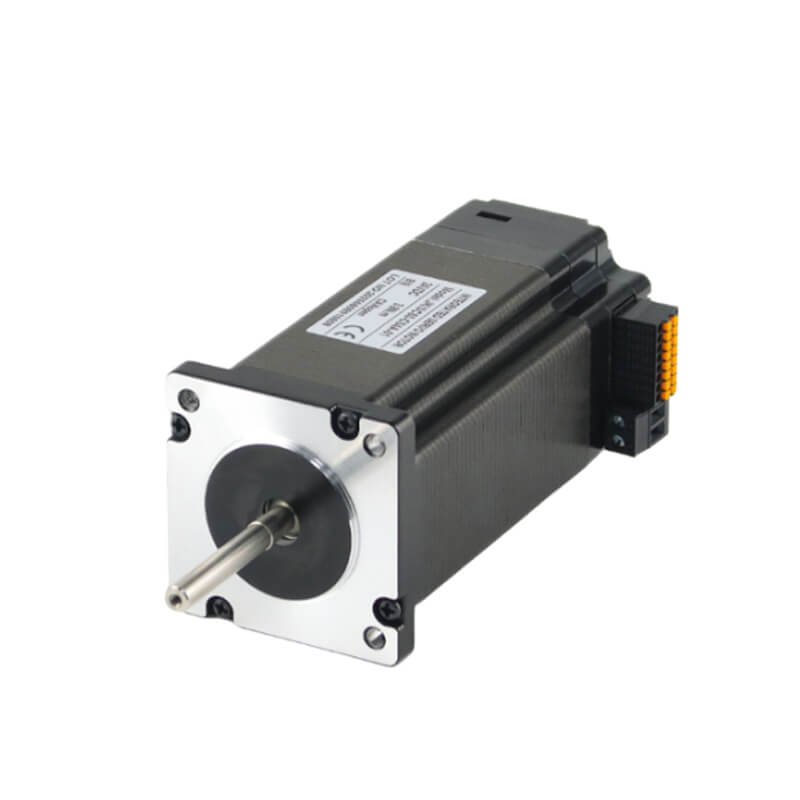
Integrated stepper servo motors combine a high-torque stepper motor with a servo control system, encoder feedback, drive electronics, and communication interfaces — all in a single compact unit. This eliminates the need for separate external controllers and significantly reduces wiring complexity.
The built-in encoder enables real-time position monitoring, ensuring closed-loop operation, which solves traditional stepper motor issues such as missed steps, stalling, and overheating.
Key components include:
Hybrid stepper motor
High-resolution encoder
Servo-based closed-loop control
Integrated driver
Communication interfaces (CANopen, Modbus, EtherCAT, RS485, etc.)
This architecture brings powerful advantages for slider systems requiring accurate linear or rotary motion conversion.
Integrated Stepper Motor Types
Integrated stepper motors come in several types based on their design, control method, communication interface, and internal components. Each type is optimized for specific performance needs and industrial applications.
Here are the most common types of integrated stepper motors:
These motors include the motor + driver in one unit but do not have encoder feedback.
Key characteristics:
Best for:
Basic linear actuators, hobby CNCs, light-duty automation.
These motors combine a stepper motor + encoder + servo controller + driver in a single housing.
Key characteristics:
Best for:
Precision sliders, CNC machines, robotics, packaging equipment.
Instead of incremental encoders, these motors use absolute encoders that remember their position even after power loss.
Key characteristics:
Best for:
Robots, medical machines, and zero-downtime automation.
These motors include a high-torque gearbox to increase output torque and resolution.
Key characteristics:
Best for:
Heavy-load sliders, conveyors, industrial pick-and-place machines.
These motors convert rotary motion into linear motion inside the integrated assembly.
Two main types:
Best for:
3D printers, XY tables, medical pumps, automated stages.
These are advanced integrated motors that support modern communication protocols such as:
Best for:
Industrial automation, smart equipment, multi-axis synchronized motion.
These motors include a small motion controller inside the motor that can execute:
Point-to-point motion
Speed control
Position loops
Stored programs/macros
Best for:
Standalone systems, compact machines, distributed control.
Designed for harsh environments with IP65 or IP67 waterproof and dustproof housings.
Best for:
Food machinery, outdoor robotics, industrial plants.
Summary Table (Quick Reference)
| Type | Key Feature | Best Application |
| Open-loop integrated | Motor + driver only | Light duty automation |
| Closed-loop integrated | Encoder + servo-like control | Precision sliders, CNC |
| Absolute encoder | Retains position when powered off | Robotics, medical |
| With gearbox | High torque | Heavy-load sliders |
| Linear integrated | Built-in linear motion | 3D printers, medical |
| Fieldbus communication | Industrial network support | Automation lines |
| With internal controller | Runs stored programs | Standalone systems |
| IP-rated integrated | Waterproof design | Harsh environments |
The slider industry — consisting of manual and automated slider systems used in CNC machines, 3D printers, laboratory equipment, conveyors, packaging systems, and precision automation — demands superior motion accuracy and long service life. Traditional stepper motors often struggled in high-load or high-speed environments, but integrated stepper servo motors resolve these limitations.
1. Superior Precision and Closed-Loop Accuracy
Thanks to encoder feedback and continuous position correction, integrated stepper servo motors deliver:
Precise micro-stepping for smooth linear motion
Repeatability up to ±0.01 mm
No missed steps or tool drift, essential in multi-axis slider systems
Such accuracy is crucial for tasks such as optical alignment, robotic sliders, and precision dispensing.
2. Higher Torque at All Speeds
A common limitation of standard stepper motors is torque drop at higher speeds. Integrated servo stepper motors overcome this with:
Dynamic torque adjustment
Optimized current control for maximum force output
Stable torque for fast slider movement
This makes them ideal for high-speed pick-and-place sliders, material handling rails, and packaging lanes.
3. Reduced Heat and Energy Consumption
Thanks to intelligent servo control algorithms, the motor draws only the required current, unlike open-loop steppers that run at constant full current.
Benefits include:
This is especially valuable for compact slider assemblies where heat buildup can affect material stability.
4. Compact All-in-One Design
Integrated stepper servo motors reduce space and wiring by combining motor, encoder, and drive into one streamlined housing. Slider manufacturers benefit from:
Simpler installation
Reduced assembly time
Fewer wiring errors
Smaller control cabinets
This compactness is essential in portable equipment, miniature sliders, and OEM devices.
5. Improved Reliability and Run Stability
The closed-loop system ensures the motor automatically corrects errors in real-time, preventing:
Step loss
System stalls
Oscillation or vibration
Overload damage
This reliability is crucial for sliders that operate continuously in industrial environments.
Integrated stepper servo motors are engineered to deliver exceptional performance in slider-based systems, where linear motion must be precise, smooth, reliable, and consistent. Their advanced closed-loop architecture and compact design make them ideal for automation, robotics, CNC equipment, packaging lines, laboratory instruments, and all types of linear actuators.
Below are the most important features that set integrated stepper servo motors apart in slider applications.
1. High-Resolution Encoder Feedback
A built-in incremental or absolute encoder provides real-time position feedback, ensuring that the slider moves with outstanding accuracy.
Why it matters:
Eliminates missed steps
Enhances repeatability (typically ±0.01 mm or better)
Enables smooth, micro-stepping motion
Maintains accurate positioning even under fluctuating loads
Encoder feedback is essential for applications such as precision pick-and-place rails, camera sliders, and lab automation.
2. Closed-Loop Control for Zero Step Loss
The integrated controller continuously compares the commanded position with the actual position.
Benefits:
No lost steps
Automatic correction of position errors
Stability during fast acceleration/deceleration
Reliable performance under high mechanical load
This closed-loop operation brings servo-like behavior while maintaining the affordability of stepper technology.
3. High Torque at Low and High Speeds
Unlike traditional open-loop stepper motors, integrated stepper servo motors maintain strong torque even at higher speeds due to optimized current control.
Advantages:
This is crucial for industrial sliders that must move quickly without sacrificing accuracy.
4. Intelligent Current Control for Cooler Operation
The system adjusts current based on actual torque demand rather than running at maximum current all the time.
Results:
This makes them ideal for compact slider assemblies where temperature stability is critical.
5. Integrated Driver and Controller
All electronics — the driver, encoder interface, servo controller, and communication module — are built into the motor housing.
Benefits:
Minimal wiring
Faster installation
Compact design
Reduced electrical noise
Lower total system cost
This "all-in-one" approach is perfect for slim, space-constrained slider platforms.
6. Smooth, Low-Vibration Motion
Advanced control algorithms and micro-stepping technology provide exceptionally smooth linear travel.
Important for:
Reduced vibration improves product quality, measurement accuracy, and user experience.
7. Multi-Protocol Communication Options
Integrated stepper servo motors commonly support protocols such as:
RS485 / Modbus-RTU
CANopen
EtherCAT
Pulse/Direction
IO control
Advantages:
Seamless integration into automation environments
Synchronized motion for multi-axis sliders
Remote monitoring and control
This makes them adaptable for everything from simple linear rails to advanced robotic gantries.
8. Built-In Protection and Diagnostics
Integrated stepper servo motors include advanced safety and monitoring features such as:
These features maximize uptime and prevent damage to both motor and slider.
9. Compact, Lightweight Design
Because driver, encoder, and controller are built into one unit, the overall system becomes:
Compactness is critical for mobile, portable, or miniature slider systems.
10. Auto-Tuning and Self-Calibration
Many integrated stepper servo motors feature automatic parameter adjustment.
Benefits:
Quick setup
Optimal performance without manual tuning
Compensation for different slider loads
Reduced commissioning time
This is especially helpful for OEMs and machine builders.
Conclusion
Integrated stepper servo motors bring powerful advantages to slider applications — combining precision, reliability, speed, and compactness into a single unified solution. By integrating encoder feedback, closed-loop control, intelligent current management, and multi-protocol communication, they significantly enhance the performance and durability of any slider-based motion system.
Integrated stepper servo motors have become a core technology in modern slider systems due to their precision, reliability, and compact design. The slider industry — encompassing automation, packaging, robotics, CNC machines, and precision instrumentation — relies heavily on these motors for accurate linear and rotary motion. Below is a detailed overview of their primary applications.
1. CNC Linear Sliders
Computer Numerical Control (CNC) machines require precise linear motion for milling, cutting, engraving, and routing operations. Integrated stepper servo motors provide:
High-accuracy movement along X, Y, and Z axes
Closed-loop feedback to prevent missed steps or stalling
Consistent torque even at high speeds
These motors are ideal for industrial CNC sliders, ensuring smooth tool paths and repeatable precision for complex machining tasks.
2. 3D Printer Sliders
3D printers demand smooth and accurate motion for layered printing. Integrated stepper servo motors enable:
Ultra-precise positioning for X, Y, and Z axes
Stable micro-stepping for clean surface finishes
Quiet and low-vibration operation
They are widely used in high-end 3D printers where print quality depends on stable and consistent motion.
3. Automation Linear Actuators
In industrial automation, linear actuators often form the backbone of pick-and-place systems, conveyors, and material handling sliders. Integrated stepper servo motors provide:
High acceleration and deceleration control
Dynamic load compensation
Repeatable accuracy across multiple axes
This ensures efficient, reliable, and synchronized movement in high-throughput production lines.
4. Packaging Machine Sliders
Packaging systems require fast and accurate motion for sealing, filling, cutting, and labeling. Integrated stepper servo motors deliver:
Precise indexing for packaging lanes
Smooth, vibration-free operation to protect sensitive products
Energy-efficient performance for continuous operation
They are especially valuable in pharmaceutical, food, and consumer goods packaging.
5. Laboratory and Medical Equipment
Precision instruments in medical and laboratory settings rely on sliders for sample handling, dispensing, or imaging. Integrated stepper servo motors offer:
Smooth, quiet motion to avoid interference
Micro-positioning accuracy for delicate samples
Low heat generation for temperature-sensitive applications
They are used in automated pipetting systems, microscope stages, and diagnostic devices.
6. Robotics and Gantry Sliders
Robotic systems often require precise linear motion for manipulating tools or components. Integrated stepper servo motors provide:
High repeatability for complex multi-axis tasks
Load-adaptive torque for variable payloads
Reliable operation in continuous duty cycles
Applications include robotic assembly, material handling gantries, and automated inspection systems.
7. Camera Sliders and Motion Control Rigs
In the film and photography industry, sliders must provide cinematic smoothness. Integrated stepper servo motors enable:
Controlled speed ramps for smooth camera motion
Repeatable motion for time-lapse sequences
Quiet operation to avoid audio interference
These motors are ideal for professional camera sliders, motion control rigs, and drone-based camera systems.
8. Conveyor and Material Transport Sliders
Integrated stepper servo motors are used in precision conveyors where product positioning and timing are critical. They ensure:
Accurate product alignment on assembly lines
Smooth acceleration and deceleration to prevent jams
Energy-efficient continuous operation
Applications include electronics assembly, packaging lines, and precision manufacturing.
Conclusion
Integrated stepper servo motors have revolutionized the slider industry by combining precision, reliability, compactness, and energy efficiency. From CNC machines and 3D printers to packaging, medical devices, and robotic systems, these motors provide repeatable, high-accuracy linear motion essential for modern automation. Their versatility makes them indispensable wherever precise slider motion is required.
Integrated stepper servo motors are a game-changer for the slider industry, offering unmatched precision, reliability, and efficiency. By combining the benefits of stepper motors with servo feedback control, these motors optimize linear and rotary motion, enhancing the performance of slider systems across automation, robotics, CNC machines, 3D printing, packaging, and laboratory equipment. Below is a detailed explanation of how they improve slider performance.
1. Enhanced Positioning Accuracy
Integrated stepper servo motors use high-resolution encoders to continuously monitor position. Unlike traditional stepper motors, which operate in open-loop mode and can miss steps under heavy load, these motors provide:
Closed-loop feedback for real-time correction
Repeatability within ±0.01 mm in linear sliders
Consistent accuracy in multi-axis systems
This ensures smooth, precise motion across X, Y, and Z axes, critical for CNC machines, robotic sliders, and high-precision automation.
2. Smooth and Vibration-Free Motion
The combination of micro-stepping technology and servo control enables smooth slider travel, reducing vibration and oscillation. Benefits include:
Quiet operation, essential for laboratory and medical equipment
Elimination of mechanical jitter, improving product quality
Even acceleration and deceleration, protecting sensitive materials
This makes integrated stepper servo motors ideal for camera sliders, motion control rigs, and delicate sample handling.
3. Higher Torque Across All Speeds
Traditional stepper motors lose torque at high speeds, which can cause stalling or missed steps. Integrated stepper servo motors overcome this by:
Dynamically adjusting current to maintain torque
Providing consistent force for acceleration and deceleration
Supporting high-speed operations without compromising precision
This ensures reliable performance for high-speed pick-and-place systems, conveyor sliders, and packaging machinery.
4. Adaptive Load Management
Integrated stepper servo motors can automatically adjust torque and speed based on the slider’s load. This provides:
This adaptability is particularly valuable for multi-axis robotic systems and automated production lines where load conditions frequently change.
5. Reduced Heat and Energy Consumption
Because these motors only draw the current necessary for the required motion:
Excess heat is minimized, preventing damage to slider components
Power efficiency is improved, lowering operational costs
Motor lifespan is extended, ensuring reliable long-term performance
This makes them perfect for compact, high-density slider systems in 3D printers, lab equipment, and automated assembly stations.
6. Quick and Precise Acceleration/Deceleration
Integrated stepper servo motors excel at rapid speed changes without sacrificing accuracy. Benefits include:
Fast response times for dynamic motion
Smooth start-stop operation, avoiding jerks
Precise positioning even during rapid movements
This is essential in automated packaging, CNC operations, and robotic pick-and-place sliders where timing is critical.
7. Simplified Integration and Reduced Wiring
With the motor, encoder, and driver integrated into one unit, these motors provide:
Compact installation for space-constrained sliders
Fewer wiring errors and simpler setup
Plug-and-play operation with multi-protocol communication (EtherCAT, CANopen, Modbus)
This simplifies design and maintenance for industrial and laboratory slider systems.
8. Enhanced Reliability and Maintenance
The closed-loop feedback system detects stalls, overloads, and missed steps in real time. This results in:
For critical applications such as medical instrumentation, robotic automation, and precision packaging, reliability is paramount.
Conclusion
Integrated stepper servo motors significantly enhance slider performance by combining precision, smooth motion, high torque, adaptive load control, energy efficiency, and simplified integration. These advantages make them the preferred choice for a wide range of slider applications, from industrial automation and robotics to medical devices and high-end 3D printing. By delivering reliable, repeatable, and efficient motion, these motors ensure that slider systems achieve maximum performance and longevity.
Choosing the right integrated stepper servo motor for slider applications is critical to ensure precision, reliability, and long-term performance. With a wide range of options available in terms of torque, speed, encoder resolution, and communication protocols, selecting the correct motor requires careful consideration of your slider system’s requirements. Below is a detailed guide to help you make the right choice.
1. Determine Load Requirements
The first step is to evaluate the load your slider will carry. This includes the weight of the moving components, tools, or payload, as well as the friction and resistance of the slider mechanism.
Calculate required torque considering acceleration, deceleration, and friction losses.
Check maximum torque ratings of the motor to ensure it can handle peak loads.
Consider safety margins to avoid stalls or missed steps.
Accurate torque calculation is crucial for applications such as pick-and-place systems, CNC sliders, and robotic gantries.
2. Define Motion Precision and Resolution
Slider performance heavily depends on positioning accuracy and repeatability. Integrated stepper servo motors provide closed-loop control, but encoder resolution and micro-stepping capabilities define achievable precision.
High-resolution encoders (1,000–5,000 PPR or higher) provide smooth and accurate motion.
Micro-stepping allows for finer control of linear and rotary travel.
Repeatability requirement determines whether standard or high-precision motors are needed.
For laboratory equipment, medical devices, and optical systems, high-precision motors are essential.
3. Consider Speed and Acceleration
Different slider applications require different speed profiles. Integrated stepper servo motors maintain torque at higher speeds, but selecting a motor capable of meeting the maximum required speed and acceleration is essential.
High-speed sliders (e.g., packaging or conveyor systems) need motors with consistent torque across the speed range.
High-acceleration tasks require motors that can handle rapid changes without losing position.
Ensure the motor’s rated speed matches your slider system’s maximum speed.
4. Choose the Appropriate Communication Interface
Modern slider systems often require integration with automation controllers, PLCs, or motion control networks. Selecting a motor with the correct communication protocol is vital for seamless operation.
Pulse/Direction (PUL/DIR): Simple and widely compatible
RS485 / Modbus: For serial communication
CANopen / EtherCAT: High-speed, multi-axis synchronization
USB / Ethernet: For PC-based or standalone systems
The choice depends on your control system architecture and future scalability.
5. Environmental Considerations
Slider systems operate in varied environments. Your motor should be selected based on:
Temperature range: Standard motors may overheat in high-temperature applications
Ingress Protection (IP rating): IP65 or IP67 for dust or moisture-prone environments
Vibration and shock tolerance: Critical for industrial automation and mobile applications
6. Evaluate Integrated Features
Modern integrated stepper servo motors include built-in features that improve performance and ease of use:
Auto-tuning and self-calibration for different loads
Overload, stall, and over-temperature protection
Real-time monitoring and diagnostics for predictive maintenance
Compact form factor for space-constrained slider assemblies
These features reduce setup time and improve the reliability and longevity of your slider system.
7. Check Mechanical Compatibility
Ensure the motor’s mechanical properties match your slider system:
Motor shaft type and size (solid vs. keyed vs. hollow)
Mounting options (flange, face, or custom mounts)
Gearboxes or coupling compatibility if torque amplification is required
Weight and size constraints for compact or portable sliders
8. Consider Budget vs. Performance
While integrated stepper servo motors offer excellent performance, they vary in price based on torque, precision, features, and brand reliability. Evaluate:
Short-term cost vs. long-term reliability and maintenance savings
Potential efficiency gains that reduce operational costs
Overall ROI by choosing a motor that meets your performance needs without over-specification
9. Review Manufacturer Support and Documentation
Finally, choose motors from reputable manufacturers who provide:
Strong manufacturer support ensures smooth installation and long-term performance.
Conclusion
Selecting the best integrated stepper servo motor for slider systems requires a balanced evaluation of load, precision, speed, communication, environment, and mechanical compatibility. By carefully assessing these factors, you can choose a motor that maximizes slider performance, reduces maintenance, and ensures consistent, reliable operation across industrial, laboratory, medical, and automation applications.
Integrated stepper servo motors are a future-ready choice, combining high torque, closed-loop accuracy, energy efficiency, and compact design, making them ideal for modern slider systems.
The slider industry is undergoing a significant transformation as automation, robotics, and precision manufacturing continue to advance. Central to this evolution are integrated stepper servo motors, which are redefining how slider systems operate. Their combination of precision, closed-loop control, compact design, and energy efficiency is enabling new possibilities across industries ranging from industrial automation and packaging to medical devices and laboratory instrumentation. Here is a detailed overview of the future trends shaping slider systems with integrated stepper servo motors.
1. Smart and AI-Driven Motion Control
One of the most notable trends is the integration of artificial intelligence (AI) and machine learning algorithms into slider systems:
Motors will analyze real-time operational data to optimize motion profiles.
Predictive adjustments will improve acceleration, deceleration, and load handling.
Smart systems will anticipate stalls or overloads before they occur, reducing downtime.
This evolution will enable autonomous slider systems capable of self-optimization for improved efficiency and accuracy in industrial automation, robotics, and CNC applications.
2. Higher Precision and Micro-Positioning Capabilities
The demand for ultra-precise linear motion is increasing in fields such as medical instrumentation, semiconductor manufacturing, and optical systems. Future integrated stepper servo motors will feature:
Higher-resolution encoders exceeding 10,000 PPR
Advanced micro-stepping algorithms for smoother motion
Sub-micron repeatability for sensitive applications
These advancements will allow sliders to operate with unprecedented accuracy, ensuring consistent and repeatable performance in high-precision environments.
3. Compact, Integrated, and Modular Designs
Space constraints are a growing concern in modern machinery. Future trends emphasize:
More compact integrated motors with built-in controllers, encoders, and drivers
Modular designs that allow easy replacement or expansion of slider axes
Reduced wiring complexity, which simplifies installation and maintenance
This will benefit robotic gantries, 3D printers, and medical automation devices where space efficiency is crucial.
4. Advanced Connectivity and IoT Integration
Integrated stepper servo motors are moving toward full IoT compatibility:
Motors will connect to cloud platforms for monitoring and analytics
Real-time data from sliders can predict maintenance needs and optimize production schedules
Multi-axis systems will communicate seamlessly through EtherCAT, CANopen, or Modbus over IP
This trend will lead to smart factories where slider systems are fully integrated into Industry 4.0 environments.
5. Energy Efficiency and Thermal Management
As sustainability becomes a priority, integrated stepper servo motors are improving in energy efficiency and thermal control:
Motors will automatically adjust current based on load
Reduced heat generation will extend slider lifespan
Advanced cooling mechanisms will allow continuous high-speed operation
This ensures eco-friendly and cost-effective slider systems across industries.
6. Predictive Maintenance and Real-Time Diagnostics
Future slider systems will increasingly leverage data-driven maintenance:
Real-time monitoring of torque, position, vibration, and temperature
Predictive alerts for wear or potential failure
Automated calibration and fault correction without manual intervention
This will minimize downtime in high-volume industrial processes and improve reliability for medical and laboratory equipment.
7. Multi-Axis Synchronized Slider Systems
Complex production lines are demanding synchronized motion across multiple axes:
Integrated stepper servo motors will support multi-axis communication protocols
Synchronized motion will allow precise coordination in robotic and CNC applications
Future systems will handle real-time load adjustments across multiple sliders
This enables high-speed, high-precision automated operations that were previously difficult with standard stepper or servo motors.
8. Wider Adoption in Specialized Industries
With enhanced performance and reliability, integrated stepper servo motors will expand into specialized sectors:
Medical devices: automated pipetting, diagnostic stages, imaging platforms
Semiconductor and electronics: wafer handling, inspection, pick-and-place
Film and photography: precision camera sliders and motion control rigs
Food and beverage packaging: high-speed indexing and filling applications
These industries will benefit from precision, repeatability, and smart motion control in compact and efficient slider systems.
Conclusion
The future of slider systems with integrated stepper servo motors is defined by precision, intelligence, connectivity, and energy efficiency. As AI, IoT, and advanced feedback control become standard, sliders will evolve into smarter, faster, and more reliable systems across industries. Manufacturers adopting these technologies will gain a competitive edge through improved automation, reduced maintenance, and higher throughput, solidifying the role of integrated stepper servo motors as a cornerstone of modern motion control.
Integrated stepper servo motors represent the next generation of motion control for the slider industry. Their exceptional precision, stability, energy efficiency, and ease of integration make them the superior choice for manufacturers seeking high-performance linear motion systems. As automation demands grow, these motors will continue to play a vital role in delivering reliable, accurate, and efficient slider mechanisms across industrial and commercial applications.