Precise motion control is the foundation of modern automation. In industrial equipment, positioning accuracy of stepper motors directly determines product quality, process stability, energy efficiency, and long-term reliability. We focus on proven engineering methods that significantly enhance stepper motor accuracy, from mechanical design and electrical optimization to advanced control strategies and system integration.
This comprehensive guide delivers a structured, practical approach to achieving high-precision stepper motor positioning in demanding industrial environments.
Positioning accuracy refers to how closely a stepper motor’s actual shaft position matches the commanded position. In industrial equipment, even minor deviations can lead to misalignment, vibration, excessive wear, or defective output.
Key contributors to accuracy include:
Step angle resolution
Load inertia matching
Mechanical transmission precision
Driver control quality
Feedback and compensation technologies
Environmental and installation factors
Improving positioning accuracy requires optimizing the entire motion system rather than focusing on a single component.
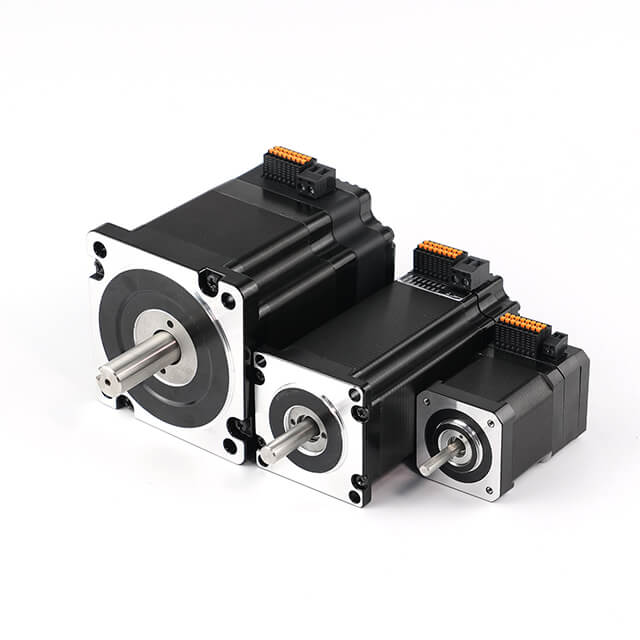
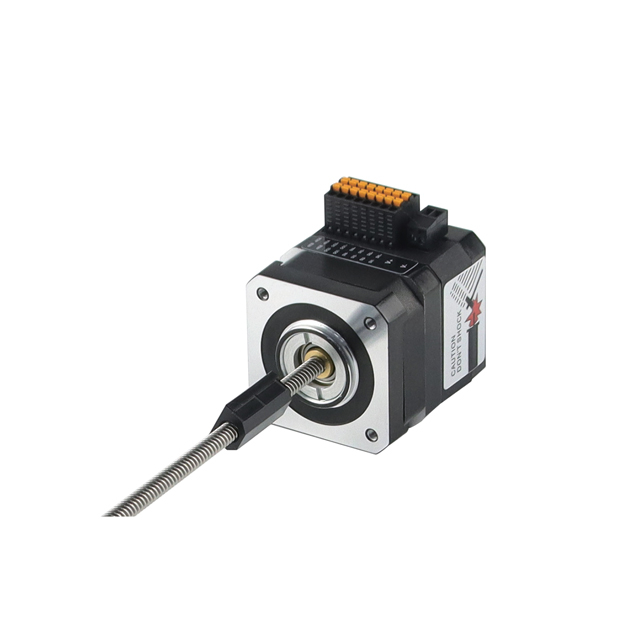
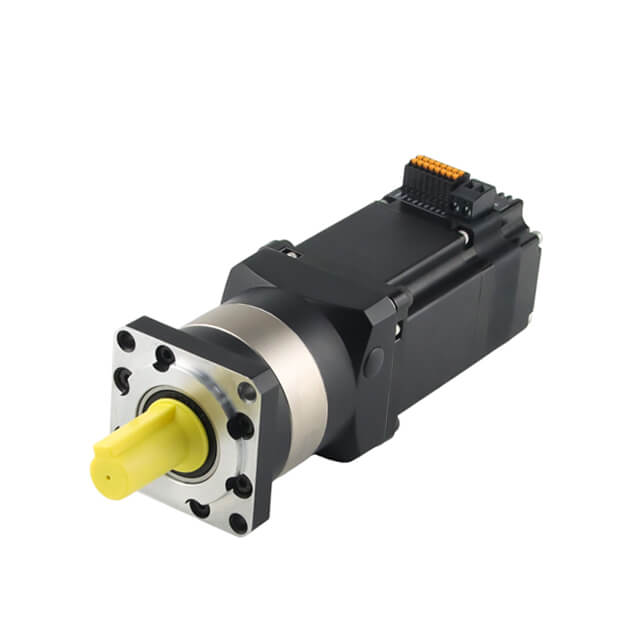
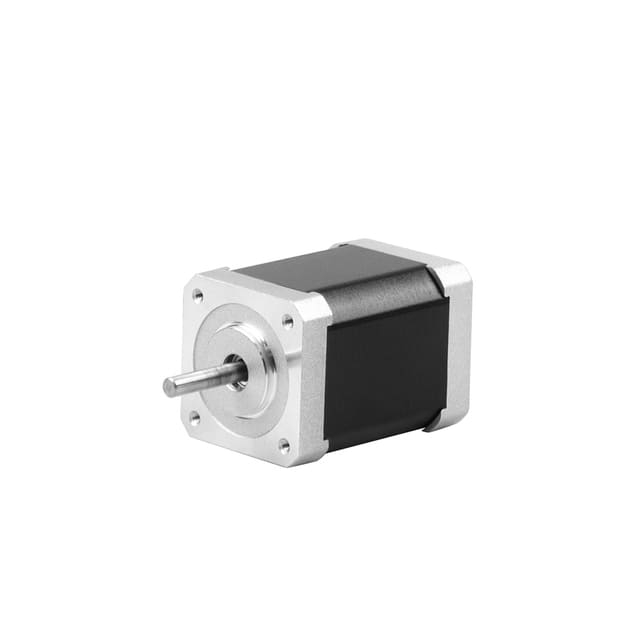
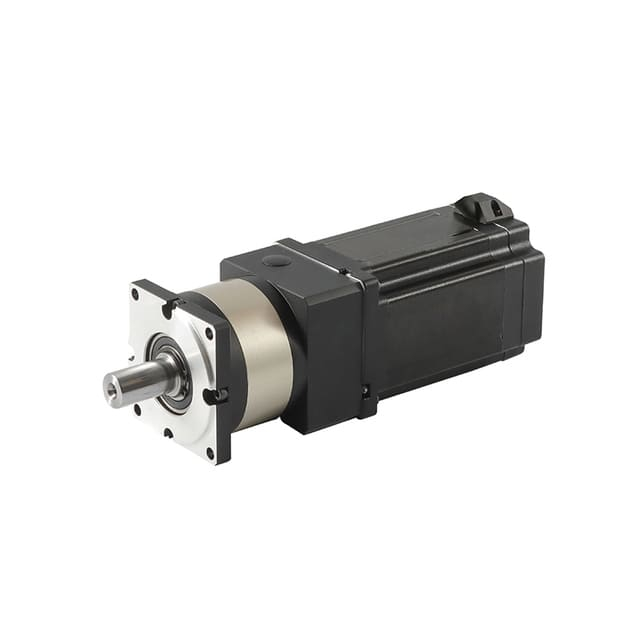
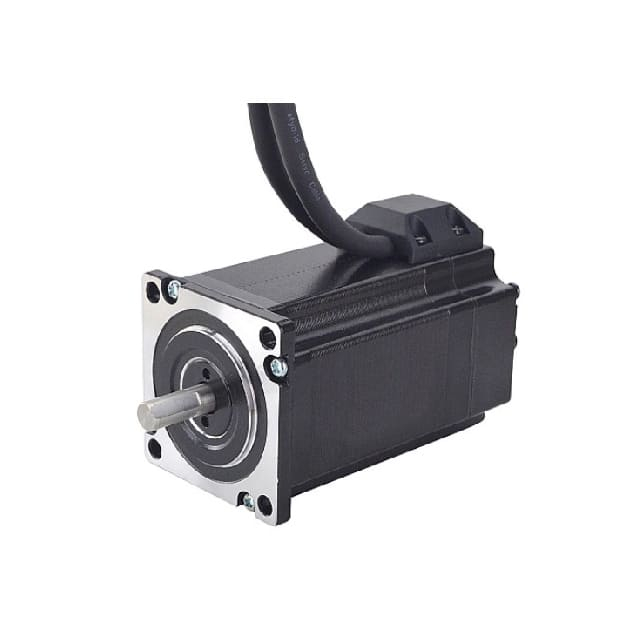
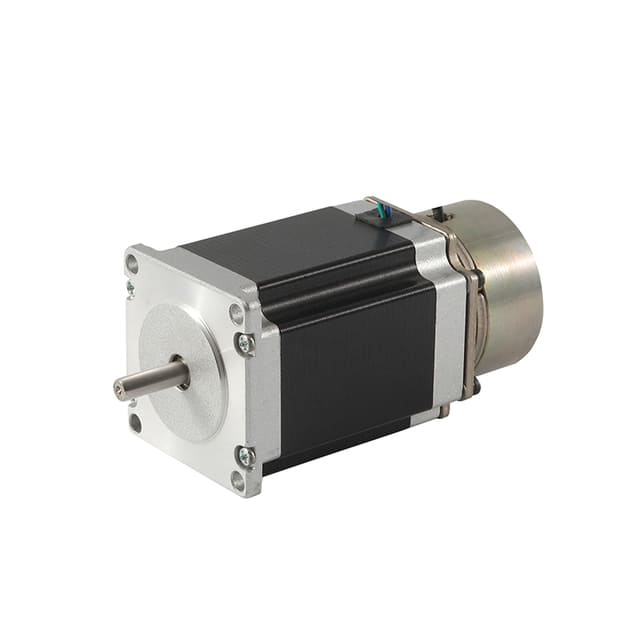
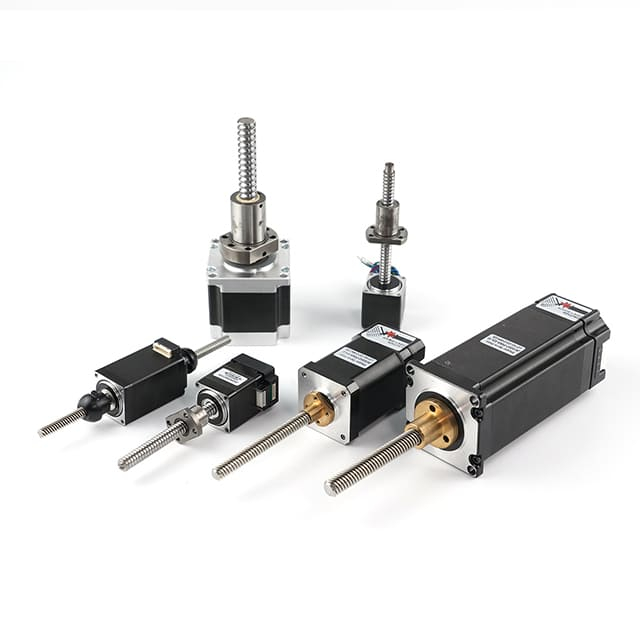
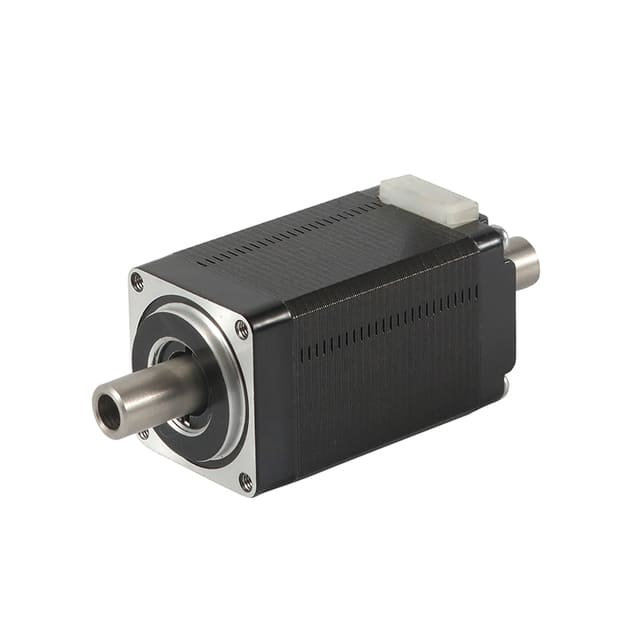
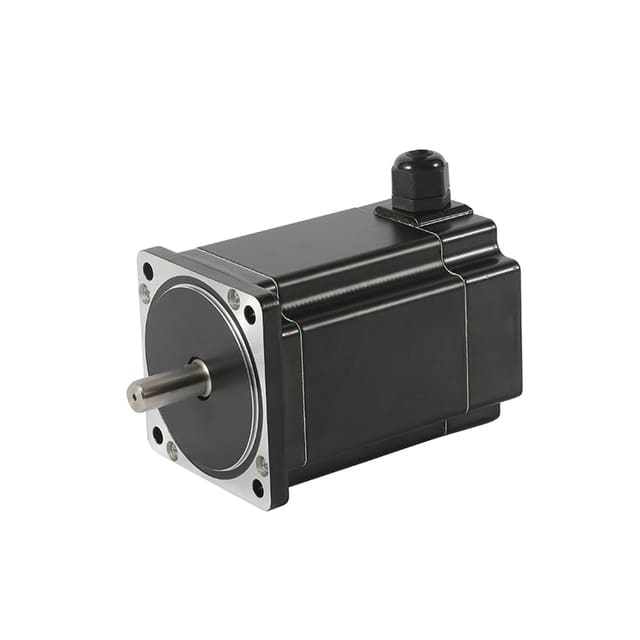
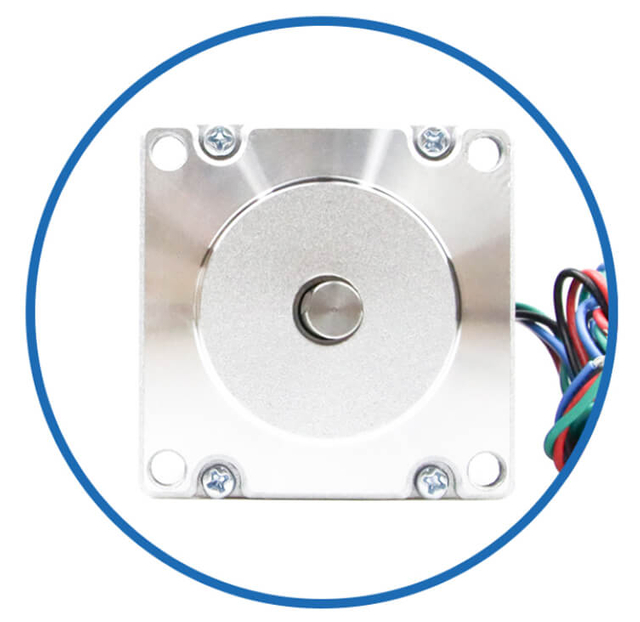
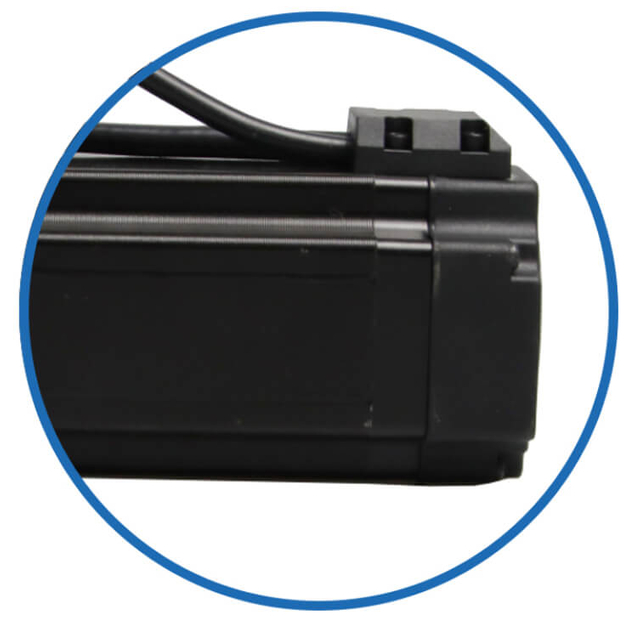
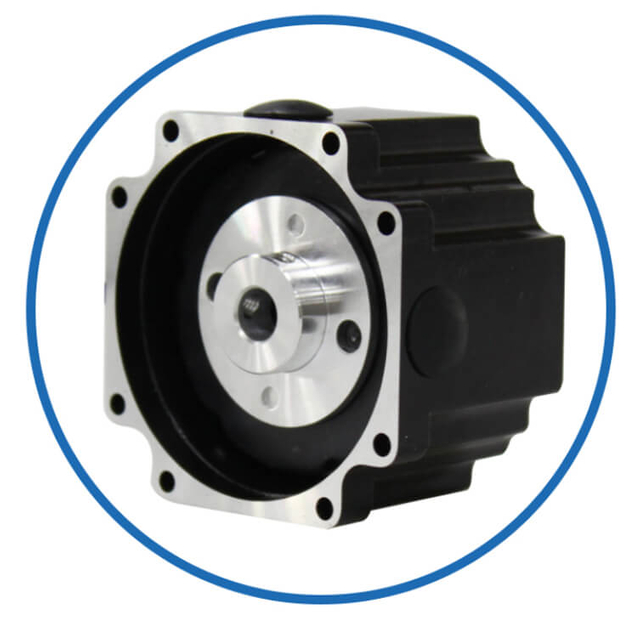
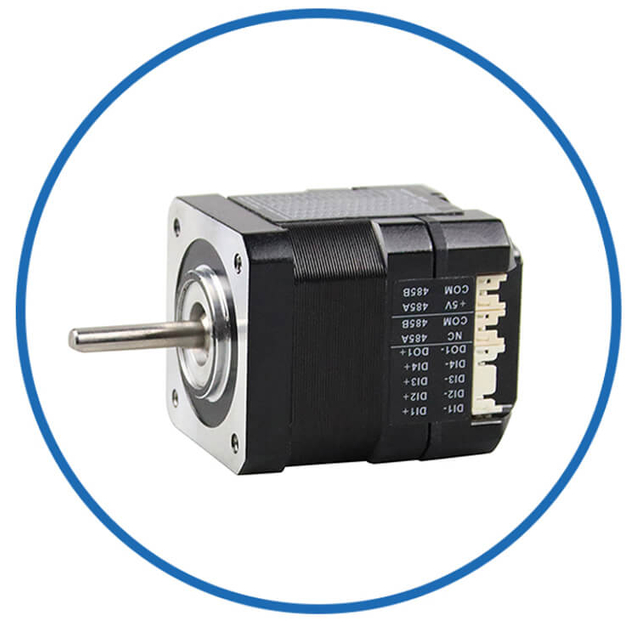
Jkongmotor Customized Stepper Motor Types for Industrial Automation
Motor Customized Service
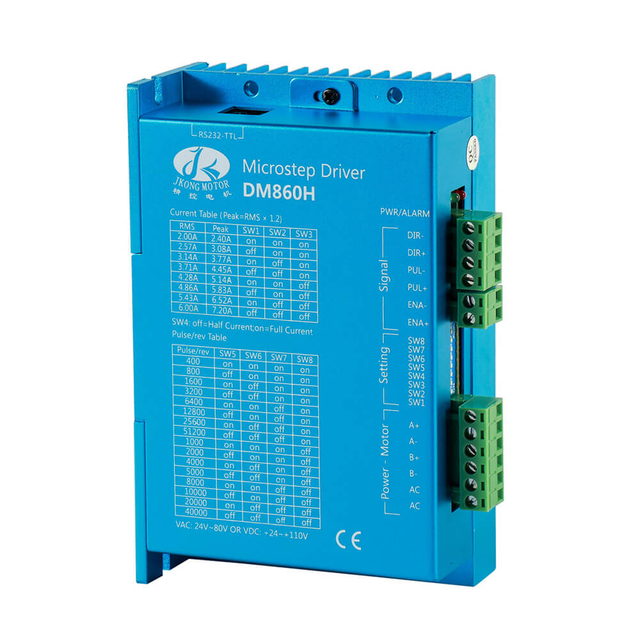
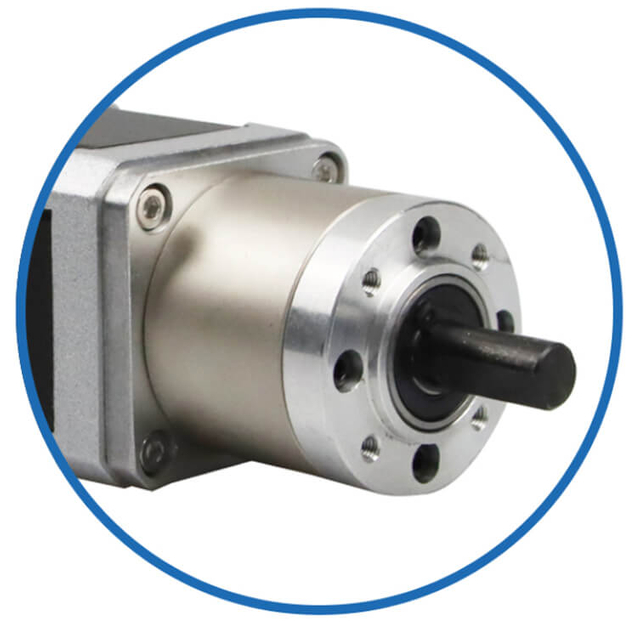
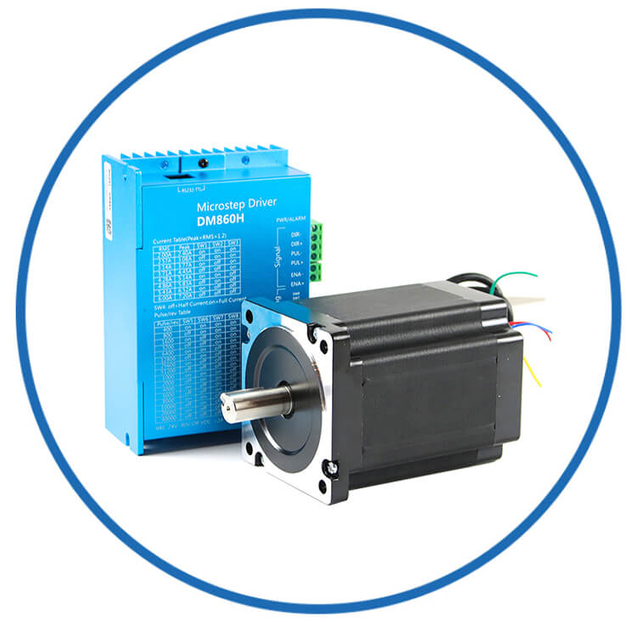
As a professional brushless dc motor manufacturer with 13 years in china, Jkongmotor offer various bldc motors with customized requirements, including 33 42 57 60 80 86 110 130mm, additionally, gearboxes, brakes, encoders, brushless motor drivers and integrated drivers are optional.
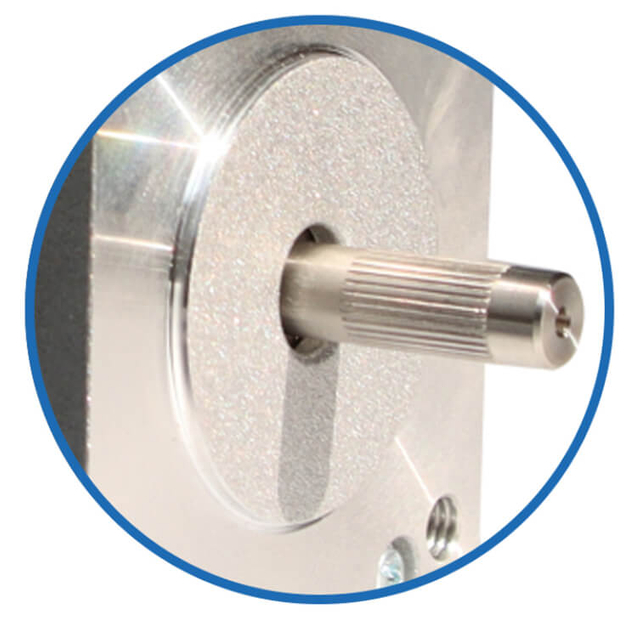
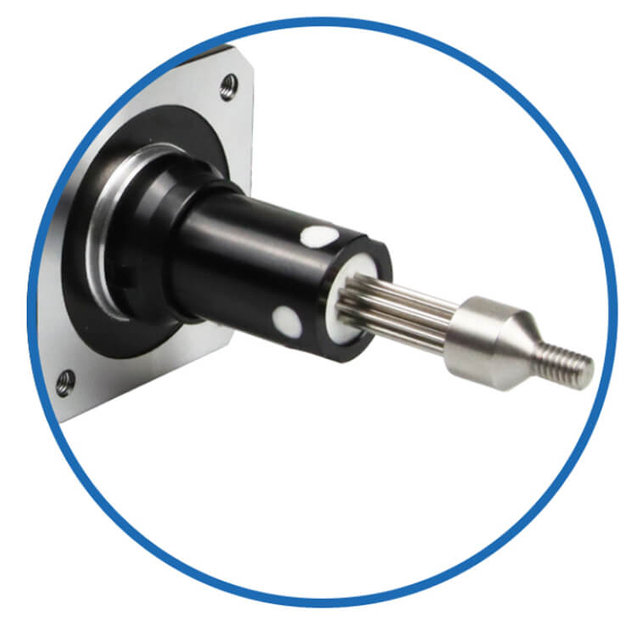
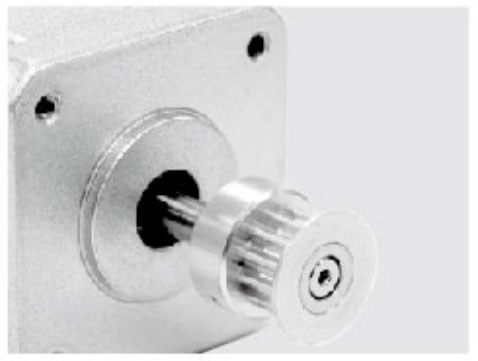
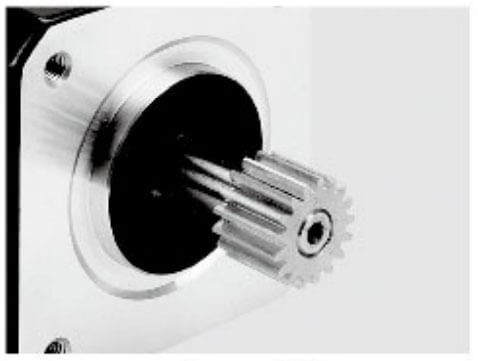
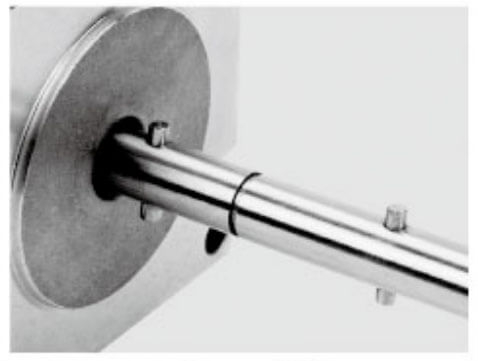
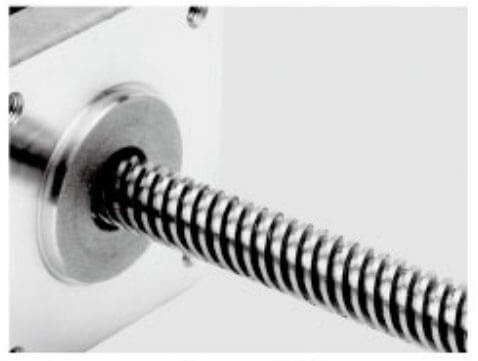
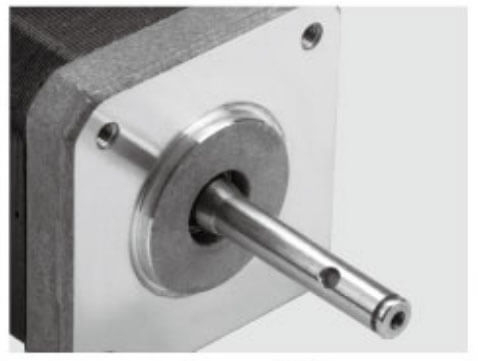
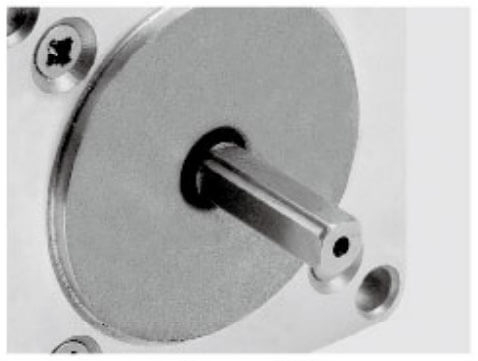
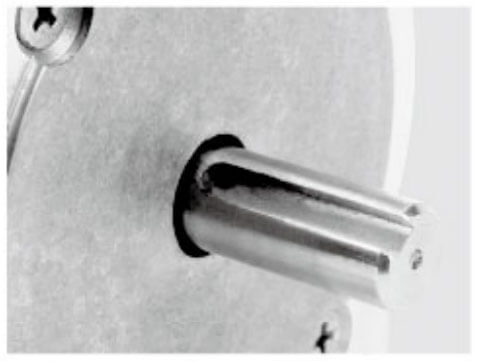
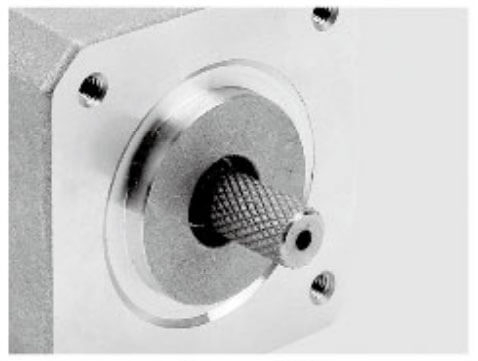
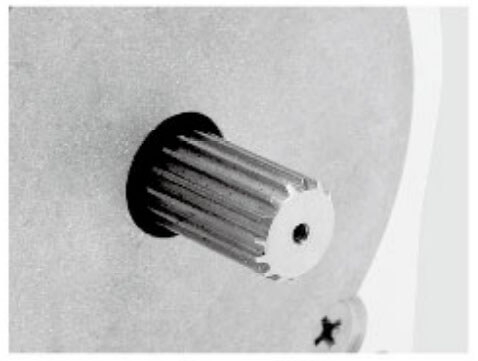
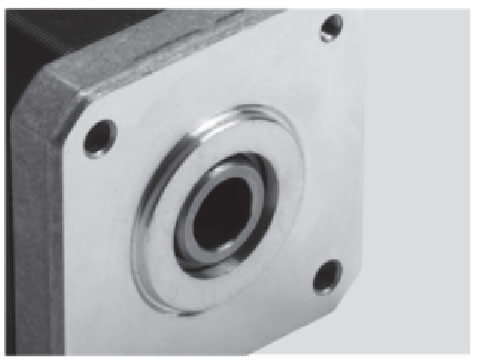
Motor Shaft Customized Service
Jkongmotor offer many different shaft options for your motor as well as customizable shaft lengths to make the motor fit your application seamlessly.
Selecting the right stepper motor is the first and most critical step in achieving high positioning accuracy in industrial equipment. Precision does not come from control algorithms alone; it is fundamentally determined by the motor’s mechanical quality, electromagnetic design, and suitability for the actual working conditions. We focus on selecting stepper motors that are engineered specifically for industrial-grade accuracy, stability, and long-term repeatability.
Prioritize Smaller Step Angles for Higher Native Resolution
High-precision applications benefit significantly from motors with smaller basic step angles. While 1.8° stepper motors remain common, 0.9° stepper motors and high-resolution hybrid designs provide double the native step count per revolution, reducing inherent quantization error and improving low-speed smoothness. Higher native resolution also allows microstepping to perform more accurately, delivering finer positional control with less nonlinearity.
Evaluate Manufacturing Tolerances and Structural Quality
Not all stepper motors are manufactured to the same precision standard. For industrial positioning systems, we prioritize motors that feature:
Precision-ground shafts with minimal runout
High-grade, preloaded bearings for axial and radial stability
Optimized rotor balance to reduce micro-vibration
Uniform winding distribution for consistent electromagnetic force
These factors directly influence repeatability, reduce mechanical eccentricity, and maintain consistent step angles across the full rotation range.
Select Motors with Optimized Magnetic Design
High-precision stepper motors use refined magnetic circuits and high-energy permanent magnets to generate smooth, linear torque output. An optimized magnetic design minimizes cogging, torque ripple, and microstep distortion, all of which can degrade real-world positioning accuracy. Motors with low detent torque variation and symmetrical magnetic fields maintain more predictable step behavior, especially in micro-positioning and low-speed applications.
Ensure Proper Torque Margin and Load Matching
Operating a stepper motor close to its maximum torque reduces positional stability and increases the risk of step loss. We recommend selecting motors with a 30–50% continuous torque reserve over the calculated load requirement. Adequate torque margin ensures the motor can overcome friction, acceleration peaks, and external disturbances without sacrificing step integrity.
Equally important is inertia matching. Motors must be chosen to maintain a favorable rotor-to-load inertia ratio, enabling fast settling times, reduced overshoot, and more accurate stopping positions.
Choose Motors Designed for Closed-Loop Compatibility
For high-end industrial equipment, motors that support encoder integration or are available as closed-loop stepper motors offer a major accuracy advantage. These designs allow real-time position verification, automatic correction of position deviations, and stable performance under dynamic loads. Selecting motors with built-in encoder mounting structures or factory-integrated feedback simplifies system integration and enhances long-term accuracy.
Consider Thermal and Environmental Performance
Thermal stability directly affects positioning accuracy. Motors designed with efficient heat dissipation, high-temperature insulation systems, and low thermal expansion materials maintain tighter tolerances over long duty cycles. In demanding industrial environments, we also select motors with:
These features protect mechanical precision and electrical consistency throughout continuous operation.
Verify Consistency, Traceability, and Customization Capability
Industrial precision requires consistency across production batches. We emphasize motors from manufacturers that provide process-controlled manufacturing, parameter traceability, and OEM customization capability. Custom shaft tolerances, optimized winding parameters, special bearing configurations, and application-specific magnetic tuning allow the motor to be precisely matched to the equipment’s positioning demands.
Build Accuracy from the Motor Outward
High-precision positioning is not added later—it is built into the system from the motor selection stage. By choosing stepper motors with fine step angles, high manufacturing precision, optimized magnetic design, sufficient torque reserve, and closed-loop readiness, industrial equipment gains a stable foundation for achieving reliable, repeatable, and long-term positioning accuracy.
Optimizing Mechanical Transmission for Higher Positioning Accuracy
Mechanical components often introduce more error than the motor itself. High-accuracy stepper motor systems depend on robust mechanical design.
Use High-Precision Couplings
Flexible couplings compensate for minor misalignments, but excessive compliance introduces backlash and torsional windup. We recommend low-backlash, high-torsional-stiffness couplings designed for servo-grade performance.
Minimize Backlash in Gear and Screw Mechanisms
Backlash directly degrades positioning accuracy. To reduce its impact:
Use planetary gearboxes with low backlash ratings
Select preloaded ball screws or lead screws
Implement anti-backlash nut systems
Apply direct-drive configurations when possible
Increase Structural Rigidity
Rigid mounting surfaces, reinforced frames, and vibration-damped assemblies prevent micro-deflection. Even high-resolution motors cannot compensate for unstable mechanical foundations.
Improving Accuracy Through Advanced Driver and Control Technology
The driver determines how precisely current is applied to motor windings, shaping motion smoothness and micro-positioning capability.
Adopt High-Quality Microstepping Drivers
Microstepping subdivides each full step into smaller increments, dramatically improving:
Angular resolution
Motion smoothness
Low-speed stability
Noise reduction
Industrial-grade drivers deliver precise sine-wave current control, allowing motors to reach microstep resolutions of 1/16, 1/32, 1/64, or higher.
Use Digital Signal Processing Control
Advanced stepper drivers with DSP-based algorithms actively manage phase current, resonance suppression, and dynamic torque adjustment. This improves positional integrity under load changes and varying speed profiles.
Ensure Stable Power Supply Quality
Voltage ripple, insufficient current capacity, and electrical noise degrade microstep precision. We emphasize:
Industrial power supplies with low ripple
Shielded cabling and proper grounding
Dedicated power circuits for motion control systems
Implementing a closed-loop stepper motor system is one of the most effective ways to dramatically improve positioning accuracy, operational stability, and reliability in industrial equipment. Unlike traditional open-loop systems, closed-loop stepper solutions continuously monitor actual motor position and dynamically correct any deviation from the commanded target. This transforms the stepper motor from a passive actuator into an intelligent motion unit capable of maintaining precision under real-world conditions.
Understanding Closed-Loop Stepper Motor Architecture
A closed-loop stepper motor system integrates three core elements: a high-performance stepper motor, a position feedback device, and a closed-loop driver or controller. The feedback device—typically an optical or magnetic encoder—detects the real-time shaft position and transmits this data to the driver. The driver then compares actual motion to the commanded trajectory and instantly compensates for any error.
This architecture enables continuous correction of missed steps, load disturbances, mechanical wear, and thermal drift, ensuring that the system maintains accurate positioning across the full operating cycle.
Integrating High-Resolution Encoders
The encoder is the foundation of closed-loop accuracy. High-resolution encoders provide precise position data, allowing the controller to detect even micro-level deviations. Industrial closed-loop stepper motors commonly use:
Incremental encoders for high-speed, high-resolution monitoring
Absolute encoders for power-loss position retention and complex multi-axis systems
High encoder resolution enhances low-speed smoothness, improves settling accuracy, and allows more aggressive motion profiles without sacrificing position integrity.
Real-Time Error Detection and Compensation
The defining advantage of closed-loop systems is real-time correction. When the encoder detects a difference between commanded and actual position, the driver immediately increases or reshapes phase current to restore alignment. This prevents cumulative error, eliminates the risk of silent step loss, and stabilizes positioning during acceleration, deceleration, or sudden load variation.
This dynamic response capability allows stepper motors to operate closer to their true performance limits while maintaining accurate and predictable positioning behavior.
Improving Accuracy Under Variable Loads
Industrial equipment rarely operates under constant conditions. Tool engagement, material inconsistencies, temperature changes, and mechanical aging all introduce variability. Closed-loop stepper motor systems automatically adapt to these changes, maintaining consistent positioning accuracy without manual retuning.
By actively compensating for torque fluctuations and inertial disturbances, closed-loop systems preserve motion precision even in applications where open-loop steppers would stall, vibrate, or drift from their commanded positions.
Enhancing Microstepping and Low-Speed Performance
In open-loop systems, microstepping accuracy degrades under load. Closed-loop feedback ensures that each microstep reaches its intended angular position, significantly improving low-speed smoothness and fine positioning capability. This is especially valuable in applications such as semiconductor handling, medical automation, optical alignment, and precision dispensing systems, where micron-level accuracy is required.
Reducing Resonance and Mechanical Vibration
Closed-loop drivers incorporate advanced control algorithms that actively suppress resonance. By continuously monitoring rotor behavior, the driver dynamically adjusts current phase relationships to damp oscillations and stabilize the motor. This reduces mid-band resonance, minimizes acoustic noise, and prevents vibration-induced positioning errors.
The result is a motion profile that is not only more accurate but also smoother, quieter, and more mechanically efficient.
Increasing System Reliability and Process Security
One of the most important industrial benefits of closed-loop stepper systems is fault detection. If abnormal conditions occur—such as shaft blockage, excessive following error, or encoder signal loss—the system can immediately trigger alarms or controlled shutdowns. This prevents equipment damage, protects tooling, and ensures production quality.
Closed-loop operation also enables long-term performance monitoring, making it possible to detect gradual mechanical degradation before it leads to catastrophic failure.
Simplifying System Integration
Modern closed-loop stepper motors are available as integrated solutions that combine the motor, encoder, and driver into a single compact unit. These systems reduce wiring complexity, improve electromagnetic compatibility, and simplify commissioning. Integrated closed-loop motors also shorten development cycles and improve system reliability by eliminating compatibility uncertainties between separate components.
Optimizing Control Parameters
To fully benefit from closed-loop performance, control parameters must be properly configured. This includes:
Encoder resolution matching
Position loop gain tuning
Current loop optimization
Acceleration and deceleration profiling
Proper tuning ensures fast response without oscillation, enabling high-speed operation while maintaining tight positional tolerance.
Building a High-Precision Closed-Loop Motion Platform
Implementing closed-loop stepper motor systems establishes a robust foundation for industrial motion control. Through continuous feedback, dynamic correction, resonance suppression, and intelligent fault monitoring, closed-loop steppers deliver a unique balance of accuracy, reliability, and cost-efficiency.
By integrating high-resolution encoders, intelligent drivers, and well-matched mechanical systems, industrial equipment achieves stable, repeatable, and verifiable positioning performance suitable for the most demanding automation environments.
Reducing Resonance and Vibration to Protect Accuracy
Resonance and vibration are among the most significant threats to positioning accuracy in stepper motor systems. Even when high-precision motors and advanced drivers are used, uncontrolled dynamic behavior can distort step placement, cause overshoot, generate acoustic noise, and accelerate mechanical wear. Protecting positioning accuracy therefore requires a deliberate strategy that combines electronic control, mechanical design, and motion optimization to suppress resonance and stabilize motion.
Understanding the Sources of Resonance in Stepper Motor Systems
Stepper motors naturally operate through discrete electromagnetic steps. When the stepping frequency aligns with the mechanical natural frequency of the motor-load system, resonance occurs. This leads to amplified oscillations, unstable torque delivery, and loss of positional fidelity. Contributing factors include low structural stiffness, mismatched inertia, compliant couplings, backlash, and abrupt motion profiles. Without mitigation, resonance can severely limit usable speed ranges and degrade micro-positioning capability.
Applying Advanced Anti-Resonance Drive Technology
Modern industrial stepper drivers incorporate electronic anti-resonance algorithms that actively damp oscillations. By monitoring phase current behavior and rotor response, the driver dynamically adjusts current waveforms and phase angles to counteract mechanical vibration. This electronic damping stabilizes rotor movement, expands the effective operating speed range, and preserves accurate step execution even in mid-band resonance zones.
Enhancing Motion Smoothness Through Precision Microstepping
High-resolution microstepping reduces the abrupt magnetic transitions that excite resonance. Precision drivers generate near-sinusoidal phase currents, producing smoother torque output and finer angular increments. This minimizes excitation of mechanical natural frequencies and significantly improves low-speed smoothness. When microstepping is combined with closed-loop feedback, each microstep is actively corrected, further stabilizing motion and protecting positional accuracy.
Optimizing Acceleration and Deceleration Profiles
Sudden changes in velocity introduce inertial shock that excites vibration modes throughout the mechanical structure. High-accuracy systems employ S-curve or jerk-limited motion profiles that gradually apply acceleration and deceleration. This controlled dynamic behavior prevents mechanical ringing, reduces overshoot, and enables the motor to settle quickly into its commanded position without oscillation.
Improving Mechanical Rigidity and Structural Damping
Mechanical design strongly influences resonance behavior. Rigid mounting plates, reinforced frames, and high-stiffness couplings minimize elastic deformation and reduce the amplification of vibration. Where necessary, mechanical damping solutions such as inertia dampers, viscoelastic mounts, and tuned mass absorbers dissipate vibrational energy before it can disrupt positioning. Precision linear guides and preloaded transmission elements further stabilize the motion path.
Optimizing Load Inertia Matching
Excessive mismatch between motor inertia and load inertia increases susceptibility to resonance. Proper inertia matching ensures that the motor can effectively control the load without excessive oscillation. Balanced systems exhibit faster settling times, improved step response, and reduced vibration across the operating speed range. Correct sizing of motors, gear reductions, and mechanical linkages is therefore a fundamental strategy for resonance reduction.
Leveraging Closed-Loop Feedback for Dynamic Stabilization
Closed-loop stepper systems actively monitor rotor position and correct deviations in real time. This continuous feedback enables the driver to counteract oscillations before they propagate into positioning error. Closed-loop control also allows adaptive damping, automatically adjusting control parameters as load conditions change. The result is a motion platform that remains stable even when external disturbances or mechanical aging alter system dynamics.
Reducing Transmission-Induced Vibrations
Backlash, eccentricity, and misalignment within the mechanical transmission amplify vibration. Using low-backlash gearboxes, precision-ground screws, coaxial couplings, and accurately aligned shafts reduces parasitic excitation. Proper assembly techniques and tight tolerance control ensure that torque is transmitted smoothly without introducing lateral or torsional oscillation.
Managing Environmental and Installation Influences
External vibration from surrounding machinery, unstable mounting surfaces, and poor cable management can all introduce unwanted motion disturbances. High-accuracy systems isolate sensitive axes from environmental vibration, use stable machine foundations, and route cables to avoid mechanical interference. Electrical noise control further prevents current distortion that can indirectly excite mechanical vibration.
Sustaining Accuracy Through Continuous Optimization
Resonance characteristics evolve over time as components wear and operating conditions change. Periodic system evaluation, parameter retuning, and mechanical inspection are essential for sustaining vibration suppression. Closed-loop monitoring enables early detection of abnormal oscillation patterns, allowing corrective action before positioning accuracy deteriorates.
Protecting Precision Through Comprehensive Resonance Control
Reducing resonance and vibration is not a single adjustment but an integrated engineering process. By combining intelligent drivers, optimized motion profiles, rigid mechanical structures, proper inertia matching, and real-time feedback, stepper motor systems achieve stable, controlled motion. This stability preserves microstep integrity, enhances repeatability, and ensures that industrial equipment maintains high positioning accuracy throughout its operational life.
Enhancing Positioning Accuracy Through Load Matching
Load matching is a fundamental factor in achieving high positioning accuracy in stepper motor systems. Even the most precise motor and driver cannot deliver accurate motion if the mechanical load is poorly matched. Proper load matching ensures that the motor can control the driven system with stability, fast response, and minimal positional deviation. When inertia, torque, and transmission characteristics are correctly aligned, the stepper motor operates within its optimal dynamic range, enabling consistent and repeatable positioning.
Understanding the Role of Load Dynamics in Stepper Motor Accuracy
Every motion system behaves as a dynamic model composed of inertia, friction, elasticity, and external forces. If the load inertia is too high relative to the motor’s rotor inertia, the system becomes sluggish, overshoot increases, and microsteps lose linearity. If the load inertia is too low or poorly coupled, the system becomes overly sensitive, amplifying vibration and resonance. Proper load matching balances these effects, allowing the motor to convert electrical steps into precise mechanical displacement.
Optimizing Rotor-to-Load Inertia Ratio
A favorable inertia ratio allows the motor to accelerate, decelerate, and settle without oscillation. In high-accuracy stepper motor systems, the rotor inertia must be sufficient to control the load while remaining responsive. Excessive load inertia increases following error and destabilizes micro-positioning. Excessively low load inertia magnifies torque ripple and mechanical compliance effects. Selecting an appropriate motor size, adding or adjusting transmission elements, or introducing controlled gear reduction establishes an inertia balance that improves step fidelity and stopping accuracy.
Using Gear Reduction to Improve Control Authority
Gearboxes and belt reductions are effective tools for load matching. Properly selected reduction ratios reflect the load inertia back to the motor at a manageable level, increase available torque, and improve resolution at the output shaft. This enhanced control authority allows the stepper motor to execute smaller effective steps, improving both static positioning accuracy and dynamic response. Precision gearboxes with low backlash and high torsional stiffness preserve these benefits without introducing new positioning errors.
Managing Torque Margin and Load Stability
Load matching extends beyond inertia. Adequate torque margin ensures that the motor can overcome static friction, dynamic load variations, and transient disturbances without approaching stall conditions. Operating with comfortable torque reserve stabilizes microstepping behavior, maintains phase current linearity, and prevents partial step collapse. A well-matched load keeps the motor in a region where commanded steps translate directly into predictable motion.
Controlling Elasticity and Mechanical Compliance
Elastic elements such as long shafts, flexible couplings, belts, and cantilevered structures introduce compliance that weakens load matching. Compliance delays torque transmission, stores energy, and releases it as oscillation, all of which degrade positioning accuracy. High-accuracy systems minimize uncontrolled compliance by shortening load paths, increasing structural stiffness, and selecting couplings with high torsional rigidity. When flexibility is unavoidable, it must be quantified and incorporated into system tuning.
Improving Settling Time and Stop Precision
A properly matched load allows the system to settle rapidly after motion. Reduced overshoot and minimized oscillation enable the motor to reach its final position cleanly, without corrective hunting. This fast settling behavior is essential in industrial equipment where cycle time and repeatability are tightly linked to profitability and product quality.
Adapting to Variable Loads
Industrial systems frequently encounter load variation caused by tooling engagement, material changes, or multi-axis interactions. Load matching strategies must therefore accommodate dynamic conditions. Selecting motors with appropriate torque bandwidth, integrating closed-loop feedback, and configuring adaptive drive parameters allow the system to remain accurately matched across operating states. These measures preserve positioning accuracy even when inertia or friction changes during operation.
Validating Load Matching Through Testing and Tuning
Theoretical calculations establish initial load matching, but empirical testing refines it. Acceleration response, following error behavior, vibration signatures, and settling performance reveal whether the load is properly matched. Tuning drive parameters, adjusting transmission ratios, and modifying mechanical stiffness progressively improve dynamic conformity between the motor and the load.
Establishing a Stable Mechanical Relationship
High positioning accuracy is achieved when the motor and load behave as a unified mechanical entity rather than separate elements. Proper load matching synchronizes their dynamics, enabling predictable torque transfer, controlled acceleration, and precise stopping behavior.
Building Accuracy Through Intelligent Load Matching
Enhancing positioning accuracy through load matching is an exercise in balance. By aligning inertia, torque capacity, transmission ratios, and structural stiffness, stepper motor systems gain control authority over their loads. This balanced relationship minimizes vibration, preserves microstep integrity, shortens settling time, and enables stable, repeatable positioning performance essential for advanced industrial automation.
Even precision hardware benefits from systematic calibration.
Electronic Position Compensation
Modern controllers allow mapping of minor non-linearities across the motion range. Compensation tables correct for:
Home and Index Referencing
We incorporate high-repeatability home sensors and index marks to establish reliable mechanical zero positions, maintaining long-term positioning consistency.
Thermal Stabilization Practices
Temperature affects winding resistance, bearing clearance, and structural dimensions. Industrial systems use:
These measures preserve positioning stability across duty cycles.
Environmental and Installation Factors Affecting Accuracy
Industrial environments introduce variables that influence stepper motor performance.
Electrical Noise Control
Shielded cables, proper grounding topology, and separation from high-power equipment prevent signal interference that could degrade microstep fidelity.
Mechanical Alignment Precision
Accurate shaft alignment, coaxial mounting, and perpendicular load paths minimize parasitic forces that distort step placement.
Contamination Protection
Dust, oil mist, and moisture degrade bearings and transmission components. Enclosures rated for industrial protection maintain long-term positioning reliability.
Software-Level Motion Optimization
Control software plays a decisive role in achieving repeatable positioning accuracy.
High-Resolution Commanding
Controllers must support high pulse frequencies and interpolation algorithms to fully utilize microstep resolution.
Trajectory Planning
Advanced motion planning ensures smooth path transitions, synchronized multi-axis control, and minimized cumulative error.
Predictive Load Compensation
Adaptive algorithms adjust current delivery based on motion phase and load behavior, improving positional holding capability.
Long-Term Accuracy Through Preventive Maintenance
Long-term positioning accuracy in stepper motor systems is not preserved by design alone. Even the most precisely engineered motion platforms will gradually lose accuracy without structured preventive maintenance. Mechanical wear, electrical drift, environmental contamination, and thermal cycling subtly alter system behavior over time. Preventive maintenance transforms accuracy from a short-term achievement into a sustained operational capability, ensuring that industrial equipment continues to meet positioning requirements throughout its service life.
Understanding Accuracy Degradation Over Time
Every operating cycle introduces micro-level changes. Bearings experience wear, lubrication properties evolve, couplings loosen, and electrical components age. These changes increase friction, introduce backlash, and alter current delivery, all of which directly affect step integrity and positional repeatability. Preventive maintenance identifies and corrects these deviations before they accumulate into measurable positioning error.
Routine Mechanical Inspection and Stabilization
Mechanical integrity is the foundation of positioning accuracy. Preventive programs prioritize scheduled inspection of:
Shaft alignment and coupling condition
Bearing smoothness and preload stability
Fastener torque and structural rigidity
Transmission components such as screws, belts, and gearboxes
Early detection of misalignment, wear, or loosening prevents the introduction of compliance and backlash that distort step placement. Timely lubrication, bearing replacement, and structural re-tightening restore original mechanical behavior and preserve positional stability.
Electrical Health Monitoring and Calibration
Electrical performance governs how precisely current is translated into motion. Over time, connectors oxidize, insulation degrades, and driver components experience thermal stress. Preventive maintenance includes inspection of cable integrity, grounding continuity, power supply stability, and encoder signal quality. Recalibrating current settings and verifying phase balance ensure that microstepping linearity and torque consistency remain within specification.
Encoder and Feedback System Verification
In closed-loop systems, feedback devices define positional truth. Dust accumulation, vibration, and thermal cycling can degrade encoder performance. Periodic verification of signal resolution, index accuracy, and mounting stability ensures that the control system continues to receive precise position data. Re-referencing homing systems and validating repeatability prevent long-term drift from becoming embedded in motion routines.
Thermal and Environmental Management
Temperature fluctuations gradually influence winding resistance, magnetic strength, and mechanical tolerances. Preventive maintenance programs evaluate ventilation effectiveness, heat sink cleanliness, and cabinet airflow. Environmental protection measures, such as seal integrity checks and contamination control, preserve bearing life and electrical signal clarity. Stable thermal conditions protect dimensional consistency and long-term positioning accuracy.
Re-Tuning and Motion Optimization
System dynamics change as components age. Preventive schedules therefore include periodic re-tuning of motion parameters. Updating acceleration profiles, current limits, resonance suppression settings, and closed-loop gains restores optimal dynamic behavior. This proactive tuning minimizes vibration, shortens settling time, and ensures that positional corrections remain smooth and stable.
Data-Driven Performance Trending
Modern motion systems support continuous data monitoring. Tracking parameters such as following error, temperature trends, vibration signatures, and current consumption reveals gradual degradation patterns. Preventive maintenance leverages this data to move from reactive repair to predictive intervention. Addressing developing issues before failure occurs preserves accuracy and prevents unplanned downtime.
Documentation and Standardization
Consistent maintenance requires documented procedures. Establishing standardized inspection intervals, torque specifications, calibration routines, and performance benchmarks ensures that accuracy preservation is systematic rather than dependent on individual operators. Historical maintenance records also provide critical insight into long-term system behavior and improvement opportunities.
Extending Equipment Life While Preserving Precision
Preventive maintenance not only protects positioning accuracy but also extends equipment lifespan. By maintaining optimal mechanical alignment, electrical stability, and thermal balance, systems operate under lower stress, reducing wear rates and maintaining design-level performance.
Sustaining Industrial Accuracy Through Proactive Care
Long-term accuracy is the result of continuous stewardship. Preventive maintenance transforms high-precision stepper motor systems from initial engineering successes into durable production assets. Through routine inspection, calibration, environmental control, re-tuning, and data analysis, industrial equipment preserves its ability to deliver stable, repeatable, and verifiable positioning performance year after year.
Building a High-Accuracy Stepper Motor System
Building a high-accuracy stepper motor system requires a system-level engineering approach. True positioning precision is not achieved by the motor alone, but by the coordinated optimization of mechanical design, motor selection, drive electronics, feedback technology, software control, and operating environment. When these elements are developed together, stepper motor systems deliver stable, repeatable, and long-term positioning accuracy suitable for demanding industrial applications.
Establishing Accuracy Requirements at the System Level
The foundation of a high-accuracy system begins with clearly defined performance targets. This includes required positioning tolerance, repeatability, resolution, load range, duty cycle, and environmental conditions. These parameters guide every design decision, from motor frame size to control architecture. High-precision systems are engineered backward from application needs, ensuring that each component contributes directly to positional integrity.
Selecting a Precision-Oriented Stepper Motor Platform
A high-accuracy system starts with a motor built for precision. Motors with smaller step angles, optimized magnetic circuits, high-quality bearings, and tight manufacturing tolerances provide the mechanical and electromagnetic stability needed for fine positioning. Adequate torque margin is essential to prevent step degradation under dynamic loads. The motor must be capable of delivering smooth torque output across the full operating speed range, particularly in low-speed and micro-positioning zones.
Designing a Rigid, Low-Backlash Mechanical Structure
Mechanical transmission is one of the largest contributors to positioning error. A high-accuracy stepper motor system incorporates rigid mounting structures, high-stiffness couplings, and low-backlash motion components. Preloaded ball screws, precision linear guides, and servo-grade gearboxes minimize lost motion and elastic deformation. Structural rigidity ensures that motor motion is translated directly into load displacement without parasitic deflection.
Implementing High-Performance Drive Electronics
The stepper driver defines how accurately electrical commands become mechanical motion. High-performance drivers provide precision current control, advanced microstepping, resonance suppression, and dynamic torque management. These features enable smoother phase transitions, reduce torque ripple, and maintain microstep linearity under load. Stable, low-noise power supplies further protect positioning fidelity and reduce current distortion.
Integrating Closed-Loop Feedback for Position Assurance
For high-end industrial accuracy, closed-loop feedback transforms the stepper system into an intelligent positioning unit. Encoders continuously verify actual shaft position, allowing the controller to detect and correct deviations in real time. This eliminates cumulative positioning error, protects against missed steps, and stabilizes motion during acceleration, deceleration, and load variation. Closed-loop control also enables advanced diagnostics and process monitoring.
Controlling Resonance, Vibration, and Dynamic Effects
Resonance and vibration degrade positioning accuracy by introducing oscillation and overshoot. A high-accuracy system combines electronic anti-resonance algorithms with mechanical damping strategies. Motion profiles are tuned using S-curve acceleration and load-matched speed ramps to prevent inertial shock. These measures stabilize the rotor, minimize structural excitation, and ensure crisp step transitions.
Optimizing Motion Control Software and Trajectory Planning
Software coordination is essential for maintaining precision. High-resolution pulse generation, interpolation algorithms, and synchronized multi-axis control ensure that commanded motion is smooth and consistent. Advanced trajectory planning prevents abrupt transitions that could induce mechanical distortion. Predictive control models adjust current and velocity parameters dynamically, maintaining accurate positioning even under fluctuating loads.
Applying Calibration and Compensation Techniques
No mechanical system is perfectly linear. High-accuracy stepper motor systems incorporate calibration routines to measure and compensate for lead error, backlash, gear deviation, and thermal expansion. Compensation tables stored in the controller correct non-linearities across the motion range. Repeatable homing systems and index referencing preserve long-term alignment and eliminate cumulative drift.
Ensuring Environmental and Thermal Stability
Environmental conditions directly affect positioning performance. Temperature variation alters winding resistance, bearing clearances, and mechanical dimensions. High-accuracy systems implement thermal management strategies such as controlled airflow, heat sinking, and thermal compensation algorithms. Protection against dust, moisture, and electrical noise preserves mechanical precision and signal integrity.
Implementing Preventive Maintenance and Performance Monitoring
Accuracy is sustained through monitoring and maintenance. Periodic inspection of bearings, couplings, and guides prevents mechanical degradation. Electrical diagnostics verify current stability, encoder signal quality, and driver health. Closed-loop systems further enable real-time trend analysis, allowing predictive maintenance before positioning accuracy is compromised.
Achieving Long-Term Precision Through Integrated Engineering
A high-accuracy stepper motor system is the result of integrated engineering rather than isolated component selection. Precision motors, rigid mechanics, intelligent drivers, closed-loop feedback, refined software, and controlled operating conditions together create a motion platform capable of delivering consistent, verifiable positioning accuracy.
When every element of the system is designed to support positional integrity, stepper motor solutions become powerful tools for industrial automation, capable of meeting the most demanding requirements for stability, repeatability, and long-term precision.
FAQs:
1. What does “positioning accuracy” mean for stepper motors in industrial applications?
Answer: Positioning accuracy refers to how closely a stepper motor’s actual shaft position matches the commanded position. High accuracy is critical for product quality, stability, and repeatability in automation systems.
2. Why is selecting the right stepper motor important for accurate positioning?
Answer: The motor’s mechanical precision, magnetic design, and suitability for the load affect inherent accuracy. Motors with smaller step angles (e.g., 0.9° vs 1.8°) and high manufacturing tolerances provide better native resolution and smoother motion.
3. How do mechanical components affect stepper motor accuracy?
Answer: Mechanical transmission errors like backlash, flexible couplings, and structural deflection introduce positioning errors. Using low-backlash gearboxes, precision screws, rigid supports, and high-quality couplings minimizes these errors.
4. What role does the motor driver play in positioning accuracy?
Answer: High-quality microstepping drivers subdivide full steps into finer increments, improving angular resolution and low-speed stability. Advanced drivers with DSP control and stable power supply further enhance motion fidelity.
5. What is microstepping and why is it important?
Answer: Microstepping divides each full motor step into smaller steps using controlled current waveforms, resulting in smoother motion, reduced vibration, and finer positioning resolution.
6. How does closed-loop control improve positioning accuracy?
Answer: Closed-loop systems use encoders to monitor the real position and automatically correct deviations in real time. This prevents cumulative errors, eliminates missed steps, and maintains stable accuracy under varying loads.
7. What kinds of feedback devices are used in closed-loop stepper systems?
Answer: Incremental and absolute encoders provide high-resolution position feedback. Absolute encoders also remember position after power loss, which is valuable for complex multi-axis systems.
8. How does resonance affect stepper motor positioning?
Answer: Resonance occurs when the stepping frequency matches a mechanical natural frequency, leading to vibrations and positional errors. Anti-resonance drivers, precision microstepping, rigid design, and motion profile tuning help mitigate this.
9. Why is load matching important for accuracy?
Answer: A favorable inertia match between the motor and its load ensures stable motion. Too much load inertia can lead to overshoot, while too little can amplify vibration. Correct load dynamics help the motor translate steps into precise mechanical movement.
10. What environmental or installation factors influence stepper motor accuracy?
Answer: Electrical noise, unstable power, thermal drift, poor cable routing, external vibration, and contamination can all degrade accuracy. Proper grounding, cooling, shielding, and stable mounting help maintain consistent performance.