Stepper motor stalling is one of the most critical reliability challenges in modern automation. In high-precision machinery, even a brief stall can trigger position loss, production downtime, mechanical wear, and quality defects. We address stalling not as a single fault, but as a system-level performance issue involving motor selection, drive configuration, load dynamics, power integrity, and control strategy.
This comprehensive guide details proven engineering methods to diagnose, prevent, and permanently eliminate stepper motor stalling in industrial automation systems.
Understanding Stepper Motor Stalling in Industrial Automation
A stall occurs when the motor’s electromagnetic torque is insufficient to overcome load torque plus system losses. Unlike servo systems, a standard stepper motor does not provide inherent position feedback. When a stall happens, the controller continues issuing pulses while the rotor fails to follow, resulting in lost steps and undetected positioning errors.
Common stall symptoms include:
Sudden vibration or buzzing sounds
Loss of holding force at standstill
Inconsistent positioning accuracy
Unexpected system stops or alarms
Overheating of motors and drivers
Stalling is rarely caused by one factor alone. It emerges from a combination of mechanical load mismatch, electrical limitations, and improper motion profiles.
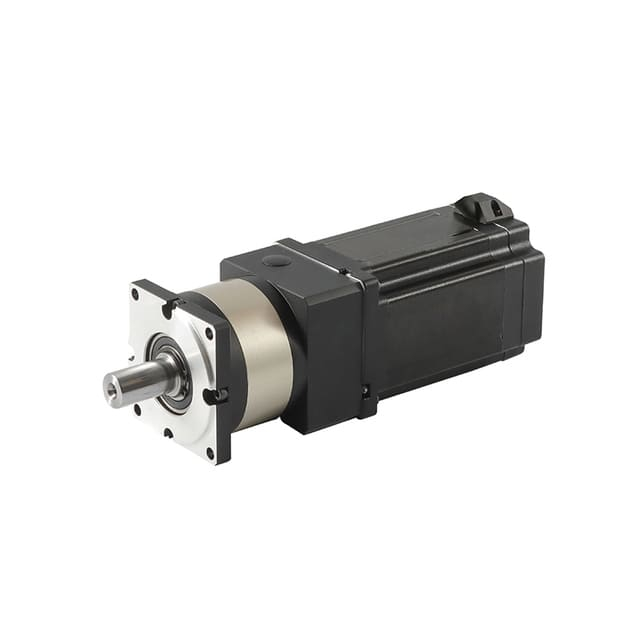
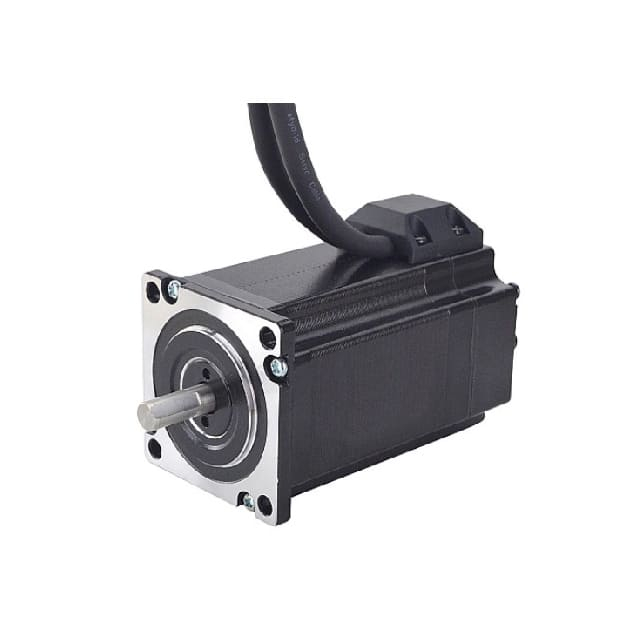
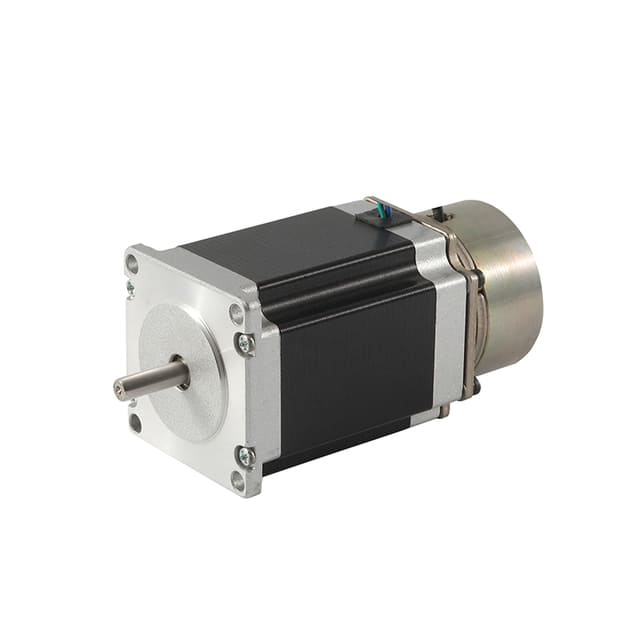
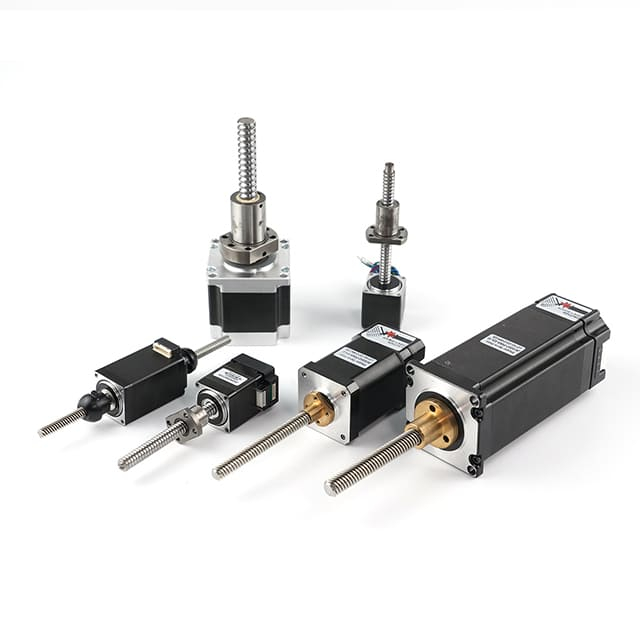
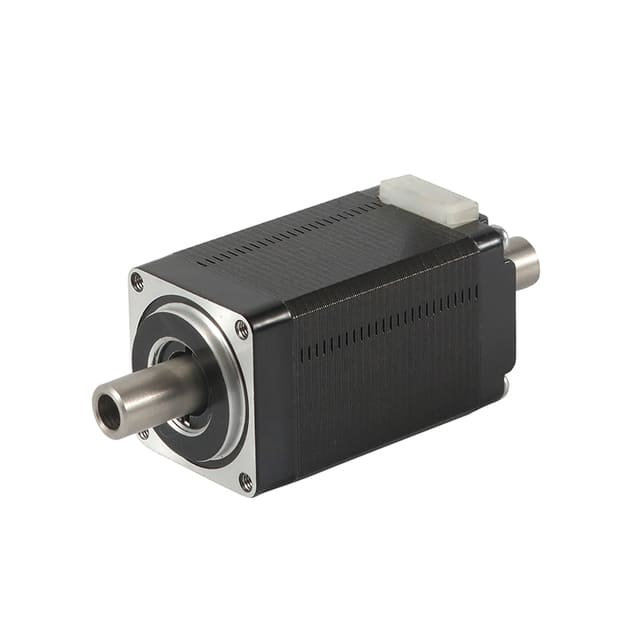
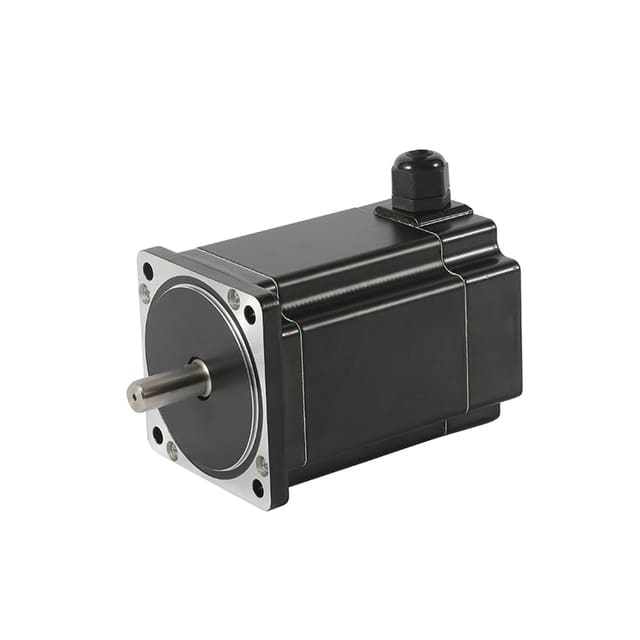
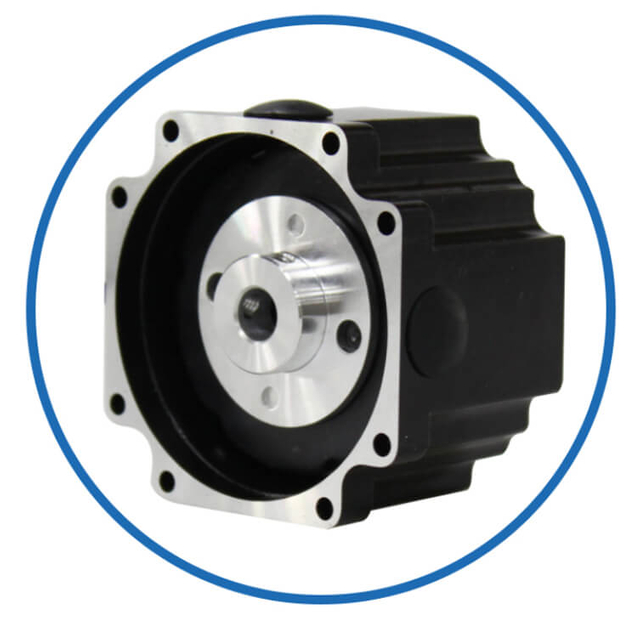
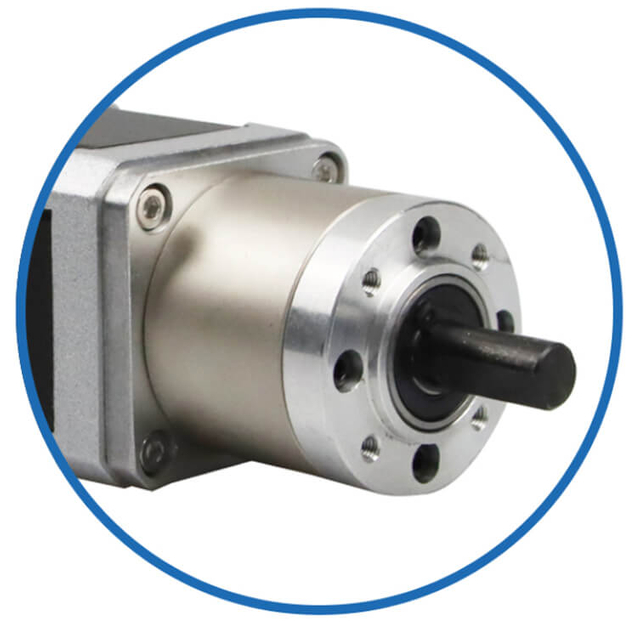
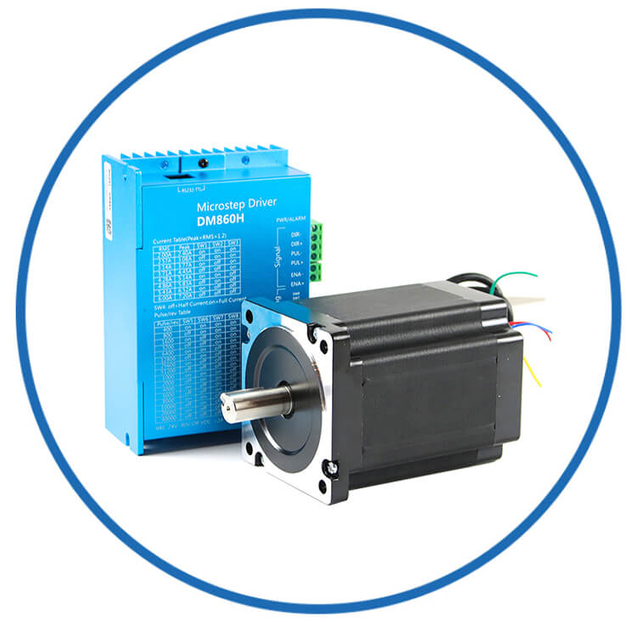
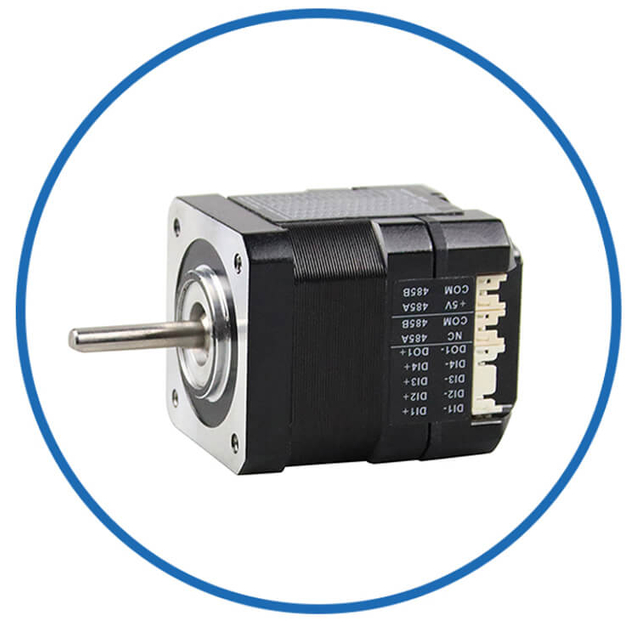
Jkongmotor Customized Stepper Motor Types for Industrial Automation
Motor Customized Service
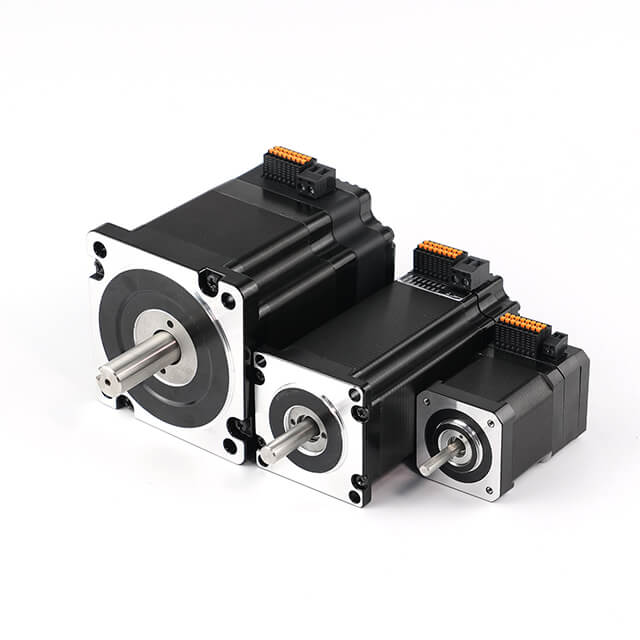
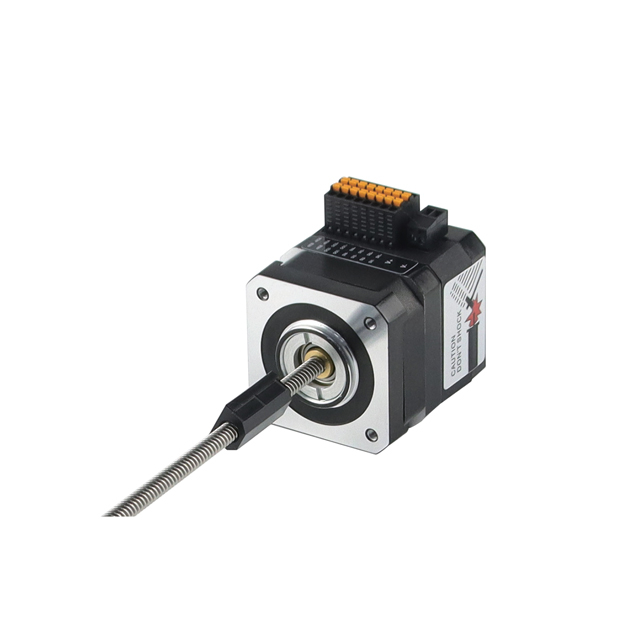
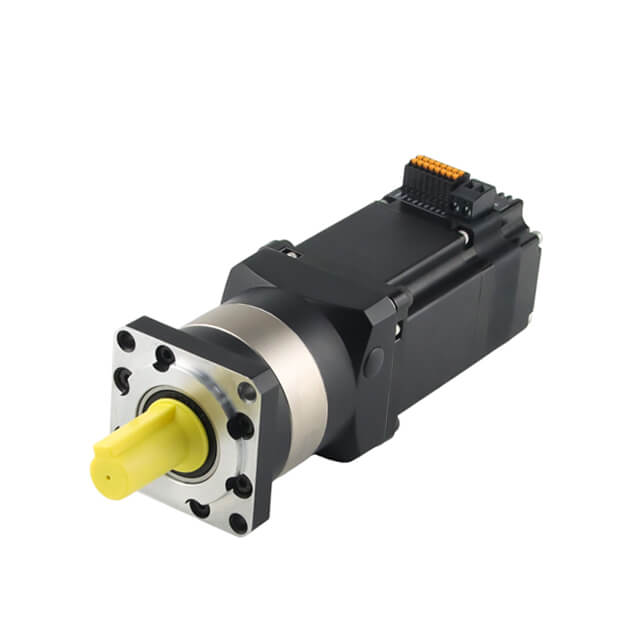
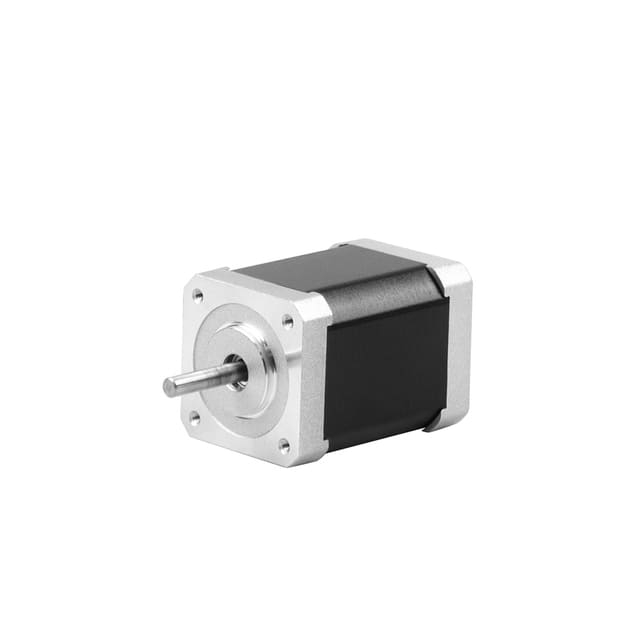
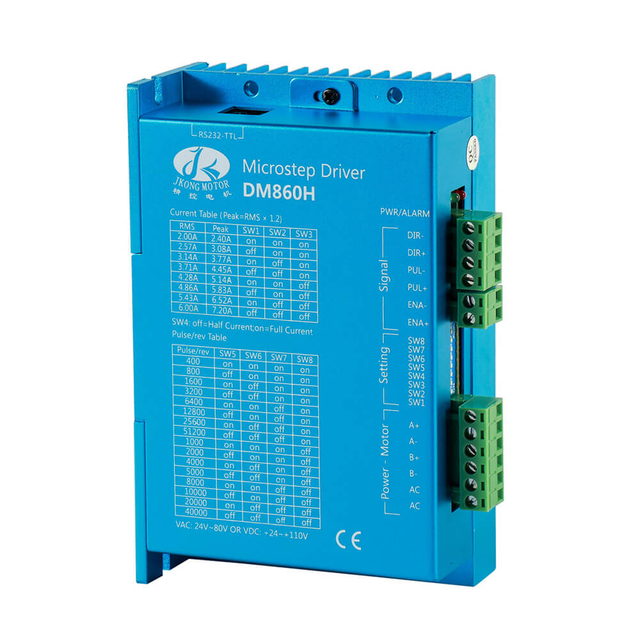
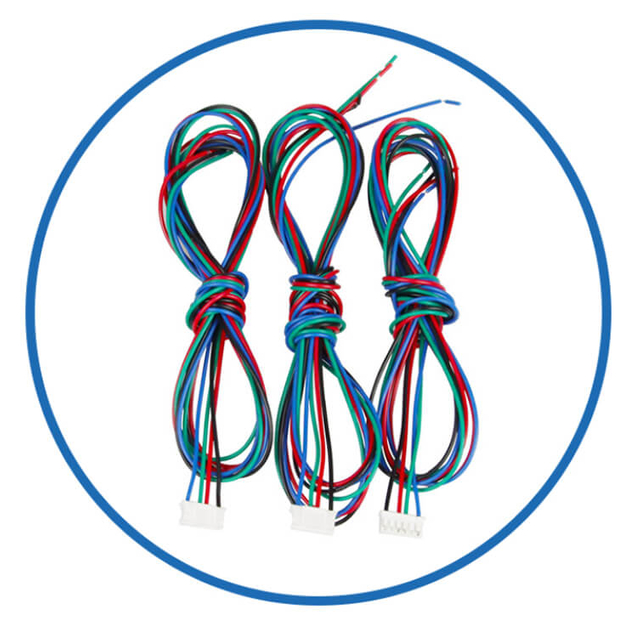
As a professional brushless dc motor manufacturer with 13 years in china, Jkongmotor offer various bldc motors with customized requirements, including 33 42 57 60 80 86 110 130mm, additionally, gearboxes, brakes, encoders, brushless motor drivers and integrated drivers are optional.
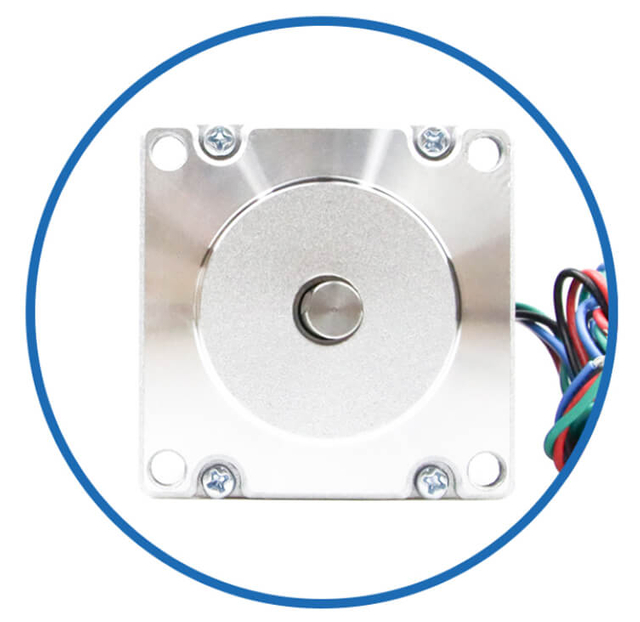
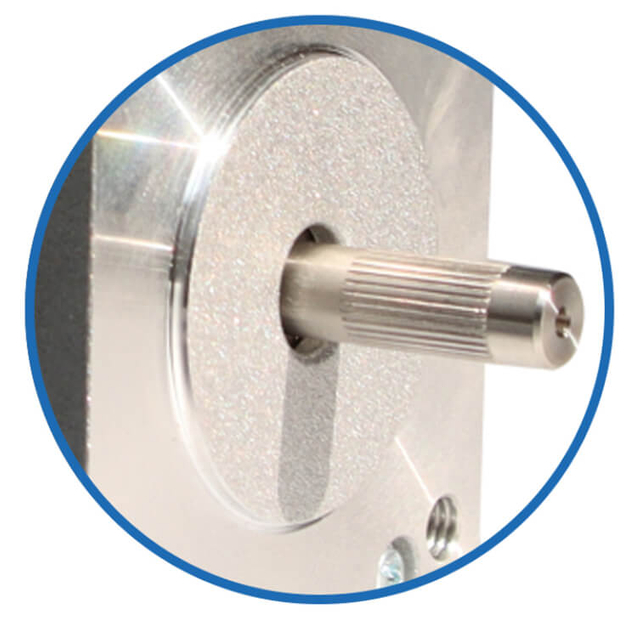
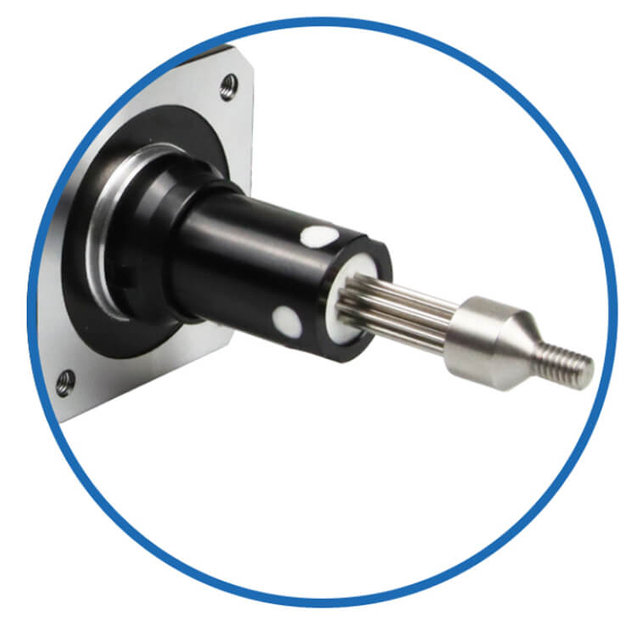
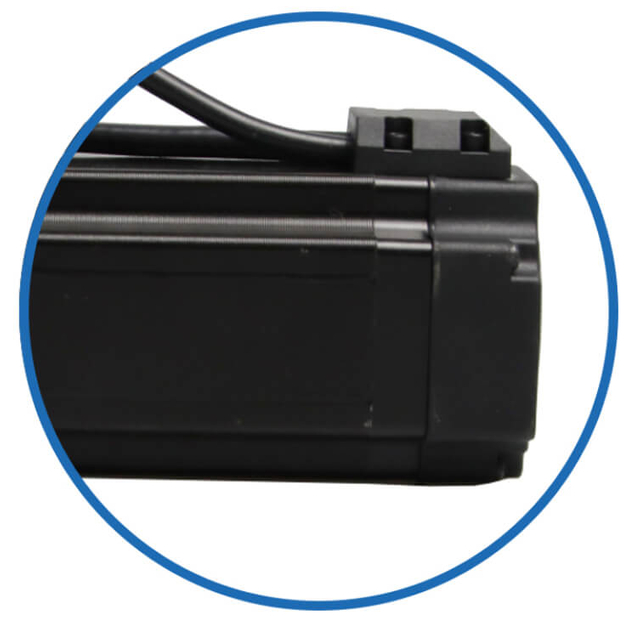
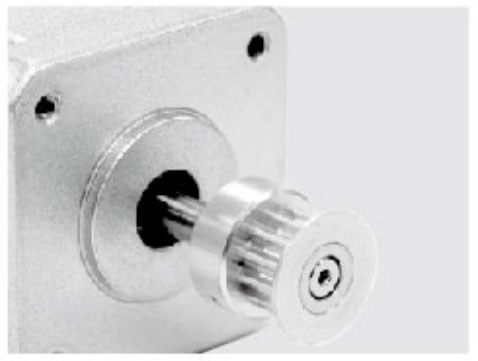
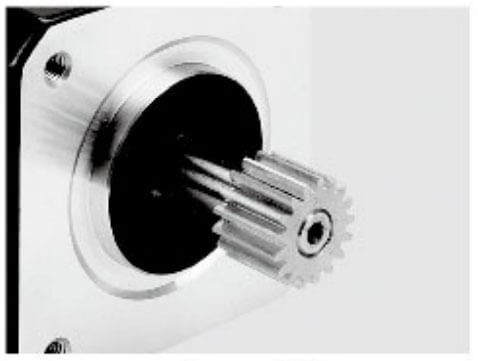
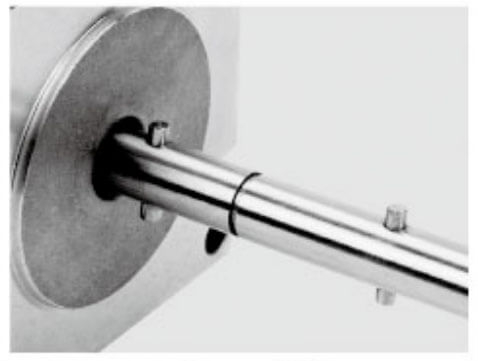
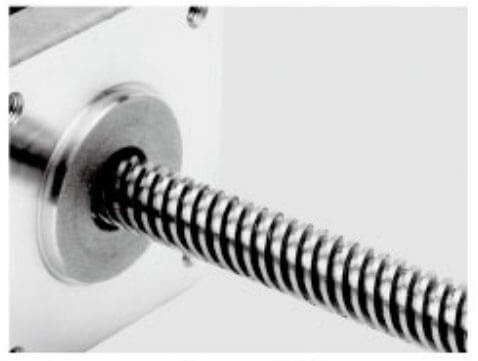
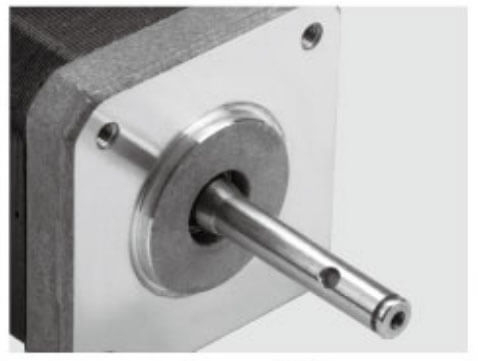
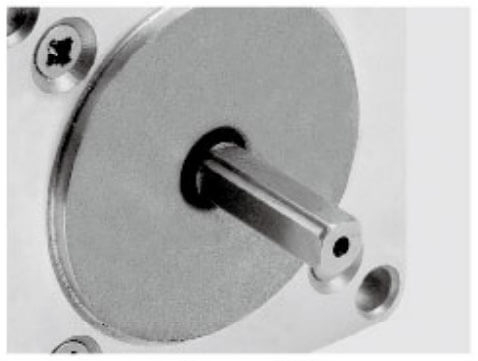
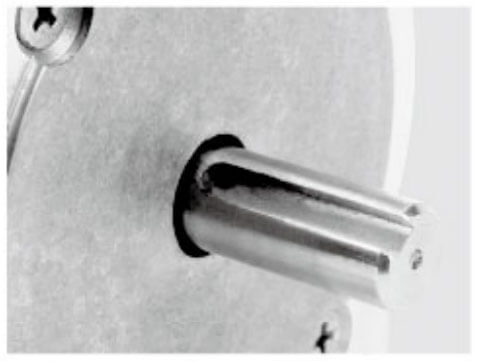
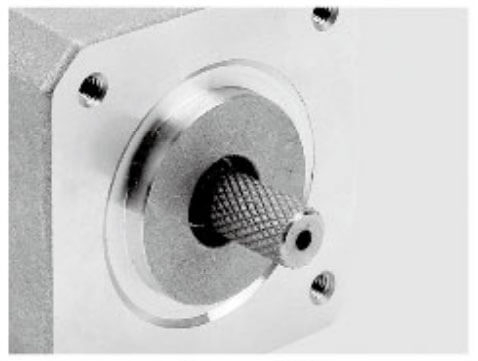
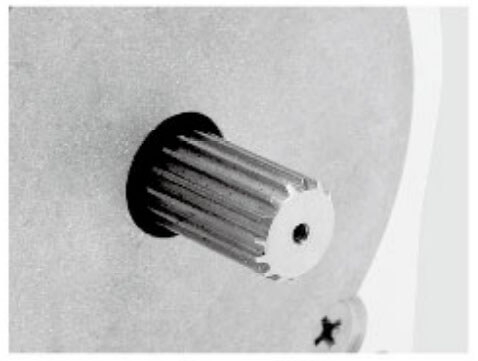
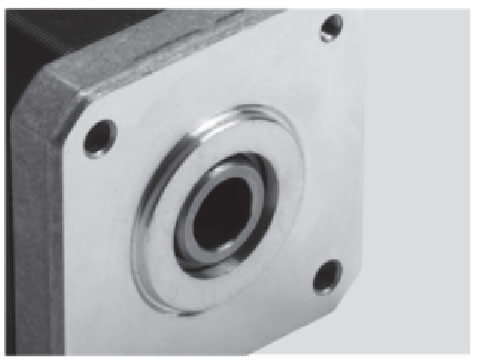
Motor Shaft Customized Service
Jkongmotor offer many different shaft options for your motor as well as customizable shaft lengths to make the motor fit your application seamlessly.
1. Insufficient Torque Margin
If the system operates too close to the motor’s maximum torque curve, even minor load changes can trigger stalls. High inertia, friction, or process variations often push the system beyond the available dynamic torque.
Key contributors include:
Oversized loads
High start-stop frequencies
Sudden direction changes
Vertical loads without counterbalance
High-speed operation beyond the motor’s torque band
2. Poor Acceleration and Deceleration Profiles
Stepper motors cannot instantly reach high speeds. Excessive acceleration demands torque peaks that exceed the pull-in or pull-out torque, causing immediate stalling before the rotor synchronizes.
3. Power Supply and Driver Limitations
Undersized power supplies, low bus voltage, or current-limited drivers restrict the rate of current rise in the motor windings, directly reducing high-speed torque.
4. Resonance and Mechanical Instability
Stepper motors are vulnerable to mid-range resonance, which creates oscillation and torque loss. Mechanical coupling errors amplify vibration, making the rotor lose synchronization.
5. Environmental and Thermal Factors
High ambient temperatures increase winding resistance, reducing torque. Dust, contamination, and bearing degradation raise friction until the system operates outside its torque envelope.
Accurate Motor Sizing with Real Torque Data
The foundation of stall prevention is correct motor selection.
We evaluate:
Load torque (constant and peak)
Reflected inertia
Speed-torque operating points
Duty cycle and thermal profile
Safety factor under worst-case conditions
A reliable design maintains a minimum 30–50% torque reserve across the full operating speed range. Torque curves must be matched to actual bus voltage and driver current, not catalog values alone.
Optimizing Acceleration, Deceleration, and Motion Curves
Abrupt motion commands cause stepper motors to lose synchronism. We implement motion profiling strategies that maintain torque margin:
S-curve acceleration to reduce jerk
Gradual ramp-up and ramp-down zones
Speed segmentation for long travel moves
Controlled start/stop frequencies below pull-in limits
This approach minimizes torque spikes, prevents rotor lag, and significantly reduces the probability of stall events.
Upgrading Drivers and Power Architecture
Driver electronics directly influence stall resistance.
We specify:
Higher bus voltages to improve high-speed torque
Digital current regulation with fast decay control
Anti-resonance algorithms
Microstepping drivers with sine-cosine current shaping
A stable power supply with adequate peak current reserve is essential. Voltage drop under acceleration frequently causes hidden stalls. Overspecifying power supplies by at least 40% headroom ensures consistent torque output.
Microstepping and Resonance Suppression
Mid-range instability is one of the most overlooked causes of stalling.
Solutions include:
High-resolution microstepping
Electronic damping inside advanced drivers
Mechanical dampers on shafts
Flexible couplings to isolate reflected vibration
Increased inertia matching through flywheels
Microstepping not only improves smoothness but also expands the stable speed range, directly lowering stall risk.
Mechanical System Optimization
Electrical improvements alone cannot compensate for poor mechanics. We engineer the drive train to minimize unpredictable load behavior.
Critical improvements include:
Precision shaft alignment
Low-backlash couplings
Proper bearing selection
Balanced rotating components
Controlled belt and lead screw tension
Reduced cantilever loads
Mechanical efficiency increases usable motor torque, restoring stall margin without increasing motor size.
Advanced Strategies for Zero-Stall Automation Systems
Closed-Loop Stepper Motor Technology
For mission-critical systems, closed-loop stepper motors combine servo-like feedback with stepper simplicity.
Advantages include:
Real-time stall detection
Automatic current boost under load
Position error correction
Resonance elimination
Reduced heat generation
These systems maintain synchronization even under sudden load changes, virtually eliminating uncontrolled stalling.
Load Inertia Management
High reflected inertia forces stepper motors to overcome rotational resistance peaks during acceleration.
We reduce inertia impact by:
Using gearboxes for torque multiplication
Shortening lead screw lengths
Repositioning moving masses
Selecting hollow-shaft motors
Replacing heavy couplings
Proper inertia matching allows the motor to reach speed without torque collapse.
Thermal Stability Engineering
Motor torque is directly related to temperature. We integrate:
Stable thermal conditions preserve winding efficiency, preventing the gradual torque fade that often causes intermittent stalls.
Application-Specific Stall Prevention Methods
Stepper motor stalling manifests differently across industries because each application imposes unique load behaviors, duty cycles, environmental conditions, and precision requirements. Universal solutions rarely deliver permanent results. Effective stall prevention demands application-focused engineering strategies that align motor capability with real operational stresses.
1. CNC Machines and Precision Positioning Systems
High-speed interpolation, micro-movement accuracy, and multi-axis synchronization make CNC and precision platforms highly sensitive to stalling.
We prevent stalls by implementing:
High-voltage drive systems to preserve torque at elevated step rates
Closed-loop stepper or hybrid servo architectures for real-time position verification
Low-inertia motor designs to support rapid acceleration
Anti-resonance drivers and microstepping optimization to suppress mid-band instability
Rigid mechanical couplings and preloaded bearings to prevent torque loss
These systems are tuned to maintain stable electromagnetic coupling even during complex contouring and rapid reversal cycles.
2. Packaging, Labeling, and High-Cycle Automation Equipment
These environments demand extreme repetition, short stroke motion, and continuous acceleration-deceleration events.
Stall prevention focuses on:
High-torque, thermally stable motors
Aggressive S-curve motion profiles to reduce torque shock
Dynamic current scaling to manage thermal rise
Lightweight mechanical assemblies to minimize inertia
Oversized power supplies for transient load peaks
The objective is to ensure torque remains consistent through millions of cycles without cumulative synchronism loss.
3. Robotics and Collaborative Automation
Robotic systems encounter unpredictable loads, variable trajectories, and frequent directional shifts.
We mitigate stalling through:
Closed-loop stepper control for adaptive torque response
Gear reduction for torque multiplication and inertia buffering
High-resolution feedback for micro-position correction
Vibration-isolated mechanical joints
Real-time motion constraint enforcement
These measures preserve synchronization during dynamic path planning and external interaction forces.
4. Vertical Motion, Lifting, and Z-Axis Systems
Gravity multiplies torque demand and introduces continuous stall risk.
Effective prevention includes:
Gearboxes or lead screws with favorable mechanical advantage
Counterbalance systems or constant-force springs
Electromagnetic holding brakes
High static torque margins
Power-loss recovery protocols
These safeguards prevent step loss during start-up, power interruption, and emergency stops.
5. Medical, Laboratory, and Optical Equipment
These applications demand ultra-smooth, vibration-free motion with absolute positional reliability.
We deploy:
High-microstep resolution drives
Low-cogging, precision-wound motors
Resonance-damped mechanical structures
Low-friction linear guides
Thermally balanced assemblies
The focus is on eliminating micro-stalls that cause image distortion, dosing errors, or optical misalignment.
6. Conveyor Systems and Material Handling Automation
Material flow systems experience wide load variance and frequent shock forces.
Stall resistance is achieved by:
Torque-multiplied gear stepper assemblies
Soft-start and ramped stopping algorithms
Shock-absorbing mechanical linkages
Distributed motor segmentation
Load-sensing current modulation
This configuration prevents stall events during sudden payload changes or accumulation surges.
7. Semiconductor, Electronics, and Pick-and-Place Machinery
Here, stall risk is driven by speed, precision, and ultra-low tolerance limits.
We prevent stalls by using:
High-voltage closed-loop stepper platforms
Ultra-low inertia motors
Active vibration suppression
Precision alignment and thermal control
Real-time synchronization monitoring
These measures ensure stable motion during sub-millimeter placement and ultra-fast indexing operations.
Conclusion
Application-specific stall prevention transforms stepper motor reliability from a general guideline into a targeted engineering discipline. By tailoring motor selection, drive configuration, mechanical structure, and control logic to each operational context, automation systems achieve consistent synchronization, long-term precision, and zero unplanned stall events across diverse industrial environments.
Accurately diagnosing stepper motor stalling is the foundation for permanent correction. Random parameter changes or blind motor replacement often mask the real cause while allowing hidden risks to persist. We apply a structured, data-driven diagnostic methodology that isolates electrical, mechanical, and control-related contributors to stall events.
1. Real Load Torque Measurement and Margin Verification
The first step is to quantify actual operating torque, not theoretical estimates.
We measure:
Continuous running torque
Peak acceleration torque
Breakaway torque at start-up
Holding torque under static load
Using torque sensors, current monitoring, or controlled stall tests, we compare real demand against the motor’s available torque curve at the actual supply voltage and driver current. If the operating point exceeds 70% of available torque, the system is inherently unstable and prone to stalling.
This process immediately identifies undersized motors, excessive inertia, or unaccounted mechanical resistance.
2. Power Integrity and Driver Performance Analysis
Electrical limitations are a leading hidden cause of stalls.
We verify:
Power supply voltage under peak load
Current rise time in the windings
Driver thermal stability
Protection mode triggers
Phase balance and waveform integrity
Voltage sag during acceleration or multi-axis movement often reduces torque without triggering alarms. Oscilloscope measurements reveal current collapse, phase distortion, or slow decay response, all of which reduce dynamic torque and induce rotor desynchronization.
3. Acceleration Profile and Motion Command Auditing
Excessive jerk and acceleration rates force torque spikes that exceed pull-out torque.
We analyze:
By logging step frequency versus time, we identify zones where the motor is commanded to outrun its torque envelope. Controlled test ramps allow isolation of safe speed boundaries and reveal whether stalling is due to motion planning rather than hardware capacity.
4. Mechanical Resistance and Alignment Inspection
Mechanical inefficiencies silently consume torque.
We inspect:
Manual back-driving and low-speed current tests expose friction peaks, binding points, and cyclical load spikes. Even minor misalignment can increase required torque by more than 30%, pushing an otherwise adequate motor into frequent stall conditions.
5. Resonance and Vibration Mapping
Mid-range instability is a classic stall trigger.
We perform:
Resonance zones appear as sudden noise increase, torque drop, or position jitter. These regions are flagged for electronic damping, microstepping optimization, or mechanical isolation to prevent rotor oscillation that leads to step loss.
6. Thermal Behavior and Long-Run Stability Testing
Intermittent stalls often originate from thermal torque decay.
We monitor:
Winding temperature rise
Driver heat sink stability
Ambient enclosure conditions
Torque drop after soak periods
As temperature increases, copper resistance rises and torque decreases. Long-cycle endurance tests reveal whether stalls occur only after the system reaches thermal equilibrium, confirming the need for cooling, current adjustment, or motor resizing.
7. Feedback-Based Stall Detection and Position Verification
Where available, we integrate temporary feedback to expose hidden faults.
This includes:
Deviation tracking reveals micro-stalls, step loss accumulation, and transient synchronism errors that may not be audible or visually detectable.
Conclusion
Effective stall diagnosis requires more than observation. By systematically auditing torque margins, electrical integrity, motion dynamics, mechanical resistance, resonance behavior, and thermal stability, we convert unpredictable stalling into measurable, correctable engineering variables. This approach ensures corrective actions are permanent, scalable, and aligned with long-term automation reliability.
Long-Term Stall Prevention Through System Design
Long-term elimination of stepper motor stalling is achieved not through after-the-fact adjustments, but through intentional system-level engineering from the earliest design stage. Sustainable stall prevention integrates motor physics, mechanical efficiency, power electronics, and motion intelligence into a unified architecture that remains stable across its full lifecycle.
1. Designing with Verified Torque and Stability Margins
Permanent stall resistance begins with conservative torque engineering.
We design systems so that:
Continuous operating torque remains below 60–70% of available motor torque
Peak dynamic loads never exceed the motor’s verified pull-out torque
Holding torque comfortably exceeds worst-case static loads
Torque curves are validated at the actual system voltage, driver current, and ambient temperature, not idealized catalog conditions. This ensures that even under wear, contamination, or thermal drift, the system preserves a non-negotiable torque reserve.
2. Inertia Matching and Load Path Optimization
A major long-term stall risk lies in poor inertia ratios and inefficient force transmission.
We prevent this by:
Matching reflected load inertia to the motor’s rotor inertia
Introducing gear reduction where inertia or gravity loads dominate
Minimizing cantilevered masses
Using lightweight moving structures
Selecting lead screws, belts, or gear trains based on efficiency curves
Balanced inertia reduces acceleration torque peaks, allowing the motor to reach target speed without entering unstable operating regions.
3. Mechanical Architecture Built for Stability
Mechanical design dictates electrical survival.
Long-term stall immunity is supported by:
Precision alignment of shafts and guides
Low-backlash, torsionally stable couplings
Proper bearing preload and lubrication
Structural rigidity to prevent micro-deflection
Controlled belt and screw tension
This mechanical discipline prevents the gradual torque consumption that slowly drives systems into chronic stall conditions over months or years of operation.
4. Power and Drive Systems Engineered for Dynamic Demand
Electrical headroom is essential for longevity.
We build power systems that provide:
High bus voltage for high-speed torque retention
Fast current rise capability
Oversized power supplies with transient capacity
Thermal headroom in drivers and cabling
Noise suppression and grounding stability
Stable power ensures that torque remains available during simultaneous axis movement, peak acceleration, and emergency recovery events.
5. Motion Control Strategies That Protect Synchronism
Motion intelligence is a permanent safeguard.
We implement:
S-curve acceleration profiles
Adaptive speed scaling
Resonance-avoidance frequency planning
Soft start and soft stop protocols
Load-dependent current modulation
By shaping motion to match electromagnetic capability, we prevent rotor desynchronization before it begins.
6. Closed-Loop Stepper Integration for Critical Systems
Where zero-defect positioning is required, closed-loop stepper architectures provide long-term operational immunity.
Their benefits include:
Automatic stall detection and correction
Dynamic current adjustment under load
Real-time torque compensation
Continuous position verification
Thermal and efficiency optimization
This transforms stall events from system failures into controlled, self-correcting responses.
7. Thermal Management as a Design Parameter
Temperature stability preserves torque integrity.
We integrate:
Heat-conductive motor mounts
Active airflow or liquid cooling
Controlled enclosure ventilation
Thermal monitoring circuits
This prevents the slow torque degradation that causes systems to stall only after extended production cycles.
8. Design Validation Through Worst-Case Testing
Long-term reliability is proven, not assumed.
We validate designs by:
Running full-load endurance cycles
Testing under maximum inertia and friction
Simulating power fluctuations
Verifying operation across full temperature ranges
Executing emergency stop and restart sequences
Only systems that remain synchronized across all extremes are released for production.
Conclusion
Long-term stall prevention is the result of engineering discipline, not reactive troubleshooting. By embedding torque margin, inertia control, mechanical efficiency, electrical robustness, motion intelligence, and thermal stability into the system architecture, automation platforms achieve continuous stall-free operation throughout their entire service life. This design philosophy safeguards accuracy, protects equipment, and ensures sustainable production performance.
Solving stepper motor stalling is not a matter of trial-and-error tuning. It requires system-wide coordination between mechanics, electronics, and control logic. By combining accurate torque sizing, advanced driver technology, optimized motion profiles, and robust mechanical design, automation systems can achieve continuous, stall-free operation even under demanding industrial conditions.
Stall prevention is not merely a reliability improvement—it is a performance upgrade that safeguards precision, productivity, and long-term system stability.
FAQs – Solving Stepper Motor Stalling Problems in Automation
1. What is a stepper motor stall and why does it happen?
A stall is when the motor’s rotor fails to follow the commanded steps because its electromagnetic torque can’t overcome the load torque plus system losses. This leads to missed steps and positioning errors.
2. What are common symptoms of a stepper motor stall?
Symptoms include buzzing or vibration, loss of holding force at standstill, inconsistent positioning, unexpected stops, and overheating of motors or drivers.
3. How does mechanical load affect stepper motor stalling?
If the load is too heavy, has high inertia, or changes suddenly (e.g., rapid direction changes), the motor may not have enough torque reserve, causing stalling.
4. Can acceleration and deceleration settings cause stalling?
Yes — overly aggressive acceleration demands high torque that the motor can’t supply instantaneously, leading to stalls. Smooth motion profiles like S-curve ramps help prevent this.
5. Why is the power supply and driver choice important for preventing stalls?
Undersized power supplies, low bus voltage, or current-limited drivers reduce the rate at which current builds in motor windings, weakening torque and increasing stall risk.
6. What role does resonance play in stepper motor stalling?
Resonance and mechanical instability can produce oscillations that reduce effective torque, making the rotor lose synchronization with the drive pulses.
7. How does temperature influence stalling issues?
High ambient temperatures increase winding resistance and reduce torque, while dust and friction can increase mechanical load — both pushing the system toward stall conditions.
8. Is correct motor selection important to avoid stalling?
Yes — choosing a motor with sufficient torque margin relative to actual load torque and operating conditions ensures the system can handle dynamic loads without stalling.
9. How can motion profiling help eliminate stalls?
Using optimized acceleration/deceleration profiles (like S-curve ramps) and controlled speed segmentation reduces torque spikes and prevents the motor from lagging behind commanded motion.
10. Can upgrading the driver and electrical system reduce stalling?
Upgrading to a driver with higher bus voltage and better current control improves torque performance, especially at higher speeds, which significantly reduces stall occurrences.