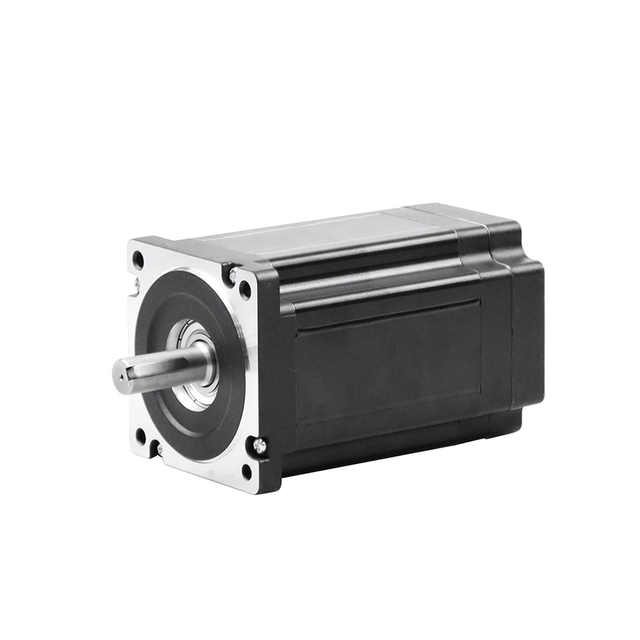
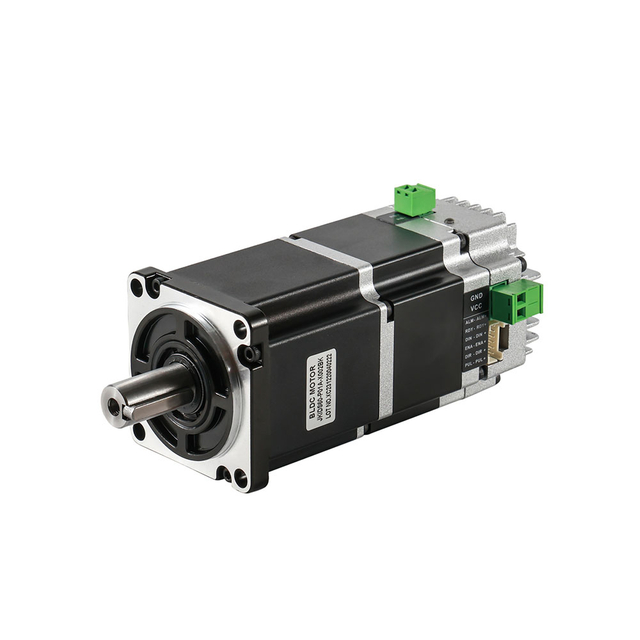
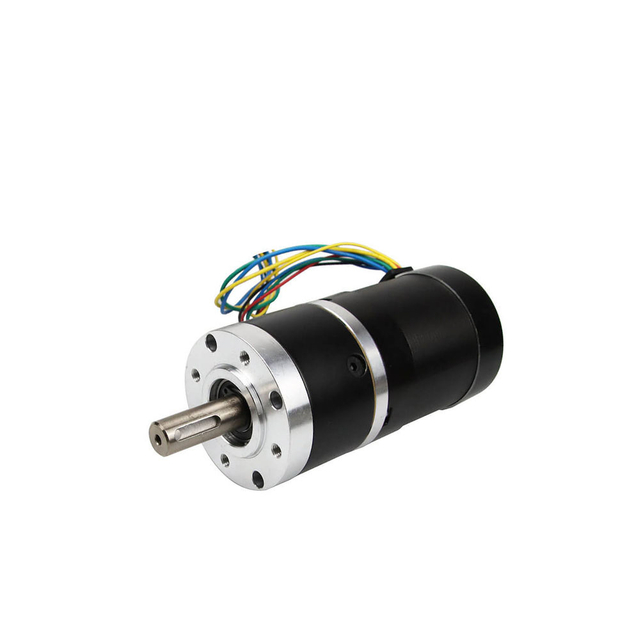
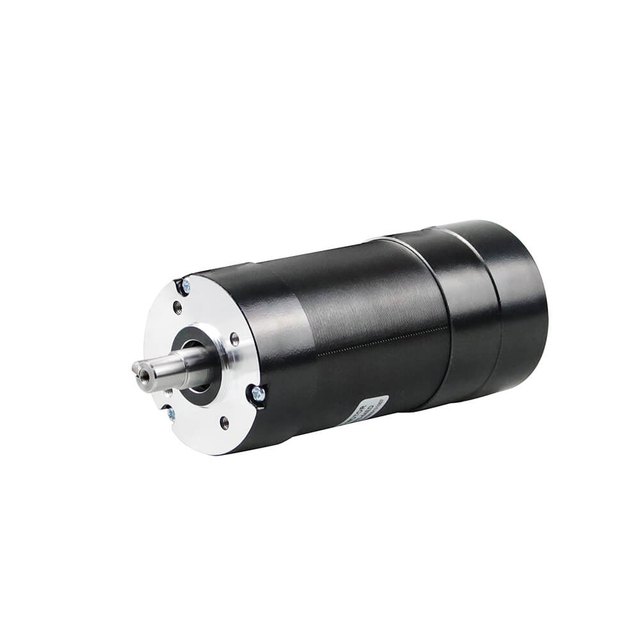
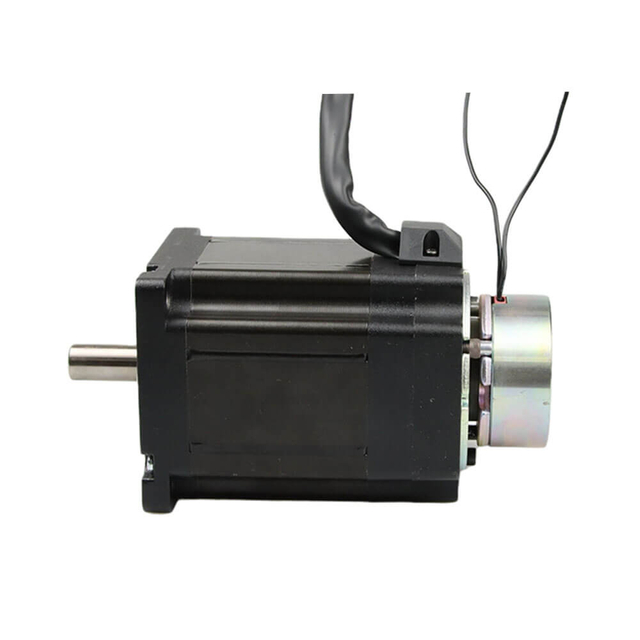
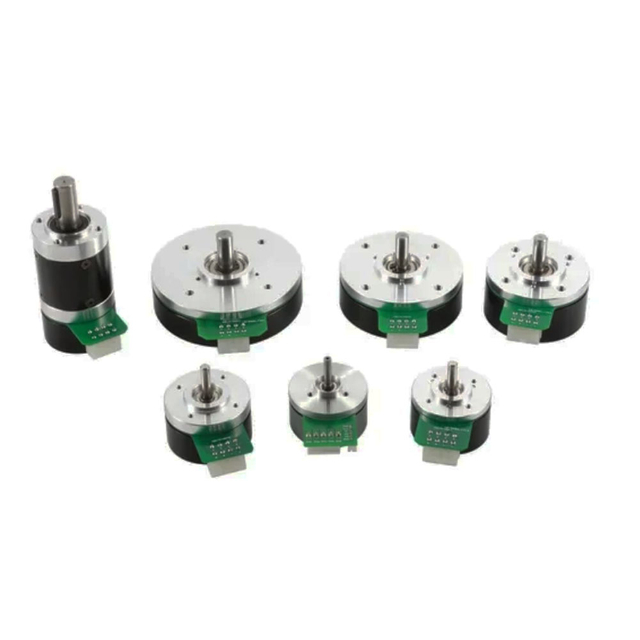
A Brushless DC Motor (BLDC Motor) is an electric motor that operates without brushes, using electronic commutation instead of mechanical contacts to control the current flow in the motor windings. This design eliminates friction, reduces wear, and enhances efficiency, making BLDC motors ideal for applications requiring precision, reliability, and long service life.
Key Components of a Brushless DC Motor
Stator
Rotor
Electronic Controller (ESC)
Replaces mechanical brushes in a traditional DC motor.
Switches current in the stator windings in synchronization with rotor position.
Enables precise speed and torque control.
How a BLDC Motor Works
BLDC motors work by generating a rotating magnetic field in the stator that interacts with the permanent magnets on the rotor. Sensors (like Hall effect sensors) or sensorless feedback detect rotor position, allowing the controller to continuously adjust current flow in the windings. This results in smooth rotation, high efficiency, and precise speed control.
Different Brushless Motor Types for Medical Equipment (Optional Configurations)
Brushless motors used in medical equipment are available in multiple types and configurations to meet specific performance, safety, and regulatory requirements. Selecting the appropriate brushless motor type is essential to ensure precision, reliability, and patient safety. Below are the most commonly used brushless motor types for medical equipment, along with optional features and application suitability.
Brushless DC motors (BLDC) are the most widely used brushless motors in medical equipment due to their high efficiency and precise control capabilities.
Key Characteristics
Electronic commutation instead of mechanical brushes
High torque-to-size ratio
Low noise and vibration
Long service life with minimal maintenance
Typical Medical Applications
Optional Configurations
Integrated encoders (optical or magnetic)
Custom voltage options (12V, 24V, 48V)
Sealed housings for hygiene compliance
Low-EMI designs for sensitive environments
2. Brushless AC Motors (BLAC Motors)
Brushless AC motors, also known as permanent magnet synchronous motors, are designed for high-speed and continuous-duty medical applications.
Key Characteristics
Sinusoidal current control
Smooth and stable rotation
High efficiency at constant speeds
Excellent thermal performance
Typical Medical Applications
Optional Configurations
High-speed rotor balancing
Advanced cooling options
Custom stator winding designs
Precision feedback systems
3. Slotless Brushless Motors
Slotless brushless motors feature a stator without slots, significantly reducing torque ripple and electromagnetic noise.
Key Characteristics
Typical Medical Applications
Optional Configurations
High-resolution encoders
Miniaturized form factors
Sterilization-resistant materials
Custom shaft and bearing options
Coreless brushless motors eliminate the iron core in the rotor, resulting in extremely low inertia and rapid response.
Key Characteristics
Fast acceleration and deceleration
High efficiency at low power levels
Lightweight and compact design
Typical Medical Applications
Optional Configurations
Integrated brushless servo motors combine the motor, encoder, and drive electronics into a single compact unit.
Key Characteristics
Closed-loop control
Simplified system integration
Reduced wiring and installation time
High positioning accuracy
Typical Medical Applications
Optional Configurations
Multi-axis synchronization support
Communication protocols (CANopen, EtherCAT, RS485)
Safety torque-off (STO) functions
Custom firmware tuning
6. Frameless Brushless Motors
Frameless brushless motors consist only of the stator and rotor, allowing direct integration into medical device structures.
Key Characteristics
Typical Medical Applications
Optional Configurations
Custom lamination stacks
Specialized magnet materials
High-temperature insulation
Custom winding geometries
7. Miniature and Micro Brushless Motors
Miniature brushless motors are designed for ultra-compact medical devices where space and weight are critical.
Key Characteristics
Small diameter and short length
High efficiency at low power
Quiet and smooth operation
Typical Medical Applications
Optional Configurations
Conclusion
The wide variety of brushless motor types for medical equipment allows manufacturers to select optimized solutions based on application-specific requirements. From BLDC motors for general-purpose medical devices to slotless, coreless, and frameless brushless motors for advanced surgical and imaging systems, each motor type offers unique advantages.
By selecting the appropriate motor type and optional configurations, medical equipment manufacturers can achieve higher precision, longer lifespan, regulatory compliance, and superior patient outcomes.
Brushless motor technology has become a foundational element in modern medical equipment, delivering unmatched precision, reliability, and operational efficiency. As healthcare devices continue to evolve toward higher accuracy, quieter operation, and stricter regulatory compliance, the brushless motor for medical equipment has emerged as the preferred motion solution across diagnostics, treatment, and laboratory applications.
We design and integrate brushless motors specifically engineered to meet the demanding requirements of the medical industry, where patient safety, consistent performance, and long service life are non-negotiable. Unlike traditional brushed motors, brushless motors eliminate mechanical wear components, enabling superior performance in critical medical environments.
What Defines a Medical-Grade Brushless Motor
A medical-grade brushless motor is not a standard industrial motor adapted for healthcare use. It is a purpose-built component designed to comply with medical standards while delivering optimal motion control. Key defining characteristics include:
Brushless DC (BLDC) or brushless AC architecture
Electronically commutated operation
Low electromagnetic interference (EMI)
High efficiency with minimal heat generation
Extended operational lifespan
Quiet and vibration-free motion
These attributes make brushless motors indispensable in applications where precision movement, continuous operation, and sterile environments are required.
Brushless motors have become the preferred choice in medical equipment due to their unmatched precision, reliability, and efficiency. These motors are designed to meet the demanding requirements of healthcare environments, where patient safety, continuous operation, and quiet performance are critical. Below are the core advantages of using brushless motors in medical applications:
1. Exceptional Precision and Motion Control
Medical devices often require highly accurate movement and positioning. Brushless motors provide:
Precise torque and speed control for sensitive equipment
Smooth acceleration and deceleration, reducing mechanical stress
Stable motion essential for devices like robotic surgery systems, infusion pumps, and diagnostic imaging equipment
This precision ensures accurate treatments and reliable diagnostics, which is crucial in patient care.
2. Long Service Life with Minimal Maintenance
Unlike brushed motors, brushless motors have no brushes that wear out over time. This design offers:
Extended operational lifespan, even under continuous-duty cycles
Reduced maintenance requirements, lowering downtime and service costs
Consistent performance over thousands of operating hours
These benefits are vital in medical equipment, where device reliability can directly impact patient safety and treatment outcomes.
3. Ultra-Quiet Operation for Patient Comfort
Noise reduction is especially important in patient-facing equipment. Brushless motors provide:
Near-silent operation due to the absence of mechanical brush friction
Minimal vibration, enhancing comfort in hospital environments
Ideal for ICUs, imaging rooms, and patient monitoring devices, where a quiet environment improves patient experience and compliance
4. High Efficiency and Low Heat Generation
Medical devices often operate in compact spaces with sensitive electronics. Brushless motors deliver:
High power-to-size ratio, maximizing performance in small form factors
Low thermal output, preventing overheating of adjacent components
Energy-efficient operation, which is crucial for battery-powered or portable medical devices
These features ensure safe, reliable, and sustainable performance in demanding medical applications.
5. Enhanced Reliability in Critical Applications
Brushless motors are inherently more reliable because of:
Fewer moving parts, reducing the risk of mechanical failure
Consistent torque output, even under variable loads
Robust design, suitable for long-term operation in critical healthcare environments
This reliability is essential in life-support systems, surgical equipment, and diagnostic machinery, where failure is not an option.
6. Compliance with Medical Standards
Brushless motors can be designed to meet stringent medical regulatory requirements, including:
IEC 60601 for medical electrical equipment safety
ISO 13485 for quality management in medical device manufacturing
RoHS and REACH for environmental compliance
Compliance ensures safe integration into medical devices while maintaining performance and reliability.
7. Compact and Flexible Design Options
Medical equipment often demands miniaturized, lightweight, and space-efficient components. Brushless motors provide:
High torque in compact sizes
Flexible mounting and integration options
Customizable features such as integrated encoders, gearheads, and feedback systems
This adaptability allows manufacturers to optimize medical devices for both performance and ergonomics.
Conclusion
The core advantages of brushless motors in medical applications—including precision, reliability, quiet operation, long lifespan, high efficiency, and compliance with standards—make them indispensable in modern healthcare equipment. From diagnostic imaging and surgical robots to ventilators and infusion pumps, brushless motors ensure safe, accurate, and efficient operation, enhancing patient care and clinical outcomes.
Key Medical Equipment Applications for Brushless Motors
Brushless motors have become a critical component in modern medical equipment, enabling high precision, reliability, and efficiency across a wide range of healthcare devices. Their design and performance characteristics make them ideal for applications where patient safety, accuracy, and continuous operation are essential. Below are the key medical equipment applications for brushless motors:
1. Diagnostic Imaging Systems
Brushless motors are widely used in MRI machines, CT scanners, X-ray systems, and ultrasound equipment. Their smooth rotation and precise motion control are essential for:
Accurate imaging positioning, reducing artifacts
Silent operation, improving patient comfort during scans
Stable and consistent movement, ensuring high-quality diagnostic results
The low electromagnetic interference (EMI) of brushless motors prevents disruption of sensitive imaging sensors, which is crucial for precise diagnostics.
2. Infusion Pumps and Drug Delivery Devices
In medical infusion systems, brushless motors enable precise fluid control and consistent dosing, which directly impacts patient safety. Applications include:
IV infusion pumps for continuous drug delivery
Insulin pumps for precise glucose management
Automated syringe pumps for critical care environments
The high reliability and minimal maintenance of brushless motors ensure uninterrupted operation during critical treatments.
3. Surgical and Robotic Medical Equipment
Modern surgical tools and robotic-assisted systems require microscale precision and controlled movement. Brushless motors provide:
High torque and fine positioning control for robotic arms
Smooth and vibration-free motion for microsurgery
Compact designs that allow integration into handheld and robotic surgical devices
These motors enhance accuracy and safety in minimally invasive procedures.
4. Ventilators and Respiratory Devices
Life-support systems rely on brushless motors to maintain consistent airflow and pressure. Applications include:
Mechanical ventilators for critical care patients
CPAP and BiPAP machines for respiratory therapy
Portable oxygen concentrators
Their quiet operation, low heat generation, and energy efficiency make them ideal for continuous use in sensitive medical environments.
5. Laboratory Automation and Analytical Instruments
Brushless motors are critical in laboratory and diagnostic settings, where precision and repeatability are essential. Applications include:
Centrifuges for sample separation
Automated pipetting and sample handling systems
Laboratory robotics for high-throughput analysis
Their low vibration and smooth motion ensure accurate results and protect delicate samples from mechanical stress.
6. Medical Mobility and Rehabilitation Devices
Brushless motors enhance patient mobility and rehabilitation through:
Electric wheelchairs and scooters, providing smooth and reliable motion
Exoskeletons and rehabilitation robots, enabling controlled therapeutic movements
Adjustable hospital beds and patient lifts
These applications benefit from compact size, high torque, and quiet operation, improving patient experience and safety.
7. Dental and Ophthalmic Equipment
Precision and compactness make brushless motors ideal for dental drills, imaging devices, and ophthalmic surgical instruments:
High-speed rotation with minimal vibration
Long operational lifespan for repeated procedures
Compact designs for ergonomic integration
This ensures accurate, efficient, and comfortable treatment for patients.
Conclusion
Brushless motors have a broad and critical role in medical equipment, from diagnostic imaging and laboratory automation to surgical robotics, infusion systems, and patient mobility devices. Their precision, reliability, quiet operation, and efficiency make them indispensable in healthcare, ensuring both optimal patient outcomes and device longevity.
By integrating brushless motor technology, medical equipment manufacturers can achieve superior performance, regulatory compliance, and enhanced safety, driving innovation across modern healthcare systems.
Designing brushless motors for medical equipment requires careful attention to performance, reliability, regulatory compliance, and patient safety. Medical devices operate under strict standards, often in critical care or high-precision environments, so the motor design must meet specialized requirements. Below are the key design considerations for brushless motors in medical applications:
1. Compact and Lightweight Design
Medical devices often require miniaturized components to reduce size and weight. Brushless motors must offer:
High torque-to-size ratio to deliver required performance in small form factors
Lightweight materials to enhance portability for devices like handheld surgical tools or portable diagnostic equipment
Customizable mounting options for flexible integration into complex assemblies
Compact designs improve ergonomics, portability, and patient comfort, especially in handheld or wearable medical devices.
2. Low Electromagnetic Interference (EMI)
Medical environments are sensitive to electronic interference. Brushless motors must minimize EMI to avoid disrupting other medical devices or diagnostic sensors:
Optimized winding design to reduce electromagnetic noise
Shielded enclosures to prevent signal interference
Sensorless or low-noise commutation methods for critical applications
Reducing EMI ensures accurate imaging, precise measurements, and safe operation in hospital and laboratory settings.
3. High Reliability and Long Lifespan
Medical devices often operate continuously, requiring motors with:
No brushes to prevent mechanical wear
Durable bearings and materials for extended operational life
Consistent torque and speed output under variable loads
High reliability minimizes maintenance requirements and ensures uninterrupted operation in life-critical equipment such as ventilators, infusion pumps, and surgical robots.
4. Quiet and Vibration-Free Operation
Patient comfort and equipment precision demand quiet, smooth motion:
Low-cogging designs to reduce vibration
Optimized motor housing and bearings to dampen noise
Precision control electronics for smooth acceleration and deceleration
Silent operation is essential in ICUs, imaging rooms, and patient-facing devices, enhancing both patient experience and diagnostic accuracy.
5. Thermal Management and Efficiency
Medical devices often operate in enclosed spaces, making heat management critical:
High-efficiency windings to minimize energy loss
Low thermal output to protect sensitive components and maintain patient safety
Integrated heat sinks or cooling solutions for continuous operation
Efficient motors prevent overheating, ensure device longevity, and reduce the risk of failure in critical care systems.
6. Compliance with Medical Standards
Brushless motors must meet strict medical regulatory and safety standards:
IEC 60601 for electrical safety of medical devices
ISO 13485 for quality management in medical device manufacturing
RoHS and REACH compliance for environmental and material safety
Compliance ensures that motors can be safely integrated into certified medical devices without risk to patients or operators.
7. Sterilization and Hygiene Compatibility
Many medical devices are exposed to cleaning, sterilization, and disinfection processes. Motors should be designed with:
Sealed housings to prevent fluid ingress
Corrosion-resistant materials such as stainless steel or specialized coatings
Smooth surfaces for easy cleaning and infection control
These features are essential for devices used in surgical, dental, and laboratory environments.
8. Customization and Integration Options
Brushless motors for medical applications often require tailored features to meet device-specific needs:
Integrated encoders for precise feedback and control
Custom voltage, torque, or speed ratings
Specialized gearheads or mounting options
Communication interfaces for smart or connected devices
Customizable designs enable seamless integration, maximizing performance while meeting strict medical requirements.
Conclusion
Designing brushless motors for medical equipment requires a holistic approach that balances precision, reliability, quiet operation, and regulatory compliance. By carefully considering size, EMI, thermal management, hygiene, and customization, manufacturers can develop motors that enhance device performance, ensure patient safety, and extend operational lifespan.
Properly designed brushless motors are essential components in modern medical equipment, enabling advanced diagnostics, surgical precision, and improved patient care across a wide range of applications.
Brushless DC Motors vs Traditional Motor Technologies in Healthcare
Brushless vs Brushed Motors
Brushed motors generate electrical noise, mechanical wear, and heat due to brush contact. In contrast, brushless motors provide maintenance-free operation, higher efficiency, and superior reliability, making them far more suitable for medical applications.
Brushless vs Stepper Motors
While stepper motors are useful for open-loop positioning, brushless motors with feedback systems offer closed-loop control, higher speeds, and better torque efficiency, which are critical in dynamic medical devices.
Compliance and Standards for Medical Brushless Motors
Brushless motors used in medical equipment must adhere to strict regulatory and safety standards to ensure patient safety, device reliability, and consistent performance. Compliance is a critical aspect of motor design and integration, as medical devices operate in environments with high safety, hygiene, and precision requirements. Below is an in-depth overview of the key compliance considerations and standards for medical brushless motors.
1. Electrical Safety Standards
Medical brushless motors must meet rigorous electrical safety requirements to prevent hazards such as shocks, short circuits, or device malfunctions. Relevant standards include:
IEC 60601 – This is the primary international standard for medical electrical equipment. It specifies safety requirements for motor insulation, leakage current limits, and electrical protection to ensure patient and operator safety.
UL 60601 – A U.S. certification that aligns with IEC 60601 but is tailored for compliance with North American regulations.
EN 60601 – The European equivalent, ensuring medical devices meet EU safety requirements.
Compliance with these standards ensures that brushless motors operate safely in critical medical environments, including hospitals, clinics, and laboratories.
2. Quality Management Standards
Manufacturers of medical brushless motors must follow robust quality management processes to ensure consistency, reliability, and traceability. Key standards include:
ISO 13485 – Specifies requirements for a comprehensive quality management system for medical device production. It ensures consistent design, manufacturing, and maintenance of medical brushless motors.
ISO 9001 – While not medical-specific, this standard ensures general quality assurance practices, supporting the consistent performance of motor components.
Adhering to these standards guarantees that motors meet precise specifications, reducing the risk of failure in critical medical devices.
3. Environmental and Material Compliance
Medical brushless motors must also comply with environmental and material safety regulations:
RoHS (Restriction of Hazardous Substances) – Limits the use of harmful materials like lead, mercury, and cadmium in motor components.
REACH (Registration, Evaluation, Authorization, and Restriction of Chemicals) – Ensures that chemicals used in motor manufacturing are safe and environmentally responsible.
These standards are crucial for hygienic and environmentally responsible device manufacturing, particularly for reusable medical equipment.
4. Electromagnetic Compatibility (EMC) Standards
Brushless motors generate electromagnetic fields during operation. Medical equipment often contains sensitive electronic components, making EMC compliance vital:
IEC 60601-1-2 – Specifies limits for electromagnetic emissions and immunity, ensuring that motors do not interfere with other medical devices.
FCC and CE EMC standards – Provide additional regulatory requirements for electronic safety and compatibility in North America and Europe.
EMC compliance ensures accurate diagnostics and safe operation of medical devices in environments with multiple electronic systems.
5. Sterilization and Hygiene Standards
Medical equipment often undergoes frequent cleaning, disinfection, or sterilization. Brushless motors must meet:
IP ratings (Ingress Protection) – Motors may need to be IP54, IP65, or higher to prevent contamination by fluids or dust.
Material resistance – Use of stainless steel or corrosion-resistant coatings to withstand chemical cleaners and sterilization processes.
Compliance with these standards ensures that motors are safe, hygienic, and durable in clinical settings.
6. Performance and Safety Certifications
Some medical brushless motors require additional certifications to validate performance under operational conditions:
CE marking – Confirms conformity with EU directives, including safety, health, and environmental requirements.
UL and CSA certifications – Validate motor safety for North American markets.
FDA compliance – For motors integrated into devices regulated as medical devices in the U.S., ensuring compliance with safety and performance guidelines.
These certifications give manufacturers and healthcare providers confidence in the motor’s reliability and safety.
Conclusion
Compliance and standards are critical considerations in the design and integration of medical brushless motors. Adhering to IEC 60601, ISO 13485, RoHS, REACH, EMC requirements, and sterilization standards ensures that motors operate safely, reliably, and efficiently in medical devices.
By meeting these standards, manufacturers can deliver high-performance, long-lasting brushless motors that support critical healthcare applications, from surgical robots and diagnostic imaging systems to infusion pumps and ventilators.
Customization Capabilities for Medical Device Manufacturers
The use of brushless motors in medical devices has become essential due to their precision, reliability, and efficiency. However, every medical application has unique operational requirements, space constraints, and regulatory demands. To meet these challenges, customization of brushless motors is critical for medical device manufacturers. Custom solutions enable optimal performance, seamless integration, and compliance with stringent healthcare standards.
Below is a detailed overview of customization capabilities for medical brushless motors.
1. Custom Torque and Speed Profiles
Medical equipment often requires motors with specific torque, speed, or power output to achieve accurate motion control:
Variable torque design for robotic surgical tools or precision lab equipment
Optimized speed profiles for infusion pumps, ventilators, or centrifuges
High-starting torque options for devices requiring rapid response
By tailoring the torque and speed, manufacturers can ensure precise performance in critical applications, enhancing device reliability and patient safety.
2. Integrated Encoders and Feedback Systems
For accurate positioning and closed-loop control, brushless motors can be customized with:
Optical or magnetic encoders for high-resolution feedback
Hall-effect sensors for rotor position monitoring
Customizable feedback protocols compatible with device controllers
These integrations improve accuracy, repeatability, and control, making them ideal for robotic surgery, imaging systems, and automated laboratory equipment.
3. Customized Motor Controllers and Drivers
Medical devices often require specialized motor control electronics to meet performance and safety standards:
Integrated controllers for compact or portable devices
Programmable drivers for dynamic control of speed, torque, and position
Compatibility with communication protocols such as CANopen, EtherCAT, or RS485
Customized controllers simplify integration, reduce wiring complexity, and allow manufacturers to fine-tune motor performance to device-specific needs.
4. Housing and Mounting Configurations
Brushless motors can be tailored to fit space-limited and ergonomic designs in medical equipment:
Compact or low-profile housings for handheld tools or portable devices
Custom mounting flanges and shaft options for seamless mechanical integration
Sealed enclosures for protection against dust, fluids, or sterilization chemicals
These design options allow manufacturers to create compact, robust, and hygienic devices without compromising motor performance.
5. Material and Sterilization Requirements
Medical brushless motors can be customized for hygiene, sterilization, and chemical resistance:
Corrosion-resistant coatings and stainless steel components
IP-rated enclosures for water and dust resistance (e.g., IP54, IP65)
Heat-resistant or chemical-resistant materials to withstand sterilization cycles
These features ensure long-term durability and compliance with medical cleaning standards.
6. Noise and Vibration Optimization
Certain medical applications require ultra-quiet and smooth motor operation, especially in patient-facing environments:
Low-cogging motor designs to reduce vibration
Damping elements integrated into the motor housing
Optimized winding patterns to minimize acoustic noise
Noise and vibration customization improves patient comfort and enhances the accuracy of sensitive diagnostic devices.
7. Voltage and Power Customization
Medical devices often operate on varied power sources, including battery-operated systems. Brushless motors can be customized for:
Specific voltage ranges (12V, 24V, 48V, or other custom values)
Low-power operation for portable devices
High-efficiency designs for energy conservation in long-duration use
This flexibility ensures that motors are optimized for device power requirements, extending battery life and reducing operational costs.
8. Smart and IoT-Enabled Features
Modern medical devices increasingly integrate smart monitoring and connectivity. Brushless motors can include:
Built-in diagnostic sensors for predictive maintenance
Real-time performance monitoring
Connectivity with IoT platforms for remote analysis and control
Smart motor customization enhances device uptime, reliability, and performance visibility, supporting advanced medical technology.
Conclusion
Customization capabilities in brushless motors empower medical device manufacturers to create highly specialized, efficient, and reliable equipment. From torque and speed optimization, integrated feedback systems, and housing configurations to noise reduction, sterilization compatibility, and smart features, custom motors ensure optimal performance and compliance in critical healthcare applications.
By leveraging these custom options, manufacturers can deliver innovative, patient-safe, and high-performing medical devices, supporting both clinical efficiency and improved patient outcomes.
The future of medical technology is closely tied to advancements in motion control. Key trends include:
Smart brushless motors with integrated diagnostics
IoT-enabled motors for predictive maintenance
Higher efficiency designs for portable medical devices
Advanced control algorithms for robotic surgery
Further miniaturization without performance loss
Brushless motors will continue to drive innovation across healthcare, supporting safer, more efficient, and more intelligent medical systems.
Conclusion: Why Brushless Motors Are Essential for Modern Medical Equipment
The brushless motor for medical equipment represents the gold standard in motion technology for healthcare applications. With their precision, quiet operation, long lifespan, and regulatory compliance, brushless motors empower medical device manufacturers to deliver superior products that enhance patient care and clinical outcomes.
By integrating advanced brushless motor solutions, we support the ongoing transformation of medical technology, ensuring reliability and performance where it matters most.