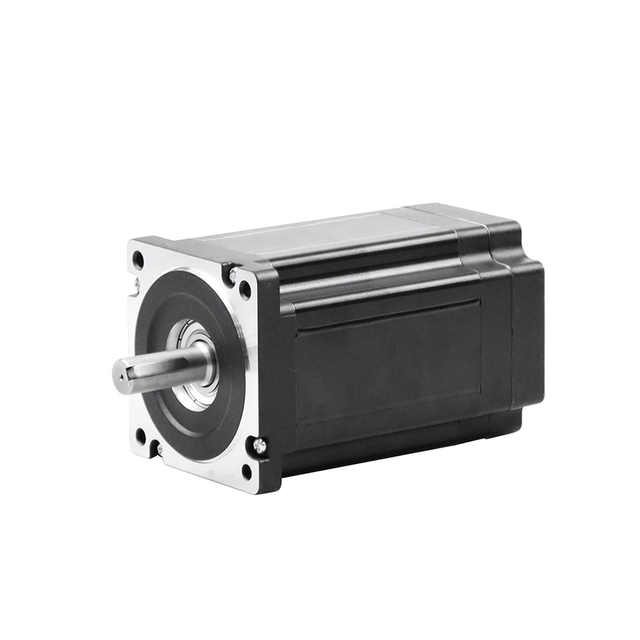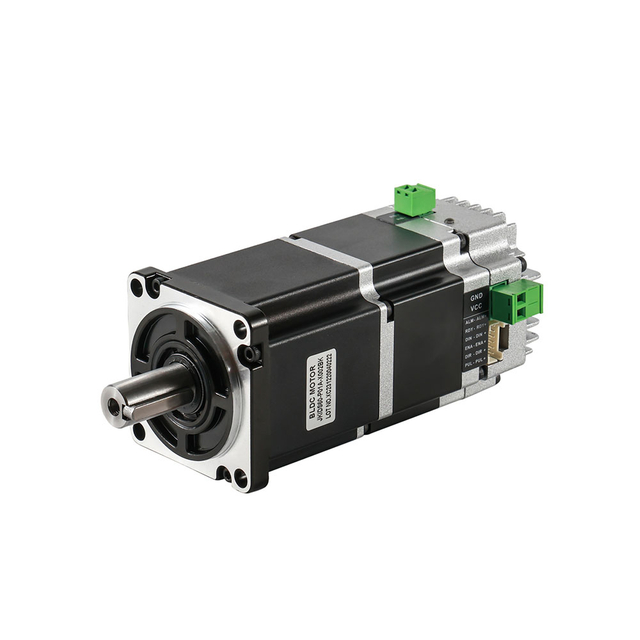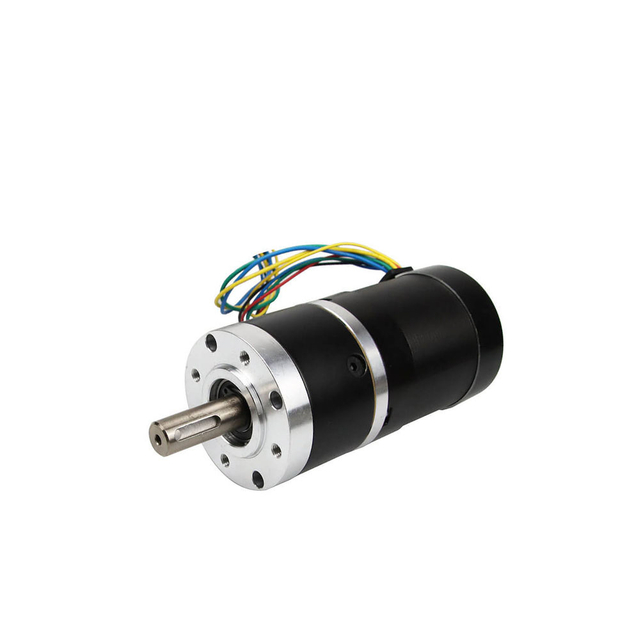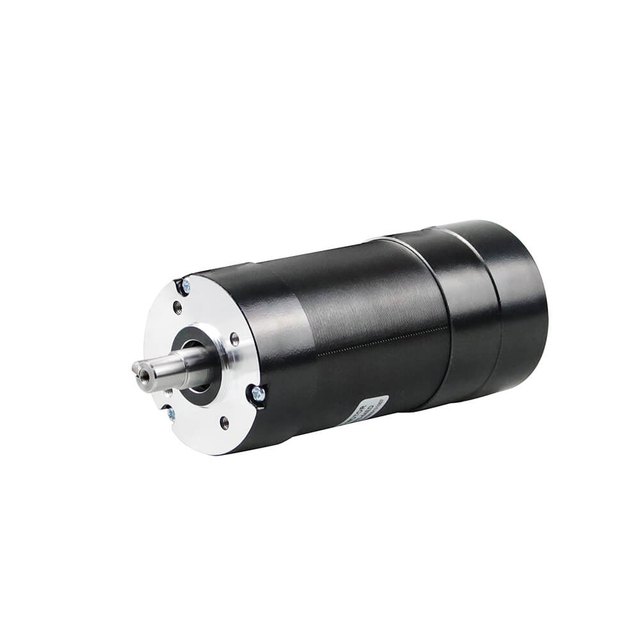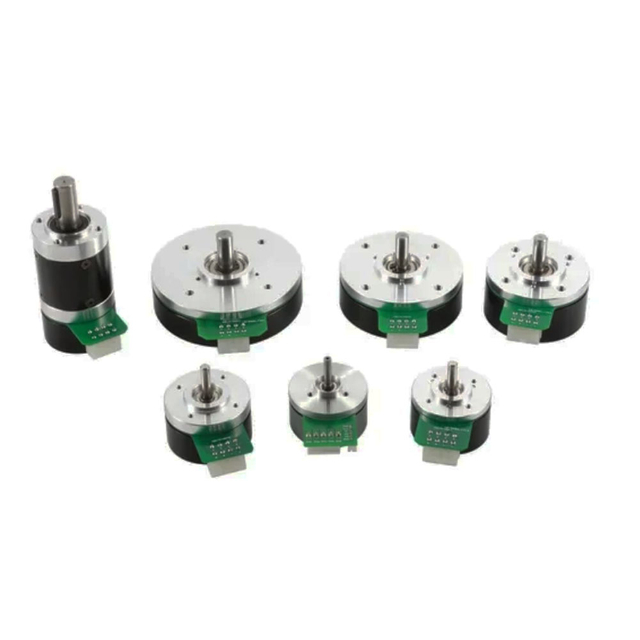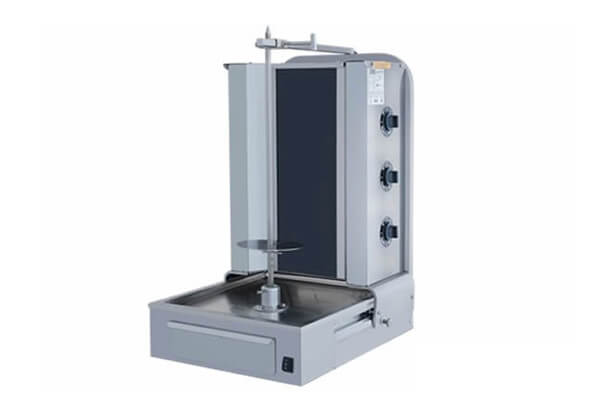
Brushless DC (BLDC) motors have become the new industry standard for electrical doner kebab machines, redefining durability, performance, and operational efficiency in modern food-service equipment. As demand for consistent, hygienic, and energy-efficient food preparation grows, BLDC motors deliver unmatched precision and reliability for rotating kebab skewers across restaurants, food trailers, and large-scale catering systems.
This comprehensive guide presents an in-depth analysis of how BLDC motors enhance doner kebab machines, including detailed technical insights, performance advantages, power considerations, and maintenance strategies. With our extensive expertise in motion technology and food equipment engineering, we provide everything needed to select the most suitable motor solution for professional kebab applications.
Brushless DC Motor Types
Brushless DC (BLDC) motors come in several types, each engineered for specific performance characteristics, applications, and operating environments. Understanding these motor types helps manufacturers and engineers choose the best solution for doner kebab machines, industrial equipment, automation systems, and more. Below are the primary categories of BLDC motors and their unique advantages.
Inner rotor BLDC motors are the most common type, where the rotor is located at the center and the stator windings surround it. This design allows excellent heat dissipation, since the stator—which generates most of the heat—is positioned on the outside.
Key Characteristics:
High torque density
Fast acceleration
Efficient cooling
Compact design
Best For:
Industrial automation, robotics, electric tools, and high-speed doner kebab machine applications where compact size and efficiency matter.
In outer rotor BLDC motors, the rotor surrounds the stator, making them appear more like a drum. Because the rotating mass is larger, these motors deliver higher torque at lower speeds.
Key Characteristics:
High torque at low RPM
Smooth rotation
Excellent stability
Lower power consumption
Best For:
Doner kebab machines, rotisserie equipment, HVAC fans, and applications requiring stable, smooth, and continuous rotation.
These motors eliminate mechanical sensors and instead rely on back EMF detection to determine rotor position. This reduces cost and increases durability.
Key Characteristics:
Best For:
Portable devices, fans, pumps, and food equipment where simplicity and long-term reliability are essential.
Sensored BLDC motors use Hall-effect sensors to constantly monitor rotor position, allowing extremely accurate speed and torque control.
Key Characteristics:
Best For:
Kebab machines, robotics, electric vehicles, and equipment requiring stable rotation under varying loads.
5. Slotless BLDC Motors
Slotless BLDC motors have stator windings placed in a smooth cylindrical core without teeth, which eliminates cogging torque.
Key Characteristics:
Best For:
Medical equipment, aerospace devices, and precision applications where vibration-free operation is critical.
6. Slotted BLDC Motors
These motors include stator slots where windings are inserted, resulting in higher torque production and structural durability.
Key Characteristics:
Best For:
Industrial machinery, electric vehicles, and heavy-duty food processing equipment.
7. Frameless BLDC Motors
Frameless motors are essentially a rotor and stator without a housing. These are integrated directly into the mechanical structure of the machine.
Key Characteristics:
Best For:
Advanced robotics, medical tools, and specialized food-processing machines requiring integrated motor solutions.
Integrated BLDC motors combine the motor and driver into a single compact assembly.
Key Characteristics:
Simplified installation
Fewer wiring requirements
Enhanced system reliability
Built-in control electronics
Best For:
Compact kebab machines, automation systems, and equipment where space-saving is essential.
Conclusion
BLDC motors come in a variety of types, each offering distinct advantages in torque, speed control, efficiency, and size. Whether used in doner kebab machines, industrial rotisseries, robotics, or automotive systems, choosing the right motor type ensures optimal performance and durability. Understanding the different BLDC motor types helps manufacturers select the ideal solution for their specific application needs.
A doner kebab machine relies heavily on its motor to rotate meat skewers at consistent speeds while handling high mechanical loads and continuous operation. Traditional brushed motors, though inexpensive, struggle with brush wear, overheating, inconsistent torque, and reduced service life.
In contrast, BLDC motors use electronic commutation, eliminating brushes completely. This enables:
High rotational stability for uniform roasting
Low heat generation during long operation
Exceptional motor lifespan due to minimal mechanical friction
Quiet, smooth performance, ideal for commercial kitchens
Energy savings, especially in full-day restaurant operations
As a result, BLDC motors significantly improve cooking results while lowering operating costs for restaurant owners.
Why BLDC Motors Are the Ideal Choice for Doner Kebab Machines
1. High Torque Output for Heavy Meat Loads
Commercial doner kebab skewers often carry 20–60 kg of layered meat, requiring a motor capable of maintaining torque stability under heavy load conditions. BLDC motors provide:
High starting torque
Constant torque across wide speed ranges
Excellent load response, even as meat weight decreases during carving
This ensures perfectly even roasting from start to finish.
2. Temperature-Resistant Design for Harsh Cooking Environments
Doner kebab machines operate near high-temperature heating elements, creating challenging conditions for traditional motors. BLDC motors excel due to:
High-temperature-grade insulation systems
Superior heat dissipation with optimized rotor/stator design
Thermal protection electronics, preventing overheating
IP-rated housings that protect against grease, steam, and particles
These characteristics enable BLDC motors to maintain performance in kitchens, food trucks, and outdoor grilling setups.
3. Precise Speed Control for Perfect Roasting Quality
Rotational speed directly affects the taste, juiciness, and uniformity of roasted meat. BLDC motors allow:
This fine control ensures the meat is consistently cooked on all sides, enabling chefs to achieve optimal crispness and flavor.
4. Energy Efficiency That Cuts Operational Costs
BLDC motors offer 30–60% higher energy efficiency than brushed motors, making them perfect for kitchens where equipment may operate continuously for 10–14 hours daily.
Key factors contributing to efficiency include:
Brushless operation with minimal losses
High power-to-weight ratio
Advanced commutation electronics
Low idle current draw
With rising global energy prices, this efficiency translates directly into long-term savings for businesses.
5. Long Operating Life and Minimal Maintenance
Every restaurant owner benefits from equipment that lasts. BLDC motors deliver:
This drastically reduces downtime, repair costs, and machine failures—critical for busy food-service establishments.
When selecting a motor, consider the following essential parameters to ensure optimal performance:
1. Power Rating (Watts)
Most doner kebab machine BLDC motors range from:
Higher power ensures stable rotation under heavy load.
2. Rated Torque (Nm)
Typical ranges:
The motor must provide enough torque to rotate the skewer without stalling.
3. Speed Range (RPM)
Ideal working speeds are usually:
4. Voltage Options
Common voltage choices include:
24V DC – safe, efficient, commonly used
48V DC – higher torque and power
110/220V AC with integrated BLDC driver – plug-and-play solutions
5. Protection Grades
For safe kitchen operation, motors should include:
Applications of BLDC Motors in Doner Kebab & Rotisserie Equipment
BLDC motors have become a core component in a wide range of doner kebab and rotisserie equipment, thanks to their reliability, efficiency, and precise rotational control. These motors are engineered to perform under demanding kitchen conditions, making them ideal for both small food stalls and large commercial kitchens. Their versatility allows manufacturers to design more durable, efficient, and easy-to-operate roasting systems.
1. Electrical Doner Kebab Machines
In modern electrical doner kebab machines, BLDC motors power the vertical rotisserie spindle that rotates heavy, stacked layers of marinated meat. Their consistent torque and speed stability ensure even cooking, uniform browning, and optimal heat exposure—key to achieving authentic doner kebab texture and flavor. BLDC motors also allow adjustable rotation speeds, enabling chefs to fine-tune cooking results.
2. Shawarma Grills
Shawarma preparation requires long, slow roasting cycles. BLDC motors support continuous, round-the-clock operation while maintaining cool temperatures and low vibration. Their smooth rotation ensures that thin meat layers cook uniformly, reducing the chance of undercooked or burnt sections.
3. Gyro Rotisserie Machines
Gyro rotisseries need motors that can handle varying meat weights, from small batches to large commercial portions. BLDC motors offer high load-handling capability, making them ideal for gyro preparation. Their precise control ensures consistent rotation as the meat's weight changes during slicing.
4. Chicken Rotisserie Ovens
Horizontal chicken rotisserie ovens rely on synchronized rotation shafts powered by BLDC motors. With their high torque and low noise, BLDC motors excel in rotating multiple skewers or baskets at the same time. This leads to evenly roasted chicken with crispy skin and juicy interiors.
5. Multi-Skewer Vertical Grills
Some commercial kitchens use multi-skewer systems for cooking a variety of meats simultaneously. BLDC motors provide the accurate, synchronized rotational movement required for consistent cooking across all skewers. They also reduce energy consumption, an important benefit for high-volume operations.
6. Portable and Food Truck Kebab Units
Food trucks and mobile kitchens depend on compact, efficient components. BLDC motors are ideal because they are:
7. Industrial Rotisserie and Meat Processing Equipment
In large-scale food production, BLDC motors support automated rotation systems in industrial rotisserie lines. Their long lifespan, low maintenance needs, and stable performance enable food processing companies to maintain consistent output with minimal downtime.
8. Specialty Grilling Equipment
BLDC motors are also used in:
Their high efficiency and customizable speed settings offer versatility for various global grilling styles.
How BLDC Motors Improve Food Quality in Doner Kebab Machines
BLDC (Brushless DC) motors play a crucial role in enhancing the overall food quality produced by modern doner kebab machines. Their advanced design ensures consistent rotation, precise speed control, and stable performance—factors that directly influence the flavor, texture, and appearance of roasted meat. By integrating BLDC motors, manufacturers are able to deliver kebab machines that cook more evenly, safely, and efficiently than traditional systems.
1. Ensuring Even Heat Exposure for Uniform Cooking
One of the biggest contributors to high-quality doner kebab is even heat distribution. BLDC motors rotate the skewer at a consistent, controlled speed, ensuring all sides of the meat receive equal exposure to the heating elements. This eliminates:
The result is perfectly cooked meat with uniform juiciness and texture from top to bottom.
2. Enhancing Browning, Crispness, and Caramelization
The flavor profile of doner kebab depends heavily on how well the meat browns and caramelizes. BLDC motors support precise RPM control, allowing chefs to fine-tune rotation speed to match:
This precision creates the signature golden-brown crust that customers expect, while keeping the inside tender and flavorful.
3. Maintaining Juiciness and Preventing Overdrying
A stable rotation speed prevents the meat from being exposed to excessive heat for too long on any one side. BLDC motors avoid:
This helps preserve the natural juices inside the meat, creating a moist and tender end product. In high-volume kitchens where machines run all day, this consistency is essential for delivering predictable food quality.
4. Reducing Food Waste Through Consistent Results
Inconsistent rotation often leads to uneven cooking, forcing chefs to remove burnt areas or discard undercooked portions. BLDC motors eliminate these issues by maintaining:
Constant torque under heavy meat loads
Smooth performance as the meat weight decreases
Stable rotation even during long roasting sessions
This not only improves the edible yield but also reduces operational waste and saves costs for restaurant owners.
5. Supporting Healthier Cooking with Controlled Temperatures
By ensuring precise and measured rotation, BLDC motors contribute to superior heat management. This prevents meat from burning or developing unhealthy charred sections, reducing the formation of unwanted compounds associated with high-temperature cooking. The result is a healthier product without compromising flavor.
6. Minimizing Vibration for Better Texture and Structural Integrity
Traditional motors may cause vibration, which can disturb the layers of carefully stacked meat. BLDC motors operate with minimal noise and vibration due to their brushless design and superior bearing systems. This keeps:
‘Clean’ rotation ensures better presentation and texture.
7. Delivering Consistent Quality Throughout Long Operating Hours
Doner kebab machines often operate for 8–14 hours continuously, especially in busy restaurants. BLDC motors are designed for endurance:
They stay cool during long operation
They maintain performance without torque loss
They provide constant speed regardless of load changes
This consistency ensures that every serving—morning to night—maintains the same high quality.
8. Allowing Customizable Cooking Profiles
Advanced BLDC systems come with integrated controllers that let operators select or customize rotation speeds. This flexibility allows chefs to adapt cooking behavior to:
Custom motor control directly contributes to more personalized and enhanced food quality.
Conclusion
BLDC motors significantly elevate the food quality produced in doner kebab machines by ensuring even heat distribution, enhancing browning, preserving juiciness, reducing waste, and delivering consistent results over long operation periods. Their precise control and smooth performance create superior texture, flavor, and appearance—ultimately improving customer satisfaction and restaurant efficiency.
Proper maintenance of Brushless DC (BLDC) motors is essential to ensure long-lasting performance, reliable operation, and consistent cooking quality in doner kebab machines. Although BLDC motors are designed to be low-maintenance compared to traditional brushed motors, regular care helps prevent downtime, protects against heat-related issues, and extends the lifespan of the entire machine. Below are the most effective and practical maintenance tips for keeping BLDC motors in optimal working condition.
1. Keep the Motor Clean and Free from Grease Accumulation
Kebab machines operate in environments where oil, grease, and food particles can easily accumulate. Over time, this buildup can affect motor ventilation and cause overheating. To avoid these issues:
Wipe the outer motor casing regularly
Use a mild degreaser or kitchen-safe cleaner
Avoid spraying cleaning liquids directly onto electrical components
Ensure ventilation slots are unobstructed
A clean motor runs cooler, lasts longer, and maintains consistent performance.
2. Inspect Electrical Connections Frequently
Loose, corroded, or damaged electrical connections can reduce performance and cause dangerous motor faults. Make it a routine to:
Check wiring harnesses and connectors
Look for discoloration or melted insulation
Ensure all terminals are tightly secured
Replace any worn connectors immediately
Proper electrical integrity ensures stable rotation and prevents unexpected motor shutdowns.
3. Avoid Direct Exposure to Extreme Heat
BLDC motors are built to tolerate high temperatures, but continuous exposure to direct heat from burners or heating elements can shorten their life. Ensure the motor is:
Properly shielded with heat-resistant covers
Installed at a safe distance from direct flame or radiant heat
Regularly inspected for heat damage on cables and housings
Maintaining a safe thermal environment is essential for protecting motor electronics.
4. Monitor Bearing Condition in Long-Hour Operations
While BLDC motors have fewer wear components, bearings still require attention, especially in kebab shops where machines often run all day. Signs of bearing wear include:
Increased noise
Rough rotation
Excessive vibration
Reduced speed stability
Replacing worn bearings promptly prevents more serious motor failures.
5. Check Motor Mounting and Alignment
A misaligned or loosely mounted motor can cause unnecessary stress on the shaft and gearbox. Periodically:
Correct alignment maintains smooth rotation, protects internal components, and enhances cooking quality.
6. Ensure Adequate Cooling and Ventilation
Since kebab machines operate in warm environments, proper cooling is essential. Make sure:
Airflow paths are not blocked by grease or debris
Cooling fans (if present) operate correctly
The machine has enough spacing for air circulation
Good ventilation helps the motor maintain optimal temperature and efficiency.
7. Inspect and Update Motor Controllers
BLDC motors rely on electronic controllers (drivers) for commutation. A malfunctioning controller can cause speed fluctuations, overheating, or complete failure. Regularly:
Check controller enclosures for heat or grease buildup
Verify cables are secure and undamaged
Test RPM control features for accuracy
Update firmware if the system supports it
Keeping the controller in good condition ensures precise speed regulation and smooth operation.
8. Follow Manufacturer-Specific Service Guidelines
Each BLDC motor model may have unique requirements. Always consult the manufacturer’s documentation for:
Recommended maintenance intervals
Proper cleaning procedures
Compatible replacement parts
Electrical safety precautions
Using the correct service practices helps preserve warranty coverage and extends motor life.
9. Schedule Professional Maintenance Annually
Even with daily care, it is wise to have a technician perform a yearly inspection to check:
Professional servicing prevents small issues from turning into costly failures.
Conclusion
Regular maintenance of BLDC motors is essential for ensuring optimal performance and long-term reliability in doner kebab machines. By keeping the motor clean, ensuring proper ventilation, inspecting bearings and electrical connections, and following manufacturer guidelines, operators can enjoy consistent cooking results and reduced downtime. BLDC motors are inherently durable, but proper care maximizes their efficiency and lifespan—benefiting both machine owners and customers.
Selecting the right BLDC motor supplier is one of the most important decisions manufacturers and restaurant equipment distributors can make when designing or sourcing high-performance doner kebab machines. A reliable supplier ensures not only superior motor quality, but also long-term consistency, technical support, and customized solutions that fit the unique requirements of food-service equipment. Below are the key factors to consider when choosing the best BLDC motor supplier for doner kebab machines.
1. Industry Expertise in Food-Service Motor Applications
A supplier with experience in the food machinery sector understands the challenges posed by heat, grease, long operation times, and heavy load cycles. This ensures the motors are engineered with:
High-temperature resistance
Durable materials suitable for food environments
Load-handling capabilities for 20–60 kg meat skewers
Energy-efficient performance for long daily operation
Suppliers without this expertise may offer general-purpose motors that fail prematurely in demanding culinary settings.
2. Customization Capabilities for Doner Kebab Machines
Every kebab machine manufacturer has unique design specifications, including shaft dimensions, torque requirements, RPM ranges, and mounting options. The best BLDC motor suppliers offer tailor-made motor solutions, such as:
Custom torque and speed profiles
Shaft length and diameter customization
Motor housings designed to fit machine enclosures
Integrated gearbox configurations
Optional heat shields or IP-rated protection
A supplier capable of customization helps ensure seamless integration and optimal machine performance.
3. High-Quality Components and Manufacturing Standards
Motor reliability depends heavily on the quality of its components. Trusted suppliers adhere to strict production and testing standards, including:
High-grade copper windings
Precision-machined rotors and stators
Industrial-grade bearings
Reinforced insulation materials
Efficient heat-dissipation designs
Suppliers committed to quality provide detailed testing reports, durability results, and thermal performance data to verify motor suitability.
4. Compliance With International Certifications
For global markets, motors must comply with recognized certifications, such as:
CE (European Conformity)
UL (Underwriters Laboratories)
RoHS (Restriction of Hazardous Substances)
ISO 9001 (Quality Management Systems)
Certified suppliers demonstrate professionalism and guarantee motors meet safety, environmental, and performance requirements.
5. Strong Technical Support and After-Sales Service
A reputable BLDC motor supplier provides comprehensive support both before and after purchase. This includes:
Detailed technical drawings and documentation
Application engineering support
Motor selection guidance
Troubleshooting assistance
Fast replacement parts and repair services
Good support ensures smooth installation, quick integration, and minimal downtime in food-service operations.
6. Proven Performance in Long-Hour Operation
Doner kebab machines often operate 10–14 hours per day, demanding exceptional durability. A reliable supplier can demonstrate:
Successful long-hour runtime tests
Thermal stability under heavy load
Consistent torque output
Low noise and vibration levels
Choosing a supplier with proven performance data ensures motor longevity and reduced service costs.
7. Flexible Minimum Order Quantities (MOQs)
Depending on your business scale, flexibility in order quantities is essential. Leading suppliers offer:
This adaptability allows manufacturers to scale production without excessive inventory burden.
8. Competitive Pricing Without Compromising Quality
While cost is always a consideration, the cheapest motor is rarely the best choice. The ideal supplier balances:
A motor that lasts longer and performs more efficiently ultimately offers better value than low-cost alternatives.
9. Reputation and Customer Reviews
Before finalizing a supplier, evaluate their reputation through:
A proven track record reflects reliability and consistent product performance.
Conclusion
Choosing the right BLDC motor supplier for doner kebab machines is essential for ensuring superior performance, long-term durability, and consistent food quality. A supplier with industry expertise, customization abilities, certified manufacturing practices, and strong technical support will help manufacturers build reliable equipment that meets modern food-service demands. By prioritizing quality and proven performance, businesses can guarantee the best results for both operators and customers.
Conclusion: BLDC Motors Deliver Superior Performance for Electrical Doner Kebab Machines
Brushless DC motors are the leading solution for reliable, efficient, and high-precision rotation in modern doner kebab machines. Their unmatched benefits—high torque, long service life, precise speed control, and energy efficiency—make them indispensable for restaurants and commercial food-service environments. Whether for a small kebab shop or industrial food production, BLDC motors ensure optimal roasting performance and long-term reliability.