What Is a Worm Gearbox? (Definition & Components)
Definition of a Worm Gearbox
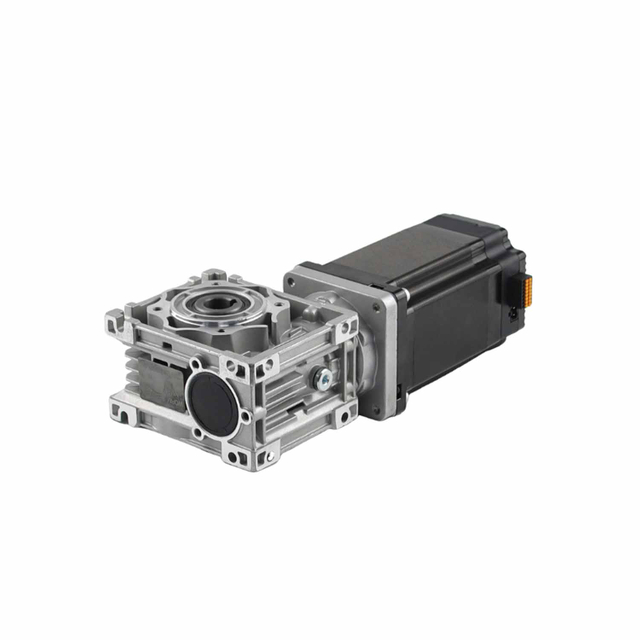
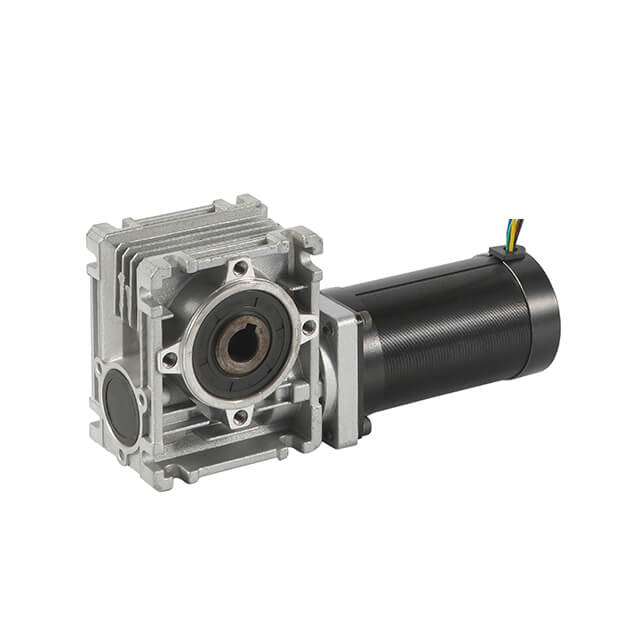
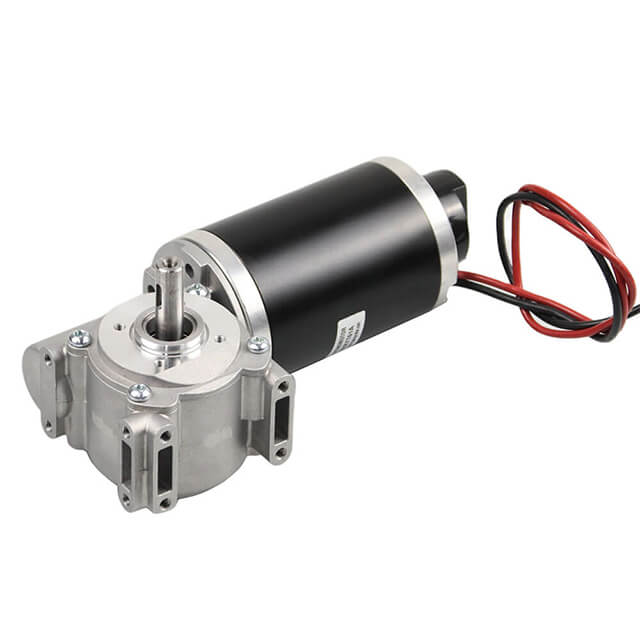
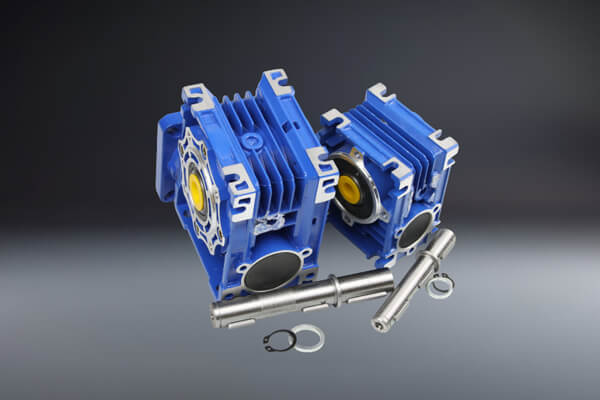
A worm gearbox is a highly efficient mechanical transmission device designed to reduce speed while increasing torque within compact mechanical systems. It consists of a worm (input shaft) and a worm wheel (output gear), working together to achieve significant speed reduction in a single stage. Unlike traditional gear systems, the worm gearbox relies on a unique sliding contact mechanism, enabling smooth and controlled motion transfer.
Worm gearboxes are widely recognized for their compact structure, reliability, and ability to deliver high reduction ratios, making them indispensable in industries that demand precision and stability.
Core Components of a Worm Gearbox
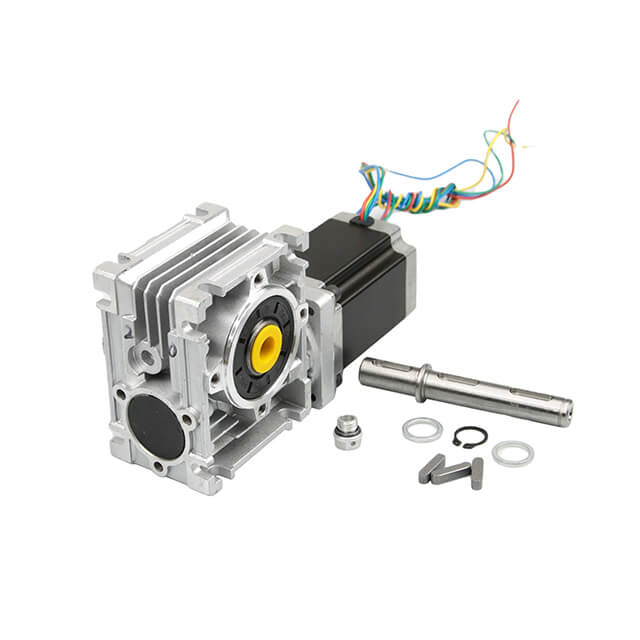
A worm gearbox is built around a few critical components that define its performance:
Worm (Input Shaft):A screw-like component that rotates to drive the system. It is typically made of hardened steel to withstand continuous motion and friction.
Worm Wheel (Output Gear):A gear, often made of bronze, that meshes with the worm. Its softer material reduces wear and ensures smooth operation.
Gear Housing:A rigid enclosure that protects internal components, maintains alignment, and retains lubrication.
Bearings and Seals:These ensure stable rotation, reduce friction, and prevent contamination.
Lubrication System:Essential for minimizing wear and managing heat generated by sliding contact.
This simple yet effective structure allows worm gearboxes to deliver high torque output with minimal space requirements.
How Does a Worm Gearbox Work? (The Mechanical Principle)
Sliding Friction Transmission Mechanism
The operation of a worm gearbox is based on a sliding friction principle rather than rolling contact. When the worm rotates, it pushes against the teeth of the worm wheel, causing it to rotate.
Unlike spur or helical gears, where teeth mesh directly, the worm’s threads slide across the surface of the worm wheel teeth, creating controlled motion with minimal vibration.
High Reduction Ratio Through Gear Interaction
One of the defining characteristics of a worm gearbox is its ability to achieve extremely high reduction ratios in a single stage. For example:
This design allows reduction ratios ranging from 5:1 to over 100:1, depending on the configuration.
Directional Force Transmission
Power flows in a single dominant direction, from the worm to the worm wheel. Due to the geometry and friction involved, reverse motion is either difficult or impossible in many configurations, leading to a self-locking effect.
Key Advantages: Why Use a Worm Gearbox?
Worm gearboxes are widely favored in modern mechanical systems because they offer a unique combination of compact design, high torque output, and operational reliability. Their distinctive structure enables performance characteristics that are difficult to achieve with other gear types, making them a strategic choice across multiple industries.
High Reduction Ratio in a Compact Design
One of the most significant advantages of a worm gearbox is its ability to achieve a very high reduction ratio within a single stage. Unlike conventional gear systems that require multiple gear sets to reduce speed, a worm gearbox can deliver ratios ranging from 5:1 up to 100:1 or more in a compact housing.
This translates into:
Space-saving installation, ideal for confined environments
Simplified mechanical design with fewer components
Reduced overall system complexity
This makes worm gearboxes particularly valuable in applications where space optimization and efficiency are critical.
Self-Locking Capability for Enhanced Safety
A defining feature of many worm gear systems is their self-locking property. Due to the friction angle between the worm and the worm wheel, the output shaft often cannot drive the input shaft in reverse.
This provides several operational benefits:
Prevents back-driving, ensuring load stability
Eliminates the need for additional braking systems
Enhances safety in vertical lifting or holding applications
This advantage is especially important in systems such as elevators, hoists, and positioning equipment, where uncontrolled movement could lead to serious risks.
Smooth and Quiet Operation
Worm gearboxes operate using sliding contact rather than direct tooth engagement, resulting in significantly reduced noise and vibration. This smooth motion profile is beneficial in environments where quiet performance is essential.
Key benefits include:
Low noise levels for indoor or sensitive applications
Reduced mechanical shock and vibration
Improved overall system stability
This makes them ideal for use in medical devices, office automation, and precision machinery.
High Torque Output
Worm gearboxes are designed to deliver substantial torque multiplication, even at low input speeds. This capability allows them to handle heavy loads efficiently without requiring large or complex drive systems.
Advantages include:
Strong load-carrying capacity
Reliable performance under high stress
Consistent torque delivery for demanding operations
This is why they are commonly used in material handling, industrial automation, and lifting systems.
Compact and Cost-Effective Solution
Compared to multi-stage gear systems, worm gearboxes offer a more economical solution for achieving high reduction ratios. Their simple design reduces manufacturing complexity and assembly costs.
Benefits include:
Their compact structure also minimizes the need for additional mounting space, contributing to overall system cost savings.
Excellent Shock Absorption
The sliding motion between the worm and worm wheel provides a degree of natural damping, allowing the gearbox to absorb shocks and vibrations more effectively than rigid gear systems.
This results in:
This feature is particularly useful in applications with variable loads or intermittent operation.
Flexible Mounting and Versatility
Worm gearboxes are available in a wide range of mounting configurations and orientations, making them highly adaptable to different system designs.
They can be installed in:
Horizontal or vertical positions
Flange-mounted or shaft-mounted setups
Integrated motor-gearbox assemblies
This versatility allows engineers to optimize layout and performance based on specific application requirements.
Worm gearboxes stand out as a reliable, compact, and versatile power transmission solution, delivering high torque, safety, and smooth operation in a wide range of industrial and commercial applications.
Understanding Worm Gear Efficiency and Heat Dissipation
Efficiency Characteristics
While worm gearboxes offer many advantages, they inherently experience higher energy losses due to sliding friction. Typical efficiency ranges between:
Lower efficiency is more pronounced in high reduction ratios, where friction increases significantly.
Heat Generation and Thermal Management
The friction between the worm and worm wheel generates substantial heat, which must be managed effectively to maintain performance and lifespan.
Key thermal management strategies include:
Using high-performance lubricants
Designing housings with heat dissipation capabilities
Incorporating cooling systems in high-load applications
Proper heat control ensures consistent efficiency and prevents premature wear.
Critical Maintenance: Lubrication and Oil Selection
Importance of Proper Lubrication
Lubrication is crucial for the performance of a worm gearbox due to the constant sliding contact between components. Without proper lubrication:
Recommended Lubricants for Worm Gearboxes
Worm gear systems require specialized lubricants that can handle both friction and material compatibility:
PAG (Polyalkylene Glycol) Oils:Offer excellent thermal stability and friction reduction.
Synthetic Oils:Provide superior performance under extreme conditions.
Additive Packages:Ensure compatibility with bronze worm wheels, preventing corrosion or chemical degradation.
Lubrication Best Practices
Regularly monitor oil levels and quality
Replace lubricant according to operating conditions
Avoid incompatible oils that may damage bronze components
Proper lubrication extends the gearbox’s operational life and efficiency.
Common Applications: Where Are They Used?
Worm gearboxes are widely deployed across industries where high torque, compact design, precise motion control, and self-locking capability are essential. Their ability to deliver smooth, quiet, and reliable performance makes them a preferred solution in both heavy-duty industrial systems and precision equipment.
Material Handling and Conveyor Systems
Worm gearboxes are extensively used in conveyor systems to regulate speed and ensure consistent material flow. Their high reduction ratio allows conveyors to operate at controlled speeds while handling heavy loads efficiently. Additionally, the self-locking feature prevents backward movement when the system is stopped, enhancing operational safety.
Lifting Equipment and Elevators
In lifting applications such as elevators, hoists, and lifting platforms, worm gearboxes play a critical role due to their load-holding capability. The self-locking nature ensures that loads remain securely in position without requiring additional braking systems. This makes them ideal for vertical motion systems where safety and stability are non-negotiable.
Gate Drives and Valve Actuators
Worm gearboxes are commonly used in automatic gates, sluice gates, and industrial valve actuators. These applications demand precise positioning and controlled movement, which worm gear systems deliver effectively. Their compact size allows easy integration into tight installation spaces, while their durability ensures long-term reliability in outdoor or harsh environments.
Packaging and Food Processing Machinery
In the packaging and food industries, worm gearboxes are utilized for filling machines, labeling systems, and processing equipment. Their quiet operation and smooth motion are essential for maintaining product quality and meeting hygiene standards. Moreover, their ability to operate at low speeds with high torque supports precision tasks such as dosing and sealing.
Medical and Laboratory Equipment
Worm gearboxes are ideal for medical devices and laboratory automation systems, where precision, low noise, and reliability are critical. Applications include adjustable hospital beds, diagnostic machines, and robotic-assisted surgical equipment. Their smooth motion ensures accurate positioning without vibration, which is vital in sensitive environments.
Renewable Energy Systems
In renewable energy applications such as solar tracking systems, worm gearboxes are used to adjust the angle of solar panels throughout the day. Their self-locking capability ensures that panels remain stable against wind loads without continuous power input, improving energy efficiency and system durability.
Textile and Printing Machinery
Worm gearboxes are widely applied in textile machines and printing equipment, where consistent speed and precise control are required. They help maintain uniform tension and alignment, ensuring high-quality output in continuous production processes.
Agricultural Equipment
In agriculture, worm gearboxes are used in feed systems, irrigation controls, and harvesting machinery. Their robust design allows them to operate reliably under dusty, wet, and variable load conditions, making them suitable for demanding field environments.
Robotics and Automation Systems
Modern automation systems rely on worm gearboxes for controlled motion and torque amplification. They are often used in robotic arms, positioning systems, and indexing tables, where repeatability and precision are essential.
Worm gearboxes continue to be a versatile and dependable solution across industries, offering the perfect balance of performance, safety, and compact design in applications that demand controlled power transmission.
Worm Gearbox vs. Helical Gearbox: Which One to Choose?
Performance Comparison
When selecting between a worm gearbox and a helical gearbox, understanding their differences is essential:
Worm Gearbox:
Helical Gearbox:
Higher efficiency (often above 90%)
Longer service life
Better suited for high-speed applications
Typically larger and more expensive
Application Suitability
Worm gearboxes are ideal for:
Applications requiring self-locking
Systems with limited installation space
Low-speed, high-torque operations
Helical gearboxes are better for:
Selection Guide: How to Choose the Right Worm Gearbox?
Key Parameters for Selection
Selecting the correct worm gearbox requires careful evaluation of several technical factors:
Torque Requirements:Determine the output torque needed for your application.
Gear Ratio:Choose the appropriate reduction ratio to achieve desired speed.
Input Power:Match the gearbox with the motor’s power output.
Mounting Configuration:Consider flange types and installation space.
Thermal Capacity:Ensure the gearbox can handle heat generated during operation.
Popular Series and Configurations
The NMRV series worm gearbox is widely used due to its:
Practical Selection Tips
Always consider application-specific load conditions
Account for duty cycle and operating environment
Select materials and lubrication based on temperature and usage intensity
A well-selected worm gearbox ensures optimal performance, durability, and efficiency in demanding applications.
Conclusion
The worm gearbox remains a vital component in modern mechanical systems, offering a unique combination of high torque output, compact design, and self-locking capability. By understanding its working principle, advantages, limitations, and proper maintenance practices, we can maximize its performance across a wide range of industrial and commercial applications.