Introduction to NEMA 17 Integrated Stepper Servo Motors
In the world of precision motion control, NEMA 17 integrated stepper servo motors have become the cornerstone of automation, robotics, and industrial equipment. These compact yet powerful motors combine a high-torque stepper motor, advanced servo control electronics, and integrated encoders into a single, seamless unit. The result is an efficient, reliable, and intelligent motor system that delivers precise positioning, smooth motion, and optimized performance for a wide variety of applications.

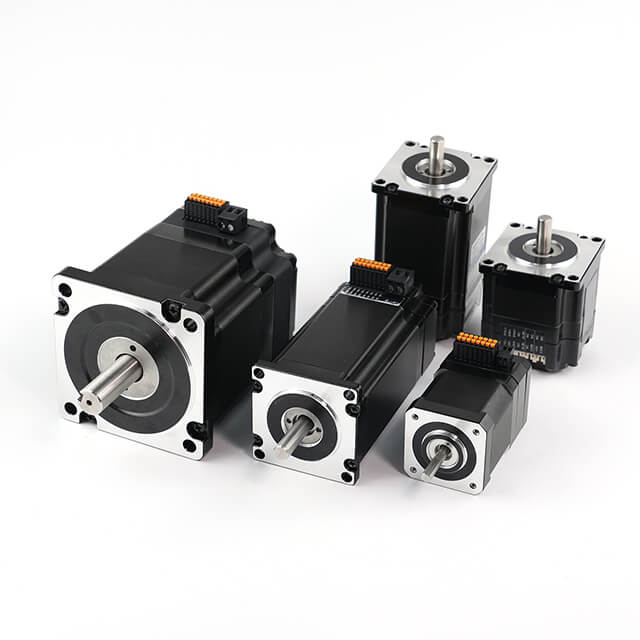
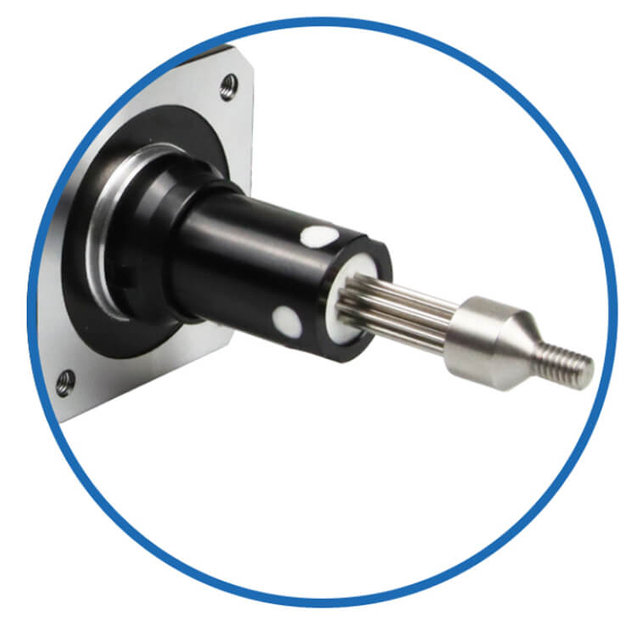
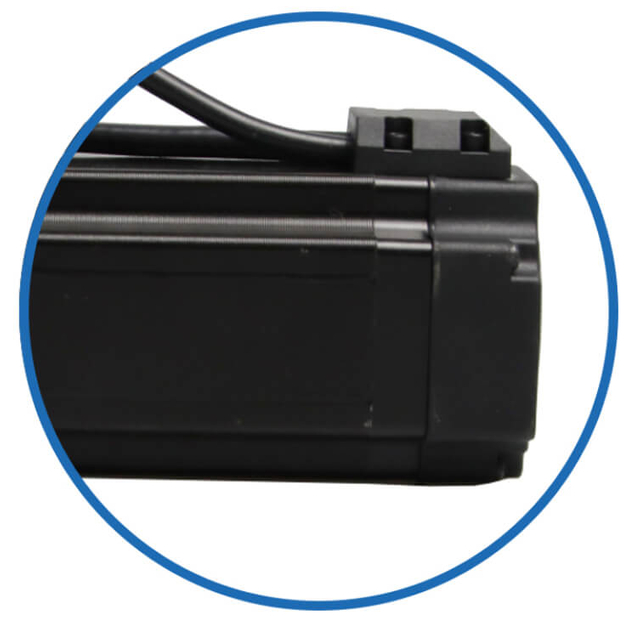
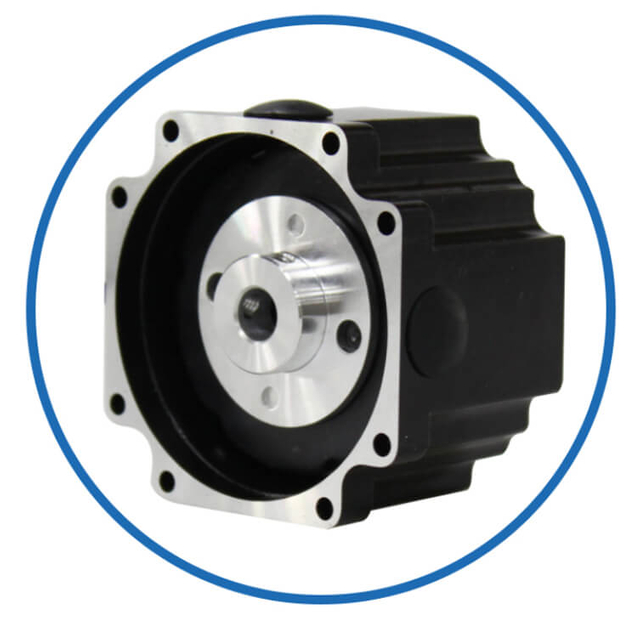
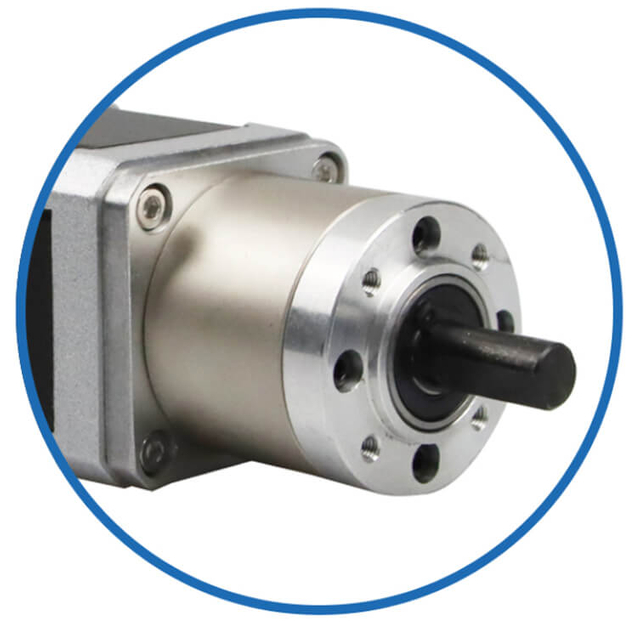
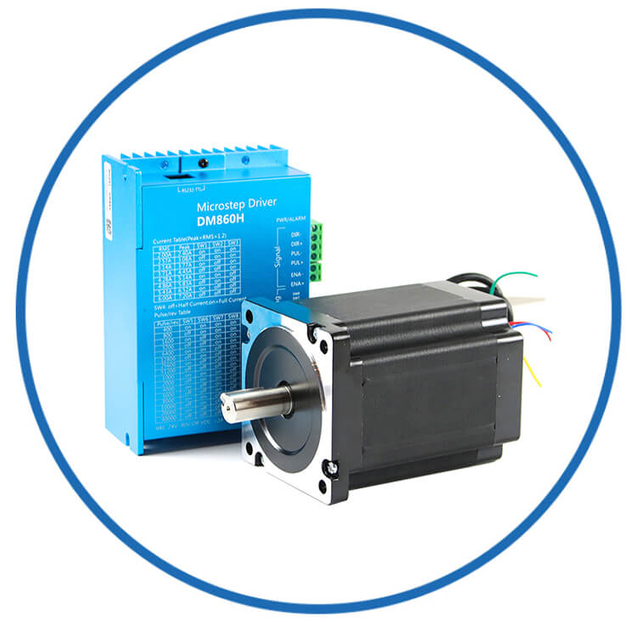
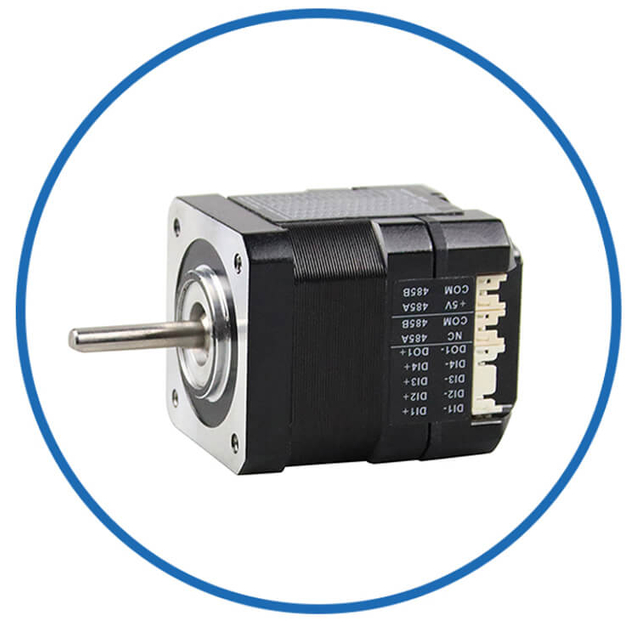
Nema 11 17 23 24 34 Integrated Stepper Servo Motor
Features of ISC low-voltage Integrated Stepper Servo Motors:
1. Cortex-M4 core high-performance 32-bit microcontroller
2. The highest impulse response frequency can reach 200KHz
3. Built-in protection functions effectively ensure the safe use of the device
4. Intelligently adjust current to reduce vibration, noise and heat
5. Using low internal resistance MOS, the heat generation is 30% lower than that of ordinary products.
6. Voltage range: DC12V ~ DC36V
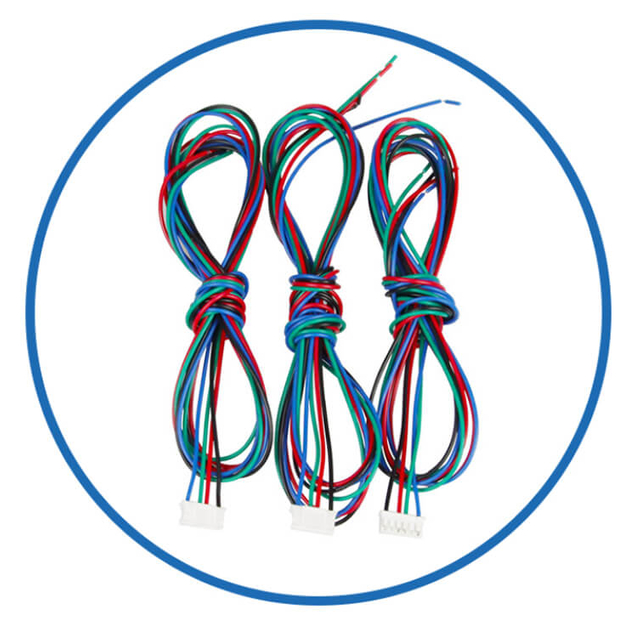
7. The integrated design of the drive motor is easy to install, takes up little space, and has simple wiring.
8. With anti-reverse connection function
Control method:
1. Pulse type
2. RS485-Modbus-RTU network type
3. CANopen network type
Protection level:
Waterproof type: IP30 IP54 IP65 optional
What Is a NEMA 17 Integrated Stepper Servo Motor?
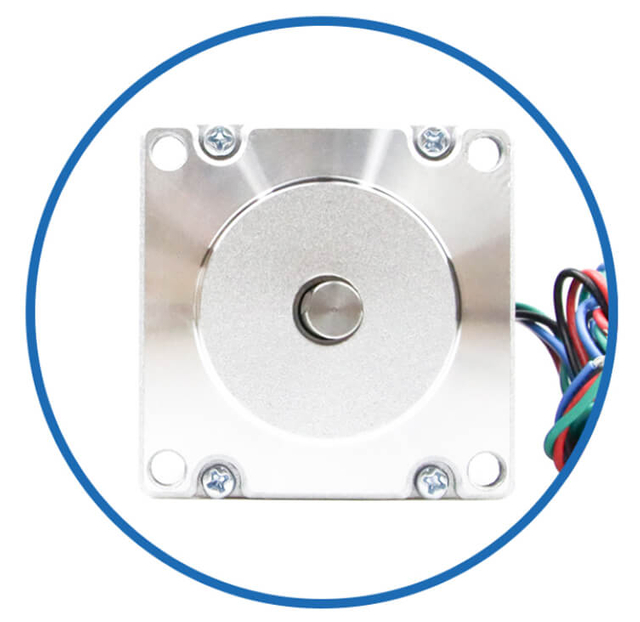
A NEMA 17 integrated stepper servo motor is a hybrid system that merges the functionality of a stepper motor and a servo motor into one device. “NEMA 17” refers to the motor’s faceplate dimension — 1.7 x 1.7 inches (43.2 x 43.2 mm) — a standard size used in many automation and 3D printing systems.
Unlike conventional stepper motors, which operate in an open-loop control system, integrated stepper servo motors feature a closed-loop control mechanism. This includes a built-in encoder that constantly monitors the motor’s position and speed. By feeding this data back to the controller, the motor can automatically correct position errors in real time, ensuring high accuracy, zero step loss, and superior efficiency.
A NEMA 17 integrated stepper servo motor combines the precision control of a stepper motor with the feedback and intelligence of a servo system, all housed within a compact, self-contained unit. The result is a powerful closed-loop motion control system that delivers high accuracy, zero step loss, and smooth operation, even under variable loads.
At its core, the system functions by synchronizing three key components:
Stepper Motor – provides motion through electromagnetic stepping.
Encoder – monitors actual position and speed.
Integrated Controller (Driver) – processes feedback and adjusts current and phase timing.
Together, these components form a real-time feedback loop that ensures the motor operates exactly as commanded.
Step-by-Step Working Process
1. Receiving the Motion Command
The process begins when the controller receives a motion command from a higher-level system such as a PLC, CNC controller, or microcontroller. This command defines parameters like speed, direction, acceleration, and target position.
2. Generating Magnetic Fields
The stepper motor section of the NEMA 17 integrated unit has a stator made up of multiple electromagnetic coils arranged in phases. When current flows through these coils, magnetic fields are generated that pull the rotor’s permanent magnets to specific angular positions.
Each movement — called a step — corresponds to a precise rotation angle, typically 1.8° per step for standard NEMA 17 motors.
3. Encoder Feedback Collection
While the motor is stepping, a rotary encoder attached to the rotor continuously measures the actual position, speed, and direction of rotation. This encoder sends high-resolution feedback signals to the motor’s integrated controller.
4. Closed-Loop Correction and Control
The integrated servo controller compares the actual position (from the encoder) with the commanded position in real time. If there’s any discrepancy — for example, if the motor lags due to load torque or friction — the controller immediately adjusts current and phase timing to correct the error.
This closed-loop operation ensures:
5. Dynamic Current Adjustment
Unlike traditional open-loop stepper systems that deliver full current at all times, the integrated servo system intelligently regulates current based on load demand. When torque demand is low, it reduces the current to minimize heat and save energy. When higher torque is needed, it automatically increases current to maintain performance.
6. Precise Stopping and Holding
Once the target position is reached, the controller ensures the rotor locks precisely in place. Because of encoder feedback and closed-loop logic, positional accuracy is maintained even after repeated start-stop cycles, ensuring stable and repeatable motion.
Key Components and Their Roles
1. Stepper Motor
The NEMA 17 stepper motor provides the fundamental motion. It consists of:
Stator: Houses electromagnetic windings.
Rotor: Contains permanent magnets that align with magnetic fields.
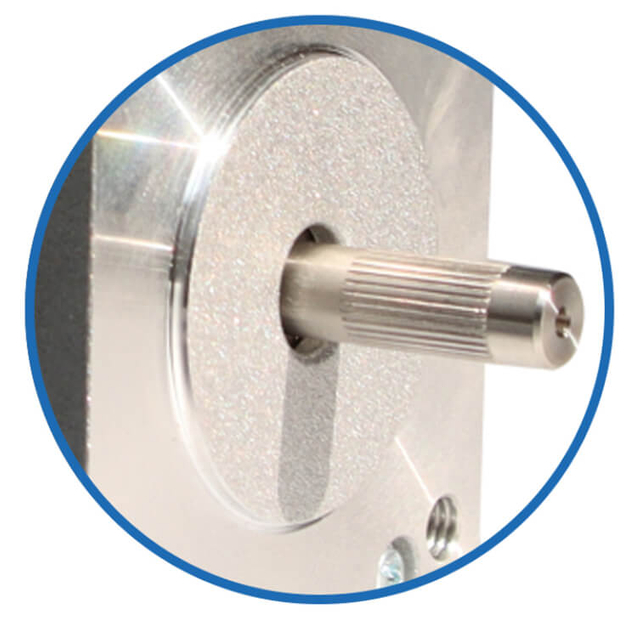
Shaft: Delivers mechanical output to connected mechanisms.
2. Encoder
The encoder provides real-time feedback on rotor position and rotation. Typical encoders have resolutions up to 1000–5000 pulses per revolution, allowing for ultra-fine motion tracking.
This continuous feedback loop is the cornerstone of servo-level precision in integrated stepper systems.
3. Integrated Controller
The controller acts as the brain of the system. It interprets input signals, manages current control, and performs digital signal processing (DSP) to maintain synchronization between commanded and actual motion.
Modern controllers also support communication interfaces such as CANopen, Modbus, EtherCAT, and RS-485, making system integration seamless.
The Advantages of Closed-Loop Operation
The closed-loop feedback design gives NEMA 17 integrated stepper servo motors several superior characteristics compared to conventional stepper motors:
Zero Step Loss: Feedback ensures no missed steps, even under sudden load changes.
High Torque Utilization: Up to 30–50% more torque available, especially at high speeds.
Smooth, Quiet Operation: Microstepping and continuous correction eliminate vibration and noise.
Energy Efficiency: Automatic current adjustment reduces power consumption.
Self-Diagnostics: Real-time fault detection for overcurrent, overtemperature, or stall conditions.
Comparison: Open-Loop vs. Closed-Loop Stepper Systems
| Feature | Open-Loop Stepper Motor | NEMA 17 Integrated Stepper Servo Motor |
| Control Type | Open Loop | Closed Loop |
| Feedback | None | Encoder-based |
| Step Accuracy | Limited | Real-time correction |
| Missed Steps | Possible | Eliminated |
| Energy Efficiency | Low | High |
| Noise Level | Moderate to High | Very Low |
| Torque Utilization | Medium | Maximum |
| Cost | Lower | Slightly Higher (but more efficient) |
The Motion Control Cycle
To summarize, the complete motion control cycle of a NEMA 17 integrated stepper servo motor involves:
Input Command: The controller receives target parameters.
Signal Processing: The internal driver interprets these signals and energizes motor phases.
Encoder Feedback: Real-time data from the encoder reports actual motion.
Error Correction: The controller adjusts current and timing to correct deviations.
Final Positioning: The rotor locks accurately at the commanded position.
This intelligent cycle repeats thousands of times per second, allowing for precise, stable, and efficient motion control even in complex automation systems.
Real-World Example
Consider a 3D printer extruder using a NEMA 17 integrated stepper servo motor. During fast printing moves, load resistance varies constantly. The built-in encoder detects these micro-load changes, and the motor’s controller immediately compensates by adjusting current and torque.
The result: smooth filament feeding, no skipped layers, and perfect print precision, even during high-speed operations.
Conclusion
The NEMA 17 integrated stepper servo motor represents a perfect fusion of stepper simplicity and servo intelligence. By combining a high-performance stepper motor, encoder, and digital driver into a single compact package, it provides real-time feedback, exceptional accuracy, and energy-efficient motion.
This advanced closed-loop system ensures reliable operation, minimal heat, and flawless positioning, making it an indispensable component in automation, robotics, CNC systems, and 3D printing applications.
1. Compact All-in-One Design
By integrating the motor, driver, and encoder into a single housing, NEMA 17 integrated stepper servo motors save space, reduce wiring complexity, and simplify installation. This makes them ideal for compact automation systems where every millimeter matters.
2. Closed-Loop Precision Control
The built-in encoder provides precise feedback on position, velocity, and torque. This enables real-time correction of positional errors, resulting in high accuracy and smooth motion even under varying loads.
3. High Torque and Efficiency
These motors deliver greater torque output at both low and high speeds compared to traditional stepper motors. The closed-loop system minimizes current draw when the load is light, increasing energy efficiency and extending motor life.
4. Smooth, Quiet Operation
Traditional stepper motors often suffer from resonance and noise during operation. Integrated stepper servo motors eliminate these issues through micro-stepping and closed-loop feedback, offering silky-smooth performance even at high speeds.
5. Protection and Diagnostics
Most integrated stepper servo motors come equipped with overvoltage, overcurrent, and overtemperature protection, as well as real-time fault diagnostics. These ensure stable performance and protect both the motor and the system from damage.
6. Easy Integration and Communication
Modern NEMA 17 integrated servo motors support multiple communication protocols such as Modbus, CANopen, RS-485, and EtherCAT, making them easy to integrate with PLC systems, motion controllers, or IoT devices for intelligent automation.
In modern automation and motion control systems, NEMA 17 integrated stepper servo motors are redefining performance standards. By combining the precision of stepper motors, the intelligence of servo control, and the compactness of an all-in-one design, these motors offer a superior solution for engineers and manufacturers seeking accuracy, efficiency, and reliability. Whether used in 3D printers, robotics, CNC machines, or medical equipment, the advantages of NEMA 17 integrated stepper servo motors make them indispensable in today’s precision-driven industries.
1. Compact All-in-One Design
One of the greatest advantages of NEMA 17 integrated stepper servo motors is their space-saving integrated structure. Instead of requiring separate motor, driver, and encoder components, this design combines all three into a single, compact housing.
This integration results in:
Simplified wiring – fewer cables mean faster installation and reduced wiring errors.
Smaller footprint – perfect for compact machines or confined mechanical spaces.
Reduced electromagnetic interference (EMI) – shorter cable lengths minimize signal noise.
This all-in-one configuration provides a streamlined, efficient, and professional solution for modern motion systems.
2. Closed-Loop Precision and Accuracy
Unlike traditional open-loop stepper motors that move blindly without position feedback, NEMA 17 integrated stepper servo motors use a built-in encoder for closed-loop control.
This real-time feedback ensures that:
The motor never loses steps, even under variable loads.
Positioning errors are automatically corrected on the fly.
Torque and velocity are adjusted dynamically for optimal accuracy.
The result is exceptional motion precision, ideal for tasks requiring exact positioning such as laser engraving, 3D printing, and micro-assembly automation.
3. High Torque and Efficiency
Conventional stepper motors often lose torque as speed increases, but integrated stepper servo motors overcome this limitation. Through adaptive current control and real-time feedback, they deliver stronger torque across the entire speed range.
Key performance benefits include:
Higher acceleration and deceleration capabilities.
Full torque utilization without overheating.
Optimized current consumption based on actual load conditions.
These features translate into more power when needed and less energy wasted, ensuring that the motor operates at peak efficiency throughout its duty cycle.
4. Smooth and Quiet Operation
Traditional stepper motors are notorious for their vibration and noise, especially during high-speed operation or resonance zones. However, the closed-loop feedback and microstepping technology in NEMA 17 integrated stepper servo motors significantly reduce these issues.
The built-in controller continuously fine-tunes the current supplied to each phase, producing silky-smooth motion with low acoustic noise. This makes them perfect for applications where quiet and stable performance is critical, such as medical devices, laboratory instruments, and office automation equipment.
5. Energy Efficiency and Heat Reduction
Energy consumption is a major concern in industrial automation. Integrated stepper servo motors excel in energy optimization due to their smart current regulation.
When the motor is under light load or idle conditions, the internal driver automatically reduces current flow, minimizing power loss and significantly reducing heat generation.
This not only improves system efficiency but also extends the lifespan of both the motor and associated components, leading to lower maintenance costs over time.
6. Enhanced Reliability and Safety
Reliability is key in continuous operation environments. NEMA 17 integrated stepper servo motors are designed with built-in protection and diagnostic features, including:
Overvoltage and undervoltage protection
Overcurrent and short-circuit protection
Overtemperature shutdown
Real-time fault monitoring and alerts
These safety mechanisms ensure stable and reliable operation even in demanding industrial conditions. Moreover, the closed-loop feedback eliminates step loss, ensuring consistent performance and zero mechanical drift over time.
7. Simplified Installation and Maintenance
Integrating the motor, driver, and encoder into one housing drastically simplifies installation. There’s no need for external drivers or complex wiring setups.
Benefits include:
Faster commissioning and setup time
Fewer components to manage or troubleshoot
Reduced chances of wiring mistakes or connection failures
This plug-and-play convenience also minimizes downtime and simplifies system maintenance, especially in multi-axis automation systems.
8. Improved Dynamic Response
Traditional stepper motors often struggle with rapid acceleration or sudden direction changes due to their open-loop nature. NEMA 17 integrated stepper servo motors overcome this limitation through real-time feedback and adaptive control algorithms.
They can:
Accelerate and decelerate quickly without losing synchronization.
Respond instantly to external disturbances or load variations.
Provide consistent torque output across dynamic conditions.
This enhanced responsiveness makes them ideal for high-speed, high-precision systems such as pick-and-place machines, robotic arms, and CNC automation.
9. Compatibility and Connectivity
Modern automation systems require flexibility and communication compatibility. NEMA 17 integrated stepper servo motors are equipped with advanced communication interfaces, including:
RS-485
CANopen
EtherCAT
Modbus RTU
These protocols enable seamless integration with PLC systems, motion controllers, and industrial networks, allowing for centralized control, synchronization, and real-time monitoring.
This connectivity supports smart factory and Industry 4.0 applications, where intelligent, data-driven systems are the future of manufacturing.
10. Cost-Effective and Space-Saving Solution
While initially more advanced than standard stepper motors, integrated stepper servo motors offer long-term cost savings. By reducing the number of external components (separate drivers, controllers, and encoders), they lower:
Additionally, their compact size allows for more efficient use of space, enabling designers to create smaller, lighter, and more flexible machines without sacrificing power or performance.
11. Maintenance-Free Operation
Since all control elements are built-in and continuously monitored, NEMA 17 integrated stepper servo motors require minimal maintenance. There are no belts, external sensors, or extra encoders to calibrate or replace.
This ensures long-term reliability and consistent performance, even in continuous-duty or high-vibration environments, making them ideal for automated production lines and precision machinery.
12. Scalability and Flexibility
The standardized NEMA 17 frame size (1.7” x 1.7”) makes these motors easily interchangeable with existing stepper or servo systems. Whether upgrading a 3D printer, CNC router, or robotic axis, these motors can be seamlessly integrated without mechanical redesign.
Their flexible design and wide operating voltage range (typically 12V to 48V) allow them to adapt to various system architectures, making them an excellent choice for both OEMs and retrofit engineers.
Conclusion
The NEMA 17 integrated stepper servo motor stands out as a technologically advanced, reliable, and efficient motion control solution. Its combination of closed-loop precision, compact design, energy savings, and ease of use makes it the perfect fit for modern automation systems that demand both performance and simplicity.
By uniting the strengths of both stepper and servo technologies, these integrated motors provide a powerful balance of accuracy, speed, and intelligence, ensuring long-term operational excellence in industrial, commercial, and research applications.
The NEMA 17 integrated stepper servo motor has become a cornerstone in modern motion control due to its compact design, high precision, and closed-loop performance. Combining the intelligence of a servo system with the simplicity of a stepper motor, it provides unmatched accuracy, efficiency, and reliability. This makes it ideal for industries that demand smooth motion, precise positioning, and energy-efficient operation.
From robotics to medical technology, and from 3D printing to CNC automation, the applications of NEMA 17 integrated stepper servo motors continue to expand across a broad range of high-performance systems.
1. 3D Printers
One of the most popular uses for NEMA 17 integrated stepper servo motors is in 3D printers, where accuracy and stability are vital.
These motors control the X, Y, and Z axes of the printer, as well as the extruder mechanism, ensuring:
The closed-loop control allows the printer to detect and correct errors in real time, resulting in flawless print quality, reduced material waste, and higher operational reliability.
Whether used in desktop hobby printers or industrial additive manufacturing machines, NEMA 17 integrated stepper servo motors guarantee consistent results even under rapid acceleration and heavy workload conditions.
2. CNC Machines and Milling Equipment
In CNC routers, engraving machines, and mini milling systems, motion precision and torque stability are critical. The NEMA 17 integrated stepper servo motor provides:
Exact positioning for tool paths
Zero step loss, even during heavy cutting
Smooth motion transitions for superior surface finish
Its built-in encoder ensures real-time correction of tool position and speed, enabling tight machining tolerances and faster cycle times. The integrated design also simplifies wiring and reduces cabinet space, which is ideal for compact CNC systems.
3. Robotics and Automation Systems
Robotics is one of the most dynamic fields where NEMA 17 integrated stepper servo motors shine. These motors are widely used in:
The closed-loop servo functionality allows robots to perform smooth, coordinated movements with precise repeatability. Their compact structure makes them ideal for small-scale or lightweight robotic joints, while their high torque output ensures reliable performance under varying loads.
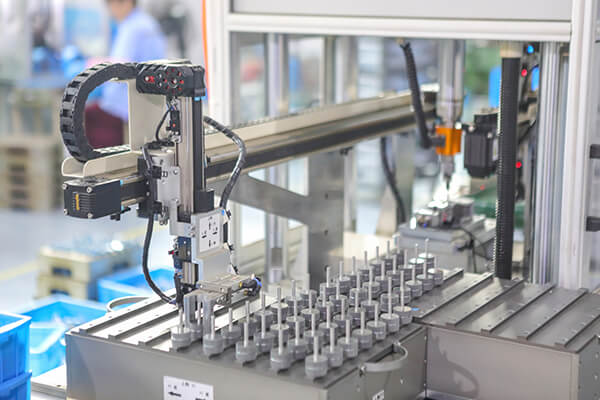
In automation lines, these motors drive conveyor systems, actuators, and feeders with real-time feedback, ensuring seamless operation and error-free synchronization.
4. Medical and Laboratory Equipment
In the medical and laboratory sectors, precision, reliability, and quiet operation are non-negotiable. The NEMA 17 integrated stepper servo motor meets these requirements perfectly.
Applications include:
Syringe and infusion pumps
Automated diagnostic analyzers
Microfluidic control systems
Medical imaging and scanning equipment
Their closed-loop accuracy ensures the correct dosage, sample handling, and mechanical precision. Additionally, their low noise and smooth motion are ideal for sensitive environments where vibration must be minimized.
The integrated electronics and safety features also make them compliant with medical-grade automation standards, reducing the risk of mechanical or electrical failure.
5. Packaging and Labeling Machines
In the packaging and labeling industry, NEMA 17 integrated stepper servo motors provide exceptional speed synchronization and position accuracy.
They are used to:
Drive label applicators and tape feeders
Control film rollers and cutting blades
Operate bottle cappers, cartoners, and dispensers
The real-time feedback ensures perfect timing between the moving parts, preventing misalignment or waste. With adaptive torque control, these motors can adjust to changing loads or materials, keeping production lines running smoothly and efficiently.
6. Textile Machinery
In textile automation, consistent motion and high-speed performance are essential for thread handling and weaving precision. NEMA 17 integrated stepper servo motors are used in:
Their closed-loop control allows for fine thread tension adjustments, consistent fabric quality, and vibration-free operation. The compact size also enables multi-axis coordination within tight machine designs.
7. Semiconductor and Electronics Manufacturing
In the electronics and semiconductor industries, where micron-level accuracy is crucial, NEMA 17 integrated stepper servo motors offer unmatched control.
They are commonly employed in:
Their fast response time, smooth microstepping, and zero position error make them ideal for the high-precision demands of electronics assembly and testing processes.
8. Surveillance and Camera Positioning Systems
For pan-tilt camera mounts, security surveillance systems, and optical tracking devices, precise and smooth motion is essential.
NEMA 17 integrated stepper servo motors ensure:
Stable, vibration-free movement
High positioning accuracy for lenses and sensors
Quiet operation, suitable for discreet environments
The real-time feedback mechanism prevents overshooting and guarantees perfect synchronization with video capture or tracking algorithms.
9. Conveyor and Material Handling Systems
In automated material handling, these motors control conveyor belts, sorting mechanisms, and linear actuators with precise motion control and load adaptability.
Key advantages include:
Accurate speed control for synchronization
Torque regulation for heavy or delicate materials
Reliable operation for continuous-duty systems
This makes them suitable for industries like pharmaceuticals, food processing, and logistics, where precision and reliability directly impact productivity.
10. Laboratory Automation and Research Equipment
In scientific research, automation ensures consistent, repeatable results. NEMA 17 integrated stepper servo motors play a vital role in:
Automated pipetting systems
Microscope stage movement
Sample storage and retrieval units
Spectrometry and chromatography equipment
Their quiet and stable performance allows for continuous, error-free operation in environments that demand ultra-precise control.
11. Educational and Prototyping Robotics
In educational platforms and small robotics projects, NEMA 17 integrated stepper servo motors are favored for their ease of use, plug-and-play functionality, and cost-effectiveness.
They allow students and developers to experiment with:
With built-in drivers and feedback loops, they simplify project design, making them ideal for STEM education, university research, and rapid prototyping.
12. Printing and Engraving Systems
High-end printing, laser cutting, and engraving systems rely on precise, consistent motion. NEMA 17 integrated stepper servo motors ensure:
Exact positioning of print heads and lasers
Consistent speed and alignment across work surfaces
Error-free repetition for mass production
Their smooth motion guarantees high-resolution output and improved operational efficiency in both digital printing and laser engraving applications.
Conclusion
The NEMA 17 integrated stepper servo motor is a versatile, intelligent, and compact motion control solution that caters to a wide spectrum of industries. Its closed-loop control, space-saving design, and exceptional precision make it a top choice for engineers and manufacturers seeking reliable performance and seamless integration.
From 3D printers and CNC machinery to medical devices and robotics, these motors enhance productivity, accuracy, and operational stability in virtually every application. As automation and smart manufacturing continue to advance, NEMA 17 integrated stepper servo motors will remain at the heart of next-generation motion control technologies.
Selecting the right motor for your application involves considering several critical factors:
Torque and Speed Requirements: Determine the maximum load and desired speed to ensure optimal torque output.
Voltage and Current Ratings: Match the motor’s electrical specifications with your power supply and controller.
Encoder Resolution: Higher resolutions offer more precise feedback and smoother motion.
Communication Interface: Choose a motor compatible with your control system (e.g., RS-485, CANopen, or Modbus).
Environmental Conditions: Evaluate temperature, vibration, and humidity factors to select a suitable housing and protection level.
Mounting Compatibility: Ensure the NEMA 17 frame size and shaft dimensions fit your mechanical design.
By carefully evaluating these factors, you can maximize the performance and lifespan of your integrated stepper servo motor system.
As Industry 4.0 continues to evolve, NEMA 17 integrated stepper servo motors are embracing new technological advancements. Integration with AI-based predictive maintenance, IoT connectivity, and smart sensors allows for remote monitoring, automated fault detection, and real-time performance optimization.
Additionally, the trend toward miniaturization and higher power density will continue, making future NEMA 17 motors even more efficient and capable in smaller form factors. With improved thermal management, energy optimization algorithms, and advanced digital interfaces, these motors will remain at the forefront of intelligent motion control solutions.
Conclusion
The NEMA 17 integrated stepper servo motor represents the perfect balance of precision, efficiency, and intelligence in a compact package. Its closed-loop design delivers the reliability of servo control with the simplicity of stepper motion, making it a preferred choice for engineers and automation designers worldwide. As industries demand smarter, more compact, and energy-efficient systems, these integrated motors will continue to power the next generation of innovation.