In modern surveillance systems, integrated stepper servo motors have become a cornerstone of precision motion control, flexible positioning, and advanced automation. As network cameras continue to evolve—offering sharper resolutions, faster tracking, and smarter analytics—the demand for high-performance integrated motors capable of seamless operation has grown dramatically.
As a trusted technology partner, we provide an in-depth exploration of how integrated stepper servo motors transform pan-tilt-zoom (PTZ) camera performance, boost reliability, and enable ultra-smooth motion essential for today’s intelligent security networks.
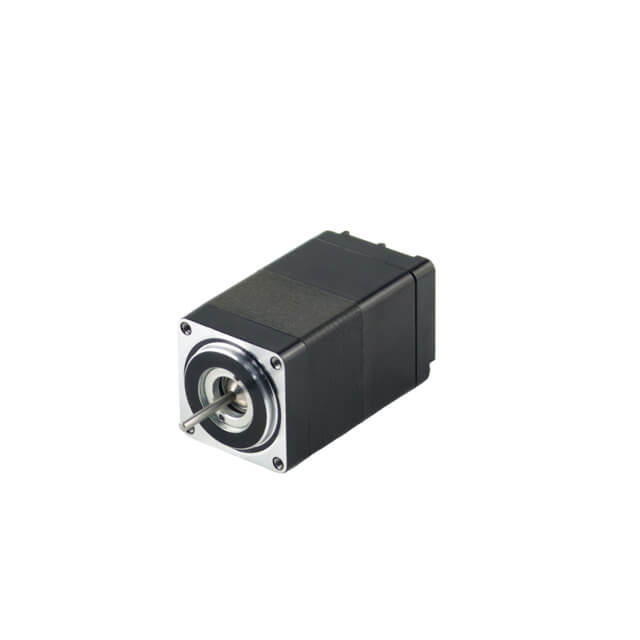
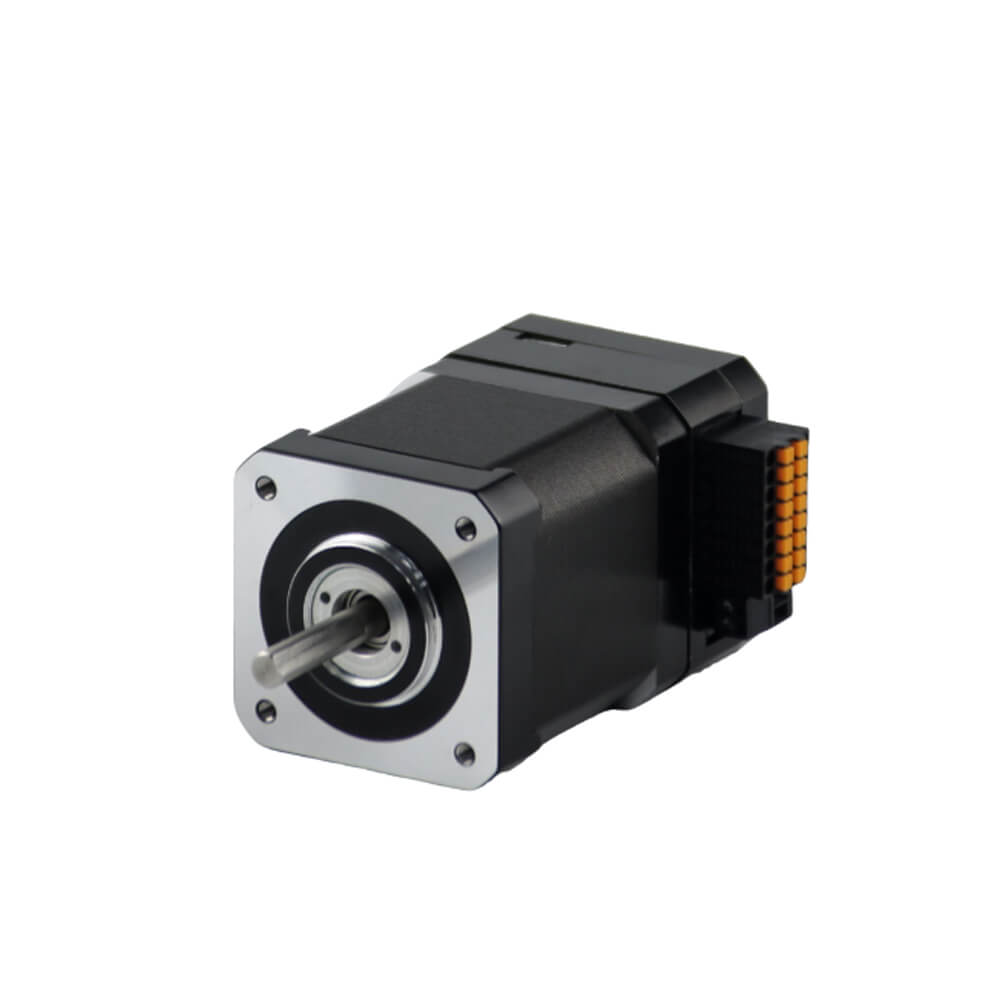
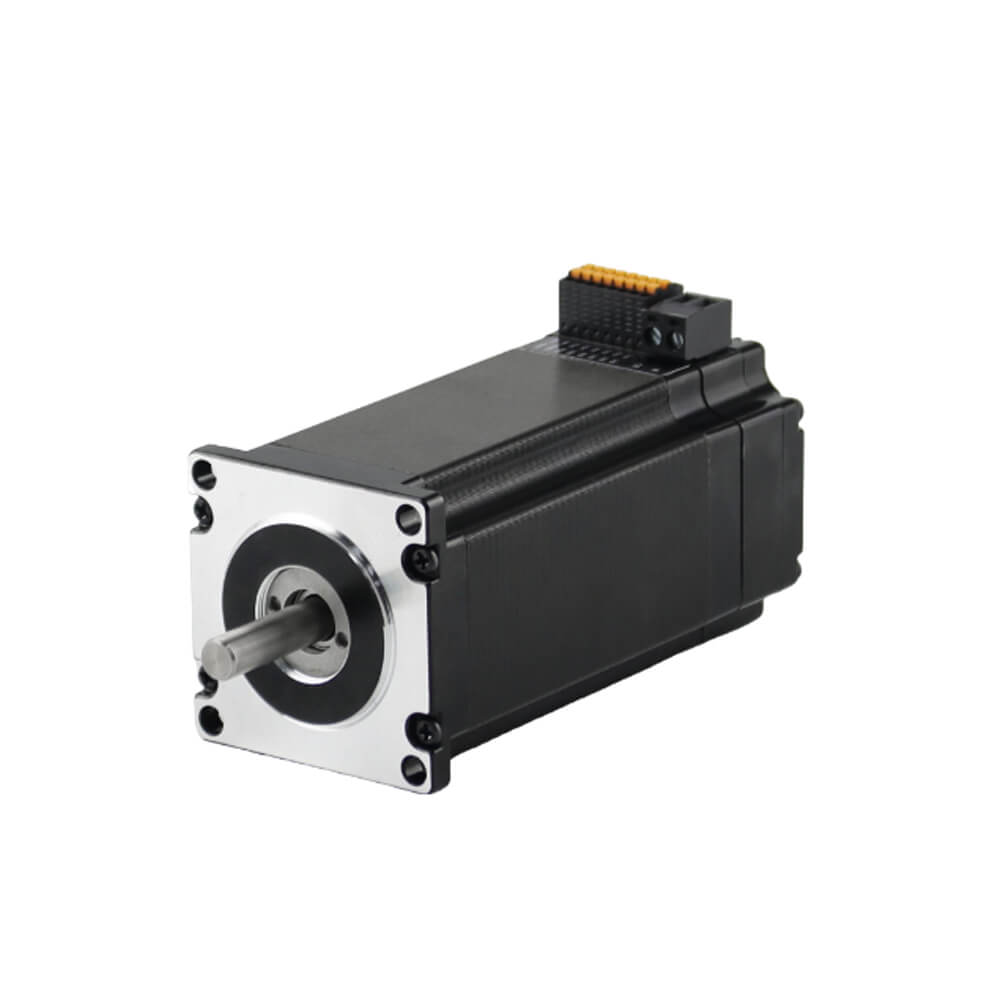
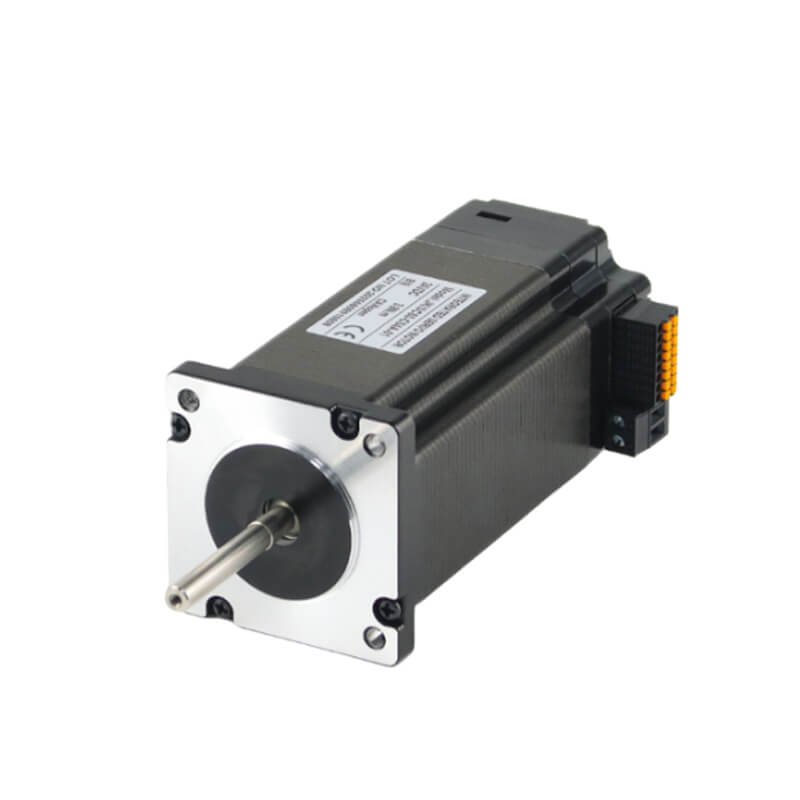
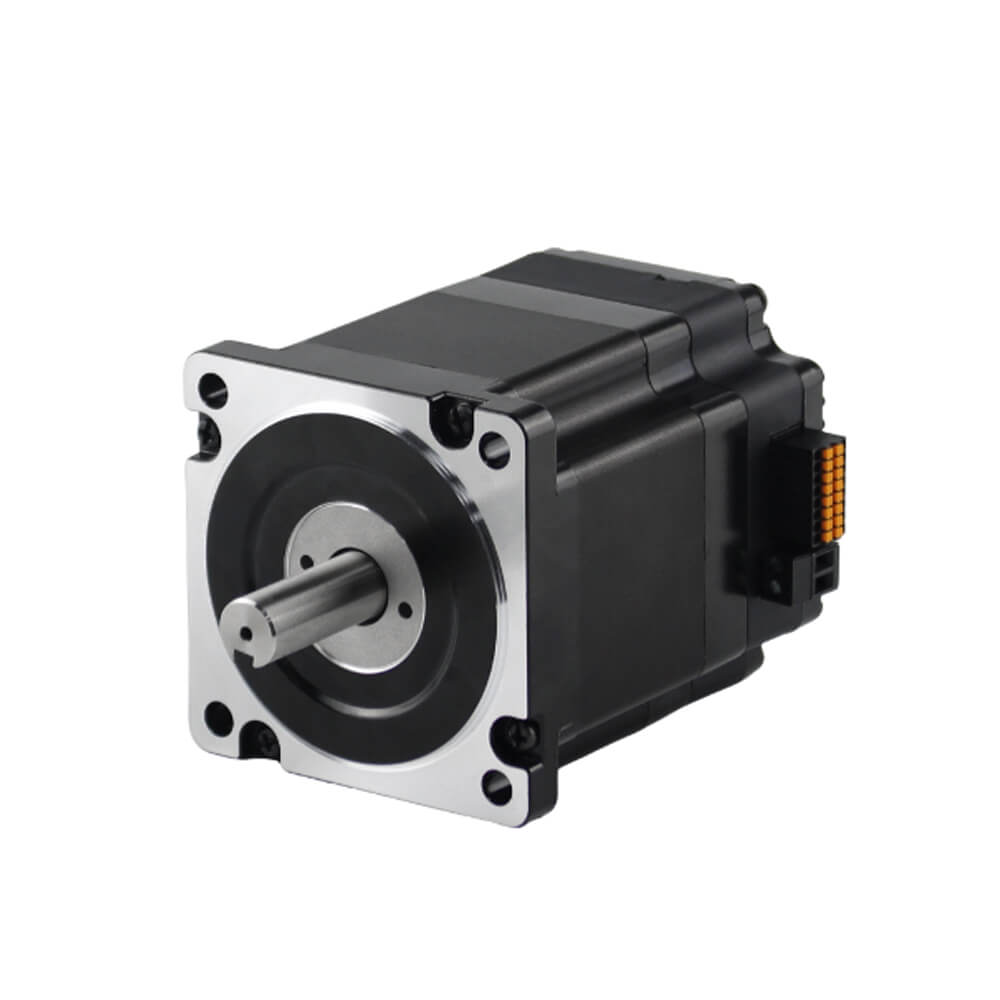
Integrated stepper servo motors combine the motor, encoder, servo controller, and drive electronics into a single compact unit. By merging these essential components, they deliver superior efficiency, reduced wiring complexity, and highly accurate closed-loop control.
Unlike conventional stepper motors, integrated stepper servo systems offer:
Closed-loop feedback for precise positioning
Automatic torque adjustment
Higher running speeds with smooth acceleration
Lower heat generation and energy consumption
Compact and lightweight designs ideal for PTZ network cameras
This advanced integration makes them a preferred choice for modern surveillance installations where consistent, stable, and noise-free rotation is critical.
Integrated Stepper Servo Motor Types
Integrated stepper servo motors come in several types, each designed to support different performance levels, mechanical configurations, and application requirements. Although they all combine a stepper motor, encoder, driver, and controller inside a single unit, their structural variations and control capabilities determine how they perform in different environments such as network cameras, robotics, automation systems, and precision instruments.
Below are the main types of integrated stepper servo motors:
These motors follow standardized NEMA mounting sizes, such as NEMA 14, NEMA 17, NEMA 23, NEMA 24, and NEMA 34.
Features:
Standard mounting for easy mechanical integration
Available in a wide range of torques
Suitable for PTZ cameras, 3D printers, conveyor systems
Advantages:
Also called hybrid servo steppers, these motors combine hybrid stepper motors with encoder-based servo control.
Features:
Advantages:
These motors include a multi-turn or single-turn absolute encoder, which retains position even after power is lost.
Features:
Zero homing required after power cycles
Memory-based position data
High accuracy for preset positioning
Advantages:
Perfect for surveillance cameras needing immediate startup
Reduced system complexity
Faster motion initialization
These motors come with an integrated planetary gear reducer to increase torque output and improve resolution.
Features:
Advantages:
Best for heavy camera housings or long-distance zoom modules
Stable movement during outdoor wind loads
Enhanced low-speed precision
These motors include built-in communication interfaces to connect easily with control systems.
Features:
CANopen, Modbus-RTU, RS485, UART, or industrial Ethernet
Direct control from network camera processors or PLCs
Remote diagnostics and parameter tuning
Advantages:
6. Compact Ultra-Thin Integrated Stepper Servo Motors
Designed for small or ultra-slim devices, such as compact camera modules or robotic arms.
Features:
Advantages:
Suitable for miniature PTZ cameras
Enables compact surveillance device designs
Perfect for drones and mobile robots
These motors combine high-speed stepper characteristics with servo stability.
Features:
Advantages:
Built for demanding industrial or large-scale camera systems.
Features:
Advantages:
Excellent for outdoor PTZ systems in harsh environments
Supports large lenses and heavy camera assemblies
Improved reliability under continuous 24/7 operation
Summary
Integrated stepper servo motors come in many types, each tailored for specific applications and performance requirements. Whether for compact network cameras, heavy-duty outdoor PTZ systems, robotics, or precision automation, choosing the right motor type ensures the best combination of accuracy, efficiency, torque, and reliability.
How Integrated Stepper Servo Motors Work
Integrated stepper servo motors operate by combining the strengths of both stepper motor technology and servo control principles inside one compact, intelligent package. Their operation is based on closed-loop control, real-time feedback, and precise micro-stepping algorithms that ensure smooth and accurate motion. Here’s how they work step by step:
1. Closed-Loop Feedback Control
Unlike traditional open-loop stepper motors, integrated stepper servo motors use an encoder mounted on the motor shaft.
The encoder constantly monitors:
Shaft position
Speed
Rotation direction
This feedback is sent back to the integrated controller, which compares the actual position with the commanded position.
If there is any error—such as missed steps or external disturbance—the controller instantly corrects it.
Result:
The motor includes a built-in servo driver and microprocessor-based controller.
These components generate and regulate the required current to produce precise movement.
The controller performs functions like:
Because the driver and controller are inside the motor housing, there is no need for separate external electronics.
Result:
3. Micro-Stepping for High Precision
Integrated stepper servo motors divide each full step into many micro-steps—sometimes up to 1/256 step or more.
This allows:
Extremely smooth rotation
High-resolution positioning
Reduced vibration and noise
Precise slow-speed movement (perfect for PTZ camera tracking or robotics)
Result:
High motion quality even at very low speeds.
4. Servo-Like Torque Control
Because the system receives constant position feedback, it adjusts the current delivered to the motor coils in real time.
This means the motor behaves like a servo:
Increasing torque automatically when load increases
Decreasing current when full torque is not needed
Maintaining stability during sudden direction changes
Result:
High efficiency
Lower heat output
Longer lifespan
5. Real-Time Error Correction
If the motor experiences:
Mechanical resistance
Sudden load change
External vibration
Gearbacklash
The integrated servo controller instantly detects the deviation and corrects it.
Result:
Accurate movement with zero loss of position.
6. Smooth Acceleration and Deceleration
The controller manages detailed motion profiles:
Soft start
Smooth acceleration
Controlled deceleration
Predictive stopping
These profiles prevent jerky movements and protect mechanical components.
Result:
Stable, smooth, and predictable motion ideal for camera pan-tilt systems, sliders, and robotics.
7. Built-In Protection and Diagnostics
Integrated stepper servo motors continuously monitor:
Motor temperature
Current levels
Position accuracy
Speed
Operating voltage
When something goes out of range, the system automatically takes preventive action.
Result:
Safe, reliable, and maintenance-friendly operation.
Summary
Integrated stepper servo motors work by merging a stepper motor, encoder, driver, and controller into one intelligent device. Through closed-loop feedback, micro-stepping, torque optimization, and real-time error correction, they deliver:
High positional accuracy
Smooth motion
Strong torque
Efficiency
Reliability
This makes them ideal for network cameras, automation equipment, robotics, and precision motion systems.
High-performance cameras require motors that can match the increasing demands of surveillance environments. Integrated stepper servo motors offer crucial benefits for PTZ and smart tracking cameras:
1. Superior Motion Control for PTZ Functions
Pan, tilt, and zoom mechanisms rely on precise motor movements. Integrated servo steppers enable:
Silky-smooth rotation with micro-step precision
Fast directional changes without jerkiness
Accurate repeatability for preset positions
Stability during slow surveillance sweeps
This ensures operators and AI analytics receive crisp, stable visual data even during fast repositioning.
2. Low Noise and Minimal Vibration
Quiet operation is essential for indoor environments such as offices, hospitals, or government buildings.
Integrated stepper servo motors dramatically cut noise levels due to their optimized current control and smooth micro-stepping.
3. High Torque Performance in Compact Form
Network camera housings are compact and weight-sensitive. Integrated stepper servo motors deliver strong torque output without increasing size, making them perfect for:
4. Energy Efficiency for Continuous Operation
Surveillance cameras often run 24/7. Integrated motors maintain efficiency through intelligent current regulation, reducing power use and prolonging system lifespan.
5. Reliability in Harsh Environments
Network camera systems installed outdoors must withstand heat, humidity, dust, and vibration. Integrated stepper servo motors offer:
This ensures consistent operation in even the most demanding environments.
Closed-Loop Motion Control
The integrated encoder enables real-time feedback, eliminating issues such as:
This leads to stable and accurate camera movement essential for advanced PTZ surveillance.
High-Resolution Micro-Stepping
Modern integrated stepper servo motors support advanced micro-stepping resolutions up to 1/256 or higher, delivering:
Integrated Controller and Communication Interfaces
Built-in controller electronics support multiple communication protocols such as:
These interfaces enable easy integration into network camera control systems.
Compact and Lightweight Structure
A single integrated motor unit eliminates external drivers and encoder modules, drastically reducing the PTZ camera's size and weight.
Temperature and Overload Protection
Integrated safety features reduce maintenance and extend service life. They include:
PTZ Dome Cameras
These cameras require smooth 360° rotation and precise vertical tilting. Integrated stepper servo motors provide stable, repeatable motion ideal for city monitoring, airports, and industrial security.
High-Speed Tracking Cameras
Smart analytics such as human/vehicle detection and auto-tracking rely on fast, accurate repositioning. Integrated motors deliver:
Long-Range Surveillance Cameras
Long-distance zoom lenses demand extremely fine positioning. Micro-stepping integrated servo motors ensure the accuracy necessary for border surveillance and critical infrastructure protection.
Robotic and Autonomous Camera Systems
Emerging surveillance technologies such as:
All benefit from lightweight and efficient integrated motor solutions.
Indoor PTZ Security Cameras
Quiet, stable motion is essential for indoor environments such as:
Office buildings
Banks
Museums
Retail stores
Integrated stepper servo motors deliver vibration-free motion that protects optical clarity.
Advantages Over Traditional Stepper and Servo Systems
Integrated stepper servo motors offer a superior combination of precision, efficiency, and reliability that outperforms both traditional open-loop stepper motors and conventional servo motor systems. By merging the motor, encoder, controller, and driver into a single unit, they eliminate many limitations associated with older motion control technologies. Below are the key advantages of integrated stepper servo motors over traditional systems.
1. Closed-Loop Accuracy With No Missed Steps
Traditional stepper motors run on an open-loop system, meaning they move without verifying actual position. This can result in:
Missed steps
Position drift
Motor stall under load
Integrated stepper servo motors use real-time feedback from the encoder to maintain exact position at all times.
Benefits:
Zero lost motion
Continuous position correction
Perfect repeatability for PTZ cameras, robotics, and automation
Reliable operation even with sudden load changes
2. Higher Torque and Better Efficiency
Traditional stepper motors generate torque but lose strength at higher speeds.
Integrated stepper servo motors automatically adjust current and torque to maintain performance across the full speed range.
Benefits:
Strong torque even at high speeds
Lower heat output
Reduced power consumption
More stable performance for fast movements or heavy loads
3. Smoother and Quieter Operation
Standard stepper motors can exhibit vibration, noise, and resonance at low speeds.
Integrated servo stepper technology uses advanced micro-stepping and current control to create ultra-smooth rotation.
Benefits:
Quiet motion ideal for indoor surveillance cameras
Vibration-free slow scanning movements
High stability during zoom operations
4. Built-In Electronics Reduce Wiring and Complexity
Traditional systems require separate external components such as:
Motor drivers
Encoders
Controller boards
Power modules
Integrated stepper servo motors combine everything into one compact unit.
Benefits:
5. Greater Reliability and Longer Lifespan
Because integrated servo-driven steppers operate more efficiently and generate less heat, they experience significantly less mechanical and electrical stress.
Benefits:
6. Real-Time Error Detection and Self-Correction
Traditional stepper motors cannot detect motion errors. Servo motors can, but require complicated tuning.
Integrated stepper servo motors include automatic error correction and require no extensive tuning.
Benefits:
Automatic recovery from disturbances
Enhanced stability during wind loads or shocks
No need for manual tuning or calibration
7. Compact and Lightweight Design
Integrated stepper servo motors eliminate the need for bulky external electronics.
Benefits:
Smaller camera housings
Lightweight PTZ mechanisms
Ideal for drones, compact surveillance cameras, and robotic systems
8. Cost-Effective Compared to Traditional Servo Systems
Conventional servo systems offer excellent performance but come with higher costs due to separate drives, controllers, and high-end encoders.
Integrated stepper servo motors provide servo-like performance at a lower cost.
Benefits:
9. Enhanced Control Features and Communication Options
Traditional systems often require external communication bridges or control cards.
Integrated motors support:
Benefits:
10. Better Heat Management
Traditional stepper motors often run hot due to constant current consumption.
Integrated stepper servo motors intelligently adjust current based on load.
Benefits:
Summary
Integrated stepper servo motors outperform traditional stepper and servo systems through:
These advantages make them an ideal choice for network cameras, industrial automation, robotics, medical devices, and precision motion systems requiring dependable and accurate control.
Integrated stepper servo motors play a critical role in enhancing the tracking performance of modern network cameras—especially PTZ (Pan-Tilt-Zoom), auto-tracking, and AI-powered surveillance systems. By combining the precision of stepper motors with the closed-loop intelligence of servo control, these motors deliver superior accuracy, responsiveness, and stability. Below are the key ways in which integrated stepper servo motors significantly improve camera tracking accuracy.
1. High-Resolution Micro-Stepping for Smooth, Precise Motion
Integrated stepper servo motors can achieve micro-stepping resolutions up to 1/256 step or more, allowing extremely fine incremental movements. This precision is essential when a camera must:
Why it improves accuracy:
Each tiny step reduces jitter and prevents sudden jumps, ensuring the camera moves fluidly and remains locked on the target with minimal vibration.
2. Closed-Loop Control Eliminates Missed Steps
Unlike traditional open-loop stepper motors, integrated stepper servo motors use a built-in encoder to constantly monitor shaft position. Real-time feedback ensures the motor always reaches the commanded position.
Benefits for tracking:
No position drift
No motor stalling even under load
Reliable accuracy during fast direction changes
Consistent movement regardless of external forces
This allows the camera to track fast-moving objects smoothly and stay aligned with the target.
3. Rapid Response and Dynamic Correction
During real-time tracking, the camera must frequently adjust its direction and speed. Integrated stepper servo motors react quickly because the controller continuously analyzes motion errors and corrects them instantly.
Benefits:
Improved reaction time
Faster target acquisition
Accurate repositioning during sudden motion
Smooth transitions between pan and tilt actions
This level of responsiveness is essential for intelligent security systems using auto-tracking algorithms.
4. Stable Movement at Extremely Low Speeds
Precise low-speed motion is crucial when a camera zooms in on distant objects. Integrated stepper servo motors excel at maintaining stable, vibration-free motion even at extremely slow speeds.
Advantages:
Clearer video during zoom-in tracking
Reduced frame shaking
Better AI recognition accuracy
Superior slow panning for detailed monitoring
Low-speed stability is one of the most important factors in long-range PTZ accuracy.
5. High Torque Output for Consistent Positioning
When cameras operate outdoors, wind loads or heavy camera housings can affect motion accuracy. Integrated stepper servo motors deliver strong, controlled torque that maintains stability even under variable loads.
Why this matters:
Consistent tracking in windy conditions
Smooth movement with heavy lenses
No slipping or lag during movement
This ensures tracking remains accurate and steady regardless of environmental challenges.
6. Predictive Motion Algorithms Within the Integrated Controller
Many integrated servo stepper systems include advanced motion profiles inside the onboard processor. These profiles manage:
Acceleration
Deceleration
Torque adjustment
Speed transitions
Benefits to tracking:
Prevents overshoot and undershoot
Enhances trajectory precision
Reduces mechanical stress
Improves long-term tracking accuracy
Predictive control prevents the camera from “hunting” or oscillating around the target.
7. Smooth Direction Changes and Reduced Backlash
Traditional stepper systems often exhibit backlash when reversing direction. Integrated stepper servo motors minimize backlash through:
Advantages:
This results in cleaner transitions as the camera follows moving subjects.
8. Enhanced Performance During High-Zoom Tracking
When a camera is zoomed in, even the smallest mechanical vibration can distort the image. Because integrated stepper servo motors are smoother and more accurate, they significantly reduce these distortions.
Benefits:
Steadier long-range video
Improved facial and license plate recognition
Stable tracking of distant fast-moving objects
This is especially critical for border monitoring, traffic control, and city surveillance.
9. Better Synchronization With Camera AI
Modern cameras rely on AI algorithms to detect and track humans, vehicles, and objects. Integrated stepper servo motors respond precisely to the tiny motion commands from these AI systems.
Benefits:
More accurate target lock
Less overshooting during movement
Continuous tracking without jitter
Compatible with advanced machine-vision analytics
This integration ensures consistent synergy between AI and mechanical motion.
Summary
Integrated stepper servo motors dramatically improve camera tracking accuracy by offering:
Ultra-smooth micro-stepping
Closed-loop feedback correction
High response speed
Precise low-speed stability
Strong torque for stable positioning
Predictive motion control
Minimal backlash
Long-range zoom stability
Perfect synchronization with AI tracking algorithms
These advantages make them the ideal choice for PTZ network cameras, auto-tracking systems, AI vision applications, and any surveillance system requiring superior tracking accuracy and reliability.
Choosing the right integrated stepper servo motor for network cameras is critical for achieving high-performance tracking, smooth pan-tilt-zoom (PTZ) motion, and long-term reliability. Selecting the wrong motor can result in poor accuracy, increased noise, overheating, or reduced lifespan. Below are the key factors to consider when selecting an integrated stepper servo motor for network cameras.
1. Torque and Load Capacity
The motor must provide sufficient torque to move the camera head and lens assembly smoothly. Factors affecting torque requirements include:
Weight of the camera and lens
Gear ratios in the pan/tilt mechanism
Environmental loads such as wind or vibration
Recommendation:
Select a motor with a torque margin above the expected load to ensure stable operation under all conditions.
2. Positioning Accuracy and Resolution
High-resolution micro-stepping and encoder feedback determine how precisely the camera can move and hold a position.
Recommendation:
Choose motors with high-resolution encoders for accurate tracking, particularly for long-range zoom cameras.
3. Speed and Acceleration
Camera systems often need to respond quickly to moving targets while maintaining smooth motion. Consider:
Recommendation:
Motors with fast response times and programmable motion profiles are ideal for auto-tracking and AI-driven applications.
4. Size and Form Factor
Network cameras have limited internal space. Motor size affects:
Recommendation:
Select a compact, lightweight motor that fits within the mechanical constraints of the camera while maintaining torque requirements.
5. Communication Interfaces
Modern integrated motors may offer different control protocols for integration with camera electronics:
RS485
Modbus
CANopen
UART
Industrial Ethernet
Recommendation:
Ensure the motor supports the communication protocol used by the camera system for seamless integration and real-time control.
6. Operating Environment and Temperature Range
Outdoor cameras face extreme weather conditions. Consider:
Ambient temperature range
Humidity and moisture exposure
Dust and debris
Potential for thermal buildup inside enclosed housings
Recommendation:
Select motors with wide operating temperature ranges and appropriate IP ratings (e.g., IP65 or higher) for outdoor use.
7. Noise and Vibration Levels
Low-noise operation is essential for indoor surveillance systems and sensitive environments.
Recommendation:
Prioritize motors with quiet operation and smooth motion, particularly for indoor or low-light cameras where vibration can affect image quality.
8. Power Consumption and Efficiency
Cameras often operate 24/7, so energy-efficient motors reduce heat generation and power costs.
Recommendation:
Choose energy-efficient integrated motors to maintain long-term reliability and minimize thermal stress inside camera housings.
9. Durability and Maintenance
The motor must withstand continuous operation without frequent maintenance:
Recommendation:
Select motors with robust construction and built-in protection features to ensure reliable operation over extended periods.
10. Cost and Total Value
While high-performance motors may have a higher upfront cost, they often save money in the long term through:
Recommendation:
Evaluate total cost of ownership, not just purchase price, when selecting a motor for network cameras.
Summary
Selecting the right integrated stepper servo motor for network cameras involves careful consideration of:
Torque and load capacity
Positioning accuracy and encoder type
Speed and acceleration profiles
Motor size and weight
Communication protocols
Environmental tolerance
Noise and vibration
Power efficiency
Durability and maintenance requirements
Overall cost-effectiveness
A motor chosen with these factors in mind ensures precise tracking, smooth PTZ motion, and long-lasting reliable operation, making it ideal for modern network camera systems used in surveillance, security, and smart city applications.
The surveillance industry is evolving rapidly, driven by higher-resolution cameras, artificial intelligence, and smarter automation. Integrated stepper servo motors are at the forefront of this evolution, enabling next-generation network cameras to deliver unprecedented precision, responsiveness, and reliability. Understanding emerging trends in this technology is essential for manufacturers, integrators, and security professionals aiming to stay ahead in performance and innovation.
1. AI-Enhanced Motion Control
Artificial intelligence and machine learning are transforming surveillance systems. Next-generation network cameras rely on predictive movement algorithms to track fast-moving objects accurately.
Integrated stepper servo motors will incorporate AI-based motion profiles directly within the motor controller.
Motors will predict the trajectory of moving targets and adjust speed, acceleration, and torque in real time.
This reduces overshoot, improves tracking accuracy, and minimizes mechanical stress.
Impact:
Faster and more precise auto-tracking
Seamless integration with facial recognition, vehicle tracking, and behavior analytics
Enhanced operational efficiency in crowded or dynamic environments
2. Ultra-Compact and Lightweight Designs
As cameras become smaller, lighter, and more versatile—especially for drones, robotics, and mobile surveillance units—motor size and weight must be optimized without sacrificing performance.
Future integrated stepper servo motors will feature miniaturized electronics and compact form factors.
High-torque, low-weight designs will enable advanced PTZ functionality in slim and portable camera systems.
Impact:
3. Higher-Resolution Encoders and Micro-Stepping
Next-generation surveillance cameras require superior positional accuracy for high-zoom lenses and long-distance tracking.
Impact:
Clear, stable video during extreme zoom or slow pan operations
Reduced motion blur in long-range surveillance
Improved reliability in automated AI tracking
4. Improved Thermal Management and Energy Efficiency
Continuous 24/7 operation of network cameras can cause heat buildup, reducing motor lifespan and causing image instability.
Integrated motors of the future will include advanced thermal management systems and intelligent current control.
These improvements will allow for higher torque output without excessive heat generation.
Impact:
Longer motor and camera life
Reduced maintenance costs
Stable performance in extreme environmental conditions
5. Advanced Communication and Integration Protocols
The demand for real-time control and synchronized multi-camera systems is increasing. Future integrated stepper servo motors will support:
Industrial Ethernet, EtherCAT, CAN FD, and other high-speed protocols
Direct integration with AI processors for real-time tracking
Multi-axis synchronization for coordinated surveillance networks
Impact:
6. Adaptive Torque and Load Compensation
Environmental factors such as wind, vibration, or uneven surfaces can affect camera movement accuracy.
Future motors will incorporate adaptive torque control that dynamically adjusts motor output based on load conditions.
Predictive algorithms will anticipate resistance and maintain consistent movement and positioning accuracy.
Impact:
Stable tracking under adverse conditions
Enhanced durability of mechanical components
Superior performance for outdoor and long-range PTZ cameras
7. Predictive Maintenance and Diagnostics
Integrated motors will increasingly include built-in sensors and self-diagnostic capabilities to monitor wear, temperature, current draw, and vibration.
Impact:
8. Integration with Multi-Camera and Robotic Systems
Networked and autonomous camera systems, such as robotic patrols or drone fleets, require precise coordinated movement.
Future integrated motors will allow synchronized multi-axis motion across multiple cameras.
This will enable coordinated scanning, tracking, and automated surveillance missions.
Impact:
Enhanced situational awareness
Seamless integration into AI-driven security platforms
Increased flexibility for complex surveillance deployments
Summary
The future of integrated stepper servo motors in network cameras is marked by:
AI-driven predictive motion control
Ultra-compact, high-torque designs
Ultra-high-resolution encoders and micro-stepping
Advanced thermal management and energy efficiency
High-speed communication protocols and multi-camera synchronization
Adaptive torque and load compensation
Predictive maintenance and real-time diagnostics
These trends will enable next-generation surveillance systems to deliver unmatched tracking accuracy, smooth motion, and reliability, making integrated stepper servo motors indispensable for modern and future network cameras.
Integrated stepper servo motors play a vital role in enhancing the performance, accuracy, and reliability of network camera systems. Their closed-loop precision, compact design, and ability to deliver smooth, silent motion make them indispensable in today’s surveillance industry. From PTZ cameras to intelligent tracking systems, these motors empower the next generation of security technologies with exceptional motion control.