Choosing the right motion solution is never trivial, and learning how to choose stepper motor for medical equipments is especially important because patient safety, diagnostic accuracy, and long-term reliability are all at stake. Stepper motors are widely used in medical applications due to their precise positioning, repeatability, and relatively simple control architecture.
Customized Stepper Motor Types for Medical Devices & Medical Equipment
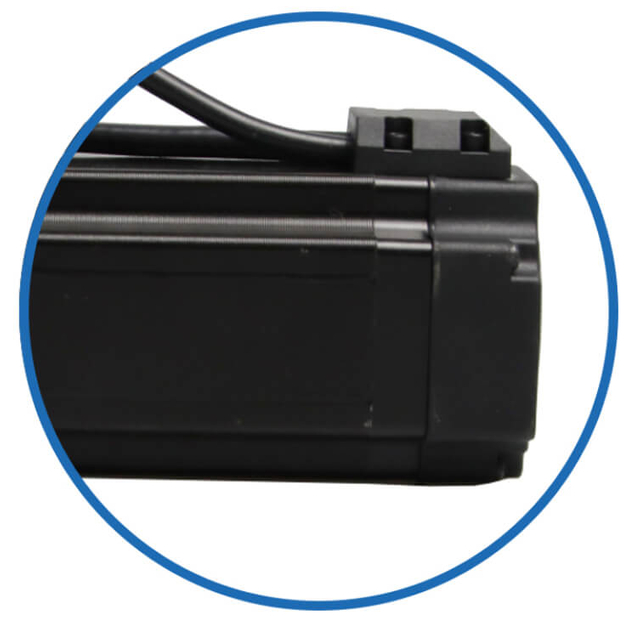
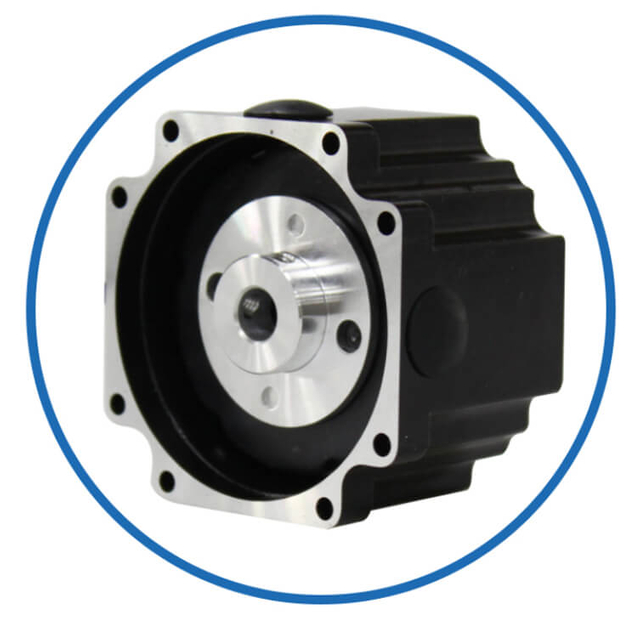
Motor Customized Service
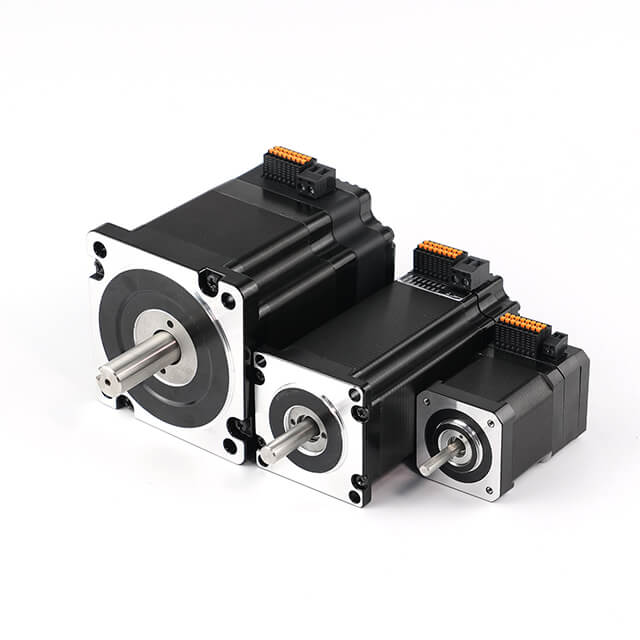
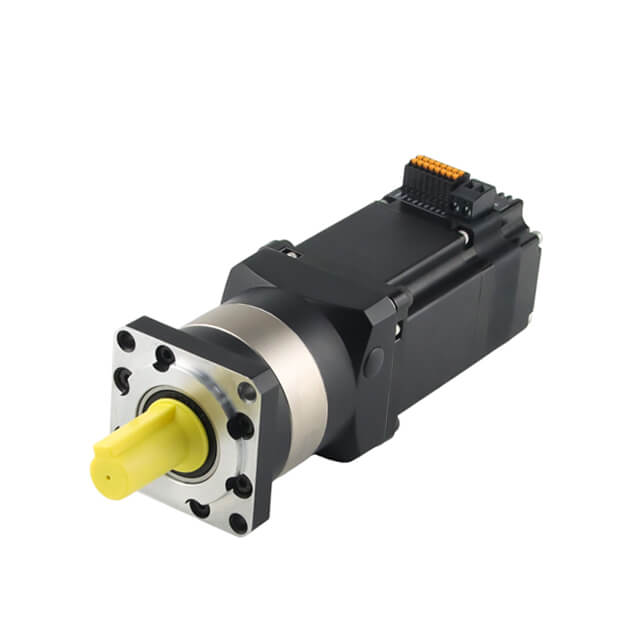
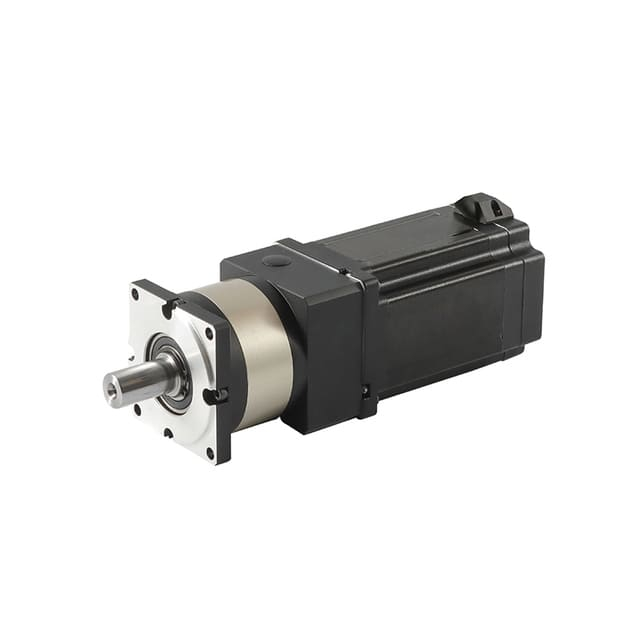
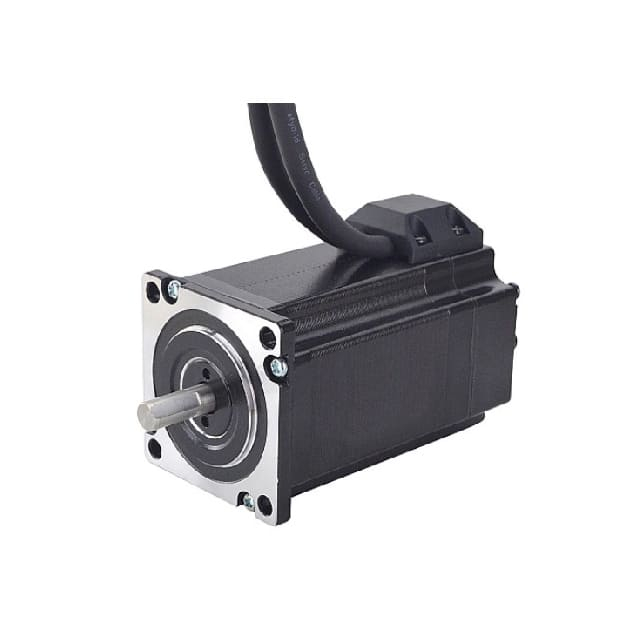
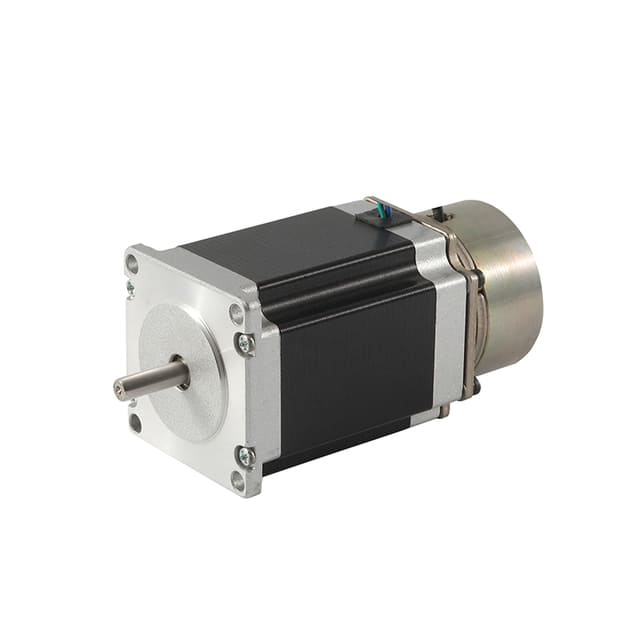
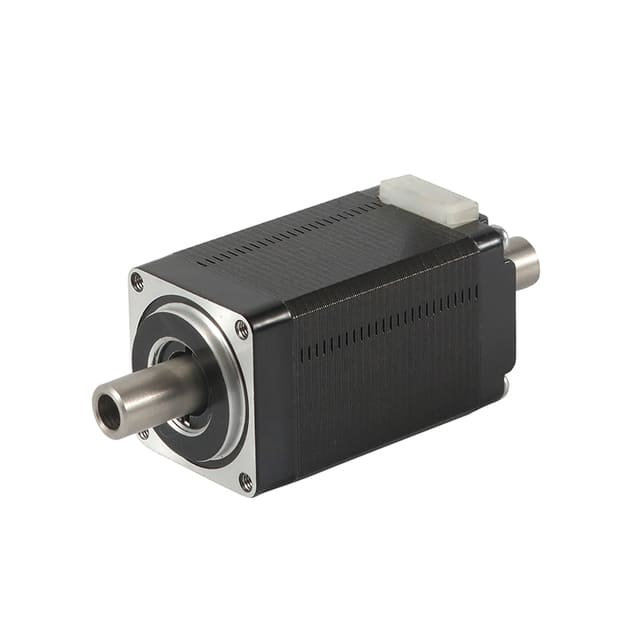
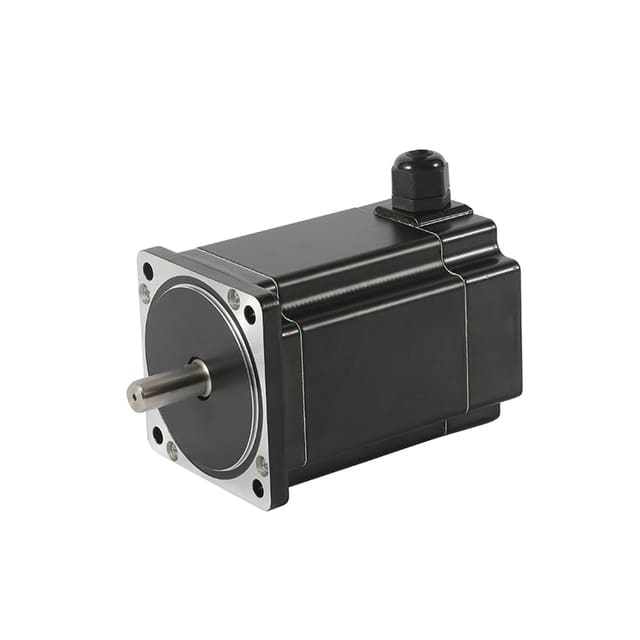
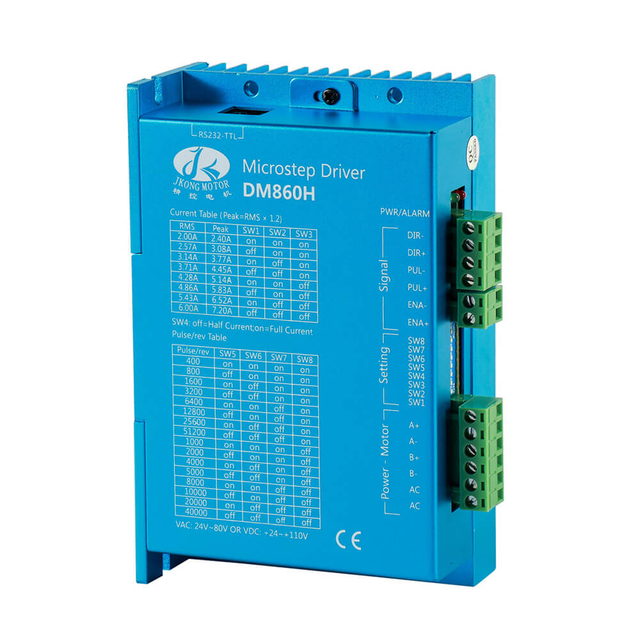
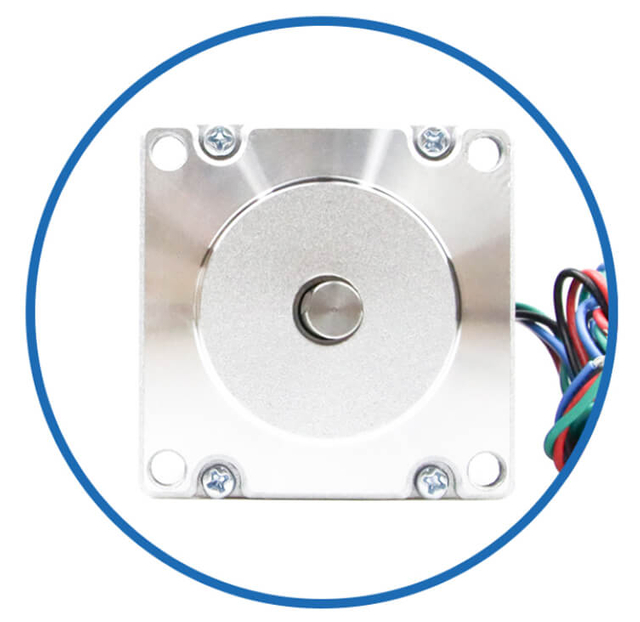
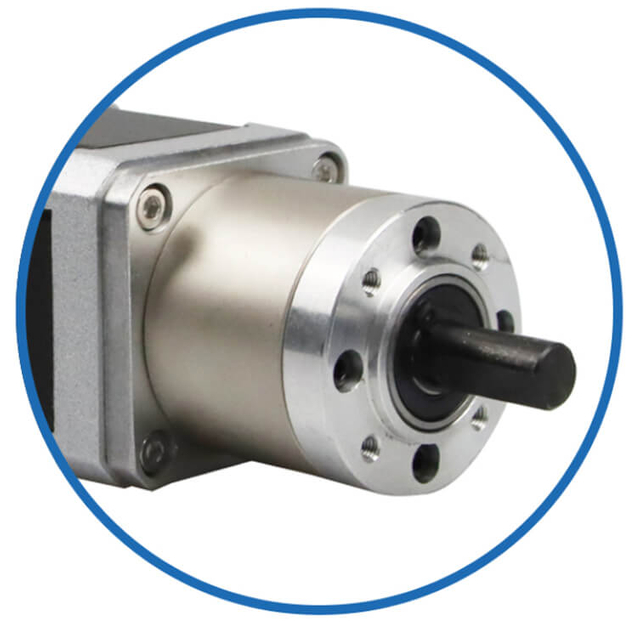
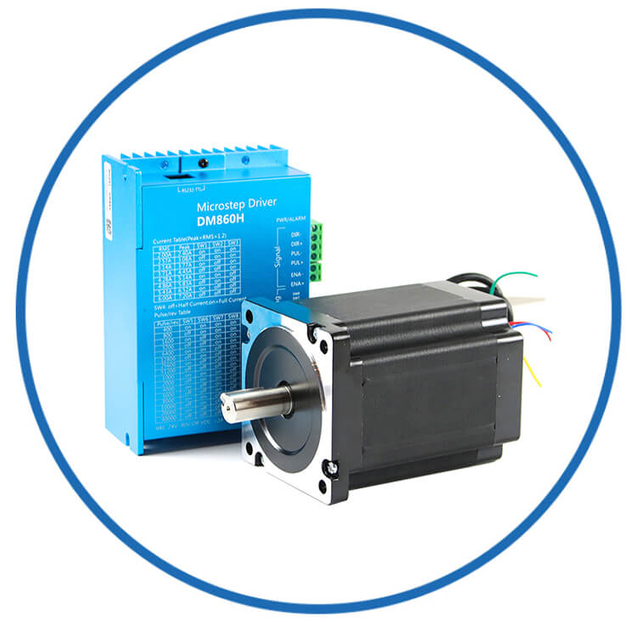
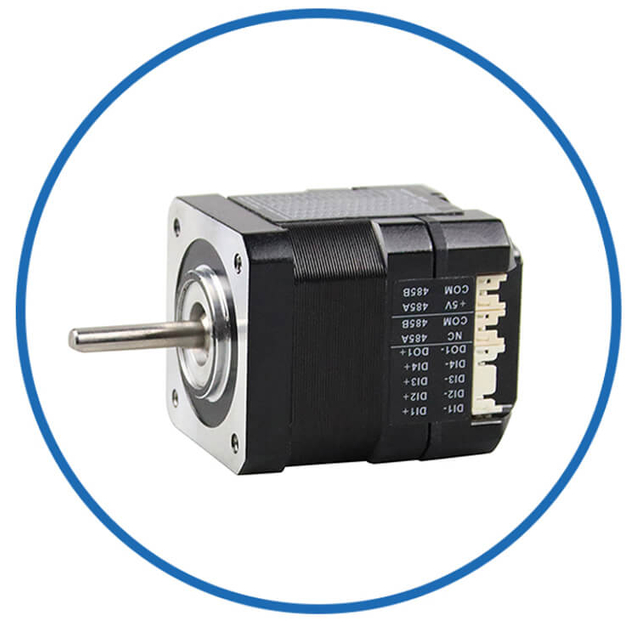
As a professional brushless dc motor manufacturer with 13 years in china, Jkongmotor offer various bldc motors with customized requirements, including 33 42 57 60 80 86 110 130mm, additionally, gearboxes, brakes, encoders, brushless motor drivers and integrated drivers are optional.
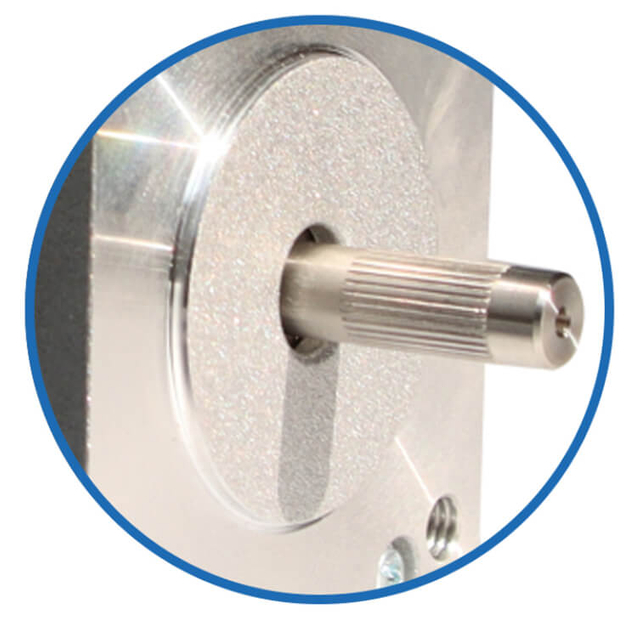
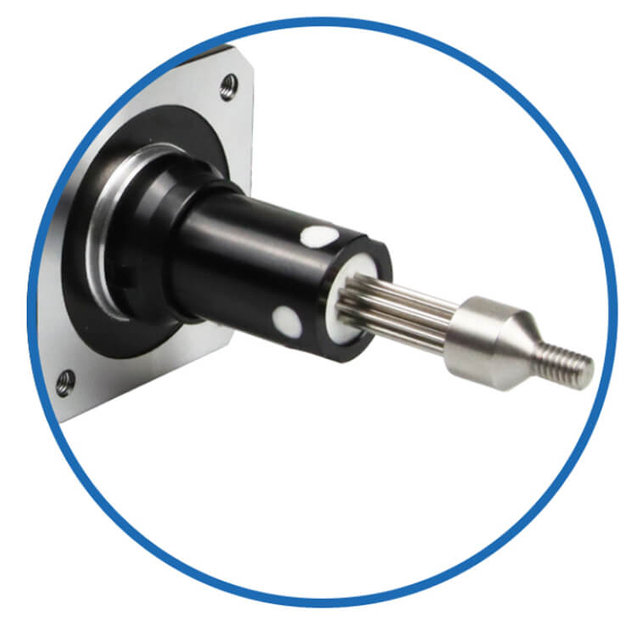
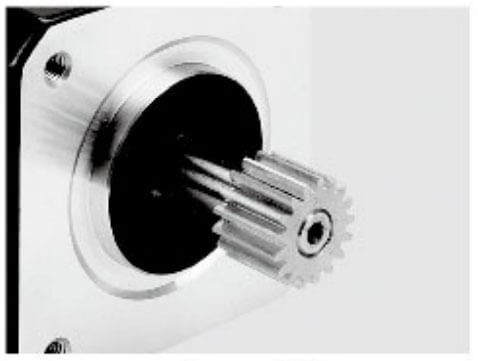
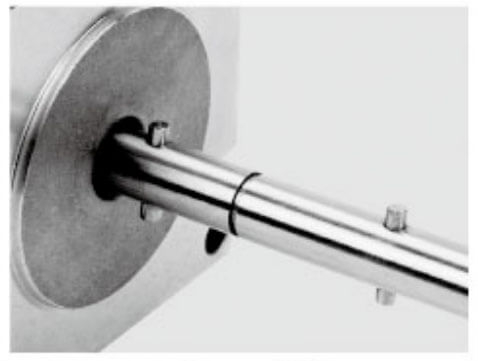
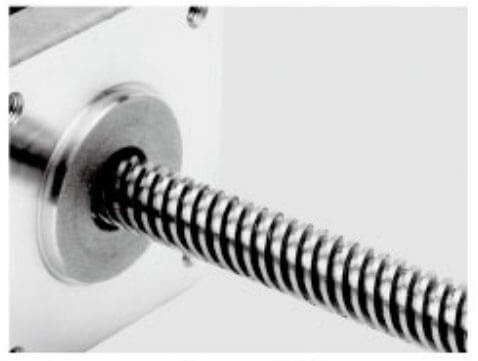
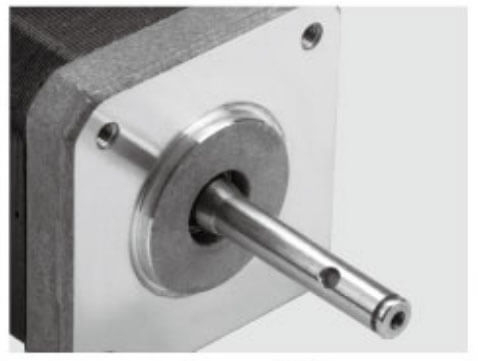
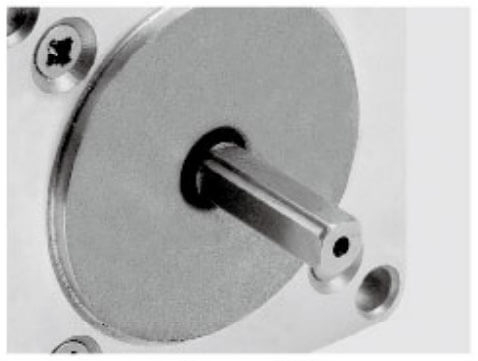
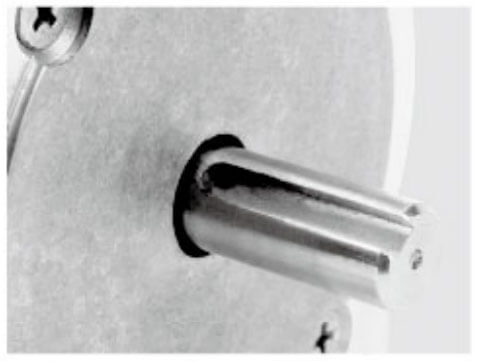
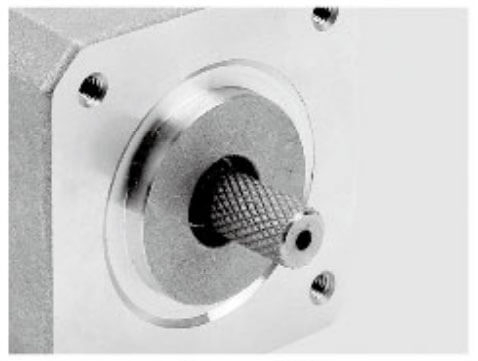
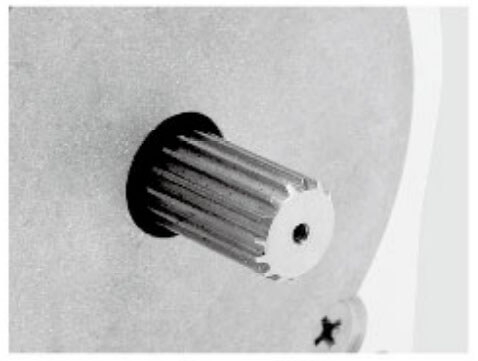
Motor Shaft Customized Service
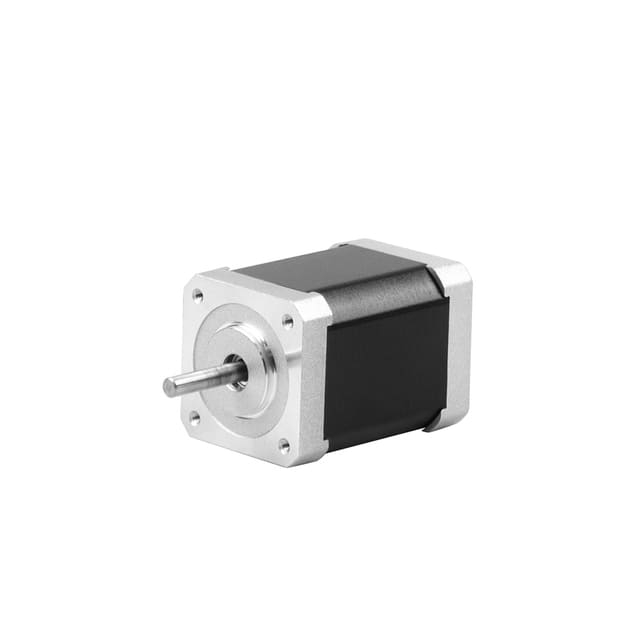
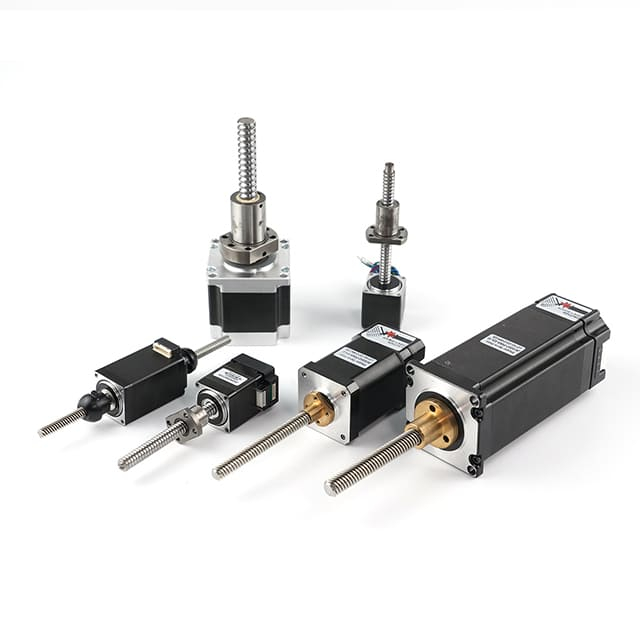
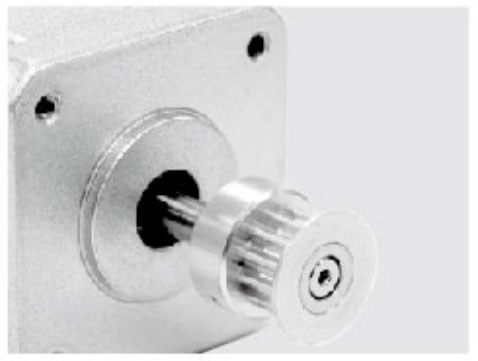
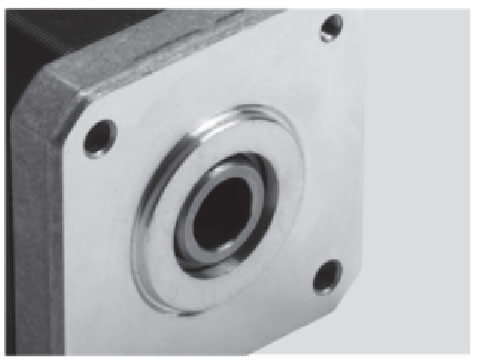
Jkongmotor offer many different shaft options for your motor as well as customizable shaft lengths to make the motor fit your application seamlessly.
Why Motion Accuracy Is Mission-Critical
In medical equipment, motion accuracy directly affects patient safety, treatment effectiveness, and diagnostic reliability. Even the smallest positioning error can lead to incorrect drug dosage, blurred imaging results, or improper sample handling. That’s why precise, repeatable motion isn’t a “nice-to-have” feature—it’s a fundamental requirement. Devices such as infusion pumps, ventilators, and diagnostic analyzers depend on exact movements to perform consistently within very tight tolerances.
Accurate motion control also ensures process consistency over long operating periods. Medical devices often run continuously or perform thousands of repetitive cycles every day. If motion accuracy degrades over time, cumulative errors can occur, leading to inaccurate results or system failures. High-precision motion systems, such as well-selected stepper motors, help maintain stable performance without constant recalibration, which is essential in busy clinical environments.
Finally, motion accuracy plays a key role in regulatory compliance and risk management. Medical standards emphasize predictable, controllable behavior under all operating conditions. Precise motion reduces mechanical stress, minimizes vibration and noise, and supports fail-safe system design. In short, when lives and clinical outcomes are involved, accurate motion isn’t optional—it’s mission-critical.
Common Medical Equipment Using Stepper Motors
Stepper motors are widely used in medical equipment because they deliver precise, repeatable motion with reliable control. Their ability to move in exact increments makes them especially suitable for applications where accuracy, stability, and predictability are essential. Below are some of the most common types of medical equipment that rely on stepper motors.
Infusion Pumps and Syringe Pumps
Stepper motors control the linear movement of syringes or pumping mechanisms to deliver medication at an exact flow rate. Precise step control ensures accurate dosing over long periods, which is critical for patient safety in hospitals and clinics.
Ventilators and Respiratory Devices
In ventilators, stepper motors regulate airflow, valve positioning, and pressure control. Accurate motor motion helps maintain consistent breathing cycles and reliable air volume delivery, especially in critical care environments.
Medical Imaging Equipment
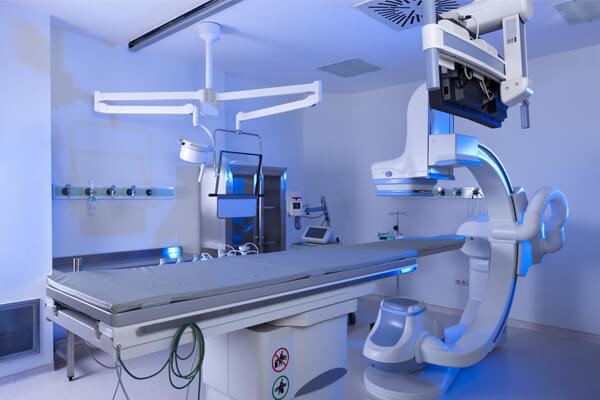
Devices such as CT scanners, MRI positioning systems, and X-ray tables use stepper motors for patient positioning, detector alignment, and internal mechanical adjustments. High positional accuracy directly impacts image clarity and diagnostic quality.
Laboratory and Diagnostic Analyzers
Automated lab equipment depends on stepper motors for sample handling, reagent dispensing, and tray movement. Consistent motion ensures repeatable test results and reduces the risk of cross-contamination or processing errors.
Surgical and Dental Equipment
Stepper motors are used in surgical tables, dental chairs, and minimally invasive surgical tools. Their smooth and controlled motion supports precise positioning while minimizing vibration and noise, improving both clinician control and patient comfort.
Overall, stepper motors play a vital role across a wide range of medical devices, supporting accuracy, reliability, and compliance with strict healthcare standards.
Regulatory & Compliance Requirements in Medical Devices and Medical Equipment
Regulatory and compliance requirements are a critical consideration when selecting components for medical equipment, including stepper motors. Medical devices must operate safely, predictably, and consistently throughout their intended lifespan, and regulatory bodies place strong emphasis on risk control, traceability, and quality management.
International Standards and Medical Regulations
Medical equipment manufacturers are typically required to comply with standards such as ISO 13485 for quality management systems, IEC 60601 for electrical safety, and relevant FDA regulations for medical devices. While stepper motors themselves may not be individually certified medical devices, they must be manufactured under controlled processes that support these standards. This includes documented production methods, material control, and consistent performance specifications.
Electrical Safety and Electromagnetic Compatibility
Stepper motors used in medical applications must support system-level compliance with electrical safety and electromagnetic compatibility requirements. Low leakage current, proper insulation, and stable electrical characteristics help ensure patient and operator safety. Additionally, minimizing electromagnetic interference is essential to prevent disruption of sensitive medical electronics.
Risk Management and Traceability
Regulatory frameworks require manufacturers to identify, assess, and mitigate risks throughout the product lifecycle. Stepper motor suppliers should provide clear traceability, batch records, and technical documentation to support risk analysis and corrective actions if needed. Reliable traceability simplifies audits and helps manufacturers maintain compliance during inspections.
Documentation and Supplier Quality Control
Complete and accurate documentation is a regulatory expectation, not an option. Datasheets, change control records, and long-term supply commitments are all important. Choosing suppliers with established medical industry experience and robust quality systems reduces compliance risk and supports faster product approval.
In summary, meeting regulatory and compliance requirements is essential for safe, reliable medical equipment. Selecting stepper motors that align with these expectations helps ensure smoother certification, lower risk, and long-term product success.
Performance criteria are at the core of selecting stepper motors for medical applications, as they directly influence accuracy, reliability, and patient safety. Medical devices often operate under strict tolerances and demanding duty cycles, so the motor’s performance must remain stable and predictable over time.
Precision and Positioning Accuracy
Medical stepper motors must deliver highly accurate and repeatable positioning. Applications such as infusion pumps, diagnostic analyzers, and imaging systems rely on precise motion to function correctly. Key factors include step angle accuracy, microstepping capability, and minimal cumulative positioning error during long-term operation.
Torque and Load Handling
Adequate torque is essential to move mechanical loads smoothly without stalling or slipping. At the same time, torque should be carefully matched to the application to avoid unnecessary power consumption and heat generation. Engineers must consider both continuous and peak torque requirements, especially during startup, acceleration, or sudden load changes.
Speed and Dynamic Response
Medical devices often require controlled acceleration and deceleration rather than high speed alone. A well-chosen stepper motor should maintain stable torque across the required speed range, ensuring smooth motion without resonance or vibration that could affect accuracy or patient comfort.
Thermal Performance and Efficiency
Excess heat can shorten motor life and impact nearby sensitive electronics. Efficient winding design, optimized current control, and proper thermal management are critical for medical environments where devices may run continuously or operate in confined spaces.
Repeatability and Long-Term Stability
Beyond initial accuracy, medical stepper motors must maintain consistent performance over millions of cycles. High-quality bearings, precision manufacturing, and stable magnetic materials help ensure long-term reliability with minimal drift.
In summary, performance criteria for medical stepper motors go beyond basic motion. Precision, torque stability, thermal control, and long-term consistency together ensure safe, reliable operation in critical healthcare applications.
Electrical and control considerations play a vital role in ensuring that stepper motors operate safely, efficiently, and reliably in medical equipment. Because medical devices often run continuously and interact with sensitive electronics, careful attention to motor control design is essential.
Control Modes and Drive Selection
Stepper motors can be operated in open-loop or closed-loop control modes. Open-loop systems are simpler and cost-effective, making them suitable for non-critical functions. Closed-loop stepper systems, which use encoders for position feedback, add an extra layer of safety by detecting missed steps and correcting errors. In many medical applications, this added reliability is highly valuable.
Microstepping and Motion Smoothness
Microstepping drivers divide each full step into smaller increments, improving motion smoothness and reducing vibration and noise. This is particularly important in medical environments where quiet operation and precise positioning enhance patient comfort and system accuracy.
Power Supply and Current Control
Stable power delivery and accurate current control are critical for consistent motor performance. Medical stepper motors typically use constant-current drivers to maintain torque and positioning accuracy despite load variations. Proper current tuning also helps limit heat generation and extends motor lifespan.
Electromagnetic Compatibility and Noise Control
Medical devices must meet strict electromagnetic compatibility requirements. Motor drivers should minimize electrical noise and interference that could affect sensors, monitors, or communication systems. Shielded cables, proper grounding, and optimized driver design all contribute to reliable system operation.
Fault Detection and Safety Features
Advanced motor control systems can include overcurrent protection, thermal monitoring, and fault reporting. These features support system-level safety strategies and help ensure predictable behavior under abnormal conditions.
In summary, thoughtful electrical and control design ensures that stepper motors deliver precise, quiet, and reliable motion while meeting the demanding safety and compliance requirements of medical equipment.
Mechanical integration is another critical piece of the puzzle.
Size, Form Factor, and Integration
Medical equipment is trending toward compact and portable designs. Stepper motors must fit within tight spaces while delivering reliable performance. Engineers evaluating how to choose stepper motor for medical equipments should consider:
Custom housings or integrated motor designs can simplify system assembly.
Noise, Vibration, and Patient Comfort
Noise reduction is not just a comfort issue; it can affect patient trust and clinical environments. Microstepping, optimized rotor design, and precision bearings all help minimize vibration and audible noise.
In medical equipment, reliability and safety are non-negotiable. Stepper motors used in these applications must perform consistently over long periods while supporting system-level safety requirements. A single failure can lead to equipment downtime, inaccurate results, or serious risks to patients, making long-term dependability a top priority.
High Reliability in Continuous Operation
Many medical devices operate around the clock or perform repetitive motion cycles every day. Stepper motors must maintain stable torque, positioning accuracy, and electrical performance over millions of steps. High-quality materials, precision manufacturing, and robust bearing systems all contribute to reliable long-term operation with minimal performance degradation.
Safety-Oriented Design and Fail-Safe Behavior
Medical systems are designed to anticipate faults and respond safely. Stepper motors should support predictable behavior in abnormal conditions, such as power loss or overload. In critical applications, motors may be integrated with sensors or encoders to detect motion errors and trigger alarms or safe shutdown procedures, reducing the risk of harm.
Lifecycle and Maintenance Considerations
Medical equipment is expected to remain in service for many years. Motors with long service life reduce maintenance frequency, lower total cost of ownership, and improve system availability. Stable motor performance also minimizes the need for recalibration, which is especially important in regulated healthcare environments.
Consistency and Traceability Over Time
Reliability extends beyond the motor itself to the supply chain. Consistent production quality, controlled design changes, and clear traceability help ensure that replacement motors perform exactly as expected, even years after initial deployment.
Overall, meeting reliability, safety, and lifecycle expectations ensures that stepper motors can support critical medical applications with confidence, stability, and long-term value.
Customization and supplier selection are critical factors when stepper motors are used in medical equipment. Standard motors may not always meet the strict requirements for size, noise, performance, or compliance, making tailored solutions and reliable partners especially valuable in the medical industry.
Importance of Customization for Medical Applications
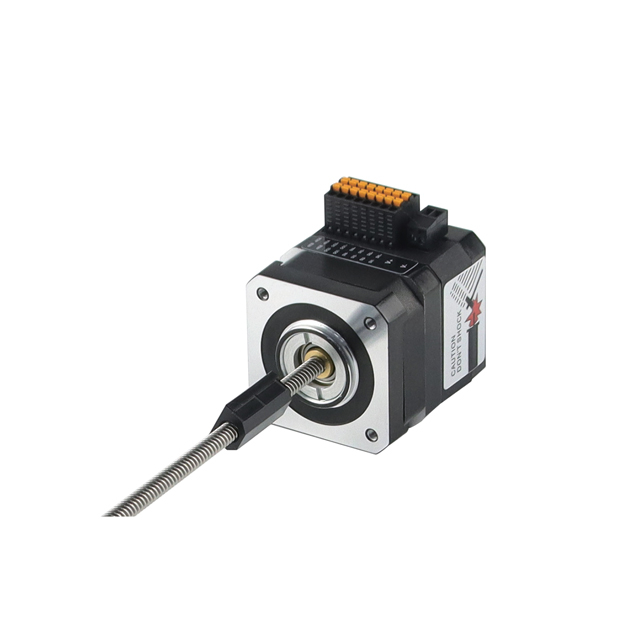
Medical devices often have unique mechanical layouts and performance demands. Customized stepper motors allow optimization of torque, speed, size, and noise characteristics to match specific applications. Custom windings, shaft designs, mounting interfaces, and integrated components such as encoders or gearboxes can significantly improve system efficiency and simplify overall design.
Material and Design Adaptations
Customization may also include special materials or surface treatments to meet medical standards. Low-outgassing materials, corrosion-resistant coatings, and improved insulation systems help ensure long-term reliability and compatibility with medical environments. These adaptations are especially important for equipment used in cleanrooms or near patients.
Evaluating Medical-Grade Suppliers
Choosing the right supplier is just as important as choosing the motor itself. A qualified medical motor supplier should have experience with medical device manufacturers and operate under a robust quality management system. Key evaluation criteria include process control, traceability, documentation quality, and long-term supply stability.
Engineering Support and Collaboration
Strong engineering support enables smoother development and faster time to market. Suppliers who actively collaborate on design optimization, testing, and validation can help reduce risk and ensure compliance with regulatory expectations.
In summary, effective customization combined with careful supplier selection ensures that stepper motors meet the demanding performance, safety, and regulatory requirements of medical equipment while supporting long-term product success.
What makes stepper motors suitable for medical equipment?
Their precise positioning, repeatability, and simple control make them ideal for medical applications.
How do I ensure compliance when selecting a stepper motor?
Work with suppliers who support ISO 13485 processes and provide full documentation.
Are closed-loop steppers better for medical devices?
In many cases, yes, especially where missed steps could impact safety.
How important is noise control in medical motors?
Very important, as noise affects patient comfort and clinical environments.
Can stepper motors be customized for medical use?
Yes, customization is common and often recommended.
What is the biggest mistake when choosing stepper motors for medical equipment?
Focusing only on cost instead of reliability and compliance.
Understanding how to choose stepper motor for medical equipments requires balancing precision, safety, compliance, and long-term reliability. By carefully evaluating performance requirements, regulatory expectations, and supplier capabilities, medical device manufacturers can select motion solutions that support both innovation and patient safety. The right stepper motor is not just a component, it is a critical contributor to successful medical technology.