Introduction to Stepper Motors in Packaging Automation
Packaging machines are like orchestras—every movement has to happen at the right time, in the right place, and at the right speed. At the heart of this coordination lies motion control, and stepper motors play a starring role.
Why Motion Control Matters in Packaging Lines
From filling bottles to sealing pouches and labeling cartons, packaging machines rely on precise, repeatable movements. A small positioning error can mean wasted materials, rejected products, or even production stoppages. That’s why choosing the right stepper motor isn’t just a technical decision—it’s a business-critical one.
Role of Stepper Motors in Modern Packaging Machines
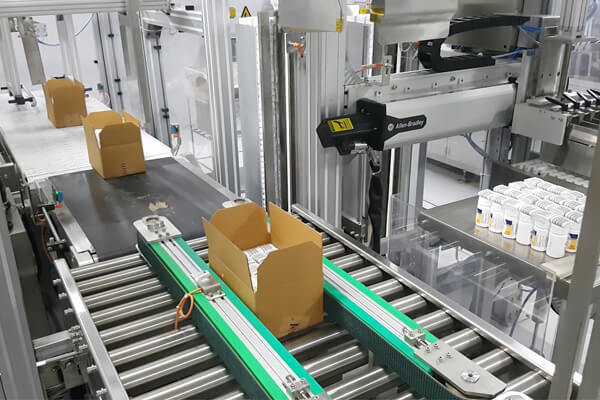
Stepper motors are widely used in packaging machines because they offer precise positioning, excellent repeatability, and straightforward control. They’re the workhorses behind indexing tables, film feeders, capping systems, and pick-and-place units.
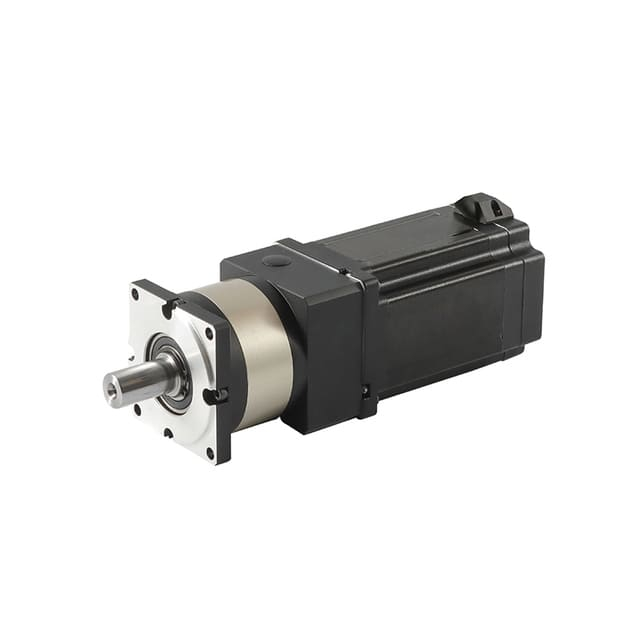
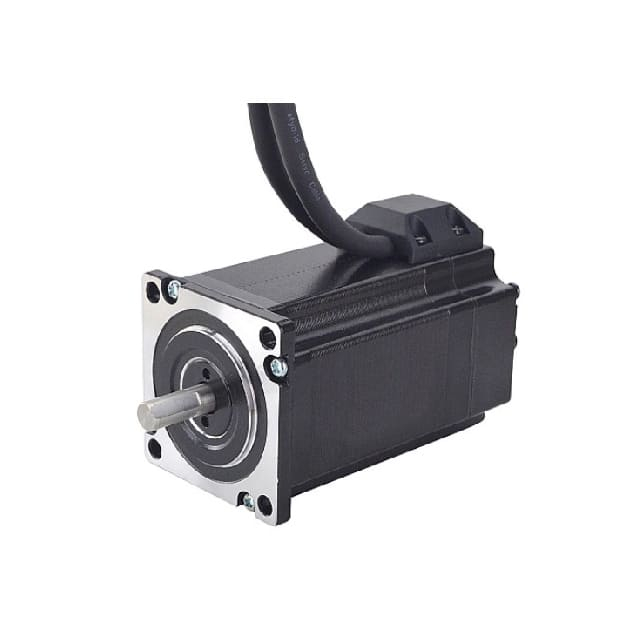
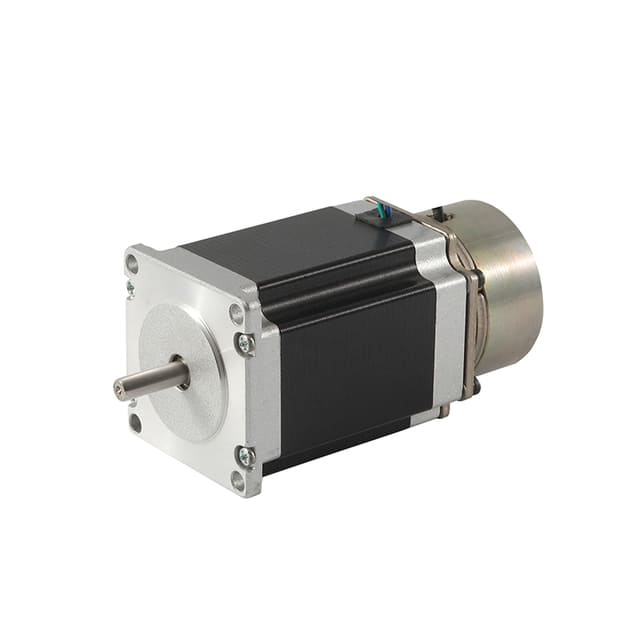
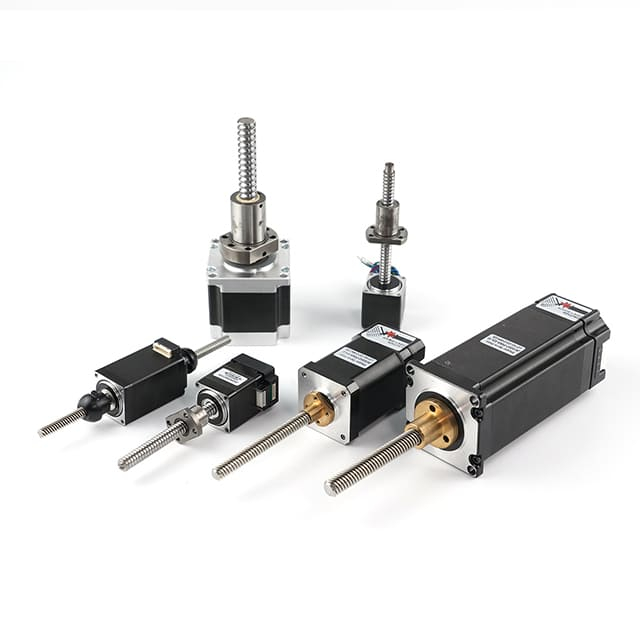
Jkongmotor Customized Stepper Motor Types for Packaging Machines
Motor Customized Service
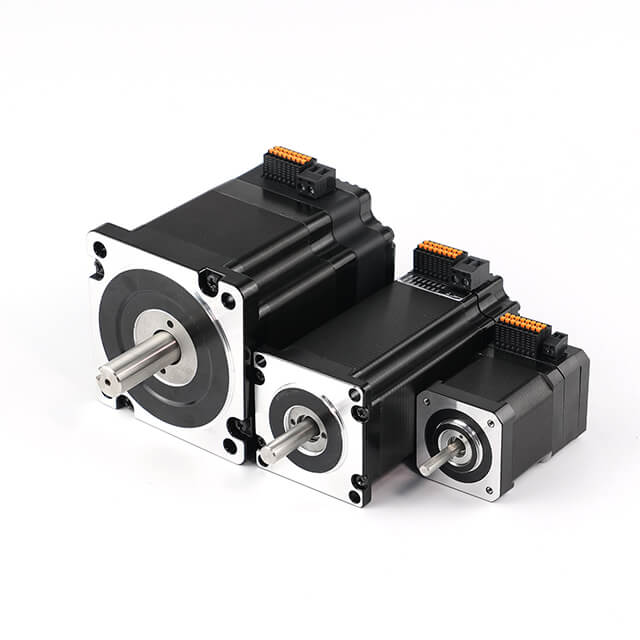
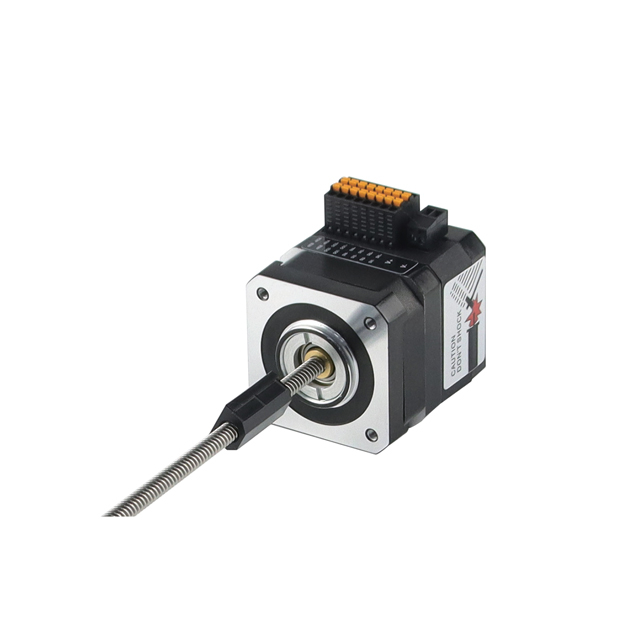
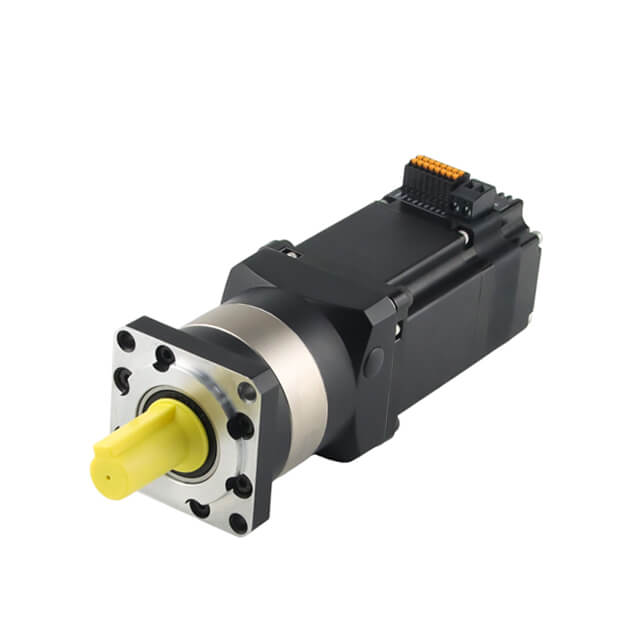
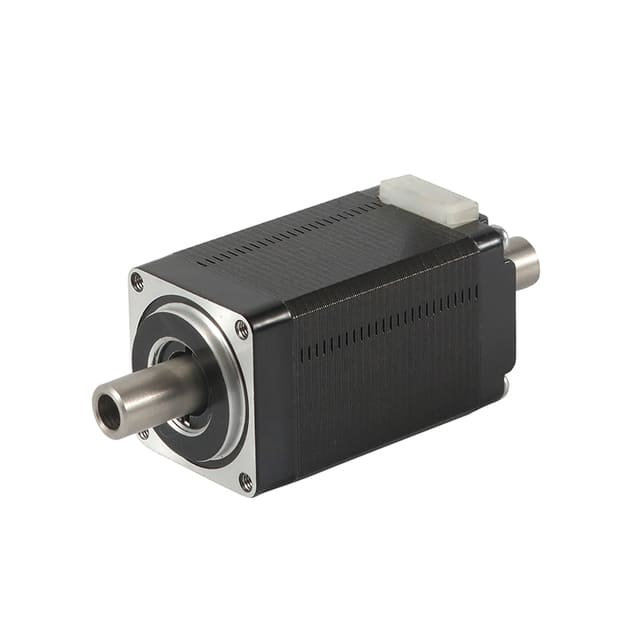
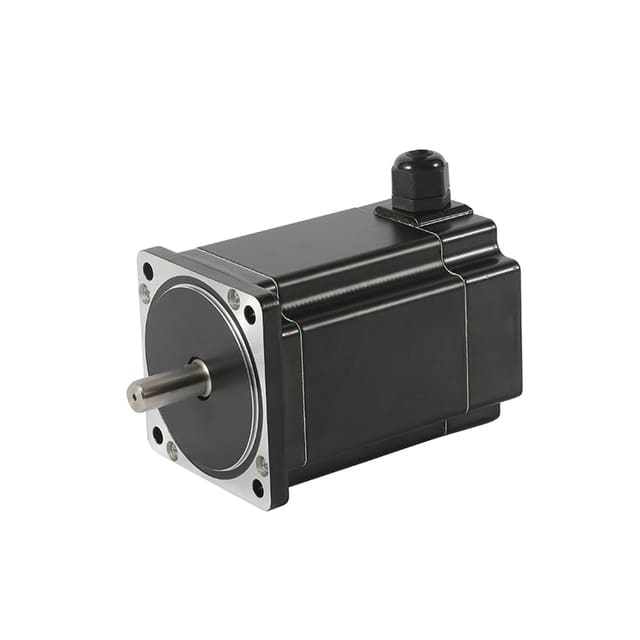
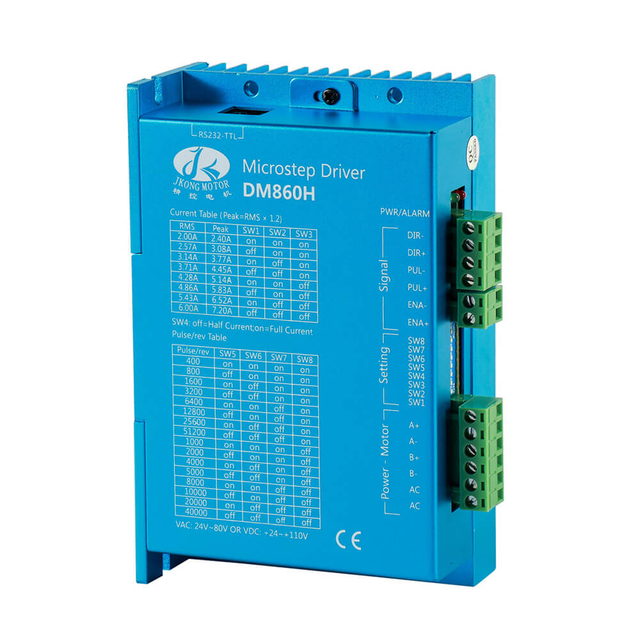
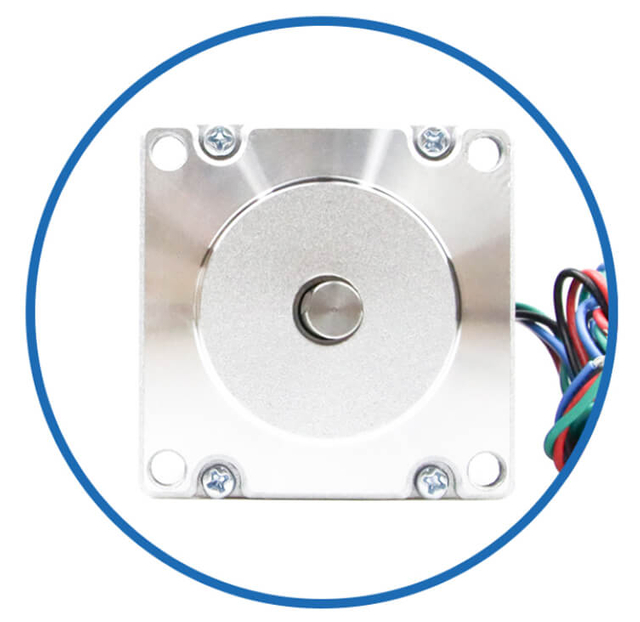
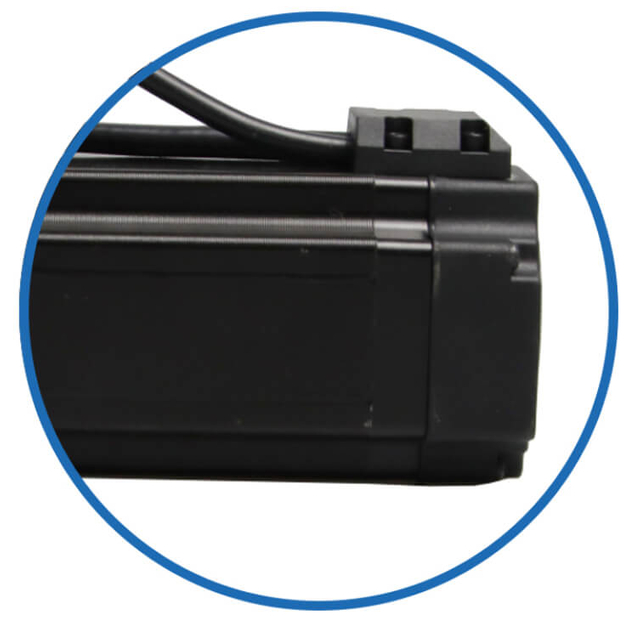
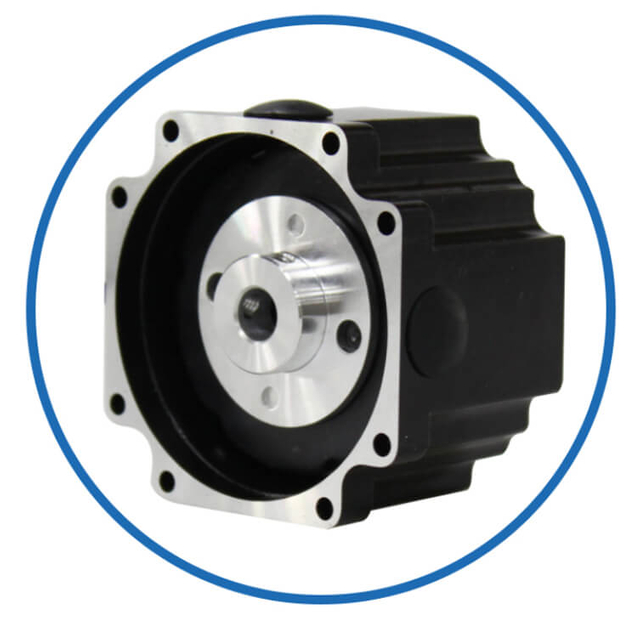
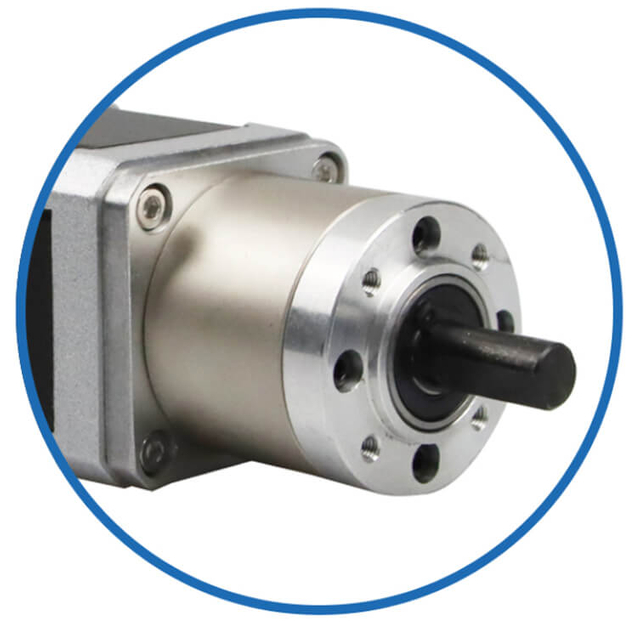
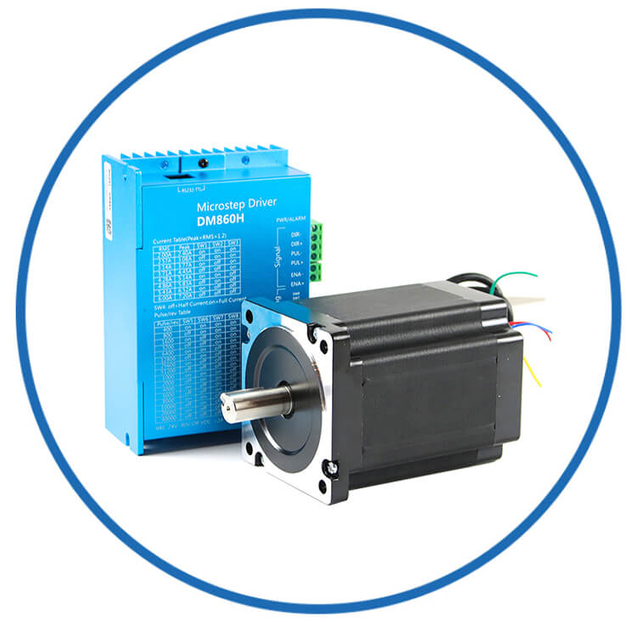
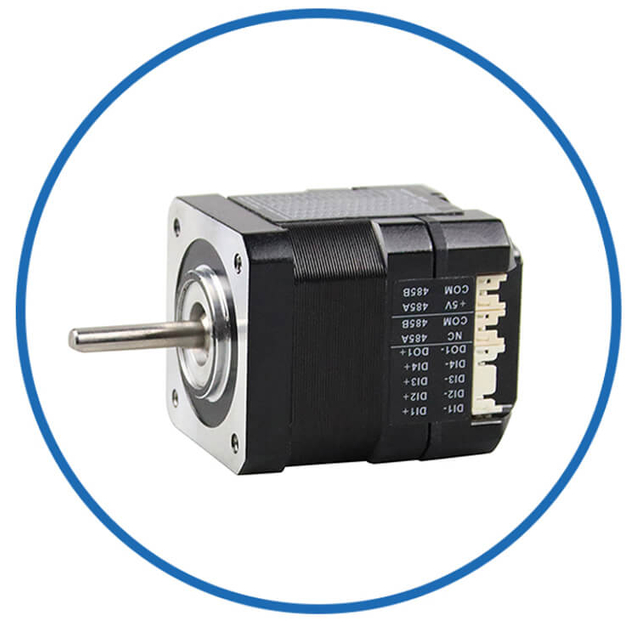
As a professional brushless dc motor manufacturer with 13 years in china, Jkongmotor offer various bldc motors with customized requirements, including 33 42 57 60 80 86 110 130mm, additionally, gearboxes, brakes, encoders, brushless motor drivers and integrated drivers are optional.
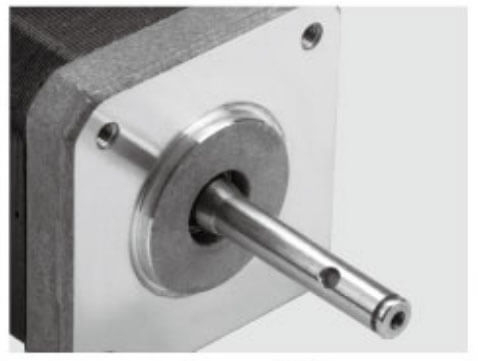
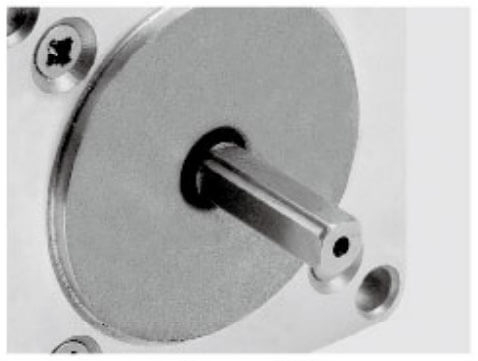
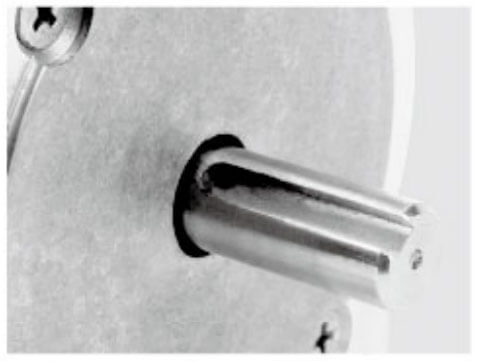
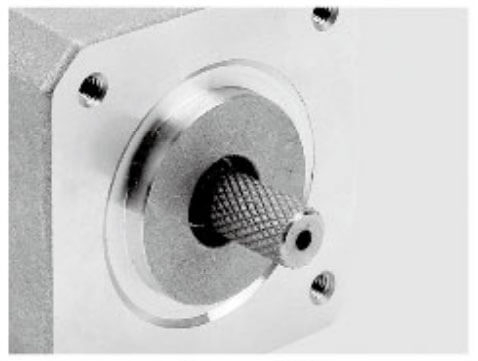
Motor Shaft Customized Service
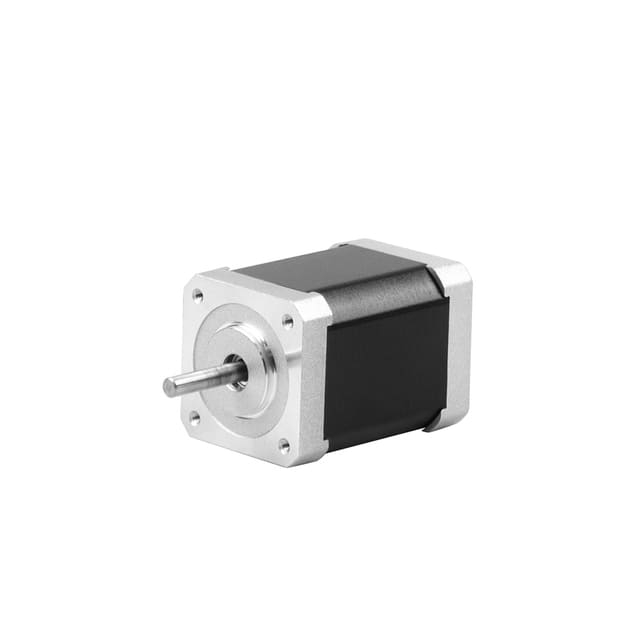
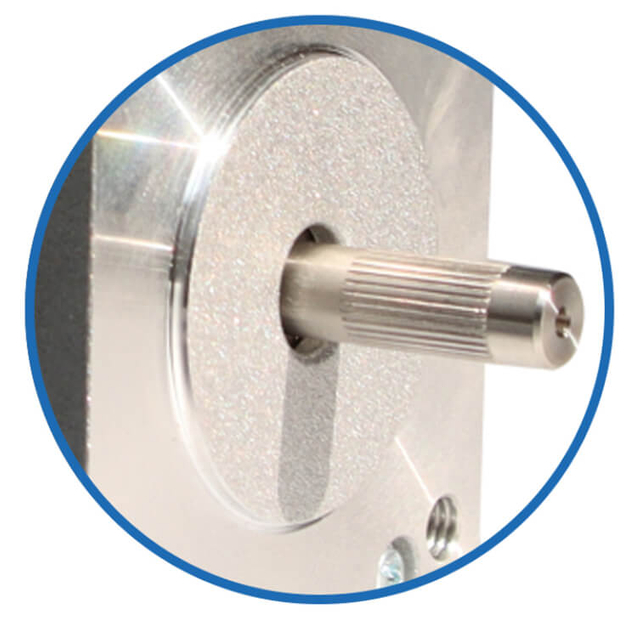
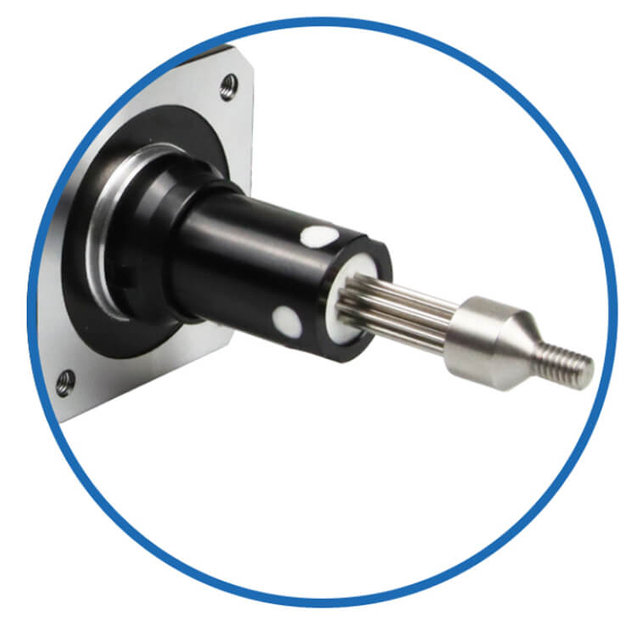
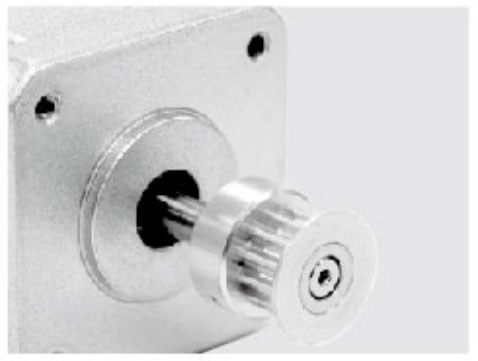
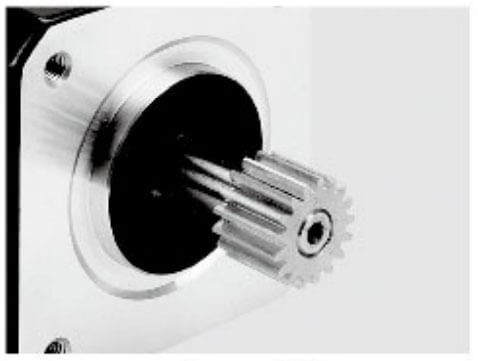
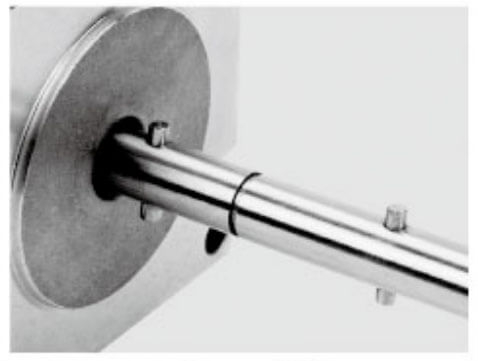
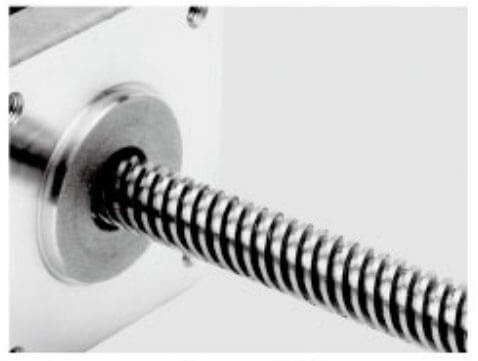
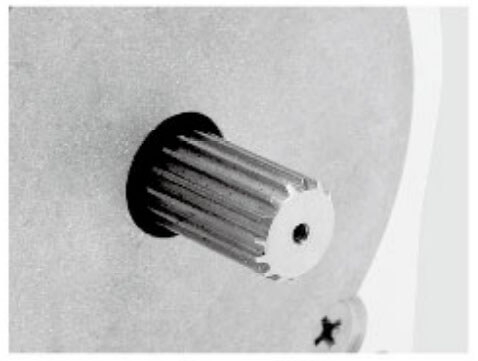
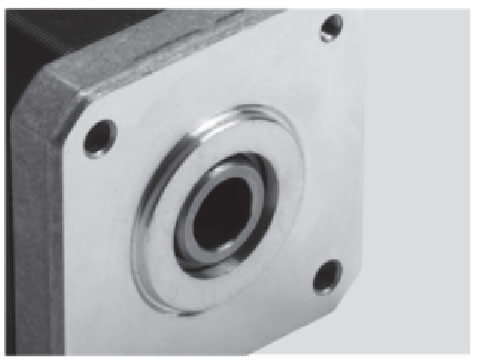
Jkongmotor offer many different shaft options for your motor as well as customizable shaft lengths to make the motor fit your application seamlessly.
Types of Packaging Machines
Packaging machines come in many forms, each designed to handle specific products, packaging materials, and production speeds. Understanding these machine types is essential when selecting the right motion system—especially stepper motors—because each application places different demands on torque, speed, accuracy, and reliability.
Primary Packaging Machines
Primary packaging machines work directly with the product. Precision and hygiene are critical here, as even small motion errors can affect product quality.
Filling and Dosing Machines
These machines dispense liquids, powders, granules, or pastes into containers. Stepper motors are commonly used to drive augers, pistons, or peristaltic pumps because they provide accurate, repeatable control of volume and weight. Consistent positioning ensures uniform fills and minimizes product waste.
Capping Machines
Capping machines apply and tighten caps or lids on bottles and jars. Stepper motors help control rotational speed and torque, ensuring caps are secure without being over-tightened, which is especially important for pharmaceutical and food packaging.
Sealing Machines
Heat sealing, ultrasonic sealing, and induction sealing machines rely on synchronized motion. Stepper motors control sealing jaws or film movement with precise timing, helping achieve strong, consistent seals.
Secondary Packaging Machines
Secondary packaging machines group primary packages together for handling, storage, or display. These machines often require higher speeds and smooth indexing.
Labeling Machines
Labeling systems apply labels to bottles, boxes, or pouches at high speed. Stepper motors are ideal for label feed rollers and applicators because they offer precise control over label length, placement, and alignment.
Cartoning Machines
Cartoning machines erect, fill, and close cartons. Multiple stepper motors are often used for synchronized movements such as carton forming, product insertion, and flap closing.
Wrapping Machines
Shrink wrapping and stretch wrapping machines require coordinated film feeding and cutting. Stepper motors ensure accurate film positioning and tension control, improving package appearance and consistency.
End-of-Line Packaging Machines
End-of-line machines prepare products for shipment. These systems often handle heavier loads and require robust motors.
Case Packing Machines
Case packers place individual products or grouped packages into shipping cases. Stepper motors drive pick-and-place mechanisms and indexing conveyors with high repeatability.
Palletizing Machines
In smaller or modular palletizing systems, stepper motors control positioning axes and grippers. While servo motors dominate heavy palletizing, stepper motors are still widely used in compact and cost-sensitive solutions.
Specialized Packaging Machines
Some industries require highly specialized packaging solutions.
Blister Packaging Machines
Common in pharmaceutical packaging, blister machines demand extremely high accuracy for forming, filling, and sealing. Stepper motors provide precise indexing of blister webs and forming stations.
Sachet and Pouch Packaging Machines
Vertical and horizontal form-fill-seal (VFFS/HFFS) machines use stepper motors to control film feeding, sealing jaws, and cutting mechanisms. Accurate motion directly impacts seal quality and package consistency.
Why Machine Type Matters for Motor Selection
Each type of packaging machine has unique motion requirements. High-speed labeling needs fast acceleration and smooth motion, while filling machines demand torque stability and positioning accuracy. By identifying the specific packaging machine type first, you can select a stepper motor that delivers the right balance of performance, reliability, and cost.
How Stepper Motors Work
Stepper motors move in discrete steps. Each electrical pulse corresponds to a precise mechanical movement, allowing accurate positioning without feedback in many applications.
Open-Loop vs Closed-Loop Stepper Motors
Open-loop systems are simple and cost-effective but can lose steps under overload. Closed-loop stepper motors add feedback, improving reliability and performance—especially in demanding packaging environments.
Step Angle and Resolution
Common step angles like 1.8° or 0.9° determine resolution. Microstepping can further enhance smoothness and precision.
Torque is one of the most critical factors when selecting a stepper motor for packaging machines. If torque is underestimated, the motor may stall, miss steps, or overheat. If it’s oversized, you end up paying more than necessary and sacrificing efficiency. Understanding torque requirements ensures smooth, reliable, and accurate packaging operations.
Understanding Torque in Packaging Machines
Torque is the rotational force that allows a motor to move and hold a load. In packaging applications, torque requirements are influenced by load weight, friction, speed, acceleration, and mechanical transmission elements such as belts, gears, or lead screws.
Packaging machines rarely operate under constant conditions. Frequent starts, stops, and indexing movements mean the motor must deliver sufficient torque dynamically—not just on paper.
Holding Torque
Holding torque is the maximum torque a stepper motor can produce while stationary and energized. In packaging machines, this is important when:
Holding a sealing jaw closed
Maintaining the position of a filled container
Preventing back-driving on vertical axes
While holding torque values are often highlighted in motor datasheets, relying on this number alone can be misleading.
Dynamic Torque
Dynamic (or running) torque is the torque available while the motor is moving. This is the most important parameter for packaging applications because motors spend most of their time accelerating, decelerating, and running at speed.
As motor speed increases, available torque decreases. Therefore, torque must always be evaluated at the actual operating speed, not at standstill.
Key Factors That Affect Torque Requirements
Load Weight and Inertia
Heavier loads require more torque, especially during acceleration and deceleration. High-inertia loads—such as large reels of packaging film or indexing tables—significantly increase torque demand.
Acceleration and Cycle Time
Short cycle times mean rapid acceleration. The faster the acceleration, the higher the torque required. Packaging machines with high throughput often need motors with higher dynamic torque capability.
Friction and Mechanical Losses
Bearings, guides, belts, and gearboxes all introduce friction. These losses add to the torque requirement and should never be ignored during calculations.
Transmission Elements
Gearboxes, timing belts, lead screws, and cams change how torque is delivered:
Gearboxes increase torque but reduce speed
Belts introduce compliance and friction
Lead screws convert rotary torque into linear force
Each component affects the final torque requirement at the motor shaft.
Calculating Required Torque
A simplified torque calculation typically includes:
After calculating the theoretical torque, a safety margin is essential. In real packaging environments, unexpected conditions such as product variation, wear, or contamination can increase torque demand.
Importance of Safety Margins
In packaging applications, a safety margin of 30–50% is commonly recommended. This ensures:
Stable operation under peak loads
Reduced risk of missed steps
Longer motor life and lower maintenance
Closed-loop stepper motors can reduce the need for excessive safety margins, as they can compensate for load variations through feedback.
Torque and Vertical Axis Applications
Vertical packaging movements—such as lifting containers or sealing jaws—require special attention. The motor must overcome gravity in addition to load inertia. In these cases:
Holding torque becomes critical
Brake mechanisms or gearboxes may be required
Safety factors should be increased
Common Torque-Related Mistakes
Selecting motors based only on holding torque
Ignoring speed-related torque drop-off
Underestimating acceleration requirements
Failing to account for friction and wear over time
These mistakes often lead to unstable operation and unplanned downtime.
Final Thoughts on Torque Selection
Torque is the backbone of reliable motion in packaging machines. By focusing on dynamic torque at real operating speeds, accounting for load and acceleration, and applying proper safety margins, you can select a stepper motor that delivers consistent performance and long-term reliability. The right torque choice keeps packaging lines running smoothly—shift after shift.
Speed and Acceleration Considerations
Cycle Time and Throughput Demands
Higher throughput means higher speeds and faster acceleration. The motor must deliver torque across the required speed range.
High-Speed Indexing Challenges
As speed increases, torque drops. Choosing the right motor-driver combination is crucial.
Avoiding Resonance and Missed Steps
Resonance can cause vibration and noise. Proper tuning and microstepping help maintain smooth operation.
Accuracy and Repeatability Needs
Positioning Accuracy in Packaging
Accurate positioning ensures consistent fills, seals, and labels.
Repeatability vs Accuracy Explained
Repeatability is often more important than absolute accuracy in packaging—doing the same thing every time matters most.
Impact on Product Quality
Poor motion control leads to misaligned labels, weak seals, and customer complaints.
Temperature and Humidity
Motors must perform reliably under varying temperatures and humidity levels.
Dust, Food Particles, and Washdown Environments
Food and pharmaceutical packaging often require washdown-rated motors with higher IP protection.
IP Ratings and Motor Protection
Choose motors with appropriate IP ratings to match the operating environment.
Electrical and Control System Compatibility
Matching Stepper Motors with Drivers
The driver is as important as the motor. Mismatched components reduce performance.
Power Supply Considerations
Voltage and current directly affect torque and speed.
PLC and Motion Controller Integration
Ensure compatibility with existing control systems to simplify integration.
Mechanical Integration Factors
Motor Frame Size and Mounting
Standard frame sizes simplify replacement and maintenance.
Shaft Types and Couplings
Solid, hollow, or customized shafts affect torque transmission and installation.
Gearboxes and Belt Drives
Gearboxes increase torque but reduce speed—use them wisely.
Noise, Vibration, and Smooth Operation
Why Noise Matters in Packaging Plants
Quiet machines improve operator comfort and meet workplace standards.
Microstepping and Vibration Reduction
Microstepping smooths motion and reduces audible noise.
Mechanical vs Electrical Noise Sources
Both motor control and mechanical design influence noise levels.
Reliability and Lifetime Expectations
Duty Cycles in Packaging Machines
Packaging lines often run 24/7. Motors must handle continuous operation.
Bearing Life and Thermal Management
Proper cooling extends motor life.
Maintenance and Downtime Considerations
Reliable motors reduce downtime and maintenance costs.
Customization Options for Packaging Stepper Motors
Customized Shaft, Torque, and Speed
Customization ensures the motor fits the application perfectly.
Integrated Stepper Motor Solutions
Motors with integrated drivers simplify wiring and save space.
When Customization Makes Economic Sense
Customization often reduces total system cost despite higher unit prices.
Compliance, Safety, and Industry Standards
CE, UL, and Global Certifications
Certifications ensure safety and market acceptance.
Food and Pharmaceutical Packaging Compliance
Materials and designs must meet hygiene standards.
Cost vs Performance Trade-Offs
Initial Motor Cost vs System Cost
The cheapest motor can be the most expensive mistake.
Energy Efficiency and Operating Costs
Efficient motors reduce long-term expenses.
Avoiding Over-Engineering
Choose what you need—not what looks impressive on paper.
Technical Support and Engineering Expertise
A good supplier is a long-term partner.
Prototyping and Testing Capabilities
Testing reduces risk before mass production.
Long-Term Supply Stability
Consistency matters in high-volume packaging equipment.
Oversizing or Undersizing Motors
Both lead to inefficiency and performance issues.
Ignoring Real Load Conditions
Lab conditions don’t reflect factory realities.
Focusing Only on Price
Performance and reliability matter more than upfront savings.
Smart and Integrated Motors
Smarter motors simplify system design.
Closed-Loop Stepper Motors in High-Speed Packaging
They’re becoming the new standard.
Industry 4.0 and Predictive Maintenance
Data-driven motion control is the future.
Conclusion
Choosing the right stepper motor for packaging machines isn’t about picking the biggest or cheapest option—it’s about understanding your application, environment, and performance goals. When you match torque, speed, accuracy, and reliability to real-world requirements, you get smoother operation, higher productivity, and fewer headaches. Think of the stepper motor as the heartbeat of your packaging machine—choose wisely, and everything else falls into rhythm.
1. Are stepper motors suitable for high-speed packaging machines?
Yes, especially closed-loop stepper motors, which handle higher speeds with better reliability.
2. What is the most important factor when selecting a stepper motor?
Torque under real operating conditions is often the most critical factor.
3. Do packaging machines need closed-loop stepper motors?
Not always, but they’re highly recommended for high-speed or high-load applications.
4. How long do stepper motors last in packaging machines?
With proper sizing and cooling, they can last many years in continuous operation.
5. Can customized stepper motors reduce overall system cost?
Absolutely. Customization often improves efficiency, reliability, and integration.