Understanding the Fundamental Differences Between DC Motors and Servo Motors
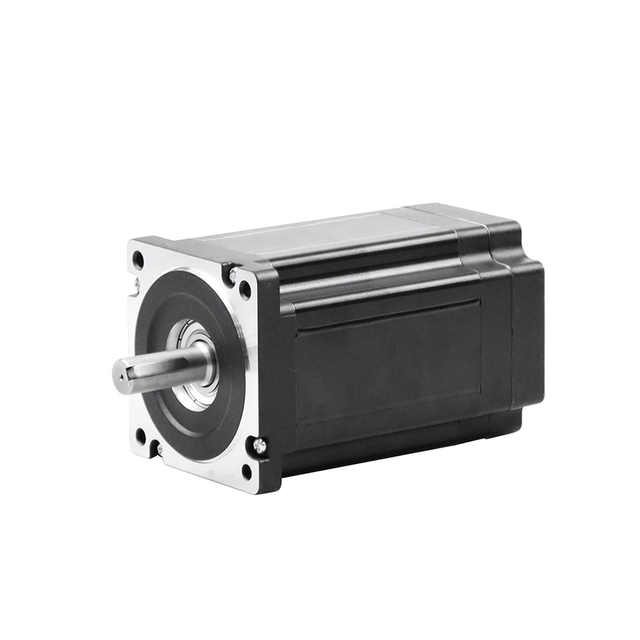
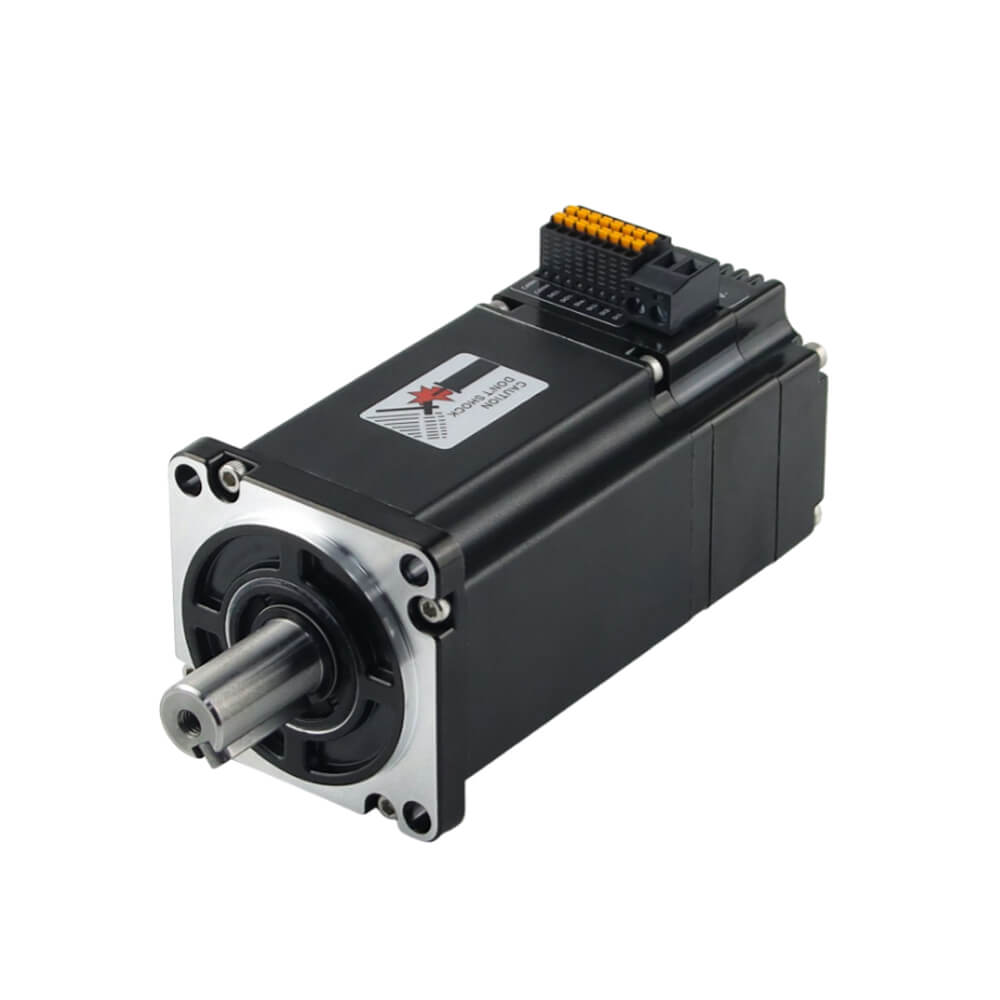
A DC motor and a servo motor are often mentioned in the same conversations, yet they serve fundamentally different purposes. A DC motor is designed to convert electrical energy into continuous rotational mechanical motion. It operates based on voltage and current input, delivering speed and torque proportional to these parameters. In contrast, a servo motor is a closed-loop motion control device engineered for precise position, speed, and torque control.
The question “Can a DC motor be used as a servo?” is not theoretical—it is practical, engineering-driven, and application-specific. The short answer is yes, a DC motor can function as a servo motor, but only when integrated with additional control components that replicate servo behavior.
Bldc Motor Customized Service
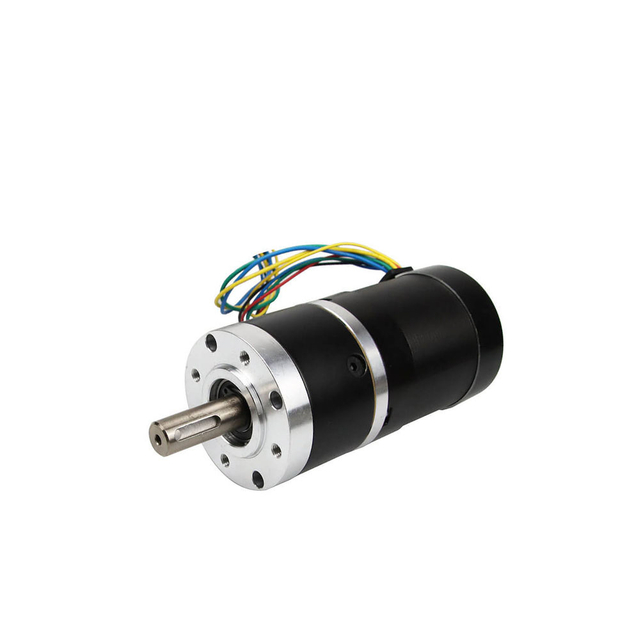
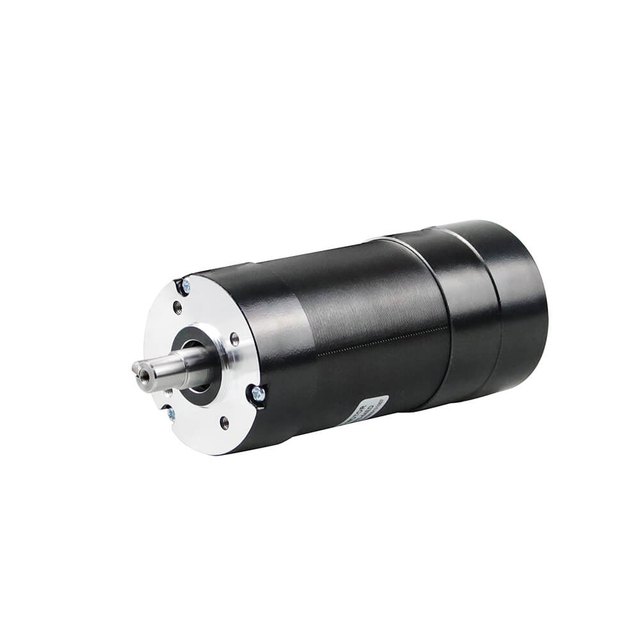
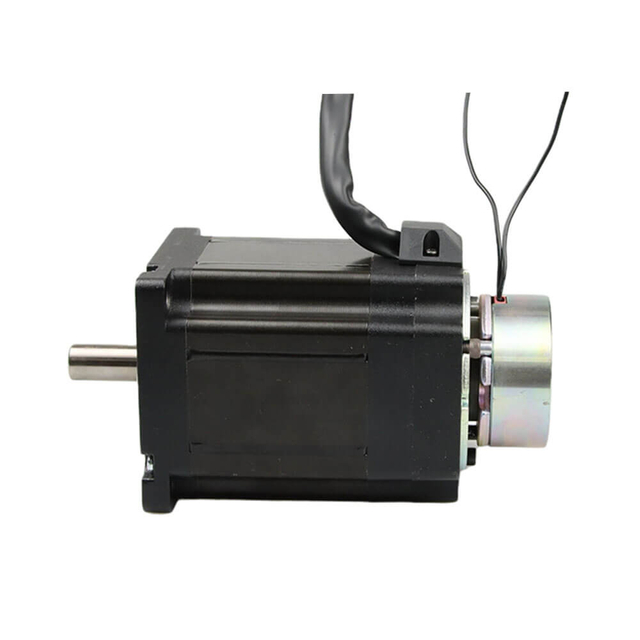
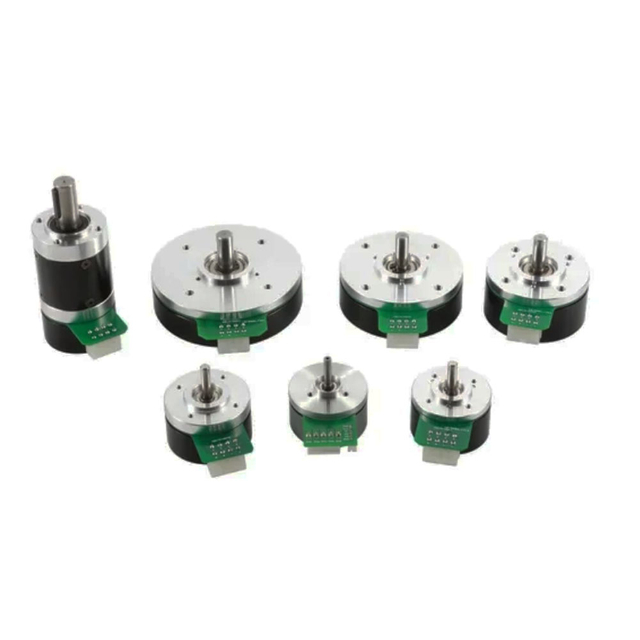
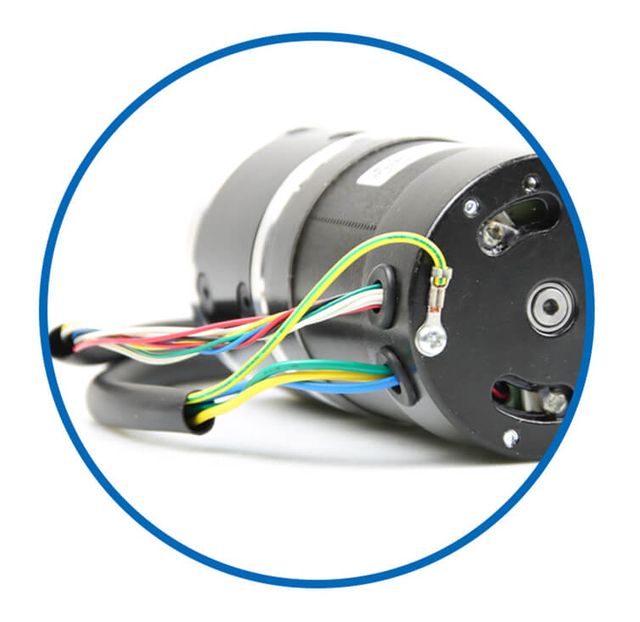
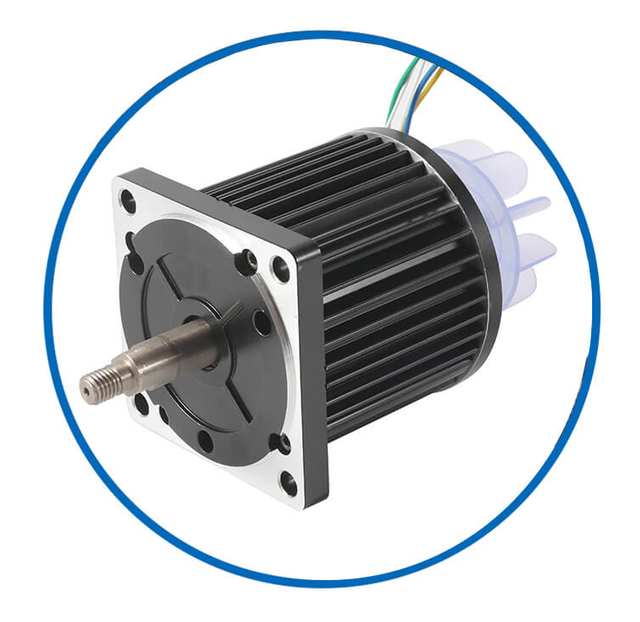
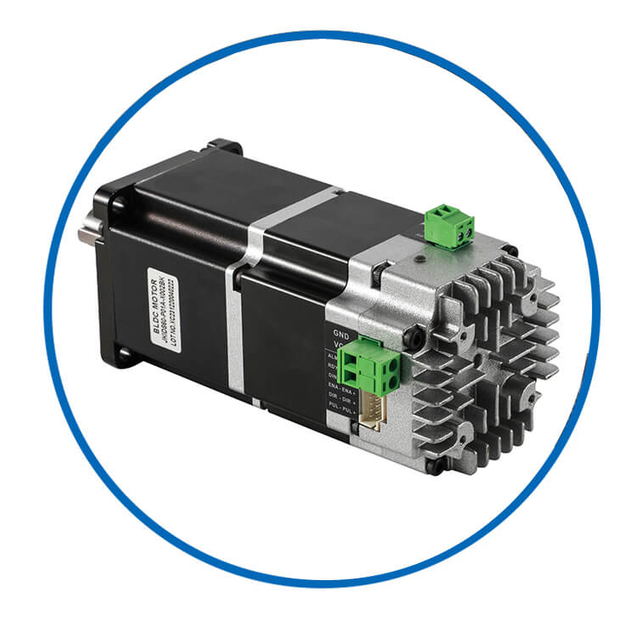
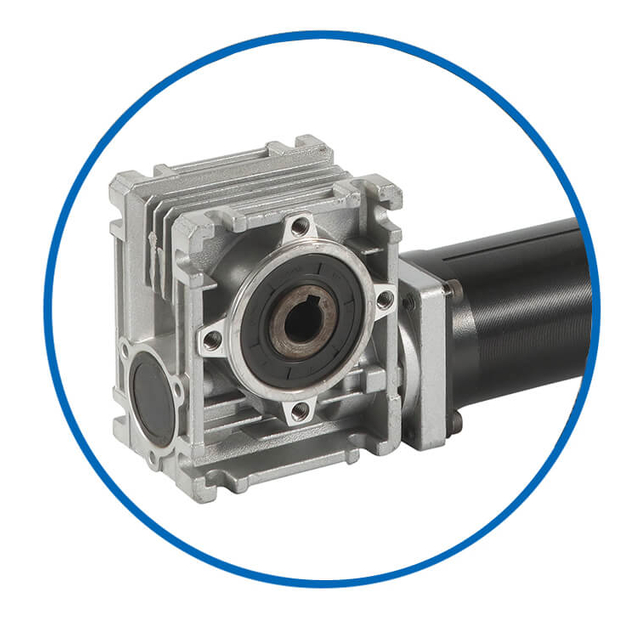
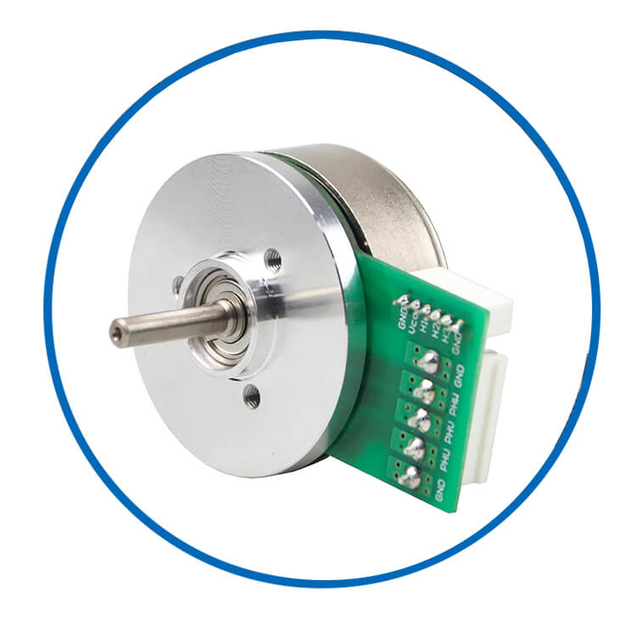
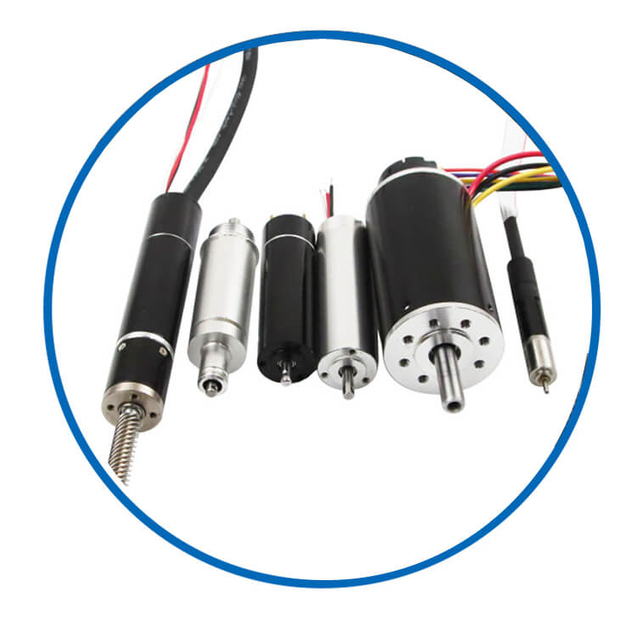
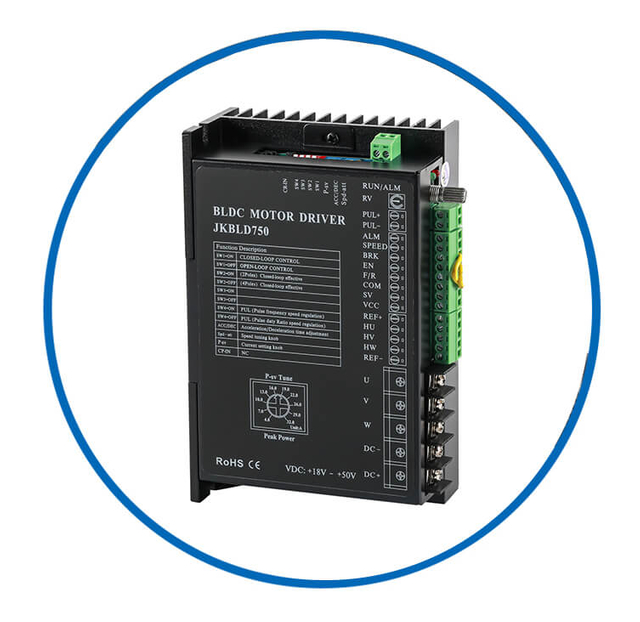
As a professional brushless dc motor manufacturer with 13 years in china, Jkongmotor offer various bldc motors with customized requirements, including 33 42 57 60 80 86 110 130mm, additionally, gearboxes, brakes, encoders, brushless motor drivers and integrated drivers are optional.
![bldc motor supplier]() | ![bldc motor supplier]() | ![bldc motor supplier]() | ![bldc motor supplier]() | ![bldc motor supplier]() | Professional custom brushless motor services safeguard your projects or equipment. No Brushes – Reduced Maintenance and Increased Lifespan High Efficiency and Low Power Loss High Torque-to-Weight Ratio Precise Speed and Position Control Quiet and Smooth Operation Wide Speed Range and Dynamic Performance Excellent Thermal Management Customizable Designs and Modular Configurations Multiple Control Methods Integration with Digital Interfaces and Sensors |
| Wires | Covers | Fans | Shafts | Integrated Drivers |
![bldc motor supplier]() | ![bldc motor supplier]() | ![bldc motor supplier]() | ![bldc motor supplier]() | ![bldc motor supplier]() |
| Brakes | Gearboxes | Out Rotors | Coreless Dc | Drivers |
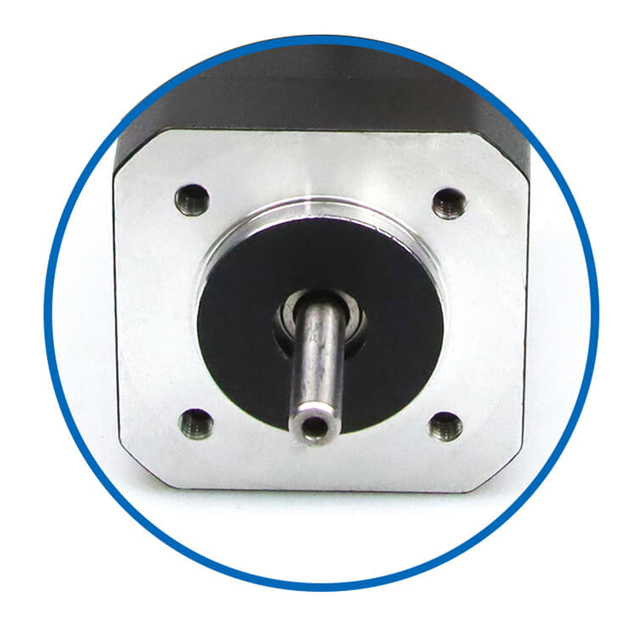
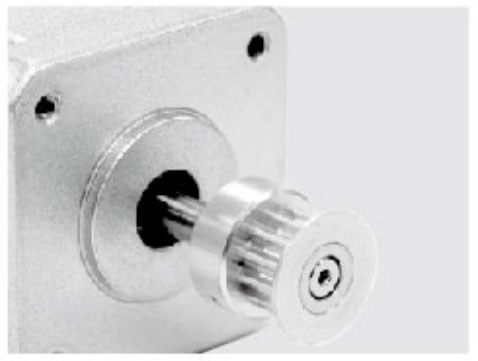
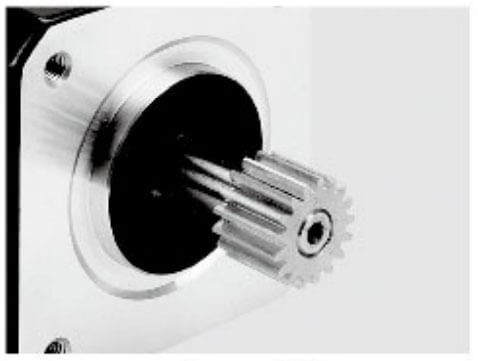
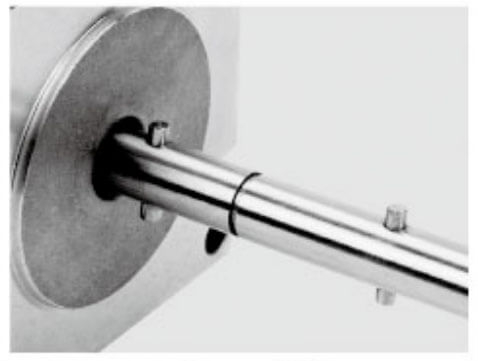
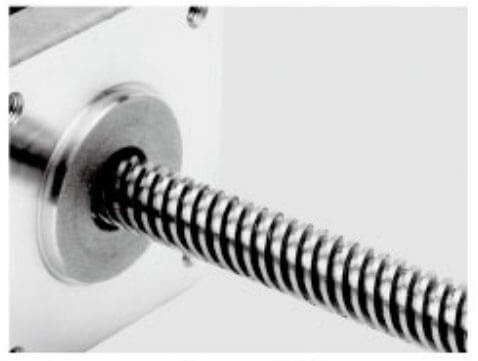
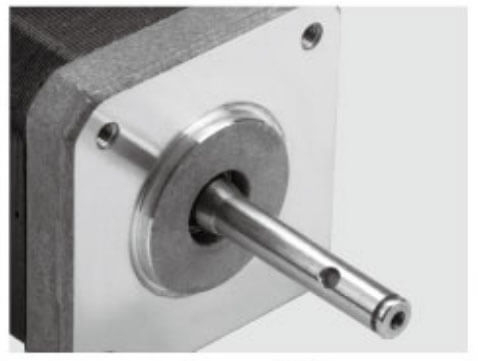
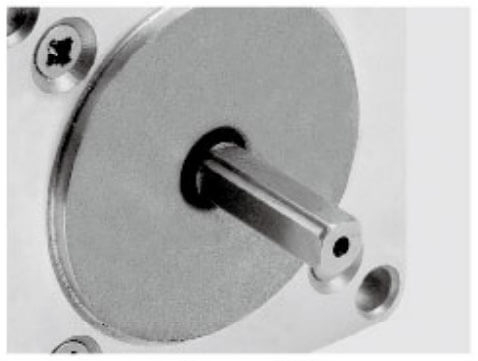
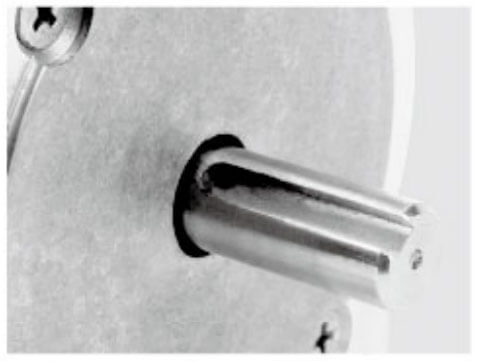
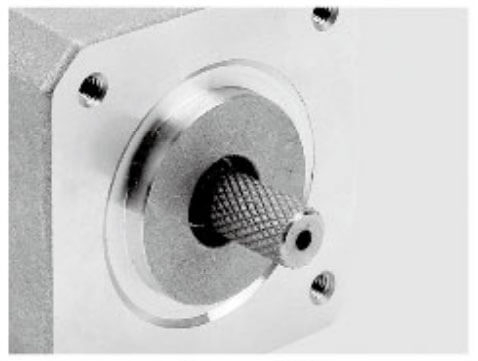
Motor Shaft Customized Service
Jkongmotor offer many different shaft options for your motor as well as customizable shaft lengths to make the motor fit your application seamlessly.
A servo motor is not just a motor. It is a complete motion control system consisting of:
A motor (often DC, BLDC, or AC)
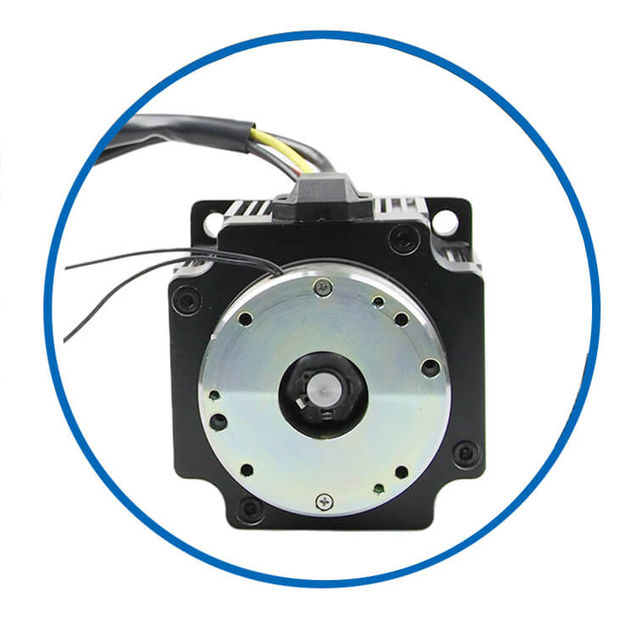
A feedback device (encoder, resolver, potentiometer)
A servo controller or drive
A closed-loop control algorithm (PID or advanced control)
Without these elements, a motor—DC or otherwise—cannot be classified as a servo.
How a DC Motor Can Be Converted into a Servo Motor
A DC motor becomes a servo when it is embedded into a closed-loop control architecture. This conversion requires the following components:
1. Feedback Mechanism for Position and Speed
To function as a servo, a DC motor must provide real-time feedback. Common feedback devices include:
This feedback allows the controller to monitor shaft position and velocity continuously.
2. Servo Controller or Drive
A servo controller processes feedback signals and compares them to the target command. It dynamically adjusts voltage and current to the DC motor to minimize error. Without this controller, precise motion control is impossible.
3. Closed-Loop Control Algorithm
A PID control loop ensures:
High positional accuracy
Stable motion
Fast response time
Minimal overshoot
This transforms a simple DC motor into a fully functional servo motor system.
Advantages of Using a DC Motor as a Servo
Using a DC motor as a servo offers several practical and technical advantages, especially in applications where flexibility, cost efficiency, and customized control are priorities. When combined with feedback devices and a suitable controller, a DC motor can deliver reliable closed-loop performance comparable to traditional servo systems.
1. Cost-Effective Motion Control Solution
One of the most significant advantages is lower overall system cost. Standard DC motors are widely available and typically less expensive than dedicated servo motors. For projects where budget constraints exist—such as prototypes, educational platforms, or small-scale automation—DC motor servo systems provide an economical alternative without sacrificing essential control performance.
2. Flexible System Customization
DC motors allow high customization freedom. Engineers can independently select:
This modular approach enables precise tailoring of the servo system to meet specific application requirements, which is often not possible with off-the-shelf integrated servo motors.
3. High Torque at Low Speed
DC motors naturally deliver high torque at low rotational speeds, making them ideal for applications requiring controlled force and smooth motion, such as actuators, robotic joints, and positioning mechanisms. When operated in closed-loop control, torque output becomes both predictable and repeatable.
4. Smooth and Continuous Motion Control
Unlike stepper motors, DC motor servo systems provide continuous, non-stepped motion. This results in:
This smooth motion profile is particularly valuable in precision equipment and motion-sensitive environments.
5. Wide Speed Control Range
A DC motor used as a servo offers excellent speed regulation across a wide RPM range. With proper feedback and control tuning, the motor can maintain stable performance at both very low and high speeds, outperforming open-loop motion systems.
6. Simplified Mechanical Integration
DC motors generally feature compact and simple mechanical structures, making them easy to integrate with gearboxes, lead screws, belts, and custom mechanical assemblies. This simplifies system design and reduces overall installation complexity.
7. Fast Dynamic Response
Closed-loop DC servo systems respond rapidly to command changes. The controller continuously adjusts current and voltage based on feedback, resulting in:
This makes DC motor servos suitable for dynamic applications such as pick-and-place systems and automated handling equipment.
8. Suitable for Prototyping and Development
For R&D, testing, and early-stage product development, DC motors used as servos provide fast implementation and easy tuning. Engineers can modify parameters, replace components, and optimize control strategies without being locked into proprietary servo platforms.
9. Compatibility with Advanced Control Algorithms
Modern controllers allow DC motors to leverage advanced digital control techniques, including feedforward control, adaptive tuning, and motion profiling. These capabilities significantly enhance positioning accuracy and operational stability.
10. Scalable Performance
A DC motor servo system can be scaled by upgrading feedback resolution, controller capability, or power stage design. This scalability allows the same mechanical platform to support multiple performance levels across different product versions.
Summary
Using a DC motor as a servo offers a powerful combination of cost efficiency, flexibility, smooth motion, and precise control. While dedicated servo motors excel in high-end industrial environments, DC motor servo systems remain an excellent choice for customized, budget-conscious, and performance-balanced motion control applications.
While DC motors can be used as servo motors when combined with feedback and closed-loop control, they also present several inherent limitations that restrict their suitability in high-performance or long-duty servo applications. Understanding these limitations is critical when selecting a motion control solution.
1. Brush Wear and Limited Service Life
Most traditional DC motors rely on carbon brushes and mechanical commutators. These components experience continuous friction, leading to:
Gradual performance degradation
Increased electrical noise
Frequent maintenance requirements
Shorter operational lifespan
In continuous or high-speed servo applications, brush wear becomes a major reliability concern.
2. Higher Maintenance Requirements
Compared to brushless servo motors, DC motor servo systems require regular inspection and maintenance. Brush replacement, commutator cleaning, and alignment checks increase downtime and long-term operating costs, particularly in industrial automation environments.
3. Lower Efficiency
DC motors are generally less energy-efficient than brushless servo motors. Electrical losses caused by brush contact and commutation reduce overall efficiency, resulting in:
This limitation affects thermal stability and long-term performance.
4. Heat Dissipation Challenges
Inefficient energy conversion causes DC motors to generate more heat under load. In servo applications that demand precise control, excessive heat can lead to:
Additional cooling solutions may be required, increasing system complexity.
5. Limited Speed and Dynamic Performance
While DC motors offer good low-speed torque, their high-speed performance is restricted compared to modern servo motors. At elevated speeds, mechanical commutation limits stability, control bandwidth, and responsiveness.
6. Lower Positioning Accuracy Compared to Dedicated Servos
Even with high-resolution encoders, DC motor servo systems typically deliver lower positioning accuracy than integrated servo motors. Factors such as mechanical backlash, electrical noise, and control latency reduce achievable precision.
7. Sensitivity to Electrical Noise
Brush-based commutation introduces electrical noise and signal interference, which can affect encoder feedback and controller stability. In precision servo applications, this noise must be carefully filtered, adding design complexity.
8. Reduced Reliability in Harsh Environments
DC motors are more vulnerable to dust, humidity, vibration, and temperature extremes. Brush contamination or commutator corrosion can quickly degrade performance, making DC servo systems less suitable for harsh industrial conditions.
9. Limited Scalability for High-End Applications
As performance demands increase—higher speed, greater accuracy, continuous duty—DC motors become increasingly impractical. Scaling a DC motor servo system often results in:
Dedicated servo motors scale more effectively in demanding applications.
10. Obsolescence in Advanced Automation Systems
Modern automation increasingly favors integrated brushless servo motors with built-in drives and feedback. DC motor servo systems are gradually being phased out in high-end equipment due to limitations in efficiency, reliability, and compact integration.
Summary
Although DC motors can function as servo motors in closed-loop systems, their mechanical wear, lower efficiency, maintenance demands, and performance constraints limit their use in advanced servo applications. For low-cost, low-duty, or experimental systems, DC motor servos remain viable, but for high-precision, high-reliability motion control, dedicated servo solutions are generally superior.
Comparison: DC Servo Motor vs Dedicated Servo Motor
| Feature | DC Motor as Servo | Dedicated Servo Motor |
| Control Accuracy | Medium to High (with encoder) | Very High |
| Maintenance | High (brushed types) | Low |
| Efficiency | Moderate | High |
| Integration Complexity | High | Low |
| Cost | Lower initial | Higher upfront |
Applications Where DC Motors Are Used as Servo Systems
DC motors configured with feedback devices and closed-loop controllers are widely used as servo systems in applications where cost efficiency, flexibility, and moderate precision are required. Although dedicated servo motors dominate high-end automation, DC motor servo systems remain highly relevant across many industries.
1. Robotics and Educational Platforms
DC motors are commonly used as servo systems in robotic arms, mobile robots, and educational robotics kits. Their affordability and ease of control make them ideal for teaching motion control principles such as position feedback, PID tuning, and trajectory planning. In small robots, DC servo systems provide smooth motion and reliable positioning.
2. Automated Manufacturing Equipment
In light industrial automation, DC motor servos are used in:
Indexing tables
Conveyor positioning systems
Labeling and packaging machines
Material handling mechanisms
These applications benefit from controlled motion without requiring ultra-high precision, making DC motor servo systems a practical choice.
3. Linear Actuators and Positioning Systems
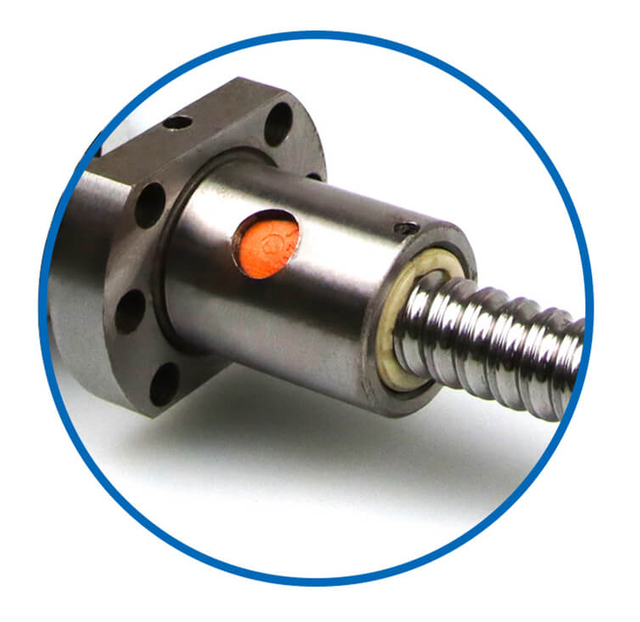
DC motors integrated with lead screws, ball screws, or belt drives function effectively as servo-controlled linear actuators. These systems are commonly found in:
Adjustable platforms
Small CNC fixtures
Inspection equipment
Automated test benches
Closed-loop control ensures accurate and repeatable linear positioning.
4. Medical and Laboratory Equipment
Many medical and laboratory devices rely on DC motor servo systems for precise but compact motion control, including:
Infusion pumps
Sample handling systems
Diagnostic instruments
Automated dispensers
The ability to finely control speed and position makes DC servos suitable for sensitive environments.
5. Aerospace and Defense Prototyping
During early-stage development, DC motors are frequently used as servo systems in prototypes and experimental platforms. Engineers value their simplicity and adaptability when testing control algorithms, actuators, and mechanical designs before transitioning to high-end servo motors.
6. Camera and Optical Control Systems
DC motor servos are widely used in pan-tilt camera mechanisms, optical alignment devices, and tracking systems. Smooth motion and precise positioning are essential in these applications, and DC motor servos deliver adequate performance with minimal system complexity.
7. Automotive Subsystems
In automotive applications, DC motor servo systems control various electromechanical functions such as:
These systems require reliability and controlled motion rather than extreme precision.
8. Consumer Electronics and Home Automation
DC motors used as servos are common in:
Their low cost and compact size support mass-market deployment.
9. Printing and Office Equipment
Printers, scanners, and copiers often rely on DC motor servo systems for:
Closed-loop feedback ensures accurate alignment and consistent operation.
10. Research and Development Test Systems
DC motor servo systems are ideal for R&D environments, where flexibility and quick reconfiguration are essential. Engineers can easily modify feedback devices, controllers, and control logic to evaluate new concepts or performance improvements.
Summary
DC motors used as servo systems are widely applied in robotics, automation, medical devices, consumer electronics, and research environments. Their balance of affordability, adaptability, and reliable control makes them an enduring solution for applications where moderate precision and customized motion control are required.
Role of Encoders in DC Servo Performance
The encoder selection defines the performance ceiling of a DC servo system:
Low-resolution encoders suit speed control applications
High-resolution encoders enable micron-level positioning
Absolute encoders retain position data after power loss
Encoder quality directly impacts accuracy, stability, and responsiveness.
Stepper motors operate in open-loop control, while DC servo motors rely on closed-loop feedback.
In high-demand environments, DC servo systems provide superior performance consistency.
When Using a DC Motor as a Servo Makes Sense
Using a DC motor as a servo is a strategic choice in many Makes Sense**
Using a DC motor as a servo is a strategic choice in many motion control scenarios where flexibility, cost efficiency, and adequate performance outweigh the need for ultra-high precision. While dedicated servo motors dominate demanding industrial environments, DC motor servo systems remain highly effective when applied under the right conditions.
1. Cost-Sensitive Projects
A DC motor servo system makes sense when budget constraints are a primary concern. Standard DC motors, combined with external encoders and controllers, typically cost less than integrated servo motors. This makes them ideal for:
Startups and small manufacturers
Prototyping and proof-of-concept designs
Educational and training systems
In these cases, the cost-to-performance ratio is highly favorable.
2. Moderate Precision Requirements
DC motor servo systems are well-suited for applications where micron-level or sub-arcsecond accuracy is not required. They deliver reliable positioning and speed control for tasks such as indexing, alignment, and controlled movement without the complexity of high-end servo solutions.
3. Custom Mechanical Integration
When mechanical design constraints demand non-standard motor sizes, shafts, or mounting configurations, DC motors provide greater adaptability. Engineers can easily pair DC motors with:
This flexibility makes DC motor servos ideal for tailored motion platforms.
4. Flexible Control Architecture Is Required
DC motor servo systems allow complete control over the feedback device, controller, and control algorithm. This is advantageous when:
Custom PID tuning is needed
Experimental control strategies are being tested
Integration with proprietary control hardware is required
Such flexibility is often limited in closed, integrated servo systems.
5. Low to Medium Duty Cycles
DC motors perform best in applications with intermittent operation or limited continuous load. For systems that do not run at peak torque or speed continuously, DC motor servos provide stable and dependable performance without excessive thermal stress.
6. Educational and Training Applications
DC motors used as servos are ideal for teaching motion control fundamentals. They allow students and engineers to explore:
This hands-on learning value makes DC motor servos a preferred choice in academic environments.
7. Rapid Prototyping and Development
In R&D settings, DC motor servo systems enable fast implementation and easy modification. Engineers can quickly adjust parameters, swap components, and refine performance without replacing the entire motion system.
8. Compact and Lightweight Systems
For compact devices where space and weight are limited, small DC motors configured as servos offer an efficient solution. They are commonly used in portable equipment, desktop automation, and consumer devices.
9. Low-Speed, High-Torque Applications
DC motors naturally deliver strong torque at low speeds, making them suitable for servo-controlled actuators that require smooth, force-driven motion rather than high-speed precision.
10. Transitional or Hybrid Systems
DC motor servo systems are often used as intermediate solutions when transitioning from open-loop systems to full servo architectures. They provide a balance between simplicity and control sophistication.
Summary
Using a DC motor as a servo makes sense when the application prioritizes cost efficiency, flexibility, moderate precision, and custom integration. While not ideal for high-end industrial automation, DC motor servo systems remain a practical and effective choice for a wide range of engineering, educational, and development-focused applications.
Future Trends in DC-Based Servo Systems
DC-based servo systems continue to evolve as control electronics, sensing technologies, and system integration methods advance. Although brushless and fully integrated servo motors dominate high-end automation, DC-based servo systems are adapting to new performance, efficiency, and application demands, ensuring their ongoing relevance in specific market segments.
1. Transition from Brushed to Brushless DC Architectures
One of the most significant trends is the gradual shift from brushed DC motors to brushless DC (BLDC) motors within DC-based servo systems. This transition delivers:
BLDC-based servo systems retain the flexibility of DC control while eliminating mechanical commutation limitations.
2. Advanced Digital Control Algorithms
Modern DC servo systems increasingly employ digital signal processors (DSPs) and microcontrollers capable of executing advanced control algorithms, including:
Adaptive PID control
Feedforward motion control
Model-based control strategies
Real-time torque optimization
These algorithms significantly improve stability, responsiveness, and positioning accuracy.
3. Higher-Resolution Feedback Technologies
Future DC-based servo systems are adopting high-resolution encoders and more robust sensing technologies, such as:
Absolute magnetic encoders
Optical encoders with finer resolution
Sensor fusion combining multiple feedback sources
Enhanced feedback directly translates to better motion accuracy and repeatability.
4. Miniaturization and Compact Integration
There is a growing demand for smaller, lighter servo systems. DC-based servos are benefiting from:
This trend supports applications in portable devices, medical equipment, and compact automation platforms.
5. Improved Energy Efficiency and Thermal Management
Efficiency improvements are driving innovation in power electronics and motor design. Enhanced PWM control, low-loss components, and optimized winding configurations reduce energy consumption and heat generation, enabling longer duty cycles and higher reliability.
6. Increased Use in Collaborative and Human-Interactive Systems
DC-based servo systems are increasingly used in collaborative robots (cobots) and human-interactive machines due to their:
These characteristics make DC-based servos suitable for safe, compliant motion applications.
7. Smart Connectivity and Industry 4.0 Integration
Future DC servo systems are incorporating smart communication interfaces, enabling:
This connectivity aligns DC-based servos with Industry 4.0 and smart factory requirements.
8. Enhanced Reliability Through Electronics-Based Commutation
Even in brushed DC systems, advanced electronic control methods are reducing stress on mechanical components. Improved commutation strategies help minimize arcing, noise, and wear, extending motor lifespan.
9. Customizable and Modular Servo Platforms
Manufacturers are increasingly offering modular DC servo solutions, allowing users to select motors, encoders, controllers, and power stages independently. This modularity supports rapid customization and scalable performance.
10. Continued Role in Cost-Sensitive and Niche Applications
Despite technological advances in integrated servos, DC-based servo systems will remain essential in:
Educational and research environments
Entry-level automation
Prototyping and experimental systems
Cost-driven commercial products
Their adaptability and affordability ensure long-term relevance.
Summary
The future of DC-based servo systems lies in smarter control, better feedback, improved efficiency, and seamless digital integration. While high-end automation continues to favor advanced servo motors, DC-based servos will persist as flexible, cost-effective, and technologically evolving motion control solutions across a wide range of industries.
Final Technical Verdict
Yes, a DC motor can be used as a servo, provided it is supported by a feedback device, a servo controller, and a closed-loop control system. The transformation is not about replacing hardware—it is about adding intelligence, feedback, and control precision. When properly implemented, a DC motor servo system delivers reliable, accurate, and cost-effective motion control across a wide range of industrial and automation applications.