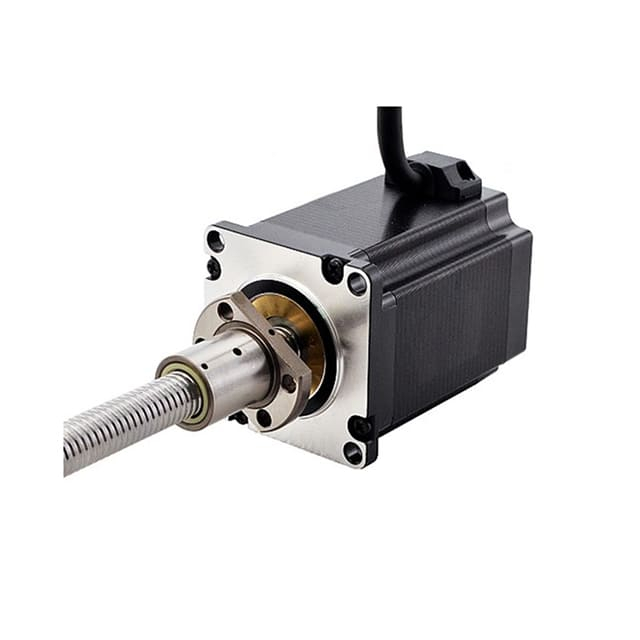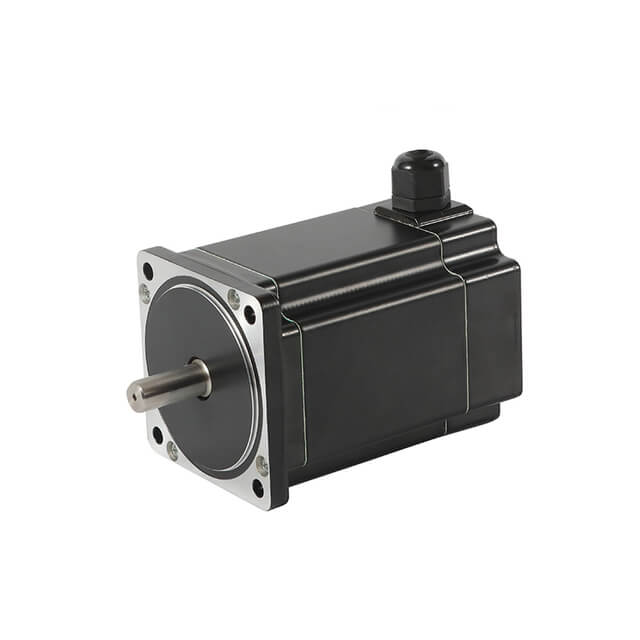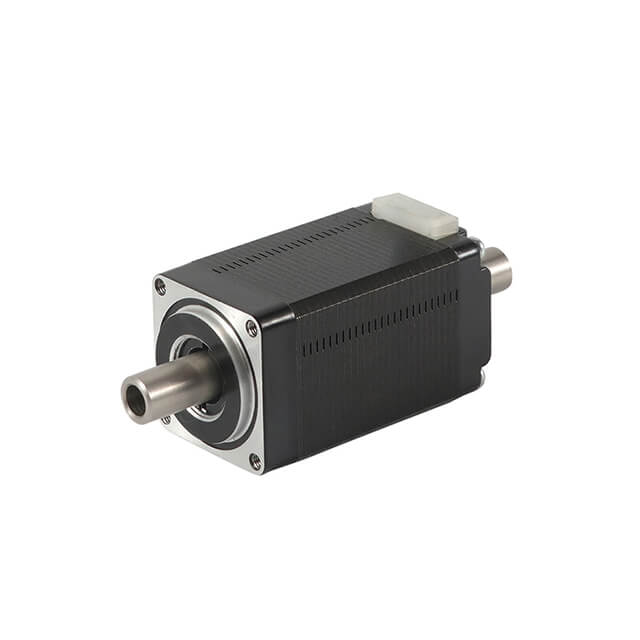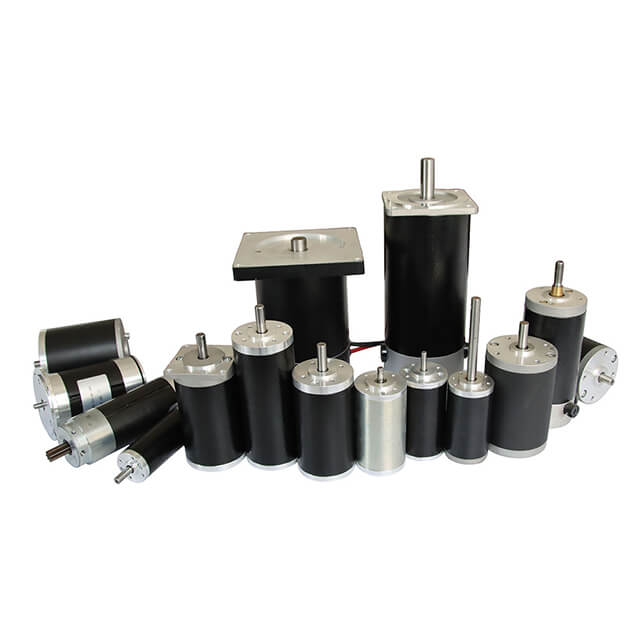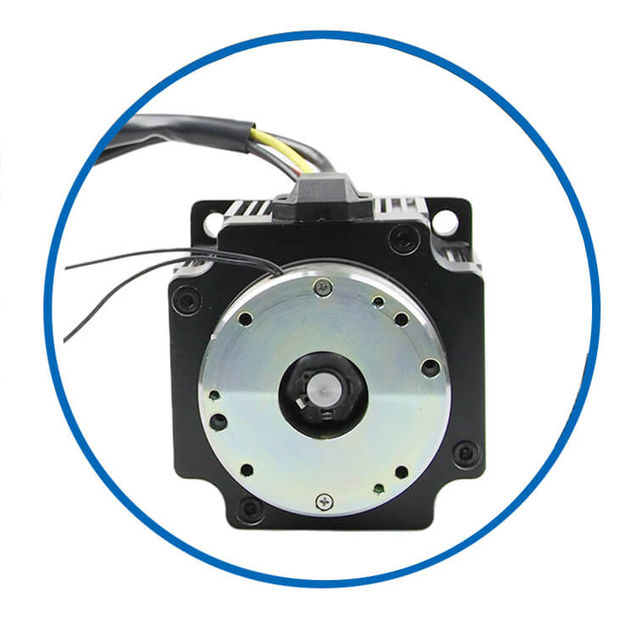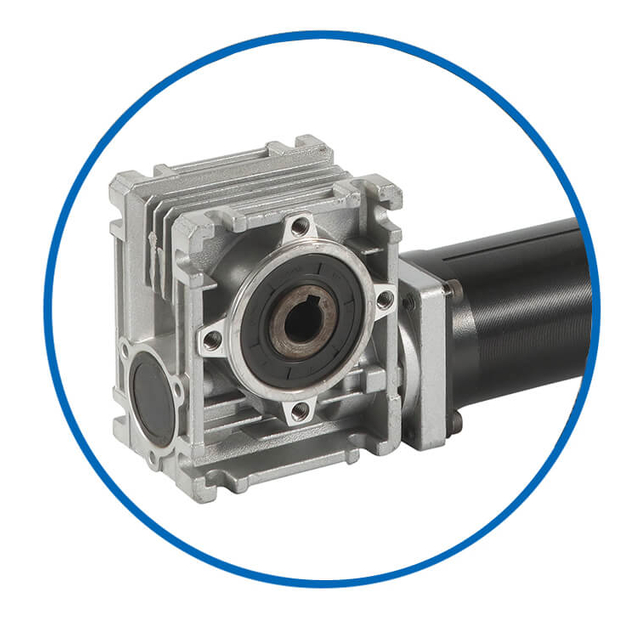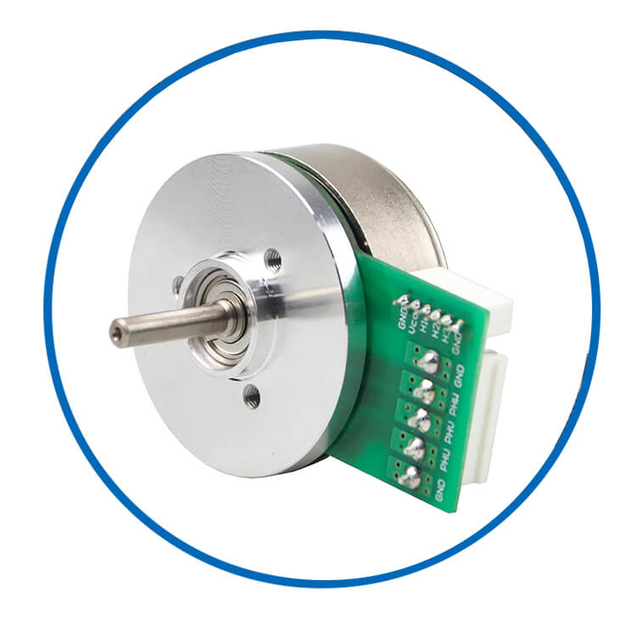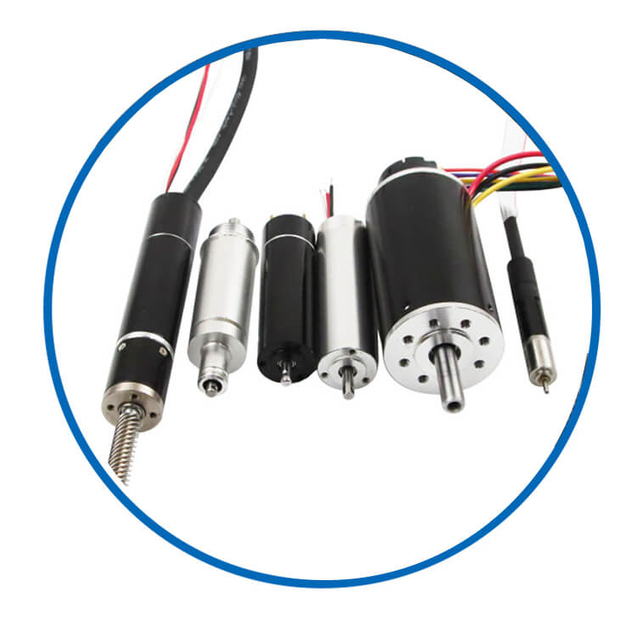
Electric motors are essential components in modern industrial systems, automation equipment, and consumer devices. However, motor noise remains one of the most persistent challenges affecting performance, reliability, and user experience. In this comprehensive guide, we provide a deep technical approach to identifying and eliminating motor noise sources, ensuring optimal operation, extended lifespan, and improved system efficiency.
Motor noise is one of the most critical indicators of underlying performance issues in industrial systems. When properly diagnosed, it reveals mechanical faults, electrical instability, and structural inefficiencies before catastrophic failure occurs. In this optimized guide, we integrate key troubleshooting questions into a highly actionable framework for identifying and eliminating motor noise at its source.
Understanding Motor Noise: Types and Characteristics
Motor noise can be categorized into three primary types: electromagnetic noise, mechanical noise, and aerodynamic noise. Each category originates from different physical phenomena and requires targeted mitigation strategies.
Electromagnetic Noise
Electromagnetic noise arises from magnetic field interactions within the motor, especially in stator and rotor components. It is often characterized by:
High-frequency whining or humming
Harmonic vibrations due to uneven magnetic flux
Resonance caused by power supply fluctuations
Mechanical Noise
Mechanical noise is generated by moving parts and structural components, including:
Bearings
Shafts
Gear systems
Mounting structures
Typical sounds include grinding, rattling, or knocking, often indicating wear or misalignment.
Aerodynamic Noise
Aerodynamic noise results from airflow disturbances caused by cooling fans or rotor movement. It is commonly perceived as:
Jkongmotor's Customized Motors Kinds
Bldc Motor Customized Service
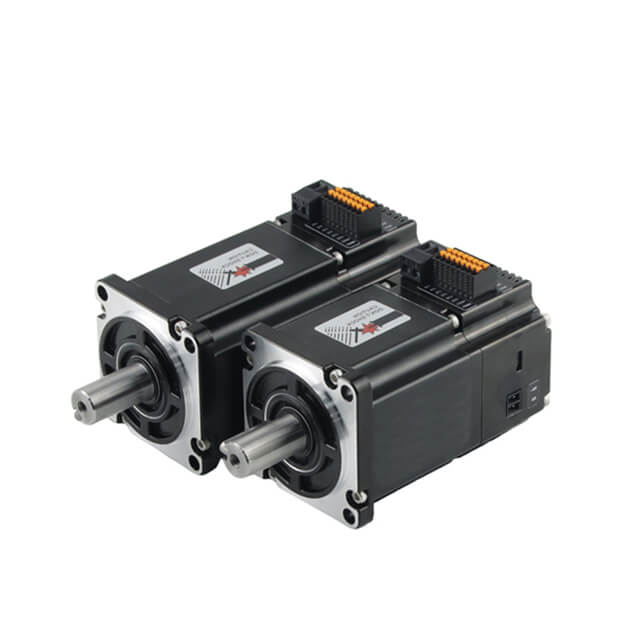
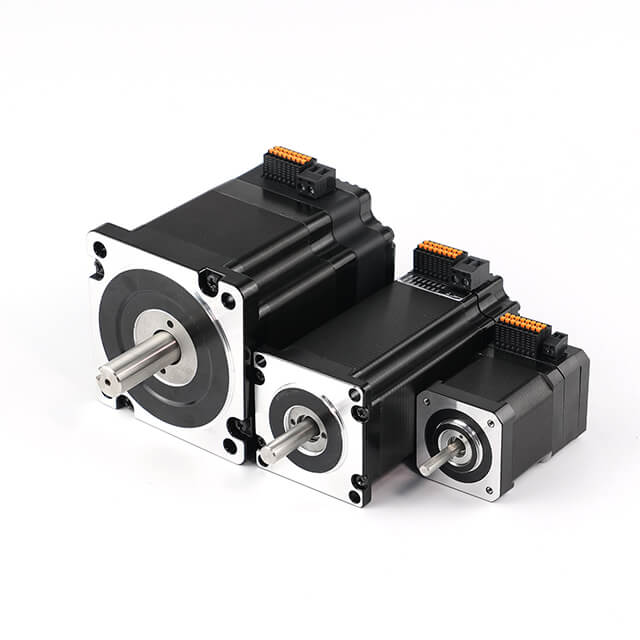
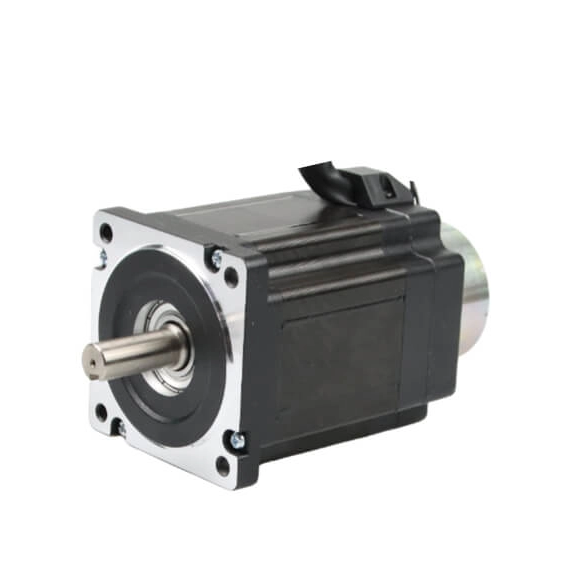
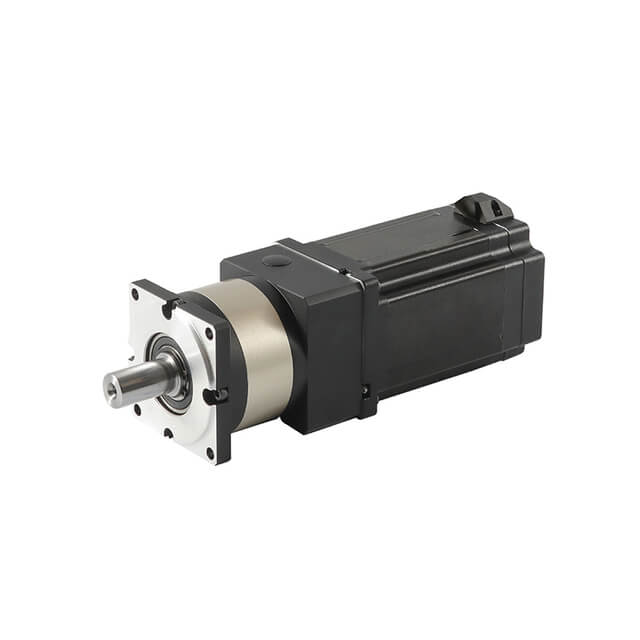
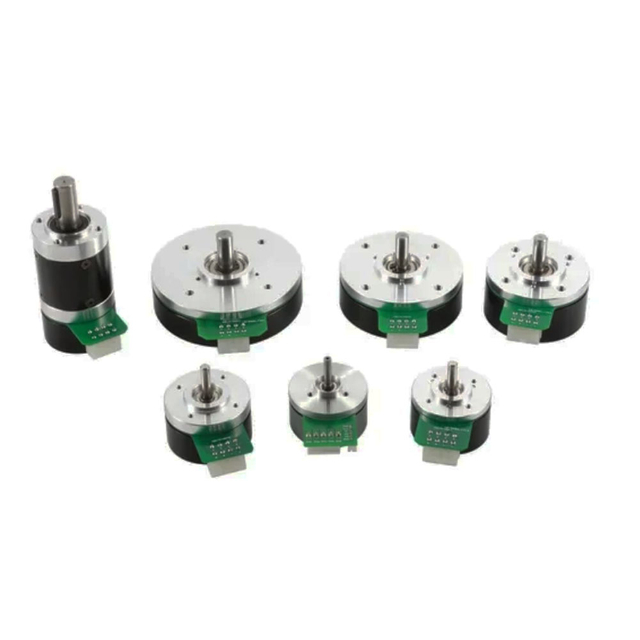
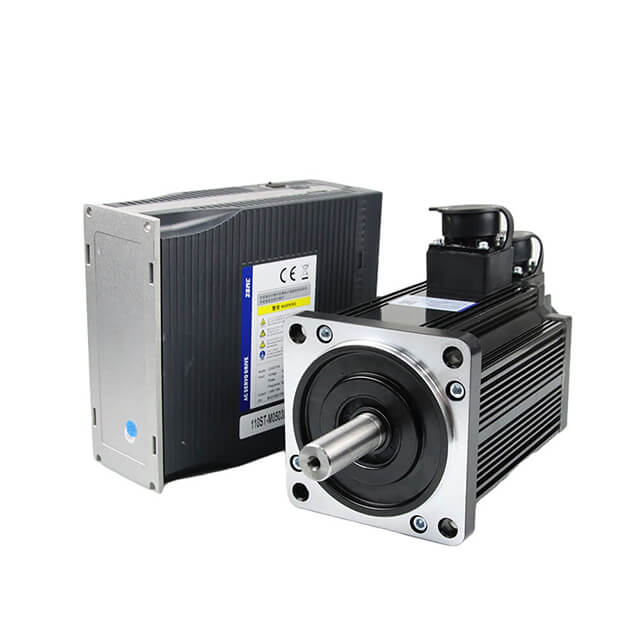
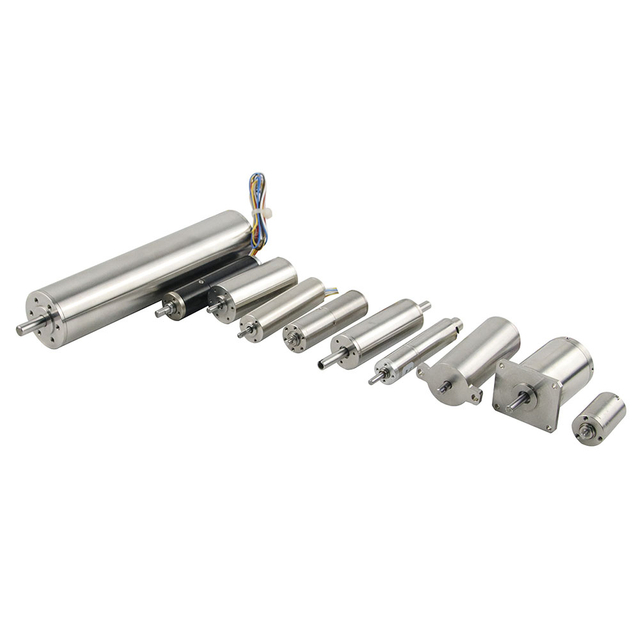
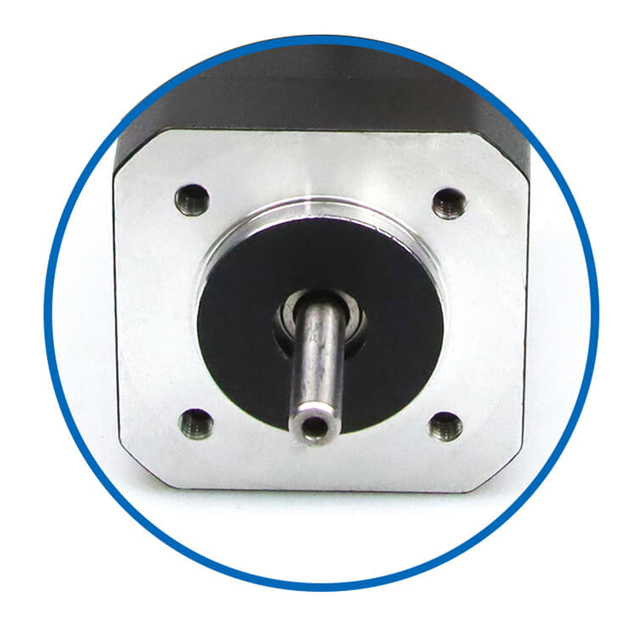
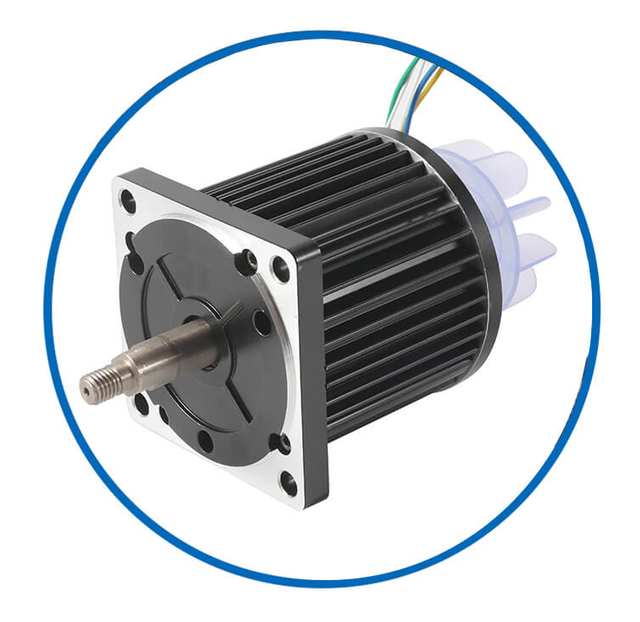
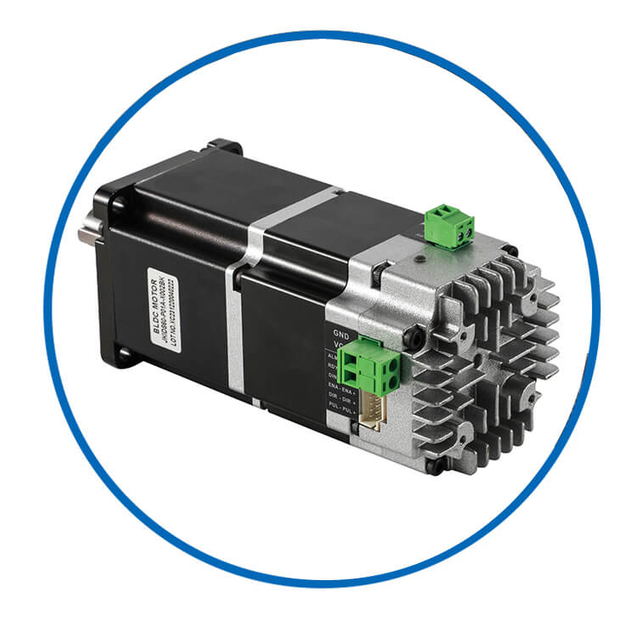
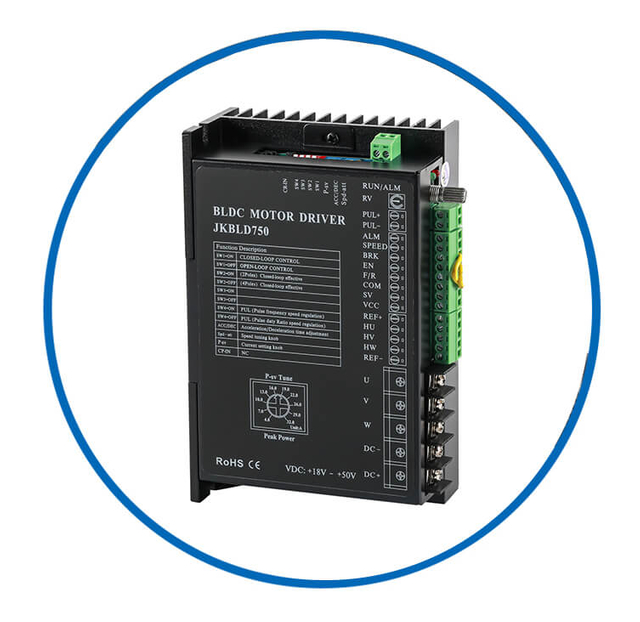
As a professional brushless dc motor manufacturer with 13 years in china, Jkongmotor offer various bldc motors with customized requirements, including 33 42 57 60 80 86 110 130mm, additionally, gearboxes, brakes, encoders, brushless motor drivers and integrated drivers are optional.
![bldc motor supplier]() | ![bldc motor supplier]() | ![bldc motor supplier]() | ![bldc motor supplier]() | ![bldc motor supplier]() | Professional custom brushless motor services safeguard your projects or equipment. No Brushes – Reduced Maintenance and Increased Lifespan High Efficiency and Low Power Loss High Torque-to-Weight Ratio Precise Speed and Position Control Quiet and Smooth Operation Wide Speed Range and Dynamic Performance Excellent Thermal Management Customizable Designs and Modular Configurations Multiple Control Methods Integration with Digital Interfaces and Sensors |
| Wires | Covers | Fans | Shafts | Integrated Drivers |
![bldc motor supplier]() | ![bldc motor supplier]() | ![bldc motor supplier]() | ![bldc motor supplier]() | ![bldc motor supplier]() |
| Brakes | Gearboxes | Out Rotors | Coreless Dc | Drivers |
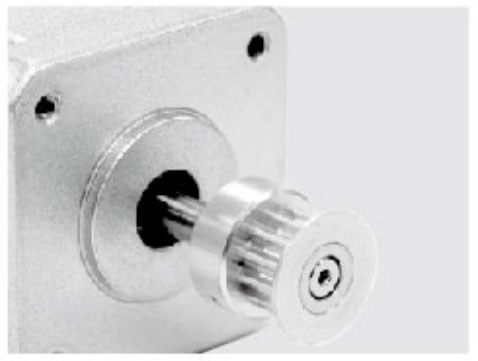
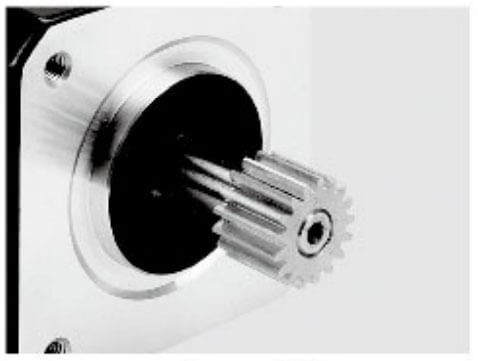
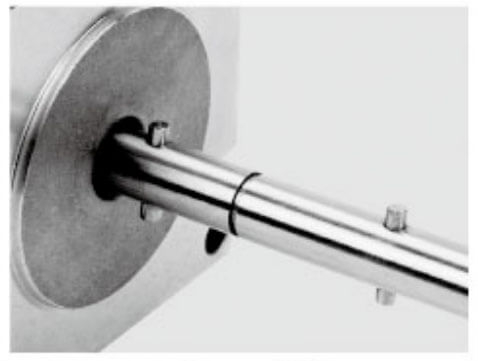
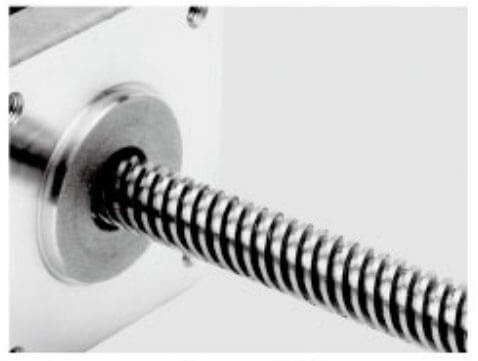
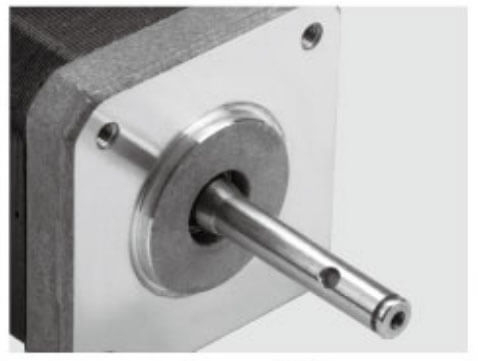
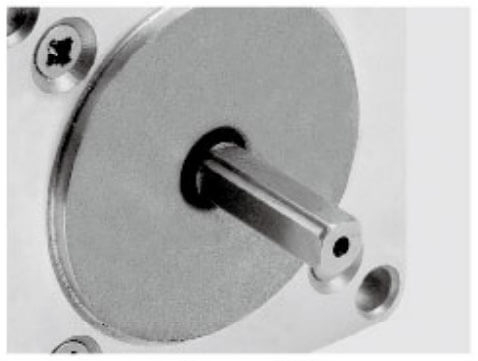
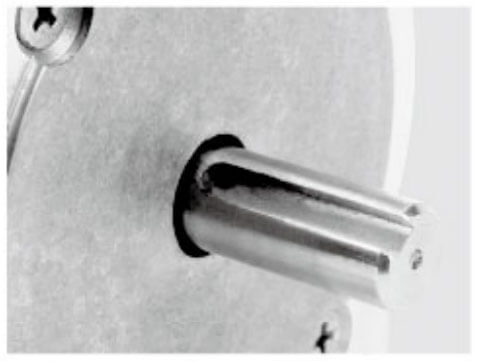
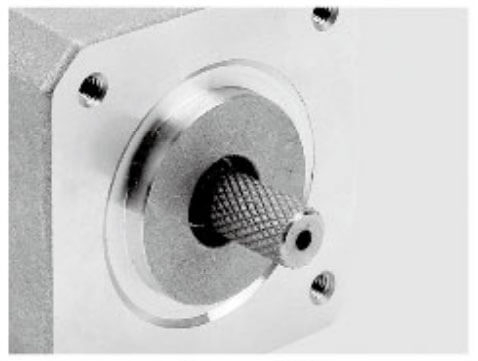
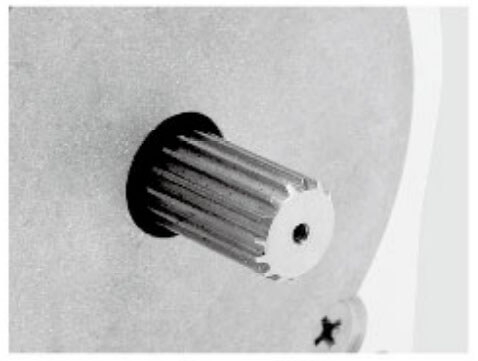
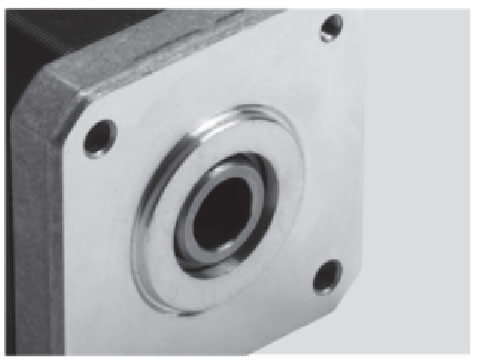
Motor Shaft Customized Service
Jkongmotor offer many different shaft options for your motor as well as customizable shaft lengths to make the motor fit your application seamlessly.
Why Is My Motor Making a Humming Noise But Not Turning?
A motor that produces a humming sound without rotation typically indicates electrical or startup failure conditions. This is one of the most urgent warning signs requiring immediate attention.
The most common causes include:
Insufficient starting torque due to voltage drop or incorrect wiring
Capacitor failure in single-phase motors, preventing phase shift
Locked rotor condition, often caused by mechanical obstruction
Stator winding faults, leading to magnetic field imbalance
In such cases, the motor draws current but fails to rotate, generating a low-frequency electromagnetic hum. Immediate shutdown is necessary to prevent overheating or winding burnout.
Solution Approach:
Verify input voltage and phase balance
Test and replace faulty capacitors
Inspect rotor for mechanical blockage
Measure winding resistance for abnormalities
How Can I Tell if Motor Noise Is Electrical or Mechanical?
Distinguishing between electrical noise and mechanical noise is essential for accurate troubleshooting.
Electrical Noise Characteristics
Consistent humming or whining
Frequency tied to power supply (50/60 Hz and harmonics)
Changes with load or voltage variation
Mechanical Noise Characteristics
Irregular knocking, grinding, or rattling
Noise increases with speed
Often accompanied by vibration
Diagnostic Techniques:
Use frequency spectrum analysis to identify harmonic patterns
Perform load variation tests to observe noise behavior
Combine acoustic analysis with vibration monitoring
Electrical noise originates from magnetic forces, while mechanical noise stems from physical movement and wear.
What Are the Signs of Failing Motor Bearings?
Bearings are among the most common and critical sources of motor noise. Early detection prevents costly downtime.
Key Warning Signs
High-frequency squealing or grinding sounds
Increased vibration amplitude
Localized overheating near bearing housing
Irregular rotational resistance
As wear progresses, bearing defects produce distinct frequency signatures that can be detected through vibration analysis.
Common Causes of Bearing Failure
Poor lubrication or contamination
Misalignment or excessive load
Fatigue from prolonged operation
Preventive Measures:
Implement scheduled lubrication intervals
Use sealed or high-grade bearings
Monitor vibration trends continuously
How Do Variable Frequency Drives (VFDs) Cause Motor Noise?
While Variable Frequency Drives improve efficiency and control, they can introduce electrical noise and acoustic resonance.
Primary Noise Mechanisms
Pulse Width Modulation (PWM) creates high-frequency switching noise
Harmonic distortion affects magnetic flux distribution
Common mode currents induce vibration in motor components
These effects often result in a high-pitched whining sound, especially at lower speeds.
Mitigation Strategies
Install output filters or reactors
Use shielded motor cables
Optimize switching frequency settings
Ensure proper grounding and insulation
Advanced VFD tuning significantly reduces electromagnetic excitation and audible noise.
Is Excessive Motor Vibration Always Caused by Imbalance?
Rotor imbalance is a major cause of vibration, but it is not the only factor.
Other Critical Causes of Vibration
How to Differentiate
Imbalance: vibration proportional to speed
Misalignment: vibration at multiples of rotational frequency
Bearing faults: high-frequency vibration spikes
Accurate diagnosis requires multi-axis vibration analysis rather than assumptions.
How Do I Use an Acoustic Camera or Stethoscope to Pinpoint Noise?
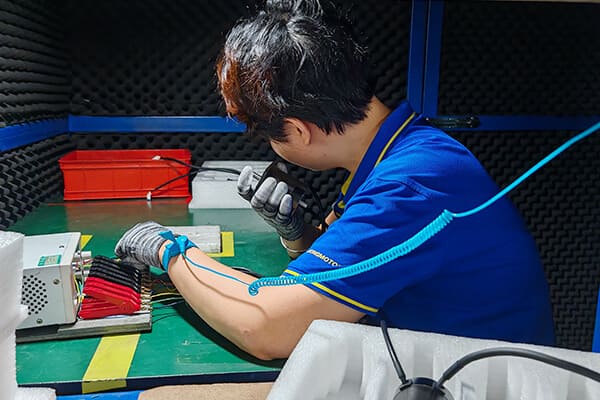
Precisely locating the source of motor noise is essential for effective troubleshooting and long-term reliability. Acoustic cameras and industrial stethoscopes are two of the most powerful tools for isolating noise sources, each offering unique advantages depending on the application. When used correctly, they allow us to identify faults quickly, reduce diagnostic time, and eliminate unnecessary disassembly.
Using an Acoustic Camera for Noise Detection
An acoustic camera is an advanced diagnostic system that combines a microphone array with visual imaging to create a real-time sound map. It overlays noise intensity onto a video image, allowing us to see exactly where sound originates.
Step-by-Step Process
Prepare the Environment
Ensure the motor operates under normal load conditions
Minimize external noise interference where possible
Maintain a consistent distance from the motor
Position the Acoustic Camera
Aim the camera toward the motor assembly
Cover key areas such as bearings, housing, shaft, cooling fan, and gearbox
Keep a stable angle for accurate measurement
Capture Sound Data
Activate the system to record sound pressure levels (SPL)
Use frequency filters to isolate specific noise bands
Observe real-time color-coded sound maps
Analyze the Results
Identify hotspots (high-intensity noise zones)
Correlate frequencies with known fault signatures
Compare multiple operating speeds if applicable
Best Use Cases
Complex systems with multiple noise sources
High-speed motors with aerodynamic or electromagnetic noise
Situations requiring non-contact, fast diagnostics
Key Advantages
Visual representation of sound
High accuracy in noisy environments
Ability to detect hidden or overlapping noise sources
Using an Industrial Stethoscope for Noise Detection
An industrial stethoscope is a simple yet highly effective tool for detecting internal mechanical noise. It works by amplifying vibrations transmitted through solid components.
Step-by-Step Process
Start the Motor Safely
Apply the Probe
Bearing housings
Motor casing
Gearbox surfaces
Mounting points
Listen Carefully
Compare Multiple
Best Use Cases
Diagnosing bearing faults
Detecting gear wear or misalignment
Identifying localized mechanical issues
Key Advantages
Acoustic Camera vs. Stethoscope: When to Use Each
| Criteria | Acoustic Camera | Stethoscope |
| Detection Type | Airborne sound | Structure-borne vibration |
| Accuracy | High (visual mapping) | High (localized contact) |
| Ease of Use | Moderate | Very easy |
| Cost | High | Low |
| Best For | Complex systems | Mechanical components |
Combining Both Tools for Maximum Accuracy
For the most reliable results, we recommend using both tools together:
This combined approach provides:
Faster diagnosis
Higher accuracy
Reduced maintenance time
Expert Tips for Accurate Noise Identification
Always test under consistent operating conditions
Avoid loose clothing or contact with moving parts
Repeat measurements to confirm findings
Combine acoustic data with vibration and thermal analysis
Conclusion: Precision Noise Diagnosis Made Simple
By leveraging acoustic cameras for visual sound mapping and stethoscopes for detailed internal inspection, we can pinpoint motor noise sources with exceptional accuracy. This dual-method approach ensures efficient troubleshooting, targeted repairs, and long-term noise reduction, making it an essential practice in modern motor diagnostics.
What Are the Best Ways to Soundproof a Motor Enclosure?
Effectively soundproofing a motor enclosure requires a multi-layered engineering approach that combines sound absorption, vibration isolation, structural sealing, and airflow optimization. A well-designed enclosure not only reduces noise emissions but also maintains thermal performance, accessibility, and operational safety. Below are the most effective, industry-proven strategies to achieve maximum noise reduction.
1. Use High-Performance Acoustic Absorption Materials
The first line of defense is to absorb airborne sound inside the enclosure before it escapes.
Recommended Materials
Acoustic foam panels (open-cell polyurethane or melamine)
Mineral wool or fiberglass insulation
Polyester fiber acoustic boards
These materials convert sound energy into heat, significantly reducing mid-to-high frequency noise such as motor whine and fan turbulence.
Best Practices
Line all internal walls, including doors and ceiling
Use wedge or pyramid foam profiles to increase surface area
Ensure fire-resistant and oil-resistant properties for industrial environments
2. Add Mass-Loaded Barriers for Sound Blocking
Absorption alone is not enough. To prevent sound transmission, we must add dense barrier layers.
Effective Barrier Solutions
Key Principle: The heavier the barrier, the better it blocks low-frequency noise such as humming and vibration.
3. Design a Double-Wall Enclosure Structure
A double-wall enclosure significantly enhances sound insulation by creating an air gap between layers.
Structure Design
Inner wall: perforated panel with acoustic absorption
Air gap: 50–100 mm for sound decoupling
Outer wall: dense material for sound blocking
This configuration minimizes sound transmission and structural resonance, making it highly effective for industrial motors.
4. Seal All Gaps and Eliminate Sound Leakage
Even small openings can drastically reduce soundproofing performance.
Critical Sealing Areas
Door edges and joints
Cable entry points
Ventilation openings
Solutions
Use rubber gaskets and acoustic seals
Apply sealants or foam strips
Install labyrinth-style entry points for cables
A fully sealed enclosure prevents direct sound escape paths, ensuring maximum containment.
5. Integrate Vibration Isolation Systems
Structure-borne vibration can transfer noise from the motor to the enclosure and surrounding surfaces.
Isolation Techniques
These solutions reduce low-frequency vibration noise and prevent amplification through structural contact.
6. Optimize Ventilation Without Compromising Noise Control
Cooling is essential, but airflow openings can become major noise leakage points.
Noise-Controlled Ventilation Methods
Acoustic louvers that absorb sound while allowing airflow
Silencer ducts with internal baffles
Labyrinth airflow paths to block direct sound transmission
Fan Optimization
Use low-noise fans with aerodynamic blades
Install vibration-damped fan mounts
Control fan speed to reduce turbulence
This ensures efficient cooling with minimal acoustic compromise.
7. Apply Damping Treatments to Reduce Panel Resonance
Enclosure panels can vibrate and radiate noise if not properly treated.
Damping Solutions
Constrained layer damping (CLD) materials
Bitumen or viscoelastic sheets
Sandwich panel construction
These treatments convert vibration energy into heat, preventing secondary noise radiation.
8. Use Acoustic Baffles and Internal Sound Traps
Strategically placed internal structures can disrupt sound waves and reduce reflections.
Implementation
Install acoustic baffles near noise sources
Use angled panels to prevent direct reflection
Create sound traps in airflow paths
This improves overall sound absorption efficiency inside the enclosure.
9. Modular Enclosure Design for Maintenance and Performance
A well-designed enclosure should balance noise control with accessibility.
Design Features
Removable acoustic panels
Hinged or sliding access doors
Quick-release fasteners with sealing systems
This ensures maintenance can be performed without compromising acoustic integrity.
10. Advanced Solutions: Active Noise Control (ANC)
For high-end applications, Active Noise Cancellation (ANC) can be integrated.
How It Works
Microphones detect noise frequencies
Speakers emit inverse sound waves
Noise is canceled in real time
This is particularly effective for low-frequency hum that passive materials struggle to absorb.
Integrated Soundproofing Strategy for Maximum Results
The most effective motor enclosure combines multiple techniques:
Absorption to reduce internal reflections
Mass barriers to block sound transmission
Isolation to eliminate vibration transfer
Sealing to prevent leakage
Ventilation control to maintain cooling
By integrating these elements, we achieve significant noise reduction across all frequency ranges, ensuring compliance with industrial noise standards and improving operator comfort.
Conclusion: Engineering a Quiet and Efficient Motor Environment
The best way to soundproof a motor enclosure is through a holistic engineering approach that addresses every possible noise path. By combining high-density materials, precision sealing, vibration isolation, and optimized airflow design, we can dramatically reduce motor noise while maintaining performance and reliability.
Advanced Techniques to Identify and Eliminate Motor Noise
Achieving ultra-low noise motor performance requires more than basic inspection and routine maintenance. Advanced diagnostic and mitigation techniques enable us to precisely identify hidden noise sources and implement targeted, high-efficiency solutions. Below is a comprehensive breakdown of the most effective cutting-edge methods used in modern motor systems.
High-Resolution Vibration Spectrum Analysis
Vibration analysis remains the most powerful tool for diagnosing motor noise at its source. Using high-resolution sensors and FFT (Fast Fourier Transform) analysis, we can:
Identify specific fault frequencies linked to bearings, imbalance, or misalignment
Detect early-stage defects before they become audible
Separate overlapping noise sources through frequency domain mapping
Key Advantage:
We can correlate vibration peaks with exact mechanical components, enabling precision fault isolation.
Order Tracking and Rotational Analysis
Order tracking is essential for variable-speed motors and systems driven by inverters or VFDs.
Tracks vibration relative to rotational speed (orders) rather than fixed frequency
Differentiates between speed-dependent and independent noise sources
Ideal for diagnosing gear mesh issues, rotor imbalance, and resonance zones
Result: Accurate identification of noise that changes dynamically with motor speed.
Acoustic Beamforming Technology
Acoustic beamforming uses arrays of microphones to create a visual sound map of the motor.
Pinpoints exact noise emission locations
Distinguishes between multiple simultaneous noise sources
Works effectively in noisy industrial environments
Application:
Widely used in R&D labs and high-precision manufacturing for detailed acoustic diagnostics.
Motor Current Signature Analysis (MCSA)
Electrical noise often originates from internal electromagnetic issues. MCSA allows us to analyze:
Benefit:
Non-invasive technique that detects internal electrical faults without disassembly.
Laser Shaft Alignment and Balancing Systems
Misalignment and imbalance are major contributors to noise and vibration.
Laser alignment tools ensure micron-level shaft precision
Dynamic balancing machines eliminate mass distribution errors
Reduces mechanical stress and extends motor lifespan
Outcome: Significant reduction in low-frequency vibration and structural noise.
Modal Analysis and Structural Resonance Testing
Every motor and mounting system has natural frequencies. When operating speeds match these frequencies, resonance amplifies noise dramatically.
Modal testing identifies natural vibration modes
Engineers can redesign structures to shift resonance away from operating range
Adds damping materials to suppress vibration amplification
Impact: Eliminates hidden noise amplification caused by structural dynamics.
Advanced Bearing Diagnostics with Envelope Detection
Modern bearing diagnostics use envelope analysis to detect microscopic defects.
Identifies early-stage faults such as spalling or pitting
Extracts high-frequency signals masked by other vibrations
Provides predictive maintenance insights
Result: Prevents catastrophic failure and eliminates high-frequency noise sources early.
Thermal and Infrared Noise Correlation
Heat and noise are often directly related. Using infrared thermography:
Detect overheated bearings and windings
Identify friction points and electrical losses
Correlate temperature anomalies with noise intensity
Advantage: Enables simultaneous thermal and acoustic fault detection.
Electromagnetic Design Optimization
Noise generated by electromagnetic forces can be minimized at the design stage:
Skewed stator slots reduce cogging torque
Optimized winding patterns lower harmonic distortion
High-quality laminations reduce magnetic vibration
Engineering Benefit: Reduces noise at the source rather than relying on external suppression.
Smart Sensors and IoT-Based Noise Monitoring
Modern systems integrate real-time monitoring technologies:
Wireless vibration and acoustic sensors
Cloud-based analytics platforms
AI-driven anomaly detection
These systems provide:
Continuous condition monitoring
Predictive maintenance alerts
Data-driven optimization strategies
Outcome: Long-term noise reduction with minimal manual intervention.
Active Noise Cancellation (ANC) for Industrial Motors
Active Noise Cancellation is an emerging solution in high-end applications.
Uses microphones and speakers to generate inverse sound waves
Cancels out unwanted noise in real time
Particularly effective for low-frequency hum
Use Case: Precision environments such as laboratories, medical devices, and advanced robotics.
Integrated Noise Reduction Strategy
The most effective approach combines multiple techniques:
Diagnosis: Vibration + acoustic + electrical analysis
Correction: Alignment, balancing, component replacement
Optimization: Design improvements and power conditioning
Prevention: Continuous monitoring and predictive maintenance
This integrated methodology ensures maximum noise reduction and system reliability.
Final Insight: Engineering Silence Through Precision
By leveraging advanced diagnostic tools, intelligent monitoring systems, and precision engineering techniques, we can transform noisy motor systems into high-performance, ultra-quiet solutions. The key lies in accurate identification, targeted correction, and continuous optimization, ensuring long-term operational excellence in even the most demanding environments.
Conclusion: Achieving Quiet and Reliable Motor Operation
By combining accurate diagnostics, advanced engineering techniques, and high-quality components, we can effectively identify and eliminate all major motor noise sources. Implementing these strategies ensures quiet, efficient, and reliable motor operation, meeting the highest standards of industrial and commercial applications.
Get in touch with our engineering team today to optimize your motor systems for ultra-low noise performance and superior efficiency.