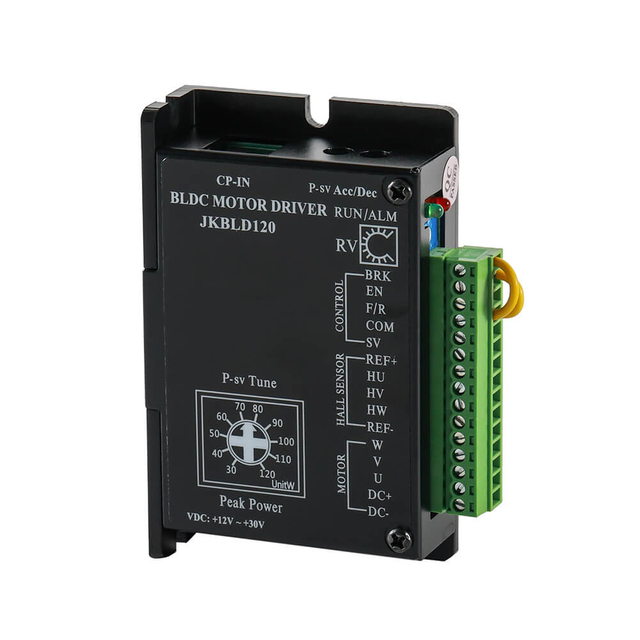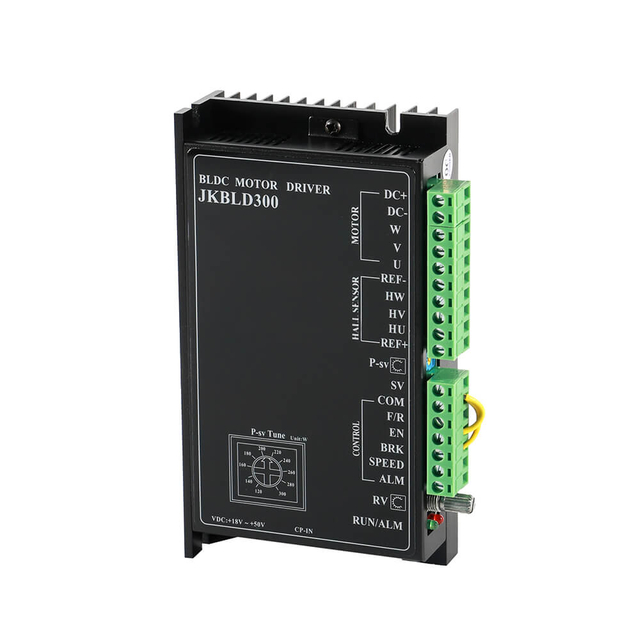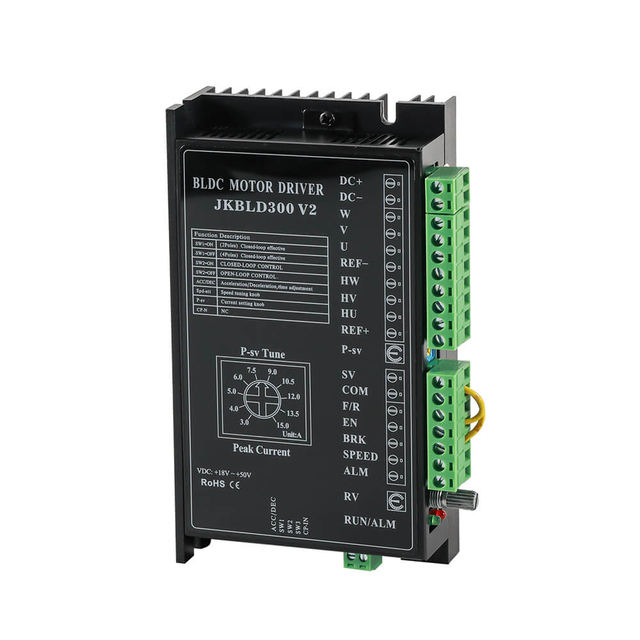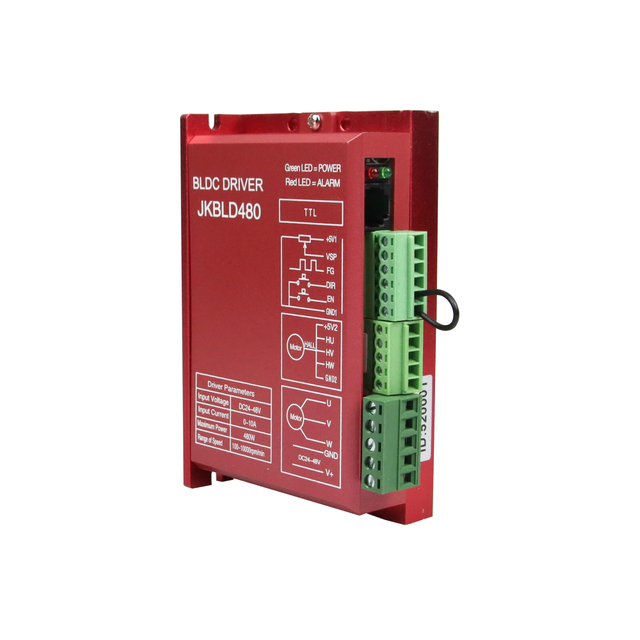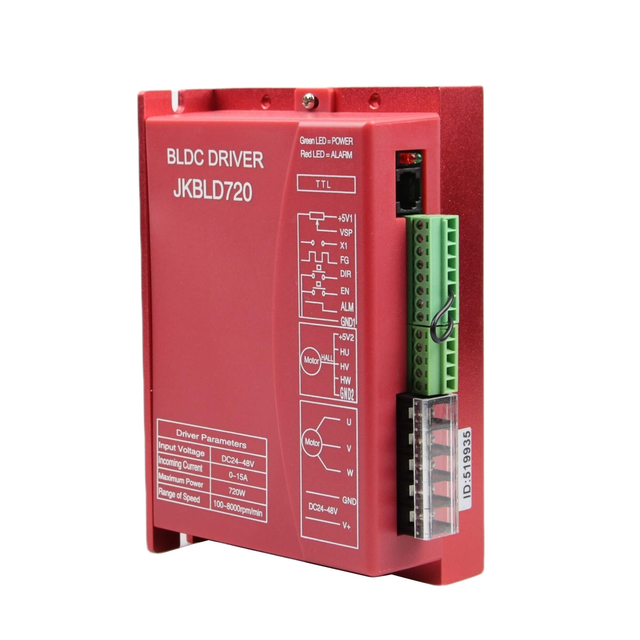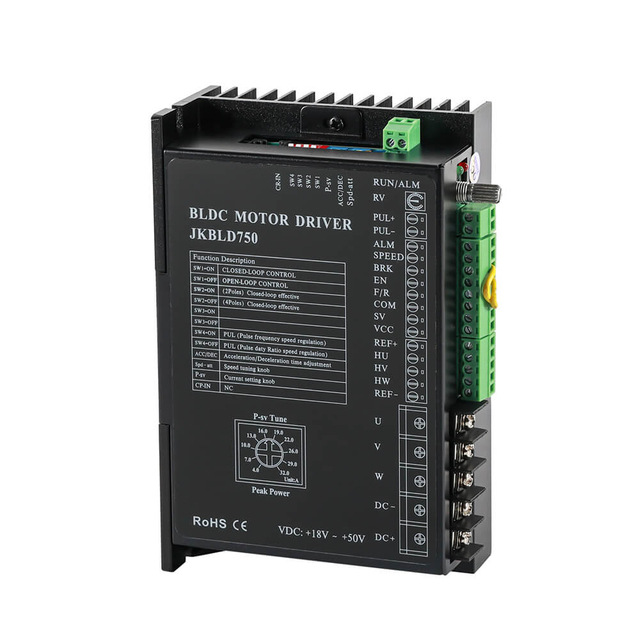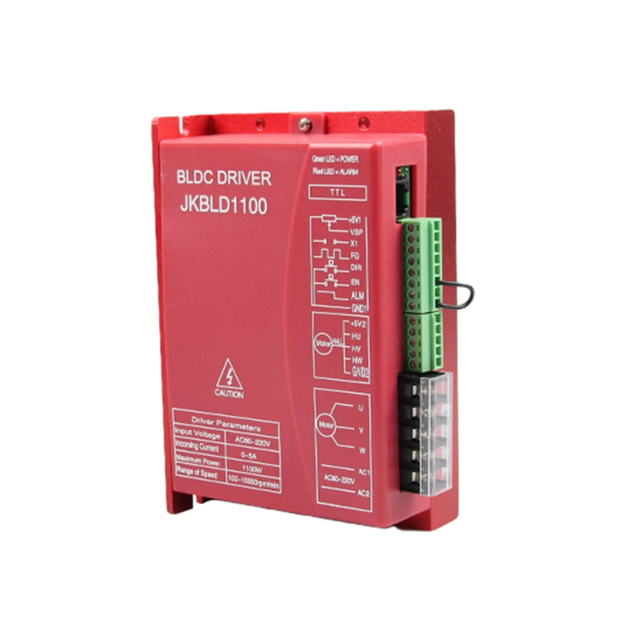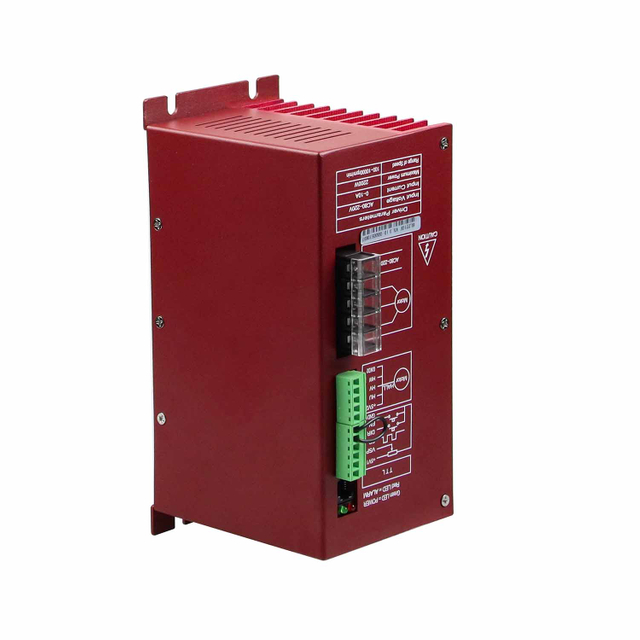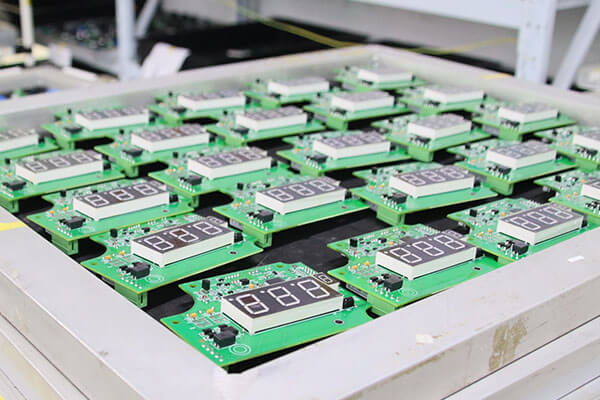
A 48V BLDC motor controller is the core of any high-efficiency electric drive system, powering applications from electric bikes and AGVs to robotics, conveyors, autonomous machines, and industrial automation. As demand for compact, energy-efficient, and intelligent motor control continues to grow, selecting a high-quality controller is essential for achieving unmatched performance, reliability, and operational safety.
In this comprehensive guide, we present an authoritative, in-depth overview of what makes a 48V BLDC motor controller exceptional, how it works, and why advanced controller technology is critical for modern motion systems. Every section is designed to provide rich, actionable, and expert-level insights that outperform generic content.
Understanding the Role of a 48V BLDC Motor Controller
A 48V brushless DC motor controller serves as the electronic brain regulating the motor’s torque, speed, and direction. It converts DC power into a precisely timed three-phase AC waveform using switching components such as MOSFETs or IGBTs. Through sophisticated algorithms, it enables smooth rotation, reduced noise, high efficiency, and precise motion control.
A robust controller ensures:
For industrial systems operating at 48V, choosing the right controller impacts both productivity and equipment lifespan.
1. Advanced Control Algorithms for Maximum Performance
High-end controllers use optimized control methods including:
FOC (Field-Oriented Control)
Trapezoidal control
Sinusoidal wave commutation
Sensorless back-EMF control
Field-oriented control (FOC) delivers exceptional precision, enabling smoother transitions, higher start torque, and quieter operation. This makes it ideal for robotics, mobility devices, AGVs, and energy-sensitive automation.
2. High-Efficiency Power Stage Using MOSFET or IGBT Technology
A reliable 48V BLDC controller incorporates low-loss MOSFETs with:
High current-carrying capability
Fast switching characteristics
Excellent thermal behavior
Low Rds(on) values
These attributes help achieve superior efficiency, reduced heat generation, and longer operating cycles.
3. Intelligent Protection and Safety Mechanisms
A robust controller integrates multi-level protection, including:
These built-in safeguards ensure reliable operation even in demanding industrial environments.
4. Sensor and Sensorless Operation Support
An advanced 48V BLDC controller supports:
This versatility allows precise control across a wide range of applications—from low-speed, high-accuracy movements to high-speed rotation without sensors.
5. Flexible Communication Interfaces
Many industrial systems require digital communication for monitoring and control. High-quality controllers include:
CAN bus
UART/RS485
Modbus
PWM
0–5V analog inputs
These interfaces allow seamless integration with PLCs, microcontrollers, AGVs, and IoT platforms.
6. Compact, Ruggedized, and Heat-Efficient Design
A premium controller uses:
High-density PCB layouts
Optimized heat sinks or thermal interface materials
Conformal coating for dust, moisture, and vibration protection
Such designs deliver reliable performance in harsh industrial, outdoor, or mobile applications.
A 48V BLDC motor controller manages the full operation of a brushless DC motor by converting electrical power into precise, synchronized motion. Its functionality relies on advanced electronics and real-time processing that ensure smooth rotation, stable torque, and efficient energy use. Here is a detailed breakdown of how a 48V controller performs its core tasks:
1. Power Conversion and Three-Phase Output
The controller begins by taking a 48V DC input from a battery or power supply and converting it into three-phase AC power required by the motor. This is achieved through a power stage consisting of MOSFETs or IGBTs arranged in a three-phase bridge.
Using high-frequency PWM (Pulse Width Modulation), the controller modulates the voltage supplied to each phase, allowing fine control of speed, torque, and smoothness.
This conversion is essential because BLDC motors depend on timed electromagnetic pulses rather than constant DC current.
2. Rotor Position Detection
To keep the rotor spinning efficiently, the controller must know its exact position at every moment. It uses one of the following methods:
Hall Sensors
Many BLDC motors contain three Hall sensors that provide digital signals indicating rotor position. These sensors allow precise commutation, especially at low speed.
Sensorless Back-EMF Detection
In sensorless designs, the controller measures the motor’s back electromotive force to infer rotor position. This reduces wiring and cost but requires sophisticated algorithms and works best at medium to high speeds.
Encoders (Optional for High Precision)
In robotics and automation, encoders provide high-resolution feedback for extremely accurate motion control.
3. Electronic Commutation
Once the controller identifies rotor position, it switches the appropriate MOSFETs to energize the correct stator coils. This process, called electronic commutation, ensures that the magnetic fields remain perfectly aligned to pull the rotor forward.
The controller may use different commutation strategies:
Trapezoidal control (simple and efficient)
Sinusoidal control (for low-noise, smooth rotation)
FOC – Field-Oriented Control (for maximum performance and precision)
Each method influences smoothness, torque ripple, noise level, and efficiency.
4. Speed and Torque Regulation
The controller continuously adjusts PWM signals to regulate:
These adjustments respond instantly to load changes, ensuring consistent performance even in demanding applications like electric vehicles and industrial machinery.
5. Protection and Real-Time Monitoring
A 48V BLDC motor controller constantly monitors the system to prevent failures. Key protections include:
Real-time diagnostics help maintain safe operation, extend service life, and prevent damage in harsh conditions.
6. Communication and Control Interface
Modern controllers integrate communication protocols such as:
CAN bus
UART/RS485
Modbus
Analog throttle inputs
PWM control signals
These interfaces allow seamless integration with microcontrollers, PLCs, AGVs, robotics platforms, and intelligent power systems.
7. Thermal Management
Because power electronics generate heat, the controller includes:
These features keep the device within safe operating limits and maintain long-term reliability.
In Summary
A 48V BLDC motor controller transforms DC power into precisely timed three-phase electrical signals, monitors rotor position, regulates speed and torque, and ensures safe operation through continuous protection and communication. This intelligent control system is what enables the modern brushless motor to deliver high efficiency, quiet operation, and superior performance in demanding applications.
A 48V system hits the sweet spot between safety, power capability, and efficiency, making it suitable for various industries.
1. Electric Vehicles & Mobility Devices
Including:
48V controllers deliver the required torque and efficiency for long travel ranges.
2. Industrial Automation
Used in:
Their high reliability suits 24/7 operation.
3. Robotics & Mechatronics
Perfect for:
Joint actuators
Robotic arms
Autonomous machinery
Collaborative robots
FOC control is particularly beneficial here.
4. Pumps, Fans, and HVAC Systems
Ensures quieter, smoother, more efficient operation for:
Cooling systems
Industrial fans
Smart pumps
5. Marine, Aerospace, and Defense Applications
48V systems comply with safety standards and deliver high power density.
1. Match Voltage and Current Ratings
Ensure continuous and peak current ratings align with your motor’s specifications.
2. Evaluate Control Mode Requirements
Choose between:
FOC
Sinusoidal
Trapezoidal
Sensorless control
depending on your performance needs.
3. Check for Advanced Communication Support
For industrial or robotic systems, prioritize controllers with CAN bus or Modbus.
4. Assess Thermal Management
Look for features such as:
5. Verify Environmental Durability
For outdoor or rugged applications, look for:
6. Confirm Software and Tuning Tools
User-friendly tuning interfaces provide:
This greatly improves system optimization and maintenance.
A 48V BLDC motor controller offers significant performance, efficiency, and reliability benefits that make it ideal for modern electric drive systems across industries. From electric vehicles and industrial automation to robotics and high-precision machinery, these controllers provide numerous advantages that enhance both operational quality and lifecycle value. Below are the key benefits in detail:
1. Higher Energy Efficiency
One of the greatest advantages of a 48V BLDC motor controller is its exceptional energy efficiency. By delivering optimized three-phase commutation, the controller reduces electrical losses, lowers heat generation, and maximizes power utilization. Higher efficiency translates into:
This makes 48V systems particularly valuable for battery-powered applications like e-mobility and autonomous robots.
2. Superior Torque Performance and Smooth Operation
A well-designed controller provides stable and precise torque delivery through advanced algorithms such as:
This ensures:
Such advantages are critical for machinery requiring high precision and consistency.
3. Quiet and Low-Vibration Running
48V BLDC drives are inherently quieter than traditional brushed motors, but the controller enhances this further with refined switching techniques and optimized PWM. Benefits include:
Quiet operation also makes 48V systems attractive in indoor and human-interaction environments.
4. Increased Safety Compared to Higher Voltage Systems
At 48V, the system sits below most regulatory thresholds for hazardous voltage, making it safer to handle and maintain while still delivering high power density. Advantages include:
This is why 48V systems are widely used in modern electric vehicles and industrial automation.
5. Extended Motor and Controller Lifespan
With no brushes to wear and intelligent power management, a BLDC system benefits from:
The controller’s protections—overcurrent, overvoltage, temperature monitoring—ensure long-term reliability and reduce failure rates even under demanding environments.
6. Precise Speed and Position Control
Through a combination of real-time feedback and digital processing, the controller offers exceptional control accuracy, enabling:
Stable speed regulation
Precise positional control with encoders
Highly responsive torque adjustments
Seamless integration into automation and robotics systems
This makes 48V BLDC controllers the preferred choice for AGVs, robotic arms, conveyors, and CNC attachments.
7. Flexible Integration and Programmability
Modern controllers offer multiple control interfaces such as:
CAN bus
UART/RS485
Modbus
Analog throttle inputs
PWM and digital commands
This provides unmatched flexibility for system designers and supports customization for complex motion applications.
8. Enhanced Thermal Management
Advanced 48V controllers include intelligent thermal strategies such as:
These capabilities ensure stable operation even during high output or prolonged duty cycles.
9. Compatibility with a Wide Range of Applications
Due to their voltage level, efficiency, and safety, 48V controllers are widely used in:
Electric vehicles
Industrial automation
Smart farming equipment
Drones and robotics
Pumps, fans, and HVAC systems
Logistics and warehousing systems
One controller platform often adapts across multiple industries, reducing design complexity and development cost.
10. Support for Regenerative Braking (Optional)
In electric mobility and dynamic applications, many 48V controllers support regenerative braking, converting kinetic energy back into electrical energy. Benefits include:
This feature is increasingly valuable for e-bikes, scooters, AGVs, and electric industrial vehicles.
In Summary
A 48V BLDC motor controller delivers unmatched benefits—from energy efficiency and safety to precision control and long-term reliability. These advantages make it a cornerstone technology for the next generation of electric mobility, automation, and high-performance industrial systems.
Maintenance Tips for Long-Term Operation
Proper maintenance of a 48V BLDC motor controller is essential for ensuring reliable performance, preventing unexpected failures, and extending the lifespan of both the controller and the motor it drives. While BLDC systems are known for their durability and low maintenance needs, following a structured care routine significantly enhances long-term stability and operational efficiency. Here are key maintenance guidelines every operator should follow:
1. Keep the Controller Clean and Free of Debris
Accumulated dust, moisture, or contaminants can interfere with heat dissipation and affect the controller’s electronics. Regularly inspect:
Use dry compressed air to gently remove dust and prevent overheating or corrosion.
2. Ensure Proper Cooling and Ventilation
Heat is a major factor affecting the longevity of power electronics. Verify that:
Heat sinks are clean and unobstructed
Cooling fans (if equipped) function properly
Thermal interface materials remain intact
The controller is mounted with adequate airflow clearance
Maintaining proper cooling can dramatically reduce stress on MOSFETs and internal components.
3. Check Electrical Connections Regularly
Loose or corroded connections can cause:
Inspect and tighten:
Phase wires
Battery terminals
Sensor cables
Grounding points
Communication ports
Use quality connectors and avoid unnecessary rewiring to maintain stability.
4. Monitor Operating Temperature
Most controllers include built-in thermal sensors. Periodically verify that operating temperature stays within recommended limits. Signs of overheating include:
If overheating occurs, improve ventilation or reduce load.
5. Avoid Continuous Operation at Maximum Load
Running a BLDC controller at peak current for extended periods accelerates wear on MOSFETs and capacitors. To enhance lifespan:
Operate within 70–80% of rated current when possible
Use a controller with sufficient headroom for demanding applications
Monitor peak vs. continuous power usage
Designing with proper margins increases reliability significantly.
6. Inspect Sensor and Feedback Systems
For controllers using Hall sensors or encoders:
For sensorless systems, ensure the motor and bearings are in good condition to maintain accurate back-EMF readings.
7. Keep Firmware Updated
Many modern BLDC controllers allow firmware updates that improve:
Efficiency
Protection algorithms
Communication protocols
Sensorless performance
Updating firmware ensures the controller benefits from the latest optimizations and bug fixes.
8. Protect Against Moisture and Harsh Environments
If used outdoors or in industrial settings:
Moisture can degrade electronics and cause short circuits or long-term corrosion.
9. Monitor System Logs and Diagnostics
Advanced controllers support real-time monitoring of:
Voltage
Current
Temperature
Fault codes
Speed and position data
Reviewing diagnostics regularly helps identify early warning signs before they escalate into major failures.
10. Schedule Routine Maintenance Checks
Set a periodic maintenance plan based on operating conditions:
Monthly visual inspection
Quarterly connection tightening
Annual system performance evaluation
Consistent maintenance ensures optimal performance and reduces downtime in industrial and mobility systems.
In Summary
Following proper maintenance practices significantly improves the reliability and lifetime of a 48V BLDC motor controller. By keeping the system clean, cool, well-connected, and correctly monitored, operators can ensure stable performance, protect critical components, and maintain peak efficiency across years of operation.
As industries push for higher efficiency, smarter automation, and more compact electric drive systems, the evolution of 48V BLDC motor controllers is accelerating rapidly. Future developments focus on performance, intelligence, integration, and energy sustainability. Below are the most significant trends shaping the next generation of 48V motor control technology.
1. Adoption of GaN and SiC Power Semiconductors
One of the most transformative trends is the shift from traditional silicon MOSFETs to Gallium Nitride (GaN) and Silicon Carbide (SiC) devices. These advanced materials offer:
GaN- and SiC-based controllers will allow smaller, lighter designs with superior thermal performance—making them ideal for electric vehicles, drones, robotics, and high-speed automation.
2. Expansion of Smart, AI-Enhanced Control Algorithms
The future of BLDC motor control lies in intelligent software. AI and machine-learning-based algorithms will enable:
Adaptive tuning in real time
Automatic torque optimization
Predictive response to load changes
Better efficiency under variable conditions
Self-learning control profiles for specific applications
Smart controllers will minimize energy waste, improve responsiveness, and reduce the need for manual parameter adjustments.
3. Integrated IoT Connectivity and Cloud Diagnostics
As Industry 4.0 expands, connectivity becomes a core feature. Upcoming 48V BLDC controllers will include:
Wi-Fi, Bluetooth, or LTE-M modules
Cloud-based data logging
Real-time status dashboards
Predictive maintenance alerts
Over-the-air firmware updates
This level of connectivity turns the controller into a smart node within a larger ecosystem, improving uptime and operational traceability.
4. More Compact Integrated Motor + Controller Units
To reduce wiring complexity and improve efficiency, manufacturers are moving toward fully integrated drive systems, where the controller is built into the motor housing. Benefits include:
Minimal installation time
Lower electromagnetic interference
Better heat management
Reduced weight and footprint
Improved reliability
Integrated 48V drives are especially advantageous in AGVs, AMRs, compact robots, drones, and space-limited machinery.
5. Advanced Sensorless Control Techniques
Future controllers will use more sophisticated sensorless algorithms, making rotor-position detection more accurate at:
Enhanced sensorless FOC will make motors quieter, more efficient, and cheaper to manufacture by eliminating Hall sensors in many applications.
6. Improved Regenerative Braking for Energy Recovery
As energy efficiency becomes essential, more 48V controllers will incorporate smart regenerative braking systems, providing:
Higher recovery efficiency
Controlled deceleration
Battery health optimization
Integration with power management modules
This trend is especially important for e-bikes, electric scooters, AGVs, warehouse robots, and compact electric vehicles.
7. Safety-Centric Design for Regulatory Compliance
Growing global safety standards are pushing manufacturers to develop controllers with:
Enhanced thermal and electrical protections
Safe torque off (STO) functions
Redundant monitoring circuits
Improved isolation techniques
Smart shutdown and restart logic
This ensures compliance with industrial, automotive, and mobility safety requirements.
8. Higher Power Density and Thermal Optimization
Next-generation controllers will focus on:
More efficient PCB layouts
Digital thermal management systems
Heat-spreading materials
Liquid or vapor-chamber cooling for high-demand applications
As power demands increase, effective heat management becomes essential for longevity and reliability.
9. Modular, Programmable, and Application-Specific Designs
Manufacturers are moving toward modularity, offering controller platforms that can be customized for:
Robotics
Medical devices
Industrial automation
EV drivetrains
Agriculture machinery
Aerospace systems
Users will be able to tune, reprogram, and expand functionality through software updates rather than hardware changes.
10. Growing Use of 48V Across Multiple Industries
The global shift toward 48V electrical architectures—particularly in automotive mild-hybrid systems, robotics, and industrial machines—is driving controller innovation. The 48V standard is becoming the preferred balance of:
This ensures a long-term future for 48V BLDC controllers as a mainstream solution.
In Summary
The future of 48V BLDC motor controllers is defined by intelligent algorithms, advanced power semiconductors, IoT connectivity, compact integrated designs, and enhanced energy recovery. These developments will enable smaller, smarter, more efficient electric drive systems capable of meeting the growing demands of modern mobility, automation, and industrial technology.