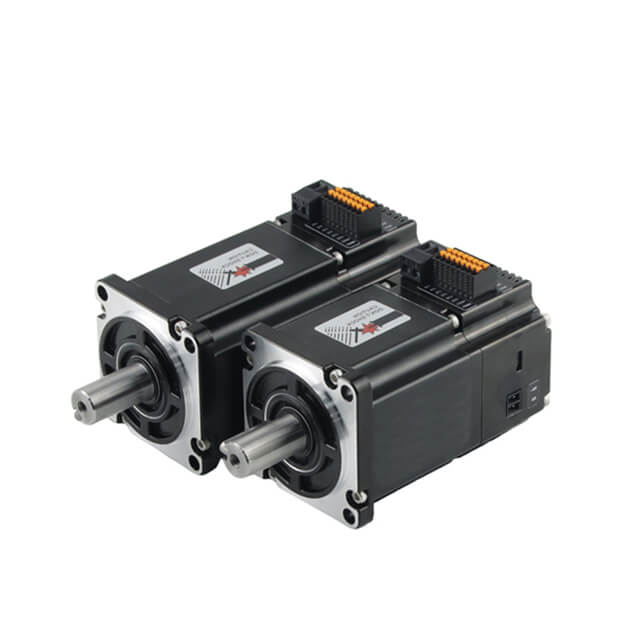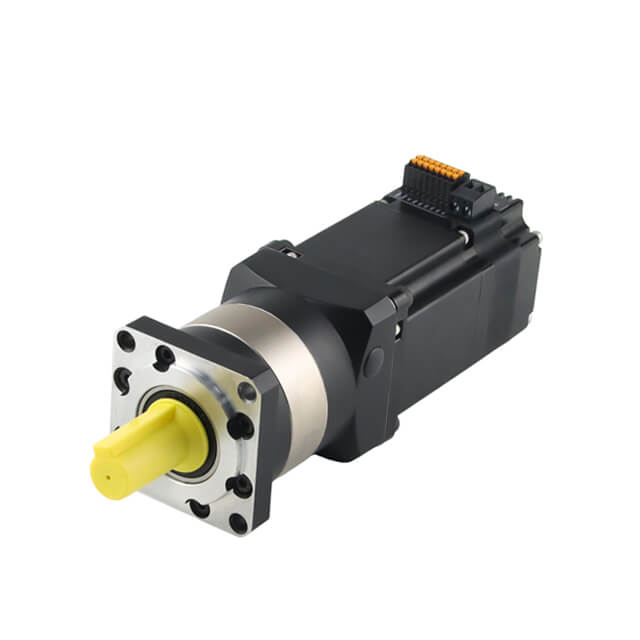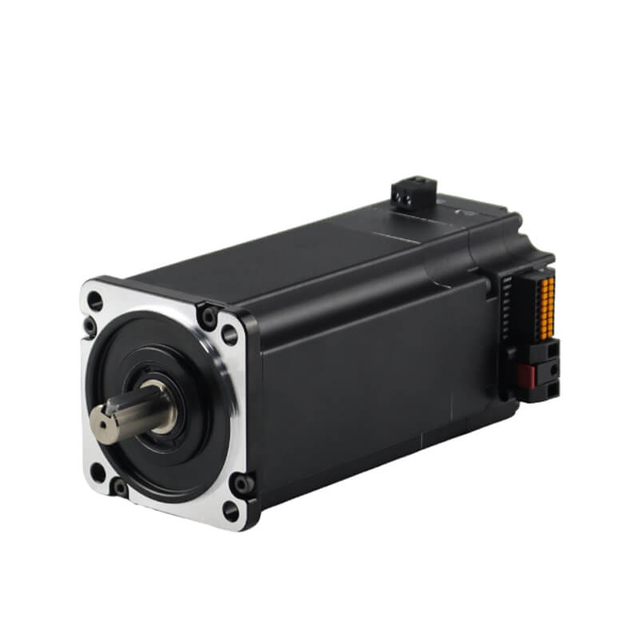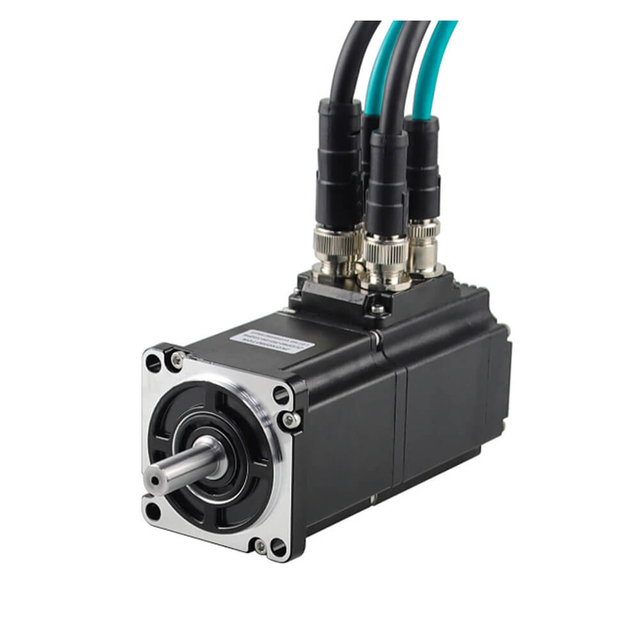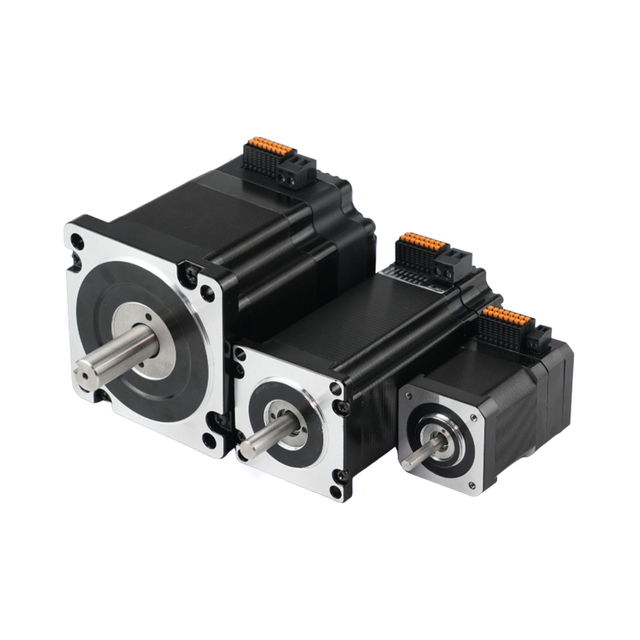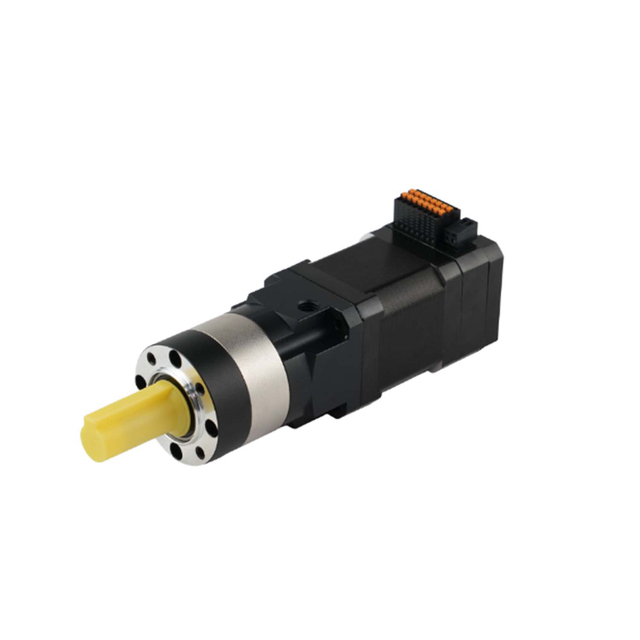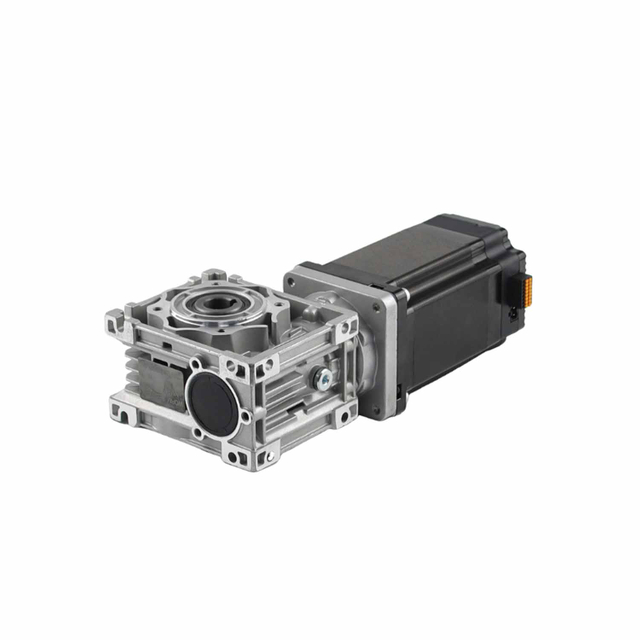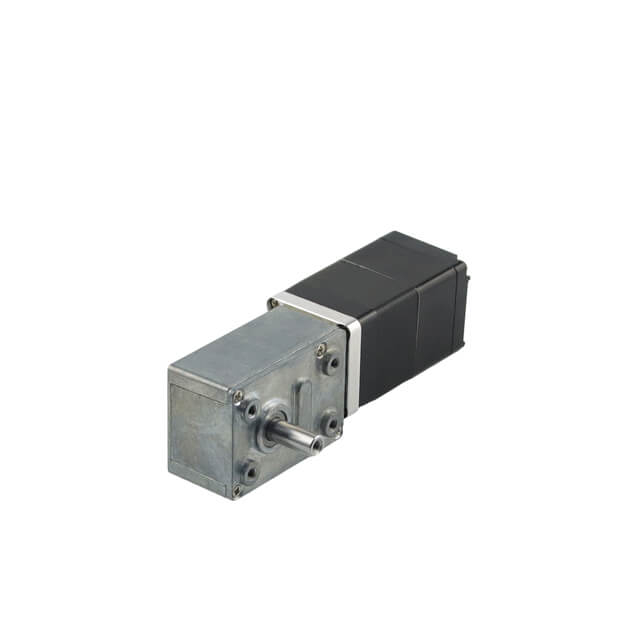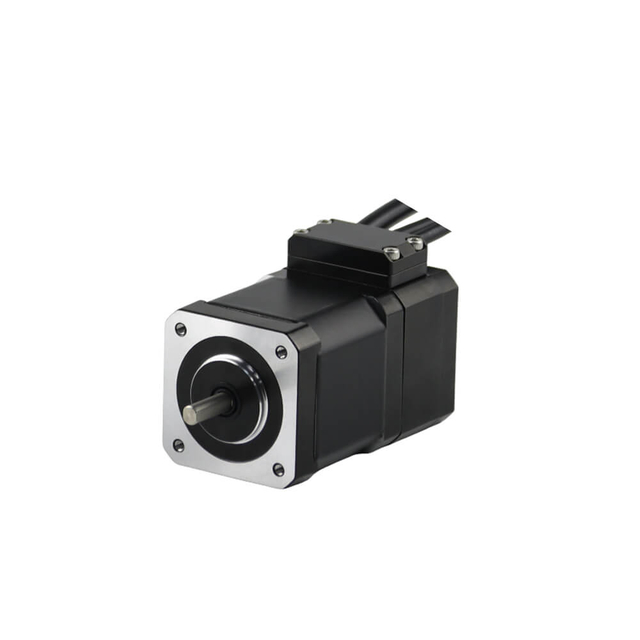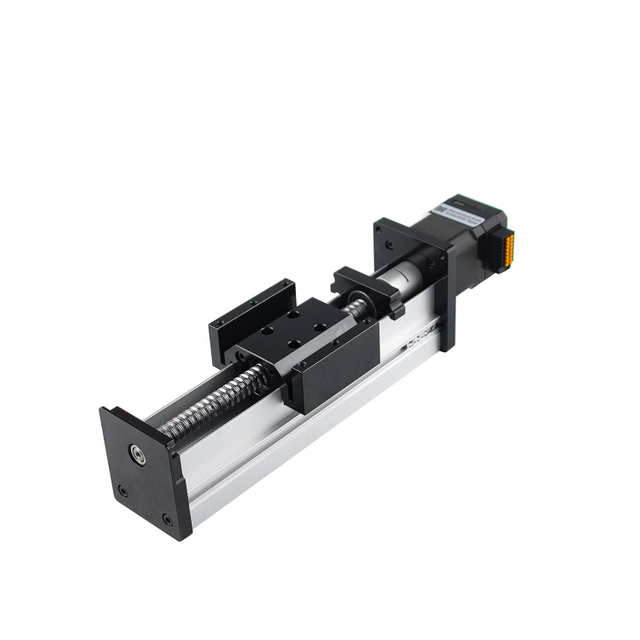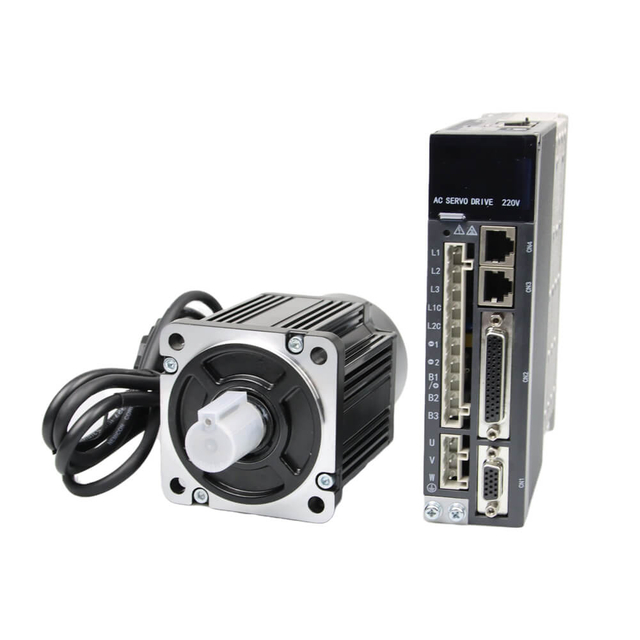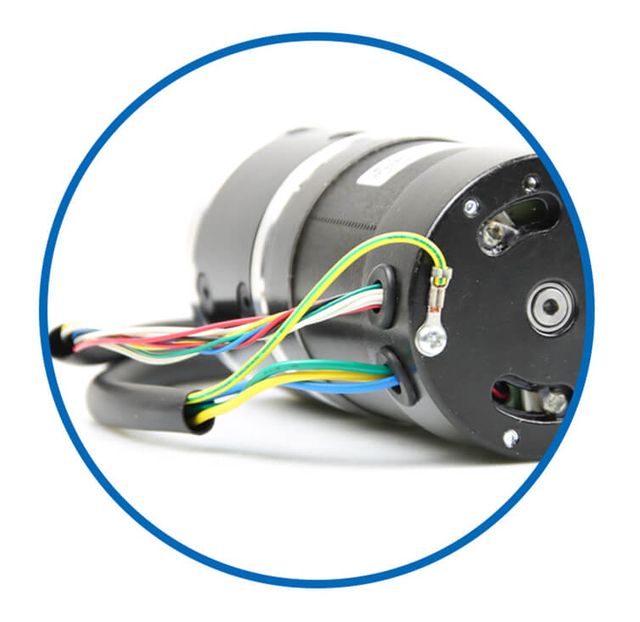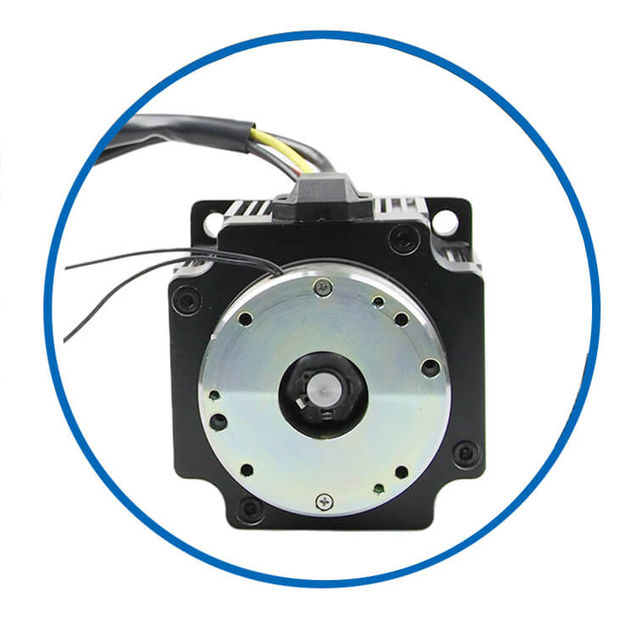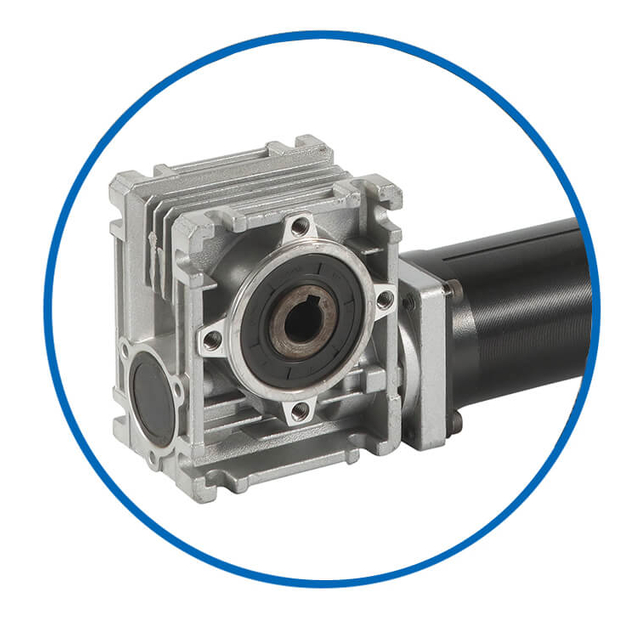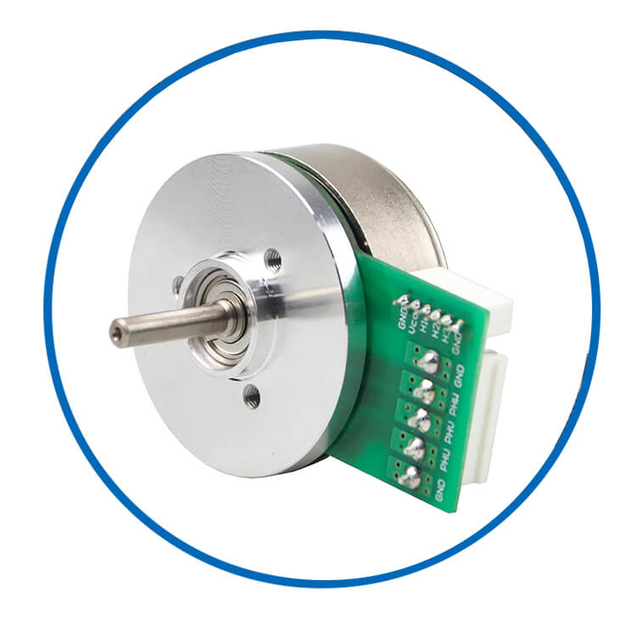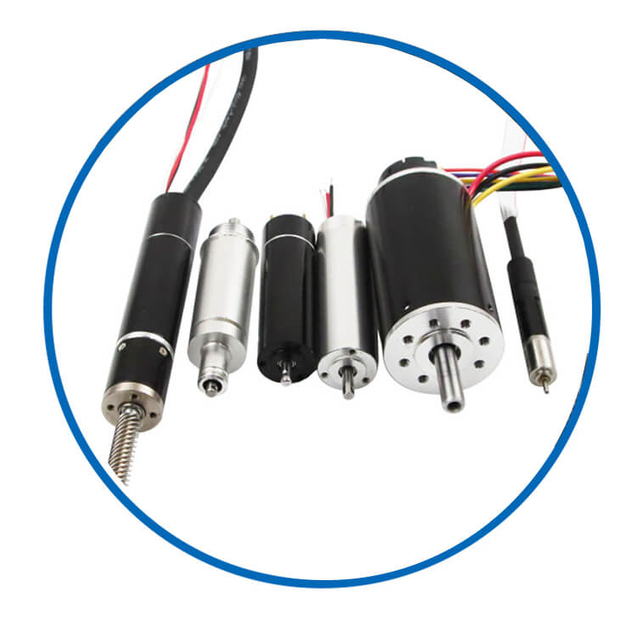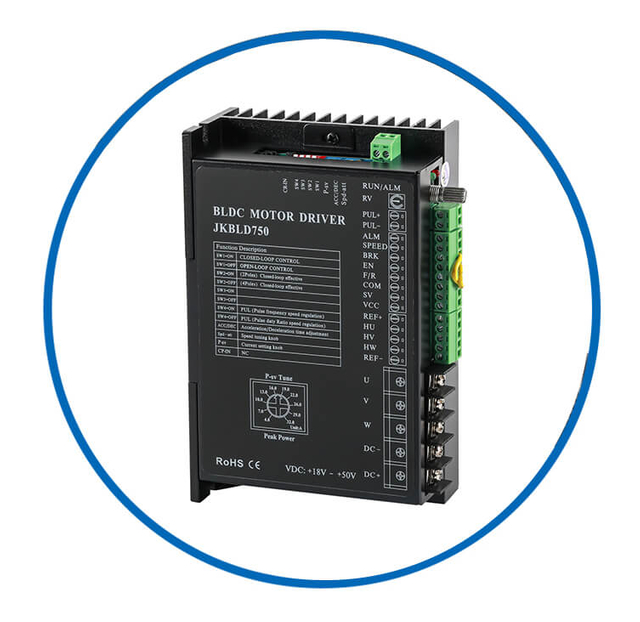
Servo motors can be either AC or DC in design, and brushless BLDC motors can be configured as high-performance servo systems. JKongmotor offers OEM ODM customized solutions—including motor windings, feedback, drives, and interfaces—tailored for precision motion control in robotics, automation, and industrial applications.
Introduction to Servo Motors and Their Power Types
Servo motors are precision-controlled rotary or linear actuators designed to deliver high accuracy, fast response, and consistent torque across a wide range of industrial and commercial applications. They are fundamental components in robotics, CNC machinery, semiconductor equipment, packaging systems, medical devices, and automation platforms.
A recurring technical and commercial question is: Is a servo motor AC or DC?
The accurate answer is: servo motors can be either AC or DC, depending on their design, power supply, and control method. Both types are widely used, each engineered for specific performance requirements, environments, and system architectures.
In this guide, we present a deep technical breakdown of AC servo motors and DC servo motors, how they work, how they differ, where each excels, and how to select the correct type for modern motion control systems.
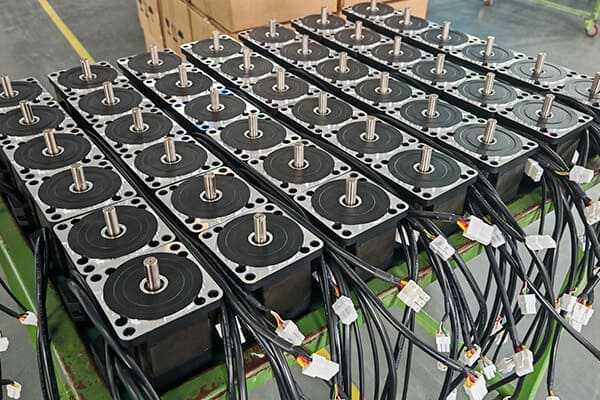
Jkongmotor Servo Motor Types
Motor Customized Service
As a professional brushless dc motor manufacturer with 13 years in china, Jkongmotor offer various bldc motors with customized requirements, including 33 42 57 60 80 86 110 130mm, additionally, gearboxes, brakes, encoders, brushless motor drivers and integrated drivers are optional.
![bldc motor supplier]() | ![bldc motor supplier]() | ![bldc motor supplier]() | ![bldc motor supplier]() | ![bldc motor supplier]() | Professional custom brushless motor services safeguard your projects or equipment. No Brushes – Reduced Maintenance and Increased Lifespan High Efficiency and Low Power Loss High Torque-to-Weight Ratio Precise Speed and Position Control Quiet and Smooth Operation Wide Speed Range and Dynamic Performance Excellent Thermal Management Customizable Designs and Modular Configurations Multiple Control Methods Integration with Digital Interfaces and Sensors |
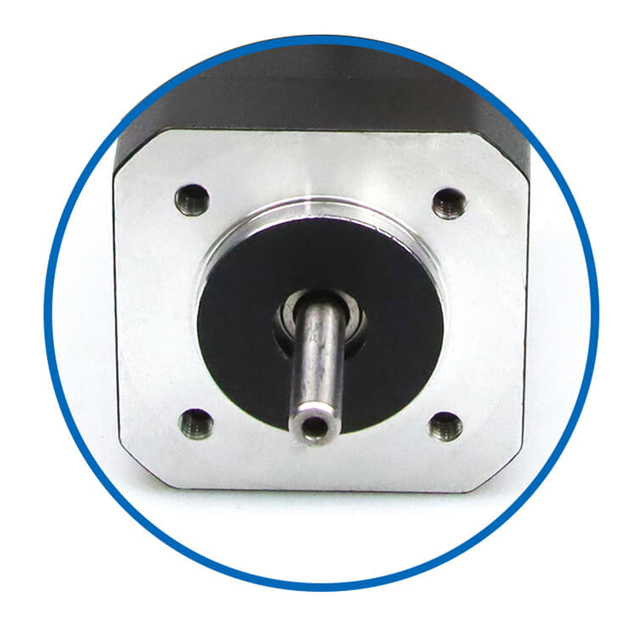
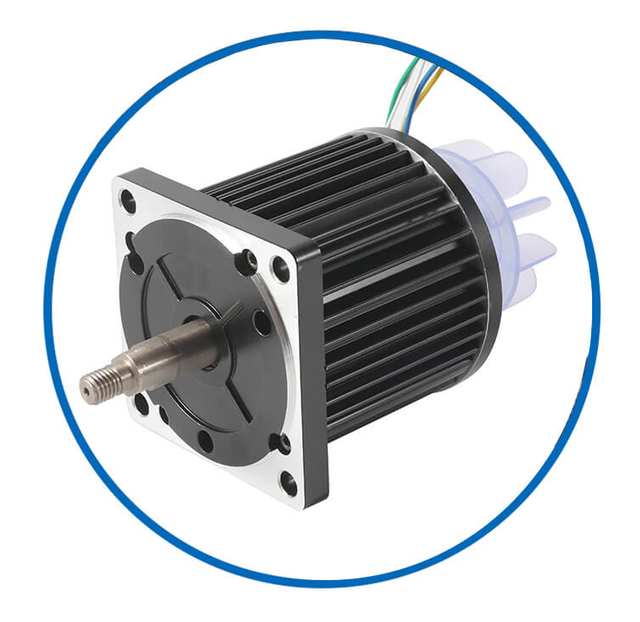
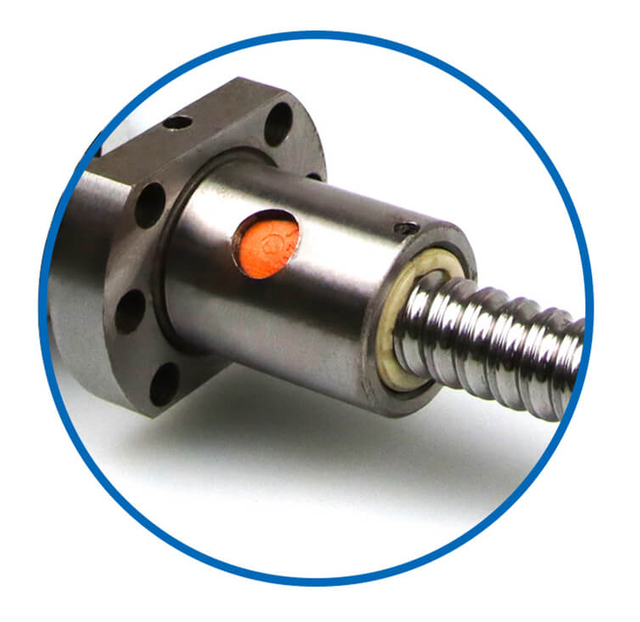
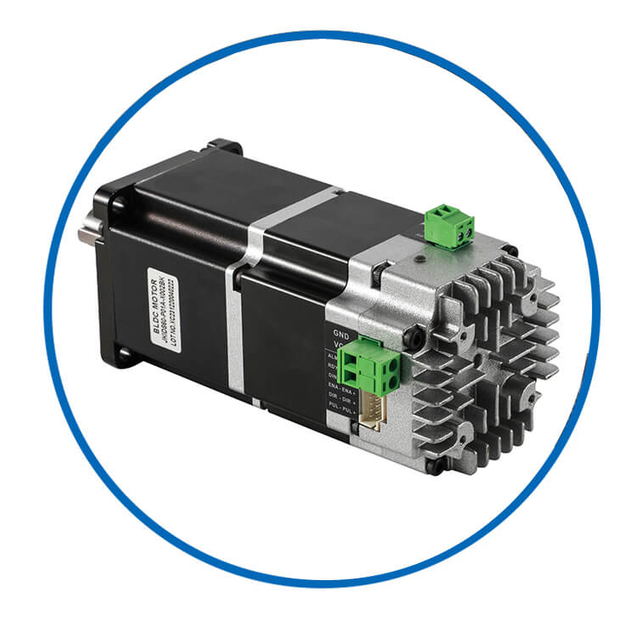
| Wires | Covers | Fans | Shafts | Integrated Drivers |
![bldc motor supplier]() | ![bldc motor supplier]() | ![bldc motor supplier]() | ![bldc motor supplier]() | ![bldc motor supplier]() |
| Brakes | Gearboxes | Out Rotors | Coreless Dc | Drivers |
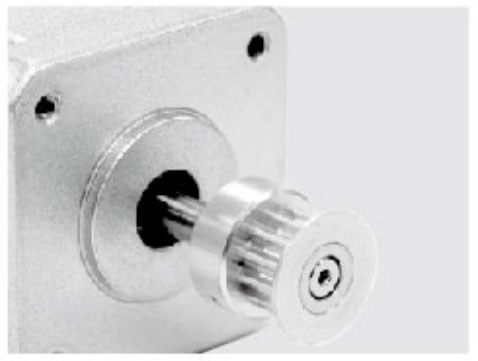
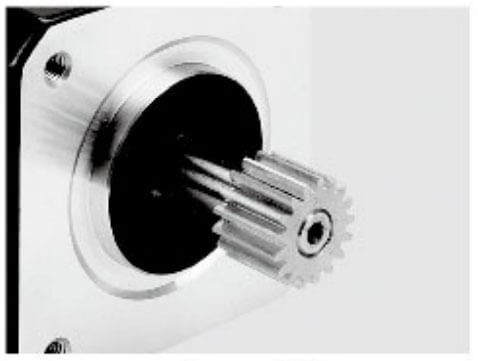
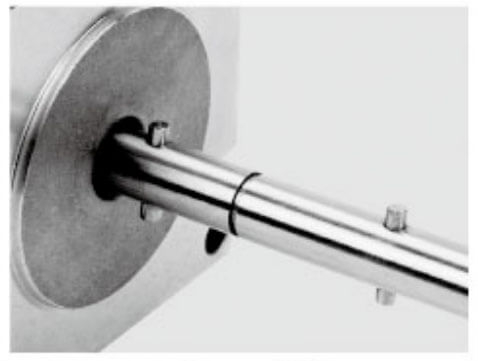
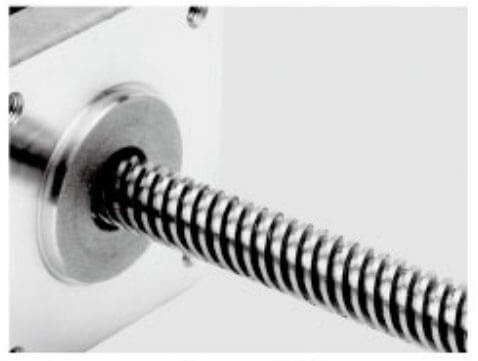
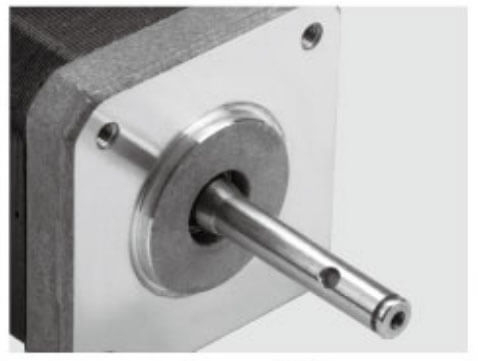
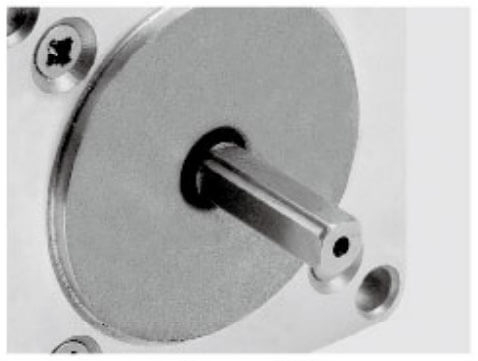
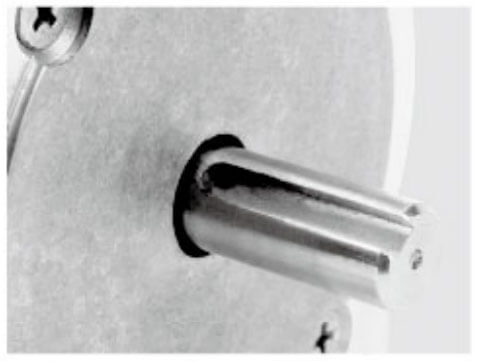
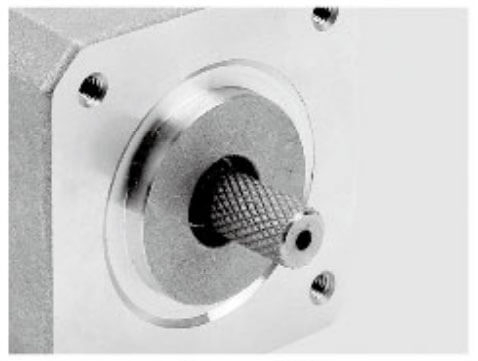
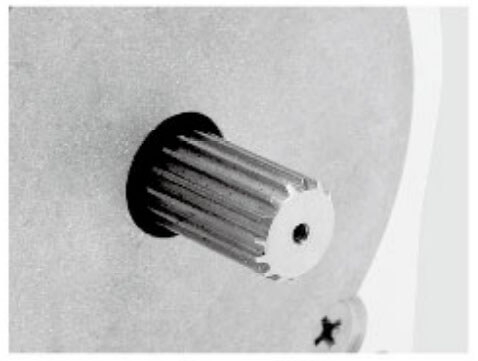
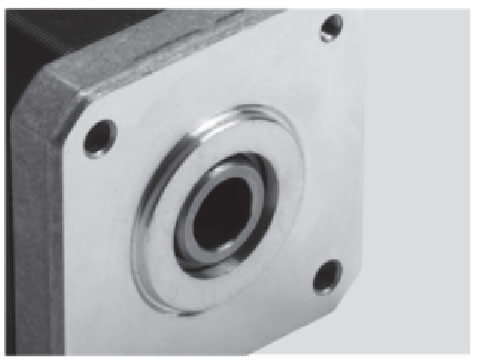
Motor Shaft Customized Service
Jkongmotor offer many different shaft options for your motor as well as customizable shaft lengths to make the motor fit your application seamlessly.
What Defines a Servo Motor?
A servo motor is not defined solely by whether it is AC or DC. It is defined by its closed-loop control structure. Every true servo system consists of:
Motor (AC or DC)
Servo drive (amplifier/controller)
Feedback device (encoder, resolver, or Hall sensor)
Control algorithm (position, speed, and torque loops)
This architecture allows a servo motor to continuously correct its motion in real time, achieving exceptional positioning accuracy, torque stability, and dynamic response.
The power source—AC or DC—determines the internal electromagnetic structure, commutation method, efficiency, and scalability.
What Is a DC Servo Motor?
A DC servo motor operates from a direct current power supply. It can be either brushed or brushless, though modern systems overwhelmingly use brushless DC (BLDC) servo motors due to their superior lifespan and efficiency.
DC servo motors generate torque through the interaction between the stator magnetic field and rotor windings. Electronic commutation in brushless designs replaces mechanical brushes, resulting in higher reliability and lower electrical noise.
Key Characteristics of DC Servo Motors
DC servo motors are known for their smooth speed regulation, especially in applications requiring fine micro-movements or low inertia loads.
Advantages of DC Servo Motors
Superior torque control at low speeds
High responsiveness
Minimal startup inertia
Simplified electronic design
Ideal for battery-powered systems
Excellent choice for compact machines
Limitations of DC Servo Motors
Lower power ceiling compared to AC systems
Reduced efficiency in high-power industrial settings
Higher thermal load at elevated torque
Less suitable for harsh factory environments
DC servo motors are widely applied in medical equipment, laboratory automation, AGVs, optical instruments, camera gimbals, and small robotic joints.
What Is an AC Servo Motor?
An AC servo motor is powered by alternating current, typically supplied through a servo drive that converts AC line power into precisely controlled three-phase output signals. These motors are almost always brushless synchronous motors.
They generate torque through a rotating magnetic field created by the stator windings interacting with permanent magnets or induced rotor fields.
AC servo motors dominate modern industrial automation due to their scalability, durability, and power density.
Key Characteristics of AC Servo Motors
Operates from AC mains supply
Three-phase electronic commutation
High-speed capability
Excellent torque-to-inertia ratio
High continuous-duty reliability
Superior thermal efficiency
AC servo motors are engineered for 24/7 industrial operation, where stability, overload tolerance, and dynamic accuracy are mandatory.
Advantages of AC Servo Motors
Higher torque output
Better high-speed stability
Improved heat dissipation
Minimal maintenance
Longer service life
Exceptional efficiency under heavy loads
Limitations of AC Servo Motors
More complex servo drives
Higher system cost
Greater installation requirements
Overkill for ultra-small mechanisms
AC servo motors are the standard choice in CNC machines, industrial robots, packaging lines, printing presses, injection molding equipment, and automated assembly systems.
Understanding the technical differences between AC and DC servo motors is essential for selecting the optimal motion solution in automation, robotics, CNC machinery, and precision equipment. While both operate within a closed-loop control system and are capable of high-accuracy motion, their electrical structure, performance profile, scalability, and industrial suitability differ significantly.
Below is a comprehensive, engineering-level comparison of AC servo motors and DC servo motors.
1. Power Supply and Electrical Architecture
AC Servo Motors
AC servo motors are powered by alternating current, usually from industrial mains supply. The servo drive converts incoming AC into a controlled DC bus, then electronically generates a three-phase output waveform to drive the motor. This structure enables high-voltage operation, efficient power conversion, and excellent stability at high speeds.
DC Servo Motors
DC servo motors operate from a direct current source, either from batteries or DC power supplies. In brushless DC servo motors, electronic commutation replaces mechanical brushes, providing precise phase switching. These motors typically operate at lower voltages and are optimized for compact systems and fine torque control.
Technical Impact:
AC systems support higher power levels and better thermal management, while DC systems favor simpler power integration and compact electronics.
2. Torque Output and Power Density
AC Servo Motors
AC servo motors deliver higher continuous and peak torque, making them ideal for heavy-load and high-inertia applications. Their stator design and magnetic optimization allow high torque density, meaning more output in smaller frames.
DC Servo Motors
DC servo motors provide excellent torque linearity, especially at low speeds. However, their maximum continuous torque and overall power range are typically lower than AC systems.
Technical Impact:
AC servo motors dominate in industrial automation and CNC machinery, while DC servo motors excel in light-duty precision mechanisms.
3. Speed Range and Dynamic Performance
AC Servo Motors
AC servo motors are capable of very high rotational speeds (often 3,000–10,000 RPM and beyond) while maintaining stable torque output and low vibration. They handle rapid acceleration and deceleration with minimal thermal stress.
DC Servo Motors
DC servo motors provide exceptional low-speed smoothness and micro-motion control, but their high-speed efficiency and continuous-duty performance are generally lower than AC counterparts.
Technical Impact:
AC servo motors are better for fast automation lines and spindles, while DC servo motors are preferred for slow, ultra-precise motion platforms.
4. Efficiency and Thermal Management
AC Servo Motors
AC servo motors feature superior thermal efficiency due to optimized lamination design, better airflow structures, and higher-grade insulation. They can operate continuously at high loads with lower temperature rise.
DC Servo Motors
DC servo motors are efficient at lower power levels, but as torque and speed increase, thermal buildup becomes a limiting factor, especially in compact housings.
Technical Impact:
AC servo motors are ideal for 24/7 industrial duty cycles, while DC servo motors are better suited to intermittent or moderate-load systems.
5. Maintenance and Operational Life
AC Servo Motors
AC servo motors are almost universally brushless, eliminating mechanical wear points. This results in long service life, minimal maintenance, and stable performance over millions of operating cycles.
DC Servo Motors
Modern DC servo motors are also typically brushless, offering long operational life. However, low-voltage connectors, compact bearings, and thermal constraints can reduce durability in harsh environments.
Technical Impact:
AC servo motors outperform in dusty, high-temperature, and high-vibration industrial settings.
6. Control Precision and Feedback Compatibility
AC Servo Motors
AC servo motors integrate seamlessly with high-resolution encoders, resolvers, and, and multi-axis synchronized controllers. They support advanced vector control, field-oriented control, and real-time torque loops.
DC Servo Motors
DC servo motors provide excellent torque sensitivity and ultra-fine speed control, making them highly effective in micro-positioning systems and sensitive instruments.
Technical Impact:
Both offer precision, but DC servo motors are often chosen for sub-micron motion, while AC servo motors dominate in multi-axis industrial control systems.
7. System Cost and Scalability
AC Servo Motors
AC servo systems typically involve higher upfront cost due to complex drives, higher insulation requirements, and industrial-grade construction. However, they deliver lower lifetime cost per kilowatt and better scalability.
DC Servo Motors
DC servo systems usually have lower initial cost and simpler power infrastructure, making them cost-effective for compact equipment and OEM designs.
Technical Impact:
AC servo motors are better for scalable production lines, DC servo motors are better for integrated devices and portable platforms.
8. Environmental and Application Suitability
AC Servo Motors are best suited for:
CNC machines
Industrial robots
Packaging and bottling lines
Semiconductor manufacturing
Injection molding equipment
Automated warehouses
DC Servo Motors are best suited for:
9. Summary Table: AC vs DC Servo Motors
| Parameter | AC Servo Motor | DC Servo Motor |
| Power supply | Alternating current | Direct current |
| Torque capability | High to very high | Low to medium |
| Speed range | Very wide, high-speed capable | Optimized for low to mid speeds |
| Thermal efficiency | Excellent | Moderate |
| System complexity | Higher | Lower |
| Maintenance | Very low | Very low (brushless) |
| Scalability | Excellent | Limited |
| Industrial suitability | Heavy-duty, continuous | Precision, compact, mobile |
Technical Conclusion
AC servo motors lead in power, speed stability, thermal efficiency, and industrial scalability. DC servo motors excel in low-voltage operation, ultra-precise low-speed control, and compact system integration. Both are true servo motors; the optimal choice depends on load characteristics, duty cycle, environment, and control resolution requirements.
In contemporary automation, AC servo motors dominate because they deliver:
Consistent torque at high RPM
Excellent overload capacity
Better electromagnetic efficiency
Higher protection ratings
Scalable voltage and power designs
Lower long-term operating costs
They integrate seamlessly with PLC-based automation platforms, industrial Ethernet protocols, and multi-axis synchronized systems.
Where DC Servo Motors Still Excel
Despite the dominance of AC servo motors, DC servo motors remain critical in applications that demand:
Ultra-precise micro-positioning
Portable or battery-based power
Compact mechanical integration
Minimal electrical infrastructure
Low acoustic noise
Rapid directional reversals
This makes them ideal for surgical robots, UAV payload systems, inspection cameras, prosthetics, and scientific instruments.
Is a Servo Motor AC or DC? The Correct Technical Answer
A servo motor is not defined by AC or DC. A servo motor is defined by how it is controlled.
A motor becomes a servo motor when it operates within a closed-loop feedback system capable of regulating position, speed, and torque with high precision.
Therefore:
Both are true servo motors.
How Servo Drives Determine AC or DC Operation
The servo drive is the brain of the servo system. It:
Converts power input (AC or DC)
Generates three-phase output signals
Regulates voltage, frequency, and current
Interprets encoder or resolver feedback
Executes control algorithms
Many modern servo drives accept AC mains input and internally create DC bus voltage, which is then electronically commutated into three-phase current. This is why even AC servo systems often involve internal DC stages.
Performance Differences in Real Applications
While AC and DC servo motors may appear similar in specification sheets, their real-world performance diverges significantly once deployed in actual machines. Differences in power handling, thermal behavior, dynamic response, precision, and environmental tolerance become clearly visible when servo systems are subjected to industrial loads, continuous operation, and complex motion profiles.
Below is a practical, application-focused analysis of how AC and DC servo motors perform differently in real operating environments.
1. High-Speed Manufacturing and Packaging Lines
In packaging, labeling, and bottling systems, servo motors are exposed to continuous motion, rapid indexing, and frequent acceleration/deceleration cycles.
AC servo motors in real applications:
Maintain stable torque output at high RPM
Handle repetitive start-stop cycles with minimal thermal rise
Support multi-axis synchronization across conveyors, feeders, and pick-and-place units
Deliver consistent positioning accuracy even during 24/7 operation
DC servo motors in real applications:
Provide smooth operation at moderate speeds
Reach thermal limits faster under continuous high-cycle loads
Are better suited for secondary mechanisms rather than main drive axes
Performance reality:
AC servo motors dominate high-throughput manufacturing because they combine speed stability, thermal resilience, and long-term reliability.
2. CNC Machines and Precision Machining
CNC equipment requires high torque at low speed, rapid traversing, rigid tapping, and micron-level accuracy.
AC servo motors in real applications:
Deliver high continuous torque for cutting operations
Maintain excellent stiffness during load fluctuations
Enable high-speed spindle positioning
Support advanced contouring algorithms
DC servo motors in real applications:
Offer good low-speed smoothness
Are limited in sustained high-load machining
Are more often found in auxiliary positioning systems
Performance reality:
AC servo motors are the industry standard in CNC because they provide load stability, torque reserves, and thermal efficiency necessary for machining accuracy.
3. Industrial Robotics and Multi-Axis Systems
Robotic arms require fast response, high torque density, compact size, and coordinated multi-axis control.
AC servo motors in real applications:
Power major joints such as shoulders, elbows, and bases
Support rapid acceleration with high payloads
Maintain consistent dynamic accuracy
Operate reliably in factory environments
DC servo motors in real applications:
Are frequently used in end-effectors, grippers, and micro-actuators
Offer fine force control for delicate manipulation
Fit well into lightweight subassemblies
Performance reality:
AC servo motors provide structural strength and speed, while DC servo motors deliver refined precision in smaller robotic mechanisms.
4. Medical Devices and Laboratory Automation
Medical and laboratory equipment emphasizes ultra-smooth motion, low noise, compact integration, and precise force control.
DC servo motors in real applications:
Deliver exceptional low-speed stability
Enable sub-millimeter positioning
Operate quietly with minimal vibration
Integrate easily into portable or embedded systems
AC servo motors in real applications:
Performance reality:
DC servo motors outperform in compact, noise-sensitive, and ultra-precise environments, while AC servo motors serve large clinical automation systems.
5. Mobile Robots and Autonomous Platforms
AGVs and AMRs operate on battery power, variable loads, and unpredictable duty cycles.
DC servo motors in real applications:
Integrate directly with DC power systems
Offer high efficiency at low voltage
Provide precise traction and steering control
Support lightweight, energy-conscious designs
AC servo motors in real applications:
Performance reality:
DC servo motors are the preferred solution for mobile and autonomous systems due to their energy compatibility and compact efficiency.
6. Semiconductor and Electronics Manufacturing
These industries require nanometer-level motion accuracy, vibration suppression, and clean-room compatibility.
AC servo motors in real applications:
Drive wafer stages, material handlers, and high-speed positioning platforms
Maintain exceptional motion repeatability
Support complex synchronized motion
DC servo motors in real applications:
Control micro-positioning, optical alignment, and probe mechanisms
Deliver ultra-fine force regulation
Performance reality:
AC servo motors provide macro-level motion control, while DC servo motors handle micro-scale precision tasks.
7. Heavy Automation and Material Handling
In gantry systems, automated warehouses, and palletizing equipment, servo motors must withstand high inertia, shock loads, and continuous torque demand.
AC servo motors in real applications:
Drive large axes and lifting systems
Support high peak torque for rapid moves
Tolerate mechanical stress and heat buildup
Deliver long maintenance-free service life
DC servo motors in real applications:
Performance reality:
AC servo motors are essential in heavy-duty automation where power, endurance, and mechanical robustness are non-negotiable.
8. Optical Systems and High-Precision Inspection
Optical platforms require zero-cogging motion, micro-step smoothness, and vibration-free positioning.
DC servo motors in real applications:
Provide exceptional torque linearity
Enable fine scanning motion
Offer superior low-speed stability
AC servo motors in real applications:
Performance reality:
DC servo motors dominate ultra-precision inspection and optical control, while AC servo motors handle coarse and high-speed positioning.
Real-World Performance Summary
AC servo motors demonstrate superior performance in high-speed, high-load, and continuous-duty environments.
DC servo motors excel in compact, battery-powered, low-speed, and ultra-precision applications.
In advanced systems, both are often used together, forming hybrid servo architectures that maximize performance at every motion layer.
Selecting the right servo motor is a critical engineering decision that directly affects machine accuracy, efficiency, reliability, and total system cost. While both AC and DC servo motors deliver precise closed-loop motion control, they are optimized for different power levels, operating environments, and performance goals.
This guide outlines a practical, technical framework for choosing between AC and DC servo motors based on real-world design criteria.
1. Define Your Load and Performance Requirements
The first step is to analyze the mechanical demands of your system.
Key parameters include:
Choose an AC servo motor when:
High continuous torque is required
Rapid acceleration and deceleration are critical
The system operates at high RPM
The load inertia is medium to high
Choose a DC servo motor when:
Loads are light to moderate
Ultra-smooth low-speed motion is essential
Movements involve micro-positioning
The mechanism is compact or low inertia
2. Evaluate Power Availability and Voltage Constraints
Power infrastructure often determines the most practical servo type.
AC servo motors are ideal when industrial AC mains power is available. They support higher voltage levels, enabling lower current draw, reduced conductor size, and improved efficiency.
DC servo motors are preferred when systems operate from:
If your system is mobile, medical, or space-constrained, DC servo motors simplify power management and safety compliance.
3. Consider Duty Cycle and Thermal Performance
Duty cycle defines how hard and how long the motor will work.
AC servo motors are engineered for:
They dissipate heat more effectively and tolerate frequent overloads.
DC servo motors are better suited for:
If thermal buildup is a concern, especially in sealed environments, AC servo motors provide superior thermal resilience.
4. Determine Precision and Control Sensitivity
Both AC and DC servo motors offer high precision, but their strengths differ.
DC servo motors excel at:
Very low-speed stability
Smooth torque linearity
Fine incremental motion
They are often selected for optical systems, surgical equipment, and scientific instruments.
AC servo motors dominate in:
They integrate seamlessly with advanced motion controllers and industrial networks.
5. Analyze Environmental and Mechanical Conditions
Operating environment significantly influences motor selection.
AC servo motors perform better in:
DC servo motors are well suited for:
Mechanical robustness and ingress protection are typically stronger in AC servo platforms.
6. Assess System Size and Integration Needs
Physical constraints often favor one technology over the other.
DC servo motors are commonly chosen for:
AC servo motors are better when:
Standard industrial frames are acceptable
High mechanical rigidity is required
Shaft loading is significant
Gearboxes and brakes are integrated
7. Compare Cost Structure and Lifecycle Value
Initial cost should be evaluated alongside lifetime performance.
DC servo systems usually offer:
AC servo systems deliver:
Higher long-term reliability
Lower maintenance requirements
Better scalability
Lower cost per watt over time
For production machinery, AC servo motors typically provide greater return on investment.
8. Match Motor Type to Typical Applications
AC servo motors are ideal for:
CNC machines
Industrial robots
Packaging and labeling systems
Conveyor automation
Semiconductor manufacturing
Injection molding equipment
DC servo motors are ideal for:
9. Decision Matrix
| Selection Factor | Favor AC Servo Motor | Favor DC Servo Motor |
| Power level | Medium to very high | Low to medium |
| Duty cycle | Continuous industrial | Intermittent, embedded |
| Speed range | High-speed capable | Low to mid-speed optimized |
| Thermal margin | Excellent | Moderate |
| System size | Medium to large | Very compact |
| Power source | AC mains | DC supply / batteries |
| Precision focus | Dynamic motion & synchronization | Ultra-smooth micro-motion |
Final Selection Principle
Choose an AC servo motor when your system demands power, durability, speed stability, and industrial scalability.
Choose a DC servo motor when your design prioritizes compact size, low-voltage operation, ultra-fine motion control, and system simplicity.
A correct servo motor choice ensures higher machine efficiency, longer service life, and superior motion performance across the entire operating envelope.
Future Trends in Servo Motor Technology
Servo motor technology is evolving rapidly as global industries demand higher precision, greater energy efficiency, smarter automation, and seamless digital integration. From advanced manufacturing and robotics to medical devices and semiconductor equipment, next-generation servo systems are becoming more intelligent, compact, connected, and adaptive.
Below is a comprehensive overview of the most important future trends shaping servo motor technology.
1. Intelligent Servo Motors with Embedded Control
One of the strongest trends is the transition from conventional motors into intelligent servo motors. These systems integrate:
Motion controllers
Servo drives
Feedback electronics
Communication modules
directly inside the motor housing.
This integration enables:
Future servo motors will increasingly function as autonomous motion nodes, capable of executing control algorithms locally while communicating with higher-level systems.
2. AI-Driven Adaptive Motion Control
Artificial intelligence is transforming servo performance from predefined behavior to adaptive intelligence.
Emerging servo platforms incorporate:
Machine learning for auto-tuning
Predictive load compensation
Dynamic vibration suppression
Self-optimizing torque profiles
Anomaly detection
These systems continuously analyze feedback signals to adjust control parameters in real time, improving accuracy, reducing overshoot, and extending component life.
Servo motors are evolving from reactive devices into predictive systems.
3. Ultra-High-Resolution Feedback Systems
Next-generation servo motors are paired with advanced sensing technologies, including:
Optical absolute encoders with multi-million counts per revolution
Magnetic encoders with nanometer-level repeatability
Hybrid encoder-resolver feedback
Sensor fusion architectures
These feedback advancements support:
Sub-micron positioning
True zero-backlash control
Improved low-speed stability
Advanced safety certification
High-resolution sensing is enabling servo motors to meet the demands of semiconductor lithography, surgical robotics, and nano-manufacturing.
4. Higher Torque Density and Compact Design
Material science and electromagnetic optimization are driving servo motors toward smaller frames with significantly higher output.
Key developments include:
High-energy rare-earth magnets
Advanced stator lamination geometries
Hairpin and concentrated windings
Additive manufacturing of motor cores
Topology-optimized rotors
These technologies increase torque density, acceleration capability, and thermal efficiency, enabling lighter robots, faster machines, and more compact automation platforms.
5. Advanced Thermal Management Technologies
As power density increases, thermal control becomes central.
Future servo motors are integrating:
These innovations allow continuous high-torque operation without derating, extending servo motor use into high-speed spindles, EV production equipment, and aerospace automation.
6. Energy-Efficient and Regenerative Servo Systems
Sustainability is a driving force behind new servo designs.
Future servo motors emphasize:
Ultra-high electrical efficiency
Low-loss magnetic materials
Reduced cogging and iron losses
Regenerative braking
DC bus energy sharing
Servo systems increasingly recover kinetic energy during deceleration and redistribute it across multi-axis systems, significantly reducing plant-wide energy consumption.
7. Full Digitalization and Industrial Connectivity
Servo motors are becoming fully digital devices.
They are now designed for:
Industrial Ethernet protocols
Time-sensitive networking (TSN)
OPC UA integration
Cloud and edge computing platforms
Cyber-secure architectures
This connectivity enables:
Servo motors are evolving into data-generating assets, not just motion components.
8. Functional Safety and Cybersecurity Integration
Safety requirements are expanding beyond mechanical protection.
Future servo motors will embed:
Certified safe torque off (STO)
Safe motion monitoring
Redundant feedback channels
Encrypted communication
Secure firmware architectures
These developments support human–robot collaboration, autonomous factories, and regulatory compliance in high-risk environments.
9. Modular and Reconfigurable Servo Platforms
Manufacturers are shifting toward modular servo ecosystems.
Future servo motors will support:
This approach allows rapid system customization and shorter product development cycles.
10. Expansion into Emerging Industries
Servo motor innovation is accelerating in new sectors, including:
Humanoid and collaborative robotics
Autonomous mobile platforms
Medical micro-robotics
Space automation
Precision agriculture
Quantum manufacturing equipment
Each of these fields demands higher precision, lighter structures, intelligent diagnostics, and ultra-reliable operation.
Strategic Outlook
The future of servo motor technology centers on five pillars:
Intelligence – AI-powered, self-optimizing control
Density – higher torque in smaller packages
Connectivity – real-time data and digital twins
Efficiency – lower energy and thermal losses
Autonomy – predictive, adaptive motion systems
Servo motors are evolving from traditional electromechanical devices into smart, networked motion platforms that actively shape next-generation automation.
Conclusion: AC or DC? Both Are Servo Motors
A servo motor can be AC or DC, but its defining feature is closed-loop precision control, not the type of power supply. AC servo motors dominate high-power industrial systems, while DC servo motors remain indispensable in compact, mobile, and ultra-precise mechanisms.
Understanding this distinction allows engineers and system designers to optimize performance, reliability, and efficiency across every level of motion control.
FAQs — Product + OEM/ODM Customized
1. What types of servo motors does JKongmotor offer with OEM ODM customized options including brushless BLDC motor designs?
JKongmotor provides AC servo, DC servo, and brushless BLDC motor types with OEM ODM customized options.
2. Can a brushless BLDC motor be used as a servo motor with feedback for position control?
Yes, a brushless BLDC motor with encoder feedback and OEM ODM customized control can serve as a high-precision servo system.
3. Is a brushless BLDC motor always DC, and can it be OEM ODM customized?
Brushless BLDC motors are DC in nature and can be fully OEM ODM customized for specific voltage, KV, and performance.
4. Does JKongmotor offer OEM ODM customized servo motors that combine brushless BLDC motors with advanced drives?
Yes, integrated brushless BLDC motors with customized drives and feedback devices are available.
5. What applications benefit from OEM ODM customized brushless BLDC motors used as servo motors?
Robotics, CNC machines, AGVs, medical devices, and automation equipment benefit from these customized solutions.
6. Can OEM ODM customized brushless BLDC motor servo systems be configured with different encoders?
Yes, high-resolution encoder selection and mounting can be OEM ODM customized.
7. Does JKongmotor’s OEM ODM customization support both AC and DC servo motor versions including brushless BLDC variants?
Yes, both AC and DC servo platforms—including brushless BLDC motor versions—are supported.
8. Are brushless BLDC motors recommended for low-maintenance OEM ODM customized servo applications?
Yes, brushless designs reduce mechanical wear and are ideal for long-life customized servo applications.
9. Can the OEM ODM customized brushless BLDC motor servo system handle both high precision and high speed?
Yes, depending on winding, sensor, and drive configuration.
10. What customization options are available for the shaft and mounting of brushless BLDC servo motors?
JKongmotor offers OEM ODM customized shafts, keys, couplings, and mounting options.
11. Can a brushless BLDC motor be OEM ODM customized for robotics joint servo requirements?
Yes, torque, encoder, gear, and cable options can be tailored.
12. Do OEM ODM customized brushless BLDC servo solutions include driver electronics?
Yes, integrated or separate driver electronics can be included per customization.
13. Can JKongmotor OEM ODM customize brushless BLDC motors for DC servo systems with positional feedback?
Yes, specialized feedback and controller integration is part of service.
14. Are customized brushless BLDC motor servos suitable for industrial automation?
Yes, they provide high reliability and repeatability for industrial environments.
15. Can JKongmotor optimize brushless BLDC motor windings for specific servo performance in OEM ODM projects?
Yes, winding design can be customized for torque, speed, and efficiency.
16. Is closed-loop feedback part of OEM ODM customized brushless BLDC motor servo systems?
Yes, feedback devices like encoders can be integrated during customization.
17. Can OEM ODM customized brushless BLDC motor servos include safety features like brakes?
Yes, customized brake options and safety add-ons are available.
18. Are OEM ODM customized brushless BLDC servo motors applicable for precision medical motion control devices?
Yes, high-precision, low-noise configurations are supported.
19. Does JKongmotor provide OEM ODM customized support for communication protocols with brushless BLDC servo motors?
Yes, CAN, RS485, and other protocols can be integrated.
20. Can the factory customize brushless BLDC motor servos for environmental or enclosure requirements?
Yes, IP ratings, cooling, and other environmental features can be OEM ODM customized.