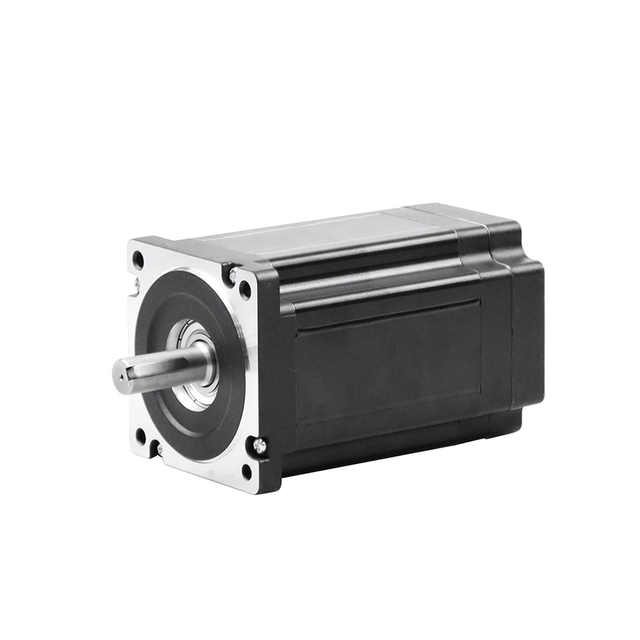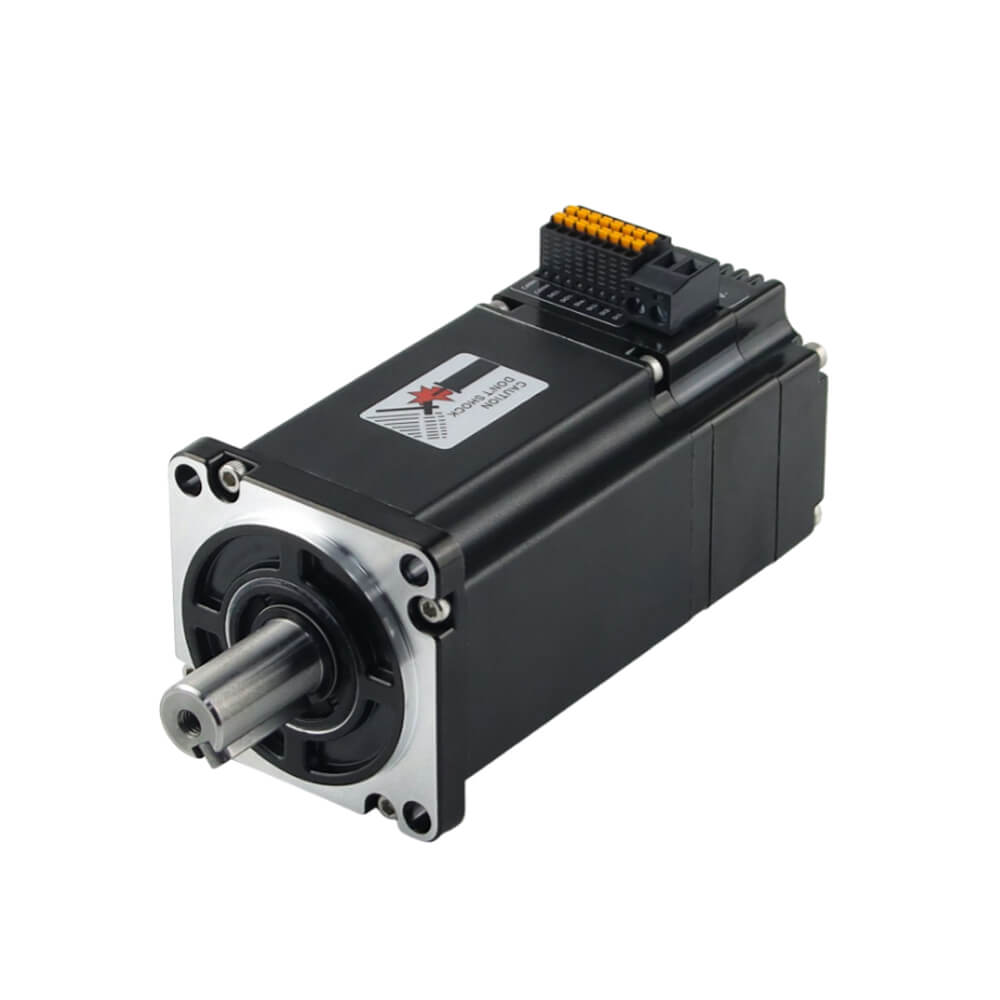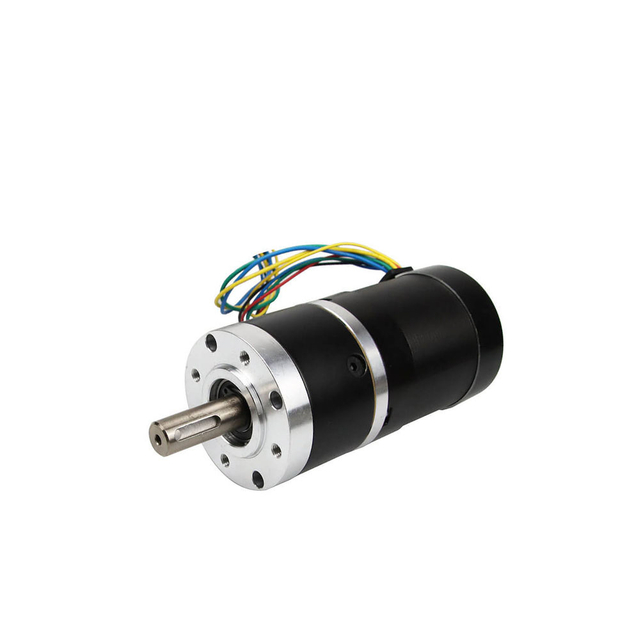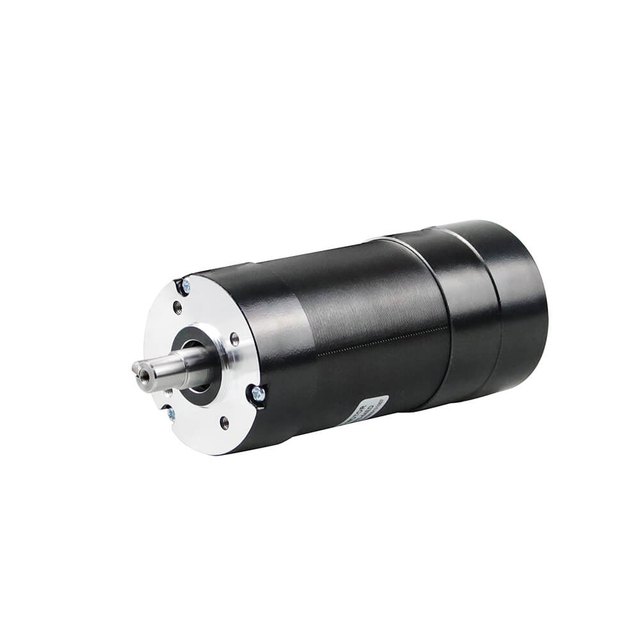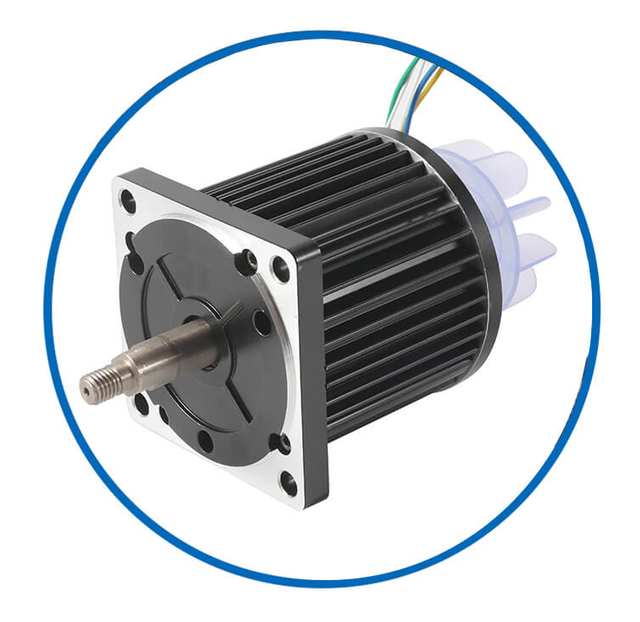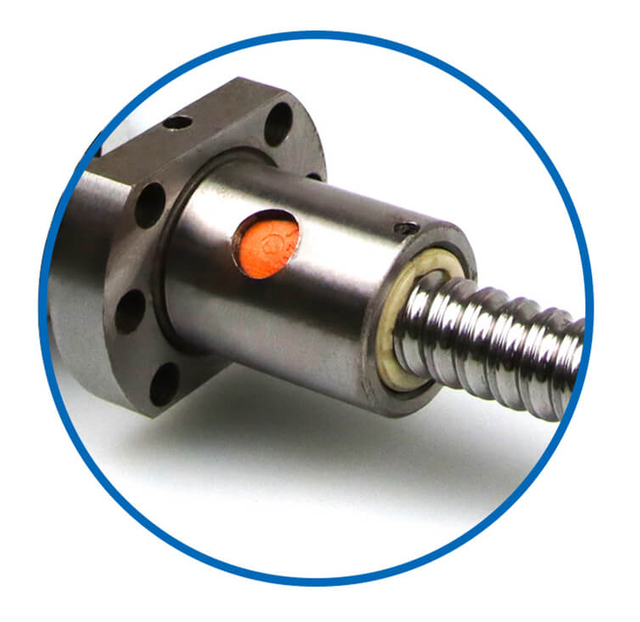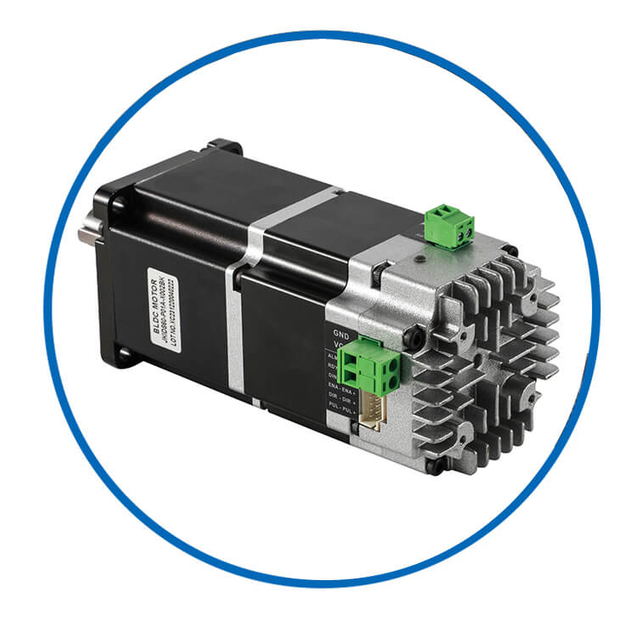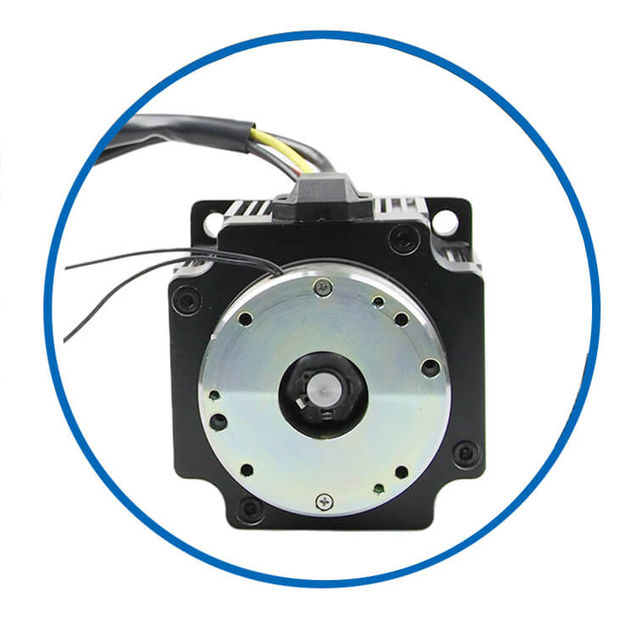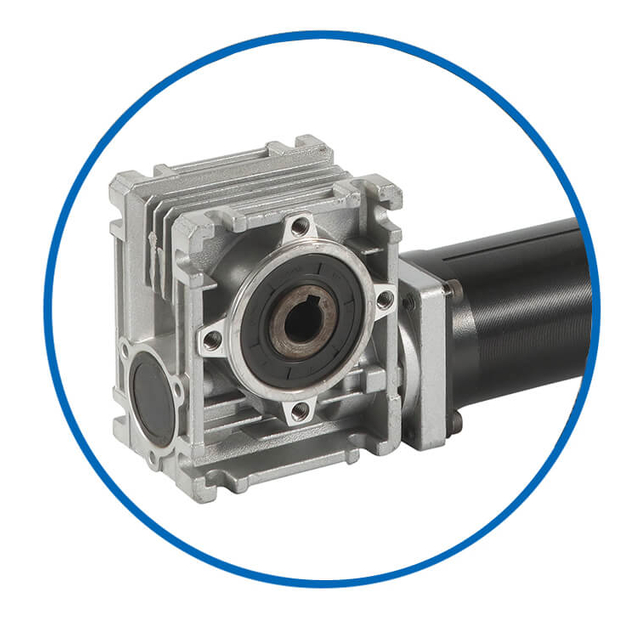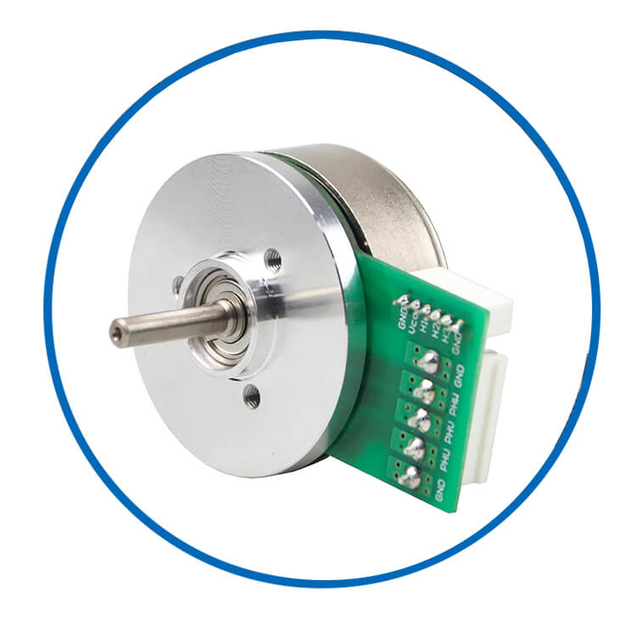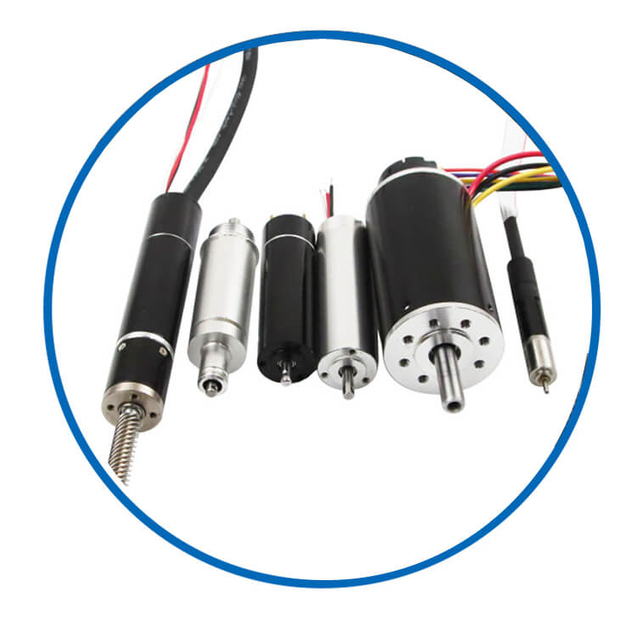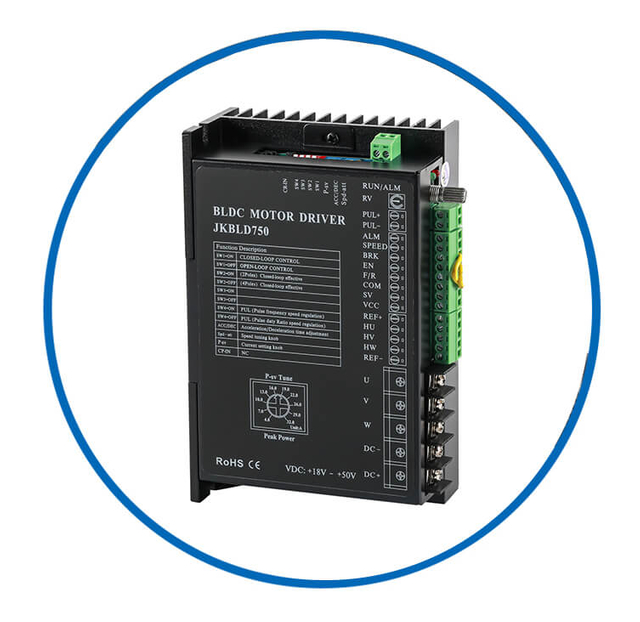
Brushless BLDC motors are powered by regulated DC sources (batteries or rectified mains) and require an electronic controller for commutation; OEM/ODM customized brushless BLDC motor solutions allow tailored power ratings, integration, and mechanical configurations for diverse industrial and mobile applications.
Introduction to BLDC Motor Power Systems
Brushless DC motors, commonly referred to as BLDC motors, are powered by electrical energy that is electronically commutated rather than mechanically switched. Unlike traditional brushed motors, BLDC motors rely on an external power supply combined with an electronic controller to deliver precisely timed current to the motor windings. This power architecture is the foundation of their high efficiency, reliability, and superior performance across industrial, automotive, medical, and consumer applications.
Understanding what BLDC motors are powered by requires a deep look into voltage sources, current control methods, electronic drive systems, and power conversion stages. In this guide, we provide a comprehensive explanation from an engineering and application-focused perspective.
Jkongmotor ODM OEM Customized Bldc Motor Types
Bldc Motor Customized Service
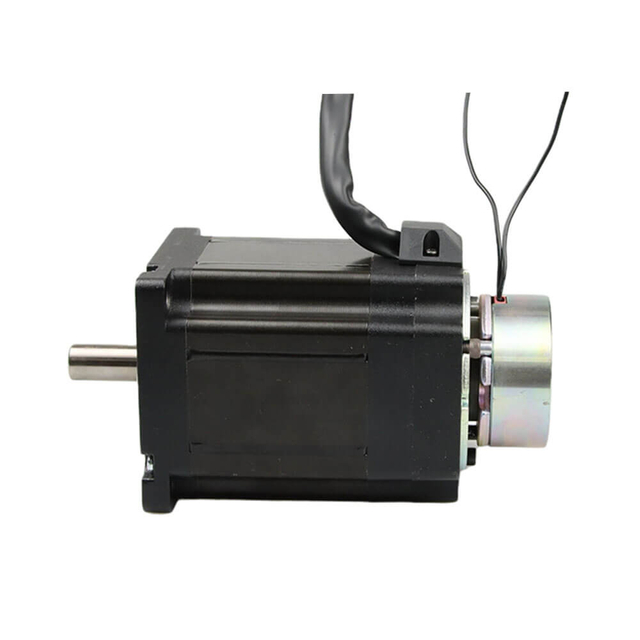
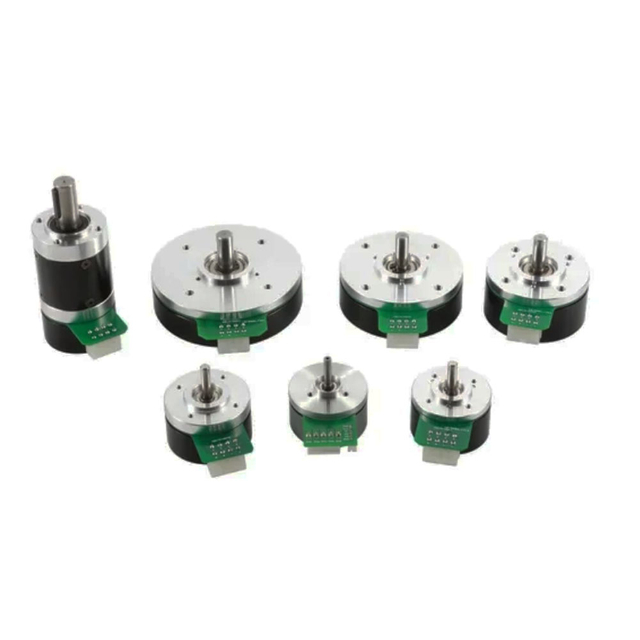
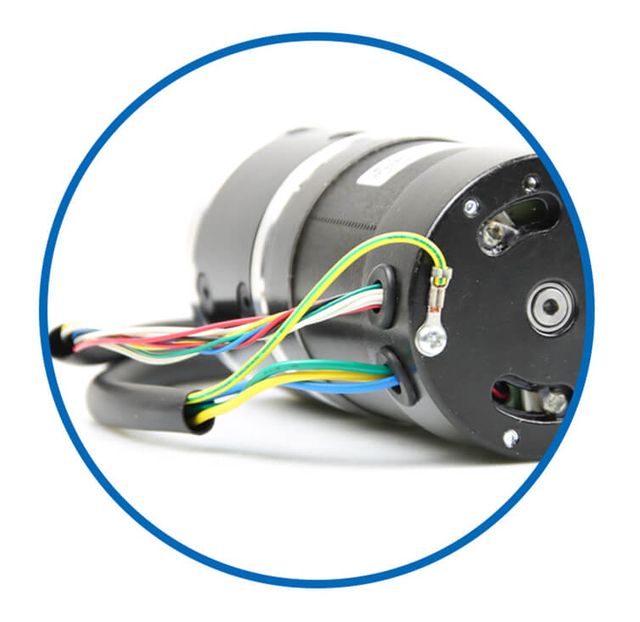
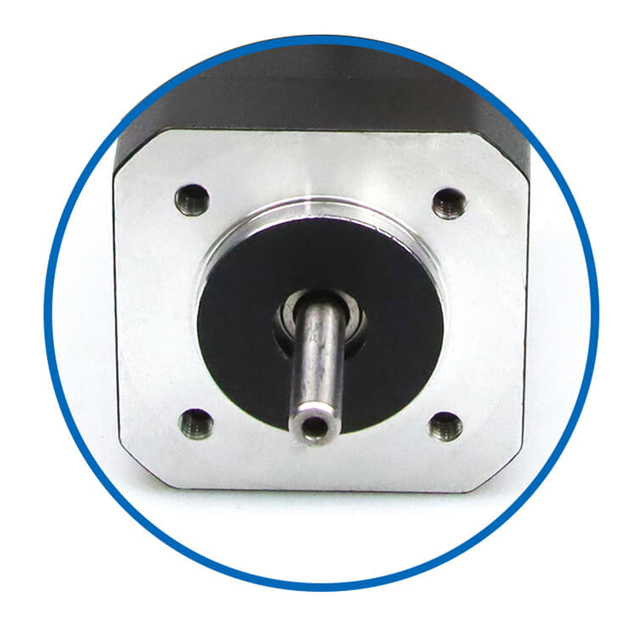
As a professional brushless dc motor manufacturer with 13 years in china, Jkongmotor offer various bldc motors with customized requirements, including 33 42 57 60 80 86 110 130mm, additionally, gearboxes, brakes, encoders, brushless motor drivers and integrated drivers are optional.
![bldc motor supplier]() | ![bldc motor supplier]() | ![bldc motor supplier]() | ![bldc motor supplier]() | ![bldc motor supplier]() | Professional custom brushless motor services safeguard your projects or equipment. No Brushes – Reduced Maintenance and Increased Lifespan High Efficiency and Low Power Loss High Torque-to-Weight Ratio Precise Speed and Position Control Quiet and Smooth Operation Wide Speed Range and Dynamic Performance Excellent Thermal Management Customizable Designs and Modular Configurations Multiple Control Methods Integration with Digital Interfaces and Sensors |
| Wires | Covers | Fans | Shafts | Integrated Drivers |
![bldc motor supplier]() | ![bldc motor supplier]() | ![bldc motor supplier]() | ![bldc motor supplier]() | ![bldc motor supplier]() |
| Brakes | Gearboxes | Out Rotors | Coreless Dc | Drivers |
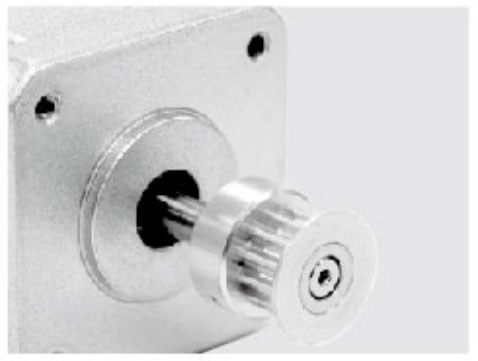
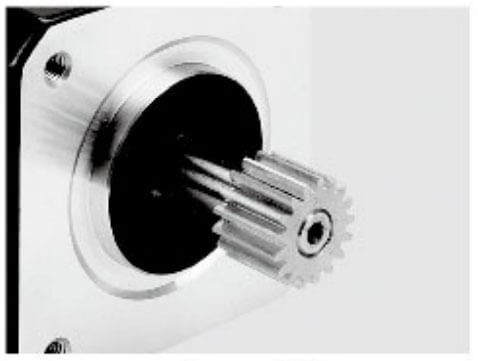
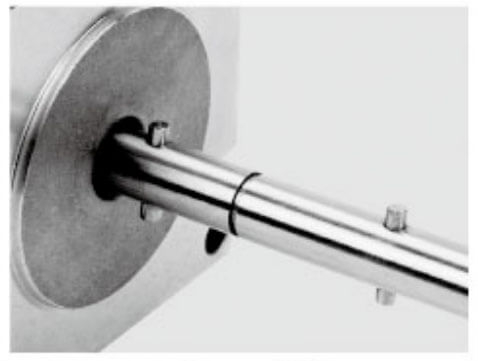
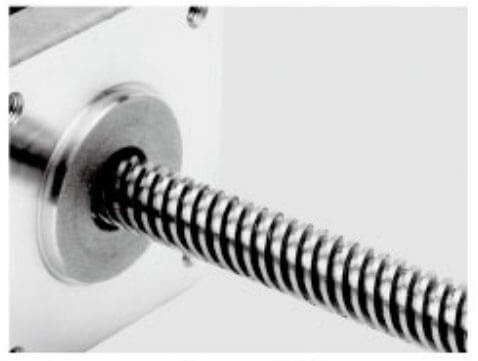
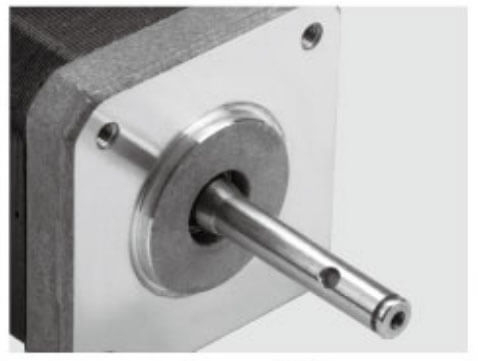
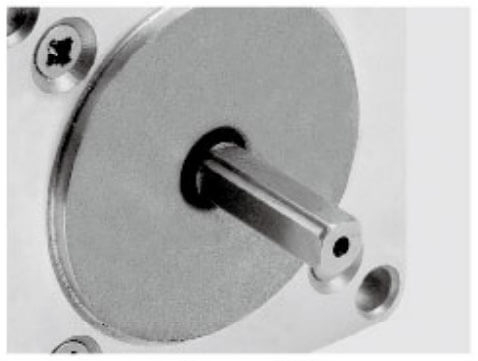
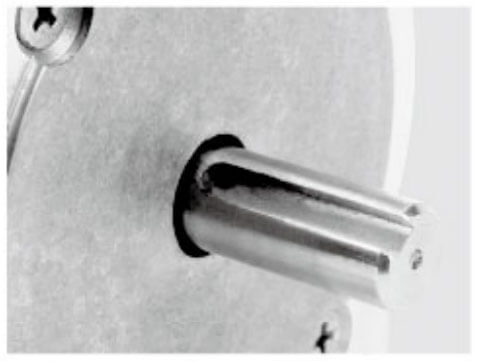
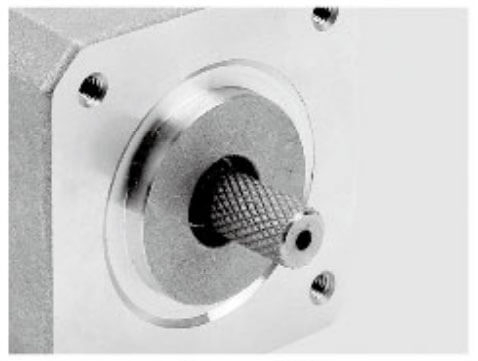
Motor Shaft Customized Service
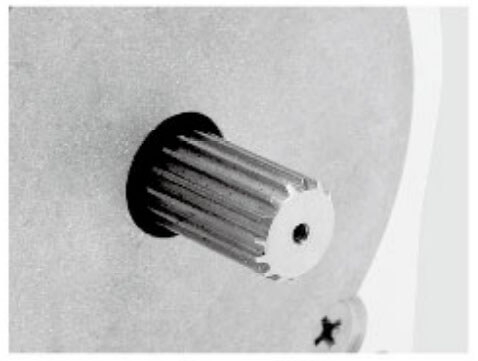
Jkongmotor offer many different shaft options for your motor as well as customizable shaft lengths to make the motor fit your application seamlessly.
DC Power Supplies
BLDC motors are fundamentally powered by direct current (DC). The most common DC power sources include:
Battery packs (Lithium-ion, Lithium-polymer, Lead-acid, NiMH)
AC-to-DC power supplies (rectified and regulated mains power)
DC bus systems in industrial automation
Solar DC systems in renewable energy applications
The DC voltage level depends on motor design and application requirements, typically ranging from 5V to over 800V DC.
Battery-Powered BLDC Motors
Battery-powered BLDC motors dominate portable, mobile, and electric vehicle systems. These motors are powered by:
Single-cell or multi-cell lithium battery packs
High-current battery management systems (BMS)
Stable DC bus voltage maintained through regulation
Common voltage classes include 12V, 24V, 36V, 48V, 72V, and 96V DC, especially in e-bikes, AGVs, drones, and robotics.
AC Mains Power Converted to DC
In stationary industrial systems, BLDC motors are often powered indirectly from AC mains electricity. The process involves:
AC input (110V / 220V / 380V)
Rectification using diode or active rectifiers
DC bus filtering with capacitors
Voltage regulation or PFC (Power Factor Correction)
This converted DC power becomes the energy source for the motor controller, which then drives the BLDC motor phases.
The BLDC motor controller is the central intelligence and power management unit of any brushless DC motor system. While the motor itself converts electrical energy into mechanical motion, it is the controller that determines how efficiently, precisely, and safely that conversion takes place. Without a controller, a BLDC motor cannot operate, as it relies entirely on electronic commutation rather than mechanical brushes.
Electronic Commutation and Phase Control
At the core of the BLDC motor controller is electronic commutation. Instead of physical brushes switching current between windings, the controller sequentially energizes the stator phases based on rotor position. This is achieved by:
Generating three-phase drive signals from a DC power source
Switching power electronically using MOSFETs or IGBTs
Timing phase excitation to maintain continuous torque production
This precise control eliminates mechanical wear, increases efficiency, and enables higher operating speeds compared to brushed motors.
Power Conversion and Energy Management
The controller converts incoming DC power into a controlled, variable-frequency, variable-amplitude three-phase output. This process involves:
DC bus voltage regulation
Pulse Width Modulation (PWM) for fine-grained power control
Current limiting to protect motor windings and electronics
By actively managing voltage and current, the controller ensures the motor delivers optimal torque while minimizing energy losses and heat generation.
Speed, Torque, and Direction Control
One of the most critical roles of the BLDC motor controller is dynamic motion control. Through software algorithms and feedback mechanisms, the controller regulates:
Motor speed by adjusting PWM duty cycles
Output torque by controlling phase current
Rotation direction by altering phase sequence
This allows BLDC motors to operate smoothly across a wide speed range, from ultra-low-speed precision motion to high-speed continuous operation.
Feedback Processing and Control Modes
BLDC motor controllers support multiple feedback and control strategies, including:
Hall sensor-based control for accurate low-speed and startup performance
Sensorless control using back-EMF detection for simplified wiring and higher reliability
Closed-loop control with encoders or resolvers for high-precision applications
These modes enable the controller to adapt power delivery in real time, maintaining stable operation under varying loads and conditions.
Protection and Reliability Functions
A BLDC motor controller also serves as a system protection unit, continuously monitoring electrical and thermal parameters. Typical protection features include:
Overcurrent and short-circuit protection
Overvoltage and undervoltage detection
Overtemperature shutdown
Stall and phase-loss protection
These functions significantly extend motor lifespan and ensure safe operation in industrial and commercial environments.
Communication and System Integration
Modern BLDC motor controllers are designed for seamless integration into larger systems. They often support communication protocols such as:
PWM, analog voltage, or digital inputs
CAN, RS485, Modbus, EtherCAT, or UART
This allows precise coordination with PLCs, motion controllers, robotic systems, and vehicle control units, making BLDC motors highly adaptable across applications.
Enabling Efficiency and Performance Advantages
Ultimately, the BLDC motor controller is what enables the defining advantages of BLDC technology:
High efficiency and low power consumption
Smooth, low-noise operation
High torque density and fast response
Maintenance-free, long-life performance
By intelligently controlling how electrical power is delivered to the motor, the controller transforms raw DC energy into controlled, reliable, and high-performance motion.
Three-Phase Power Generation
Although BLDC motors are powered by DC sources, they operate using three-phase electrical power generated electronically. The controller sequentially energizes the stator windings based on rotor position.
This process is known as electronic commutation, and it replaces mechanical brushes entirely.
Current and Voltage Control
BLDC motors are not only voltage-driven but also current-controlled devices. Power delivery is managed through:
Pulse Width Modulation (PWM)
Current sensing resistors or Hall sensors
Closed-loop feedback algorithms
This allows precise torque control, energy efficiency optimization, and smooth operation even at low speeds.
Hall Sensor vs Sensorless Power Control
Hall Sensor-Based Powering
Many BLDC motors use Hall effect sensors to detect rotor position. These sensors are powered by a low-voltage DC supply from the controller, typically 5V or 3.3V, while the motor windings receive higher power.
Advantages:
Sensorless BLDC Powering
Sensorless BLDC motors rely on back electromotive force (BEMF) to determine rotor position. In these systems:
Power is applied in open-loop during startup
BEMF is monitored once rotation begins
Control algorithms adjust power dynamically
This approach reduces wiring and cost while maintaining high efficiency at medium to high speeds.
Voltage Levels and Power Ratings
Low Voltage BLDC Motors
Powered by 5V–48V DC, these motors are common in:
Cooling fans
Medical devices
Office automation
Consumer electronics
They emphasize safety, compact design, and low power consumption.
Operating at 48V–120V DC, these motors are widely used in:
Robotics
Electric scooters
Industrial conveyors
CNC auxiliary systems
This voltage range offers an optimal balance between efficiency and power density.
High Voltage BLDC Motors
High-power BLDC motors may be powered by 300V–800V DC bus systems, especially in:
Electric vehicles
Industrial compressors
High-speed spindles
Aerospace systems
These systems require advanced insulation, robust controllers, and precise thermal management.
Power Quality and Stability Requirements
The performance, efficiency, and reliability of BLDC motor systems depend heavily on the quality and stability of the power supply. Unlike simple electromechanical loads, BLDC motors are driven by high-frequency electronic controllers that are highly sensitive to voltage fluctuations, current ripple, and electrical noise. Maintaining proper power quality is therefore essential for consistent operation and long-term system integrity.
Stable DC Bus Voltage
A BLDC motor controller requires a stable DC bus voltage to generate accurate phase currents. Voltage instability can lead to:
Inconsistent torque output
Speed fluctuations under load
Increased switching losses and heat generation
Proper DC bus design includes adequate bulk capacitance, low-impedance connections, and voltage regulation to ensure steady power delivery even during rapid load changes.
Low Voltage Ripple and Noise
Excessive voltage ripple on the DC supply directly affects PWM switching behavior and current regulation. High ripple levels can cause:
High-quality power systems use filter capacitors, LC filters, and proper grounding to suppress ripple and high-frequency noise, ensuring smooth motor operation.
Sufficient Current Capacity and Fast Transient Response
BLDC motors often experience rapid current changes during acceleration, braking, and load variation. The power supply must provide:
Insufficient current delivery leads to performance degradation, controller faults, and unstable motor behavior.
Voltage Tolerance and Regulation
BLDC controllers are designed to operate within specific voltage limits. Power systems must maintain voltage within allowable tolerances to avoid:
Undervoltage lockout conditions
Overvoltage damage to electronics
Uncontrolled regenerative voltage rise
DC-DC converters, active regulation, and braking resistors are commonly used to manage voltage stability under dynamic conditions.
Electromagnetic Interference (EMI) Control
High-frequency switching in BLDC motor controllers generates electromagnetic interference that can propagate through the power supply. Poor EMI control may cause:
Effective power quality design includes shielding, proper cable routing, common-mode chokes, and EMI filters to minimize interference.
Grounding and Reference Stability
A clean and consistent electrical ground is essential for accurate current sensing and control feedback. Poor grounding can introduce:
Star grounding, low-impedance return paths, and careful separation of power and signal grounds improve system stability.
Thermal Stability and Power Quality
Power quality and thermal performance are closely linked. Voltage ripple, excessive switching losses, and current imbalance increase heat in power components. Maintaining high power quality reduces thermal stress, ensuring:
Stable controller operation
Longer component lifespan
Reliable continuous-duty performance
Impact on Motor Life and System Reliability
Consistent power quality directly affects motor insulation, bearing life, and electronic component reliability. Clean, stable power minimizes electrical stress, prevents premature aging, and ensures predictable long-term operation.
Conclusion
Power quality and stability are foundational requirements for BLDC motor systems. A stable DC bus, low ripple, adequate current capacity, effective EMI control, and proper grounding collectively ensure smooth operation, high efficiency, and long service life. By prioritizing power quality in system design, BLDC motors deliver their full performance potential across demanding industrial and commercial applications.
Regenerative Power and Energy Feedback
Regenerative power and energy feedback are advanced features of modern BLDC motor systems that significantly improve efficiency, control, and sustainability. Instead of dissipating kinetic energy as heat during deceleration or braking, BLDC motors can convert mechanical energy back into electrical energy and feed it into the power system. This capability plays a critical role in high-performance industrial, automotive, and automation applications.
How Regeneration Works in BLDC Motors
When a BLDC motor operates under normal driving conditions, electrical energy is converted into mechanical motion. During deceleration, braking, or when an external force drives the motor shaft, the operating principle reverses:
The motor acts as a generator
Mechanical energy is converted into electrical energy
Current flows back toward the DC bus
This process is known as regenerative operation, and it is managed entirely by the motor controller through precise electronic control.
Bidirectional Power Flow
Regenerative BLDC systems are designed for bidirectional power flow. The same power electronics that deliver energy to the motor during acceleration also manage energy feedback during braking. This requires:
Bidirectional operation ensures seamless transitions between motoring and generating modes without mechanical intervention.
Energy Recovery and Efficiency Gains
Recovered energy can be used in several ways, depending on system architecture:
Recharging batteries in mobile and electric vehicle systems
Supplying other loads on a shared DC bus
Reducing overall power draw from the primary power source
By capturing energy that would otherwise be wasted, regenerative systems significantly improve overall energy efficiency and reduce operating costs.
DC Bus Voltage Management
One of the key challenges in regenerative BLDC systems is managing DC bus voltage rise. During energy feedback, voltage can increase rapidly if not properly controlled. Common solutions include:
Energy storage in batteries or supercapacitors
Braking resistors to dissipate excess energy
Active DC-DC converters to regulate voltage
Effective voltage management is essential to prevent overvoltage faults and protect system components.
Role of the Motor Controller
The BLDC motor controller is central to regenerative functionality. It continuously monitors:
Based on this feedback, the controller dynamically adjusts switching patterns to safely route regenerative energy while maintaining system stability.
Applications Benefiting from Regenerative Power
Regenerative BLDC motor systems are particularly valuable in applications involving frequent speed changes or high inertial loads, including:
Electric and hybrid vehicles
Elevators and hoisting systems
Automated guided vehicles (AGVs)
Robotics and material handling equipment
In these systems, regeneration enhances performance while reducing energy consumption.
Thermal and Mechanical Benefits
By reducing reliance on friction braking and resistive energy dissipation, regenerative power systems:
Lower thermal stress on braking components
Reduce wear and maintenance requirements
Improve overall system longevity
This contributes to more reliable and cost-effective operation over time.
System-Level Design Considerations
To fully utilize regenerative energy feedback, system designers must consider:
Power supply compatibility with energy backflow
Adequate energy storage or dissipation paths
Controller algorithms optimized for regeneration
A well-integrated regenerative design ensures maximum energy recovery without compromising safety or stability.
Conclusion
Regenerative power and energy feedback transform BLDC motor systems from simple energy consumers into intelligent, energy-aware motion solutions. By converting excess mechanical energy back into usable electrical power, these systems deliver higher efficiency, reduced heat generation, and improved sustainability—making them a key component of modern high-performance motion control architectures.
Industrial and Application-Specific Power Architectures
The performance and reliability of BLDC motor systems are heavily influenced by how power is generated, distributed, and managed within a given application. Different industries impose distinct requirements on voltage levels, power stability, redundancy, efficiency, and control integration. As a result, BLDC motors are supported by application-specific power architectures designed to meet precise operational demands.
Industrial Automation Power Architectures
In industrial automation environments, BLDC motors are typically powered by centralized or distributed DC power systems. Common architectural characteristics include:
AC mains input converted to a regulated DC bus (typically 24V, 48V, or 72V DC)
Shared DC power rails supplying multiple motors and drives
Integrated power filtering and EMI suppression
High-current capacity for continuous-duty operation
These architectures enable consistent performance across production lines, simplify system wiring, and allow easy scalability when adding or replacing motor-driven axes.
Integrated Motor-Drive Power Systems
In compact automation and robotics, BLDC motors are often used in integrated motor-drive units, where the motor and controller share a single power interface. Key features include:
Single DC power input feeding both motor and electronics
Localized power regulation and thermal management
Reduced cable length and lower electrical losses
Improved system reliability and simplified commissioning
This architecture is widely adopted in collaborative robots, AGVs, conveyor modules, and smart actuators.
Robotics and Motion Control Architectures
Robotic systems demand highly responsive and precise power delivery. BLDC motors in these applications are powered through:
High-stability DC buses with fast transient response
Multiple voltage domains for logic, sensing, and motor power
Regenerative energy handling during deceleration and braking
Real-time current control for smooth torque output
These power architectures support advanced motion profiles, synchronized multi-axis control, and safe human–machine interaction.
Electric Vehicle and Mobility Systems
In electric mobility, BLDC motors operate within high-voltage, high-power architectures optimized for efficiency and energy recovery. Typical characteristics include:
High-voltage battery packs supplying a centralized DC bus
High-power inverters driving traction motors
Bidirectional power flow enabling regenerative braking
Integrated battery management and thermal systems
This architecture maximizes driving range, improves energy utilization, and ensures reliable performance under variable load and environmental conditions.
Renewable Energy and Off-Grid Power Architectures
BLDC motors used in renewable energy systems are often powered by variable and decentralized DC sources, such as:
Solar photovoltaic panels
Wind-generated DC systems
Hybrid energy storage solutions
Power architectures in these systems incorporate DC-DC converters, energy buffering, and adaptive control to maintain stable motor operation despite fluctuating input voltage.
Medical and Laboratory Equipment Architectures
Medical and laboratory applications prioritize safety, precision, and low electricalMedical and laboratory applications prioritize safety, precision, and low electrical noise. BLDC motor power systems in these environments feature:
Low-voltage DC power supplies with medical-grade isolation
Redundant power protection and fault detection
Ultra-low ripple and EMI control
Precise current regulation for smooth, vibration-free motion
These architectures support critical applications such as infusion pumps, diagnostic equipment, and surgical devices.
HVAC and Building Systems Power Design
In HVAC and smart building systems, BLDC motors are powered by energy-optimized architectures designed for continuous operation. Typical features include:
AC mains rectification with power factor correction
Variable-speed drive control to match real-time demand
Distributed motor control for fans, pumps, and compressors
Energy monitoring and smart grid compatibility
This approach significantly reduces energy consumption while improving system responsiveness and comfort control.
Aerospace and Defense Power Architectures
Aerospace and defense applications require high-reliability, fault-tolerant power systems. BLDC motors in these environments are supported by:
Redundant DC power sources
Robust power conditioning and shielding
Wide voltage tolerance and extreme temperature capability
Advanced health monitoring and diagnostics
These architectures ensure uninterrupted operation in mission-critical systems.
Why Application-Specific Power Architecture Matters
Selecting the appropriate power architecture is essential to fully realizing the advantages of BLDC motors. Properly designed systems deliver:
Higher overall efficiency
Improved thermal performance
Enhanced system reliability
Greater flexibility in system integration
By aligning power architecture with application requirements, BLDC motor systems achieve optimal performance across industrial, commercial, and specialized environments.
Why BLDC Motor Power Systems Matter
The performance advantages of BLDC motors are not defined by the motor alone, but by the power system that supports it. Voltage quality, current control, power conversion efficiency, and system protection all directly influence how effectively a BLDC motor operates. A well-designed power system transforms electrical energy into precise, reliable motion, while a poorly designed one limits efficiency, shortens lifespan, and increases system risk.
Direct Impact on Efficiency and Energy Consumption
BLDC motors are known for high efficiency, but this advantage is fully realized only with a properly engineered power system. Stable DC supply, low ripple voltage, and optimized switching strategies allow the motor to:
Minimize copper and switching losses
Maintain optimal electromagnetic performance
Reduce wasted energy as heat
Efficient power systems translate directly into lower operating costs, reduced energy consumption, and improved sustainability, especially in continuous-duty industrial applications.
Precision in Torque and Speed Control
BLDC motors rely on electronically controlled phase currents. The power system must deliver:
When power delivery is precise, the motor achieves smooth torque output, consistent speed regulation, and rapid dynamic response, even during acceleration, deceleration, or load changes. This is essential in robotics, automation, and precision motion systems.
Thermal Performance and Component Longevity
Power system design strongly affects thermal behavior. Excess voltage ripple, poor current regulation, or inefficient switching increases heat in:
Motor windings
Power semiconductors
Control electronics
Well-designed BLDC power systems reduce thermal stress, extending the life of both the motor and controller while maintaining stable performance in demanding environments.
System Reliability and Operational Safety
BLDC motor power systems incorporate critical protection and monitoring functions. These include:
Overcurrent and short-circuit protection
Overvoltage and undervoltage detection
Overtemperature shutdown
Fault isolation and diagnostics
These safeguards prevent catastrophic failures, protect surrounding equipment, and ensure safe operation in industrial, medical, and transportation systems.
Support for Advanced Control and Automation
Modern BLDC motor applications depend on advanced control strategies such as field-oriented control, regenerative braking, and multi-axis synchronization. These capabilities require:
High-quality DC bus design
Fast and accurate power switching
Predictable power behavior under all operating conditions
Without a robust power system, advanced control algorithms cannot deliver their full performance benefits.
Adaptability Across Applications and Environments
BLDC motors are used in environments ranging from clean rooms to harsh industrial sites. Power systems must adapt to:
A flexible and resilient power architecture ensures consistent motor performance regardless of external challenges.
Scalability and System Integration
In large systems, BLDC motors are often part of a shared power infrastructure. A well-designed power system enables:
Easy expansion and modularity
Efficient energy distribution
Simplified integration with PLCs, drives, and control networks
This scalability reduces system complexity and supports long-term growth.
Energy Recovery and Sustainability Benefits
Many BLDC power systems support regenerative energy flow, allowing energy generated during braking or deceleration to be recovered and reused. This improves overall system efficiency and aligns with modern sustainability and energy-saving goals.
BLDC motor power systems matter because they define how effectively electrical energy is converted into motion. They determine efficiency, precision, thermal behavior, reliability, safety, and system scalability. By investing in well-designed power architectures, engineers and system designers unlock the full potential of BLDC motors, ensuring high-performance, long-lasting, and future-ready motion solutions.
BLDC motors are powered by DC electrical energy intelligently converted and controlled through electronic systems. Whether supplied by batteries, rectified AC mains, or industrial DC buses, the true strength of BLDC motors lies in how that power is processed, regulated, and delivered.
This advanced power architecture is what enables BLDC motors to lead modern motion systems in efficiency, precision, and durability—making them the preferred choice for next-generation engineering solutions.
FAQs — Brushless BLDC Motor & OEM/ODM Customized
1. What are brushless BLDC motors powered by?
Brushless BLDC motors are powered by direct current (DC) sources such as batteries or DC power supplies, with power electronically commutated by a controller instead of mechanically switched brushes.
2. Can I power a BLDC motor directly from a battery?
Yes — BLDC motors can be powered by battery packs (Li-ion, Li-Po, lead-acid, etc.) delivering regulated DC voltage appropriate for the motor’s rating.
3. How do AC mains supplies power brushless BLDC motors?
AC power is rectified and regulated into DC before it reaches the BLDC motor controller, which then drives the motor phases.
4. What role does the BLDC motor controller play in powering the motor?
The controller takes DC input and electronic commutation generates three-phase signals to the motor windings, enabling efficient operation.
5. What voltage ranges are typical for BLDC motors?
BLDC motors may operate from low voltage (5–48 V DC) to medium (48–120 V) and high voltage (300–800 V DC) depending on application.
6. What is the difference between motor powering and controller powering?
The power supply feeds the controller with DC, and the controller manages how power is delivered to the BLDC motor windings.
7. Why is stable DC power important for BLDC motors?
Stable DC voltage with low ripple ensures consistent torque, speed regulation, and long life of the brushless motor system.
8. Are brushless BLDC motors suitable for renewable energy systems?
Yes — BLDC motors powered by solar DC sources or renewable DC bus architectures are common in sustainable systems.
9. What applications use battery-powered brushless BLDC motors?
Common uses include e-bikes, drones, AGVs, robotics, and other mobile platforms requiring portable DC power.
10. What OEM/ODM customized options are available for brushless BLDC motors?
Manufacturers can customize motor size, winding, feedback sensors, gearboxes, brakes, and integrated drives according to specifications.
11. Can a brushless BLDC motor be OEM/ODM tailored for specific voltage requirements?
Yes — OEM/ODM customization can configure the motor’s voltage and power rating to match the intended DC power source.
12. Do OEM/ODM customized brushless BLDC motors include integrated drives?
Yes — many OEM/ODM services offer integrated drive solutions with motor and controller combined into a compact unit.
13. Are feedback sensors customizable in BLDC motors?
Yes — Hall sensors, encoders, and resolver feedback options can be customized for precise control.
14. Can factory customization adjust shaft dimensions?
Motor OEM/ODM services typically allow custom shaft lengths, diameters, and keying to fit specific mechanical systems.
15. How does motor customization help with power conversion?
Custom motors can be designed to match power conversion stages and controller specifications for optimized performance.
16. What power quality considerations matter for brushless BLDC motor systems?
High current capacity, low voltage ripple, and fast transient response are crucial for stable BLDC performance.
17. Can customized BLDC motors support regenerative braking?
Yes — advanced OEM/ODM designs support regenerative power feedback into the DC bus for energy efficiency.
18. Do brushless BLDC OEM/ODM services include certification options?
Many providers offer motors with CE, RoHS, ISO compliance as part of quality assurance.
19. Can custom BLDC motors integrate with industrial DC bus systems?
Yes — tailored BLDC motors can interface with centralized industrial DC power systems for factory automation.
20. What power supply considerations are essential for customized BLDC systems?
Designers must balance voltage range, current capacity, and controller rating to ensure stable, efficient brushless motor operation.