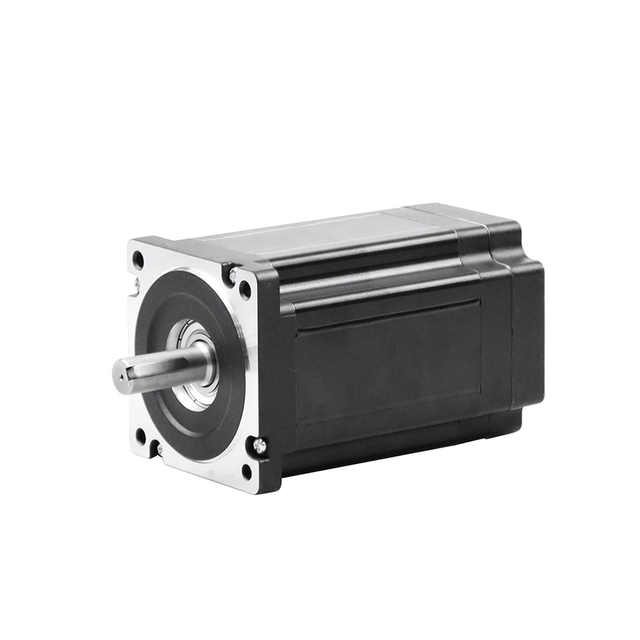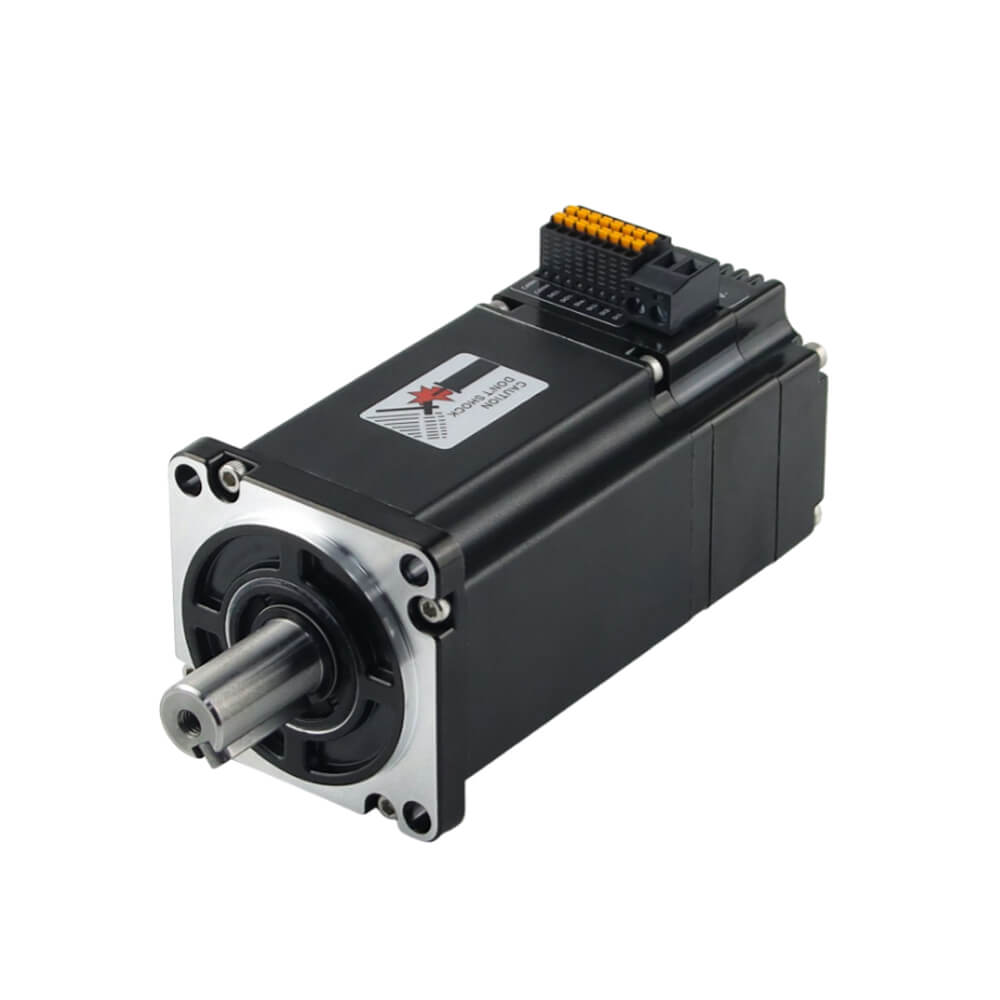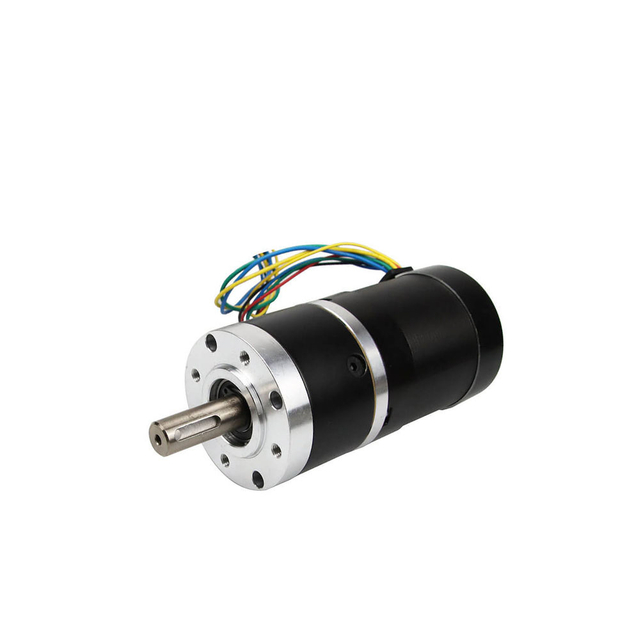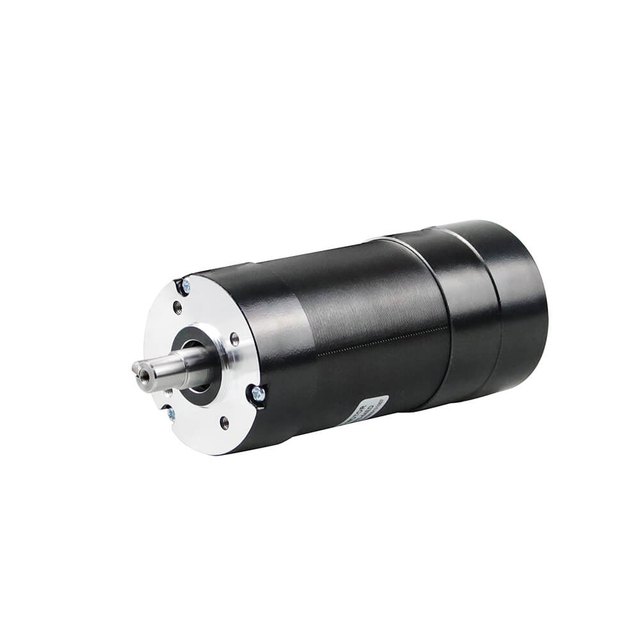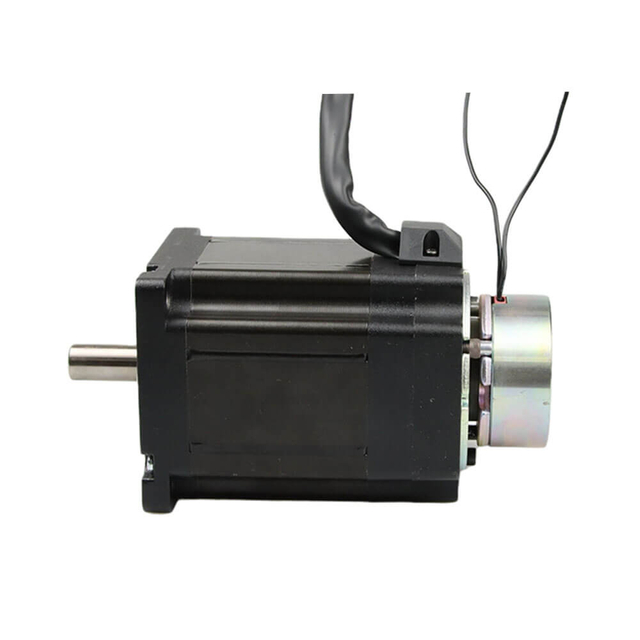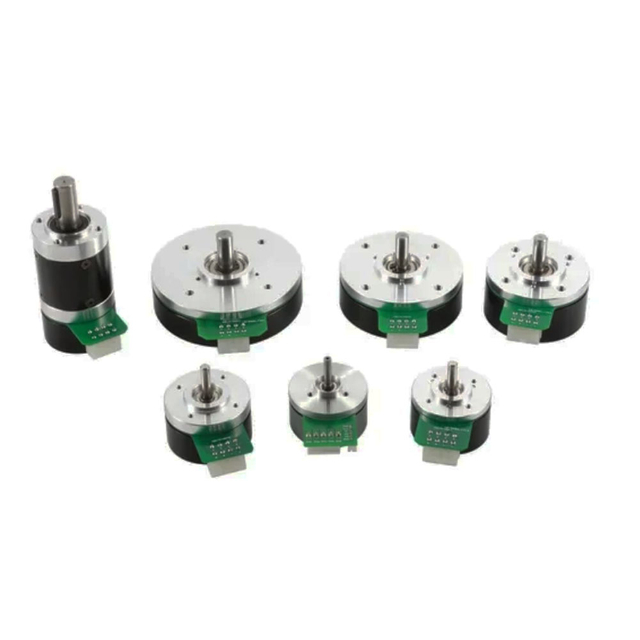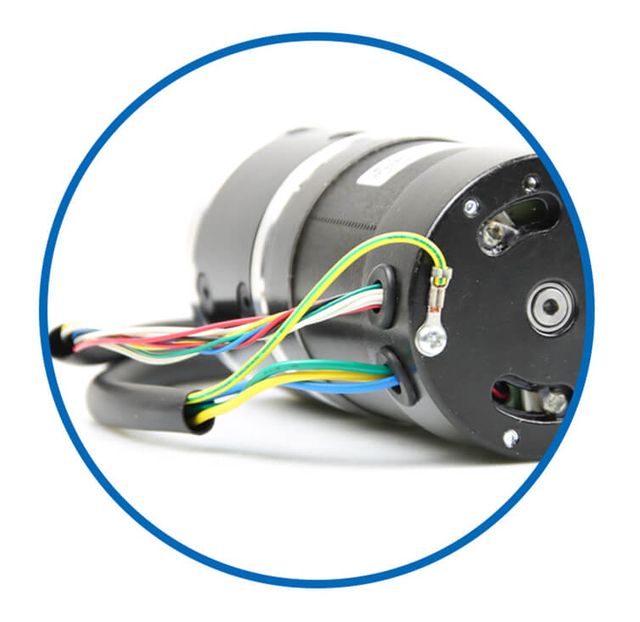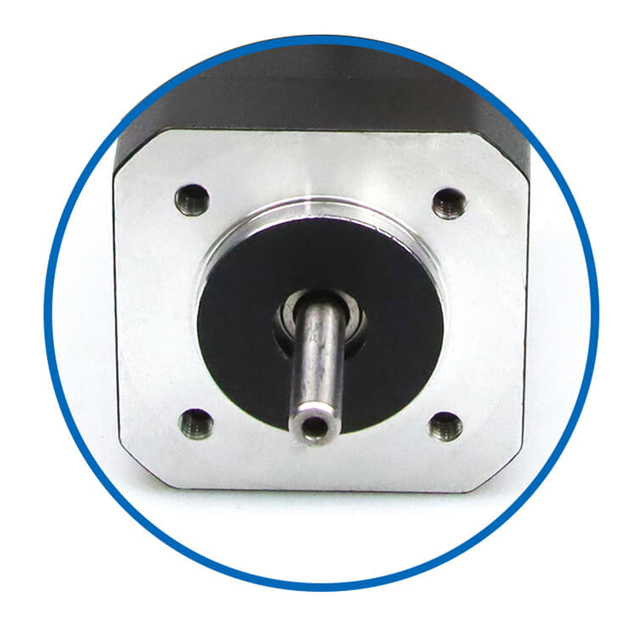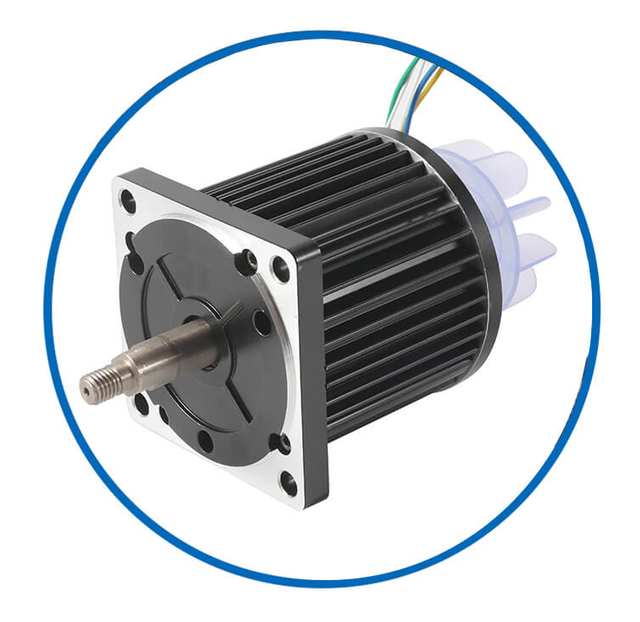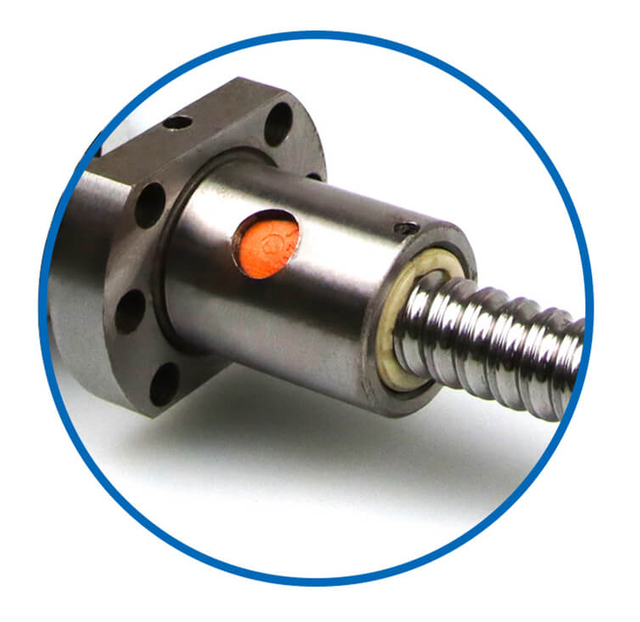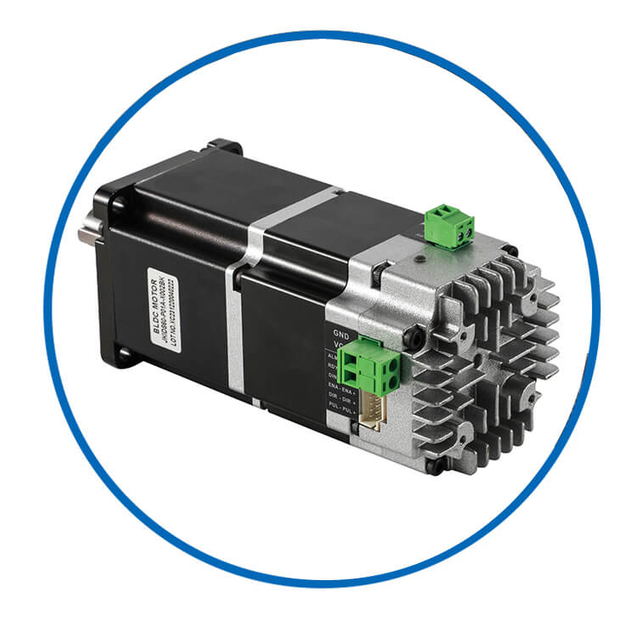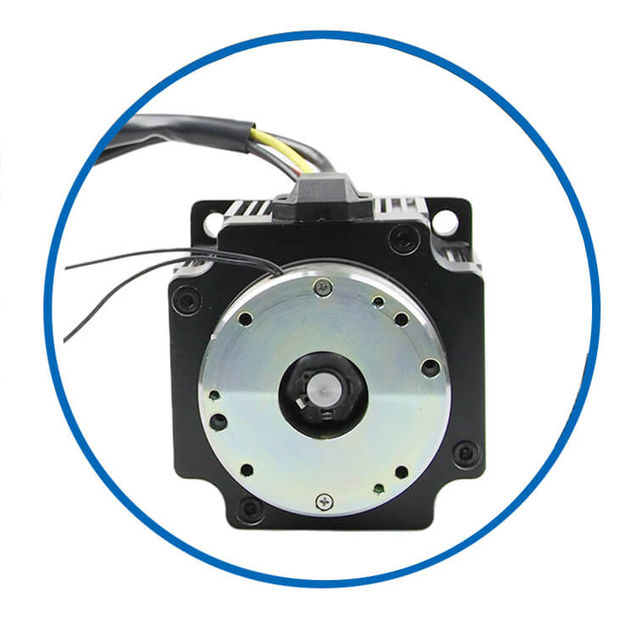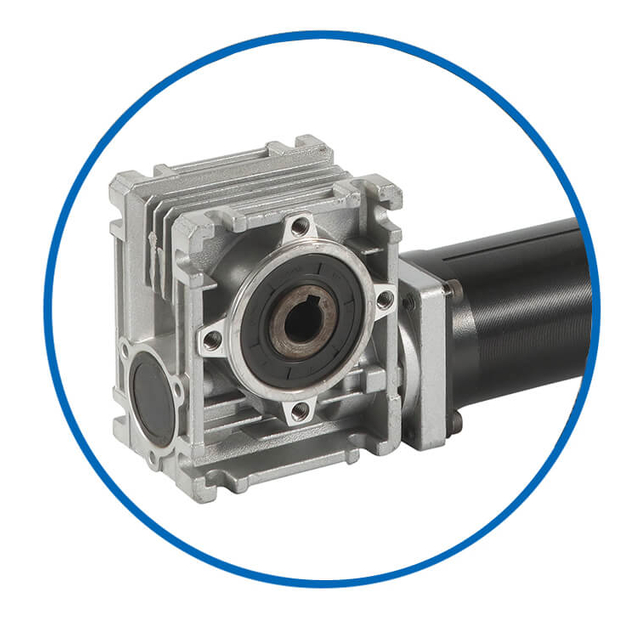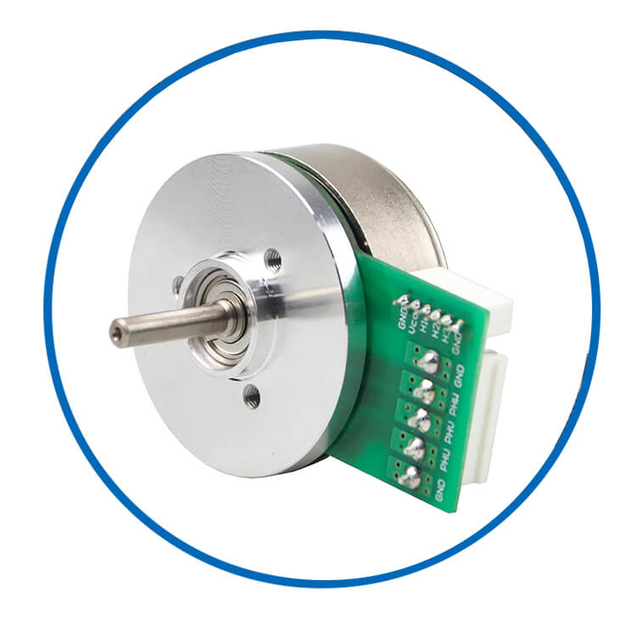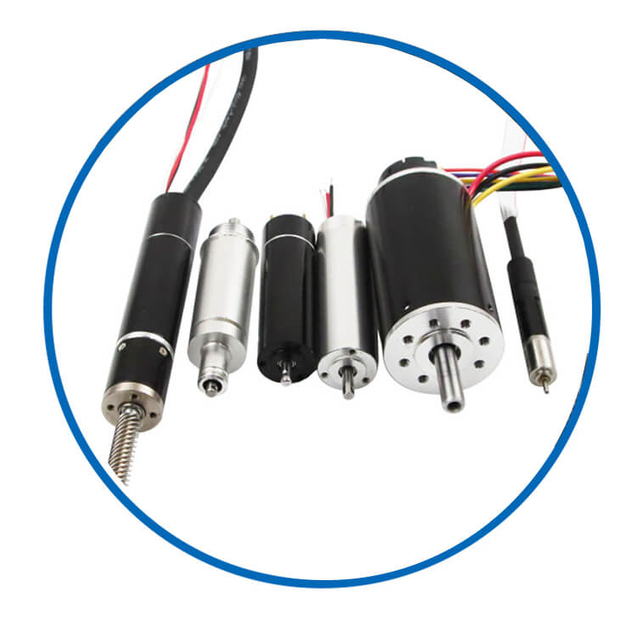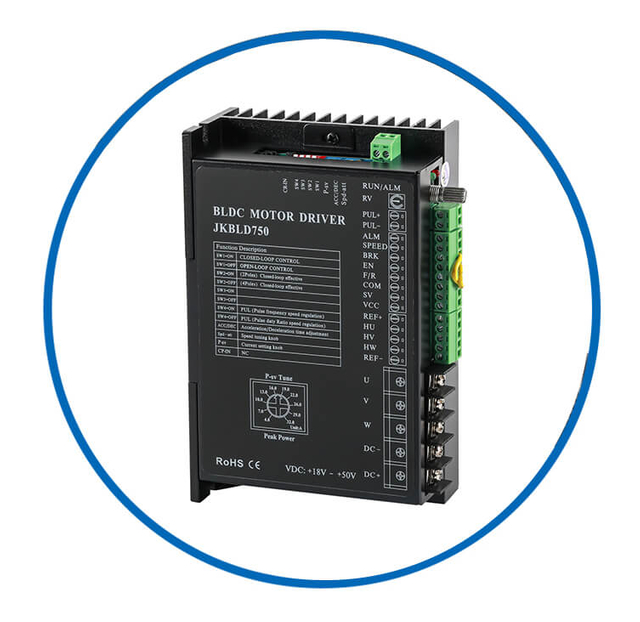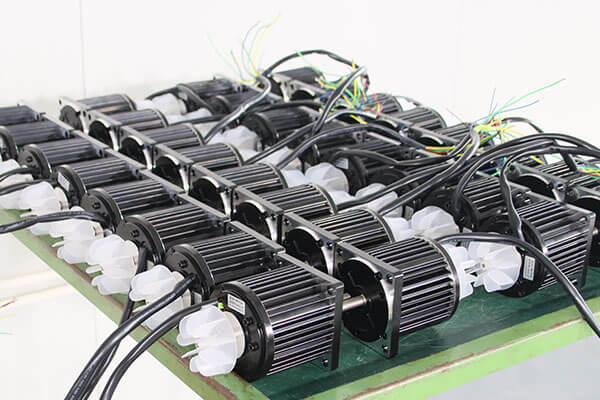
A brushless BLDC motor can operate as a high-efficiency generator when externally driven. With OEM ODM customized design options—including windings, voltage output, shaft structure, and integrated electronics—manufacturers can tailor BLDC motors for energy recovery, renewable power, and generator applications.
Introduction to Using a BLDC Motor as a Generator
We are often asked: can a BLDC motor be used as a generator? The answer is a clear and technically grounded yes. A Brushless DC motor (BLDC motor) is fundamentally an electromechanical energy conversion device. While it is commonly deployed to convert electrical energy into mechanical motion, the same internal electromagnetic structure allows it to operate in reverse—converting mechanical energy into electrical energy.
When a BLDC motor’s rotor is driven by an external mechanical force, it induces voltage in the stator windings through electromagnetic induction. In this operating mode, the BLDC motor becomes a brushless generator, capable of producing AC voltage that can be rectified, regulated, stored, or directly utilized depending on the system architecture.
This dual-function capability is why BLDC machines are widely used in regenerative braking systems, wind turbines, micro-hydropower generators, portable power devices, and high-efficiency energy recovery systems.
Jkongmotor ODM OEM Customized Bldc Motor Types
Bldc Motor Customized Service
As a professional brushless dc motor manufacturer with 13 years in china, Jkongmotor offer various bldc motors with customized requirements, including 33 42 57 60 80 86 110 130mm, additionally, gearboxes, brakes, encoders, brushless motor drivers and integrated drivers are optional.
![bldc motor supplier]() | ![bldc motor supplier]() | ![bldc motor supplier]() | ![bldc motor supplier]() | ![bldc motor supplier]() | Professional custom brushless motor services safeguard your projects or equipment. No Brushes – Reduced Maintenance and Increased Lifespan High Efficiency and Low Power Loss High Torque-to-Weight Ratio Precise Speed and Position Control Quiet and Smooth Operation Wide Speed Range and Dynamic Performance Excellent Thermal Management Customizable Designs and Modular Configurations Multiple Control Methods Integration with Digital Interfaces and Sensors |
| Wires | Covers | Fans | Shafts | Integrated Drivers |
![bldc motor supplier]() | ![bldc motor supplier]() | ![bldc motor supplier]() | ![bldc motor supplier]() | ![bldc motor supplier]() |
| Brakes | Gearboxes | Out Rotors | Coreless Dc | Drivers |
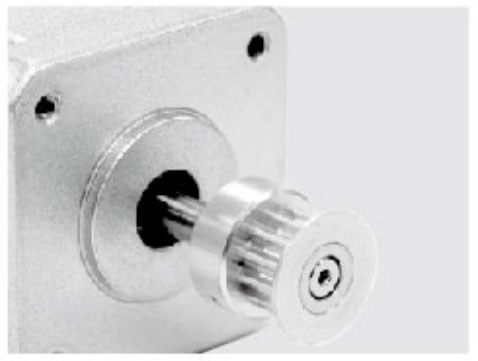
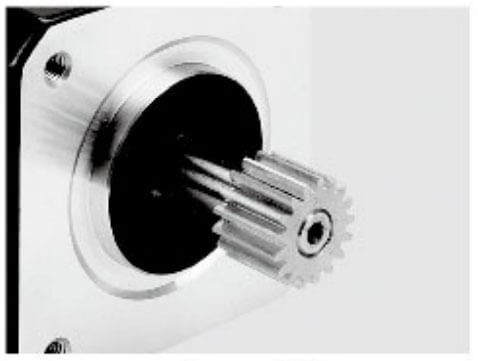
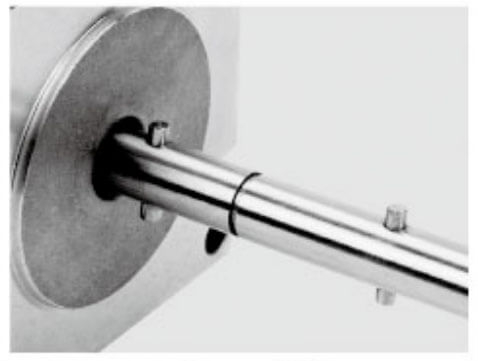
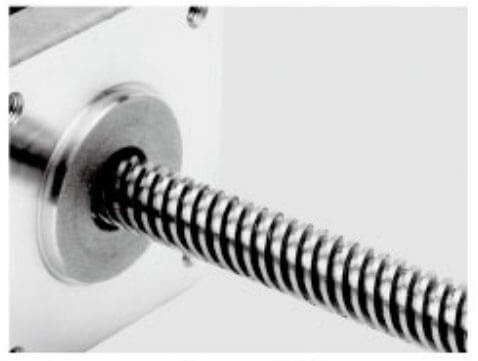
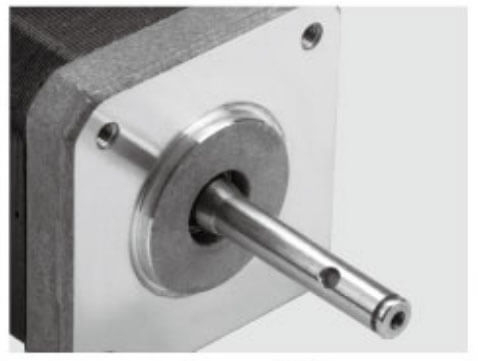
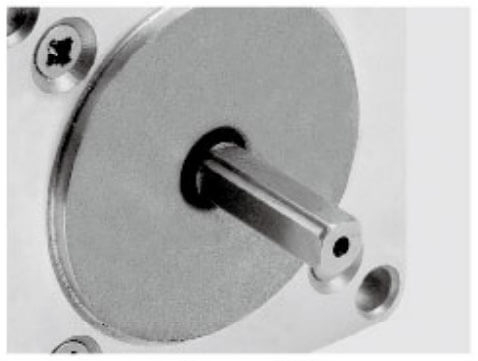
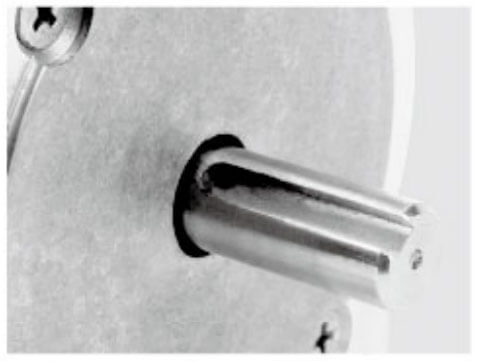
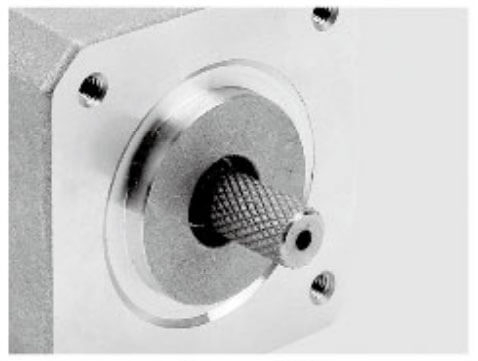
Motor Shaft Customized Service
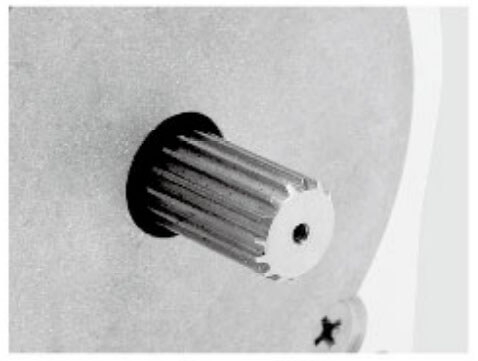
Jkongmotor offer many different shaft options for your motor as well as customizable shaft lengths to make the motor fit your application seamlessly.
How a BLDC Motor Works as a Generator
A BLDC motor consists of permanent magnets on the rotor and three-phase stator windings. In motor mode, an electronic controller energizes the stator in a precise sequence to create a rotating magnetic field that drives the rotor. In generator mode, the process is reversed.
When the rotor is mechanically rotated:
The permanent magnetic field cuts across the stator conductors
A three-phase alternating voltage is induced
The output frequency is proportional to rotational speed
The output voltage is proportional to speed and magnetic flux
This means a BLDC motor inherently behaves as a three-phase alternator. The produced electrical energy can be routed through a rectifier to obtain DC power or used directly as AC in specialized applications.
Because BLDC motors are built with high-energy permanent magnets, low winding resistance, and tight air gaps, they are extremely efficient when operating as generators.
Electrical Characteristics of BLDC Generators
When using a BLDC motor as a generator, several critical electrical characteristics must be considered:
Generated Voltage
The induced voltage depends on:
Higher speeds generate higher voltage. A motor rated at 1000 KV, for example, produces approximately 1 volt per 1000 RPM per phase.
Output Frequency
The electrical frequency is a function of:
Rotor speed
Number of pole pairs
This is important when designing rectifiers, inverters, or grid-interface electronics.
Current Capability
The current output depends on:
Wire gauge
Thermal capacity
Load impedance
Cooling efficiency
BLDC motors designed for propulsion typically make excellent generators because they can safely handle high continuous currents.
BLDC Motor vs Dedicated Generator
Using a BLDC motor as a generator offers several advantages over traditional generators:
Higher power density
Lower mechanical friction
No brushes or commutators
Longer operational lifespan
Higher conversion efficiency
Lower maintenance requirements
Unlike brushed DC generators, BLDC generators eliminate mechanical wear points. Compared to wound-field alternators, they remove the need for excitation current, simplifying system design and improving reliability.
However, a BLDC motor used as a generator typically requires external electronics such as:
Three-phase bridge rectifiers
DC-DC converters
Battery charge controllers
Inverter stages (for AC output)
What Is Required to Use a BLDC Motor as a Generator
To convert a BLDC motor into a functional generator system, several components are necessary.
Mechanical Drive Source
A BLDC generator must be driven by:
The mechanical system must provide sufficient torque and speed to overcome cogging torque and electrical loading.
Rectification Circuit
Because BLDC motors generate three-phase AC, a three-phase full-wave rectifier is required to convert output into DC. High-efficiency Schottky or synchronous rectifiers minimize power loss.
Voltage Regulation
BLDC generator output varies with speed. Stable power delivery requires:
Energy Storage or Load Interface
The electrical energy may be routed to:
Lithium battery packs
Supercapacitors
DC bus systems
Grid-tied inverters
Direct DC loads
Common Applications of BLDC Motors as Generators
Regenerative Braking Systems
Electric vehicles, e-bikes, and robotics systems use BLDC motors as generators during braking. Mechanical kinetic energy is converted into electrical energy and returned to the battery, improving system efficiency and range.
Wind Power and Micro-Turbines
Small wind turbines frequently use BLDC motors as generators due to their:
They are ideal for off-grid power systems and IoT energy harvesting platforms.
Hydropower Generators
BLDC motors work effectively in micro-hydropower systems, where consistent torque and moderate RPM produce stable electrical output.
Portable Power Generators
Hand-crank generators, emergency power units, and compact engine-driven generators frequently integrate BLDC machines for their high efficiency and durability.
Industrial Energy Recovery
BLDC generators are deployed in conveyor braking systems, descending loads, and test benches to capture otherwise wasted mechanical energy.
Efficiency of BLDC Motors in Generator Mode
BLDC motors are among the most efficient rotating machines available. When used as generators, well-designed BLDC systems can achieve:
Efficiency is influenced by:
When paired with high-quality rectifiers and DC-DC converters, the overall system efficiency can surpass that of conventional small generators.
Controlling Power Output from a BLDC Generator
Because output voltage is speed-dependent, proper control architecture is essential.
Passive Regulation
Using resistive loads and Zener-based shunt regulators is possible for very small systems, but this wastes energy and limits scalability.
Active Regulation
Modern BLDC generator systems use:
MPPT charge controllers
Buck-boost regulators
Active rectifiers
Smart inverters
These systems dynamically adapt load impedance to maintain:
Stable voltage
Optimal power extraction
Safe current levels
Battery protection
Thermal and Mechanical Considerations
Operating a BLDC motor as a generator introduces both electrical and mechanical stresses.
Key design factors include:
Bearing load capacity
Shaft alignment
Rotor balancing
Winding thermal class
Continuous torque rating
Cooling airflow
Even though BLDC machines are efficient, high current generation still produces heat. Adequate thermal management ensures long service life and stable electrical characteristics.
Limitations of Using a BLDC Motor as a Generator
While a BLDC motor used as a generator offers high efficiency, compact size, and excellent reliability, it is not without technical and practical limitations. Understanding these constraints is essential for designing stable, safe, and economically viable generator systems. Below is a comprehensive, technically grounded overview of the key limitations of using a BLDC motor as a generator.
1. No Inherent Voltage Regulation
A BLDC motor does not naturally regulate its output voltage.
Output voltage is directly proportional to rotational speed
Any fluctuation in mechanical input immediately changes electrical output
Sudden load variations can cause voltage spikes or drops
This makes external power electronics mandatory, such as DC-DC converters, charge controllers, or inverters. Without proper regulation, sensitive electronics and batteries are at serious risk of damage.
2. Requires External Rectification and Control Electronics
BLDC motors generate three-phase AC power, not usable DC.
This means a functional generator system must include:
These additional components:
Unlike traditional DC generators, a BLDC generator is never a standalone device.
3. Poor Low-Speed Generation Performance
Most BLDC motors are optimized for high-speed operation.
At low RPM:
Generated voltage may be too low to overcome diode drops
Cogging torque can prevent smooth startup
Power output becomes unstable
This makes BLDC motors less suitable for:
Very low-speed wind turbines
Human-powered generators without gearing
Direct-drive micro-hydro systems without sufficient head pressure
Low-speed applications usually require gearboxes or specially wound low-KV motors.
4. Cogging Torque and Magnetic Drag
Permanent magnets interacting with stator slots produce cogging torque, which:
Increases startup resistance
Causes torque ripple
Reduces low-speed efficiency
Creates vibration and noise
In generator mode, this manifests as magnetic drag, meaning more mechanical input is required just to initiate rotation, especially under load.
This is a major drawback in:
5. Thermal Constraints at High Output Power
Although BLDC machines are efficient, high current generation still produces:
Copper losses (I⊃2;R)
Core losses
Eddy current heating
Rectifier heating
If thermal management is inadequate:
BLDC motors originally designed for intermittent duty may overheat quickly in continuous generator operation unless upgraded cooling is applied.
6. Not Optimized for Generator Flux Profiles
Most BLDC motors are engineered for motor efficiency, not generator optimization.
As a result:
Core laminations may not be ideal for generator harmonic content
Back-EMF waveform may cause rectification inefficiencies
Magnetic circuit design may not maximize generation at intended RPM
Purpose-built generators often outperform repurposed BLDC motors in:
Voltage smoothness
Low-speed efficiency
Thermal stability
Noise suppression
7. Limited Overload and Fault Tolerance
BLDC motors lack inherent current-limiting capability.
In generator mode:
Short circuits can cause instantaneous high currents
Demagnetization risk increases
Power electronics become primary protection elements
Without fast electronic protection, failures can include:
Burned windings
Destroyed rectifiers
Cracked magnets
Seized bearings
This makes robust electronic safeguarding absolutely mandatory.
8. Mechanical Design May Not Suit Generator Duty
Many BLDC motors are built for lightweight rotational duty, not continuous prime-mover loads.
Potential mechanical limitations include:
When used in wind, water, or belt-driven generators, inadequate mechanical margins can result in:
9. Frequency Instability
BLDC generator output frequency varies with speed.
This creates problems for:
Stable AC power requires:
Inverter stages
Phase-locked loops
DSP-based controllers
Without these, direct AC use is impractical.
10. Economic Trade-Offs
Although BLDC motors are mass-produced, total system cost can exceed expectations due to:
In some continuous-duty or industrial scenarios, a dedicated permanent-magnet generator may offer better lifecycle cost and reliability.
Conclusion
Using a BLDC motor as a generator is technically sound and widely practiced, but it introduces electrical, thermal, mechanical, and control-system challenges. The most significant limitations include:
No built-in voltage regulation
Dependence on power electronics
Weak low-speed performance
Cogging torque and magnetic drag
Thermal sensitivity
Mechanical duty constraints
When these factors are addressed through proper design, BLDC-based generators can perform exceptionally well. When ignored, they quickly become inefficient, unstable, and unreliable.
How to Select the Right BLDC Motor for Generator Use
Selecting the right BLDC motor for generator operation is the most critical step in building an efficient, stable, and durable power generation system. Although many BLDC motors can function as generators, only those correctly matched to the mechanical source, electrical load, and operating environment will deliver optimal performance. Below is a technically grounded, practical guide to choosing the right BLDC motor for generator use.
1. Define the Mechanical Input Conditions
Every generator design must start with the prime mover.
You must clearly establish:
Continuous and peak rotational speed (RPM)
Available torque
Directional stability
Duty cycle (continuous or intermittent)
Mechanical coupling method (direct drive, belt, gear, turbine, crank)
The BLDC motor must be capable of producing the required electrical power at the RPM your system can realistically supply. Selecting a motor without this alignment is the most common cause of underperforming generator systems.
2. Choose the Correct KV Rating
The KV rating defines how many RPM are required to generate one volt.
High KV → high RPM, low torque, lower inductance
Low KV → low RPM, high torque, higher inductance
For generator use:
Low-speed systems (wind, hydro, human-powered): choose low-KV motors
High-speed systems (engines, turbines, spindles): choose higher-KV motors
The goal is to reach your target DC voltage without extreme gearing or excessive electronic boost conversion.
3. Match Power and Current Ratings to Real Output
Generator duty stresses windings continuously.
Evaluate:
The motor must support continuous current equal to or higher than your expected generator output current. Motors designed for short-duty acceleration often fail quickly in generator mode if thermal margins are insufficient.
Always size the motor with 30–50% thermal headroom above calculated operating power.
4. Evaluate Back-EMF and Winding Configuration
The back-EMF constant determines voltage behavior under speed variation.
Key considerations:
Star (Y) windings produce higher voltage at lower speed
Delta (Δ) windings produce higher current capability but lower voltage per RPM
Trapezoidal vs sinusoidal back-EMF affects rectification smoothness
For generator systems feeding batteries or DC buses, star-wound, sinusoidal motors are generally preferred for stability and efficiency.
5. Consider Pole Count and Cogging Torque
Pole count strongly influences generator behavior.
Check manufacturer data for:
Cogging torque
Torque ripple
Detent torque
Low cogging torque is essential for:
Wind turbines
Micro-hydro systems
Energy harvesting
Human-powered generators
Excessive cogging reduces startup efficiency and increases mechanical losses.
6. Assess Mechanical Construction and Durability
Generator duty is continuous and mechanically demanding.
Critical mechanical factors include:
For turbine or belt-driven generators, prioritize motors with:
Industrial-grade bearings
Reinforced shafts
Good axial and radial load tolerance
Proven vibration endurance
Lightweight drone motors often lack the mechanical margin for long-term generator use.
7. Confirm Thermal Performance
Heat determines lifespan.
Analyze:
Maximum winding temperature
Magnet demagnetization limits
Cooling design (open, enclosed, forced-air, liquid)
Thermal resistance from winding to housing
Select motors with:
If continuous power is required, favor industrial BLDC motors over hobby-class machines.
8. Evaluate Electrical Losses and Efficiency
Low losses directly increase usable power.
Look for:
High-efficiency BLDC motors used in EVs, automation, and aerospace often perform exceptionally well as generators.
9. Ensure Compatibility with Power Electronics
The generator is only one element of the system.
Ensure compatibility with:
Confirm:
Poor electrical matching reduces efficiency and reliability.
10. Select Motors Designed for Continuous Duty
Always prioritize motors rated for:
These motors are optimized for:
They deliver vastly superior generator performance compared to motors intended for intermittent acceleration.
Conclusion
The right BLDC motor for generator use is selected by engineering alignment, not by convenience. The most important factors are:
Matching KV to available RPM
Sizing continuous current correctly
Ensuring low cogging torque
Verifying thermal capability
Confirming mechanical durability
Integrating with suitable power electronics
When these criteria are met, a BLDC motor can serve as a highly efficient, long-life, and compact generator platform for renewable energy systems, regenerative devices, portable power units, and industrial energy recovery solutions.
Conclusion: Can a BLDC Motor Be Used as a Generator?
A BLDC motor can not only be used as a generator—it is one of the most efficient, reliable, and adaptable generator platforms available. With proper mechanical drive, electrical rectification, and power regulation, BLDC machines provide outstanding performance in renewable energy, regenerative systems, portable generators, and industrial recovery solutions.
Their brushless architecture, permanent magnet excitation, high power density, and long service life make them ideal for modern energy systems where efficiency and reliability are paramount.
FAQs of brushless bldc motor & OEM ODM Customized)
1. What is a brushless BLDC motor and can it function as a generator?
A brushless BLDC motor inherently works as a generator when its rotor is externally driven, producing AC that can be rectified.
2. Can JKongmotor provide a brushless BLDC motor that is OEM ODM customized for generator applications?
Yes, JKongmotor offers OEM ODM customized brushless BLDC motors tailored for generator and energy-harvesting applications.
3. What electrical outputs can a brushless BLDC motor generate in generator mode?
Output AC voltage and frequency depend on RPM, KV rating, and winding design of the customized brushless BLDC motor.
4. What are key advantages of using a brushless BLDC motor as a generator?
It offers high power density, low friction, high efficiency, long lifespan, and no brushes—ideal for OEM ODM customized energy systems.
5. Does JKongmotor support OEM ODM customized brushless BLDC motors with specific KV and winding configurations?
Yes, winding parameters, KV values and performance curves can be OEM ODM customized.
6. Are there factory customization options for shaft design on brushless BLDC motor generators?
JKongmotor provides OEM ODM customized shafts, lengths, pulleys, gears, and bespoke mechanical interfaces.
7. Can I get a brushless BLDC motor with integrated driver and OEM ODM customization?
Yes, integrated driver options are part of the OEM ODM customized brushless BLDC motor solutions.
8. What types of accessories and add-ons are available for OEM ODM customized brushless BLDC motors?
Gearboxes, encoders, brakes and connectors are available as OEM ODM customized add-ons.
9. Can the brushless BLDC motor be OEM ODM customized for renewable energy applications (e.g., wind, hydro)?
Yes, motors can be tailored to operate efficiently at variable speeds for renewable generator tasks.
10. How does JKongmotor ensure quality for OEM ODM customized brushless BLDC motors?
Motors are produced under CE, RoHS, and ISO standards with rigorous quality inspection.
11. Can JKongmotor OEM ODM customize brushless BLDC motors for high-current generator output?
Yes — the factory can adjust winding gauge, cooling, and frame design for targeted current generation.
12. Is voltage regulation part of OEM ODM customized brushless BLDC motor systems?
JKongmotor can provide motor plus electronics solutions (rectifiers, converters) for stable generator output.
13. Do brushless BLDC motors require special rectifiers when used as generators?
Yes — three-phase bridge rectifiers are recommended to convert AC from the customized brushless BLDC motor to DC.
14. Can I OEM ODM customize a brushless BLDC motor for portable generator systems?
Yes, the factory supports compact and lightweight designs for portable generator use.
15. What performance upgrades are possible through OEM ODM customization of brushless BLDC motors?
Increased efficiency, thermal management, optimized torque, speed range, and noise reduction are available.
16. Can JKongmotor customize brushless BLDC motors for specific environmental protection standards?
Yes, OEM ODM services include environmental and enclosure customizations.
17. How do OEM ODM customized brushless BLDC motors improve regenerative braking systems?
They allow optimized conversion and control to recover mechanical energy efficiently.
18. Are factory customization options available for brushless BLDC motor thermal performance?
Yes, enhanced cooling and thermal design are part of OEM ODM options.
19. Does JKongmotor offer OEM ODM customized brushless BLDC motors for high-rpm generator operation?
Yes, high-speed optimized designs are supported within OEM ODM customization.
20. Can brushless BLDC motor generator systems be OEM ODM customized with control interfaces like CANopen or RS485?
Yes, communication and feedback interfaces can be integrated during OEM ODM customization.