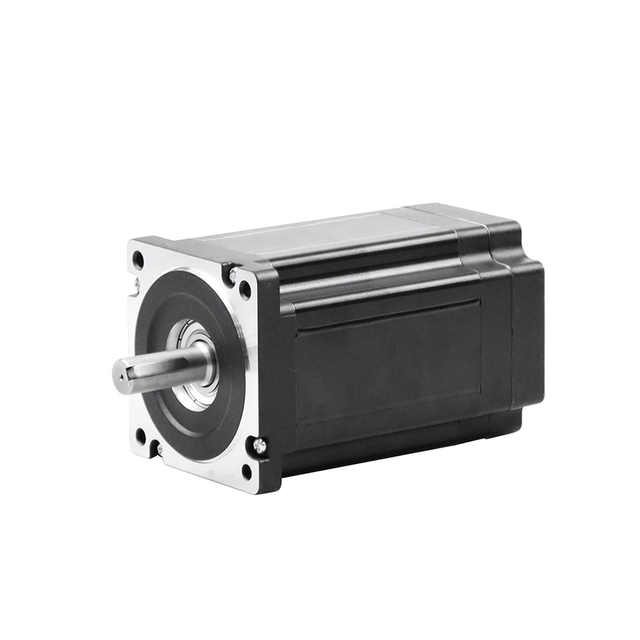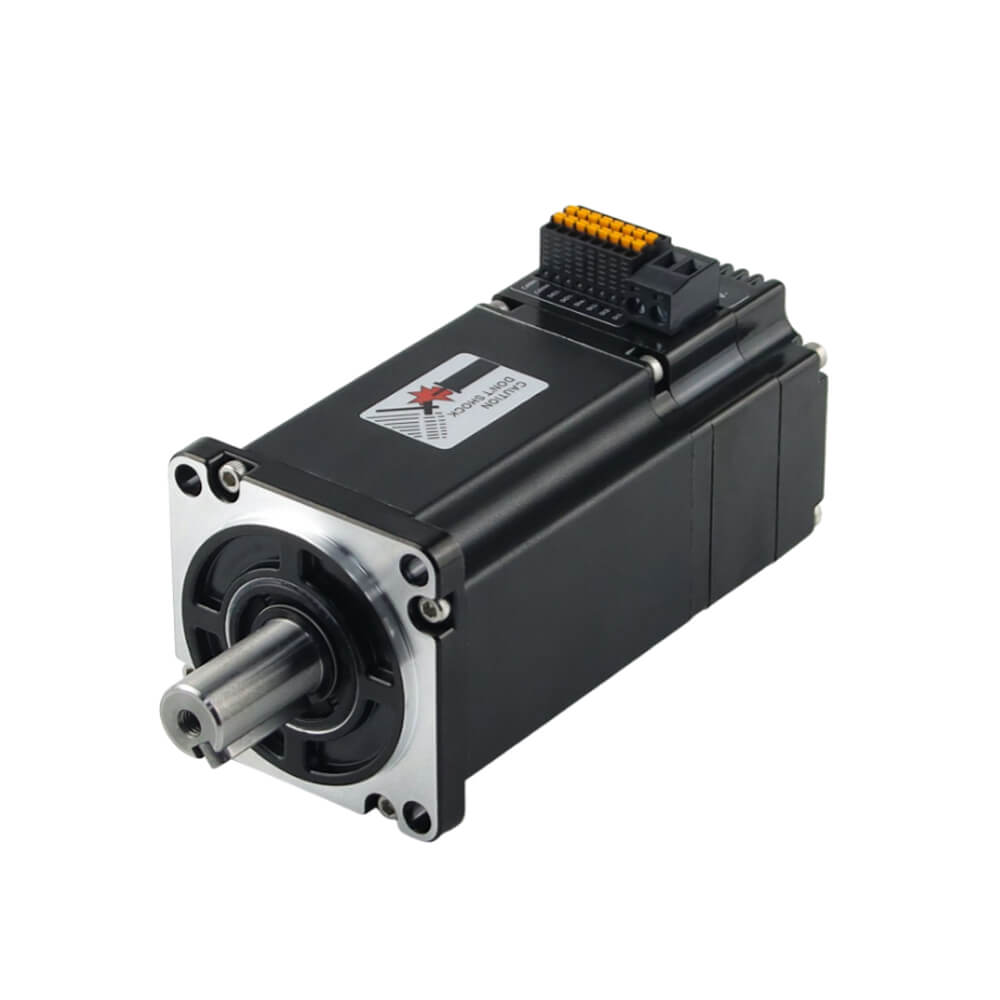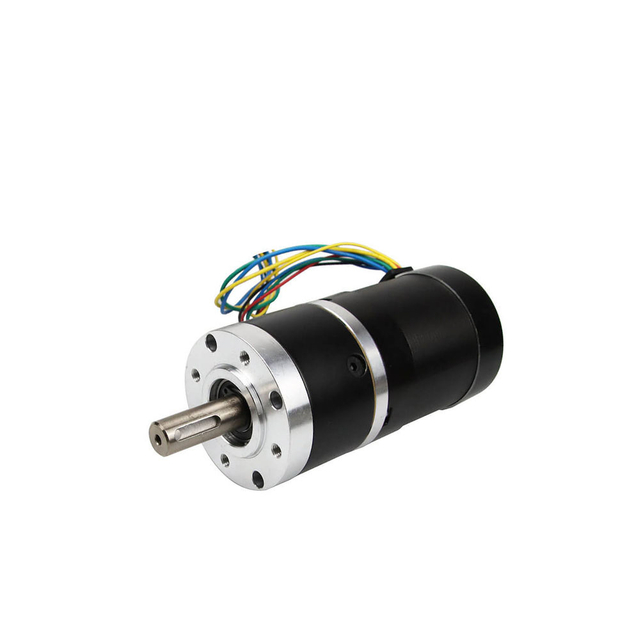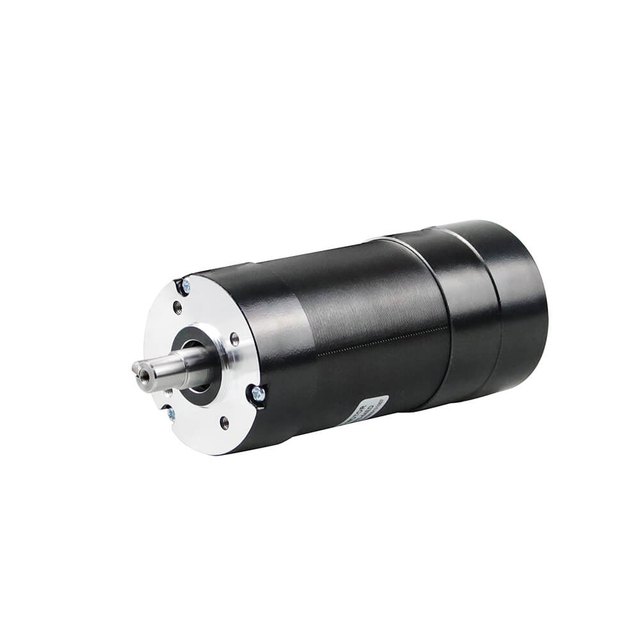
Understanding the difference between a servo motor and a BLDC motor is essential for engineers, OEM designers, automation specialists, and decision-makers in robotics, industrial machinery, medical devices, and electric mobility. We explore the technical architecture, control principles, performance metrics, efficiency profiles, cost structures, and real-world applications that clearly separate these two motor technologies while also revealing where they intersect.
Fundamental Definitions: Servo Motor vs. BLDC Motor
A BLDC motor (Brushless Direct Current motor) is an electric motor that uses electronic commutation instead of mechanical brushes. It converts electrical energy into mechanical motion with high efficiency, low maintenance, and excellent speed capability. On its own, a BLDC motor is primarily a power and motion generator.
A servo motor, in contrast, is not defined by the motor type alone. A servo system is a closed-loop motion control solution that integrates:
A motor (often BLDC or PMSM)
A feedback device (encoder, resolver, Hall sensor)
A servo drive/controller
A mechanical load system
Therefore, a servo motor is best understood as a precision-controlled motion system, not merely a standalone motor.
Core distinction:
A BLDC motor refers to the motor construction, while a servo refers to a complete control system built to achieve accurate position, speed, and torque regulation.
Jkongmotor ODM OEM Customized Bldc Motor Types
Bldc Motor Customized Service
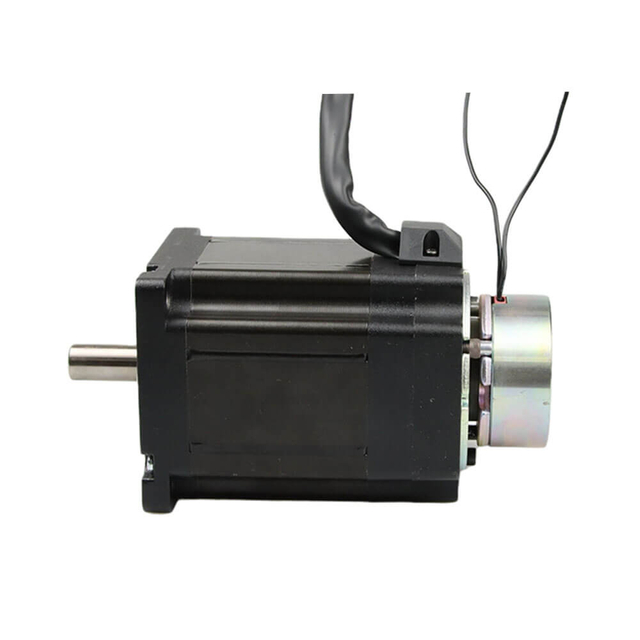
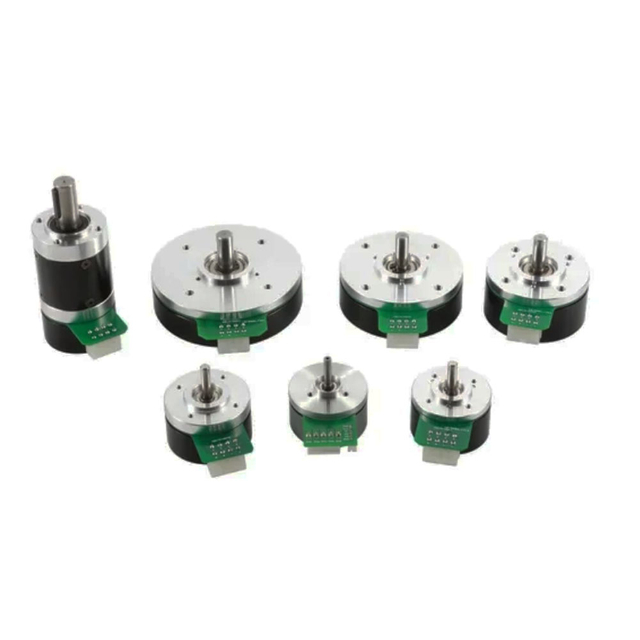
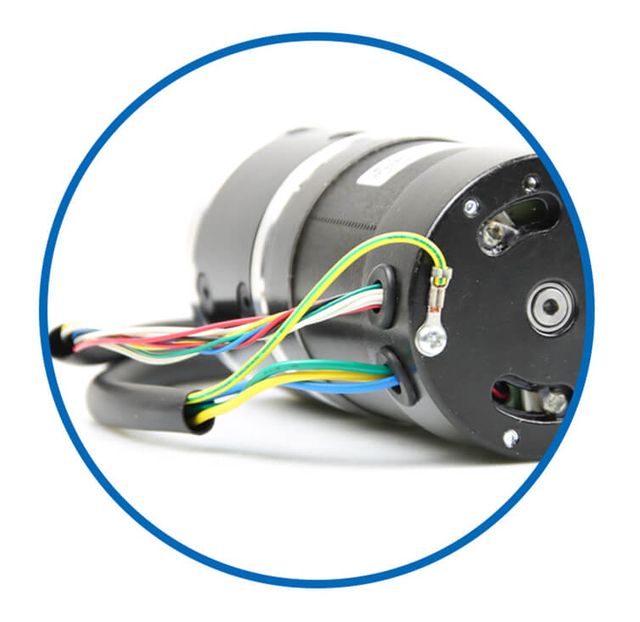
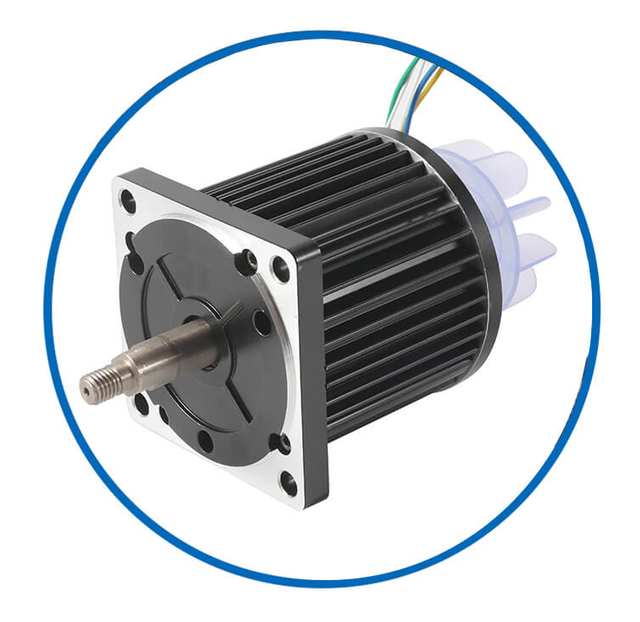
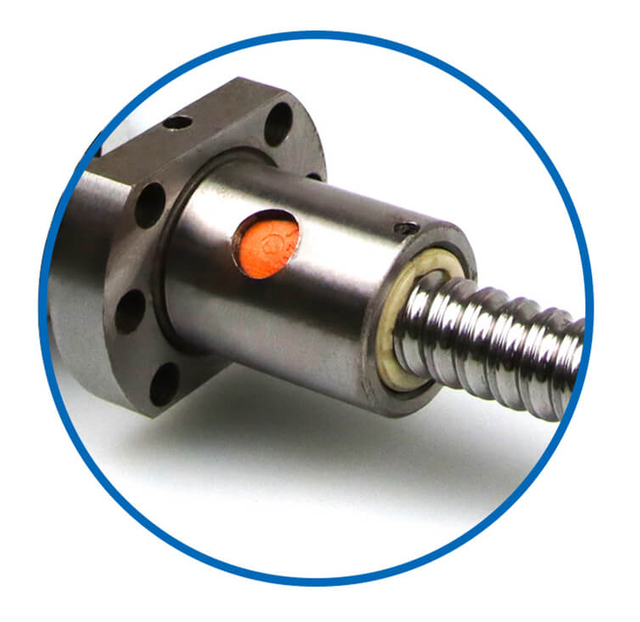
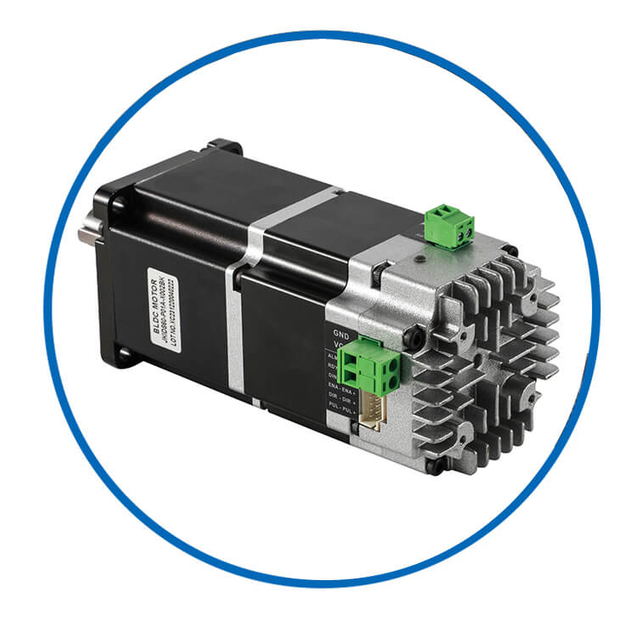
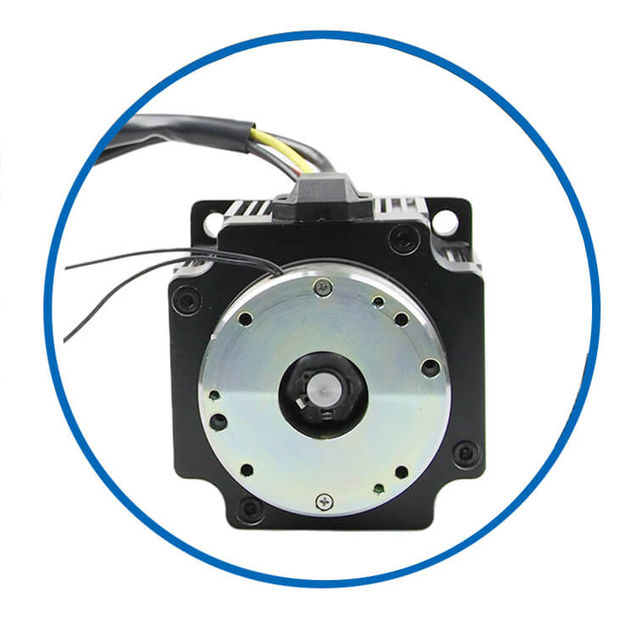
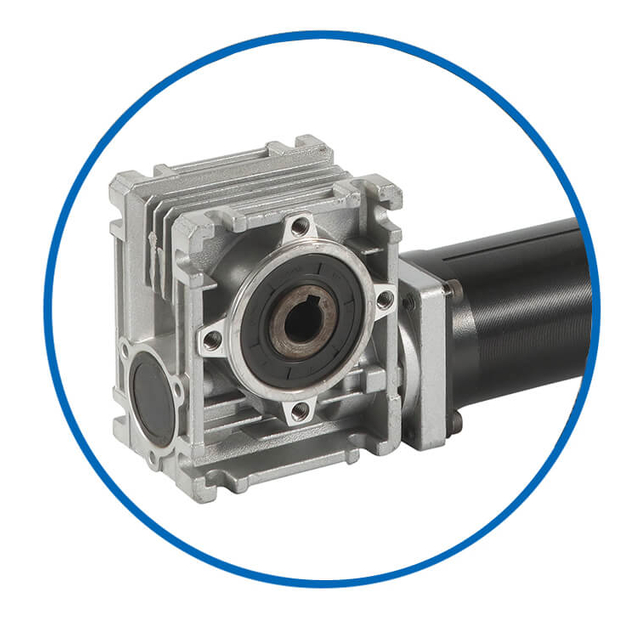
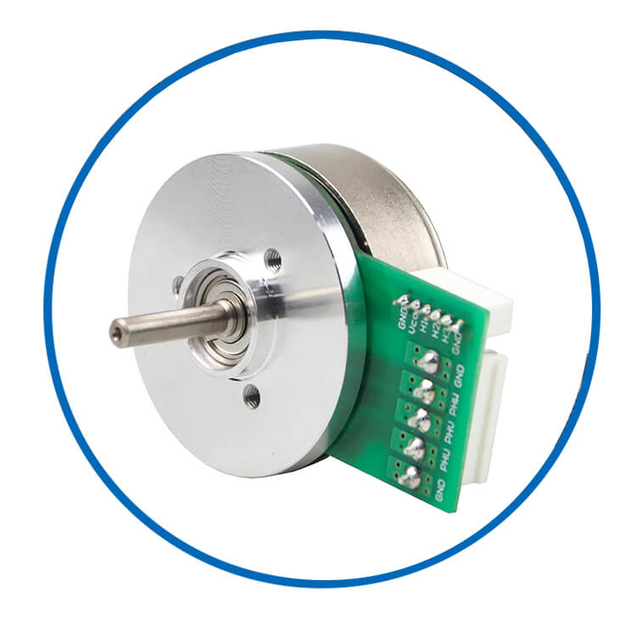
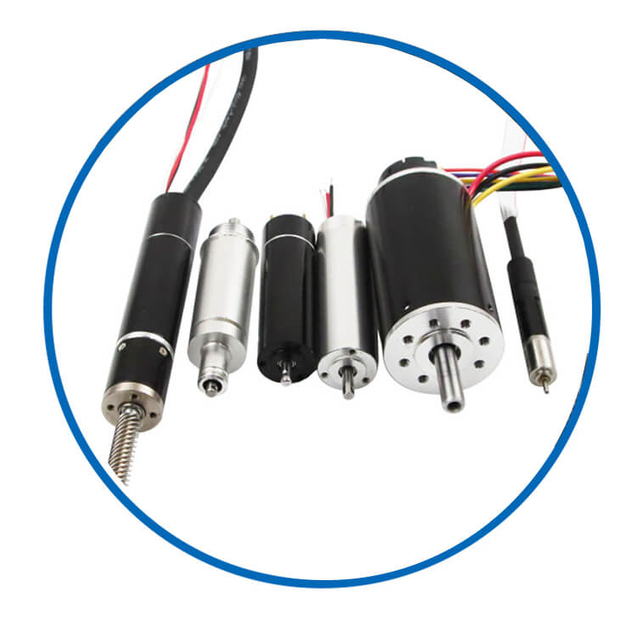
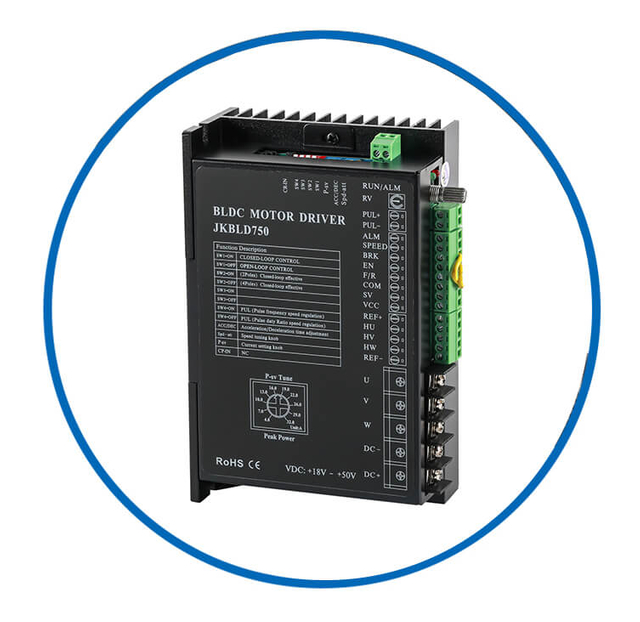
As a professional brushless dc motor manufacturer with 13 years in china, Jkongmotor offer various bldc motors with customized requirements, including 33 42 57 60 80 86 110 130mm, additionally, gearboxes, brakes, encoders, brushless motor drivers and integrated drivers are optional.
![bldc motor supplier]() | ![bldc motor supplier]() | ![bldc motor supplier]() | ![bldc motor supplier]() | ![bldc motor supplier]() | Professional custom brushless motor services safeguard your projects or equipment. No Brushes – Reduced Maintenance and Increased Lifespan High Efficiency and Low Power Loss High Torque-to-Weight Ratio Precise Speed and Position Control Quiet and Smooth Operation Wide Speed Range and Dynamic Performance Excellent Thermal Management Customizable Designs and Modular Configurations Multiple Control Methods Integration with Digital Interfaces and Sensors |
| Wires | Covers | Fans | Shafts | Integrated Drivers |
![bldc motor supplier]() | ![bldc motor supplier]() | ![bldc motor supplier]() | ![bldc motor supplier]() | ![bldc motor supplier]() |
| Brakes | Gearboxes | Out Rotors | Coreless Dc | Drivers |
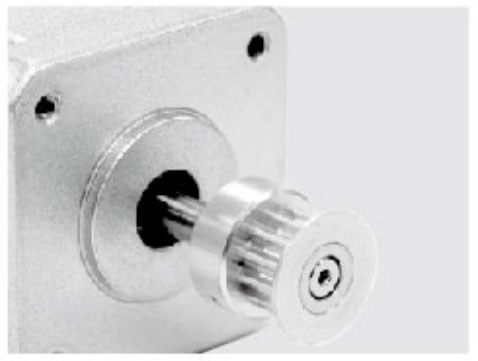
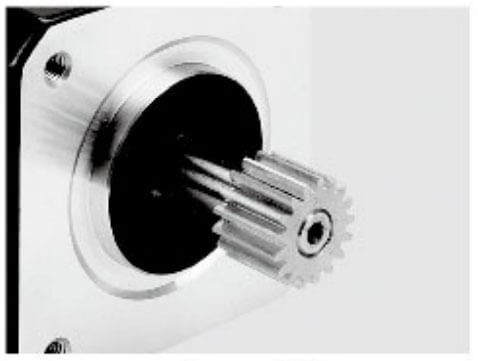
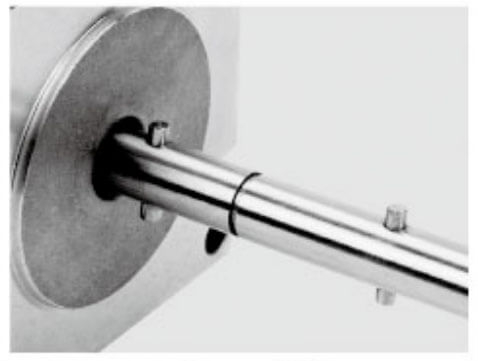
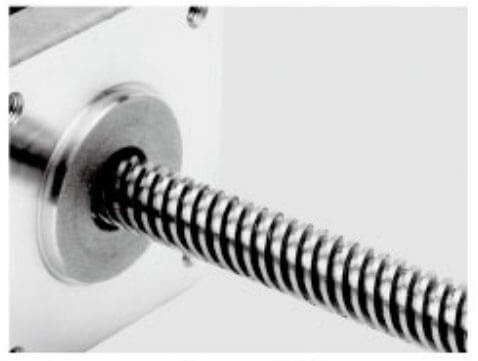
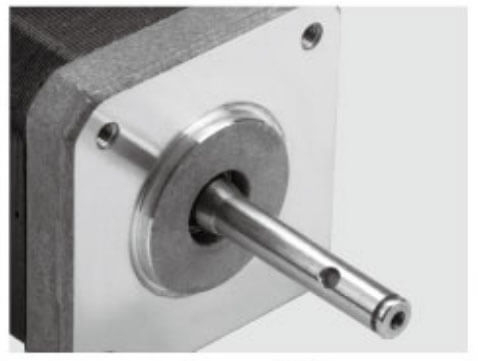
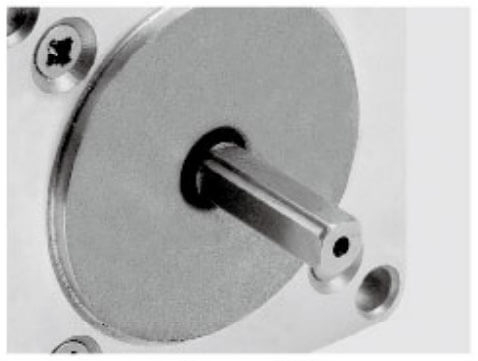
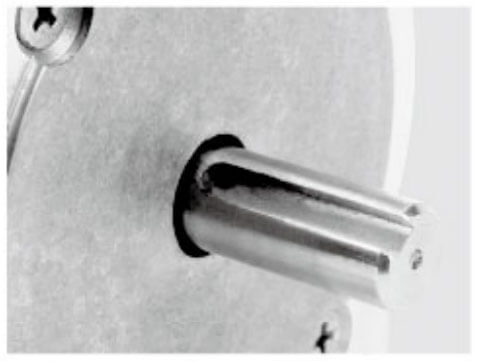
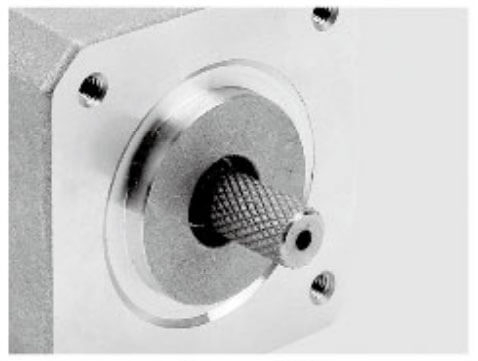
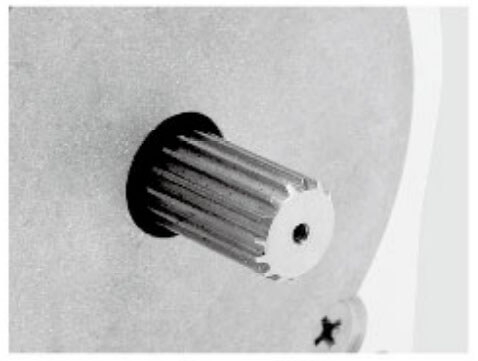
Motor Shaft Customized Service
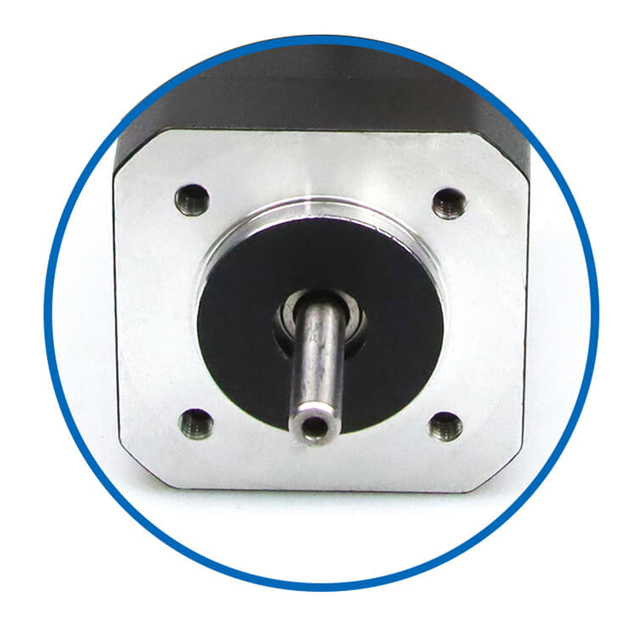
Jkongmotor offer many different shaft options for your motor as well as customizable shaft lengths to make the motor fit your application seamlessly.
Structural and Design Differences Between Servo Motor and Bldc Motor
BLDC Motor Structure
A typical BLDC motor consists of:
A permanent magnet rotor
A stator with three-phase windings
Electronic commutation via a driver
Optional Hall sensors for rotor position detection
BLDC motors are designed for continuous rotation, optimized for high speed, efficiency, and long operating life. They are mechanically simple, compact, and well-suited for constant or variable-speed tasks.
Servo Motor Structure
A servo motor system includes:
A high-performance motor (usually BLDC or AC synchronous)
A high-resolution encoder or resolver
A servo amplifier capable of real-time feedback processing
Sophisticated control algorithms
The servo system is engineered to deliver micron-level positioning accuracy, rapid response, and stable torque across the full speed range.
Key design difference:
BLDC motors emphasize power density and efficiency, while servo motors emphasize control intelligence and precision feedback integration.
Control Methodology and Feedback Systems Between Servo Motor and Bldc Motor
Understanding the control methodology and feedback systems of servo motors and BLDC motors is essential for selecting the right motion solution in industrial automation, robotics, medical devices, and electric mobility. Although both technologies often use similar brushless motor structures, their control architecture, feedback depth, and motion intelligence are fundamentally different.
Control Methodology of BLDC Motors
A BLDC (Brushless DC) motor operates based on electronic commutation, where mechanical brushes are replaced by a semiconductor switching circuit. The controller sequentially energizes the stator windings according to the rotor’s magnetic position, creating continuous rotation.
Typical BLDC Control Methods
BLDC motors are commonly controlled using:
Trapezoidal control – Square-wave current drive using Hall sensors to determine rotor position. This is the most widely used method in cost-sensitive and medium-performance applications.
Sinusoidal control – Smoother current waveforms to reduce torque ripple and acoustic noise.
Field-Oriented Control (FOC) – An advanced method that regulates stator currents in a rotating reference frame, improving efficiency, torque smoothness, and speed stability.
Feedback in BLDC Systems
Feedback in BLDC systems is often limited and application-dependent:
Hall sensors are typically used only to detect rotor position for commutation timing.
Some BLDC systems operate in sensorless mode, estimating rotor position from back electromotive force (BEMF).
External encoders may be added, but are not inherent to standard BLDC motor setups.
Because feedback is minimal, most BLDC drives function as open-loop or semi-closed-loop systems, focusing mainly on speed regulation rather than exact position control.
Control Objective
The main control goals of BLDC motors are:
BLDC control systems are therefore optimized for power delivery and efficiency, not precision positioning.
Control Methodology of Servo Motors
A servo motor system is designed from the ground up as a closed-loop control system. The motor is only one component; the servo drive continuously processes feedback signals and dynamically corrects the motor output to achieve exact motion behavior.
Typical Servo Control Methods
Servo systems employ multi-layered control loops, including:
Current (torque) loop – Controls electromagnetic torque output.
Velocity loop – Regulates rotational speed with high dynamic accuracy.
Position loop – Ensures the shaft reaches and maintains the commanded position.
These loops operate simultaneously at high refresh rates, allowing servo systems to respond in microseconds to load changes and command updates.
Servo drives commonly implement:
Advanced Field-Oriented Control (FOC)
High-resolution interpolation algorithms
Feedforward and adaptive control models
Real-time trajectory planning
Feedback in Servo Systems
Feedback is mandatory and central to servo operation. Typical feedback devices include:
Incremental encoders for speed and relative position
Absolute encoders for precise position tracking after power-off
Resolvers for extreme environments and high reliability
Secondary feedback devices (linear scales, torque sensors) for ultra-precision systems
The servo drive continuously compares commanded values with actual measured values, generating corrective signals that eliminate error.
Control Objective
The main control goals of servo motors are:
Ultra-precise position control
Exact speed synchronization
Stable and linear torque output
Rapid dynamic response
Automatic load compensation
Servo control is therefore optimized for motion accuracy, responsiveness, and system intelligence.
Key Differences in Control and Feedback Architecture
| Aspect | Servo Motor | BLDC Motor |
| Closed-loop operation | Always closed-loop | Often open-loop or semi-closed-loop |
| Feedback device | Mandatory high-resolution encoder or resolver | Optional Hall sensors or sensorless estimation |
| Control layers | Current, speed, and position loops | Primarily speed and commutation control |
| Error correction | Continuous real-time correction | Limited or indirect correction |
| Primary control goal | Precision and synchronization | Efficiency and stable rotation |
| Response to load changes | Instant compensation | Speed drop or fluctuation possible |
Summary
The essential difference lies in how the motor is controlled and how feedback is used. BLDC motor control focuses on electronic commutation and efficient rotation, using minimal feedback. Servo motor control focuses on continuous error detection and correction, using high-resolution sensors and multi-loop control structures.
Performance Comparison Between Servo Motor and Bldc Motor: Precision, Torque, and Dynamics
Positioning Accuracy
BLDC motor: Positioning depends on external systems; accuracy is limited without high-resolution encoders and advanced drives.
Servo motor: Capable of sub-arc-minute precision, repeatable micro-movements, and synchronized multi-axis motion.
Torque Characteristics
BLDC motor: Excellent efficiency at constant speed; torque ripple may occur under load variation.
Servo motor: Delivers stable torque across low, medium, and high speeds, including standstill holding torque.
Dynamic Response
BLDC motor: Moderate acceleration and deceleration control.
Servo motor: Ultra-fast response, high overload capacity, and precise transient behavior.
Conclusion:
Servo motors dominate in applications requiring exact motion profiles, while BLDC motors dominate in applications requiring efficient continuous operation.
Efficiency, Heat Management, and Lifespan Between Servo Motor and Bldc Motor
When evaluating motion systems, efficiency, thermal behavior, and operational lifespan are critical performance indicators. Although servo motors and BLDC motors often share similar brushless motor structures, their control objectives, operating profiles, and system architectures lead to important differences in how efficiently they use energy, how heat is generated and dissipated, and how long they can operate reliably.
BLDC Motor Efficiency
BLDC motors are widely recognized for their exceptionally high electrical and mechanical efficiency. By eliminating brushes and commutators, BLDC motors significantly reduce:
Friction losses
Electrical arcing losses
Mechanical wear
BLDC motors typically achieve efficiency levels of 85%–95%, especially when operating at steady speeds and constant loads. Their electronic commutation allows precise phase energization, minimizing copper losses and improving power factor.
Because BLDC motors are frequently used in continuous-duty applications—such as fans, pumps, compressors, and electric vehicles—their design is optimized for maximum energy conversion with minimal waste heat.
Servo Motor Efficiency
Servo motors, most often based on brushless synchronous motor designs, are also highly efficient. However, servo systems prioritize dynamic performance over static efficiency. Rapid acceleration, deceleration, and frequent reversing require:
As a result, servo motors may experience higher short-term electrical losses compared to BLDC motors operating under steady conditions. Despite this, modern servo drives employ field-oriented control, regenerative braking, and adaptive current optimization, enabling servo systems to achieve excellent overall energy utilization, particularly in high-performance automation environments.
Practical distinction:
BLDC motors maximize efficiency in continuous rotation, while servo motors optimize efficiency across highly dynamic motion profiles.
Thermal Behavior of BLDC Motors
Heat in BLDC motors primarily originates from:
Copper losses in the stator windings
Iron losses in the magnetic core
Inverter switching losses
Because BLDC motors often run at stable operating points, their thermal output is relatively predictable and easy to manage. Common heat management strategies include:
This thermal simplicity makes BLDC motors ideal for compact devices, sealed systems, and battery-powered equipment, where low heat generation directly improves system reliability.
Thermal Behavior of Servo Motors
Servo motors experience more complex thermal cycles. Continuous starts, stops, torque peaks, and high acceleration forces cause rapid current fluctuations, increasing copper losses and localized heating.
To manage this, servo systems integrate:
Precision temperature sensors
Dynamic current limiting
Active cooling options (forced air or liquid cooling)
Intelligent thermal modeling inside the drive
Servo drives continuously monitor winding and housing temperatures, automatically adjusting output to protect the motor while maintaining performance.
Engineering insight:
BLDC thermal design focuses on steady heat dissipation, while servo thermal design focuses on dynamic heat control.
BLDC Motor Lifespan
BLDC motors offer exceptionally long service life due to their:
In typical continuous-duty applications, BLDC motors can operate tens of thousands of hours with little performance degradation. Their lifespan is mainly influenced by:
Bearing quality
Operating temperature
Environmental conditions
Load consistency
With proper thermal management and bearing selection, BLDC motors often outlast traditional brushed motors by several multiples.
Servo Motor Lifespan
Servo motors also benefit from brushless construction, giving them the same fundamental mechanical longevity. However, servo motors frequently work in high-stress operating environments, characterized by:
Rapid acceleration and deceleration
High peak torque loads
Continuous micro-corrections
Frequent reversing cycles
While this imposes greater electrical and mechanical stress, servo systems compensate through:
Active protection algorithms
Predictive thermal modeling
Overload detection
Soft-start and regenerative braking
When properly specified and tuned, servo motors deliver long, highly reliable service lives, even in 24/7 industrial automation lines.
Lifecycle perspective:
BLDC motors achieve long life through mechanical simplicity. Servo motors achieve long life through intelligent system protection.
Summary of Key Differences
Efficiency:
BLDC motors are most efficient in steady-state operation. Servo motors maintain high efficiency across rapidly changing load and speed conditions.
Heat Management:
BLDC motors rely mainly on passive thermal design. Servo motors combine passive design with real-time electronic thermal control.
Lifespan:
Both offer long operational life, but BLDC motors excel in continuous-duty endurance, while servo motors excel in high-precision, high-dynamic longevity.
Conclusion
The distinction in efficiency, heat management, and lifespan between servo motors and BLDC motors does not reflect superiority, but optimization for different operational realities. BLDC motors are optimized for efficient, low-heat, long-duration motion, whereas servo motors are optimized for controlled, adaptive, and precision-driven motion under demanding dynamic conditions.
Selecting the appropriate technology ensures not only superior performance, but also maximum thermal stability, energy utilization, and system lifespan.
Cost Structure and System Complexity Between Servo Motor and Bldc Motor
BLDC Systems
BLDC motors are ideal where budget efficiency and reliability outweigh the need for extreme precision.
Servo Systems
Higher upfront investment
Advanced drive electronics
Encoder and feedback integration
Software configuration and tuning
Servo motors justify their cost through production accuracy, scrap reduction, speed optimization, and automation reliability.
Economic reality:
BLDC motors reduce component cost, servo motors reduce operational and process cost.
Application-Focused Differences Between Servo Motor and Bldc Motor
Where BLDC Motors Excel
BLDC motors are dominant in:
These applications value:
High speed
High efficiency
Compact size
Low noise
Long operating cycles
Where Servo Motors Excel
Servo motors are essential in:
These environments demand:
Exact positioning
Synchronized axes
Rapid start-stop cycles
Load-adaptive torque
Consistent repeatability
Functional difference:
BLDC motors move continuously and efficiently. Servo motors move intelligently and precisely.
Integration and Scalability Between Servo Motor and Bldc Motors
Integration capability and system scalability play a decisive role in modern motion control design. Whether the goal is to build a compact embedded device or a fully automated multi-axis production line, the difference between servo motors and BLDC motors becomes especially clear at the system integration level. While both technologies are brushless and electronically driven, they are engineered for very different integration environments and scalability demands.
System Integration of BLDC Motors
BLDC motors are designed for simple, flexible, and hardware-efficient integration. A standard BLDC system typically consists of:
This minimal architecture allows BLDC motors to be easily embedded into:
Consumer devices
Portable and battery-powered systems
Medical instruments
Pumps, fans, and compressors
Electric mobility platforms
Key Integration Advantages of BLDC Motors
Compact electronics: BLDC drivers are small, lightweight, and easy to mount directly on the motor or PCB.
Low software complexity: Control logic focuses mainly on commutation and speed regulation.
High design freedom: BLDC motors can be integrated into custom housings, sealed units, or miniature assemblies.
Easy power adaptation: They operate efficiently from DC supplies, batteries, and simple power converters.
Because of this, BLDC motors are especially suitable for OEM product integration, where size, cost, and energy efficiency are primary design drivers.
Scalability of BLDC Systems
BLDC scalability is primarily power-oriented. Systems scale by:
Increasing motor size and torque class
Using higher voltage levels
Paralleling power electronics
However, scaling BLDC systems across multiple axes introduces challenges. Synchronization, coordinated motion, and precision feedback require additional external controllers, making large-scale automation architectures more complex.
BLDC scalability strength: mechanical size and power range
BLDC scalability limitation: coordinated multi-axis intelligence
System Integration of Servo Motors
Servo motors are engineered for structured, software-centric, and network-driven integration. A typical servo system includes:
Servo systems are designed to integrate seamlessly into:
Key Integration Advantages of Servo Motors
Standardized industrial interfaces: EtherCAT, PROFINET, CANopen, Modbus, and other real-time fieldbuses.
Native PLC and CNC compatibility: Servo drives are built to communicate directly with motion controllers.
Modular architecture: Motors, drives, and controllers are interchangeable within defined performance classes.
Integrated safety functions: STO, SS1, SLS, and other functional safety features are built into servo ecosystems.
Servo integration focuses not on single devices, but on entire motion networks, enabling precise coordination across many axes.
Scalability of Servo Systems
Servo systems are inherently designed for scalability. They can expand from:
A single positioning axis
To synchronized dual-axis modules
To complex multi-axis robotic and manufacturing cells
Scalability is achieved through:
Networked drives
Centralized or distributed controllers
Parameterized motion profiles
Software-defined expansion
Adding new axes does not require redesigning the control philosophy—only extending the existing motion network.
Servo scalability strength: intelligent multi-axis coordination
Servo scalability limitation: higher initial system cost and engineering depth
Embedded Integration vs. Industrial Integration
From an integration perspective, the difference is strategic:
BLDC motors integrate best into products.
Servo motors integrate best into systems.
BLDC integration emphasizes:
Servo integration emphasizes:
Customization and Expansion Capability
BLDC motors are often customized at the mechanical and electrical level:
Shaft design
Winding parameters
Housing geometry
Connector orientation
Expansion typically requires redesigning the control electronics.
Servo motors are often customized at the software and configuration level:
Motion curves
Torque limits
Safety logic
Communication mapping
Expansion usually requires adding modules rather than redesigning hardware.
This makes servo systems particularly suitable for long-term automation platforms, where production capacity, precision, and machine functionality evolve over time.
Integration in Smart and Connected Environments
Modern servo systems are built for Industry 4.0 and smart manufacturing environments. They support:
BLDC systems can be connected, but typically require external controllers or gateways to achieve similar digital integration.
Thus, servo motors naturally fit into digitally orchestrated industrial ecosystems, while BLDC motors excel in standalone intelligent devices.
Conclusion
From an integration and scalability perspective:
BLDC motors offer superior ease of integration, compactness, and product-level flexibility, making them ideal for embedded, portable, and efficiency-driven designs.
Servo motors offer unmatched system integration depth, software control, and multi-axis scalability, making them indispensable for industrial automation, robotics, and high-precision manufacturing platforms.
The correct choice depends not only on performance requirements, but on the future structure, expansion goals, and intelligence level of the entire motion system.
Reliability and Operational Stability Between Servo Motor and Bldc Motor
BLDC motors provide exceptional mechanical reliability due to:
Servo systems provide exceptional process reliability because they can:
Detect overload instantly
Correct positional drift
Compensate for mechanical wear
Stabilize under fluctuating loads
This makes servo motors indispensable where error margins are measured in microns and milliseconds.
Decision Framework: Which One Should We Choose?
We choose a BLDC motor when the priority is:
We choose a servo motor when the priority is:
Practical guideline:
If the application requires knowing exactly where the shaft is at all times, a servo motor system is essential. If the application requires efficient and reliable rotation, a BLDC motor is sufficient.
Future Outlook: Converging Technologies
Modern motion systems increasingly integrate BLDC motors inside servo architectures, merging:
This convergence is driving innovation in:
The future is not BLDC versus servo — it is BLDC within servo ecosystems.
Servo Motor vs. BLDC Motor: Detailed Comparison Table
| Comparison Aspect | Servo Motor | BLDC Motor (Brushless DC Motor) |
| Basic Definition | A complete closed-loop motion control system consisting of a motor, feedback device, and servo drive | A brushless electric motor that uses electronic commutation to generate continuous rotation |
| System Composition | Motor + encoder/resolver + servo drive + control algorithms | Motor + electronic driver (feedback optional) |
| Control Type | Closed-loop control (real-time feedback and automatic correction) | Usually open-loop or semi-closed-loop control |
| Position Feedback | Always included (high-resolution encoders or resolvers) | Optional (Hall sensors mainly for commutation, not precision control) |
| Positioning Accuracy | Very high (micron-level positioning, precise repeatability) | Low to medium (limited precision without external encoders) |
| Speed Control | Extremely precise across full speed range, including zero speed | Good speed control, optimized for continuous operation |
| Torque Control | Highly accurate torque regulation, strong low-speed and holding torque | High efficiency torque output, but less precise regulation |
| Dynamic Response | Very fast response, high acceleration and deceleration capability | Moderate response, suitable for smooth continuous motion |
| Load Adaptability | Automatically compensates for load changes in real time | Limited load compensation unless advanced controllers are used |
| Efficiency | High efficiency, optimized for performance and dynamic control | Very high efficiency, especially at constant speeds |
| Heat Management | Advanced current and thermal management via servo drives | Naturally low heat due to brushless structure |
| System Complexity | High (requires tuning, feedback integration, and advanced electronics integration, and advanced electronics) | Low to medium (simpler electronics and easier integration) |
| Cost Level | Higher initial cost, higher system value | Lower hardware cost, cost-effective solution |
| Maintenance | Very low (no brushes, intelligent protection) | Very low (no brushes, simple structure) |
| Typical Applications | Industrial robots, CNC machines, packaging systems, medical equipment, semiconductor machines | Fans, pumps, electric vehicles, drones, power tools, home appliances |
| Primary Strength | Precision, intelligence, and motion control accuracy | Efficiency, simplicity, and continuous rotation performance |
| Primary Limitation | Higher system cost and setup complexity | Limited positioning accuracy without a servo system |
Summary of the Core Difference
The true difference between a servo motor and a BLDC motor lies not in the copper windings or magnets, but in the control philosophy.
Understanding this distinction ensures optimal motor selection, superior system performance, and long-term operational success.
FAQs
1. What is a BLDC motor?
A BLDC (Brushless DC) motor is an electric motor that uses electronic commutation instead of brushes to convert electrical energy into motion, offering high efficiency and long life.
2. What is a servo motor?
A servo motor refers to a complete motion control system—including a motor, feedback device (like an encoder), and controller—designed for precise position, speed, and torque control.
3. How is a BLDC motor different from a servo motor?
A BLDC motor describes the motor type and structure, while a servo motor describes a system with closed-loop feedback and control for precise motion.
4. Can a BLDC motor be used as a servo motor?
Yes—when a BLDC motor is integrated with a high-resolution encoder and servo controller, it becomes part of a servo motion control system.
5. Why choose a Customized BLDC motor?
A Customized BLDC motor can be tailored in size, power, encoder setup, and shaft design to match the specific demands of your application.
6. Does a servo motor always use a BLDC motor?
Not always—servo systems can use AC synchronous motors—but many modern servos are based on BLDC motors for efficiency and dynamic response.
7. What advantages does a CCTV motor vs BLDC motor offer?
This question is often confused with servo technology; a BLDC motor focuses on continuous efficient rotation, whereas a servo system provides precise position/speed control.
8. What is closed-loop control in a servo?
Closed-loop control continuously compares actual position against the target and adjusts the motor output in real time for precision.
9. Are all BLDC motors open-loop systems?
Standard BLDC motors usually run in open-loop or with minimal feedback; feedback like encoders is optional unless used as a servo.
Adding an encoder to a Customized BLDC motor enables accurate speed and position feedback, allowing it to be used in precision applications.
11. Which is better for efficiency: a BLDC motor or a servo motor?
BLDC motors generally provide very high efficiency in continuous operation; servos prioritize dynamic precision, which can involve higher peak currents.
12. Can a Customized BLDC motor improve performance in robotics?
Yes, customizing a BLDC motor—such as adding feedback and control features—can significantly enhance motion performance in robotics.
13. What applications benefit from a servo system over a simple BLDC motor?
Precision CNC machines, robotic arms, and automated systems that require exact position and motion control benefit more from servo systems.
14. Is a Customized BLDC motor suitable for electric vehicles (EVs)?
BLDC motors—including customized versions—are widely used in EV applications for their efficiency, durability, and controllability.
15. What customization options are typical for a Customized BLDC motor?
Typical options include shaft length/diameter, encoder type, housing design, gearbox integration, and driver compatibility.