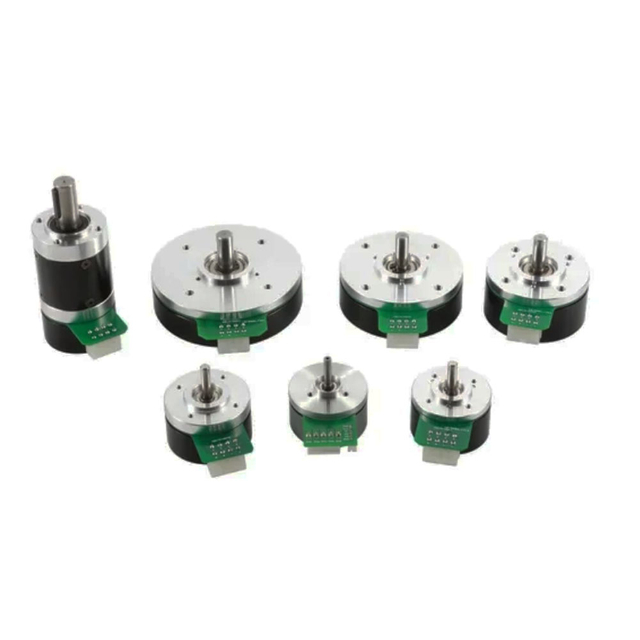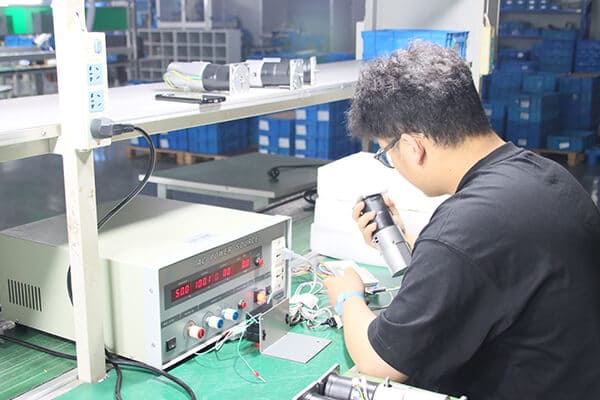
Outrunner BLDC motors have become essential components in modern engineering, powering everything from drones and electric scooters to industrial automation systems and robotics. Their exceptional torque, compact structure, and reliable efficiency make them the preferred choice for applications where power density and responsiveness are critical. Below is a comprehensive and highly detailed guide that explores every aspect of outrunner BLDC motors, helping you understand their structure, advantages, applications, and key considerations when choosing the right model.
What Is an Outrunner BLDC Motor?
An outrunner BLDC (Brushless DC) motor is a brushless motor design where the rotor rotates on the outside of the stator. Unlike inrunner motors, which have a stationary exterior and internal rotor, outrunners feature a rotating outer shell that houses the permanent magnets. This unique configuration allows the motor to deliver higher torque at lower speeds, improving control, stability, and efficiency.
Outrunner motors are typically built with multiple pole pairs, a feature that enhances torque output and improves smoothness during operation. These motors are widely used when both reliability and strong rotational force are required in compact spaces.
![Out Runner Brushless Dc Motor]()
Jkongmotor Outer Rotor Brushless Bldc Motors
Outer rotor BLDC motors—also known as external rotor brushless DC motors—have become essential components in modern engineering due to their exceptional torque density, smooth operation, and energy-efficient performance. As industries demand compact yet powerful motion solutions, these advanced motor systems offer unparalleled advantages for applications requiring stability, precision, and durability.
This unique construction provides several performance benefits:
Higher torque per volume
Enhanced inertia for smooth, stable rotation
Improved cooling efficiency
Ultra-low vibration and noise
Outrunner BLDC (Brushless DC) motors offer a range of performance, efficiency, and design benefits that make them the preferred choice for drones, robotics, electric mobility devices, gimbals, and compact industrial machinery. Their unique configuration—with the rotor rotating on the outside of a fixed stator—creates mechanical leverage that improves torque output and efficiency. Below are the key advantages that set outrunner BLDC motors apart from other motor types.
1. High Torque at Low Speed
One of the most significant advantages of outrunner BLDC motors is their ability to generate high torque without requiring high RPMs. Their large-diameter rotor acts as a torque multiplier, allowing the motor to deliver rotational force efficiently.
Benefits include:
Smooth startup performance
Reduced need for gear reduction systems
Improved load-handling capability
This makes outrunners ideal for drones, electric bicycles, robotic arms, and propulsion systems.
2. Exceptional Power-to-Weight Ratio
Outrunner motors are known for their excellent power density, delivering substantial output while remaining compact and lightweight. Their minimal mass allows them to operate efficiently in systems where weight is a major constraint.
Ideal for:
UAVs and quadcopters
Portable robots
Handheld power devices
The result is enhanced agility, longer battery life, and better performance in mobile applications.
3. Efficient Cooling and Heat Dissipation
Because the rotor is on the outside and rotates freely, it naturally enhances airflow around the motor.
Advantages include:
This makes outrunner motors more reliable during long-duration or high-load operations.
4. Smooth, Quiet Operation
The high pole count of outrunner BLDC motors results in smooth rotational motion with minimal vibration.
This provides:
Their calm and stable performance is especially valued in professional videography equipment, laboratory devices, and service robots.
5. High Efficiency and Low Maintenance
The brushless architecture ensures minimal friction and mechanical wear.
Efficiency benefits include:
Since there are no brushes to replace, outrunner motors offer long-term reliability and stable performance.
6. Cost-Effective Design
Outrunner BLDC motors typically provide better torque without the need for expensive gearboxes or complex mechanical enhancements.
This reduces:
System cost
Weight and complexity
Maintenance expenses
They offer excellent value for both hobbyist and industry-grade applications.
7. Versatility Across Multiple Applications
The combination of torque, efficiency, compactness, and low noise makes outrunners suitable for a wide range of industries.
Common uses include:
This broad compatibility has made outrigger motors a popular engineering choice worldwide.
Outrunner Brushless DC (BLDC) motors operate using a unique design in which the rotor is located on the outside of the motor and spins around a fixed internal stator. This configuration provides mechanical advantages, especially for torque output, making outrunner BLDC motors popular in drones, gimbals, electric bikes, and robotics. Understanding how these motors work requires examining their structure, electromagnetic operation, and control system.
1. Basic Structure of an Outrunner BLDC Motor
An outrunner BLDC motor has two primary components:
Stator (Stationary Part)
The stator generates a rotating magnetic field when electrical power is applied.
Rotor (Rotating Outer Shell)
Located around the outside of the stator
Contains high-strength permanent magnets
Spins as a complete outer can or drum
Because the rotor has a larger diameter than in traditional motors, it provides greater leverage, resulting in higher torque.
2. Principle of Electromagnetic Operation
Outrunner BLDC motors work based on electromagnetic induction and electronic commutation. Instead of brushes and a mechanical commutator, these motors rely on an electronic controller to switch the current in the stator windings.
Step-by-Step Operation
Current is applied to the stator windings.
The motor controller energizes specific coils in a sequence.
A rotating magnetic field is created.
Energized coils produce alternating magnetic poles.
Permanent magnets on the rotor are attracted/repelled.
The rotor’s magnets align with the moving magnetic field.
The rotor rotates around the stator.
As the field rotates, the outer shell of the motor spins.
This process repeats continuously, allowing smooth, efficient motion.
3. Electronic Commutation
BLDC motors do not use brushes to switch current. Instead, they rely on:
Sensorless Control
Uses back electromotive force (Back-EMF) to detect rotor position.
Commonly used in drones and RC applications for simplicity and cost efficiency.
Sensored Control
Integral Hall sensors detect the rotor’s magnetic position.
Used in robotics, e-bikes, and systems requiring precise low-speed control.
The controller switches the motor phases at exactly the right moment to maintain smooth rotation.
4. Why the Rotor Spins Outside
The defining feature of an outrunner motor is its rotating outer shell. This design offers two key functional advantages:
Higher Torque Through Larger Radius
Torque = Force × Radius
The larger rotor diameter increases torque output without increasing power consumption.
Better Cooling
The spinning outer casing increases airflow, reduces heat buildup, and allows higher sustained power.
5. Multi-Pole Configuration
Outrunner BLDC motors often feature many magnetic poles (e.g., 12, 14, or more). More poles allow:
This is ideal for drones, camera gimbals, and precision robotics.
6. Controller and ESC Role
An Electronic Speed Controller (ESC) is essential to BLDC operation. It performs:
The ESC reads rotor feedback (sensorless or sensored) and constantly adjusts current flow to maintain efficient operation at any speed.
7. Efficiency and Performance Characteristics
Outrunner BLDC motors work with exceptional efficiency because:
There is no friction from brushes
Electronic commutation minimizes energy loss
Permanent magnets reduce heat and waste
The outer casing aids cooling
This results in high power output, long lifespan, and stable operation.
8. Summary of How Outrunner BLDC Motors Work
The stator stays fixed and receives electronically controlled current.
The current creates a rotating electromagnetic field.
Permanent magnets in the outer rotor follow this field.
The rotor spins on the outside, producing high torque.
An ESC controls the timing and sequencing of electrical power.
This combination of smart control and mechanical efficiency makes outrunner BLDC motors one of the most powerful and flexible motor types in modern engineering.
Outrunner BLDC (Brushless DC) motors have become the preferred choice for drones, robotics, electric scooters, and industrial applications due to their high torque, efficiency, and reliability. However, not all outrunner motors are created equal. High-quality outrunner motors exhibit specific features that ensure superior performance, durability, and precision. Below is a comprehensive guide to the key characteristics to look for when selecting a premium outrunner BLDC motor.
1. High Torque Output
One of the defining features of a quality outrunner BLDC motor is its ability to deliver high torque at low RPMs. The outer-rotor design increases leverage, producing greater rotational force without requiring high-speed operation.
Benefits include:
Smooth acceleration and deceleration
Minimal gear reduction requirements
Efficient performance in heavy-load applications like drones, robotic arms, and electric bicycles
2. Premium Permanent Magnets
High-grade neodymium or rare-earth magnets are a hallmark of quality outrunner motors. Stronger magnets provide:
Magnets of inferior quality can weaken over time, reducing efficiency and lifespan.
3. Precision-Wound Copper Coils
The stator windings play a critical role in efficiency and performance. High-quality copper coils ensure:
Motors with poorly wound coils may overheat, experience torque ripple, or fail prematurely.
4. Durable Bearings and Rotor Assembly
A high-quality outrunner motor uses premium bearings and a robust rotor assembly. Features include:
Low friction for extended life
Smooth rotation at high RPMs
Resistance to vibration and mechanical wear
Durable bearings minimize operational noise and prevent early failure, which is especially important in high-performance applications.
5. Efficient Cooling Design
Quality outrunner motors incorporate designs that enhance cooling, such as:
Effective cooling allows the motor to sustain high currents and power levels without overheating, improving reliability and longevity.
6. Multi-Pole Configuration
High-end outrunner motors often feature multiple magnetic poles, which result in:
This is particularly important for applications requiring precise movements, like camera gimbals, robotics, and industrial actuators.
7. Wide Operating Voltage Range
Top-quality outrunner motors are designed to handle a wide range of input voltages, offering flexibility and compatibility with different ESCs and battery configurations. This ensures:
Stable performance under varying load conditions
Reduced risk of overvoltage or undervoltage damage
Greater versatility for multiple applications
8. Low Noise and Vibration
A high-quality outrunner BLDC motor operates quietly and with minimal vibration due to its balanced rotor, smooth electromagnetic interactions, and precision engineering.
Essential for drones, cameras, and precision instruments
Enhances user experience in consumer and professional devices
9. Longevity and Maintenance-Free Operation
The brushless design combined with superior materials ensures long-lasting operation with minimal maintenance. High-quality motors typically offer:
10. Compatibility and Standard Mounting Options
Premium motors are designed with standard mounting configurations and shaft dimensions, making integration into drones, robots, or industrial systems straightforward and reliable.
Conclusion
Choosing a high-quality outrunner BLDC motor means prioritizing torque performance, efficient cooling, precision engineering, and durable components. These features directly impact efficiency, reliability, and operational life. By selecting motors that meet these standards, engineers and hobbyists alike can achieve superior performance in drones, robotics, electric vehicles, and other high-demand applications.
Outrunner BLDC (Brushless DC) motors are renowned for their high torque, efficiency, and compact design. Their unique external rotor configuration makes them highly versatile, capable of performing in applications that demand precise motion control, high power-to-weight ratios, and reliable long-term performance. Below is a comprehensive overview of their key applications across various industries.
1. Drones and Unmanned Aerial Vehicles (UAVs)
Outrunner BLDC motors are widely used in quadcopters, hexacopters, and other UAVs due to their high torque at low RPMs and lightweight design. These motors provide:
Advantages for drones:
Minimal noise and vibration for aerial photography
Compatibility with high-payload UAVs
Reduced need for heavy gear reduction systems
2. Electric Bicycles and Scooters
The low-speed, high-torque characteristics of outrunner BLDC motors make them ideal for electric mobility solutions. They are commonly used in:
Key benefits include:
Smooth acceleration even on steep inclines
Lightweight design enhancing portability
High energy efficiency for longer battery range
3. Robotics and Automation
Outrunner BLDC motors are integral to industrial and service robotics, particularly for:
Their precise torque control and multi-pole design allow:
4. Camera Gimbals and Stabilizers
Professional cameras, drones, and video equipment rely on outrunner BLDC motors for stabilization and smooth motion control. Features making them ideal for gimbals include:
These motors allow cinematographers and drone operators to achieve fluid, professional-quality video capture.
5. Remote-Controlled Vehicles, Boats, and Aircraft
RC enthusiasts use outrunner BLDC motors extensively due to their high torque-to-weight ratio and efficient performance. Applications include:
Benefits for RC applications:
6. Industrial Equipment and Automation Systems
In industrial settings, outrunner BLDC motors are used in automation machinery requiring precise motion and high torque, such as:
Conveyor belts
Pick-and-place machines
CNC rotary actuators
Their reliability, long lifespan, and low maintenance requirements make them suitable for continuous industrial operation.
7. Medical and Laboratory Devices
Precision outrunner BLDC motors are applied in medical equipment and laboratory automation where smooth, controlled motion is critical, including:
Advantages include:
Accurate, vibration-free operation
Compact size for limited space applications
Long-term reliability under demanding use
8. Electric Propulsion Systems
Outrunner BLDC motors are increasingly used in electric boats, scooters, and small electric vehicles due to their:
They allow for smoother acceleration, energy savings, and reduced maintenance compared to traditional brushed motors.
Conclusion
The applications of outrunner BLDC motors span a wide range of industries, from aerial drones and robotics to electric vehicles, RC models, and industrial automation. Their high torque, efficient design, compact size, and reliable performance make them a versatile solution for modern engineering challenges. By leveraging these motors, engineers and designers can achieve precision, efficiency, and durability in demanding applications.
Technical Specifications to Consider When Selecting an Outrunner BLDC Motor
Selecting the right outrunner BLDC (Brushless DC) motor is critical to ensuring optimal performance, efficiency, and reliability for your application. Outrunner motors are widely used in drones, robotics, electric vehicles, and industrial automation, and choosing the wrong motor can result in poor performance, excessive heat, or reduced lifespan. Below is a comprehensive guide to the key technical specifications to consider before making a selection.
1. KV Rating (RPM per Volt)
The KV rating indicates how many revolutions per minute (RPM) a motor will spin per volt applied with no load.
Low KV (100–600 KV): Produces higher torque at lower speeds. Ideal for drones, gimbals, and robotics where torque and control are prioritized.
High KV (700–2500+ KV): Produces higher RPM at lower torque. Suitable for high-speed RC aircraft, drones, or lightweight propulsion systems.
Consideration: Match the KV rating to your voltage supply and desired application performance. A high KV motor may overheat if used in a high-load, low-speed scenario.
2. Maximum Continuous Power and Current
Why it matters: Choosing a motor with the correct continuous power rating ensures longevity and prevents damage to the motor windings or ESC. Exceeding current limits can lead to overheating or failure.
3. Operating Voltage Range
Outrunner BLDC motors have a specified voltage range (e.g., 6–48V).
Tip: Always pair the motor with a compatible ESC and power source. Some high-performance applications may require step-up voltage control.
4. Shaft Diameter and Mounting Dimensions
Mechanical compatibility is critical. Consider:
Shaft diameter (to fit propellers, gears, or pulleys)
Mounting hole patterns and flange dimensions
Rotor length and stator diameter for space constraints
Why it matters: Proper fit ensures stability, reduces vibration, and prevents mechanical failure.
5. Motor Size and Weight
Smaller, lighter motors are preferred in UAVs and portable robotics.
Larger motors often provide higher torque and power but increase system weight.
Balance Tip: Choose a motor size that optimizes both power output and weight for your application.
6. Torque Rating
Application Insight: High-torque motors are essential for drones carrying heavy payloads, robotic joints, and electric scooters navigating inclines.
7. Efficiency and Thermal Rating
Efficiency: How effectively the motor converts electrical power into mechanical output. Higher efficiency reduces battery consumption.
Thermal Rating: Maximum temperature the motor can sustain. Motors with better thermal performance can operate longer at high loads.
Key Benefit: Selecting an efficient motor reduces heat buildup and improves reliability.
8. Sensor Type
Outrunner motors can be sensored or sensorless:
Sensored Motors: Use Hall sensors for accurate low-speed control and precise positioning. Ideal for robotics and e-bikes.
Sensorless Motors: Rely on back EMF detection for rotor position. Suitable for drones and applications where simplicity and weight reduction are priorities.
Tip: Consider the type of ESC and control requirements when selecting sensor type.
9. Number of Poles
Example: A 14-pole outrunner motor provides smoother rotation, better low-speed control, and less vibration, making it ideal for camera gimbals or robotics.
10. Noise and Vibration
High-quality outrunner BLDC motors are designed to minimize mechanical noise and vibration:
Low vibration improves precision in robotics and gimbals.
Quiet operation is essential for drones, electric vehicles, and professional camera equipment.
11. Durability and Bearing Type
Premium motors use sealed or high-quality ball bearings to reduce wear and extend lifespan.
Bearings affect smoothness, heat generation, and long-term reliability.
Recommendation: For continuous heavy-duty operation, select motors with industrial-grade bearings and robust housings.
Conclusion
When selecting an outrunner BLDC motor, it is essential to consider KV rating, torque, power, voltage range, sensor type, efficiency, thermal limits, and mechanical compatibility. Each specification directly impacts motor performance, longevity, and suitability for your application. Carefully analyzing these factors ensures optimal operation, energy efficiency, and reliable long-term performance across drones, robotics, electric vehicles, and industrial systems.
Outrunner BLDC (Brushless DC) motors are widely used in drones, robotics, electric vehicles, and industrial machinery because of their exceptional performance and efficiency. Their unique external rotor design, combined with advanced electronic control, provides superior torque, reliability, and precision. Understanding the key performance characteristics is essential for selecting the right motor for your application.
1. High Torque at Low Speeds
Outrunner motors are known for their high torque output even at low RPMs. This is due to the large rotor diameter, which provides increased leverage over the stator windings.
Key benefits:
Smooth acceleration without requiring gear reduction
Excellent load-handling capabilities
Ideal for drones carrying heavy payloads, robotic joints, and electric scooters
High torque at low speeds makes outrunner motors efficient in applications where controlled, steady motion is critical.
2. Wide Speed Range
Outrunner BLDC motors operate efficiently across a broad speed range. With proper ESC control, they can perform well at low RPM for precise tasks or high RPM for fast-moving applications.
Applications:
Low-speed precision robotics and gimbals
High-speed RC planes, drones, and electric skateboards
The ability to maintain consistent performance across different speeds enhances versatility and adaptability.
3. High Efficiency and Low Energy Loss
Due to their brushless design, outrunner motors minimize mechanical friction, which leads to:
Efficiency is often further enhanced by high-quality copper windings, optimized pole configurations, and advanced magnet materials.
4. Smooth and Vibration-Free Operation
Outrunner motors often feature multi-pole rotors, which significantly reduce cogging and vibration.
Advantages:
Quiet operation in drones, electric scooters, and RC vehicles
Smooth motion in camera gimbals and robotic actuators
Reduced wear on bearings and connected components
Smooth operation is particularly important for applications requiring precision and stability.
5. Excellent Thermal Performance
The external rotor design promotes natural cooling as the spinning rotor increases airflow over the motor. Combined with materials designed for heat dissipation, this provides:
Thermal efficiency allows outrunner motors to sustain high performance even during prolonged use.
6. High Reliability and Longevity
Brushless design eliminates brushes, which are a common wear point in conventional DC motors. This results in:
Minimal maintenance requirements
Long operational lifespan
Consistent torque and speed over time
High-quality bearings and robust housing further enhance reliability, making outrunner motors suitable for industrial and professional applications.
7. Rapid Response and Precise Control
Outrunner BLDC motors respond quickly to changes in input voltage and current, providing:
Fast acceleration and deceleration
Accurate positioning for robotic arms, gimbals, and automation systems
Smooth speed regulation in drones and electric vehicles
This responsiveness is crucial in dynamic applications where precision and timing are critical.
8. High Power-to-Weight Ratio
The combination of lightweight construction and efficient torque generation gives outrunner motors a high power-to-weight ratio.
Benefits:
Ideal for UAVs and mobile robotics
Enables longer battery life in portable applications
Enhances agility and system performance without adding bulk
This makes outrunner motors particularly effective for aerial and portable applications.
9. Compatibility with Advanced Control Systems
Outrunner motors integrate seamlessly with modern ESCs and controllers, enabling features like:
Sensorless or sensored control
Precise speed regulation
Overcurrent and thermal protection
Advanced telemetry and diagnostics
The ability to interface with intelligent control systems enhances overall system efficiency and safety.
Conclusion
The performance characteristics of outrunner BLDC motors—including high torque at low speeds, smooth and vibration-free operation, efficiency, rapid response, and thermal stability—make them a versatile and reliable choice for a wide range of applications. Whether in drones, robotics, electric vehicles, or industrial automation, these motors deliver consistent performance, long lifespan, and superior energy efficiency, ensuring both precision and reliability in demanding environments.
Why Choose an Outrunner BLDC Motor Instead of an Inrunner Motor?
Outrunner Advantages:
Inrunner Advantages:
Outrunners are typically the best choice for torque-heavy, compact, or battery-powered applications, while inrunners excel where extremely high speeds are necessary.
Maintenance Tips for Maximum Motor Lifespan
Outrunner BLDC (Brushless DC) motors are renowned for their efficiency, high torque, and long service life. However, even the most reliable motors require proper maintenance to ensure peak performance and longevity. Regular inspections, cleaning, and monitoring can prevent premature wear, reduce downtime, and maintain smooth, efficient operation. Below is a comprehensive guide on essential maintenance practices.
1. Keep the Motor Clean
Dust, debris, and dirt accumulation can interfere with cooling, create imbalance, and damage internal components.
Best practices:
Use compressed air to remove dust from the rotor and stator
Wipe down the motor casing with a dry, soft cloth
Avoid using water or solvents that may damage insulation or bearings
Benefit: Proper cleaning prevents overheating and ensures smooth rotation.
2. Inspect and Lubricate Bearings
Bearings are critical for smooth rotor movement. Over time, they can wear or dry out, causing noise, vibration, and reduced efficiency.
Maintenance steps:
Check for unusual noise, vibration, or resistance during rotation
Replace worn or damaged bearings promptly
Lubricate if bearings are not sealed or are rated for occasional oiling
Benefit: Proper bearing care extends motor lifespan and ensures quiet, smooth operation.
3. Monitor Motor Temperature
Overheating is a major cause of motor failure. Continuous operation beyond recommended temperature limits can damage windings, magnets, and insulation.
Tips:
Use thermal sensors if available or periodically check the motor surface temperature
Avoid prolonged operation at maximum load without proper cooling
Ensure airflow around the motor is unobstructed
Benefit: Maintaining safe temperatures prevents thermal degradation and prolongs motor life.
4. Check Electrical Connections
Loose or corroded wires, solder joints, and connectors can cause performance issues or even permanent damage.
Routine checks:
Inspect all connections for tightness and signs of wear or corrosion
Re-solder or replace damaged wires
Ensure proper insulation to prevent shorts
Benefit: Reliable electrical connections prevent power loss, overheating, and motor failure.
5. Use Proper ESC Settings
The Electronic Speed Controller (ESC) plays a critical role in motor protection. Improper ESC settings can stress the motor and reduce lifespan.
Recommended practices:
Match the ESC current and voltage ratings to the motor specifications
Set appropriate timing and phase parameters
Enable thermal and overcurrent protection
Benefit: Proper ESC configuration ensures optimal performance and prevents overload.
6. Avoid Excessive Load and Shock
Mechanical overload or sudden impact can damage the rotor, bearings, or magnets.
Best practices:
Operate within the motor’s specified torque and power limits
Avoid collisions, drops, or sudden jolts in drones, robots, or vehicles
Gradually ramp up loads instead of sudden maximum effort
Benefit: Controlled operation reduces stress and prevents premature mechanical wear.
7. Periodic Motor Testing
Regular testing allows early detection of issues before they escalate.
Recommended tests:
Spin the motor manually or with low voltage to check for smooth rotation
Measure current draw under load to detect winding or connection issues
Check for unusual noise or vibration
Benefit: Early detection allows timely maintenance, reducing downtime and repair costs.
8. Store the Motor Properly
When not in use, proper storage can prevent corrosion, dust accumulation, and mechanical damage.
Storage tips:
Store in a dry, dust-free environment
Keep away from strong magnetic fields that may affect the rotor magnets
Rotate the shaft periodically to prevent bearing stiffness
Benefit: Correct storage preserves performance and extends the motor’s lifespan.
Conclusion
Regular maintenance of outrunner BLDC motors is essential to maximize their performance, efficiency, and operational life. By keeping the motor clean, inspecting and lubricating bearings, monitoring temperature, ensuring proper electrical connections, configuring ESC settings correctly, avoiding overloads, performing periodic tests, and storing the motor properly, you can prevent premature wear, reduce downtime, and enjoy years of reliable operation across drones, robotics, electric vehicles, and industrial applications.
Outrunner BLDC (Brushless DC) motors have revolutionized applications in drones, robotics, electric vehicles, and industrial automation. As technology advances, these motors are evolving to meet the growing demand for higher efficiency, precision, and compact performance. Understanding future trends in outrunner BLDC motor technology is essential for engineers, designers, and hobbyists who want to stay at the forefront of innovation.
1. Advanced Magnetic Materials
The next generation of outrunner BLDC motors will incorporate high-performance magnetic materials, such as stronger neodymium alloys and rare-earth composites.
Expected benefits include:
Higher torque density without increasing motor size
Improved thermal stability for continuous high-power operation
Reduced magnet degradation over time
These innovations will make motors smaller, lighter, and more powerful, ideal for drones, robotics, and portable electric vehicles.
2. Integration with Smart ESCs and IoT
Future outrunner motors will be increasingly paired with smart electronic speed controllers (ESCs) and connected systems:
Capabilities of smart ESCs:
Real-time monitoring of current, voltage, and temperature
Adaptive torque control based on load conditions
Predictive maintenance alerts via IoT connectivity
Impact: Enhanced control precision, improved energy efficiency, and reduced risk of motor failure.
3. Ultra-Lightweight and High-Strength Materials
Advances in materials science will allow the development of ultra-light composite rotors and stator housings without sacrificing strength:
Advantages include:
Reduced motor weight for UAVs and electric scooters
Increased efficiency due to lower rotational inertia
Higher durability under mechanical stress
This trend supports the development of smaller, faster, and more energy-efficient electric mobility and robotics platforms.
4. Higher Pole Count and Precision Control
Future designs will feature more magnetic poles in the rotor, offering:
Applications: Robotic arms, camera gimbals, and industrial automation systems requiring ultra-precise motion.
5. Enhanced Thermal Management
Thermal performance will continue to improve with innovations such as:
Integrated heat sinks and cooling channels
Advanced thermally conductive materials
Liquid or forced-air cooling solutions for high-power motors
Benefit: Motors will sustain higher continuous loads with minimal risk of overheating, extending operational life.
6. Wider Adoption in Micro-Mobility and EVs
The increasing demand for electric scooters, e-bikes, and small urban electric vehicles will drive:
Compact, high-torque outrunner motors tailored for EV applications
Integration with battery management systems for optimal energy usage
Lightweight solutions for extended range and performance
This trend is expected to expand the role of outrunner BLDC motors in sustainable transport.
7. Integration with Advanced Control Algorithms
Emerging control technologies will allow outrunner motors to operate with AI-based and adaptive algorithms:
Benefits include:
Self-optimizing torque and speed control
Predictive load adjustment for efficiency
Reduced wear and extended motor life
These intelligent systems will enhance performance in robotics, drones, and automation applications.
8. Eco-Friendly Manufacturing and Materials
Future motor production will focus on sustainability, using:
Recyclable or low-impact materials
Energy-efficient manufacturing processes
Reduced reliance on rare-earth metals
Impact: Minimizes environmental footprint while maintaining high-performance motor capabilities.
Conclusion
The future of outrunner BLDC motor technology is focused on higher efficiency, greater torque density, intelligent control, improved thermal management, and sustainable design. As advanced materials, smart ESCs, AI-based algorithms, and lightweight composites become mainstream, these motors will deliver unprecedented performance in drones, robotics, electric vehicles, and industrial automation. Staying updated with these trends ensures engineers and designers can leverage the latest innovations for next-generation high-performance applications.
Outrunner BLDC motors stand out as one of the most versatile and powerful motor designs available today. Their unique external rotor configuration provides outstanding torque, smooth performance, high efficiency, and exceptional reliability across a wide range of applications. Whether powering drones, robots, electric bikes, or precision equipment, these motors offer unmatched performance characteristics that continue to dominate modern engineering solutions.