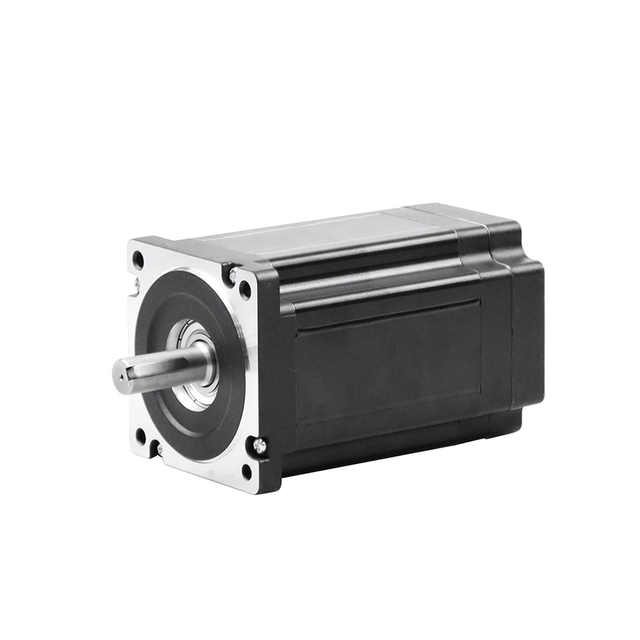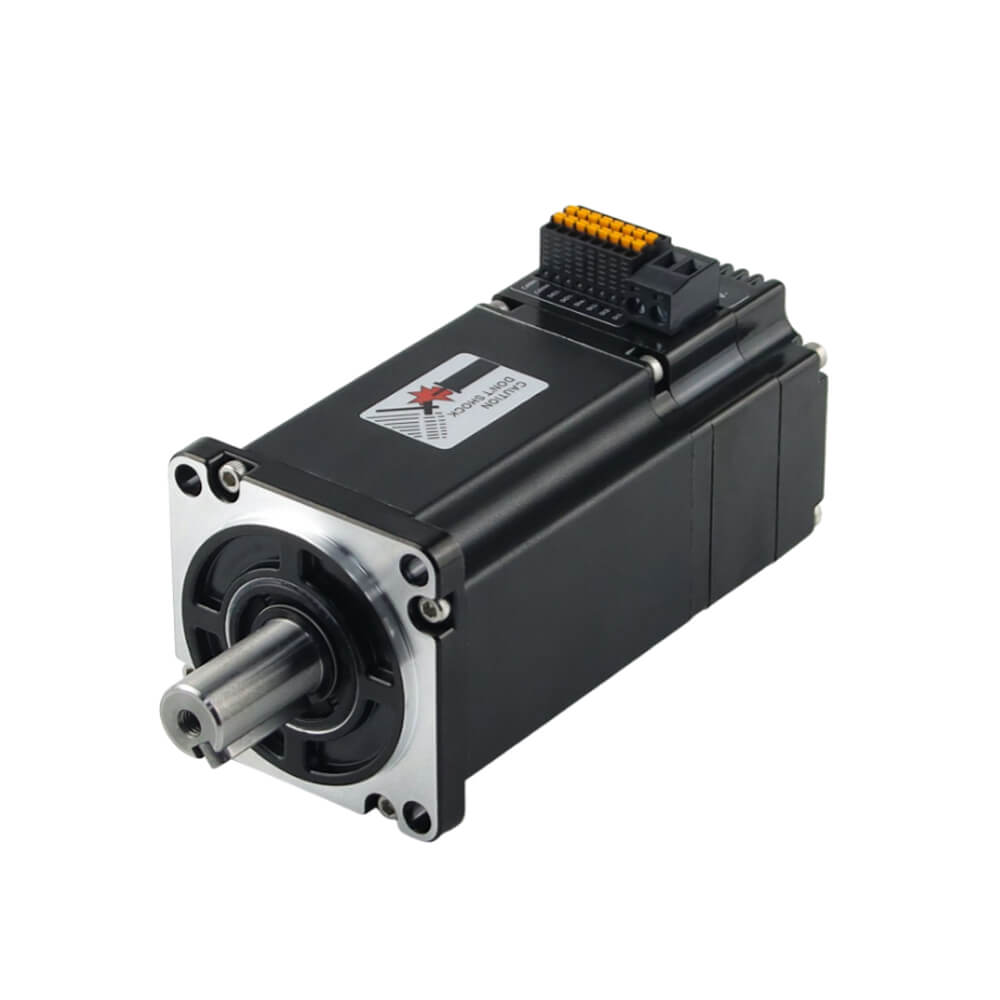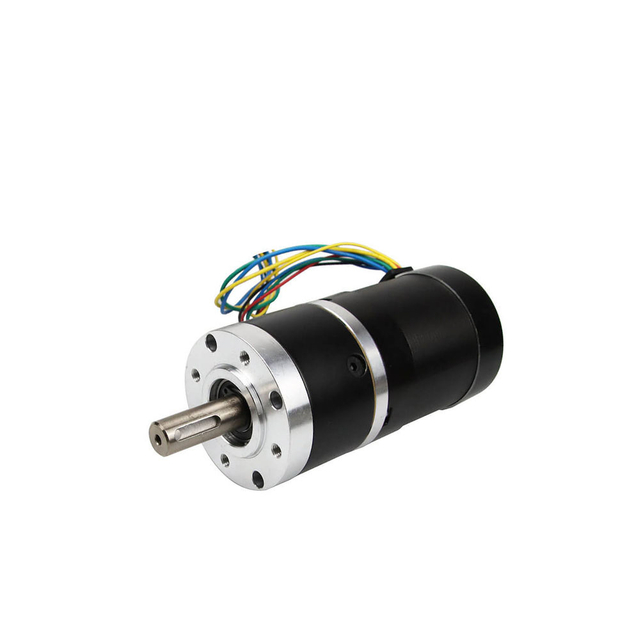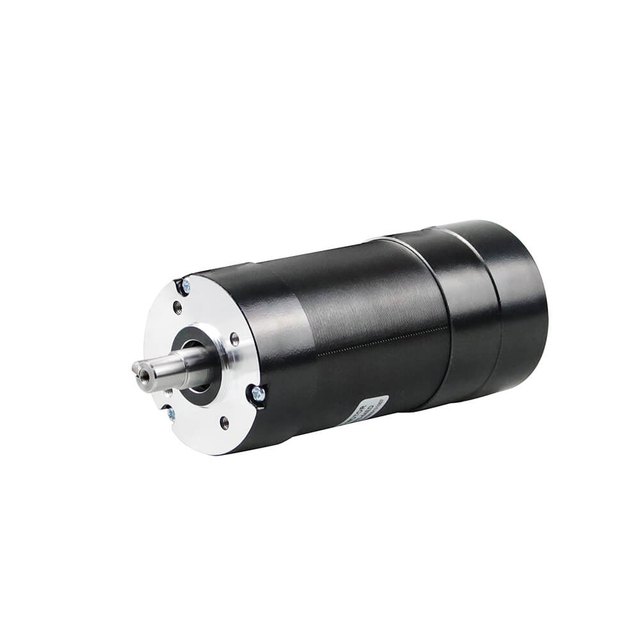
Back EMF in a BLDC DC motor is the voltage generated by the rotor’s motion that opposes the applied voltage and naturally limits current, enables speed regulation, and supports sensorless control, affecting torque and performance. Understanding this effect is key for designing OEM ODM customized BLDC DC motor products and their control systems.
Understanding back electromotive force (back EMF) is critical for evaluating the performance and control of Brushless DC (BLDC) motors. Unlike brushed DC motors, BLDC motors rely on electronic commutation, which makes the interaction between back EMF and applied voltage even more significant. Back EMF influences motor speed, torque, efficiency, and even controller design, making it a cornerstone in the study and application of BLDC motors.
Jkongmotor ODM OEM Customized Bldc Motor Types
Bldc Motor Customized Service
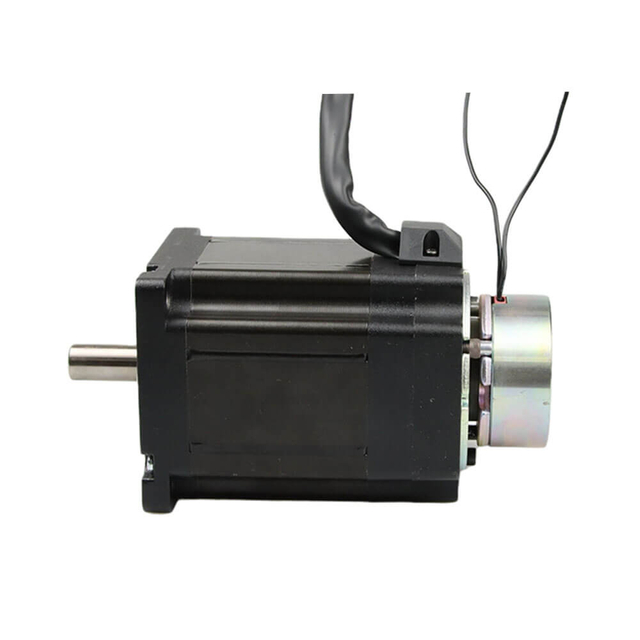
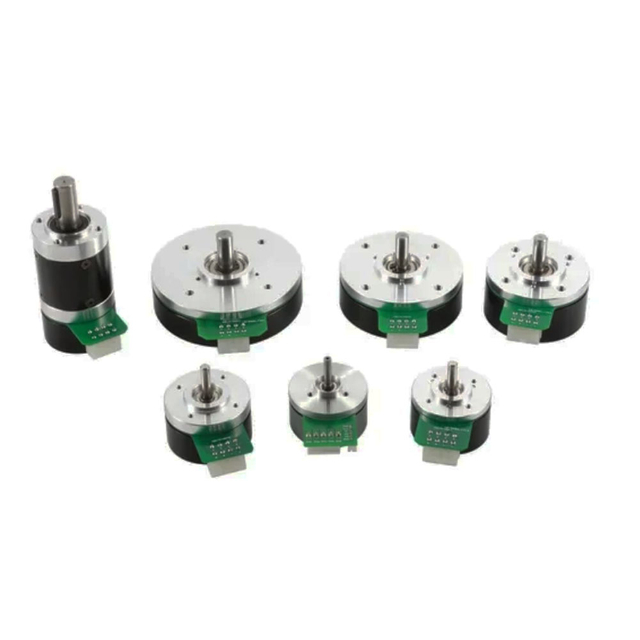
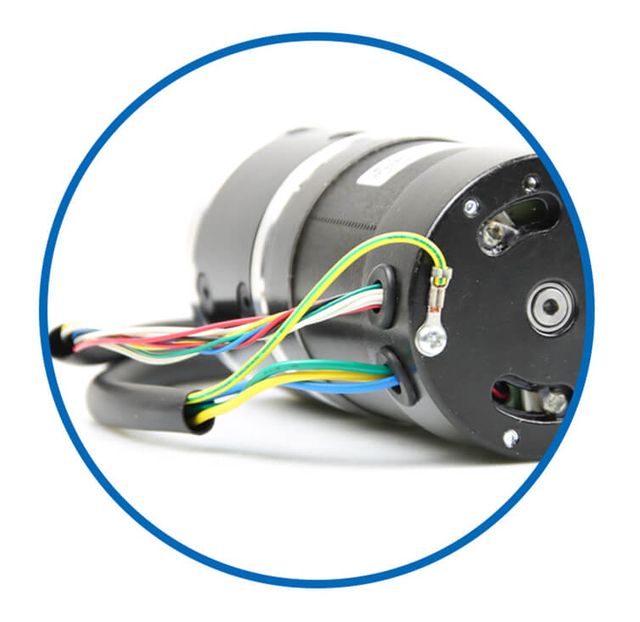
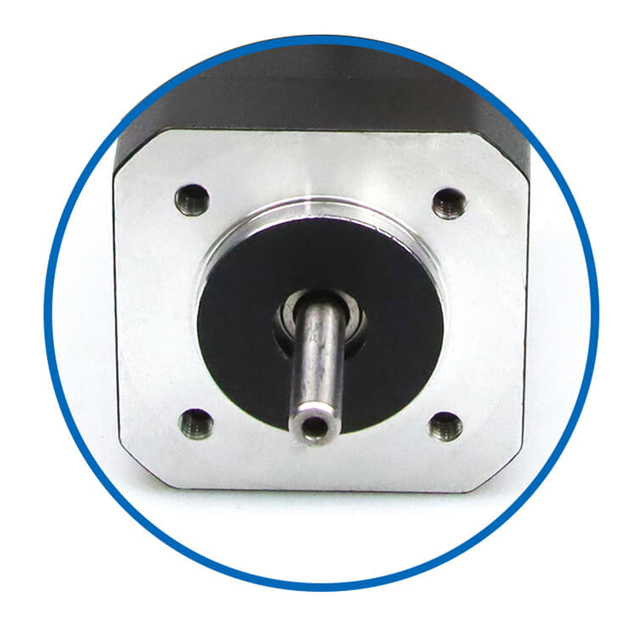
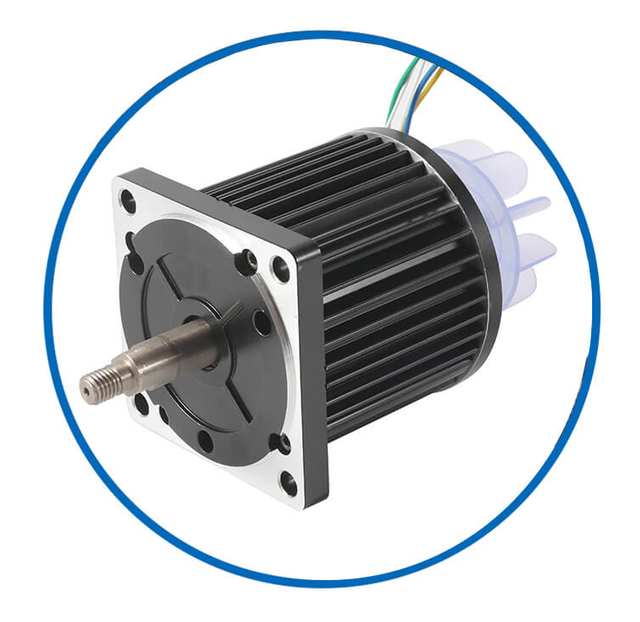
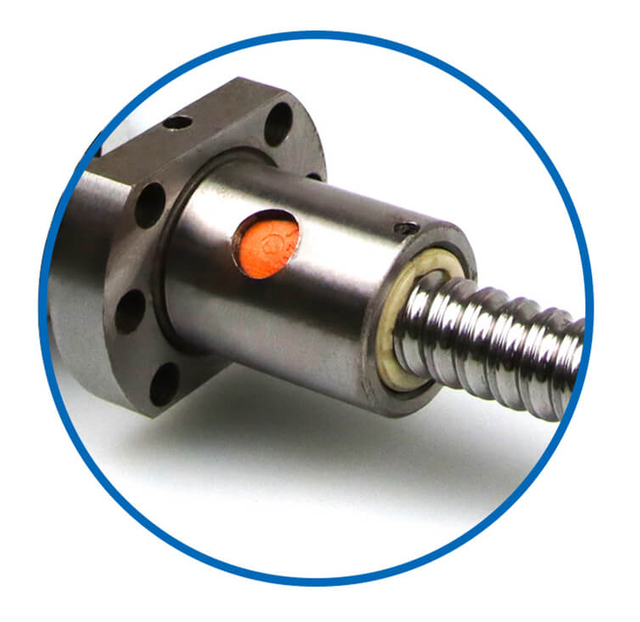
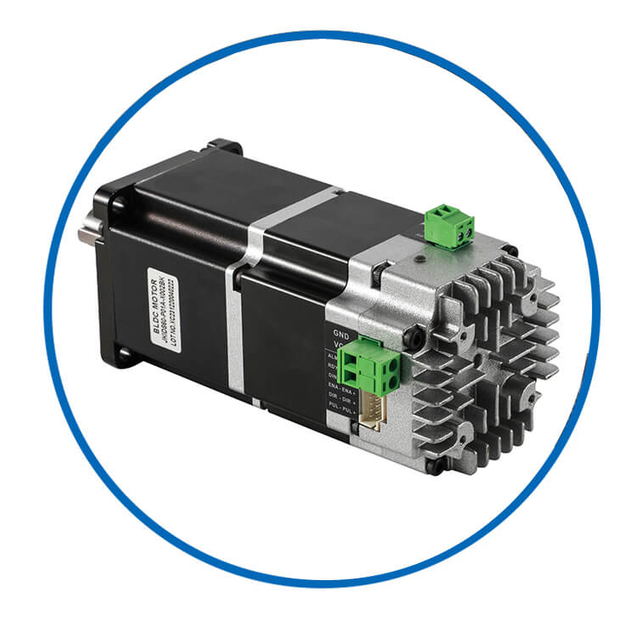
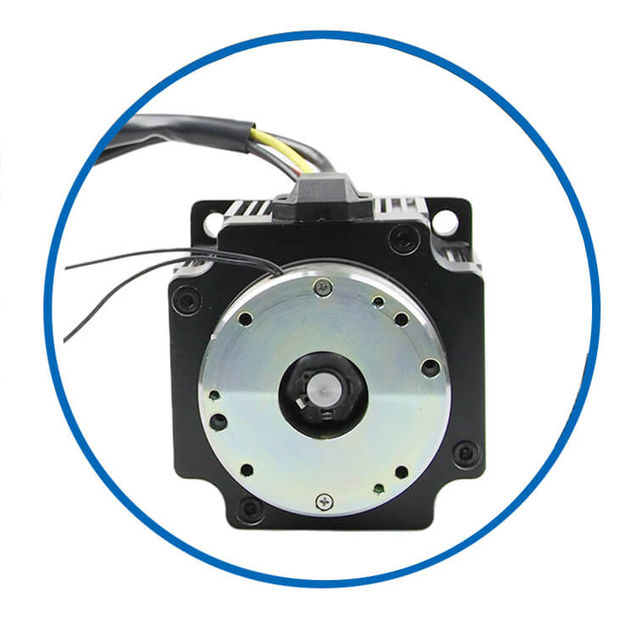
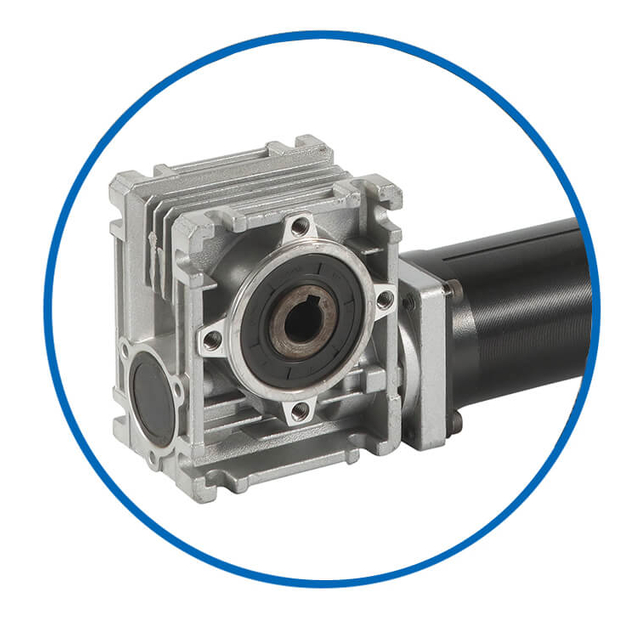
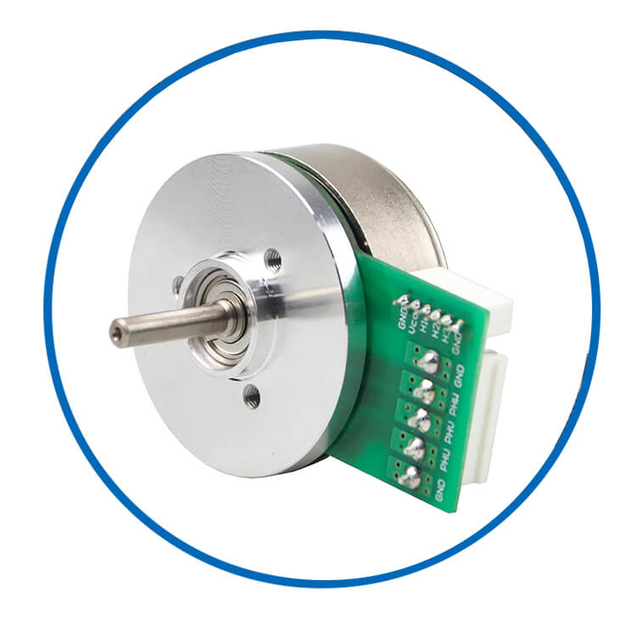
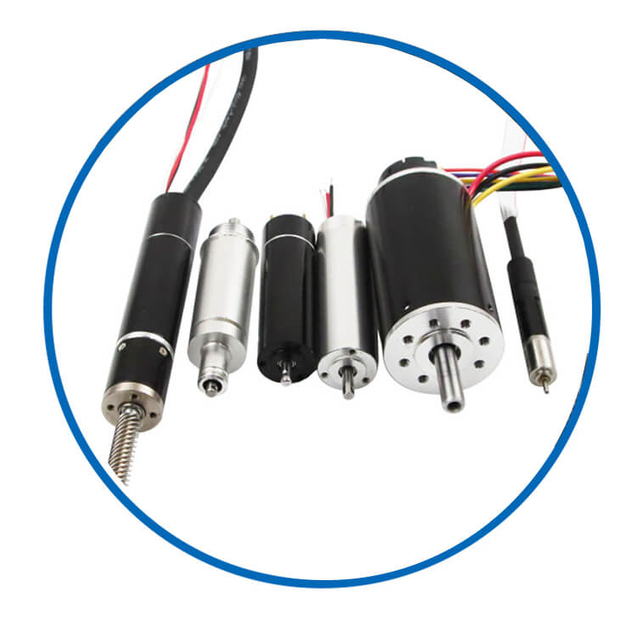
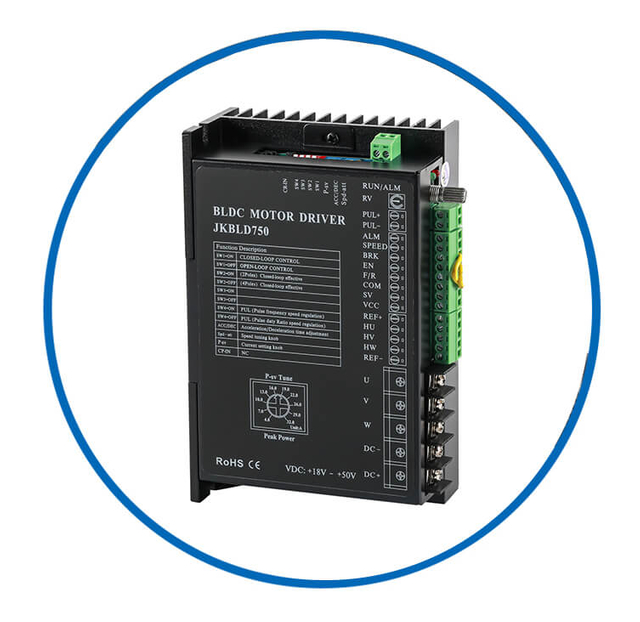
As a professional brushless dc motor manufacturer with 13 years in china, Jkongmotor offer various bldc motors with customized requirements, including 33 42 57 60 80 86 110 130mm, additionally, gearboxes, brakes, encoders, brushless motor drivers and integrated drivers are optional.
![bldc motor supplier]() | ![bldc motor supplier]() | ![bldc motor supplier]() | ![bldc motor supplier]() | ![bldc motor supplier]() | Professional custom brushless motor services safeguard your projects or equipment. No Brushes – Reduced Maintenance and Increased Lifespan High Efficiency and Low Power Loss High Torque-to-Weight Ratio Precise Speed and Position Control Quiet and Smooth Operation Wide Speed Range and Dynamic Performance Excellent Thermal Management Customizable Designs and Modular Configurations Multiple Control Methods Integration with Digital Interfaces and Sensors |
| Wires | Covers | Fans | Shafts | Integrated Drivers |
![bldc motor supplier]() | ![bldc motor supplier]() | ![bldc motor supplier]() | ![bldc motor supplier]() | ![bldc motor supplier]() |
| Brakes | Gearboxes | Out Rotors | Coreless Dc | Drivers |
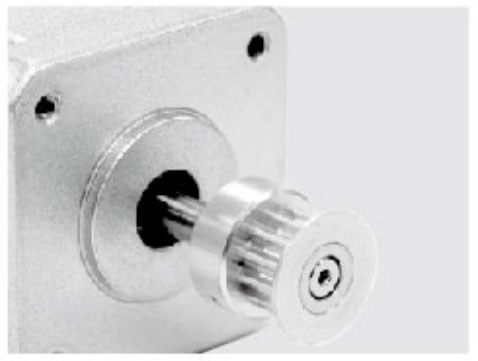
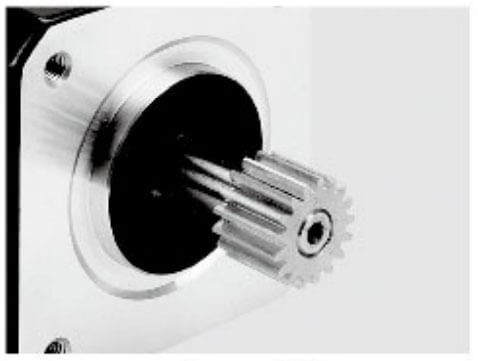
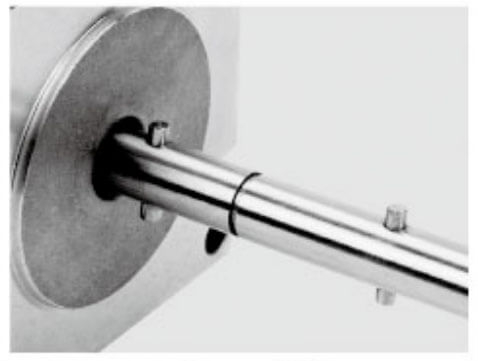
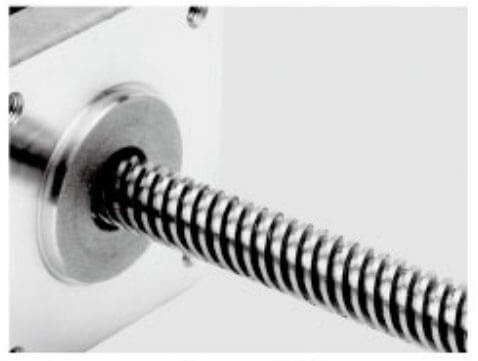
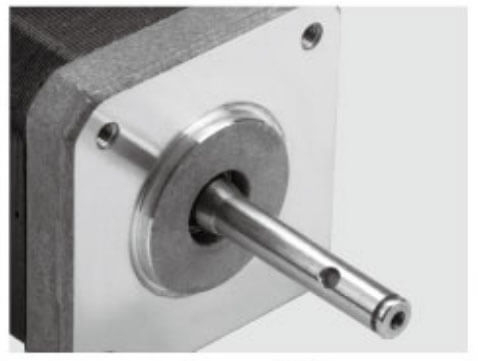
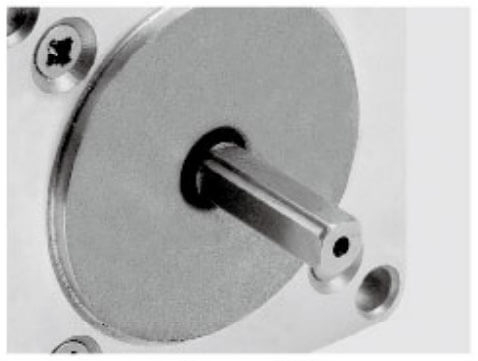
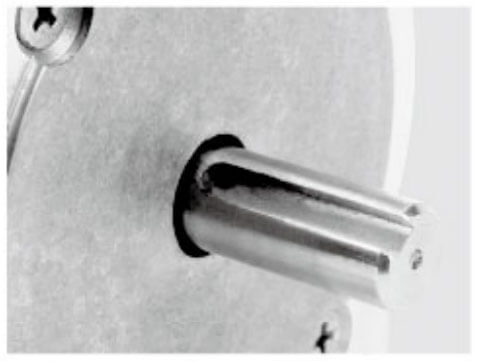
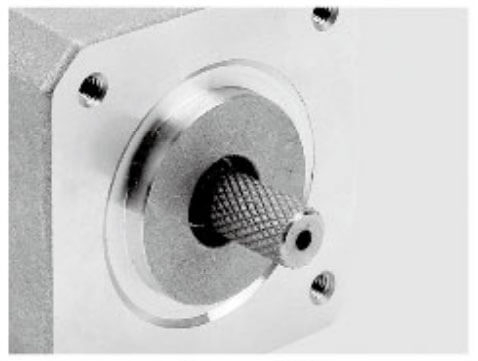
Motor Shaft Customized Service
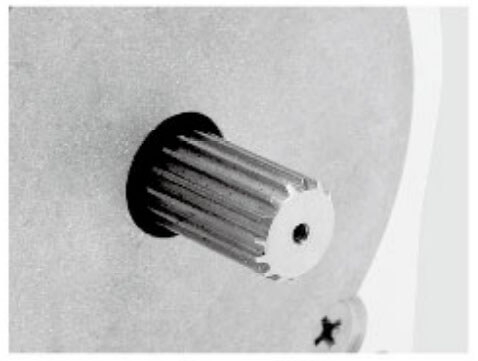
Jkongmotor offer many different shaft options for your motor as well as customizable shaft lengths to make the motor fit your application seamlessly.
Back EMF in a BLDC motor is the voltage induced in the stator windings as the rotor magnets move past them. According to Faraday’s law of electromagnetic induction, a changing magnetic field generates a voltage. In BLDC motors, this induced voltage opposes the applied voltage, effectively regulating the current in the motor windings.
The back EMF in a BLDC motor is typically trapezoidal in waveform for motors with trapezoidal commutation, although sinusoidal back EMF exists in sinusoidal BLDC motors used for precise motion control. The magnitude of back EMF is proportional to rotor speed, and can be expressed as:
Eb=ke⋅ω
Where:
This direct proportionality means that faster rotor speeds produce higher back EMF, which inherently reduces the effective voltage across the motor windings.
Back EMF and Armature Current inBLDC Dc Motors
Back EMF plays a crucial role in controlling the armature current. The net voltage across the windings is the difference between the supply voltage (VVV) and back EMF (EbE_bEb):
Ia=(V-Eb)/Rs
Where:
Ia = phase current
Rs = winding resistance
At startup, back EMF is nearly zero, allowing maximum current to flow, which provides the high starting torque characteristic of BLDC motors. As the rotor accelerates, back EMF increases, reducing current draw. This self-limiting effect prevents excessive heat buildup and protects the motor from overcurrent conditions.
Electronic speed controllers (ESCs) for BLDC motors often include current-limiting algorithms to manage the startup surge, taking into account that back EMF is minimal at zero speed.
Impact of Back EMF on Torque Production
In BLDC motors, torque is proportional to current:
T=kt⋅Ia
Where:
T = torque
kt = torque constant
Since back EMF reduces the effective voltage across the windings as speed increases, torque decreases at higher speeds if the applied voltage is constant. This phenomenon explains why BLDC motors produce high torque at low speeds and relatively lower torque at high RPMs unless voltage or current is actively increased by the controller.
Advanced controllers can compensate for this torque drop by boosting supply voltage or using field-oriented control (FOC) to maintain near-constant torque across a wide speed range.
Back EMF and Motor Speed Control
Back EMF (electromotive force) is one of the most critical factors influencing motor speed control in both DC and BLDC motors. Its intrinsic relationship with rotor speed provides a natural feedback mechanism that impacts torque, efficiency, and overall system stability. A deep understanding of how back EMF interacts with applied voltage and motor controllers is essential for designing high-performance motor control systems.
Understanding Back EMF in Motor Operation
Back EMF is the voltage generated in a motor’s windings as the rotor moves through a magnetic field. By Faraday’s law of electromagnetic induction, any change in magnetic flux induces a voltage. This induced voltage opposes the applied input voltage, reducing the net voltage across the motor windings.
Vnet=Vapplied−Eb
Where:
Because back EMF is proportional to rotor speed, it serves as a natural regulator: as the motor accelerates, back EMF increases, reducing current draw, and preventing runaway speed.
Back EMF as a Natural Speed Limiter
In a motor without electronic feedback, back EMF acts as a self-regulating mechanism. As speed rises:
Current decreases: Net voltage across the motor drops, reducing armature current.
Torque decreases naturally: Since torque is proportional to current, it declines as the motor approaches high speeds.
Speed stabilizes: The motor reaches an equilibrium where torque equals load resistance.
This self-limiting effect is especially useful in applications like fans, pumps, and low-cost motor drives, where simple voltage control is sufficient for acceptable speed regulation.
Speed Control in DC Motors Using Back EMF
In DC motors, precise speed control requires managing the relationship between applied voltage, back EMF, and armature current. Key points include:
Voltage Control: Increasing applied voltage boosts net voltage across the armature, overcoming back EMF, and increasing speed. Conversely, lowering voltage reduces speed.
Current Control: Current regulation indirectly manages speed by controlling torque, especially during startup or heavy load conditions.
Feedback Systems: Tachometers or encoders measure actual speed, which correlates with back EMF, allowing controllers to adjust applied voltage to maintain desired speed.
By carefully balancing these factors, DC motors can maintain stable speeds under variable loads, leveraging back EMF as a natural feedback signal.
Back EMF in BLDC Dc Motor and Speed Control
BLDC motors rely heavily on electronic commutation, and back EMF plays a central role in both sensorless and sensored designs:
Sensorless BLDC Motors: The ESC monitors back EMF in the unenergized winding to detect rotor position, enabling proper timing for speed control and torque production. Without back EMF, sensorless operation at low speeds is challenging.
Speed Regulation: At high speeds, back EMF approaches the supply voltage, limiting current and naturally stabilizing the rotor speed. Controllers may compensate by adjusting PWM duty cycles to maintain target speed.
Torque Management: By tracking back EMF, BLDC controllers can prevent overcurrent while maintaining consistent torque across the operational speed range.
Back EMF is thus both a control signal and a self-limiting factor for motor speed.
Pulse Width Modulation (PWM) and Back EMF
PWM is widely used in motor speed control to regulate the effective voltage applied to the motor. The relationship with back EMF is critical:
At low speeds, back EMF is minimal, so the motor draws near-maximum current. PWM limits current to prevent overheating.
At higher speeds, back EMF reduces net voltage, and PWM duty cycles can be adjusted to maintain desired speed without exceeding current limits.
This dynamic interplay ensures energy efficiency, thermal safety, and precise speed regulation.
Load Variations and Speed Control
Back EMF also influences how motors respond to changing load conditions:
Increased Load: Rotor slows slightly, reducing back EMF. Lower back EMF increases current, boosting torque to compensate for the load.
Decreased Load: Rotor accelerates, back EMF rises, current decreases, and the motor stabilizes at a higher speed.
This feedback effect, inherent in back EMF, provides automatic adaptation to load variations, reducing the need for complex external controllers in many applications.
Applications Leveraging Back EMF for Speed Control
Industrial Fans and Pumps: Simple voltage control combined with back EMF feedback ensures smooth speed regulation.
Electric Vehicles (EVs): Controllers use back EMF readings to optimize speed, torque, and regenerative braking.
Robotics and CNC Machines: Sensorless BLDC motors utilize back EMF for precise positioning and speed control without encoders.
Home Appliances: Motors in washing machines, HVAC systems, and vacuum cleaners use back EMF to maintain consistent operational speed efficiently.
Conclusion
Back EMF is an essential component of motor speed control, providing natural regulation, current limitation, and feedback for both DC and BLDC motors. Understanding how it interacts with applied voltage, torque, and load enables engineers to design efficient, precise, and reliable motor control systems. Whether using simple voltage control or advanced sensorless techniques, leveraging back EMF is crucial for stable speed performance, energy efficiency, and safe operation across all motor-driven applications.
Thermal Effects and Efficiency
Back EMF directly influences power losses and thermal behavior. At low speeds or during startup, low back EMF allows high currents to flow, generating significant heat in the windings. Conversely, at higher speeds, increasing back EMF limits current, reduces I⊃2;R losses, and improves efficiency.
Optimizing BLDC motor performance requires careful consideration of supply voltage, winding resistance, and speed profile, ensuring that back EMF effectively regulates current without compromising torque or thermal limits.
Waveform Considerations: Trapezoidal vs Sinusoidal Back EMF
BLDC motors are classified based on their back EMF waveform, which affects performance:
Trapezoidal Back EMF: Common in low-cost BLDC motors. This type requires six-step commutation. Torque ripple is higher due to discontinuous current transitions, and controllers rely heavily on back EMF sensing for timing.
Sinusoidal Back EMF: Found in high-precision BLDC motors. Requires sinusoidal commutation for smoother operation. The sinusoidal waveform reduces torque ripple, increases efficiency, and allows better performance at varying speeds.
Understanding the waveform is critical for controller design, especially for sensorless operation, where back EMF is the primary feedback signal.
Startup and Low-Speed Challenges
Brushless DC (BLDC) motors are widely used in high-performance applications due to their efficiency, reliability, and precise control. However, they face specific startup and low-speed challenges, primarily related to back EMF and rotor position detection. Understanding these challenges is essential for engineers designing systems that require smooth acceleration, high torque at low speeds, and reliable sensorless operation.
The Problem of Low Back EMF at Startup
At zero or very low speeds, back EMF in a BLDC motor is almost nonexistent. Because back EMF is proportional to rotor speed:
Eb=ke⋅ω
E_b = back EMF
k_e = motor constant
ω = angular velocity
When the rotor is stationary, ω = 0, so the induced voltage is zero. Sensorless BLDC controllers rely on back EMF from unenergized phases to detect rotor position. Without sufficient back EMF:
The controller cannot determine rotor position accurately.
Incorrect commutation can occur, leading to jerky or stalled motion.
High startup current may flow, potentially causing thermal stress in the windings.
These issues make sensorless startup one of the most challenging aspects of BLDC motor design.
High Inrush Current at Startup
When a BLDC motor is powered on at standstill, the absence of back EMF allows maximum current to flow through the windings:
Ia=(Vapplied−Eb) / Rs≈VappliedRs
This high inrush current generates significant heat in the stator windings. Without proper control:
The motor may overheat quickly, reducing efficiency and lifespan.
Mechanical stress on gears or connected loads increases due to sudden torque spikes.
Soft-start techniques and current-limiting strategies are essential to prevent damage during startup.
Sensorless Startup Solutions
Sensorless BLDC motors require innovative strategies to overcome low-speed challenges:
Initial Rotor Alignment:
Open-Loop Startup Sequences:
Hybrid Sensorless Algorithms:
Combine current monitoring with voltage sensing to estimate rotor position at low speeds.
Often used in drones, EVs, and robotics where precise low-speed control is required.
These approaches ensure smooth, reliable motor startup without mechanical sensors, reducing complexity and cost.
Low-Speed Torque Ripple
Even after overcoming startup challenges, low-speed operation can be problematic due to torque ripple:
Trapezoidal Back EMF motors: At low speeds, discrete commutation steps cause uneven torque production.
Sinusoidal Back EMF motors: Provide smoother torque, but controller precision is critical at low speeds.
High torque ripple can cause vibration, noise, and reduced positioning accuracy in applications like robotics and CNC machinery. Advanced PWM modulation and field-oriented control (FOC) are often used to minimize torque fluctuations.
Thermal and Efficiency Considerations
Low-speed operation and startup conditions place thermal stress on the motor:
Maximum current at startup leads to high I⊃2;R losses in the windings.
Prolonged low-speed operation without adequate cooling can overheat the motor.
Efficiency is lower at startup and low speeds because back EMF is insufficient to limit current naturally.
Designers often incorporate heat sinks, forced-air cooling, or thermal monitoring to mitigate these effects.
Conclusion
Startup and low-speed operation in BLDC motors are challenging due to low back EMF, high inrush current, and potential torque ripple. By employing initial rotor alignment, open-loop startup sequences, and hybrid sensorless algorithms, engineers can ensure smooth acceleration and precise low-speed control. Additionally, thermal management and advanced control techniques help prevent overheating and maximize efficiency. Properly addressing these challenges allows BLDC motors to perform reliably across demanding applications such as drones, EVs, robotics, and medical devices, ensuring long-term operational stability and safety.
Applications Leveraging Back EMF in BLDC Dc Motors
Back EMF (electromotive force) in BLDC motors is not only a fundamental phenomenon but also a powerful tool for optimizing motor performance, efficiency, and control. By understanding and utilizing back EMF, engineers can design motor systems that are sensorless, highly efficient, and capable of precise speed and torque regulation. The following discussion highlights the key applications where back EMF plays a critical role in BLDC motor operation.
1. Sensorless Motor Control in Drones and UAVs
One of the most prominent applications of back EMF is in sensorless BLDC motors used in drones and unmanned aerial vehicles (UAVs).
Rotor Position Detection: In sensorless BLDC designs, back EMF from the non-energized phase is continuously monitored to determine rotor position.
Precise Commutation: Accurate detection of rotor position allows electronic speed controllers (ESCs) to commutate the motor phases at the exact moment, ensuring smooth operation.
Weight and Space Efficiency: Eliminating physical sensors reduces motor weight and simplifies the design, which is crucial for aerial applications.
Back EMF allows these motors to achieve high-speed operation with precise control while maintaining lightweight and compact form factors.
2. Electric Vehicles (EVs) and E-Mobility
BLDC motors in electric vehicles leverage back EMF for both speed control and energy optimization:
Speed Regulation: As the vehicle accelerates, back EMF rises, limiting the current naturally and preventing over-speeding of the motor.
Torque Adjustment: Under heavy load or climbing conditions, reduced back EMF allows higher current flow, generating additional torque.
Regenerative Braking: Back EMF is critical for energy recovery, enabling the motor to act as a generator and feed energy back to the battery during braking.
Using back EMF in EV BLDC motors ensures high efficiency, extended battery life, and smooth torque delivery under varying load conditions.
3. Industrial Automation and Robotics
Back EMF is widely used in industrial BLDC motor applications, particularly in robotics, CNC machines, and automated production systems:
Precision Control: Back EMF provides real-time feedback on rotor speed, enabling precise positioning and motion control.
Sensorless Operation: Many industrial robots employ BLDC motors without encoders, relying solely on back EMF for rotor detection, reducing maintenance and cost.
Dynamic Torque Compensation: Variations in load are automatically countered by back EMF-induced current adjustments, ensuring stable operation.
Leveraging back EMF allows industrial motors to maintain high accuracy and repeatability in complex automation tasks.
4. Home Appliances and HVAC Systems
In consumer appliances, back EMF improves efficiency, reduces noise, and enhances operational stability:
Energy Efficiency: As speed increases, back EMF reduces armature current, lowering power consumption.
Speed Control: Appliances like washing machines, fans, and vacuum cleaners rely on back EMF for self-regulating speed, improving performance and longevity.
Quiet Operation: Smooth current transitions enabled by back EMF minimize torque ripple and reduce mechanical vibration and noise.
These benefits make BLDC motors with back EMF monitoring ideal for quiet, energy-efficient, and reliable household devices.
5. Medical Devices
Back EMF is increasingly utilized in medical BLDC motor applications such as ventilators, pumps, and surgical robots:
Sensorless Precision: Back EMF allows high-precision motion control without bulky sensors, which is essential in compact medical equipment.
Safety and Reliability: Automatic current adjustment due to back EMF reduces risk of overheating, protecting sensitive components.
Smooth Motion: Trapezoidal or sinusoidal back EMF waveforms ensure minimal torque ripple, critical for delicate medical operations.
Using back EMF, medical BLDC motors achieve high precision, safety, and long-term reliability.
6. Renewable Energy Systems
BLDC motors operating as generators in wind turbines and small hydro systems exploit back EMF for voltage and speed regulation:
Voltage Feedback: The induced back EMF directly correlates with rotational speed, allowing efficient power conversion.
Load Adaptation: Increased mechanical load reduces speed, lowering back EMF and allowing higher current for stable energy output.
Control Simplification: Back EMF sensing reduces the need for external sensors in renewable energy applications, simplifying system design.
This makes back EMF an essential factor for efficient and cost-effective renewable energy conversion using BLDC motors.
Conclusion
Back EMF in BLDC DC motors is far more than a physical byproduct; it is a key enabler of sensorless control, speed regulation, torque management, and energy efficiency. Across applications from drones and electric vehicles to industrial automation, home appliances, medical devices, and renewable energy, back EMF allows motors to operate precisely, efficiently, and reliably. By leveraging this natural feedback mechanism, engineers can design motor systems that are high-performing, cost-effective, and optimized for a wide range of demanding applications.
Back EMF is a critical factor in BLDC motor operation, affecting current, torque, speed, thermal performance, and efficiency. Its behavior determines how controllers regulate voltage and current, how torque is maintained across speed ranges, and how sensorless systems accurately detect rotor position. By understanding and leveraging back EMF, engineers can optimize BLDC motor performance for high-efficiency, high-speed, and precise applications, ensuring reliable and energy-efficient operation across industries.
FAQs of Back EMF Basics & Motor Operation
1. What is Back EMF in a BLDC Dc Motor and why does it matter for OEM ODM customized products?
Back EMF is the voltage generated by the rotor spinning in the stator’s magnetic field that opposes the applied voltage, helping regulate speed and current.
2. How does Back EMF affect speed regulation in a BLDC DC motor designed for OEM ODM customized applications?
Back EMF increases with motor speed and naturally limits current draw, creating a balance that regulates speed.
3. Why does a BLDC DC motor with high Back EMF require careful design in OEM ODM customized control systems?
Because high back EMF at high speed reduces current, affecting torque output and controller requirements.
4. Does Back EMF influence the current limit and torque in a BLDC DC motor product?
Yes — as back EMF rises with speed, it reduces current, which lowers torque and requires tuning for application needs.
5. How does Back EMF contribute to sensorless control in BLDC DC motor OEM ODM customized products?
Back EMF signals can be used to estimate rotor position, reducing the need for physical sensors in cost-sensitive designs.
6. Can Back EMF improve energy efficiency in BLDC DC motor systems?
Yes — back EMF signals enable controllers to adjust voltage and current, improving efficiency.
7. How does Back EMF affect starting behavior in BLDC DC motors designed for OEM ODM customized products?
At startup back EMF is low, so current is high; controllers must manage this to prevent excessive inrush.
8. What is the relationship between back-EMF and motor speed in a BLDC DC motor OEM ODM customized setup?
Back EMF is directly proportional to rotor speed, meaning faster rotation yields higher opposing voltage.
9. Does Back EMF limit the maximum speed of a BLDC DC motor product?
Yes — as back EMF approaches supply voltage, available current and torque drop, limiting further speed increases.
10. What waveform types of Back EMF exist in BLDC DC motors, and do they matter for OEM ODM customized products?
BLDC motors can have trapezoidal or sinusoidal back EMF waveforms, impacting torque smoothness and control strategy.
FAQs of Design, Control & Customization
11. How does Back EMF impact the design of OEM ODM customized BLDC DC motor drive electronics?
Drive electronics must measure and compensate for back EMF to maintain torque and speed across load conditions.
12. Can Back EMF be used for feedback in sensorless BLDC DC motor OEM ODM customized products?
Yes — controllers can use back EMF zero-crossing or other detection methods to estimate rotor position.
13. Why is back-EMF sensing important for smooth commutation in BLDC DC motor OEM ODM customized systems?
Accurate back EMF sensing ensures commutation timing matches rotor position, improving motion quality.
14. How does Back EMF influence controller algorithms for OEM ODM customized BLDC DC motor products?
Controller algorithms adjust PWM timing and voltage based on back EMF to balance speed, torque, and efficiency.
15. Can poor management of Back EMF in a BLDC DC motor OEM ODM customized product lead to control issues?
Yes — inadequate back EMF handling can cause instability, torque ripple, or loss of synchronization.
16. How do OEM ODM customized BLDC DC motors use Back EMF for regenerative braking?
Back EMF can be harnessed during deceleration to return energy to the supply, improving system efficiency.
17. Does Back EMF affect noise and vibration performance in BLDC DC motor products?
Yes — waveform shape and commutation based on back EMF influence torque ripple and acoustic noise.
18. Is Back EMF measurement used in quality control of OEM ODM customized BLDC DC motor manufacturing?
Back EMF test signals help verify winding, magnet balance, and rotor integrity in production.
19. Do OEM ODM customized BLDC DC motor designs require specific calibration for Back EMF across different loads?
Yes — custom designs often tune back EMF compensation to optimize performance across load ranges.
20. Can Back EMF improve thermal management strategies in BLDC DC motors designed for OEM ODM customized systems?
Back EMF feedback allows controllers to adjust current, reducing heat generation under varying speeds.