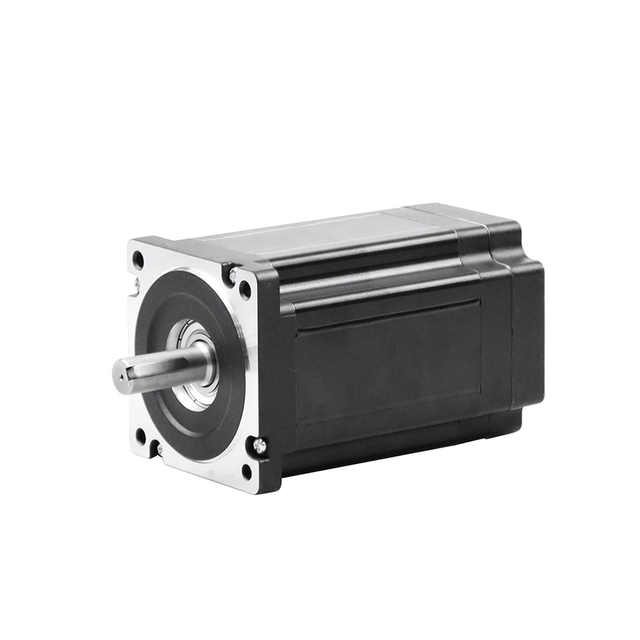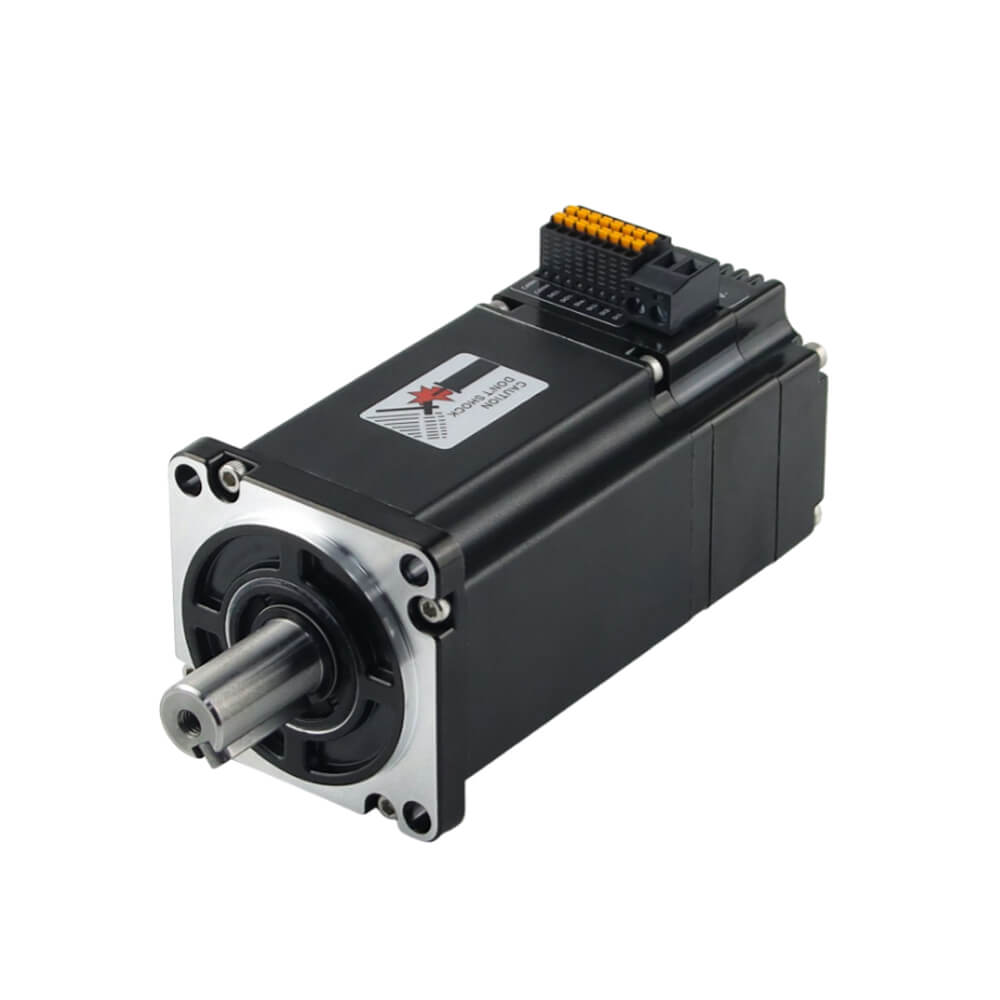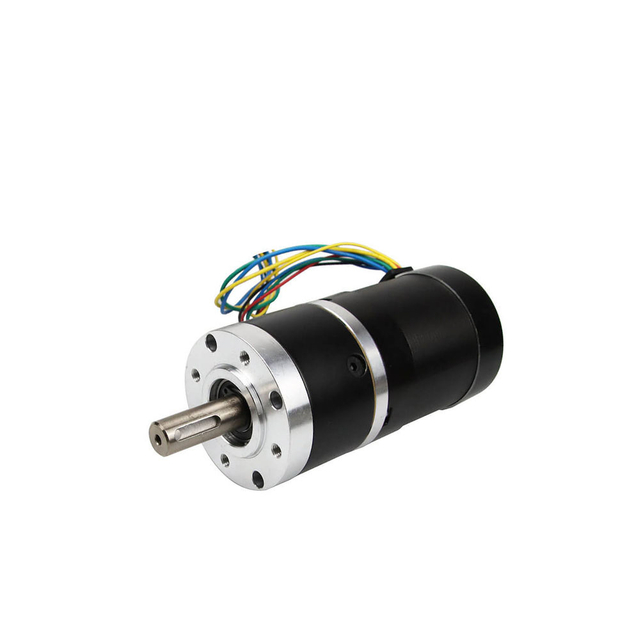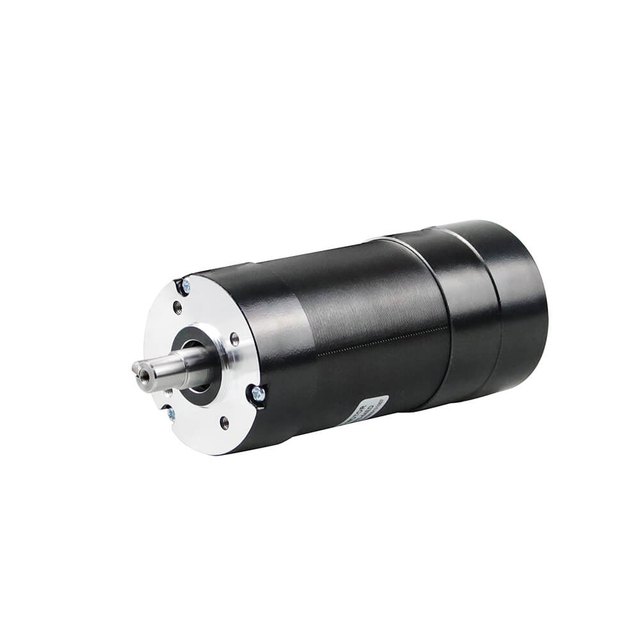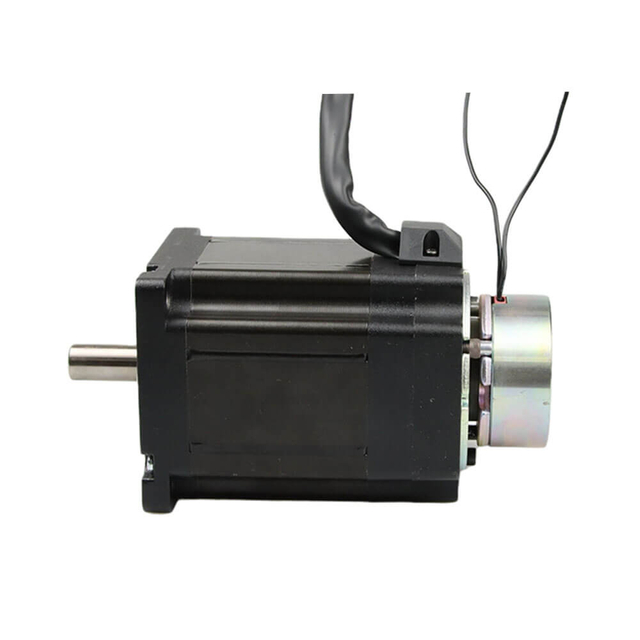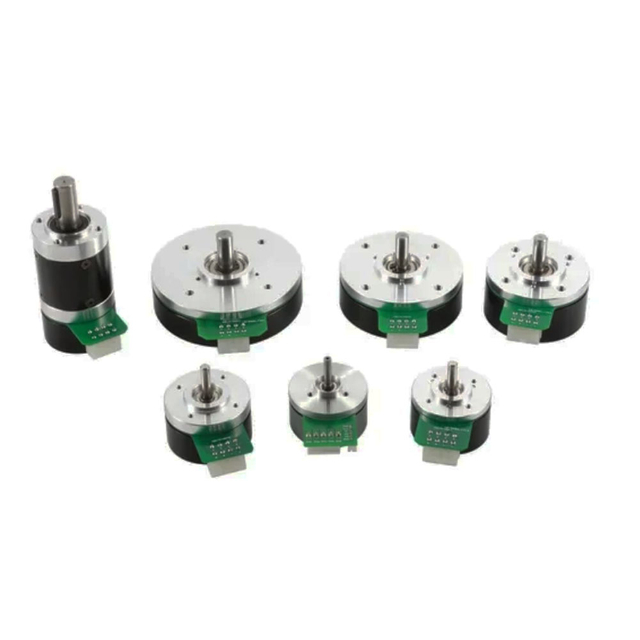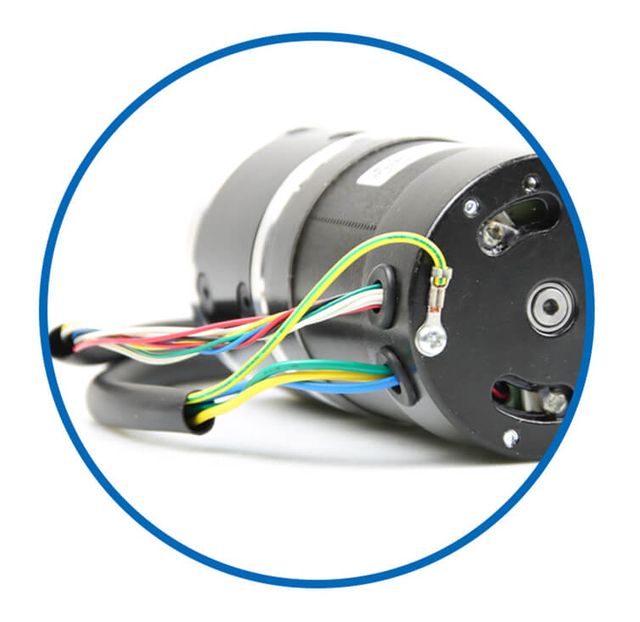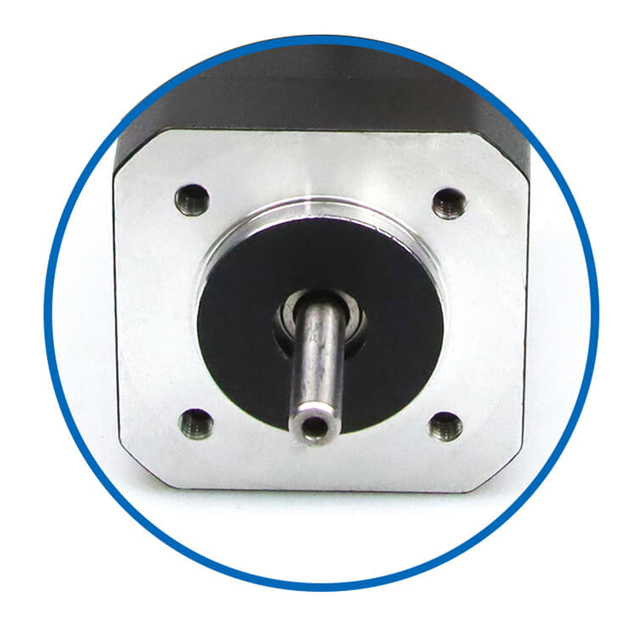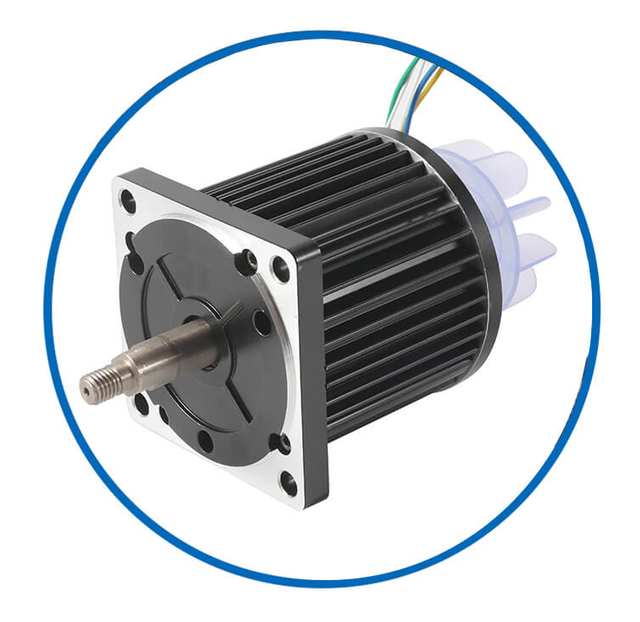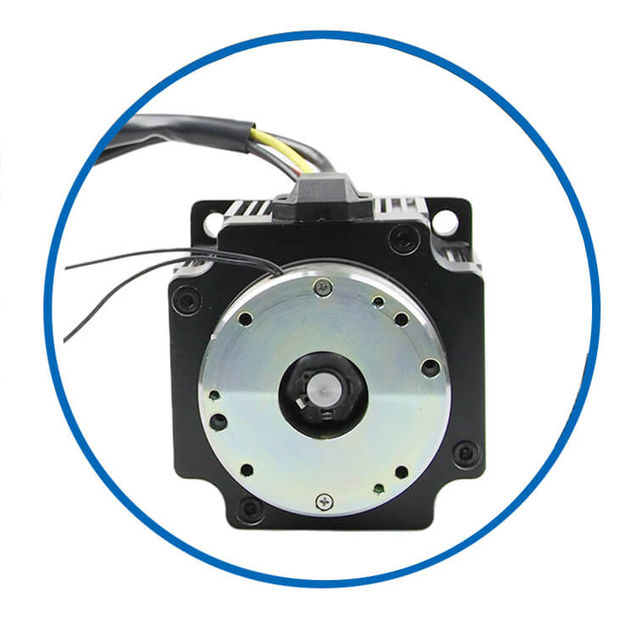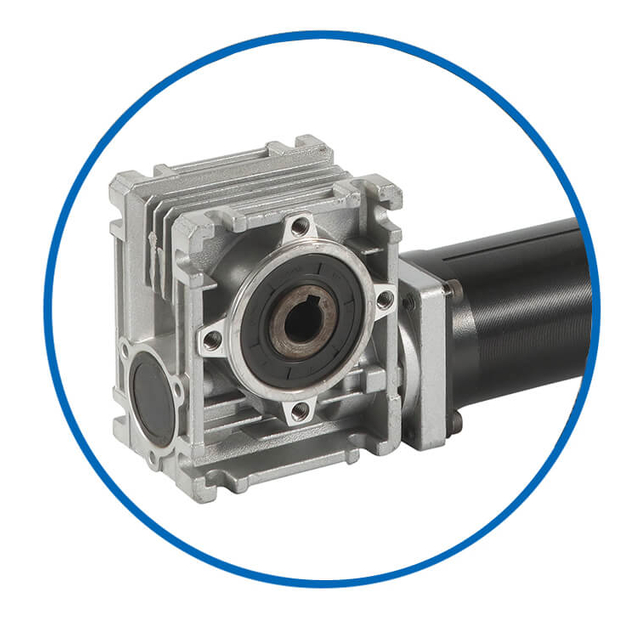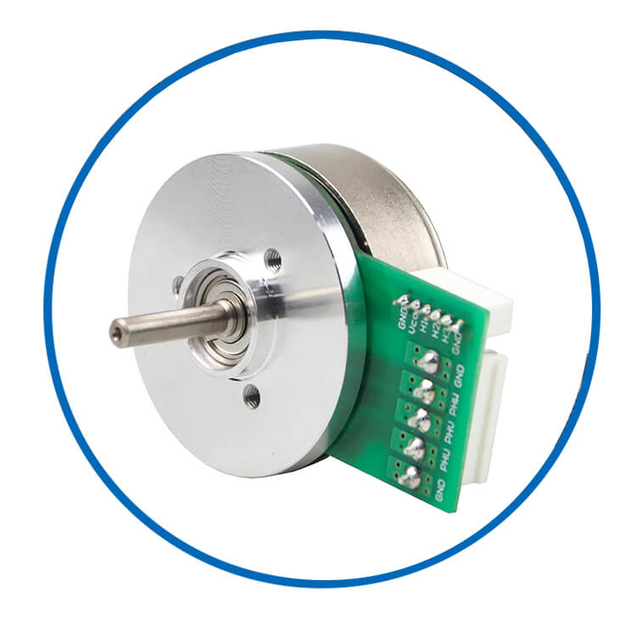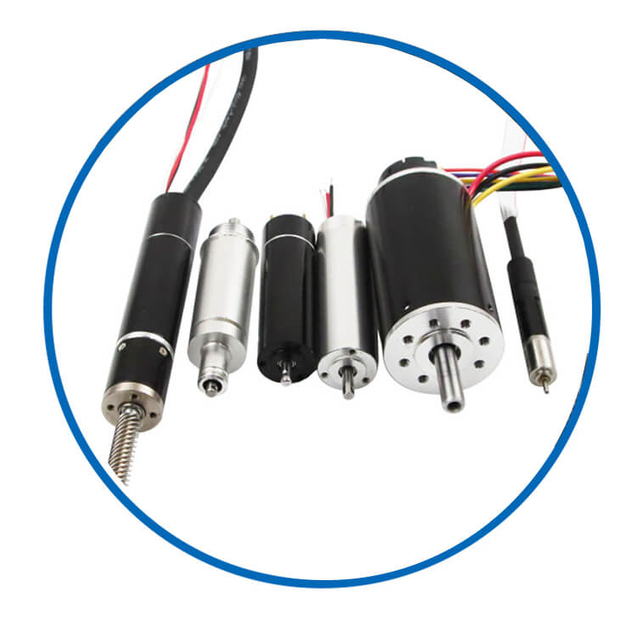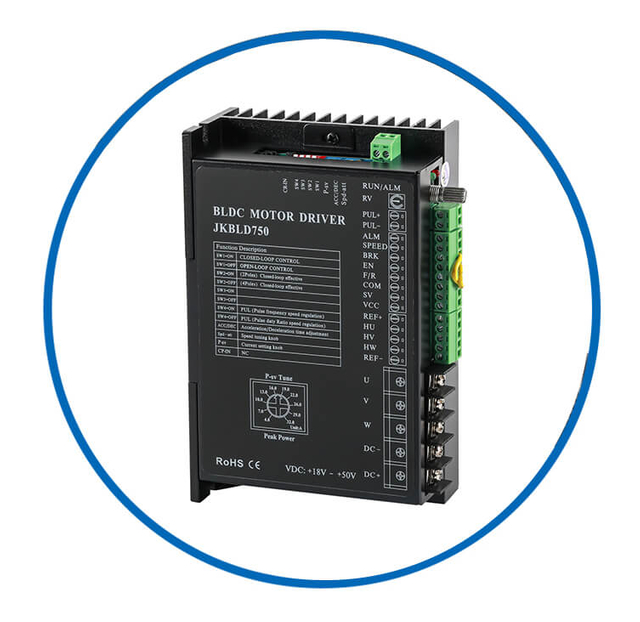
Brushless DC motors (BLDC motors) are electric motors powered by direct current (DC) that operate without the mechanical brushes and commutator system found in traditional brushed DC motors. This technological advancement provides enhanced efficiency, reliability, and longevity, making BLDC motors a crucial component in various modern applications.
Importance and Relevance
BLDC motors have revolutionized numerous industries due to their superior performance characteristics. They are widely used in applications ranging from industrial automation and consumer electronics to electric vehicles and aerospace technology. Understanding BLDC motors is essential for professionals in engineering, manufacturing, and technology development.
Changzhou Jkongmotor Co., Ltd.
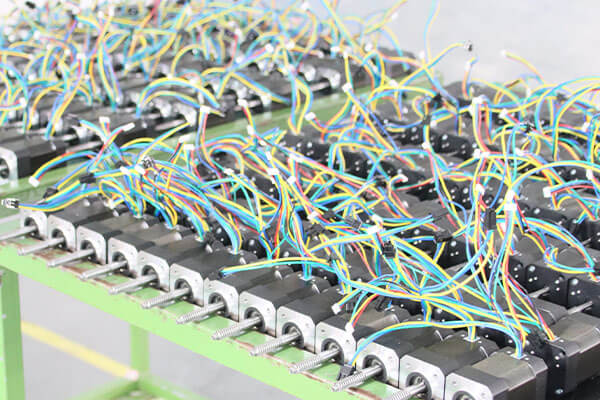
Established in 2011, our company is a cutting-edge enterprise specializing in manufacturing motors and developing, producing, and selling motion control products. With a focus on producing over 2 million units of various motors, we collaborate with multiple factories dedicated to crafting permanent magnet stepping motors, Brushless DC Motors, two-phase and three-phase AC motors, gearboxes, and more. These products find extensive applications across industries such as automation, AGV, robotics, textile, printing, packaging, medical equipment, logistics, communications, home appliances, automotive, and beyond.
Backed by a robust technical team, advanced production techniques, comprehensive inspection tools, and a top-notch quality assurance and service system, we hold ISO9001 and ISO14001 certificates for quality and environmental management systems. Moreover, our products are all CE certified and comply with the European Union RoHS directives.Our commitment to innovation and excellence drives us to stay at the forefront of technological advancements, ensuring that we deliver cutting-edge solutions to meet the evolving needs of our customers. Collaborating with leading experts in the field, we continuously strive to enhance our product range and push the boundaries of what is possible in the realm of motion control technology. With a customer-centric approach, we aim to provide tailor-made solutions that not only meet but exceed expectations, setting new benchmarks for performance, reliability, and efficiency in the industry. Our relentless pursuit of quality and customer satisfaction is what sets us apart as a trusted partner for all your motion control needs.
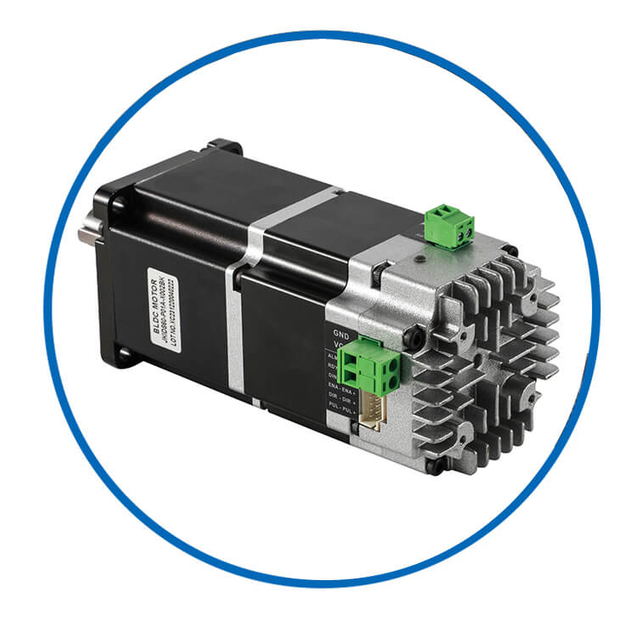
Jkongmotor offers a range of Brushless DC Motors including NEMA 17, 23, 24, 34, 42, 52. Additionally, we provide gearboxes, brakes, encoders, cooling fans, and motor parameters. Drivers or integrated drivers are optional. We support OEM, ODM, and other customized requirements. Inquiries are welcome.
Jkongmotor Customized Brushless Dc Motor Types:
Bldc Motor Customized Service
As a professional brushless dc motor manufacturer with 13 years in china, Jkongmotor offer various bldc motors with customized requirements, including 33 42 57 60 80 86 110 130mm, additionally, gearboxes, brakes, encoders, brushless motor drivers and integrated drivers are optional.
![bldc motor supplier]() | ![bldc motor supplier]() | ![bldc motor supplier]() | ![bldc motor supplier]() | ![bldc motor supplier]() | Professional custom brushless motor services safeguard your projects or equipment. No Brushes – Reduced Maintenance and Increased Lifespan High Efficiency and Low Power Loss High Torque-to-Weight Ratio Precise Speed and Position Control Quiet and Smooth Operation Wide Speed Range and Dynamic Performance Excellent Thermal Management Customizable Designs and Modular Configurations Multiple Control Methods Integration with Digital Interfaces and Sensors |
| Wires | Covers | Fans | Shafts | Integrated Drivers |
![bldc motor supplier]() | ![bldc motor supplier]() | ![bldc motor supplier]() | ![bldc motor supplier]() | ![bldc motor supplier]() |
| Brakes | Gearboxes | Out Rotors | Coreless Dc | Drivers |
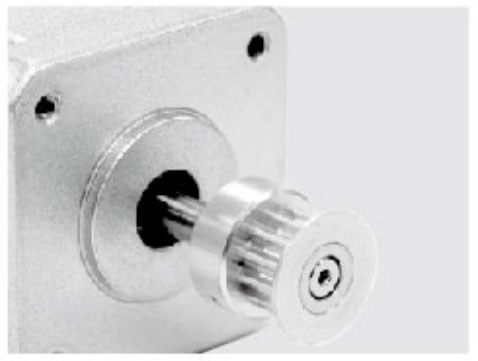
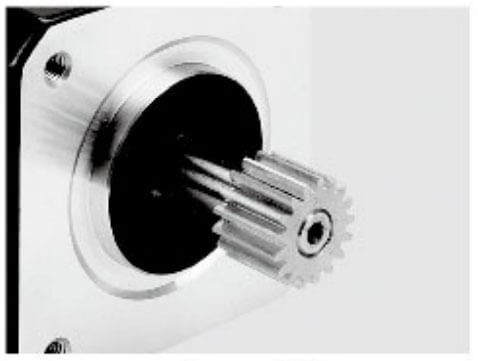
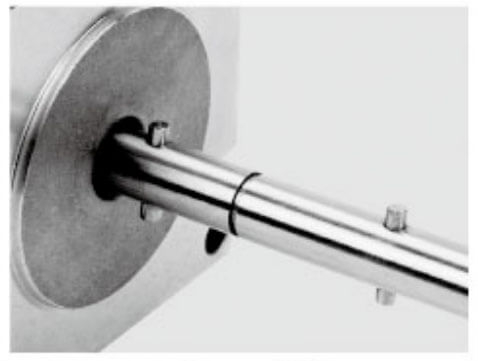
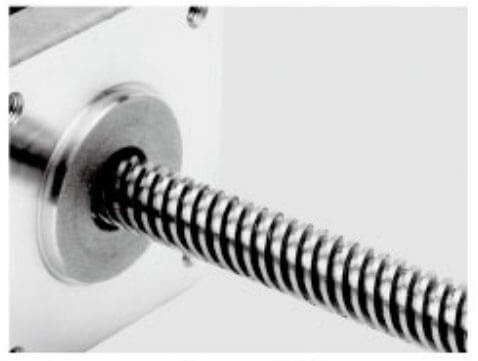
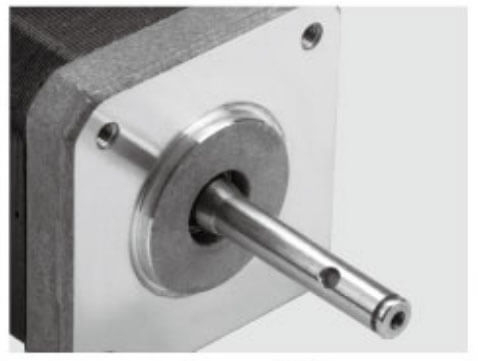
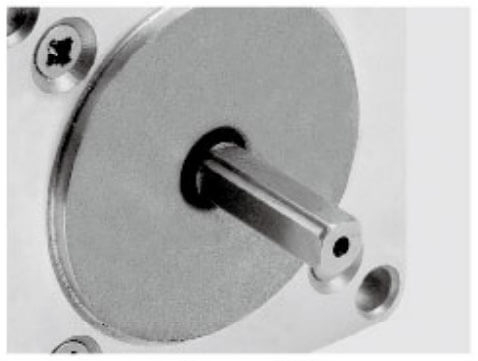
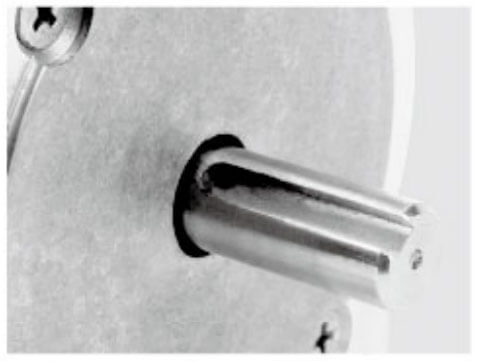
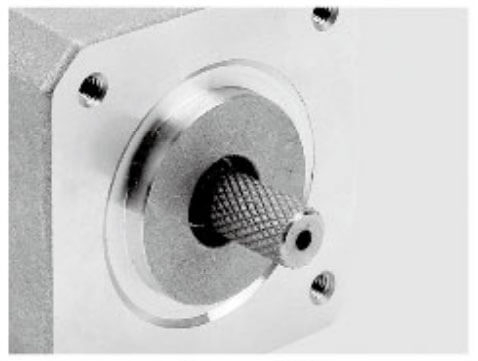
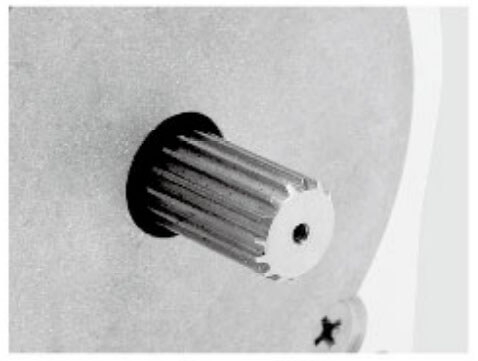
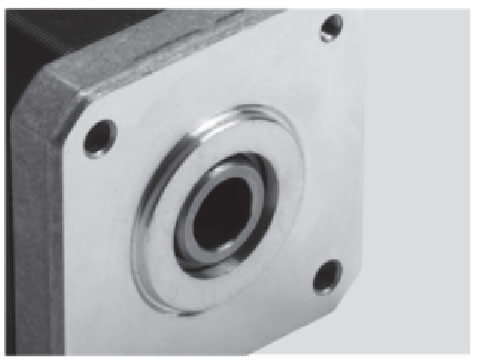
Motor Shaft Customized Service
Jkongmotor offer many different shaft options for your motor as well as customizable shaft lengths to make the motor fit your application seamlessly.
Early Innovations
The concept of the Brushless Motors dates back to the late 19th century, but practical implementations were limited by the technology of the time. Early attempts at creating brushless motors were hindered by the lack of suitable electronic components for controlling the motor's operation.
Advancements in Electronics
The development of solid-state electronics in the mid-20th century paved the way for practical Bldc Motors. The invention of transistors and the subsequent evolution of microprocessors enabled precise electronic control of motor functions, eliminating the need for brushes and commutators.
Modern Era and Technological Integration
In recent decades, the integration of advanced electronic controllers and sensors has further enhanced the performance of Bldc Motors. Innovations in materials and manufacturing processes have also contributed to their widespread adoption across various industries.
Technical Specifications
Basic Components
· Rotor: The rotating part of the motor, typically embedded with permanent magnets.
· Stator: The stationary part containing windings that create a magnetic field when energized.
· Electronic Controller: Manages the flow of current to the stator windings, ensuring precise control of the motor's operation.
· Sensors: Devices like Hall effect sensors or encoders that provide feedback on rotor position and speed.
Operating Principles
Bldc Motors operate on the principle of electromagnetism. When the stator windings are energized, they create a magnetic field that interacts with the permanent magnets on the rotor, causing it to rotate. The electronic controller continuously switches the current in the windings to maintain rotation.
Performance Metrics
· Torque: The rotational force produced by the Bldc Motors.
· Speed: The rotational speed, typically measured in revolutions per minute (RPM).
· Efficiency: The ratio of mechanical power output to electrical power input, indicating the motor's energy conversion effectiveness.
Applications
Industrial Automation
Bldc Motors are extensively used in industrial automation for applications such as conveyor systems, robotic arms, and CNC machines. Their high efficiency and precise control make them ideal for tasks requiring accurate and reliable motion.
Consumer Electronics
In consumer electronics, Bldc Motors are found in devices like computer hard drives, cooling fans, and electric toothbrushes. Their quiet operation and long lifespan are significant advantages in these applications.
Electric Vehicles
Electric vehicles (EVs) rely on Bldc Motors for propulsion due to their high torque and efficiency. They play a crucial role in the performance and energy efficiency of EVs, contributing to the growing adoption of electric mobility.
Aerospace and Defense
In the aerospace and defense sectors, Bldc Motors are used in applications like unmanned aerial vehicles (UAVs) and advanced weaponry systems. Their reliability and performance under extreme conditions are vital in these high-stakes environments.
Benefits
High Efficiency
Bldc Motors are known for their superior efficiency compared to brushed motors. The absence of brushes eliminates frictional losses, resulting in better energy conversion and reduced heat generation.
Enhanced Reliability
The lack of brushes and commutators reduces wear and tear, leading to longer operational life and less maintenance. This reliability is critical in applications where downtime is costly or dangerous.
Precision and Control
Advanced electronic controllers enable precise control of motor speed and torque. This precision is essential in applications requiring accurate positioning and smooth operation.
Low Noise and Vibration
Brushless dc Motors operate quietly due to the absence of brush noise and reduced mechanical vibrations. This feature is particularly beneficial in applications where noise reduction is a priority.
Challenges and Limitations
Initial Cost
The initial cost of Bldc Motors and their associated electronic controllers can be higher than that of traditional brushed motors. However, the long-term benefits often outweigh the initial investment.
Complexity of Control
Brushless Motors require sophisticated electronic controllers for operation. Designing and implementing these controllers can be complex and may require specialized knowledge.
Thermal Management
While Bldc Motors generate less heat than brushed motors, managing the heat produced by the electronic components can be challenging, especially in high-power applications.
Latest Innovations
Integration with IoT
The integration of Bldc Motors with the Internet of Things (IoT) is a growing trend. IoT-enabled BLDC motors can be monitored and controlled remotely, enhancing their functionality and enabling predictive maintenance.
Advanced Materials
The development of advanced materials, such as high-performance magnets and improved winding insulation, is enhancing the efficiency and durability of BLDC motors.
Miniaturization
Advancements in manufacturing techniques are enabling the production of smaller and more powerful Bldc Motors. These compact motors are ideal for applications where space is limited.
Future Prospects
Increased Adoption in EVs
As the demand for electric vehicles continues to rise, the adoption of BLDC motors in this sector is expected to grow significantly. Ongoing improvements in motor efficiency and cost reduction will drive this trend.
Renewable Energy Applications
Bldc Motors are poised to play a significant role in renewable energy systems, such as wind and solar power generation. Their efficiency and reliability make them suitable for these applications.
Enhanced AI Integration
The integration of artificial intelligence (AI) with Brushless dc Motors will enable smarter and more autonomous systems. AI can optimize motor performance in real-time, improving efficiency and adaptability.
Comparative Analysis
BLDC Motors vs. Brushed DC Motors
· Efficiency: BLDC motors are more efficient due to the absence of brushes.
· Maintenance: BLDC motors require less maintenance as they do not have brushes that wear out.
· Control: BLDC motors offer more precise control with advanced electronic controllers.
· Cost: Brushed motors are generally cheaper initially but have higher long-term costs due to maintenance.
· Efficiency: BLDC motors are typically more efficient, especially at low speeds.
· Control: BLDC motors provide better speed and torque control.
· Applications: AC motors are commonly used in applications requiring constant speed, while BLDC motors are preferred in variable speed applications.
User Guides or Tutorials
Installation Guide
1. Mounting the Motor: Secure the motor to the desired location using appropriate mounting hardware.
2. Connecting the Controller: Connect the motor to the electronic controller, ensuring proper alignment of the connectors.
3. Wiring: Follow the wiring diagram provided by the manufacturer to connect the power supply and control signals.
4. Testing: Power up the system and perform initial tests to ensure proper operation.
Maintenance Tips
1. Regular Inspection: Periodically inspect the motor and controller for signs of wear or damage.
2. Cleaning: Keep the motor and surrounding area clean to prevent dust and debris buildup.
3. Firmware Updates: Update the controller firmware as needed to ensure optimal performance.
Conclusion
Summary of Key Points
Brushless Dc Motors represent a significant advancement in motor technology, offering superior efficiency, reliability, and precision. Their wide range of applications, from consumer electronics to aerospace, highlights their versatility and importance.
Future Implications
The future of Bldc Motors looks promising, with ongoing innovations and increasing adoption across various industries. As technology continues to evolve, BLDC motors will play a critical role in shaping the future of automation, transportation, and renewable energy.
Call to Action
For those interested in exploring the potential of Bldc Motors further, consider delving into specialized literature, engaging with industry experts, or experimenting with BLDC motor projects.
FAQs — Brushless DC Motors (BLDC)
1. What is a brushless DC motor?
A brushless DC motor (BLDC) is an electric motor powered by direct current that operates without brushes and a mechanical commutator. Instead, it uses an electronic controller to switch current in the stator windings, producing rotation via magnetic interaction.
2. How does a brushless DC motor work?
BLDC motors work by energizing stator coils in sequence through an electronic controller, creating a rotating magnetic field that the permanent magnet rotor follows. The controller uses rotor position feedback (from sensors) or sensorless algorithms to time the commutation.
3. What are the main components of a BLDC motor?
Key parts include the stator (stationary coils), rotor (with permanent magnets), an electronic controller (replaces brushes), and often feedback sensors (e.g., Hall sensors) for precise commutation.
4. Why are brushless DC motors more efficient than brushed motors?
Because they eliminate brushes and commutators, BLDC motors remove frictional losses and reduce energy waste, allowing higher efficiency. They also run cooler and convert more electrical power into mechanical output.
5. What advantages do brushless DC motors offer?
BLDC motors provide high efficiency, long lifespan, low maintenance, precise speed and torque control, quiet operation, and a wide speed range. These characteristics make them versatile across multiple industries.
6. Where are brushless DC motors commonly used?
BLDC motors are widely used in industrial automation, robotics, electric vehicles, aerospace systems, consumer electronics (e.g., fans and hard drives), medical devices, and conveyors due to their performance and reliability.
7. Do brushless DC motors require less maintenance?
Yes — without brushes and commutators, BLDC motors have fewer wear points, which reduces maintenance and extends operational life, lowering downtime and service costs.
8. How is speed and torque controlled in BLDC motors?
Speed and torque are controlled by adjusting voltage, current, or PWM (pulse width modulation) through the motor’s controller. Advanced feedback systems further improve precision and dynamic response.
9. What are the typical challenges when using brushless DC motors?
BLDC motors require sophisticated electronic controllers, which add design complexity and cost. Additionally, electronic components may need good thermal management, especially in high-power applications.
10. How do brushless DC motors compare to brushed DC motors?
Compared with brushed motors, BLDC motors deliver higher efficiency, longer life, quieter operation, and better control, although they generally have a higher initial cost due to the more complex controller electronics.