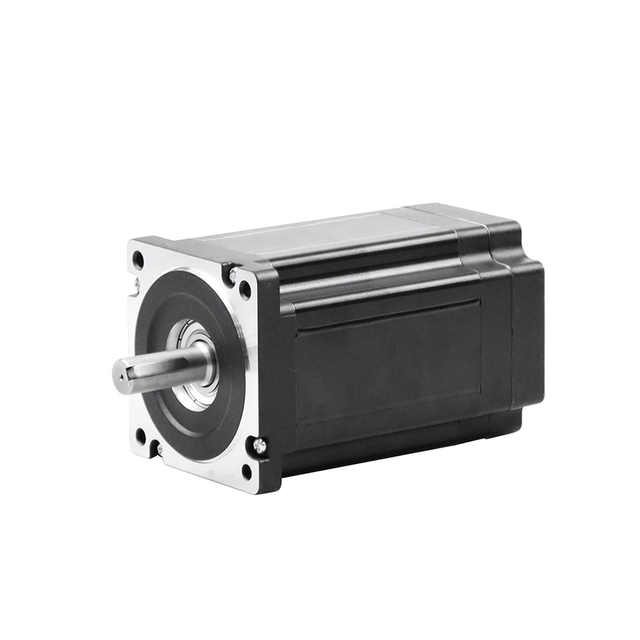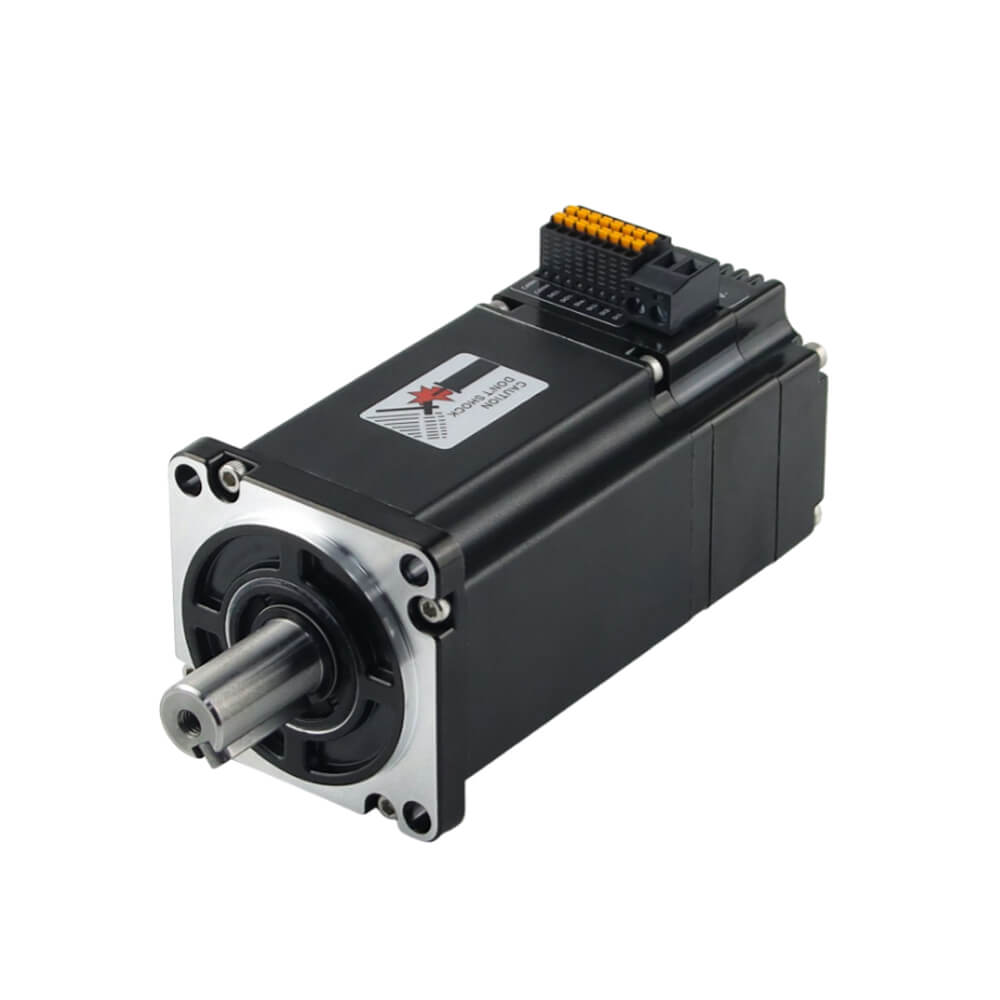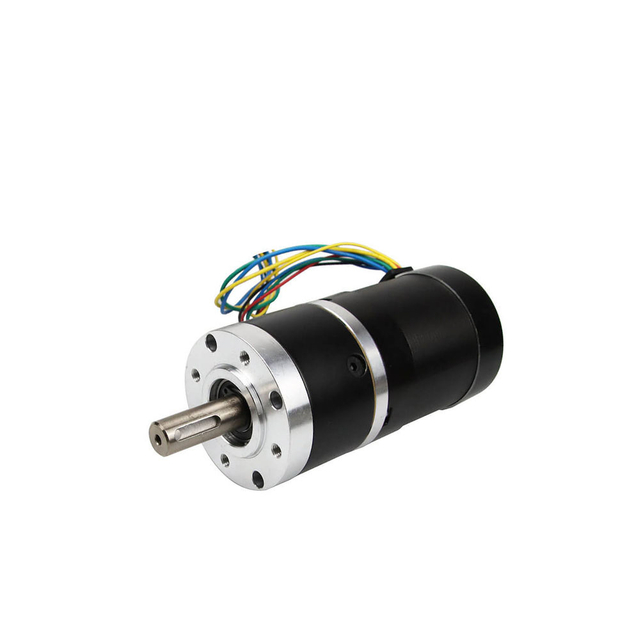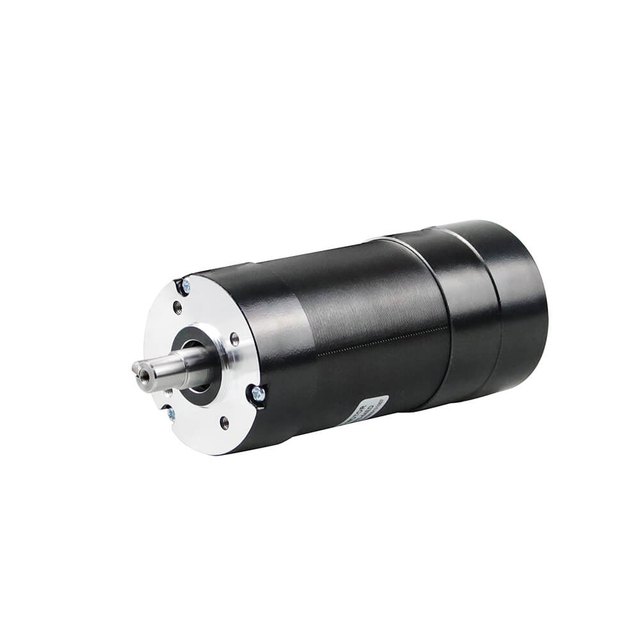
Brushless DC (BLDC) motors represent a pivotal evolution in motion control technology, characterized by their high performance, efficiency, and durability. We categorize these motors based on their fundamental operational principles, which dictate their construction, control requirements, and ideal applications. The primary classification distinguishes between motors based on their back-EMF waveform and commutation method, leading to two main types: the Trapezoidal (or BLDC) motor and the Sinusoidal (or PMSM) motor.
Understanding the distinctions between these types is crucial for selecting the optimal motor for any application, whether it demands simple, robust control or the highest levels of precision and smoothness.
Bldc Motor Customized Service
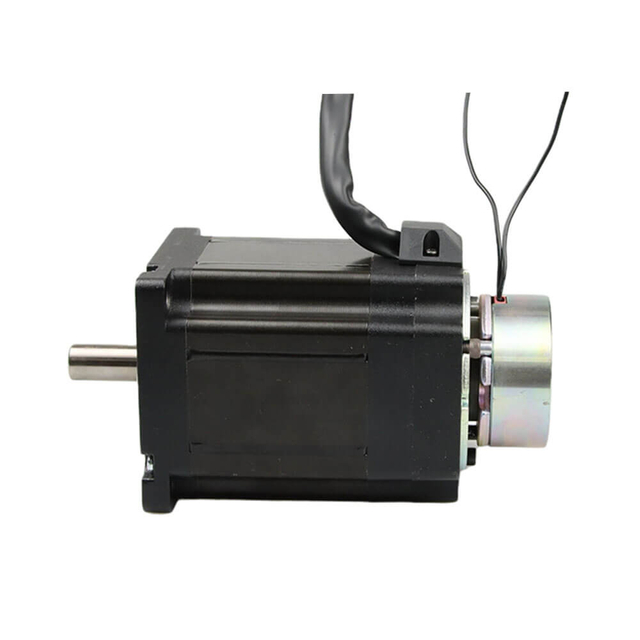
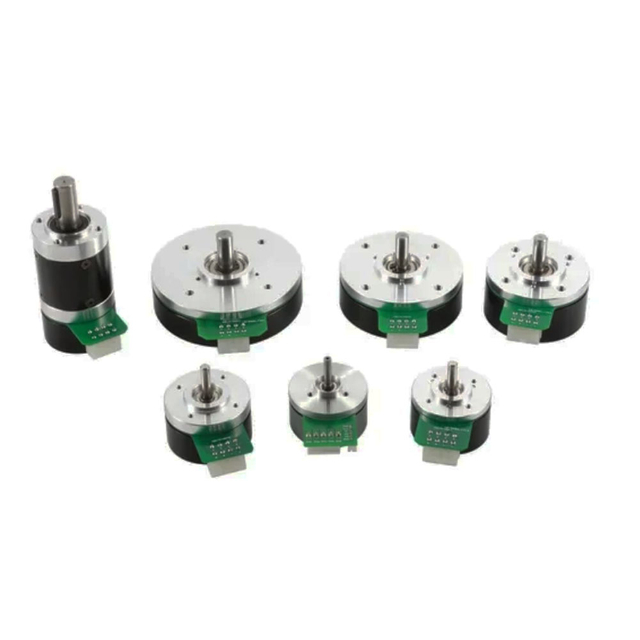
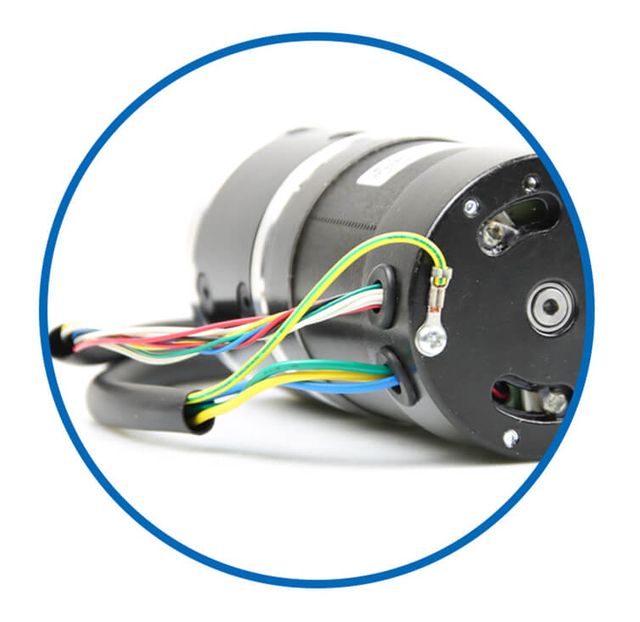
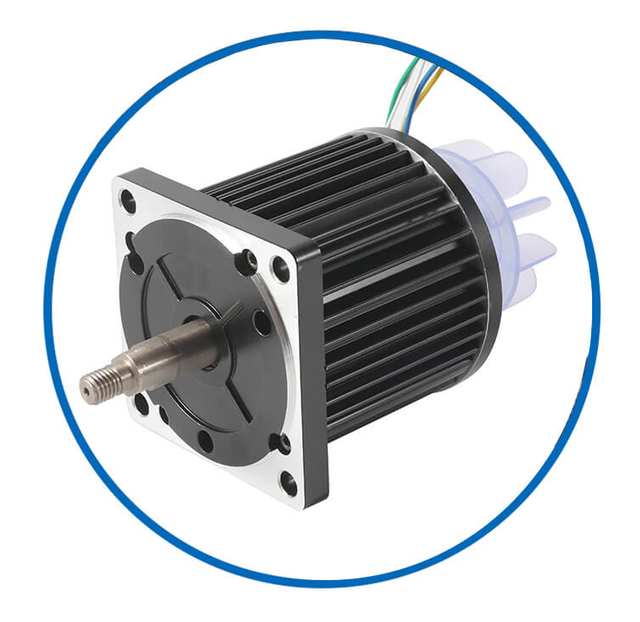
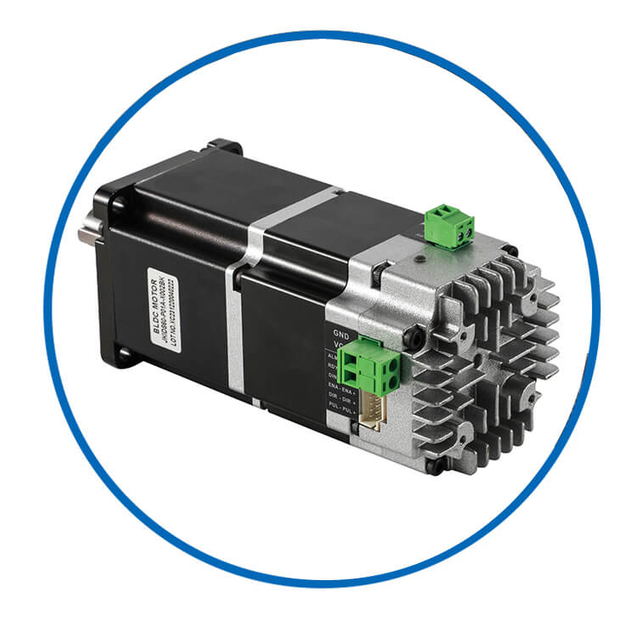
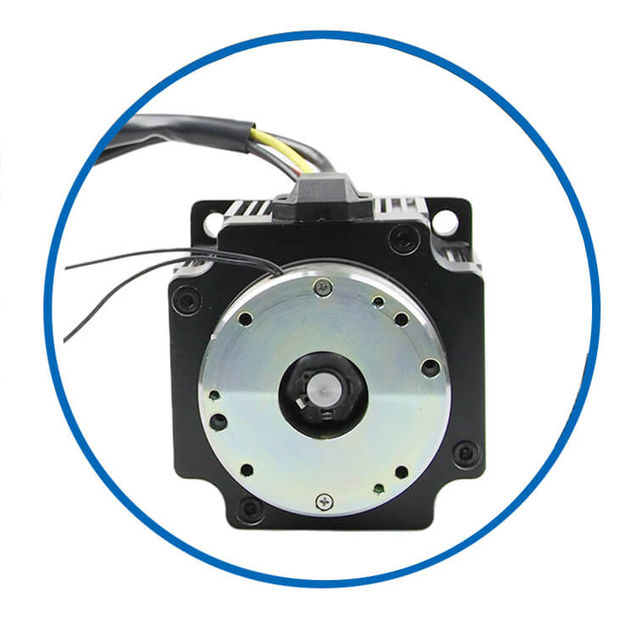
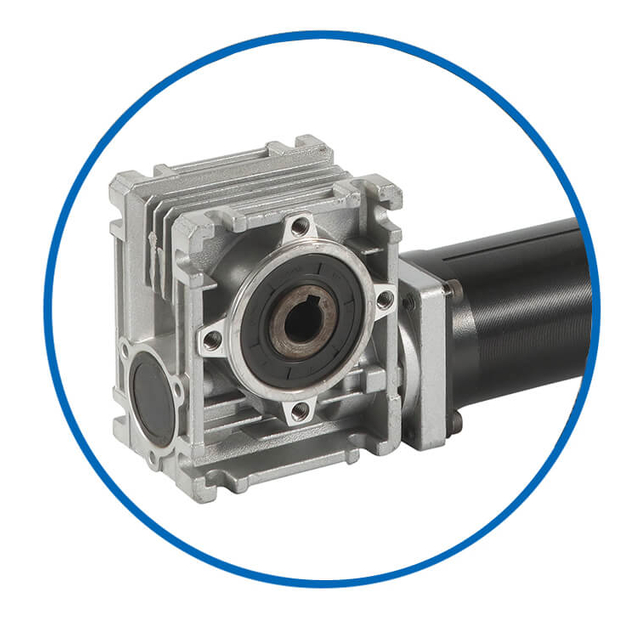
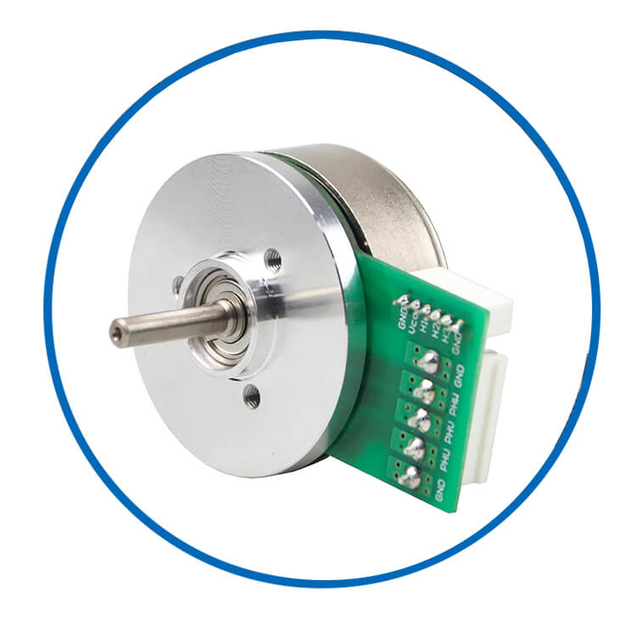
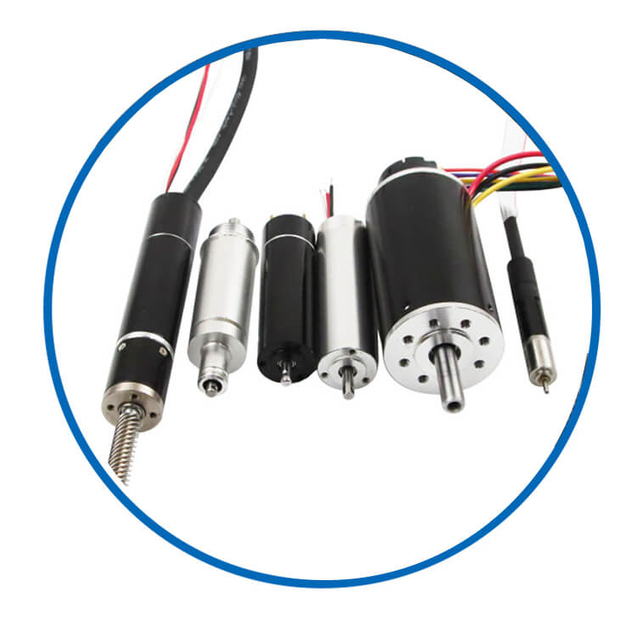
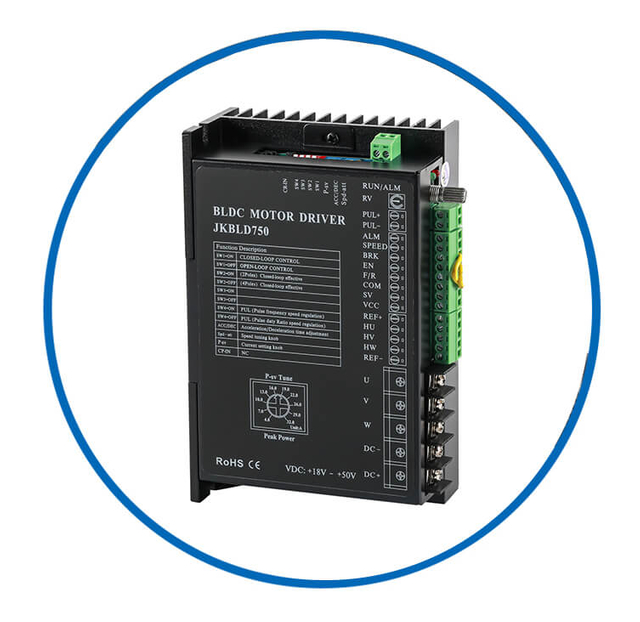
As a professional brushless dc motor manufacturer with 13 years in china, Jkongmotor offer various bldc motors with customized requirements, including 33 42 57 60 80 86 110 130mm, additionally, gearboxes, brakes, encoders, brushless motor drivers and integrated drivers are optional.
![bldc motor supplier]() | ![bldc motor supplier]() | ![bldc motor supplier]() | ![bldc motor supplier]() | ![bldc motor supplier]() | Professional custom brushless motor services safeguard your projects or equipment. No Brushes – Reduced Maintenance and Increased Lifespan High Efficiency and Low Power Loss High Torque-to-Weight Ratio Precise Speed and Position Control Quiet and Smooth Operation Wide Speed Range and Dynamic Performance Excellent Thermal Management Customizable Designs and Modular Configurations Multiple Control Methods Integration with Digital Interfaces and Sensors |
| Wires | Covers | Fans | Shafts | Integrated Drivers |
![bldc motor supplier]() | ![bldc motor supplier]() | ![bldc motor supplier]() | ![bldc motor supplier]() | ![bldc motor supplier]() |
| Brakes | Gearboxes | Out Rotors | Coreless Dc | Drivers |
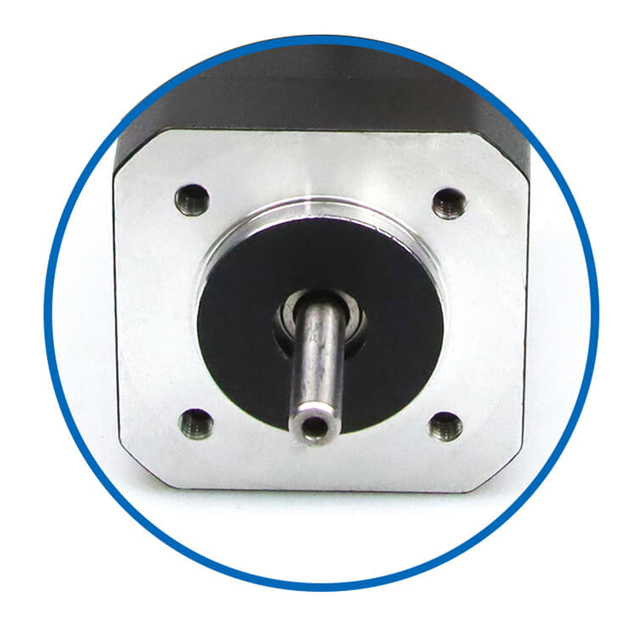
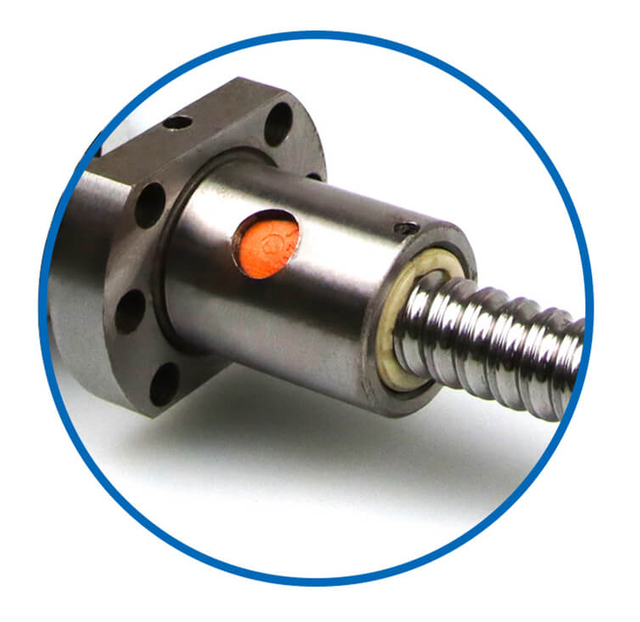
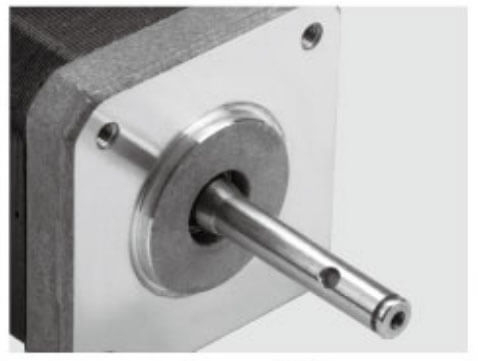
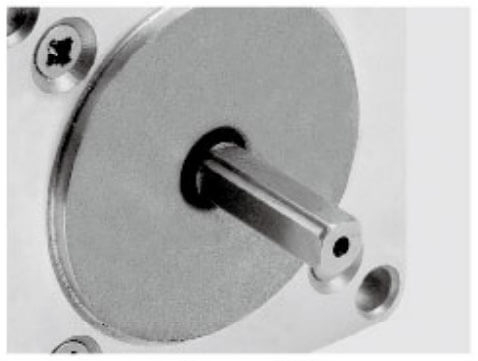
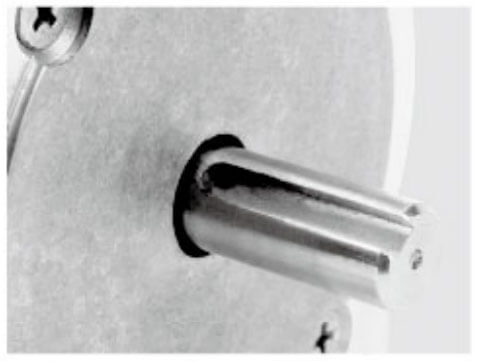
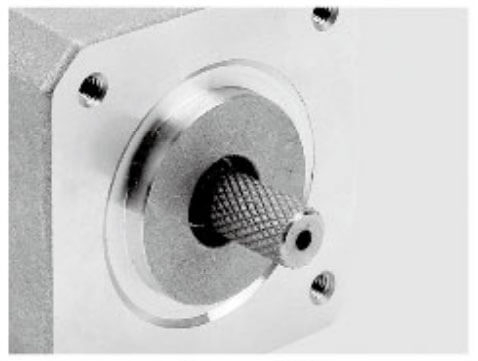
Motor Shaft Customized Service
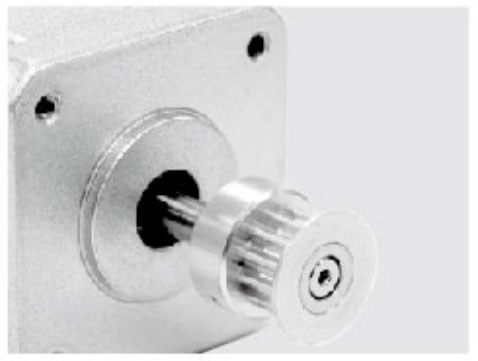
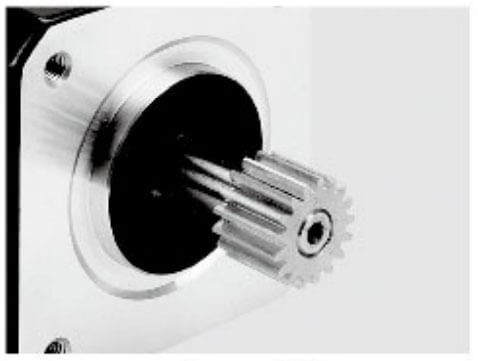
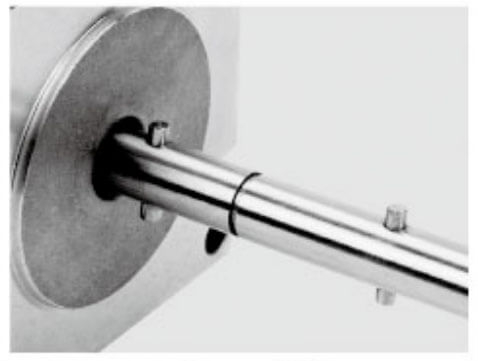
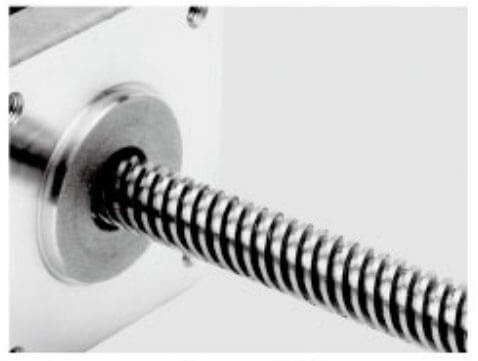
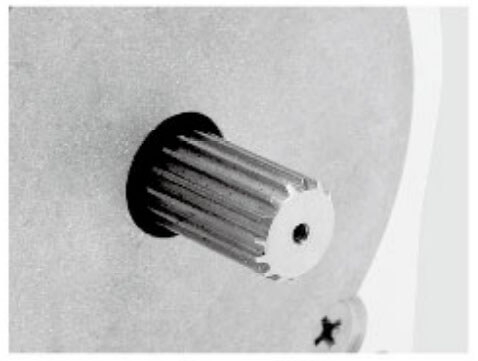
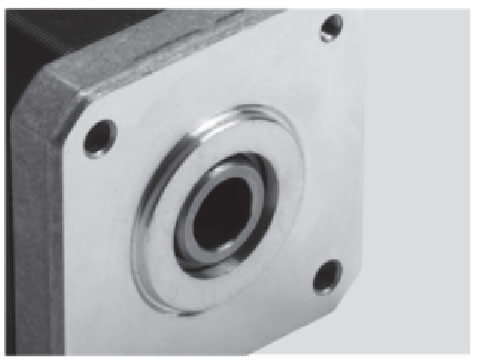
Jkongmotor offer many different shaft options for your motor as well as customizable shaft lengths to make the motor fit your application seamlessly.
Trapezoidal (BLDC) Motors
Construction and Core Principle
The Trapezoidal motor, most commonly a three-phase design, is the classic form of a brushless DC motor. Its defining characteristic is the shape of its back-electromotive force (back-EMF), which resembles a trapezoid as the rotor spins.
This waveform is a direct result of its stator winding geometry. The coils in a trapezoidal motor are typically concentrated, meaning each tooth of the stator is wound with a single coil. This construction is simpler and aims to produce a magnetic field with a roughly flat top, leading to the trapezoidal back-EMF.
Control Method: Six-Step Commutation
Trapezoidal motors are naturally paired with a control technique known as six-step trapezoidal commutation. In this method, the controller energizes two of the three motor phases at any given time, leaving the third phase floating. The sequence of these energized states rotates in six distinct steps (or commutation states) per electrical cycle to spin the rotor.
To execute this sequence correctly, the controller must know the rotor's position. This is most commonly achieved using three Hall-effect sensors embedded in the stator, which provide digital on/off signals. The controller uses this Hall sensor data to determine exactly when to switch to the next step in the sequence.
Performance Profile and Applications
Torque Characteristics: The instantaneous torque in a trapezoidal motor has a ripple component. As the current switches from one phase pair to the next, slight dips in torque occur, known as torque ripple.
Control Simplicity: The six-step algorithm, often driven by straightforward logic from Hall sensors, is less computationally intensive and can be implemented with simpler, more cost-effective electronics.
Ideal Use Cases: This motor type excels in applications where cost-effectiveness, high speed, and good reliability are priorities, and where some torque ripple is acceptable. Common examples include:
Cooling fans and blowers
Power tools (drills, saws)
Electric vehicle traction motors (in some designs)
Appliance motors (washing machine pumps, compressors)
Sinusoidal (PMSM) Motors
Construction and Core Principle
The Sinusoidal motor, more formally known as a Permanent Magnet Synchronous Motor (PMSM), is constructed to produce a smooth, sinusoidal back-EMF waveform. This is achieved through a different stator winding pattern, where the coils are distributed or skewed across multiple stator teeth. This overlapping arrangement produces a magnetic field that varies sinusoidally with rotor position.
While both types use a permanent magnet rotor, the fundamental design goal of the PMSM is to enable smooth, continuous control of torque.
Control Method: Field-Oriented Control (FOC)
To fully harness the smooth characteristics of the sinusoidal motor, a more advanced control algorithm is required: Field-Oriented Control (FOC), also known as vector control. Unlike the on/off switching of trapezoidal commutation, FOC drives continuous, varying sinusoidal currents through all three motor phases simultaneously, each offset by 120 degrees.
FOC mathematically transforms the motor's three-phase currents into two independent components: one that controls magnetic flux and another that controls torque. This decoupling allows for precise, independent control of torque and speed, similar to the control of a brushed DC motor but without the brushes. FOC often requires a high-resolution encoder or resolver for accurate rotor position feedback, though sensorless FOC techniques are also prevalent.
Performance Profile and Applications
Torque Characteristics: The primary advantage is exceptionally smooth torque output with minimal ripple. The continuous sinusoidal current results in constant torque production.
High Performance: PMSMs with FOC offer superior dynamic response, excellent low-speed control, and high efficiency across a wide speed range.
Ideal Use Cases: This motor type is chosen for applications demanding precision, quiet operation, and smooth motion. Common examples include:
Robotics and robotic joints
Computer Numerical Control (CNC) machine tools
High-performance industrial automation and servo systems
Advanced drones requiring stable flight control
Precision medical and laboratory equipment
Comparative Analysis of Customized Brushless DC Motor: Trapezoidal vs. Sinusoidal Motors
| Feature | Trapezoidal (BLDC) Motor | Sinusoidal (PMSM) Motor |
| Back-EMF Waveform | Trapezoidal | Sinusoidal |
| Stator Winding | Concentrated, simpler | Distributed, more complex |
| Control Method | Six-Step Trapezoidal Commutation | Field-Oriented Control (FOC) |
| Position Sensing | Typically Hall-effect sensors (digital) | Typically encoders/resolvers (high-resolution analog) |
| Torque Output | Good, with inherent torque ripple | Very smooth, with minimal torque ripple |
| Control Complexity & Cost | Lower complexity and cost | Higher complexity and cost |
| Acoustic Noise | Higher (due to abrupt current switching) | Lower (due to smooth current transitions) |
| Primary Advantage | Simplicity, robustness, cost-effectiveness | Precision, smoothness, high performance |
Beyond the fundamental back-EMF and control dichotomy, BLDC motors can be further classified by other key characteristics:
By Rotor Position: Inrunner motors have the rotor inside the stator, suitable for high-speed applications. Outrunner motors have the rotor outside, surrounding the stator, offering higher torque at lower speeds and are common in drones and direct-drive applications.
By Sensor Configuration: Sensored motors use physical position sensors (Hall sensors, encoders). Sensorless motors eliminate these sensors, instead estimating rotor position by measuring the motor's back-EMF, reducing cost and improving reliability in certain applications like fans and pumps.
By Phase Number: While three-phase motors dominate, single-phase and two-phase BLDC motors exist for very low-cost, simple applications like small fans.
The American industrial landscape thrives on precision, innovation, and relentless engineering. At the heart of countless advanced applications—from aerospace and medical devices to robotics and electric mobility—lies a critical component: the Brushless DC (BLDC) motor. Renowned for their high efficiency, exceptional reliability, and superior performance, BLDC motors are the propulsion system of choice for modern technology. We have compiled a definitive guide to the premier Brushless DC motor manufacturers in the United States, profiling companies that lead through design mastery, manufacturing excellence, and technological foresight.
1. Allied Motion Technologies Inc.
Company Profile
Headquartered in Amherst, New York, Allied Motion Technologies is a global leading brushless bldc dc motor manufacturer in motion control products. Their strategy revolves around "Purchase and Partner," allowing them to offer a vast portfolio of precision motion solutions. They serve diverse markets, including vehicle, medical, aerospace, and industrial sectors.
Main Products
Their extensive brushless DC motor offerings include frameless kits (rotors and stators), housed motors, and integrated smart motors with embedded drives and controllers. They provide both custom-engineered solutions and a broad catalog of standard products.
Advantages
We recognize their key advantage as complete motion system solutions. Allied Motion doesn't just supply motors; they deliver integrated subsystems, reducing design complexity for their customers. Their wide range of complementary products, such as gearboxes, sensors, and drives, provides a critical one-stop-shop benefit.
2. Moog Inc.
Company Profile
Moog, with its Industrial Group based in East Aurora, New York, is a leading brushless bldc dc motor manufacturer in precision motion control, particularly for high-performance applications. Their heritage in aerospace and defense translates into motors built to the most rigorous standards.
Main Products
Moog specializes in high-performance slotless and brushless DC servo motors. Their products are engineered for extreme environments, offering high torque density, exceptional controllability, and minimal electromagnetic interference (EMI).
Advantages
The undeniable advantage is their proven performance in mission-critical systems. Moog motors are trusted in aviation flight controls, satellite positioning, and surgical robots where failure is not an option. Their expertise in materials and electromagnetic design yields unparalleled reliability.
3. Anaheim Automation
Company Profile
Anaheim Automation, a leading brushless bldc dc motor manufacturer located in Anaheim, California, has built a reputation as a volume provider of affordable motion control components. They successfully balance cost-effectiveness with reliable performance, serving automation OEMs and integrators worldwide.
Main Products
They offer an extensive, readily available catalog of standard BLDC motors in a wide array of frame sizes, voltages, and power ratings. These are often paired with their own matching motor drives and controllers.
Advantages
We identify their core strength as exceptional accessibility and value. With a vast inventory and user-friendly technical support, they significantly lower the barrier to entry for engineers designing brushless DC systems, accelerating time-to-market for cost-sensitive projects.
4. Pittman Motors (a division of AMETEK)
Company Profile
Pittman Motors, part of AMETEK’s Electronic Instruments Group, has a storied history in precision DC motor manufacturing. A leading brushless bldc dc motor manufacturer based in Harleysville, Pennsylvania, they leverage decades of expertise to produce high-quality motors for demanding applications.
Main Products
Their brushless DC motor line includes NEMA frame sizes, compact axial-gap "pancake" motors, and high-performance servo motors. They excel in both custom magnetic and mechanical designs.
Advantages
A key advantage is their deep materials science and magnetization expertise. Pittman controls critical processes in-house, from magnetizing rare-earth magnets to precision machining, ensuring consistent quality and the ability to optimize motor performance at a fundamental level.
5. ElectroCraft
Company Profile
ElectroCraft, a business under the Regal Rexnord Corporation umbrella, operates from Duluth, Georgia. They are a leading brushless bldc dc motor manufacturer and focus on delivering motion solutions through a combination of robust products and strong application engineering support.
Main Products
Their portfolio features the RapidPower series of brushless DC motors and gearmotors, known for their power density. They provide everything from component-level motors to fully integrated "Dynamo" drives with onboard controls and networking.
Advantages
We highlight their system-level integration capabilities as a major benefit. Their Dynamo integrated drive modules simplify wiring, reduce footprint, and enhance performance, offering a plug-and-play solution that reduces total system cost and complexity.
6. MAXON
Company Profile
While globally brushless bldc dc motor manufacturer headquartered in Switzerland, maxon maintains a significant U.S. presence with engineering and manufacturing in Taunton, Massachusetts, and Salt Lake City, Utah. They represent the pinnacle of precision brushed and brushless DC motors.
Main Products
maxon’s brushless EC (Electronic Commutated) motors are renowned for their ironless core, slotless winding technology. They range from miniature motors a few millimeters in diameter to powerful motors exceeding 500 watts.
Advantages
The definitive advantage is ultra-high precision and efficiency from coreless technology. This design eliminates cogging, provides linear speed-torque characteristics, and enables incredibly fast acceleration. Their motors are the benchmark for applications like surgical robots and laboratory automation.
7. Nidec Motor Corporation
Company Profile
Nidec Motor Corporation, a subsidiary of Japan’s Nidec Group, is a colossal brushless bldc dc motor manufacturer in the motor industry with major U.S. operations in St. Louis, Missouri. They bring massive scale and R&D resources to commercial and industrial motor markets.
Main Products
Their BLDC offerings are vast, covering fractional to integral horsepower motors for HVAC, industrial machinery, and commercial applications. They are a leader in applying BLDC technology to energy-efficient appliance and pump motors.
Advantages
Their strength lies in unmatched scale and cost-optimized manufacturing. For high-volume applications requiring reliable, efficient BLDC motors, Nidec provides a supply-chain-safe partner with deep application knowledge in regulated industries.
8. Arc Systems Inc.
Company Profile
Arc Systems, a leading brushless bldc dc motor manufacturer based in Hauppauge, New York, specializes in custom-designed motors for extreme and demanding environments. They are a go-to source for applications where standard motors simply cannot survive.
Main Products
They engineer and manufacture brushless DC motors for high-temperature, high-vacuum, and radiation-hardened environments. Common applications include downhole drilling, aerospace actuators, and semiconductor processing equipment.
Advantages
We single out their specialization in extreme-environment motor engineering. Their expertise in selecting exotic materials, specialized lubricants, and unique sealing techniques allows them to produce motors that operate reliably where others fail.
9. FAULHABER Group
Company Profile
Like maxon, FAULHABER is a German precision brushless bldc dc motor manufacturer with a vital U.S. subsidiary in Clearwater, Florida. They are synonymous with micro-drive systems, pushing the limits of miniaturization and power density.
Main Products
Their brushless DC motor series, including the BXT flat motors and SR series, feature self-supporting ironless rotors and exceptional power-to-volume ratios. They are masters of micro-miniaturization without sacrificing performance.
Advantages
The primary advantage is revolutionary miniaturization in motion. FAULHABER’s designs achieve extraordinary performance in incredibly small packages, enabling breakthroughs in portable medical devices, compact robotics, and miniature optical systems.
10. Kollemorgen (a brand of Altra Industrial Motion)
Company Profile
Kollemorgen, part of Altra Industrial Motion, is a leading brushless bldc dc motor manufacturer in servo technology with a strong U.S. heritage. Their products are engineered for the most challenging motion control applications in automation and machine building.
Main Products
They offer a comprehensive line of high-performance brushless servo motors in standard NEMA and IEC frame sizes. These motors are designed for seamless integration with Kollemorgen drives and automation networks.
Advantages
Their standout advantage is application-engineered performance for industrial automation. Kollemorgen motors are optimized for high dynamic response, smooth low-speed operation, and durability in 24/7 manufacturing environments, backed by unparalleled technical support.
11. Thomas Magnete
Company Profile
Thomas Magnete, with its U.S. operations in Michigan, is a global brushless bldc dc motor manufacturer in customized mechatronic solutions. They excel at integrating fluid control technology with precision electric drives.
Main Products
While known for solenoid valves, their expertise extends to custom brushless DC motors and actuators for precise fluid metering and control applications. They often combine the motor, pump, and controller into a single smart module.
Advantages
We emphasize their unique synergy of fluid power and electric motion control. For applications requiring precise dosing, pumping, or valve actuation, Thomas Magnete provides optimized, integrated solutions that improve system reliability and accuracy.
12. Jkongmotor
Company Profile
Jkongmotor is a leading brushless bldc dc motor manufacturer and focuses on manufacturing right-angle gearmotors and drives for the "tough stuff." They design for durability in demanding OEM applications.
Main Products
Their brushless DC gearmotors are a core product, combining efficient BLDC motors with robust parallel-shaft or right-angle gearboxes. They are built to withstand harsh conditions like washdowns, temperature swings, and continuous operation.
Advantages
A key advantage is mechanical robustness and application-specific design. Bison engineers motors and gearboxes as a unified system for long life under stress, offering exceptional value in markets like food processing, packaging, and material handling.
13. Lin Engineering
Company Profile
Lin Engineering, a leading brushless bldc dc motor manufacturer headquartered in San Jose, California, is a specialist in step motor technology but has developed a strong line of brushless DC motors. They are known for quality manufacturing and a collaborative engineering approach.
Main Products
They offer a range of brushless DC motors, including slotless designs for smooth motion and low cogging. Their products serve the medical, semiconductor, and aerospace industries with a focus on precision.
Advantages
We identify their strength as precision manufacturing and hybrid expertise. Their deep knowledge in both stepper and BLDC technologies allows them to guide customers to the optimal solution and produce motors with exceptional mechanical tolerances.
14. Aerotech Inc.
Company Profile
Aerotech, a leading brushless bldc dc motor manufacturer based in Pittsburgh, Pennsylvania, is a world leader in precision motion control and automation systems. Their components are designed to meet the ultra-high-precision needs of advanced manufacturing and research.
Main Products
They manufacture high-end BLDC linear and rotary servo motors for applications requiring nanometer-level precision, such as microelectronics assembly, photonics alignment, and advanced microscopy.
Advantages
The defining advantage is ultra-high-precision positioning performance. Aerotech motors are part of complete motion systems designed for sub-micron accuracy and exceptional velocity stability, making them essential for cutting-edge industrial and scientific applications.
15. Bodine Electric Company
Company Profile
A leading brushless bldc dc motor manufacturer with a century-long history, Bodine Electric Company in Chicago, Illinois, is a trusted source for fractional horsepower motors. They emphasize quality, longevity, and made-in-USA manufacturing.
Main Products
Their 24A/34B frame brushless DC motors and gearmotors are industry standards for commercial applications. They provide reliable, cost-effective solutions for HVAC, medical fitness, and office automation equipment.
Advantages
Their paramount advantage is proven reliability and domestic manufacturing agility. Bodine’s long-term product lifecycle support and U.S.-based production offer OEMs stability, shorter lead times, and responsiveness that offshore suppliers cannot match.
Choosing among these leading brushless dc motor manufacturers in the United States requires a careful analysis of your application's specific demands. We recommend a systematic evaluation across several critical dimensions.
First, assess the technical performance requirements. Consider the necessary torque, speed, power density, and efficiency. For high-dynamic response, a slotless design from a manufacturer like maxon or Moog may be essential. For constant-speed operation in a harsh environment, a robust solution from Bison or Bodine might be optimal.
Second, evaluate the mechanical and environmental constraints. The available footprint, mounting configuration, and exposure to elements like heat, cold, moisture, or chemicals will directly inform your choice. Companies like Arc Systems excel where environmental extremes are the primary challenge.
Third, consider the control and integration complexity. Determine if you need a simple three-phase motor, a motor with integrated hall sensors, or a fully networked smart motor with an onboard drive. Suppliers like ElectroCraft and Allied Motion reduce development risk by providing pre-integrated solutions.
Fourth, analyze the commercial and supply chain factors. Project volume, target cost, and required product lifecycle support are crucial. High-volume projects may align with Nidec's scale, while low-volume, high-mix applications may benefit from the collaborative engineering of Lin Engineering or FAULHABER.
Finally, prioritize technical support and partnership. The ability to collaborate with a manufacturer's application engineers during the design phase can be invaluable. U.S.-based manufacturers often provide more accessible, responsive support, reducing development time and mitigating risk.
Introduction: The Silent Engine of Modern Technology
In the intricate symphony of modern machinery—from the whisper-quiet fan in your laptop to the powerful propulsion of an electric vehicle—a single, brilliant technology conducts the flow of energy with unparalleled precision: the Brushless DC (BLDC) motor. We stand at the forefront of a silent revolution in motion control, driven by a device that has rendered the limitations of traditional brushed motors obsolete. By eliminating physical brushes and commutators, BLDC motors achieve a paradigm shift in efficiency, durability, controllability, and power density. This comprehensive analysis details the expansive universe of BLDC motor applications, demonstrating how this technology is not merely a component but the fundamental driving force across global industries, from pervasive consumer gadgets to the most demanding medical and industrial environments. The market trajectory underscores this dominance; the global BLDC market, valued at approximately $210 billion in 2024, is projected to grow to $320 billion by 2030, reflecting a robust compound annual growth rate (CAGR) of over 6.5%.
Part 1: Fundamental Advantages That Enable Widespread Adoption
The migration from brushed to brushless DC technology is a calculated engineering decision, predicated on overcoming critical performance barriers. The core advantages of BLDC motors are the direct catalysts for their application-specific triumphs.
Unmatched Efficiency and Energy Savings: BLDC motors convert electrical power into mechanical motion with exceptional efficacy. Unlike brushed motors that suffer from constant friction and voltage drop at the brush-commutator interface, BLDC motors utilize electronic commutation. This method minimizes parasitic losses. Crucially, electronic controls can vary current to maintain high efficiency even at reduced speeds, a scenario where traditional AC motors can see catastrophic drops in performance. This makes BLDC motors indispensable in variable-load applications, contributing to systems that can be up to 60% more efficient under partial load conditions. In a global economy focused on sustainability, this efficiency translates directly into reduced energy consumption and operational costs.
Superior Durability and Reduced Maintenance: The absence of brushes is a liberation from a primary failure mode. There are no carbon brushes to wear down, no commutator arcs to erode surfaces, and no brush debris to contaminate the interior. This results in a dramatically extended operational lifespan and allows for operation in sealed or contaminated environments where brush dust could cause issues. Maintenance schedules shift from regular brush replacement to simple bearing checks, revolutionizing total cost of ownership in inaccessible or critical applications.
Exceptional Controllability and Dynamic Performance: BLDC motors offer precise control over torque, speed, and position. An inverter or dedicated motor control System-on-Chip (SoC) modulates power by sensing rotor position (via Hall-effect sensors or sensorless back-EMF detection). This enables complex control algorithms like Field-Oriented Control (FOC) for smooth, efficient operation across the entire speed range. The ability to run on DC power and be controlled by variable frequency signals makes them ideal for battery-powered devices and applications requiring a wide speed range, such as in transportation systems.
High Power Density and Compact Design: With heat-generating brushes removed and windings typically located on the stator where they can be cooled more effectively, BLDC motors can handle higher power levels in smaller frames. This high power-to-weight and power-to-volume ratio is critical in aerospace, portable medical devices, and electric vehicles, where every gram and cubic centimeter is scrutinized.
Part 2: Sector-by-Sector Application Analysis
2.1 Automotive and Electric Mobility: The Road to Electrification
The automotive sector is arguably the most significant driver of BLDC motor innovation. Their use extends far beyond the primary traction motor in Electric Vehicles (EVs), permeating dozens of subsystems critical to safety, comfort, and efficiency.
Primary Traction Motors: Modern EVs increasingly employ high-performance BLDC variants like Permanent Magnet Synchronous Motors (PMSM) for their exceptional power density and efficiency, which can exceed 95% when integrated with advanced inverters. Innovations like oil-cooled flat-wire windings are pushing boundaries, reportedly increasing vehicle range by up to 18%.
Ancillary and Comfort Systems: Virtually every electrically assisted function in a modern car now relies on BLDC motors. This includes electric power steering pumps, advanced thermal management fans and coolant pumps, and comfort systems like seat adjusters, window lifts, and sunroofs. New, integrated motor control SoCs (System-on-Chip) are being designed specifically for these applications, combining control, diagnostics, and communication (like LIN bus) onto a single chip to improve reliability and reduce space. These compact, reliable solutions are vital as the number of motors per vehicle, especially in EVs, continues to climb.
2.2 Aerospace and Unmanned Aerial Vehicles (UAVs): Demanding Precision Aloft
In aerospace, reliability and performance are non-negotiable. BLDC motors deliver the precise control and high-power density required for both manned and unmanned flight.
2.3 Industrial Automation and Robotics: The Backbone of Smart Manufacturing
The fourth industrial revolution is powered by precise, reliable, and connected motion. BLDC motors are central to this transformation.
Industrial Robotics: They serve as the joints in robotic arms, grippers, and automated guided vehicles (AGVs), providing the high torque, dynamic response, and positional accuracy needed for assembly, welding, painting, and material handling.
Advanced Automation Systems: In CNC machinery, packaging lines, and textile manufacturing, BLDC motors drive spindles, conveyors, and actuators. Their programmability and integration with networked sensors enable predictive maintenance strategies. Smart systems using AI algorithms can analyze motor performance data to predict failures, reducing unplanned downtime by up to 35%.
Direct Drive Systems: By eliminating gears, direct-drive BLDC motors provide exceptional precision, reduced maintenance, and zero backlash, making them ideal for high-accuracy applications like semiconductor wafer handling or precision lathes.
2.4 Medical and Healthcare Technology: Where Precision Saves Lives
The medical field imposes the most stringent requirements: absolute reliability, precision, and often, the ability to withstand rigorous sterilization.
Surgical and Dental Tools: Modern battery-powered surgical hand tools (drills, saws, reamers) have transitioned from pneumatic to BLDC-driven systems for superior control, lower noise, and higher power. A critical advancement is the development of autoclavable (steam-sterilizable) BLDC motors. These motors use specialized seals, materials, and coatings to withstand repeated exposure to 135°C steam at high pressure without performance degradation. This allows for the creation of high-performance, reusable tools that are accessible to a wider range of healthcare facilities.
Diagnostic and Life Support Equipment: BLDC motors power the precise fluid handling in infusion pumps, insulin pumps, and dialysis machines. They are also found in centrifuges, ventilator blowers, and CT/MRI scanner cooling systems, where smooth, vibration-free operation is paramount. Motors for active implants and prosthetics push the boundaries further, requiring biocompatible designs and extreme miniaturization.
2.5 Consumer Electronics and Appliances: Enhancing Daily Life
This is the most visible domain, where BLDC technology silently improves the performance and efficiency of everyday products.
Heating, Ventilation, and Air Conditioning (HVAC): BLDC fans and blowers in air conditioners, heat recovery ventilators, and furnaces are now the efficiency standard. They adjust speed minutely to match demand, reducing energy consumption by up to 40% compared to traditional AC induction motors and operating at noise levels as low as 18 decibels.
Major Home Appliances: Front-load washing machines use BLDC motors for direct drum drive, enabling precise control of wash cycles, high spin speeds for water extraction, and exceptional quietness. Variable-speed compressor drives in refrigerators and inverter-based kitchen hoods also leverage BLDC efficiency.
Personal Computing and Entertainment: Cooling fans in servers, laptops, and gaming consoles rely on small, long-life BLDC motors. Hard disk drive spindles and optical drive mechanisms also depend on their precise rotation.
Part 3: Selection Criteria and Future Trajectory
3.1 Key Parameters for Application-Specific Selection
Choosing the correct BLDC motor requires a holistic analysis beyond just power and speed:
Motor Constants (KV, KT): The KV rating (RPM per Volt) indicates speed tendency, while torque constant (KT) relates current to torque.
Thermal Management: An open-frame motor offers better cooling for high-duty cycles, while a closed can motor provides protection in dirty or wet environments.
Control Scheme & Sensors: Decisions between sensor-based (Hall effect, encoder) for precise low-speed control and sensorless (back-EMF) for cost and simplicity are crucial.
Electromagnetic Compatibility (EMI): Proper shielding and filtering are essential, especially in drones and medical devices, to prevent interference with sensitive onboard electronics.
3.2 The Future Horizon of BLDC Technology
The evolution of BLDC motors is intertwined with advancements in materials science, power electronics, and digitalization:
Material Science Breakthroughs: The adoption of amorphous metal cores is reducing iron losses by up to 60%, enabling next-generation IE5 hyper-efficient motors. High-temperature magnets and nanocomposite insulation materials are allowing for higher operating temperatures and further increases in power density.
Advanced Integration and Smart Motors: The trend is toward fully integrated mechatronic systems. Modern motor control SoCs now bundle the microcontroller, gate drivers, communication interfaces, and advanced safety features meeting ISO 26262 ASIL B standards for automotive applications onto a single chip. The future lies in "smart motors" with embedded connectivity (IoT) for real-time health monitoring and integration into digital twin simulations.
New Topologies: Axial flux motors are gaining traction in high-torque, space-constrained applications like in-wheel EV drives, offering a threefold increase in power density over traditional radial-flux designs.
Conclusion: The Indispensable Driver of Progress
The application landscape of Brushless DC motors is a definitive map of modern technological progress. From enabling the global transition to electric mobility and autonomous drones to ensuring the sterility of life-saving surgical tools and the quiet efficiency of our homes, BLDC motors have proven to be a uniquely adaptable and powerful solution. Their fundamental advantages in efficiency, control, and reliability address the core challenges of our time: energy conservation, automation, and precision. As material innovations and digital integration propel the technology forward, the dominion of BLDC motors will only expand, cementing their role not just as an electromechanical component, but as the essential kinetic backbone of the 21st-century industrial and technological ecosystem. For engineers and innovators across all fields, mastering the application of BLDC technology is synonymous with mastering the future of motion itself.
Powering Innovation with American Engineering
The choice between a Trapezoidal BLDC motor and a Sinusoidal PMSM is not about which is universally better, but about which is optimal for the specific application requirements.
We recommend the Trapezoidal BLDC motor for projects prioritizing cost, simplicity, and high-speed capability where some torque ripple is not critical. Its straightforward control and sensing make it a robust and economical solution for volume production.
Conversely, we recommend the Sinusoidal PMSM for applications where performance, precision, smoothness, and quiet operation are paramount. The investment in more complex control electronics and high-resolution feedback is justified in high-end automation, robotics, and any system where the quality of motion is directly tied to the quality of the end product.
The ecosystem of brushless DC motor manufacturers in the United States is diverse and technologically profound. From the micro-scale precision of FAULHABER to the extreme-environment prowess of Arc Systems, and from the high-volume efficiency of Nidec to the mission-critical reliability of Moog, American ingenuity provides a motor solution for every conceivable challenge.
We are confident that this detailed guide serves as a foundational resource for engineers, procurement specialists, and innovators seeking the ideal partner to power their next-generation products. By aligning your specific application requirements with the core competencies of these industry leaders, you can secure a competitive advantage through superior motion control, ensuring the success and reliability of your systems in the global marketplace.