Introduction to PMSM and Power Supply Compatibility
Permanent Magnet Synchronous Motors (PMSM) are widely recognized for their high efficiency, precise speed control, and excellent torque density. They are commonly used in industrial automation, electric vehicles, robotics, CNC machinery, and renewable energy systems. One of the most frequently asked technical questions in motor engineering and system integration is: Can PMSM run on DC power?
The answer is yes, but not directly. PMSM motors are inherently designed to operate with AC waveforms, yet they can function in systems powered by DC sources when appropriate power electronics and control methods are employed. This article delivers a detailed, technical, and application-focused explanation that clarifies how PMSM motors interact with DC power, how conversion works, and why this configuration is widely adopted in modern motion systems.
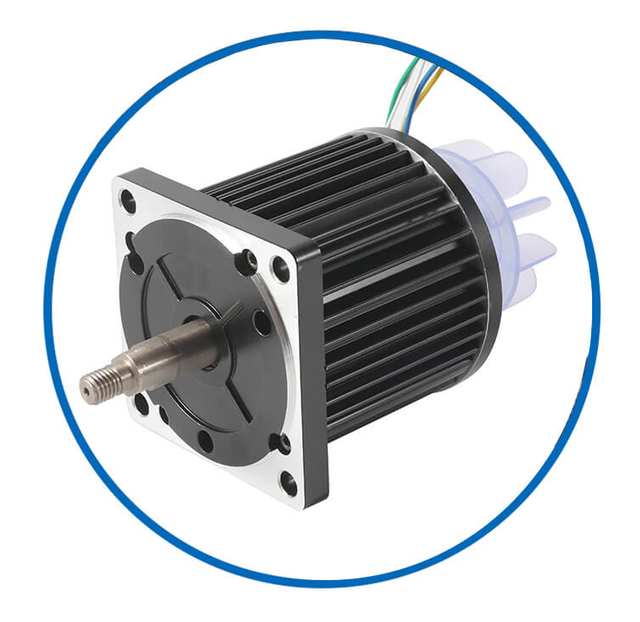
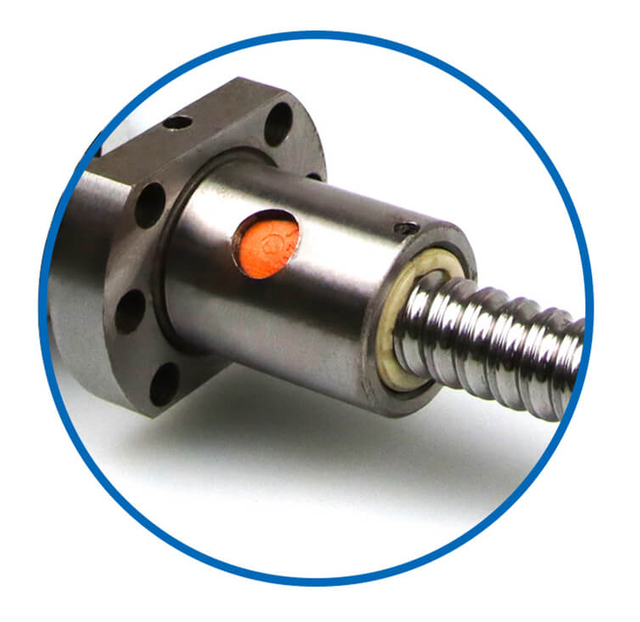
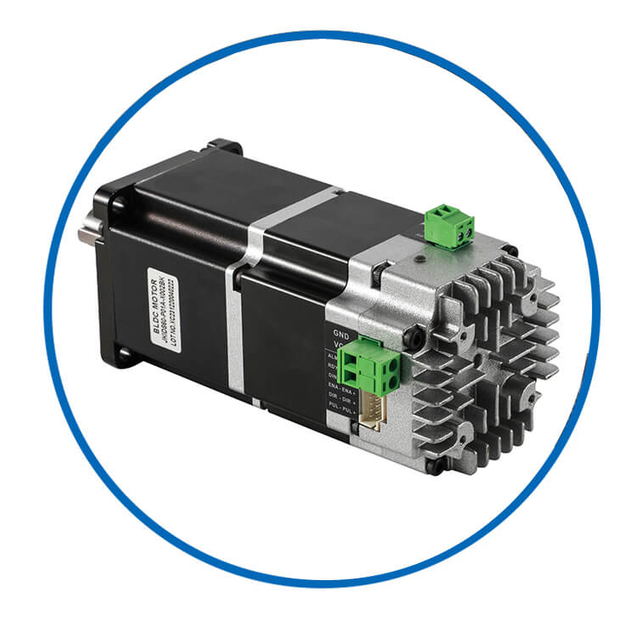
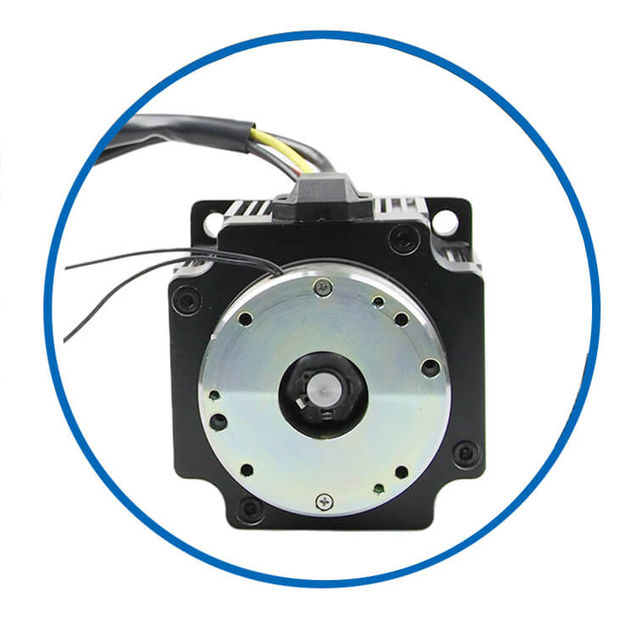
Bldc Motor Customized Service
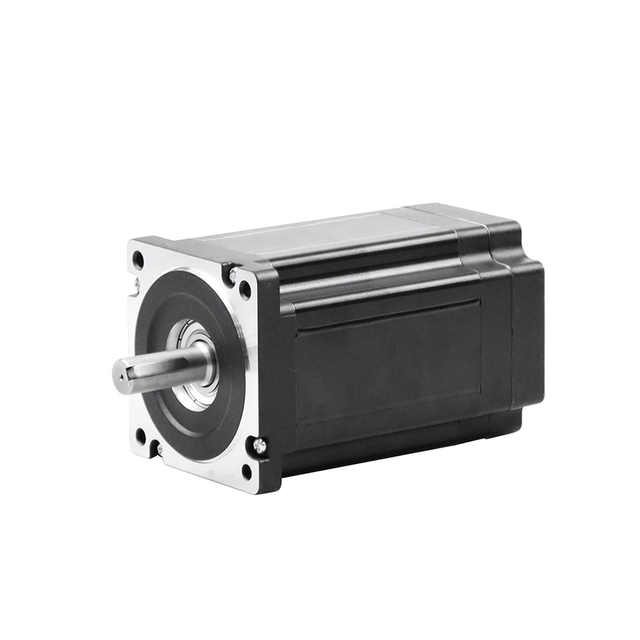
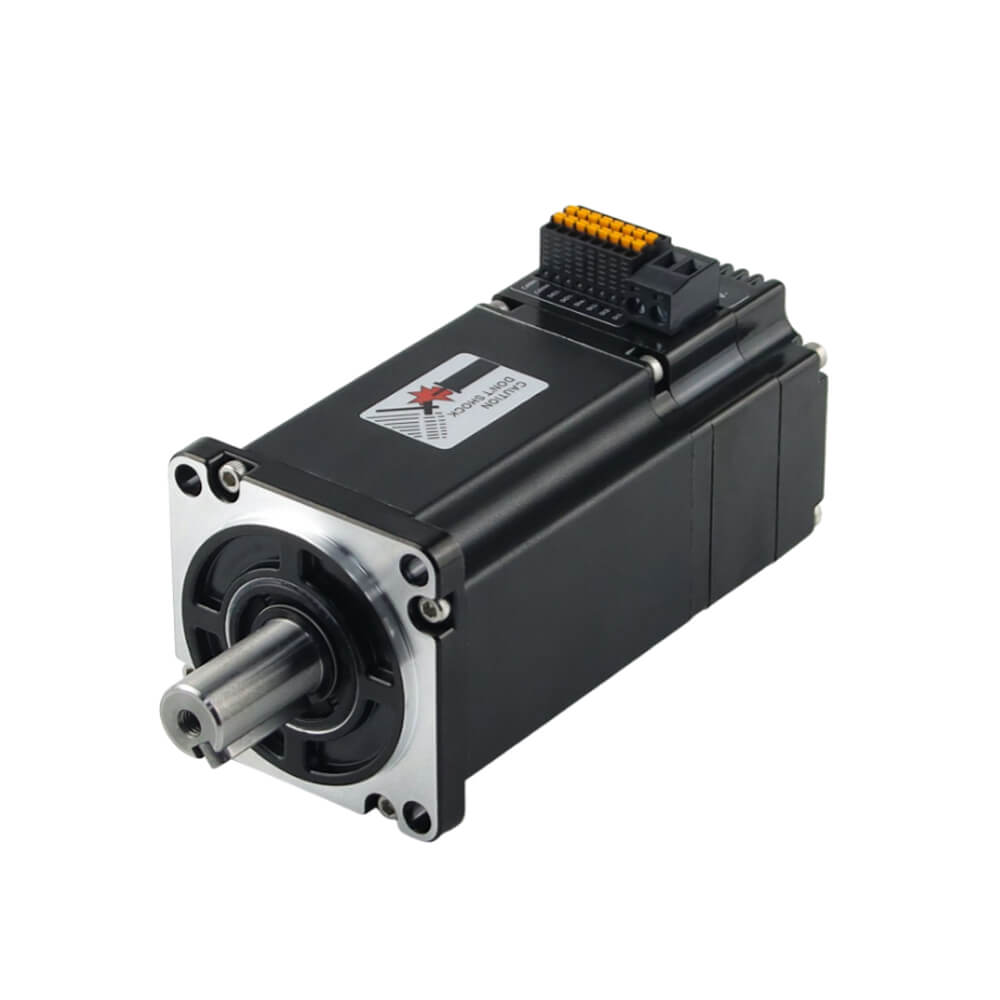
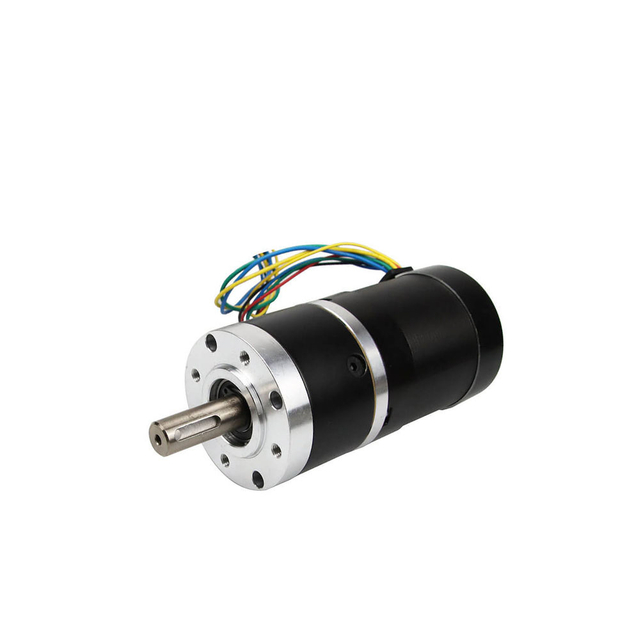
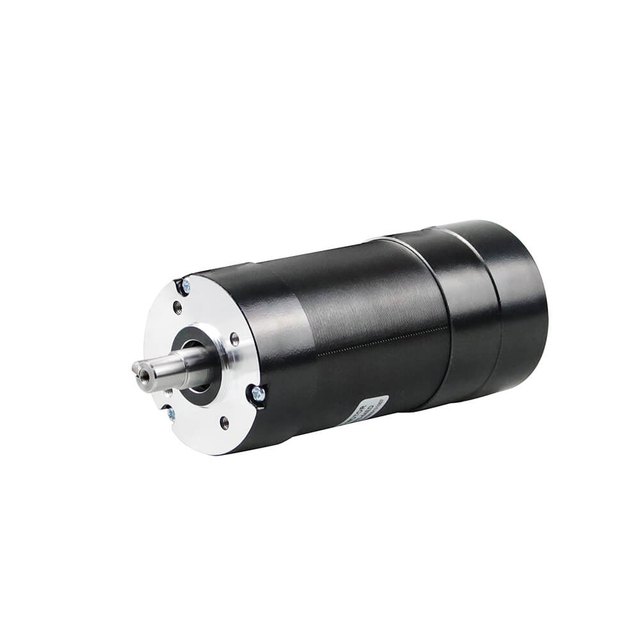
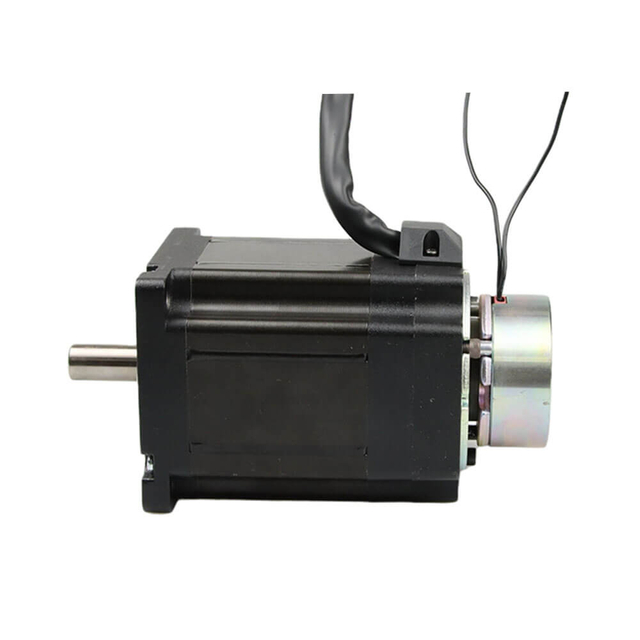
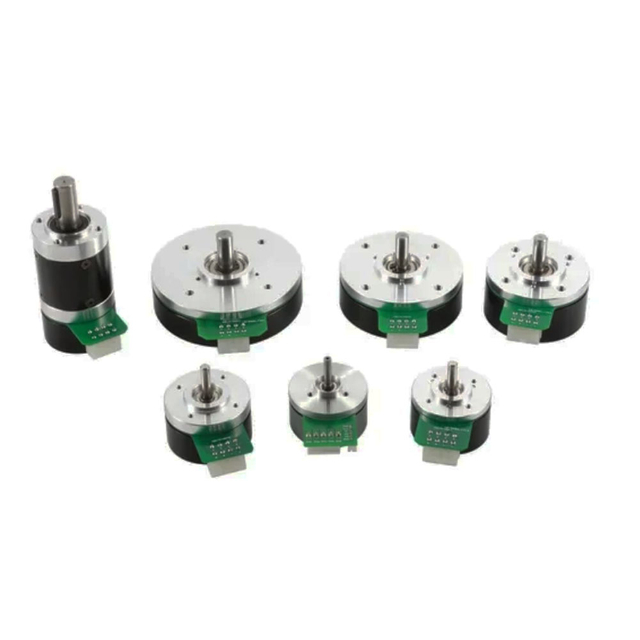
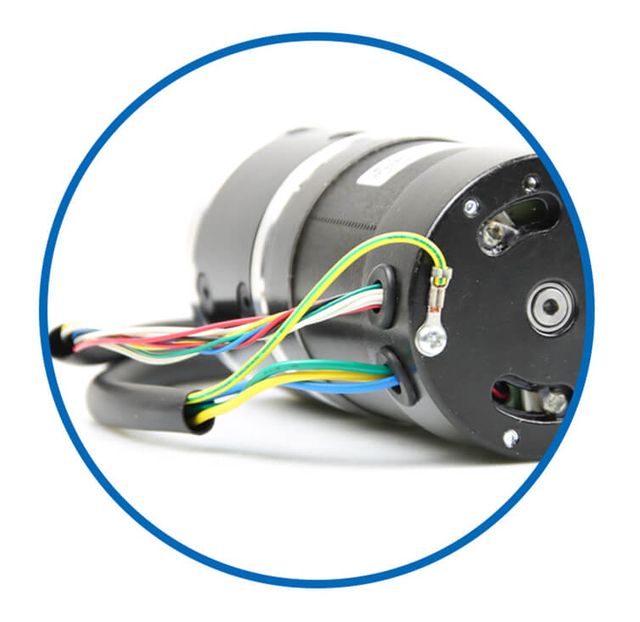
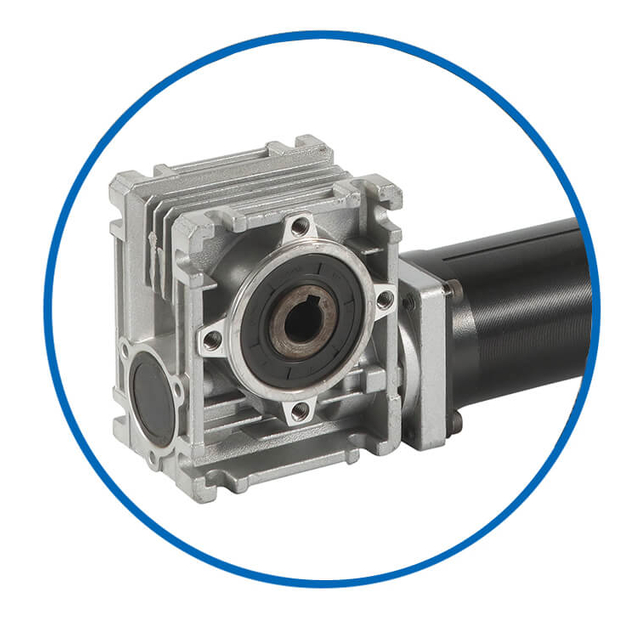
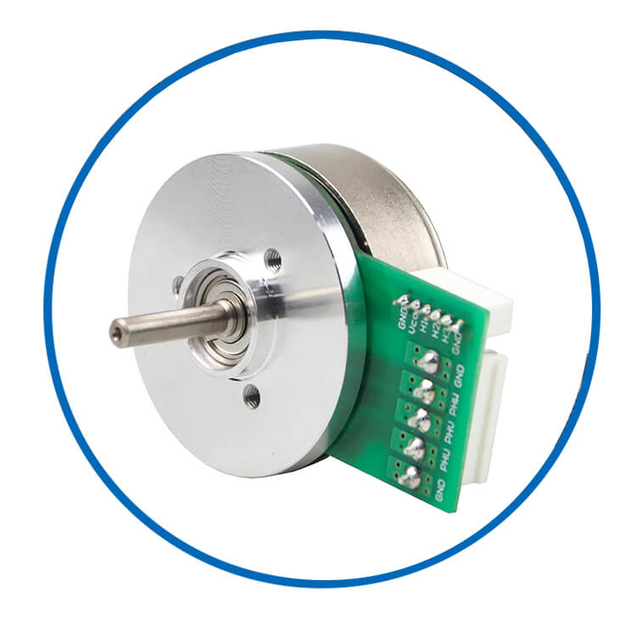
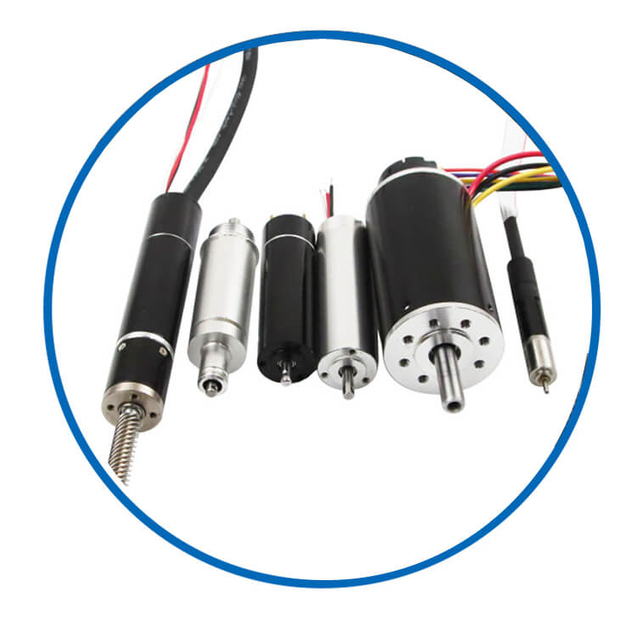
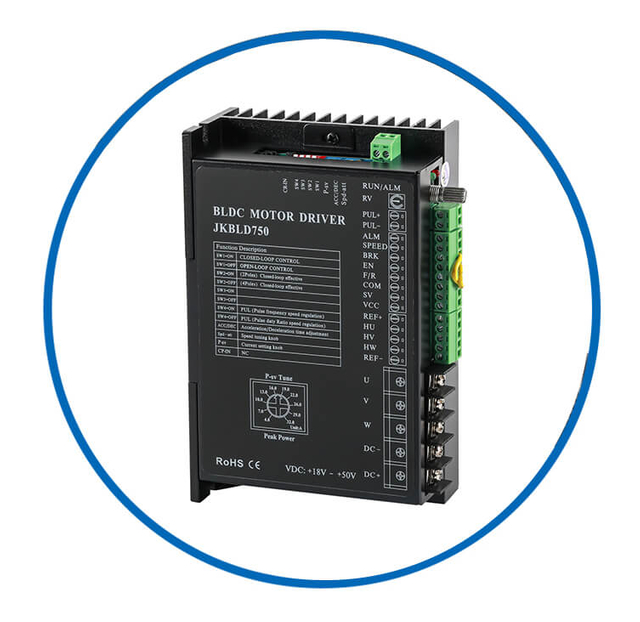
As a professional brushless dc motor manufacturer with 13 years in china, Jkongmotor offer various bldc motors with customized requirements, including 33 42 57 60 80 86 110 130mm, additionally, gearboxes, brakes, encoders, brushless motor drivers and integrated drivers are optional.
![bldc motor supplier]() | ![bldc motor supplier]() | ![bldc motor supplier]() | ![bldc motor supplier]() | ![bldc motor supplier]() | Professional custom brushless motor services safeguard your projects or equipment. No Brushes – Reduced Maintenance and Increased Lifespan High Efficiency and Low Power Loss High Torque-to-Weight Ratio Precise Speed and Position Control Quiet and Smooth Operation Wide Speed Range and Dynamic Performance Excellent Thermal Management Customizable Designs and Modular Configurations Multiple Control Methods Integration with Digital Interfaces and Sensors |
| Wires | Covers | Fans | Shafts | Integrated Drivers |
![bldc motor supplier]() | ![bldc motor supplier]() | ![bldc motor supplier]() | ![bldc motor supplier]() | ![bldc motor supplier]() |
| Brakes | Gearboxes | Out Rotors | Coreless Dc | Drivers |
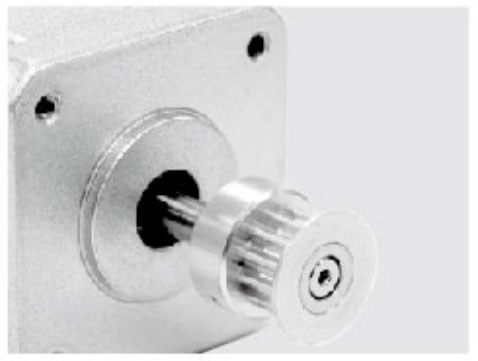
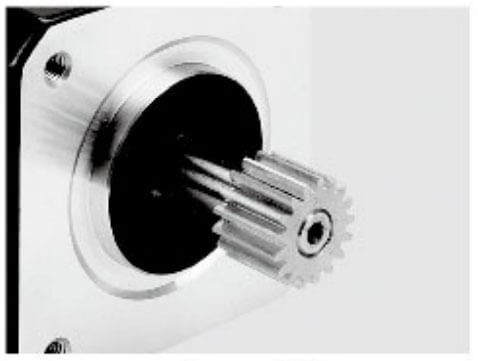
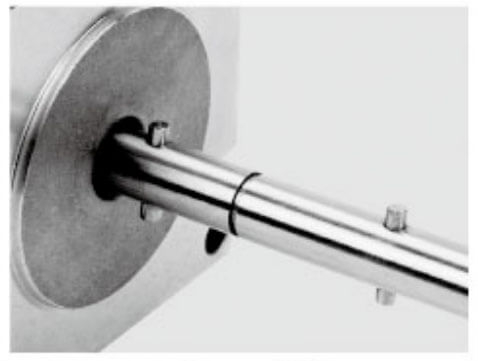
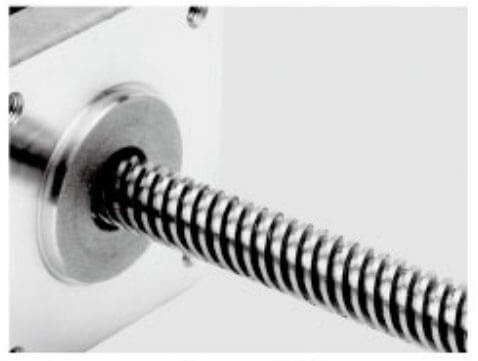
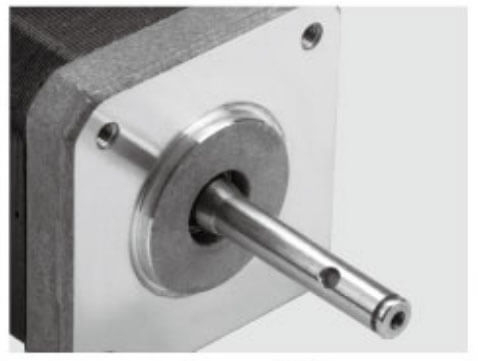
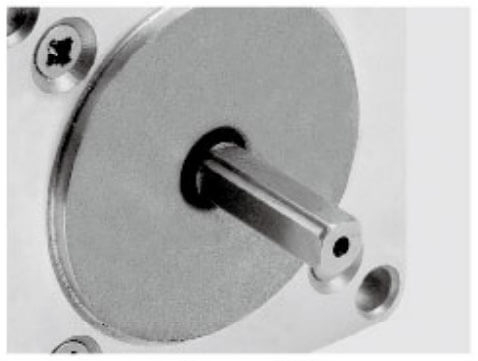
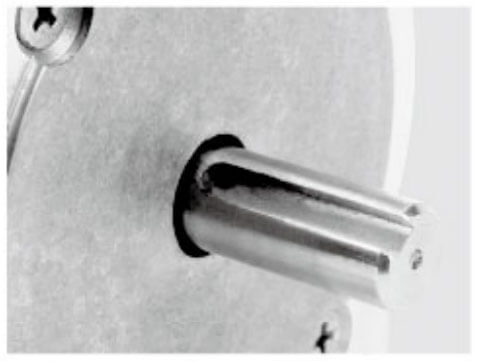
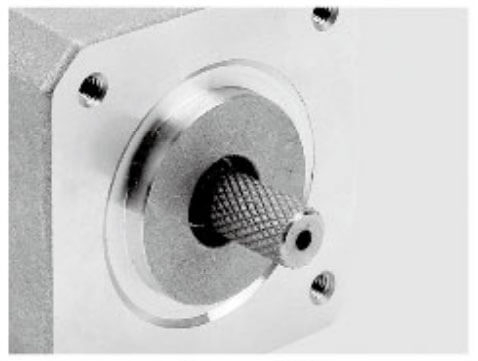
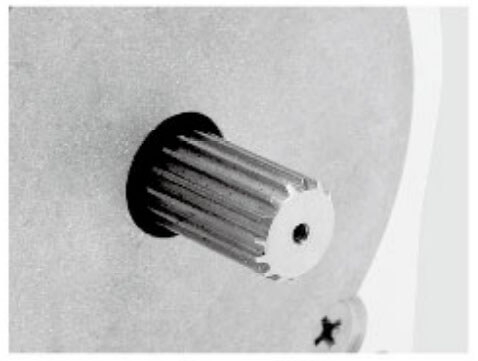
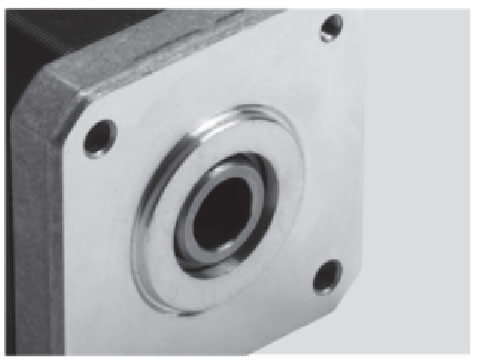
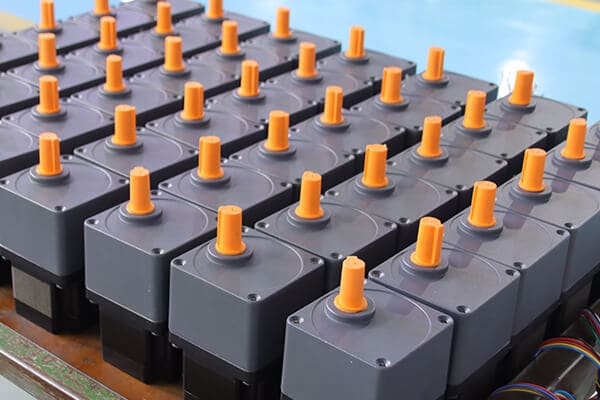
Motor Shaft Customized Service
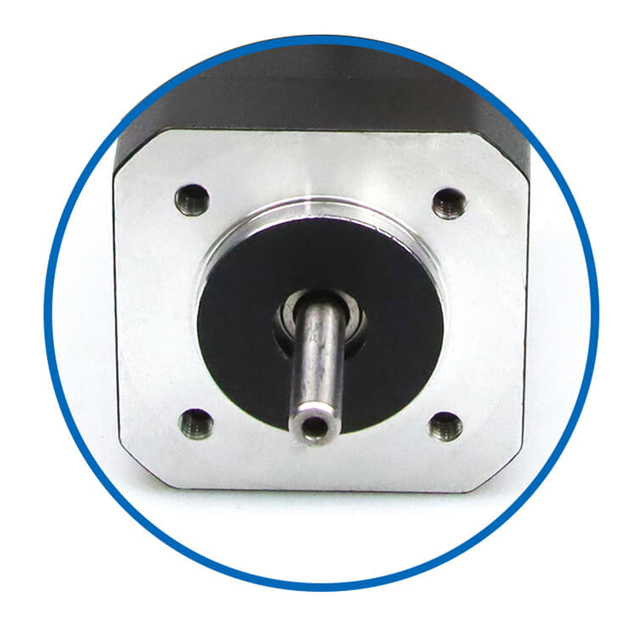
Jkongmotor offer many different shaft options for your motor as well as customizable shaft lengths to make the motor fit your application seamlessly.
Understanding the Electrical Nature of PMSM Motors
A Permanent Magnet Synchronous Motor is an AC motor whose rotor magnetic field is generated by permanent magnets instead of windings. The stator windings require a rotating magnetic field, typically produced by three-phase AC current, to achieve synchronous rotation.
Key electrical characteristics of PMSM include:
Because of these characteristics, PMSM cannot operate by simply applying DC voltage directly to the stator windings. A DC voltage would generate a static magnetic field, resulting in zero sustained rotation and possible overheating.
Why PMSM Cannot Run Directly on DC Power
A Permanent Magnet Synchronous Motor (PMSM) is fundamentally designed to operate with a rotating magnetic field, which cannot be produced by a direct DC power supply alone. The inability of PMSM to run directly on DC power is rooted in its electromagnetic structure, operating principle, and torque generation mechanism. Below is a clear and technically accurate explanation.
PMSM Requires a Rotating Magnetic Field
A PMSM generates torque through the interaction between:
To maintain continuous rotation, the stator magnetic field must continuously rotate at synchronous speed. This rotating field is normally produced by three-phase alternating current (AC).
When DC power is applied directly to the stator:
The stator produces a static (non-rotating) magnetic field
No electromagnetic rotation occurs
The fundamental operating condition of the PMSM is violated
Without a rotating magnetic field, sustained motor operation is impossible.
DC Power Creates Static Alignment, Not Continuous Torque
If DC voltage is applied directly to the PMSM stator windings:
The rotor magnets align with the stator magnetic field
The rotor moves briefly and then locks in position
Torque drops to zero after alignment
Continuous rotation cannot be maintained
This behavior is similar to a holding torque, not a driving torque. As a result, the motor stalls almost immediately.
No Self-Commutation Capability
Unlike brushed DC motors, PMSMs do not have mechanical commutation. In a brushed DC motor:
A PMSM lacks brushes and relies entirely on electronic commutation, which requires controlled AC waveforms synchronized to rotor position. DC power alone cannot perform this function.
Risk of Overheating and Damage
Applying DC directly to PMSM windings introduces serious risks:
Continuous DC current causes excessive copper losses
No back EMF is generated to limit current
Windings may overheat rapidly
Permanent magnets can suffer demagnetization
Because the motor is not rotating, there is also no airflow for cooling, further accelerating thermal failure.
Absence of Back EMF Regulation
In normal PMSM operation:
Under direct DC supply:
Rotor does not rotate continuously
Back EMF is absent or negligible
Current is uncontrolled
Electrical stress increases significantly
This makes direct DC operation both inefficient and unsafe.
Why Inverters Are Essential
Although PMSM cannot run directly on DC power, DC sources are widely used in PMSM systems through inverters or servo drives. These devices:
Convert DC into three-phase AC
Create a controlled rotating magnetic field
Enable precise speed and torque control
Ensure safe and efficient operation
This is why PMSMs are commonly used in DC-powered systems such as electric vehicles, robotics, and automation—but never without an inverter.
Summary
A PMSM cannot run directly on DC power because:
DC cannot produce a rotating magnetic field
The rotor quickly aligns and stalls
No electronic commutation occurs
Torque cannot be sustained
Overheating and damage risks are high
Only by converting DC into controlled AC using an inverter can a PMSM operate correctly, efficiently, and reliably.
The Role of Inverters in PMSM DC Operation
In modern motion control systems, inverters play a critical and indispensable role in enabling a Permanent Magnet Synchronous Motor (PMSM) to operate from a DC power source. Although PMSMs are inherently AC motors, most real-world applications rely on DC energy such as batteries, DC bus systems, or rectified AC supplies. The inverter acts as the intelligent bridge that makes this operation possible, efficient, and precise.
DC-to-AC Power Conversion
The primary function of an inverter in a PMSM system is to convert DC power into controlled AC power. This conversion is not a simple on–off process but a highly regulated transformation that produces:
By generating a rotating magnetic field in the stator, the inverter allows the PMSM rotor to rotate synchronously with the electrical field, enabling continuous and stable motor operation.
Electronic Commutation and Torque Generation
PMSMs lack mechanical commutation. Instead, the inverter provides electronic commutation by:
Switching power devices (IGBTs or MOSFETs) at high speed
Sequentially energizing stator phases
Synchronizing current waveforms with rotor position
This process ensures smooth torque production, eliminates torque ripple, and maintains synchronous speed across a wide operating range.
Precise Speed and Torque Control
Inverters enable advanced control algorithms that define modern PMSM performance, including:
Through these techniques, the inverter independently regulates:
Torque-producing current
Magnetizing current
Motor speed
Dynamic response
This level of control is impossible with direct DC supply and is essential for applications requiring high precision and stability.
Voltage and Frequency Matching
Motor speed in a PMSM is directly related to the frequency of the applied AC voltage, while torque depends on current. The inverter continuously adjusts:
Output frequency to control speed
Output voltage to match motor characteristics
Current limits to protect the motor
This ensures optimal performance under varying loads, acceleration profiles, and operating conditions.
Rotor Position Synchronization
Accurate PMSM operation requires precise alignment between the stator magnetic field and the rotor magnets. Inverters achieve this by using:
This synchronization prevents loss of torque, avoids instability, and enables high-efficiency operation even at low or zero speed.
Protection and Reliability Functions
Beyond power conversion, inverters provide essential system protection, including:
These features safeguard both the motor and the power electronics, ensuring long-term reliability in demanding industrial environments.
Energy Efficiency and Regeneration
Inverters allow PMSM systems to operate with exceptional energy efficiency by:
Minimizing electrical losses through optimized switching
Enabling regenerative braking
Returning excess energy to the DC bus or storage system
This capability is especially valuable in electric vehicles, elevators, and robotic systems, where energy recovery significantly improves overall system efficiency.
Enabling DC-Powered Applications
Thanks to inverters, PMSMs can be seamlessly integrated into systems powered by:
The inverter transforms DC energy into a form the PMSM can use effectively, making it a cornerstone of modern electrification.
Conclusion
Inverters are the core enabling technology that allows PMSMs to operate from DC power sources. By converting DC into precisely controlled AC, providing electronic commutation, ensuring synchronization, and delivering advanced control and protection, inverters make PMSM systems efficient, reliable, and adaptable. Without an inverter, DC-powered PMSM operation would be impossible; with it, PMSMs become one of the most powerful and versatile motor solutions available today.
Common Applications Where PMSM Runs on DC Sources
Although a Permanent Magnet Synchronous Motor (PMSM) is fundamentally an AC motor, it is most often deployed in systems powered by DC energy sources. This is made possible through the use of inverters or servo drives, which convert DC power into precisely controlled AC waveforms. As a result, PMSMs have become the preferred solution in many high-performance, energy-efficient, and precision-driven applications. Below are the most common and impactful use cases where PMSMs operate from DC sources.
Electric Vehicles (EVs) and Hybrid Vehicles
Electric vehicles rely entirely on DC battery systems, making PMSM operation through inverters essential.
Key advantages in EV applications include:
High torque at low speed for rapid acceleration
Excellent efficiency across a wide speed range
Compact size with high power density
Smooth regenerative braking capability
PMSMs driven by DC battery packs through high-voltage inverters are widely used in passenger EVs, electric buses, electric motorcycles, and hybrid drivetrains due to their superior efficiency and driving performance.
Industrial Automation and Servo Systems
In industrial environments, DC bus architectures are commonly used to power multiple motion axes.
PMSMs running on DC sources are widely applied in:
Servo drives and servo motors
Automated production lines
Packaging and assembly equipment
Pick-and-place systems
DC-powered PMSM servo systems provide precise positioning, fast dynamic response, positioning**, fast dynamic response, and stable torque output, which are critical for high-accuracy automation.
Robotics and Collaborative Robots
Modern robotic systems typically operate on DC power, especially mobile and collaborative robots.
PMSM motors are used in:
Their ability to deliver smooth motion, low vibration, and high torque density makes PMSMs ideal for DC-powered robotic platforms that demand precision and safety.
Renewable Energy and Energy Storage Systems
Renewable energy systems naturally generate or store energy in DC form.
Common applications include:
Wind turbine pitch and yaw systems
Solar tracking mechanisms
Battery energy storage systems (BESS)
Microgrid and off-grid solutions
In these systems, PMSMs operate from DC sources via bidirectional inverters, allowing both motor operation and regenerative energy feedback with high efficiency.
CNC Machines and Machine Tools
CNC equipment frequently uses centralized DC bus systems to supply multiple motor drives.
PMSMs powered from DC sources are used in:
The result is accurate speed control, high stiffness, and excellent surface finish, which are essential for advanced manufacturing.
HVAC and Compressor Systems
Many modern HVAC and refrigeration systems use DC-linked variable-speed drives.
PMSMs running on DC sources are applied in:
These applications benefit from reduced energy consumption, quiet operation, and precise speed regulation.
Elevators, Lifts, and Hoisting Systems
Elevator and lifting systems often incorporate DC bus and regenerative drives.
PMSMs powered by DC sources provide:
Smooth start and stop performance
High load torque capability
Energy regeneration during braking
This makes them ideal for elevators, escalators, cranes, and lifting platforms where efficiency and safety are critical.
Medical and Laboratory Equipment
Medical devices commonly rely on DC power supplies for safety and reliability.
PMSMs are used in:
Their low noise, high precision, and reliable control are especially valuable in sensitive medical environments.
Aerospace and Defense Systems
Many aerospace and defense platforms operate on DC electrical systems.
PMSM applications include:
The combination of high efficiency, compact design, and robust performance makes PMSMs well suited for mission-critical DC-powered systems.
Summary
PMSMs frequently run on DC power sources across a wide range of industries thanks to inverter technology. From electric vehicles and robotics to renewable energy and precision manufacturing, DC-powered PMSM systems deliver exceptional efficiency, precise control, and high reliability. This versatility has positioned PMSMs as a cornerstone motor technology in modern DC-based electrical architectures.
Running a Permanent Magnet Synchronous Motor (PMSM) with DC power via an inverter is the dominant architecture in modern motion control and electrification systems. This configuration combines the inherent efficiency of PMSM technology with the flexibility and intelligence of power electronics, resulting in a solution that significantly outperforms traditional motor drive methods. Below are the key advantages of operating PMSMs from DC sources through inverters.
Exceptional Energy Efficiency
One of the most important advantages is high overall system efficiency.
Permanent magnets eliminate rotor copper losses
Optimized inverter switching minimizes electrical losses
Precise current control reduces unnecessary energy consumption
As a result, PMSMs driven by DC inverters consistently achieve higher efficiency levels than induction motors or brushed DC motors, especially under partial load conditions.
Wide and Precise Speed Control Range
Inverter-driven PMSMs allow continuous and accurate speed regulation.
Speed is controlled by adjusting output frequency
Stable torque is available from zero speed to high RPM
Smooth acceleration and deceleration are easily achieved
This wide speed range makes DC-powered PMSM systems ideal for applications requiring dynamic motion control and variable-speed operation.
High Torque Density and Compact Design
PMSMs deliver high torque output in a compact form factor.
When powered through DC inverters, PMSMs enable space-saving designs, which are especially valuable in electric vehicles, robotics, and integrated motor-drive solutions.
Superior Torque Control and Dynamic Response
Advanced inverter control algorithms enable precise torque control.
This results in high dynamic performance, making PMSM systems well suited for servo applications, CNC machines, and robotic motion control.
Regenerative Braking and Energy Recovery
Inverter-driven PMSMs support bidirectional power flow.
Mechanical energy is converted back into electrical energy during braking
Regenerated energy is returned to the DC bus or storage system
Overall system efficiency is significantly improved
This feature is essential in electric vehicles, elevators, cranes, and automated machinery.
Reduced Maintenance and Longer Service Life
PMSMs operated via inverters are brushless systems.
No brushes or commutators to wear out
Minimal mechanical friction
Lower operating temperatures
This leads to reduced maintenance requirements and a longer operational lifespan compared to traditional DC motors.
Improved Thermal Performance
Inverter control optimizes current and torque output, which reduces heat generation.
Lower copper and iron losses
Better temperature stability
Enhanced reliability under continuous operation
Improved thermal management allows PMSMs to operate reliably in high-duty-cycle and demanding environments.
Compatibility with DC Power Architectures
Many modern systems are built around DC power sources, such as:
Battery packs
Renewable energy storage
Industrial DC buses
Inverter-driven PMSMs integrate seamlessly into these architectures, simplifying system design and improving energy management.
Advanced Protection and Safety Features
Modern inverters provide comprehensive protection functions.
These features enhance system safety and prevent damage to both the motor and power electronics.
Scalability and System Integration
PMSM-inverter systems are highly scalable.
This makes them suitable for both small-scale devices and large industrial installations.
Conclusion
Running a PMSM with DC power via an inverter offers unmatched efficiency, precision, reliability, and flexibility. By combining advanced power electronics with high-performance motor design, this approach enables superior motion control across a wide range of applications. It is this powerful synergy that has made inverter-driven PMSM systems the standard solution in modern electrification and automation.
Technical Requirements for DC-Powered PMSM Operation
To ensure reliable operation, several technical elements must be properly designed:
Inverter Voltage Matching
The DC bus voltage must be compatible with the motor’s rated AC voltage after conversion. Incorrect sizing leads to:
Torque limitations
Overheating
Reduced efficiency
Control Algorithm Precision
Advanced control algorithms are essential to maintain synchronous operation and optimize torque output.
Thermal Management
Proper cooling methods such as:
Forced air cooling
Liquid cooling
Integrated heat sinks
ensure long-term motor reliability.
Feedback Systems
Encoders or resolvers provide real-time rotor position feedback, enabling precise commutation and motion control.
Misconceptions About PMSM and DC Operation
“PMSM is a DC Motor”
This is incorrect. PMSM is fundamentally an AC motor, despite often being powered by DC sources through inverters.
“DC Voltage Alone Can Spin a PMSM”
Without electronic commutation, DC voltage cannot produce continuous rotation in a PMSM.
“DC Operation Reduces Motor Life”
When properly controlled, DC-powered PMSM systems often extend motor lifespan due to improved efficiency and lower thermal stress.
Comparison: PMSM with DC Inverter vs Traditional DC Motors
| Feature | PMSM with DC Inverter | Brushed DC Motor |
| Efficiency | Very High | Moderate |
| Maintenance | Low | High |
| Speed Control | Excellent | Limited |
| Torque Density | High | Lower |
| Lifespan | Long | Shorter |
This comparison highlights why PMSM systems powered by DC inverters have largely replaced traditional DC motors in advanced applications.
Future Trends in DC-Powered PMSM Systems
The evolution of wide-bandgap semiconductors such as SiC and GaN is further improving inverter efficiency, enabling:
Additionally, integrated PMSM drive solutions are becoming standard, combining motor, inverter, and controller into compact, intelligent modules designed for DC-powered environments.
Conclusion
PMSM cannot run directly on DC power, but with the integration of inverters and advanced motor drives, PMSM motors operate exceptionally well in DC-powered systems. This architecture has become the industry standard across electric vehicles, automation, robotics, and energy systems due to its efficiency, precision, and reliability. Understanding this relationship is essential for engineers, system designers, and decision-makers seeking high-performance motor solutions in modern DC-based infrastructures.