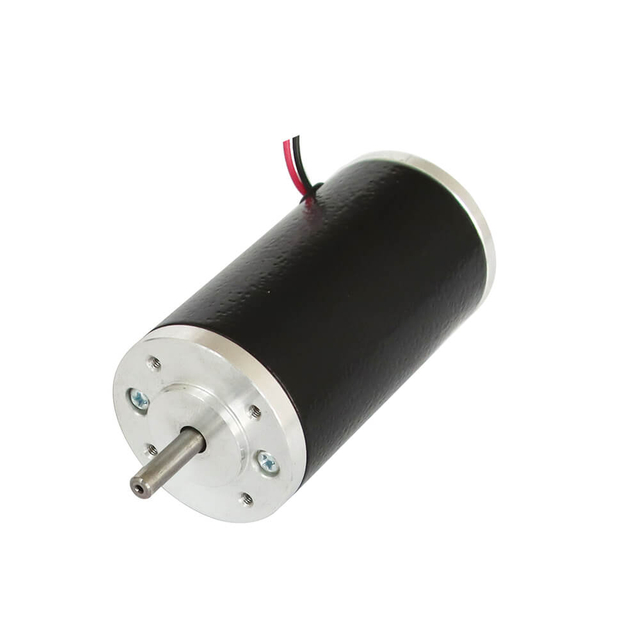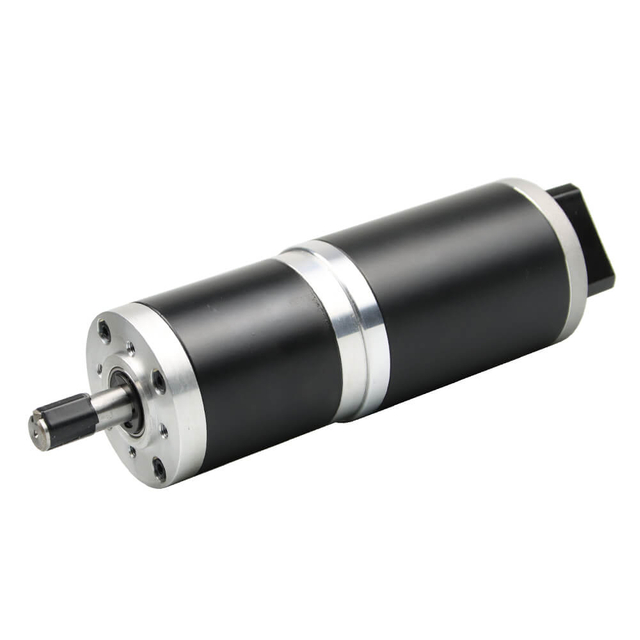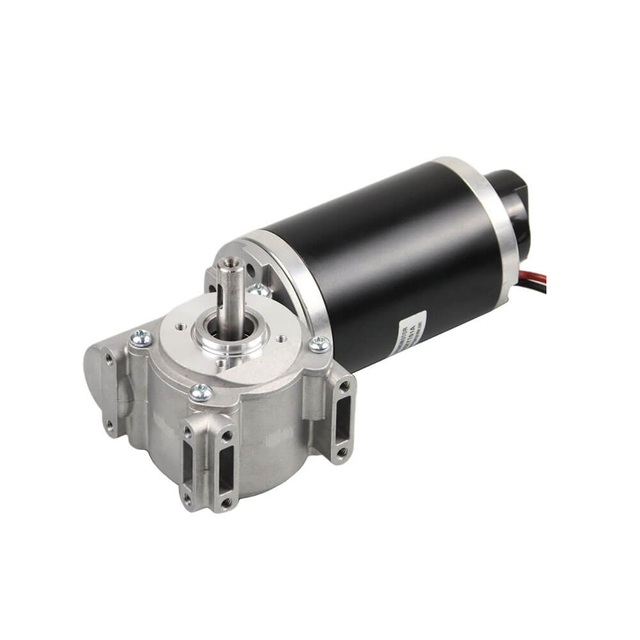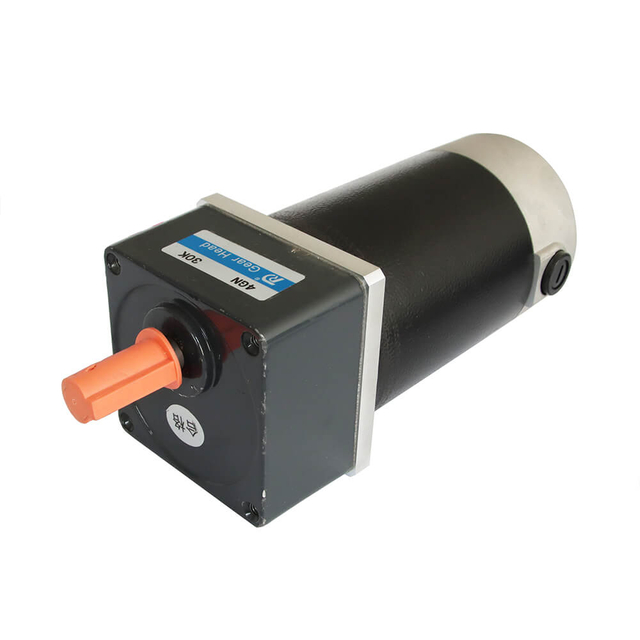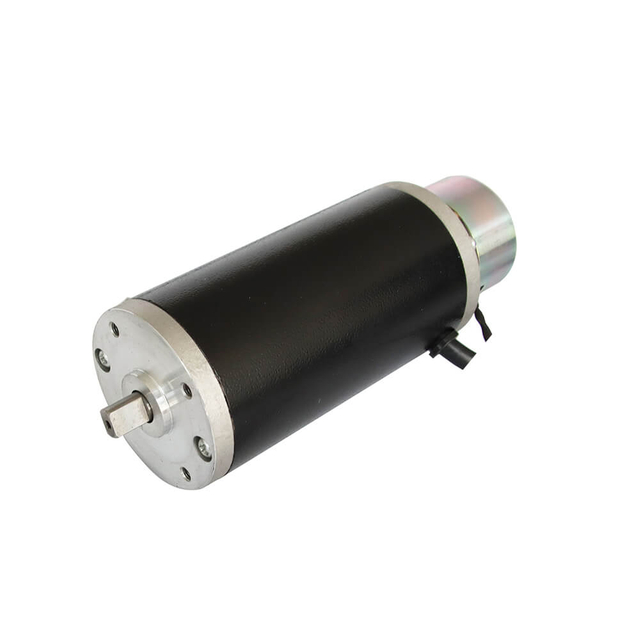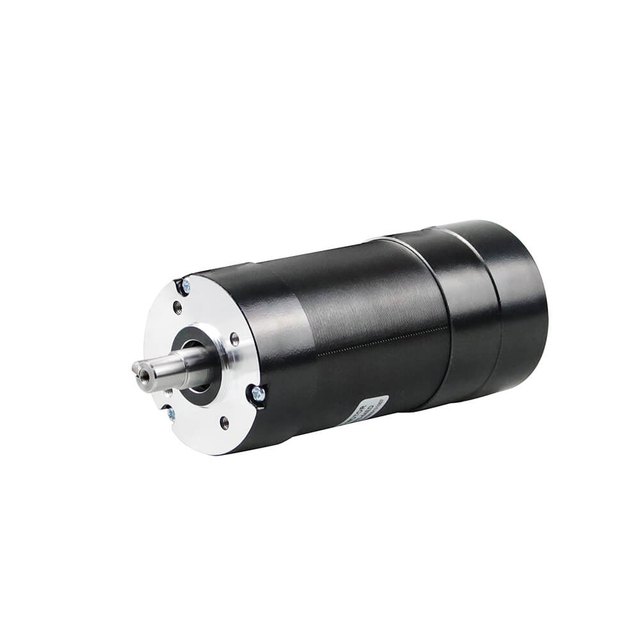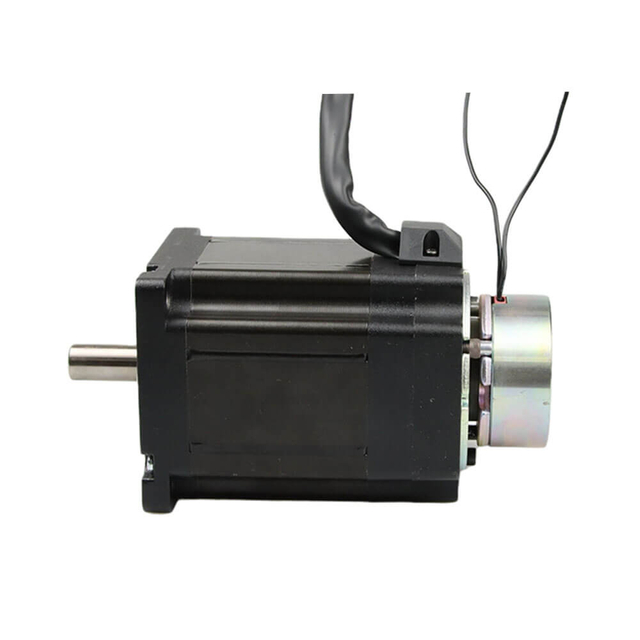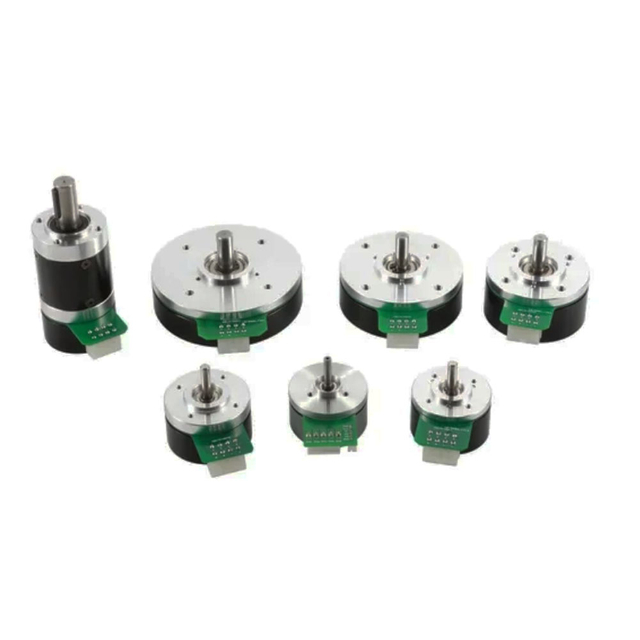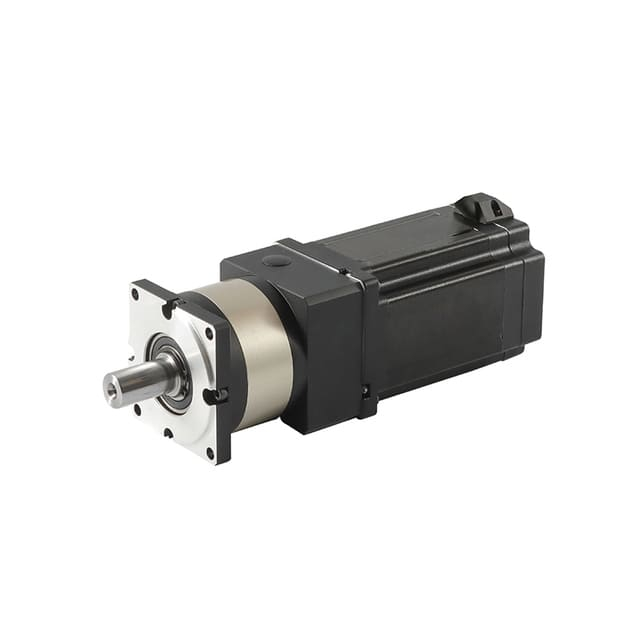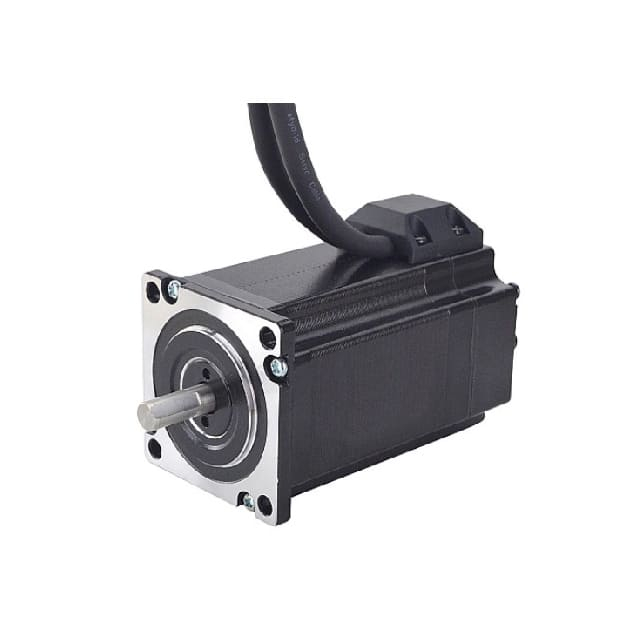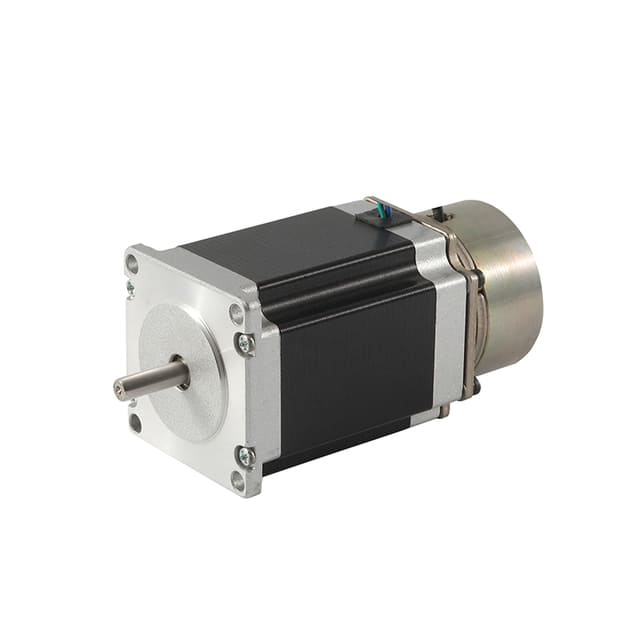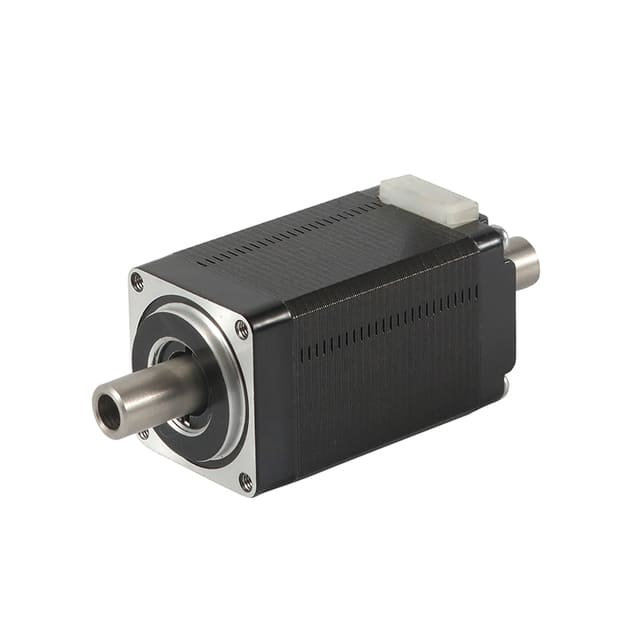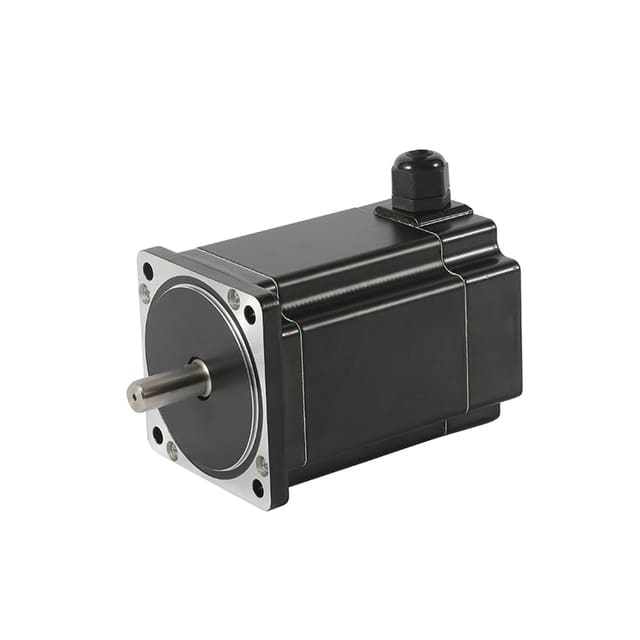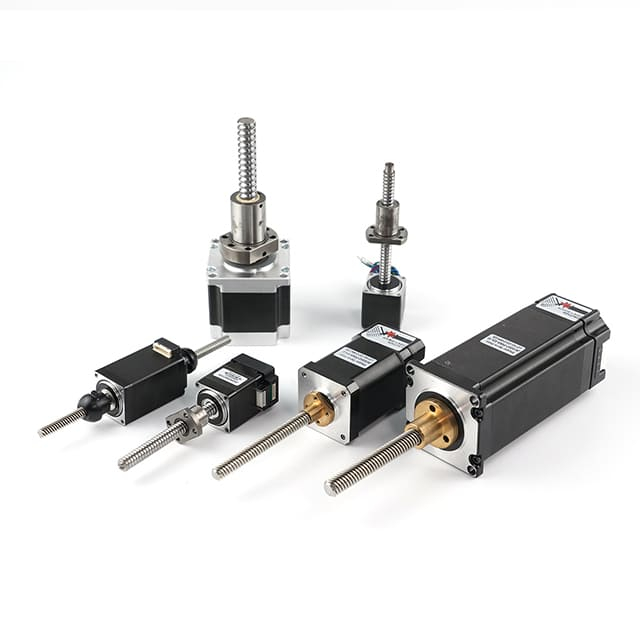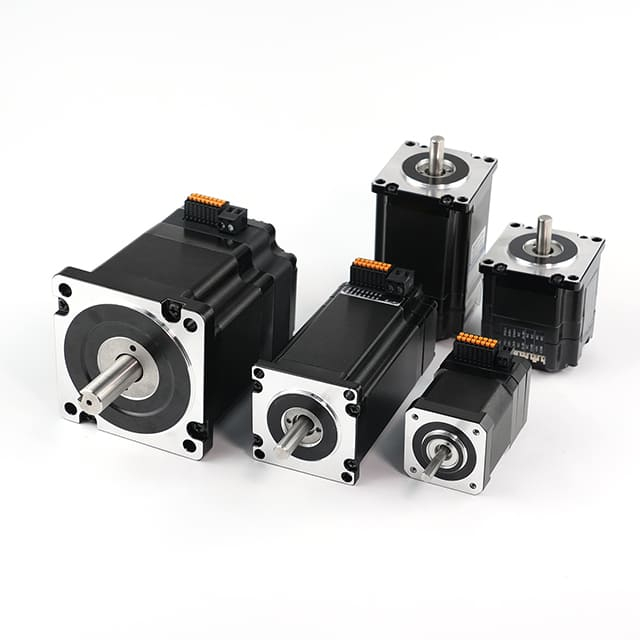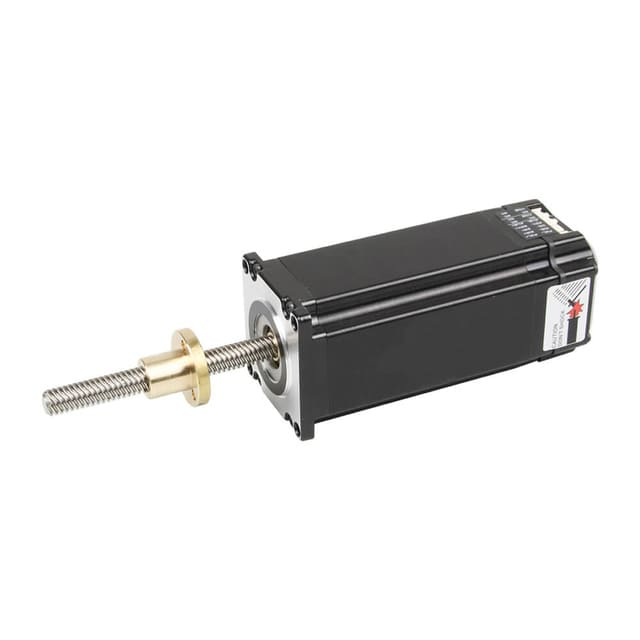
Introduction to High-Performance Brushed DC Motors for Precision Grain Seeding
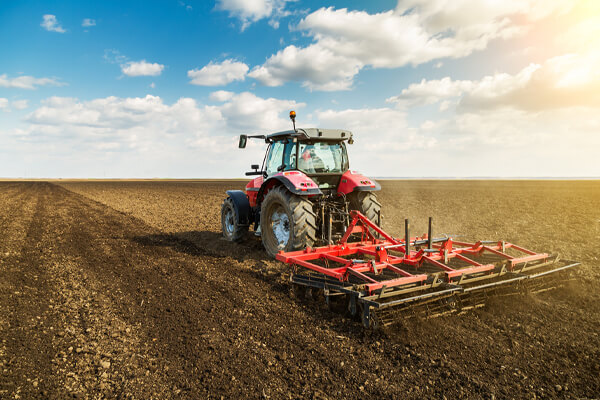
In modern agriculture, precision seeding technology is essential for maximizing crop yields, improving planting uniformity, and reducing operational costs. At the heart of today’s advanced grain seeders are brushed DC motors, chosen for their simplicity, responsiveness, and unparalleled reliability in harsh field conditions. We provide high-efficiency brushed DC motor solutions specifically engineered for grain seeder control systems, enabling accurate metering, real-time seed flow adjustments, and consistent planting performance across variable terrains.
This comprehensive guide explores how brushed DC motors empower next-generation grain seeders and why they remain a leading choice for OEM agricultural machinery manufacturers.
Types of Brushed DC Motors
Brushed DC motors (BDC motors) are simple, cost-effective electric motors widely used in machinery, vehicles, appliances, and agricultural equipment. Although all brushed DC motors operate using brushes and commutators, they come in several types based on winding configuration, construction, and application requirements.
1. Permanent Magnet Brushed DC Motors (PMDC Motors)
Most common type of brushed DC motor, using permanent magnets to create the stator field.
Characteristics
Simple and compact
High torque at low speed
Efficient at light to medium loads
Widely used in automotive, small machines, seeders, pumps, and portable tools
Advantages
2. Series Wound Brushed DC Motors (Series Motors)
The field winding is connected in series with the armature.
Characteristics
Extremely high starting torque
Speed increases significantly with reduced load
Not suitable where speed must remain constant
Common Uses
3. Shunt Wound Brushed DC Motors (Shunt Motors)
Field winding is connected in parallel (shunt) with the armature.
Characteristics
Common Uses
4. Compound Wound Brushed DC Motors (Compound Motors)
Combine series + shunt windings for balanced performance.
Characteristics
Common Uses
5. Coreless Brushed DC Motors
Lightweight motors with a winding coil instead of an iron core, reducing inertia.
Characteristics
Common Uses
Any brushed DC motor combined with a gearbox (spur, planetary, or worm).
Characteristics
High torque at low speeds
Increased mechanical advantage
Ideal for seed metering, feeders, conveyors
Common Uses
Grain seeding machinery
Automated feeders
Industrial actuators
Agricultural implements
Summary Table
| Motor Type | Key Feature | Best For |
| PMDC Motor | Uses permanent magnets | Small to medium machinery, seeders |
| Series Motor | Very high starting torque | Heavy drives, augers, traction |
| Shunt Motor | Stable speed | Precision and constant-speed systems |
| Compound Motor | Torque + stability | Multi-purpose industrial machinery |
| Coreless Motor | Lightweight, fast response | Precision devices |
| Geared DC Motor | High torque, low speed | Seed metering, conveyors |
Modern grain seeder equipment relies on precise, reliable, and efficient motor systems to ensure accurate seed placement and consistent field performance. While brushed DC motors are popular due to their simplicity and cost-effectiveness, several other motor technologies are also used depending on the seeder’s design, control complexity, and environmental requirements.
Below are the main alternative motor types used in grain seeder machinery.
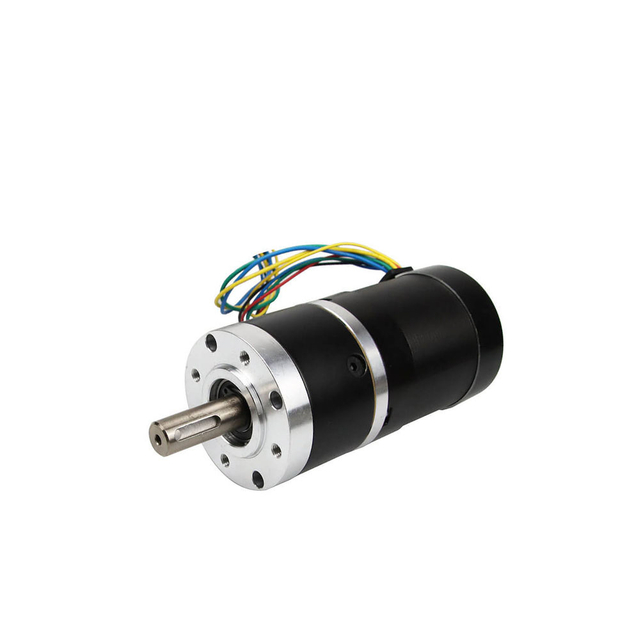
1. Brushless DC Motors (BLDC Motors)
Brushless DC motors are increasingly used in advanced agricultural machines, especially where high reliability and long life are essential.
Key Characteristics
No brushes → minimal maintenance
High efficiency (85–90%+)
Excellent speed control
Long operating life under dusty, vibrational environments
Higher cost and requires an electronic controller
Applications in Seeders
Seed metering units
Fertilizer dispensing systems
Fans and pneumatic seeding systems
Precision variable-rate applications
Why They Are Used
BLDC motors offer superior lifespan and efficiency, making them ideal for high-duty or continuously running mechanisms.
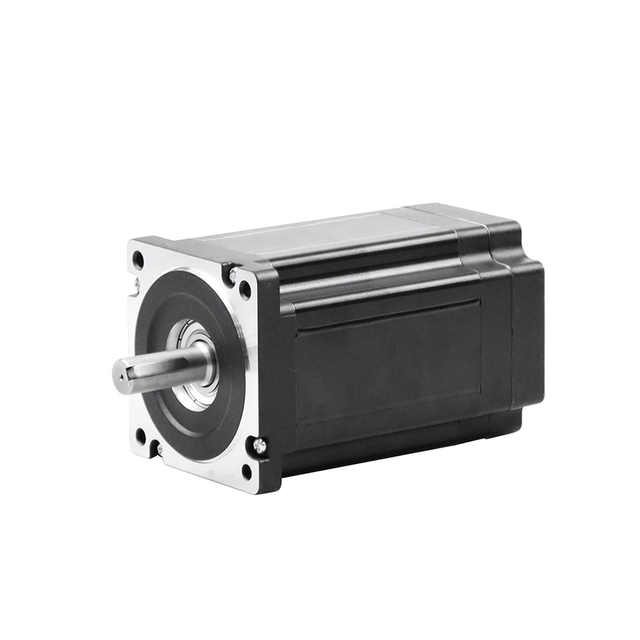
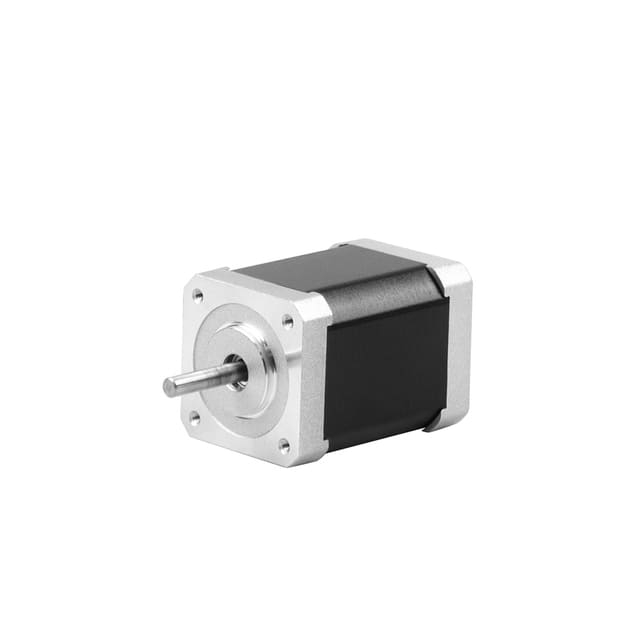
2. Stepper Motors (Open-Loop Steppers)
Stepper motors rotate in fixed angular steps, enabling precise digital positioning without feedback.
Key Characteristics
Excellent low-speed control
Cost-effective precision
Easy integration with microcontrollers
Lower efficiency than BLDC motors
Torque drops at high speed
Applications in Seeders
Why They Are Used
They deliver simple, repeatable control when exact angular positioning is needed.
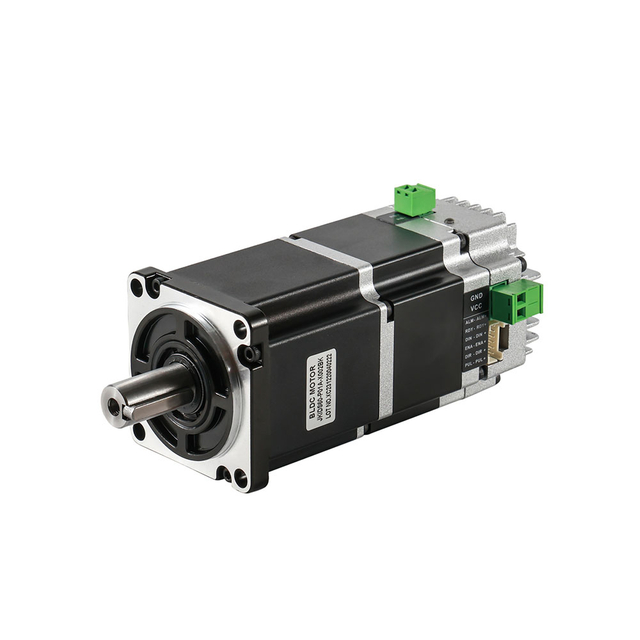
These are stepper motors equipped with an encoder, offering servo-like feedback.
Key Characteristics
No missed steps
Much higher torque than standard steppers
Accurate speed and position control
Smooth, quiet operation
More expensive but still cheaper than full servo motors
Applications in Seeders
High-precision seed metering
Variable-rate seeding control
Load-adaptive fertilizer drives
Why They Are Used
Closed-loop steppers combine the best features of steppers and servo motors while keeping cost reasonable.
4. AC Induction Motors (Small Single-Phase or Three-Phase)
AC induction motors are rugged, robust, and widely used in farm implements powered by external generators or PTO-driven alternators.
Key Characteristics
Applications in Seeders
Fans in pneumatic seeders
Conveyors for bulk seed handling
Grain transfer systems in air carts
Why They Are Used
Their strength and ruggedness make them ideal for high-load, continuous-duty components.
Servo motors are used in premium or high-precision seeders that require dynamic feedback control.
Key Characteristics
High performance, high torque
Closed-loop encoder control
Extremely accurate speed and position regulation
Expensive and requires servo drives
Applications in Seeders
Real-time variable-rate seed control
Multi-product metering systems
High-precision airflow control
Why They Are Used
Servo motors provide the highest accuracy and are ideal for advanced precision agriculture systems.
6. Hydraulic Motors
Hydraulic motors convert hydraulic pressure from the tractor into rotational motion.
Key Characteristics
Extremely high torque
Excellent for heavy-duty applications
Immune to dust and vibration
Requires hydraulic plumbing and control valves
Applications in Seeders
Large air seeders
Fan drives
Heavy metering systems
Why They Are Used
They provide powerful drive output without relying on electrical systems.
7. Gear Motors (DC, BLDC, or Servo With Gearboxes)
Gear motors use planetary, spur, or worm gearboxes to deliver slow, high-torque output.
Key Characteristics
Applications in Seeders
Why They Are Used
They provide reliable torque-to-speed conversion critical for consistent metering rates.
Comparison: Motor Types Used in Grain Seeder Control Systems
| Motor Type | Precision | Torque | Cost | Typical Use |
| Brushed DC Motor | Medium | Medium | Low | Standard seed metering |
| BLDC Motor | High | Medium | Medium | High-duty & precision metering |
| Stepper Motor | High | Low–Medium | Low | Position-based dosing |
| Closed-Loop Stepper | Very High | Medium | Medium–High | Variable-rate control |
| Servo Motor | Extremely High | Medium–High | High | Premium VRA systems |
| Hydraulic Motor | Low | Very High | Medium | Heavy fan drives |
| AC Motor | Low–Medium | High | Low | Fans/conveyors |
Final Thoughts
A well-designed grain seeder may use multiple motor types depending on function.
For example:
Seed metering: brushed DC, BLDC, stepper, closed-loop stepper
Air fans: hydraulic or AC motors
Actuators: stepper, servo, or geared DC motors
Choosing the right motor requires considering torque, control precision, durability, environment, cost, and integration with ECU/PLC systems.
Why Brushed DC Motors Excel in Grain Seeder Applications
Brushed DC motors have become a trusted and widely adopted solution in grain seeder control systems thanks to their unmatched balance of performance, reliability, and cost-effectiveness. In modern precision agriculture—where accuracy, consistency, and responsiveness are critical—these motors deliver exactly what farmers and equipment manufacturers require. Below is a detailed explanation of why brushed DC motors excel in these demanding agricultural environments.
1. Superior Low-Speed Torque for Precise Seed Metering
Accurate seed placement is the foundation of modern grain seeding. Brushed DC motors provide excellent low-speed torque, allowing metering wheels and seed rollers to turn smoothly and consistently. This ensures:
Uniform seed spacing
Consistent germination rates
Reliable planting depth control
Smooth operation even under variable loads
Their natural linear torque–speed characteristics make brushed DC motors ideal for the precise and gradual movement required in seed metering systems.
2. Fast Response for Real-Time Adjustments in the Field
Grain seeders today often operate in variable soil and field conditions where dynamic adjustments are crucial. Brushed DC motors offer:
This fast responsiveness makes them ideal for variable-rate seeding (VRS) applications, where seed density must be adapted on the fly based on field maps, soil conditions, or yield optimization algorithms.
3. Robust and Durable Operation in Harsh Environments
Agricultural machinery must withstand dust, moisture, temperature changes, and constant vibration. Brushed DC motors excel in these conditions due to:
Simple and rugged internal design
Fewer sensitive electronic components compared to brushless systems
Proven durability under shock and vibration
Easy-to-seal construction for dust and water protection
With optional IP54, IP65, or IP67 protection, brushed DC motors can endure the harshest planting conditions while maintaining stable performance.
4. Cost-Effective for Large-Scale Agricultural Machinery Manufacturing
One of the biggest advantages of brushed DC motors is their cost-efficiency. They provide exceptional performance at a lower price point compared to brushless DC (BLDC) and servo motors. Benefits include:
Lower initial manufacturing cost
Reduced controller and electronics expenses
Affordable maintenance and repairs
Ideal for high-volume agricultural equipment production
For OEMs designing high-efficiency seeders, brushed DC motors provide excellent value without sacrificing performance.
5. Simple Integration With Existing Seeder Control Systems
Brushed DC motors are easy to integrate into new or existing grain seeder designs because they:
Work with simple PWM speed controllers
Offer plug-and-play compatibility with common agricultural control units
Support hall sensors, encoders, or basic feedback systems if needed
Require minimal wiring and configuration
This makes them ideal for both conventional and precision seeding machines, reducing engineering complexity and speeding up product development.
6. Reliable and Easy to Maintain in the Field
During planting season, downtime is costly. Brushed DC motors offer exceptional maintainability:
This level of serviceability ensures farmers can keep their equipment operating efficiently during critical planting windows.
7. Stable Performance Under Load Variations
As seeders move across uneven terrain or encounter variable soil density, load changes occur. Brushed DC motors maintain:
Stable rotational speed
Consistent torque output
Minimal speed ripple
Smooth seed flow
This stability supports more accurate seed placement and better crop uniformity across the field.
Conclusion
Brushed DC motors are an outstanding choice for grain seeder applications due to their precision control, robust durability, cost-effectiveness, and ease of integration. Their ability to deliver consistent torque at low speeds, respond rapidly to real-time adjustments, and endure harsh field conditions makes them a key component in modern precision farming machinery. For manufacturers seeking a proven, efficient, and economical motor solution, brushed DC motors remain an industry-leading option.
Brushed DC motors play a crucial role in the accuracy and reliability of modern grain seeding machines. Their design, performance characteristics, and adaptability make them ideal for controlling seed metering, distribution, and auxiliary functions in demanding agricultural environments. Below are the key features that set brushed DC motors apart in grain seeder control systems.
1. High Torque Output for Precise Seed Metering
Grain seeder mechanisms rely on controlled rotational force to manage seed dispensing accurately. Brushed DC motors provide:
High starting torque for initiating movement even under load
Consistent torque delivery for uniform seed flow
Smooth rotation at low speeds, essential for precision seeding
This ensures seeds are metered with accuracy, regardless of field conditions or terrain variations.
2. Wide and Stable Speed Control Range
Effective seeding requires a motor that can maintain stable RPM across different operating modes. Brushed DC motors offer:
Excellent low-speed stability for controlled seed release
High-speed capability for fast meter rotation when needed
Linear speed–torque characteristics for predictable behavior
This wide control range makes them ideal for variable-rate seeding, where real-time speed adjustments optimize planting efficiency.
3. Robust Construction for Harsh Agricultural Environments
Brushed DC motors are designed to survive the challenging conditions encountered in agricultural machinery. Key durability features include:
Dust- and moisture-resistant housings (optional IP54–IP67 protection)
Heavy-duty bearings for load resistance and long life
Vibration-resistant components suitable for bumpy terrain
Corrosion-resistant materials for exposure to fertilizers and chemicals
Their rugged build ensures consistent performance throughout planting seasons.
4. Simple and Efficient Control Electronics
One of the greatest advantages of brushed DC motors is their compatibility with straightforward control systems. They work efficiently with:
Basic PWM (Pulse Width Modulation) controllers
Analog or digital speed controllers
Simple wiring and minimal electronic components
This reduces system cost and complexity while improving reliability and ease of maintenance in the field.
5. High Efficiency and Low Power Consumption
Agricultural equipment often relies on onboard tractor power supplies or battery systems. Brushed DC motors offer:
High electrical-to-mechanical conversion efficiency
Reduced current consumption for longer operation time
Lower heat generation, enhancing motor lifespan
Their efficiency helps support sustainable precision farming with reduced energy costs.
6. Compact and Lightweight Design for Easy Integration
Modern grain seeders require components that fit into compact equipment architectures. Brushed DC motors deliver:
Small form factor options for tight installations
Lightweight designs that reduce overall machine load
Flexible mounting configurations to fit varied seeder layouts
This makes integration smoother for OEMs developing advanced compact seeding systems.
7. Customizable Mechanical and Electrical Options
To meet diverse seeding requirements, brushed DC motors can be customized with:
Multiple shaft designs: D-shaft, round, keyed, threaded, or extended
Reinforced bearings for higher radial or axial loads
Custom voltage and power ratings (12V / 24V commonly used in agriculture)
Optional encoders or hall-effect sensors for closed-loop speed feedback
Special coatings to withstand fertilizer corrosion
These customizations ensure optimal compatibility with seed metering assemblies, conveyors, and actuation subsystems.
8. Reliable Operation With Low Maintenance Requirements
Farmers need equipment that works consistently throughout the planting season. Brushed DC motors support this with:
Long-life brushes and commutators designed for continuous operation
Quick servicing options such as easy brush replacement
Simplified diagnostics without specialized tools
This minimizes downtime and ensures planting operations stay on schedule.
9. Excellent Performance Under Variable Loads
Field conditions change quickly, affecting seed density and machine resistance. Brushed DC motors offer:
Minimal speed fluctuation under load
Fast response to sudden resistance changes
Steady torque output even in uneven or moist soil conditions
This stability directly improves seed placement accuracy and overall planting efficiency.
Conclusion
Brushed DC motors provide the ideal combination of precision, durability, efficiency, and adaptability for grain seeder control systems. Their ability to operate smoothly at low speeds, handle harsh environments, integrate with simple control electronics, and deliver consistent performance under varying loads makes them indispensable in modern precision agriculture. These key features contribute directly to improved crop uniformity, reduced seed waste, and enhanced operational productivity.
How Brushed DC Motors Improve Grain Seeder Accuracy
Accurate seed placement is one of the most critical factors influencing crop yield, uniform germination, and overall planting efficiency. Brushed DC motors play a vital role in achieving this precision by offering smooth, controllable, and highly reliable motion in grain seeder mechanisms. Their characteristics directly enhance the accuracy of modern seeding equipment, enabling farmers to achieve uniform plant populations even in challenging field conditions.
1. Smooth Low-Speed Operation for Consistent Seed Release
Precise seed metering requires the motor to rotate smoothly at very low speeds. Brushed DC motors naturally excel in low-speed control due to:
This ensures that each seed is dispensed at the correct interval, reducing skips, doubles, and inconsistent spacing. The result is more uniform crop emergence and optimized row planting.
2. Linear Torque–Speed Characteristics for Predictable Performance
Grain seeding mechanisms demand highly predictable motor behavior. Brushed DC motors provide a linear torque–speed relationship, allowing for consistent performance under changing field conditions. This allows:
Precise control of metering wheel rotation
Easy calibration of motor speed against seed rate
Stable operation as soil resistance varies
This predictability is essential for maintaining seeding accuracy across different soil types and planting speeds.
3. Rapid Response to Real-Time Adjustments
Modern precision agriculture relies on adaptive, real-time adjustments based on data from sensors, GPS, and field maps. Brushed DC motors provide:
This fast dynamic response enables variable-rate seeding (VRS)—where seed density is adjusted continuously based on soil fertility, moisture levels, and zone requirements. As a result, farmers achieve optimal seed placement with minimal waste.
4. Accurate Speed Control With Simple Electronics
Accuracy in grain seeding depends heavily on maintaining stable RPM in the seed metering mechanism. Brushed DC motors allow precise speed regulation using:
Even without complex electronics, these motors maintain highly consistent rotational speed, ensuring reliable seed spacing and dependable depth placement.
5. High Torque Stability Under Varying Field Conditions
When operating across uneven terrain or moving through heavy soil, the load on the seeder fluctuates. Brushed DC motors help maintain planting accuracy by:
Delivering stable torque under variable resistance
Preventing sudden speed drops
Allowing the metering system to handle friction spikes
This ensures that seeding remains consistent even in patches of compacted or moist soil where the mechanism would otherwise lag or slip.
6. Reduced Seed Dispensing Errors Through Minimal Vibration
Excessive vibration can cause irregular seed flow or make metering wheels skip. Brushed DC motors minimize vibration due to:
This reduces operational noise and prevents mechanical disturbances that could compromise seeding accuracy.
7. Precision in Automated and GPS-Guided Planting Systems
As autonomous and GPS-guided planters become more common, brushed DC motors support high-precision agricultural automation by enabling:
Exact synchronization with navigation systems
Accurate modulation of seeding rate based on ground speed
Support for smart features like blockage detection and flow monitoring
This seamless integration ensures row-by-row consistency, which is essential for maximizing field productivity.
8. Exceptional Repeatability for Uniform Crop Emergence
One of the biggest strengths of brushed DC motors is their ability to reproduce the same movement pattern repeatedly. This repeatability translates into:
Reliable repeatability ensures that the seeding process remains accurate across the entire field, regardless of field length or planting duration.
Conclusion
Brushed DC motors significantly improve grain seeder accuracy by delivering stable low-speed operation, precise speed control, rapid response capability, and consistent torque output. Their smooth, predictable performance allows modern seeding systems to achieve superior seed placement, enhanced variable-rate control, and reliable adaptation to field conditions. As a result, brushed DC motors continue to be a preferred choice for manufacturers seeking to maximize agricultural productivity and planting precision.
Brushed DC motors are widely used across modern grain seeding equipment because of their smooth speed control, high torque output, and dependable operation in harsh agricultural environments. Their simplicity, durability, and precision make them crucial for several mechanical and automation functions within seeding systems. Below are the primary applications where brushed DC motors play an essential role in grain seeding machinery.
1. Seed Metering Mechanisms
One of the most important applications of brushed DC motors is driving seed metering devices. Their ability to operate with high torque at low speeds ensures:
Accurate rotation of seed plates or rollers
Uniform seed dispensing rates
Consistent spacing during planting
Whether the seeder uses plate-type, fluted, vacuum, or pneumatic metering systems, brushed DC motors ensure the seed rate remains stable and precise throughout planting operations.
2. Variable-Rate Seeding (VRS) Systems
Modern precision agriculture demands adaptive seeding technology. Brushed DC motors are ideal for variable-rate seeding due to their fast response and smooth speed control. They help adjust seed density in real time based on:
Soil fertility
Moisture conditions
Field mapping data
GPS-guided zone planting
This ensures optimal seed usage, improved yield potential, and reduced waste.
3. Fertilizer and Microgranule Distribution Units
Many grain seeders also distribute granular fertilizers or soil amendments during planting. Brushed DC motors power:
Their consistent torque and speed enable precise application rates, improving nutrient placement and crop emergence.
4. Seed Conveyor and Feed Systems
Some advanced seeding platforms use conveyors, augers, or belts to transport seeds from the hopper to the metering unit. Brushed DC motors are commonly used to drive:
Their high starting torque ensures reliable movement of seeds even when conveyors are loaded or operate at steep angles.
5. Hopper Gate and Flow Control Actuators
Efficient seed and fertilizer flow depends on precise control of hopper gates. Brushed DC motors are used in:
This allows automated adjustment of seed or fertilizer flow, especially in smart or self-regulating seeding systems.
6. Row Unit Lifting and Adjustment Systems
In large seeders, each row unit may require independent actuation. Brushed DC motors power:
These applications enhance planting depth accuracy and row-to-row uniformity.
7. Seed Agitation and Anti-Blockage Systems
Seed bridging or blockage can severely affect planting accuracy. Brushed DC motors support anti-blockage functions such as:
Seed agitators inside hoppers
Vibratory mechanisms for seed flow
Brush or paddle-driven anti-clogging devices
These systems help maintain consistent seed flow regardless of seed type, moisture level, or hopper design.
8. Smart Agricultural Control Modules
With the rise of automation in agriculture, brushed DC motors are increasingly used in electronically controlled seeding modules. They assist in:
Sensor-integrated metering units
Automation of rate control systems
Real-time monitoring and adjustment tasks
Integration with GPS or ISOBUS networks
Their compatibility with simple or advanced control electronics makes them ideal for both basic and sophisticated seeding platforms.
9. Auxiliary Agricultural Functions in Seeding Equipment
Beyond metering and control tasks, brushed DC motors support additional functions such as:
Marker arm actuation
Fan or blower mechanisms in pneumatic seeders
Hydraulic pump assistance (in compact electric-hydraulic hybrid systems)
Control of cleaning brushes or seed level indicators
These supplementary functions enhance performance and ease of use for operators in the field.
Conclusion
Brushed DC motors provide the power, precision, and reliability required for a wide range of functions in grain seeding machinery. From seed metering and conveyor systems to fertilizer distribution and variable-rate control, these motors are integral to achieving accurate, efficient, and high-performance planting operations. Their adaptability, cost-effectiveness, and durability ensure they remain a leading choice for manufacturers and farmers seeking dependable seeding solutions.
Advantages of Brushed DC Motors Over Brushless or Servo Motors
Brushed DC motors remain a preferred choice in many agricultural and industrial applications, including grain seeding machinery, due to their unique combination of simplicity, responsiveness, and cost-effectiveness. While brushless DC (BLDC) and servo motors offer advanced capabilities, brushed DC motors provide several distinct advantages that make them ideal for seed metering, variable-rate control, and other essential planting functions. Below are the most significant advantages that brushed DC motors offer compared to their brushless and servo counterparts.
1. Lower Cost and Higher Affordability
One of the most notable advantages of brushed DC motors is their significantly lower cost. Compared to BLDC and servo systems, brushed motors require:
This makes them ideal for cost-sensitive equipment such as grain seeders, where manufacturers must balance performance with affordability, especially in large multi-row systems.
2. Simpler Control Electronics
Brushed DC motors operate easily with basic PWM or analog controllers, unlike brushless or servo motors, which require:
Intelligent electronic commutation
Complex feedback circuits
Advanced microcontrollers or drivers
Because of this simplicity, brushed DC motors offer:
This makes them particularly suitable for rugged agricultural environments where reliability and serviceability are top priorities.
3. Strong Low-Speed Torque for Precise Seeding
Seeding accuracy depends heavily on stable torque at low rotational speeds. Brushed DC motors naturally provide:
Brushless and servo motors often require advanced feedback to achieve similar performance. In grain seeder metering mechanisms, the predictable low-speed behavior of brushed motors gives them a strong advantage.
4. Excellent Performance Under Load Variations
Field conditions change constantly—soil density, moisture, and machine vibration can all affect seeder load. Brushed DC motors offer:
BLDC and servo motors can provide similar results, but only with more complex feedback systems, making brushed motors a more efficient solution for simple and rugged equipment.
5. Easier Maintenance and Field Serviceability
Brushed DC motors feature a simple mechanical structure with easy-to-replace brushes. This leads to:
BLDC and servo motors typically require factory service or advanced knowledge, which may not be practical for field repairs during critical planting windows.
6. Proven Reliability in Harsh Agricultural Conditions
Agricultural machinery must operate in dust, moisture, vibration, and temperature extremes. Brushed DC motors are inherently robust due to their:
Simple internal structure
Fewer sensitive electronics
Ability to be sealed to IP54–IP67
Brushless and servo motors contain intricate electronics and sensors that may require additional protection, raising cost and design complexity.
7. Smooth, Linear Response Ideal for Variable-Rate Seeding
Variable-rate seeding (VRS) depends on precise adjustments to metering wheel speed. Brushed DC motors excel because they provide:
Linear speed–torque characteristics
Smooth acceleration and deceleration
Fast response without advanced controllers
BLDC and servo motors can achieve this performance, but only with sophisticated control algorithms, making brushed motors a more straightforward and economical option.
8. Compatibility With a Wide Range of Power Sources
Brushed DC motors operate easily on standard agricultural power systems:
By contrast, some servo motors and BLDC motors require stable, regulated power or higher voltages, which complicates integration in older or simpler machinery.
9. Lower Total Cost of Ownership
When evaluating long-term costs, brushed DC motors offer advantages in:
This makes them a cost-effective solution for high-volume grain seeder manufacturing and for farmers seeking equipment that is affordable, dependable, and easy to service.
Conclusion
Brushed DC motors offer a compelling set of advantages over brushless and servo motors in grain seeding and other agricultural machinery. Their low cost, simple control requirements, excellent low-speed torque, robustness, and easy maintenance make them an ideal choice for applications where precision, durability, and affordability must coexist. For variable-rate seeding, seed metering, and other critical tasks, brushed DC motors deliver reliable performance without the complexity or expense of more advanced motor technologies.
Selecting the correct brushed DC motor is essential for achieving consistent seed flow, precise metering, and long-term reliability in grain seeding machinery. The right motor ensures stable torque, smooth control, and compatibility with the mechanical and environmental demands of modern seeding systems.
1. Determine the Required Torque and Speed
Brushed DC motors must match the mechanical load of your seed metering system.
Key considerations
Torque requirement:
Calculate the torque needed to rotate seed discs, rollers, or augers under full load.
Speed requirement:
Typical seed metering units operate between 20–150 RPM depending on crop type.
Start-up torque:
Motors with high stall torque prevent jamming when seeds clump or dust accumulates.
Recommendation
Choose a motor with:
2. Select Appropriate Voltage and Power Rating
The operating environment of seeding machinery typically uses 12V or 24V DC, aligning with tractor electrical systems.
Why voltage matters
Power range
Most grain metering systems require 20–200W, depending on:
3. Prioritize Motors With Good Speed and Torque Control
Accurate metering depends on smooth and adjustable motor performance.
Look for motors that support:
This ensures:
4. Evaluate Environmental Durability
Grain seeders operate in dusty, vibrating, and moisture-prone environments.
Choose brushed DC motors with:
IP54 or higher protection
Dust-resistant housing
Corrosion-resistant materials
Shock and vibration resilience
Optional but recommended:
5. Match Motor Size and Mounting Style to Your Mechanism
Correct physical integration ensures mechanical efficiency.
Consider:
Shaft diameter (commonly 6–12 mm for agricultural DC motors)
Mounting holes or flange type
Gearbox compatibility
Motor length vs. available space in metering assembly
6. Choose the Right Gearbox (Critical Step)
Most brushed DC motors require a gearbox to match seeding RPM levels.
Best gearbox types for seeders
Planetary gearboxes → high torque, compact, durable
Worm gearboxes → self-locking, good for preventing back-driving on slopes
Spur gearboxes → economical for low-load systems
Gear ratio typically ranges from 20:1 to 100:1, depending on the seed type and disc speed.
7. Consider Control Integration and Feedback Options
Even basic brushed DC motors benefit from simple feedback to improve accuracy.
Useful options
Hall sensors or optical encoders
Track seed disc speed for precision.
Temperature and load monitoring
Protects the motor during heavy operation.
CANbus-compatible controllers
Useful for modern precision agriculture systems.
8. Verify Motor Reliability and Serviceability
Brushed DC motors are simple, but quality matters.
Look for:
These reduce downtime and maintenance cost during peak planting seasons.
| Requirement | What to Choose |
| Torque & Speed | 20–150 RPM after gearing, torque margin ≥25% |
| Voltage | 12V (small systems) or 24V (multi-row systems) |
| Protection | IP54+ dust/moisture protection |
| Gearbox | Planetary or worm preferred |
| Control | PWM-compatible, optional encoder |
| Durability | Shock/vibration resistant, sealed bearings |
| Serviceability | Replaceable brushes, available parts |
Conclusion: High-Quality Brushed DC Motors Enable Superior Grain Seeding Performance
As agricultural systems continue evolving toward greater precision and automation, high-performance brushed DC motors remain a dependable, cost-effective, and powerful solution for grain seeder control systems. With exceptional torque control, reliability in harsh environments, and seamless compatibility with smart farming technologies, these motors form the backbone of accurate and efficient seeding machinery.
By implementing robust brushed DC motor solutions, manufacturers and farmers can achieve better crop uniformity, higher yields, and optimized resource usage—key goals in today’s competitive agricultural landscape.