Leading Stepper Motors & Brushless Motors Manufacturer

Phone
+86-15995098661
WhatsApp
+86-15995098661
Home / Hollow Shaft Stepper Motor

Hollow Shaft Stepper Motor

What Is Hollow Shaft Stepper Motor?

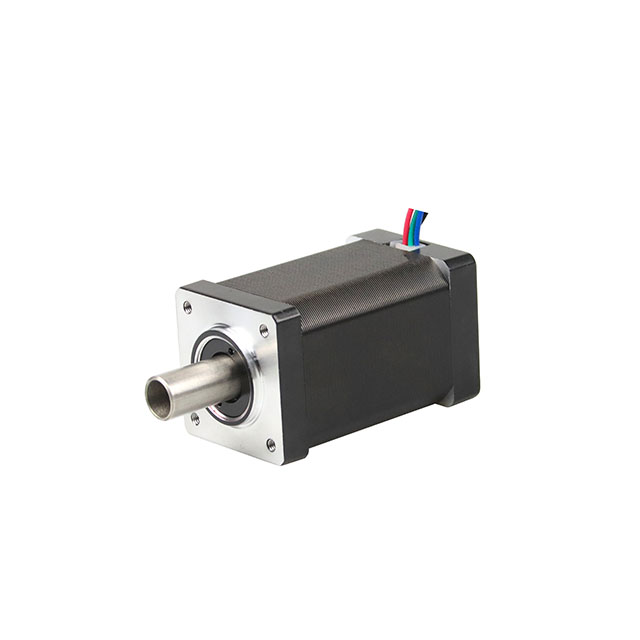
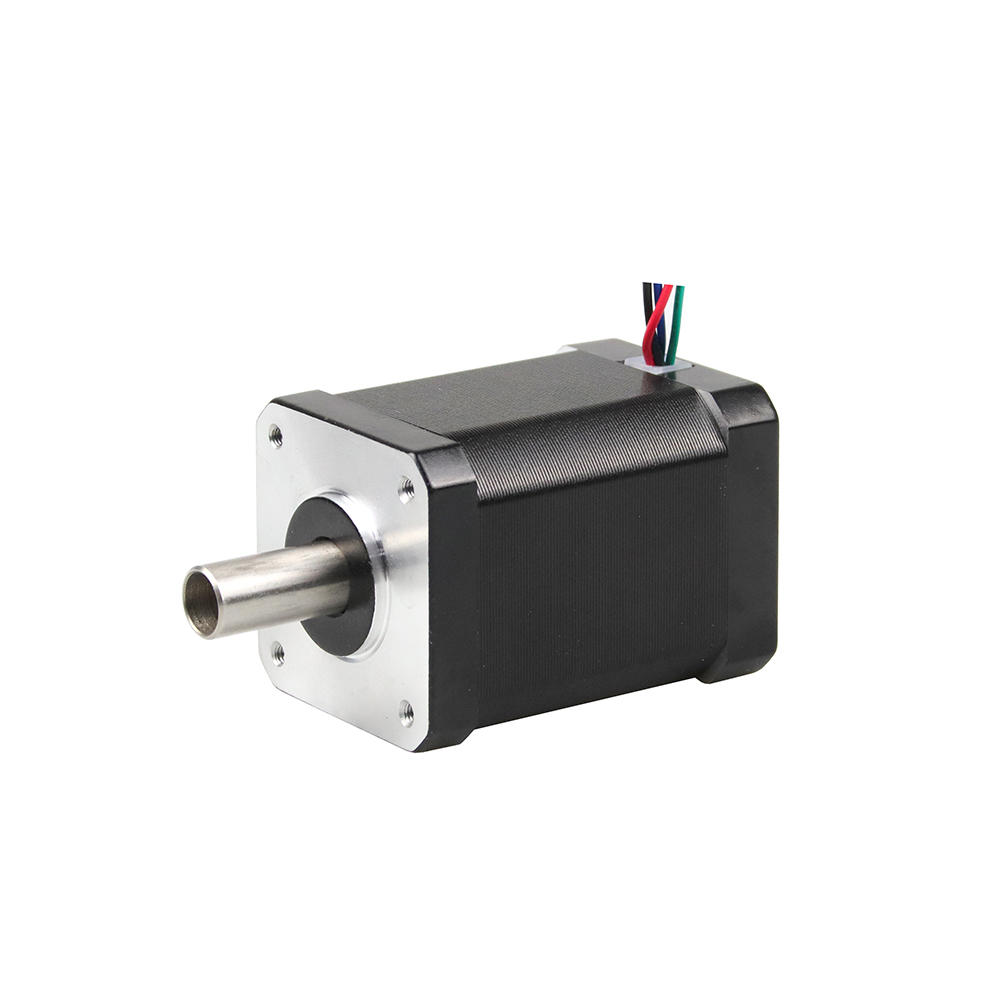
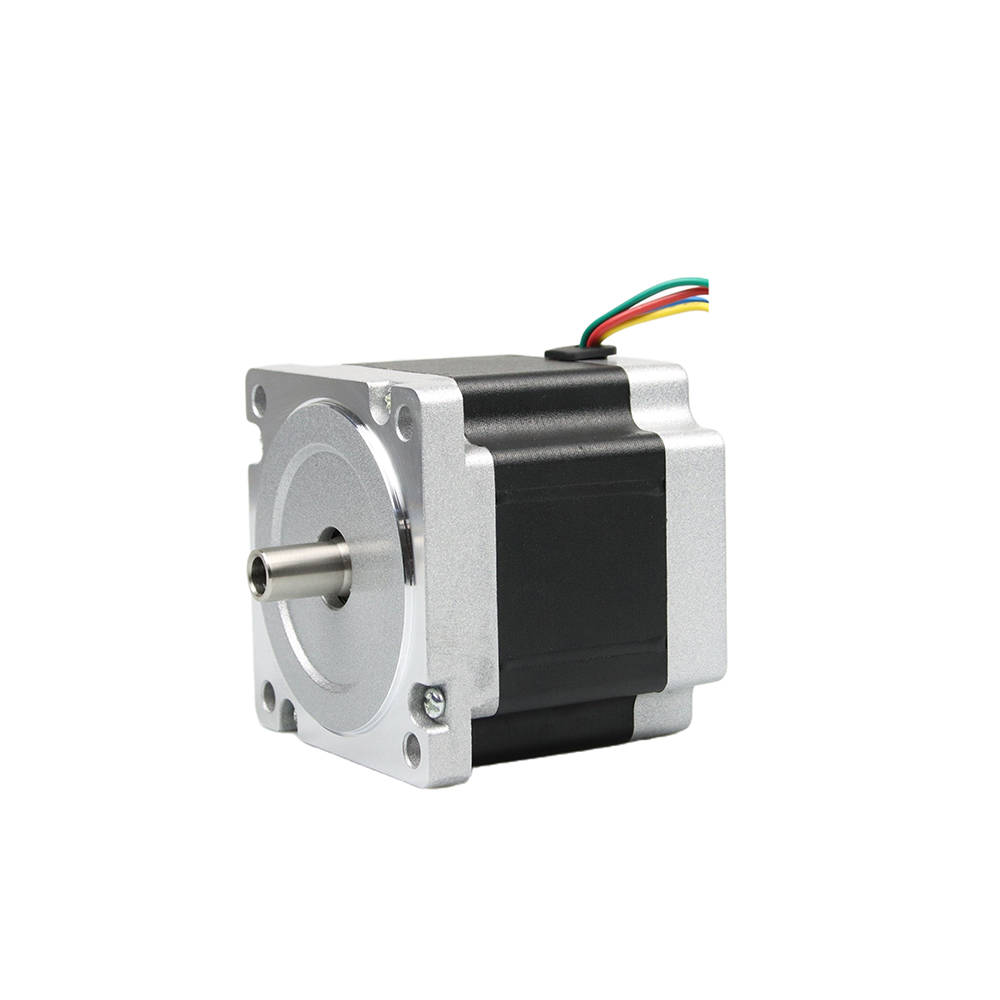
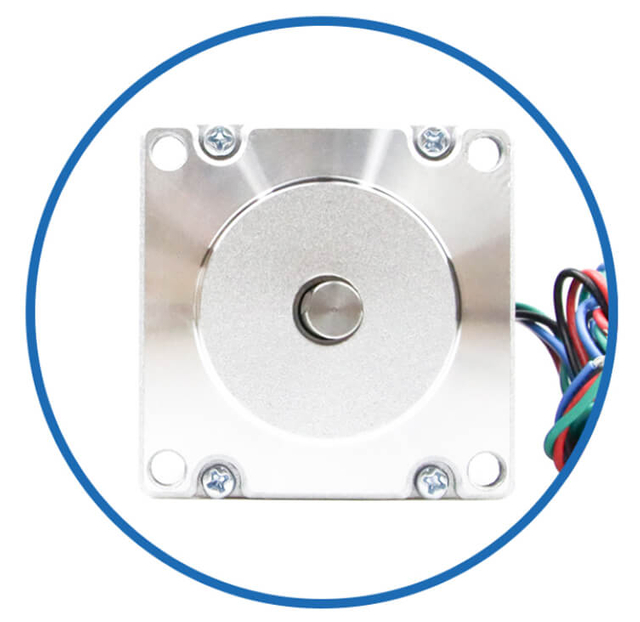
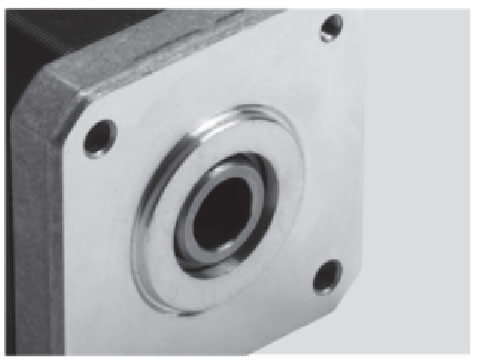
A hollow shaft stepper motor is a specialized type of stepper motor characterized by a central hole in its shaft. This design allows various components, like cables and other mechanical elements, to traverse through the motor’s center, making it particularly useful in applications that prioritize space efficiency and seamless integration in industrial and robotic environments.


In contrast to conventional stepper motors, which feature a solid shaft, hollow shaft motors facilitate direct coupling with other components and can seamlessly integrate into complex systems without requiring extra adapters or connectors. The defining aspect of these motors is their hollow shaft, which promotes a more streamlined and effective setup.


Constructed as a hollow metal tube, the shaft is lighter than its solid counterparts, contributing to reduced overall weight. Hollow shaft stepper motors are versatile and find applications across a variety of fields. Their advantages include minimized size and noise, multipurpose capability, cost-effectiveness, straightforward manufacturing, and ease of use.


Jkongmotor Hollow Shaft Stepper Motor:

Jkongmotor supports the customization of hollow shaft motors for various applications. Motor size include Nema 8 11 14 16 17 23 24 34.

NEMA 8 Hollow Shaft Stepper Motor

Stepper motor, small size, high torque, low noise, step angle: 1.8°, NEMA8, 20x20mm
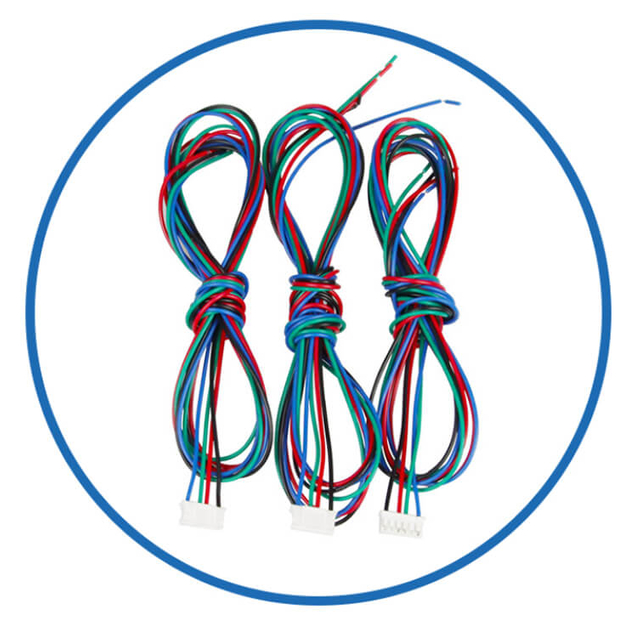
Optional: Connector...
Model Step Angle Phase Shaft Wires Body Length Current Resistance Inductance Holding Torque Leads No Rotor Inertia Weight
(°) / / / (L)mm A Ω h N.cm No. g.cm2 Kg
JK20HSH30-0604 1.8 2 hollow shaft Connector 30 0.6 6.5 1.7 1.8 4 2 0.05
JK20HSH38-0604 1.8 2 hollow shaft Connector 38 0.6 9 3 2.2 4 3 0.08

NEMA 11 Hollow Shaft Stepper Motor

Stepper motor, small size, high torque, low noise, step angle: 1.8°, NEMA11, 28x28mm
Optional: Connector...
Model Step Angle Phase Shaft Wires Body Length Current Resistance Inductance Holding Torque Leads No. Rotor Inertia Weight
(°) / / / (L) mm A Ω h N.cm No. g.cm2 Kg
JK28HSH32-0674 1.8 2 hollow shaft Lead wire 32 0.67 5.6 3.4 6 4 9 0.11
JK28HSH45-0674 1.8 2 hollow shaft Lead wire 45 0.67 6.8 4.9 9.5 4 12 0.14
JK28HSH51-0674 1.8 2 hollow shaft Lead wire 51 0.67 9.2 7.2 12 4 18 0.2

NEMA 14 Hollow Shaft Stepper Motor

Stepper motor, small size, high torque, low noise, step angle: 1.8°, NEMA14, 35x35mm
Optional: Connector...
Model Step Angle Phase Shaft Wires Body Length Current Resistance Inductance Holding Torque Leads No. Rotor Inertia Weight
(°) / / / (L)mm A Ω h N.cm No. g.cm2 Kg
JK35HSH28-0504 1.8 2 hollow shaft Lead wire 28 0.5 20 14 10 4 11 0.13
JK35HSH34-1004 1.8 2 hollow shaft Lead wire 34 1 2.7 4.3 14 4 13 0.17
JK35HSH42-1004 1.8 2 hollow shaft Lead wire 42 1 3.8 3.5 20 4 23 0.22

NEMA 17 Hollow Shaft Stepper Motor

Stepper motor, high torque, low noise, smooth type, step angle: 1.8°, NEMA17, 42x42mm
Optional: Connector...
Model Step Angle Phase Shaft Wires Body Length Current Resistance Inductance Holding Torque Leads No. Rotor Inertia Weight
(°) / / / (L)mm A Ω h N.cm No. g.cm2 Kg
JK42HSH34-1334 1.8 2 hollow shaft Lead wire 34 1.33 2.1 2.5 26 4 34 0.22
JK42HSH40-1704 1.8 2 hollow shaft Lead wire 40 1.7 1.5 2.3 42 4 54 0.28
JK42HSH48-1684 1.8 2 hollow shaft Lead wire 48 1.68 1.65 2.8 44 4 68 0.35
JK42HSH60-1704 1.8 2 hollow shaft Connector 60 1.7 3 6.2 7.3 4 102 0.55

NEMA 23 Hollow Shaft Stepper Motor

Stepper motor, high torque, low noise, smooth type, step angle: 1.8° NEMA23, 57x57mm
Optional: Connector...
Model Step Angle Phase Shaft Wires Body Length Current Resistance Inductance Holding Torque Leads No. Rotor Inertia Weight
(°) / / / (L)mm A Ω hh Nm No. g.cm2 Kg
JK57HSH41-2804 1.8 2 hollow shaft Lead wire 41 2.8 0.7 1.4 0.55 4 150 0.47
JK57HSH51-2804 1.8 2 hollow shaft Lead wire 51 2.8 0.83 2.2 1.01 4 230 0.59
JK57HSH56-2804 1.8 2 hollow shaft Lead wire 56 2.8 0.9 2.5 1.26 4 280 0.68
JK57HSH76-2804 1.8 2 hollow shaft Lead wire 76 2.8 1.1 3.6 1.89 4 440 1.1
JK57HSH82-3004 1.8 2 hollow shaft Lead wire 82 3.0 1.2 4.0 2.1 4 600 1.2
JK57HSH100-3004 1.8 2 hollow shaft Lead wire 100 3.0 0.75 3.0 3.0 4 700 1.3
JK57HSH112-3004 1.8 2 hollow shaft Lead wire 112 3.0 1.6 7.5 3.0 4 800 1.4

NEMA 34 Hollow Shaft Stepper Motor

Stepper motor, low rotor inertia, large torque, fast acceleration, step angle: 1.8°, NEMA34, 86x86mm
Optional: Connector...
Model Step Angle Phase Shaft Wires Body Length Current Resistance Inductance Holding Torque Leads No. Rotor Inertia Weight
(°) / / / (L)mm A Ω hh Nm No. g.cm2 Kg
JK86HSH78-6004 1.8 2 hollow shaft Lead wire 78 6.0 0.37 3.4 4.6 4 1400 2.3
JK86HSH115-6004 1.8 2 hollow shaft Lead wire 115 6.0 0.6 6.5 8.7 4 2700 3.8
JK86HSH126-6004 1.8 2 hollow shaft Lead wire 126 6.0 0.58 6.5 9.5 4 3200 4.5
JK86HSH155-6004 1.8 2 hollow shaft Lead wire 155 6.0 0.68 9.0 13.0 4 4000 5.4

Features of Hollow Shaft Stepper Motors

Central Hollow Shaft:

The standout feature of hollow shaft stepper motors is their hollow center, which allows for easy routing of cables and other mechanical components. This design reduces clutter and saves valuable space.


Compact Design:

Despite the hollow shaft, these motors retain a compact profile, delivering high torque and performance while minimizing their footprint in the system.


Direct Coupling:

The hollow design enables direct coupling with various mechanical elements, such as gearboxes and actuators, streamlining integration and enhancing operational efficiency.


Installation Flexibility:

These motors are ideal for setups where other components, like wiring or optical systems, need to pass through the center. This ensures a more organized and cleaner design.


Smooth Operation:

Hollow shaft stepper motors offer precise and smooth step-by-step motion control, making them suitable for applications requiring high accuracy and reliability.


How Hollow Shaft Stepper Motors Work?

Hollow shaft stepper motors operate similarly to traditional stepper motors, but they benefit from their unique shaft design. Here’s a breakdown of their operation:

Input Signal:

The motor receives control signals that dictate movement, whether it be position or speed.


Magnetic Field Interaction:

Inside the motor, a configuration of permanent magnets and windings generates torque, enabling the rotor to rotate in precise steps.


Hollow Shaft Advantage:

The rotor features a hollow shaft that allows for the passage of additional components, like cables or other mechanical systems. This design simplifies integration into confined spaces.


Motion Control:

The motor rotates incrementally, with each step correlating to a specific mechanical increment, allowing for precise control of both position and speed without interference from passing components.


Benefits of Hollow Shaft Stepper Motors

Space Efficiency:

The central hollow area allows other components to pass through, minimizing the space required for installation and facilitating compact system designs.


Simplified Integration:

The unique design reduces the need for additional adapters or connectors, making integration into complex mechanical systems straightforward.


Higher Torque Density:

Hollow shaft stepper motors can deliver impressive torque levels comparable to solid shaft motors, making them suitable for high-performance applications.


Reduced Mechanical Complexity:

By eliminating the need for extra couplings, these motors simplify mechanical designs, resulting in fewer parts and enhanced reliability.


Clean and Organized Systems:

The capability to route cables through the hollow shaft maintains an organized setup, which is critical for efficient operation and minimal maintenance in automated environments.


Applications of Hollow Shaft Stepper Motors

Hollow shaft stepper motors are versatile and find use in a variety of industries, especially where compactness and high performance are necessary:

Robotics:

Used in robotic arms and grippers, their hollow design integrates sensors and cables, simplifying complexity and contributing to compactness.


CNC Machines:

These motors power tools and axes in CNC setups, facilitating cleaner installations and reducing the need for additional components.


3D Printers:

Commonly employed to control the movement of print heads or build platforms, the compact design ensures an organized system crucial for successful 3D printing.


Automated Conveyor Systems:

They drive belts and components in conveyor systems, with the hollow shaft enabling effective routing of power and control cables.


Medical Equipment:

Essential in devices like MRI machines and surgical robots, their precision and compactness allow for efficient and clean setups in sensitive environments.


Optical Systems:

Used to drive lenses and mirrors, the hollow shaft allows routing of optical fibers or cables, simplifying designs and maintaining system efficiency.


Hollow shaft stepper motors stand out in applications that require compactness, high torque, and effortless integration. Their design not only simplifies mechanical setups but also enhances performance across various sectors, from robotics to medical equipment. Understanding these capabilities enables businesses to leverage this technology for optimized systems in modern automation demands.

Product Advantages FAQS

1: What are the main advantages of a Hollow Shaft Stepper Motor?

The key advantage is its central hollow shaft. This allows cables, tubes, or other components to pass through, saving significant space and enabling cleaner, more integrated system designs.
 

2. How does the hollow shaft design achieve space efficiency?

It allows internal routing of cables, eliminating external carriers and loops. This results in a compact system footprint and reduces mechanical complexity.


3. Is torque output compromised compared to solid shaft motors?

No. These motors provide high torque density. Torque ranges from 1.8  N.cm for NEMA 8 models to 13.0 Nm for NEMA 34 models, suitable for high-performance applications.
 

4. What are the key features and benefits?

Key features include: Central Hollow Shaft, Compact Design, Direct Coupling capability, Installation Flexibility, and Smooth Operation. Benefits are space savings, simplified integration, and organized systems.
 

5. What NEMA frame sizes do you offer?

We offer a wide range: NEMA 8, 11, 14, 16, 17, 23, 24, and 34. Detailed specifications for each size are listed in the product tables.
 

6. What are the typical applications?

They are ideal for Robotics (arms/grippers), CNC Machines, 3D Printers, Medical Equipment (e.g., surgical robots), Automated Conveyor Systems, and Optical Systems.
 

7. How does the hollow shaft enable direct coupling?

The hollow shaft allows components like leadscrews or shafts to pass through. This enables direct mounting to gearboxes or actuators without extra adapters, creating a simpler and more rigid connection.
 

8. Are they good for high-speed or fast acceleration?

Yes. Our NEMA 34 series is noted for low rotor inertia and fast acceleration. Generally, motors with shorter body lengths (within any NEMA frame) also provide better acceleration.
 

9. What is the standard step angle and precision?

All listed models have a standard 1.8° step angle (200 steps/revolution), providing precise incremental motion control for accurate positioning.
 

10. How does it lead to cleaner systems?

By routing cables internally through the motor and machine structure, it protects them from damage and prevents snagging. This maintains a clean and organized setup, crucial for reliable automation.


Factory Customization Capabilities FAQs

11. Do you support customization for specific applications?

Yes. JKongmotor supports the customization of hollow shaft stepper motors for various application needs beyond our standard models.
 

12. What key specifications can be customized?

We can customize shaft inner diameter, body length, electrical parameters (current, resistance, inductance), and lead/connector type (wire length, connector style).
 

13. Can the hollow shaft's inner diameter be made to our exact size?

Yes. Customizing the inner diameter is a core service to ensure your specific cables, tubing, or mechanical shafts fit perfectly.
 

14. What are the options for motor leads and connectors?

Options include Lead Wires (custom length available) or various Connectors (e.g., aviation plugs). This can be specified to match your system's interface requirements.
 

15. Can you customize electrical parameters to match our driver?

Yes. Parameters like phase current, resistance, and inductance can be optimized through custom winding to ensure compatibility and peak performance with your specific stepper driver.
 

16. What is the process for ordering custom motors?

The typical process is: 1) Submit your application requirements, 2) We provide an engineering proposal and quote, 3) Approve a prototype (if needed), 4) Production and delivery.
 

17. What is the Minimum Order Quantity (MOQ) for custom designs?

The MOQ for custom orders is not specified on the website. Please contact JKongmotor directly to discuss MOQ based on your specific customization.
 

18. Can you add encoders or brakes?

While not listed on the page, integrating encoders for closed-loop control or brakes for holding is a common industry practice. We recommend inquiring directly about these optional add-ons.
 

19. How do I select the right model?

Match your application's required torque (see "Holding Torque" in our tables), available physical space (NEMA frame size), and the necessary hollow shaft inner diameter for your components.
 

20. Where can I find complete technical specifications?

Full detailed specifications for each model, including body length, current, torque, and inertia, are provided in the structured tables for every NEMA size on the product page.
 
Leading Stepper Motors & Brushless Motors Manufacturer
Products
Application
Links

© COPYRIGHT 2025 CHANGZHOU JKONGMOTOR CO.,LTD ALL RIGHTS RESERVED.