English
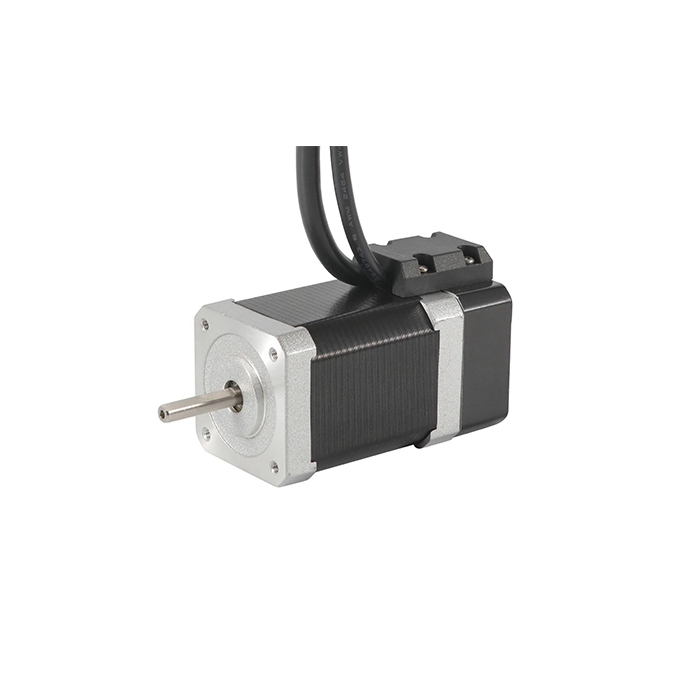
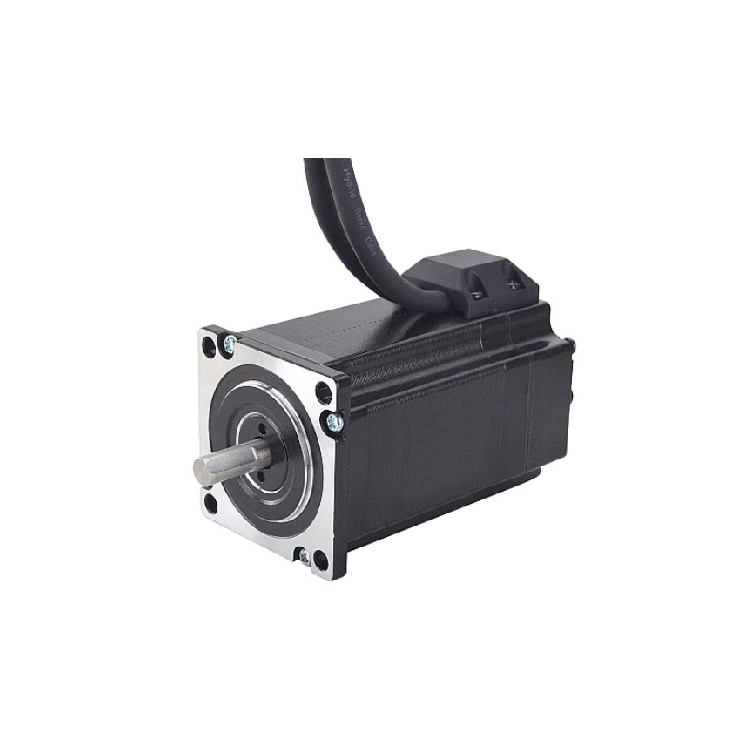
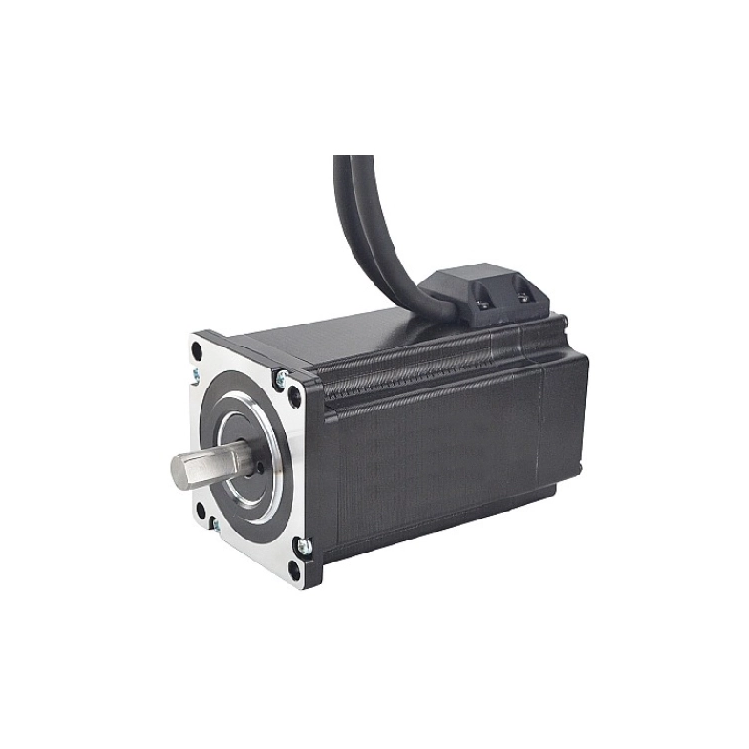
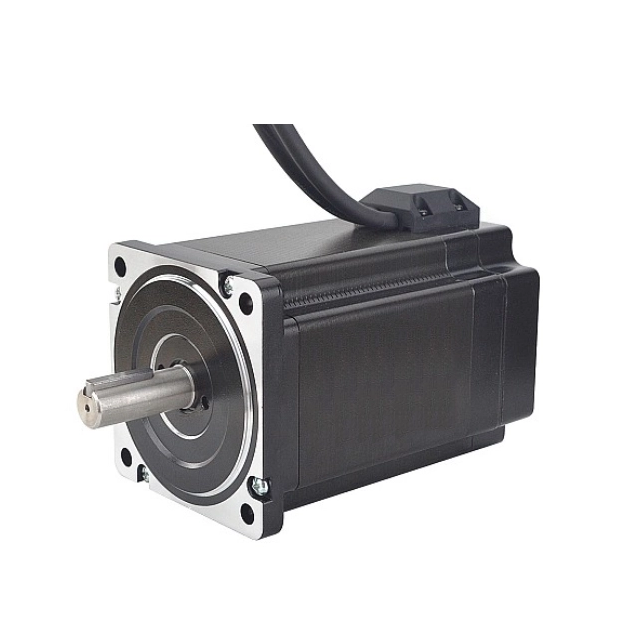
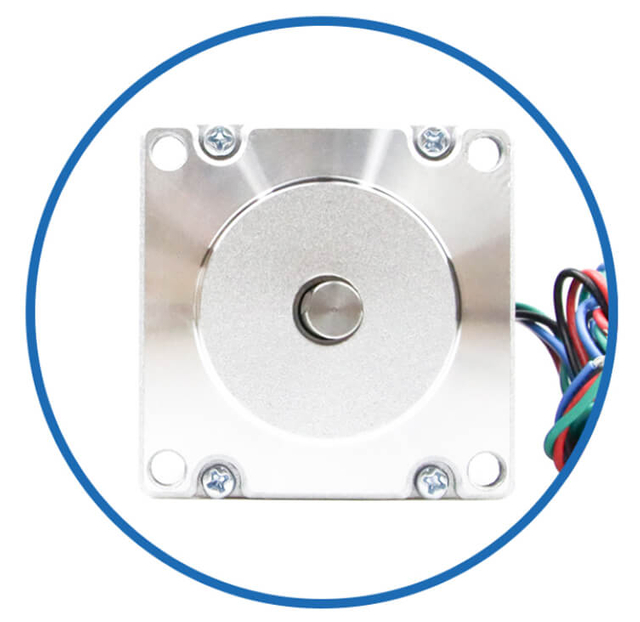
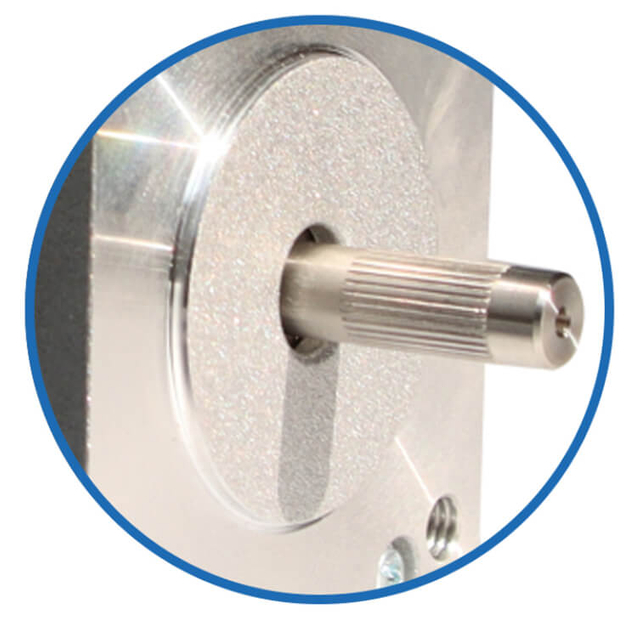
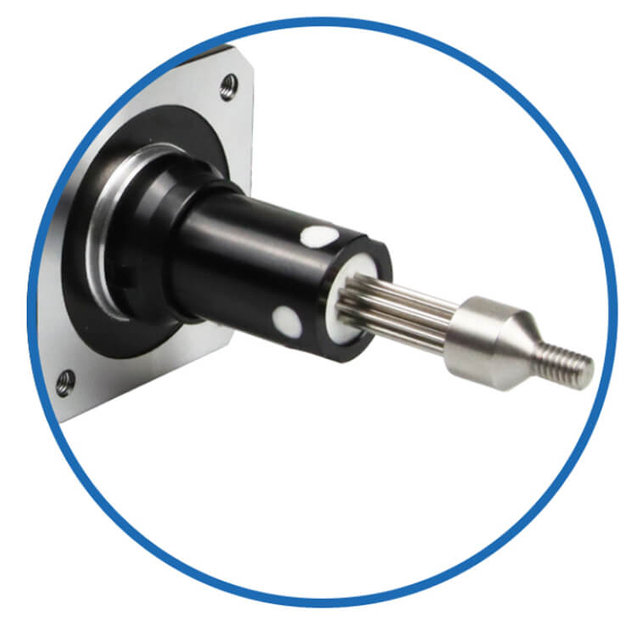
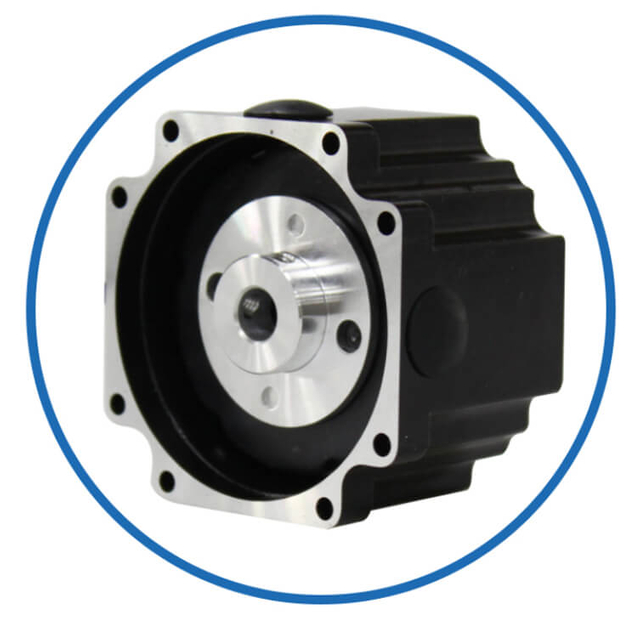
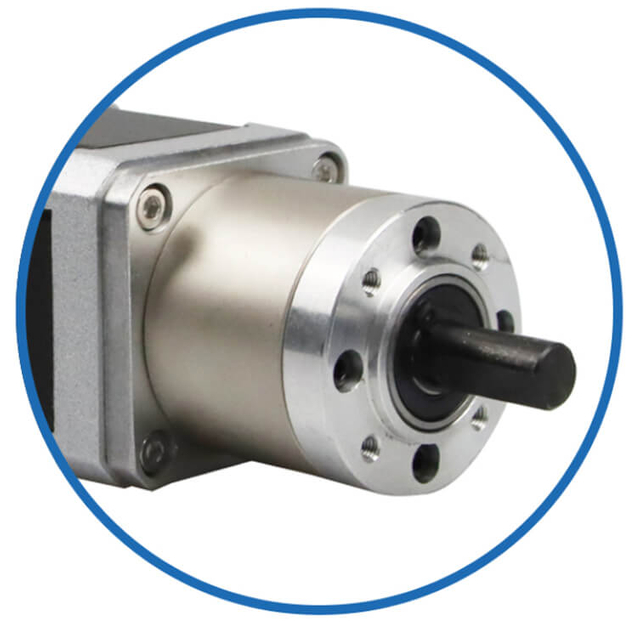
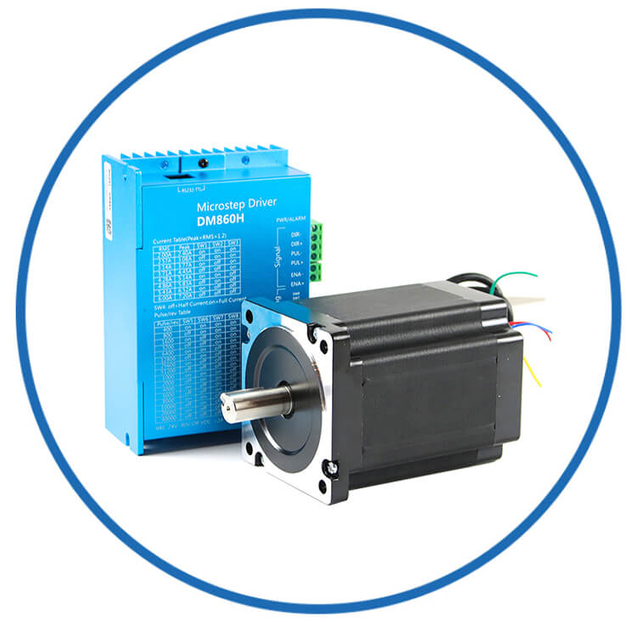
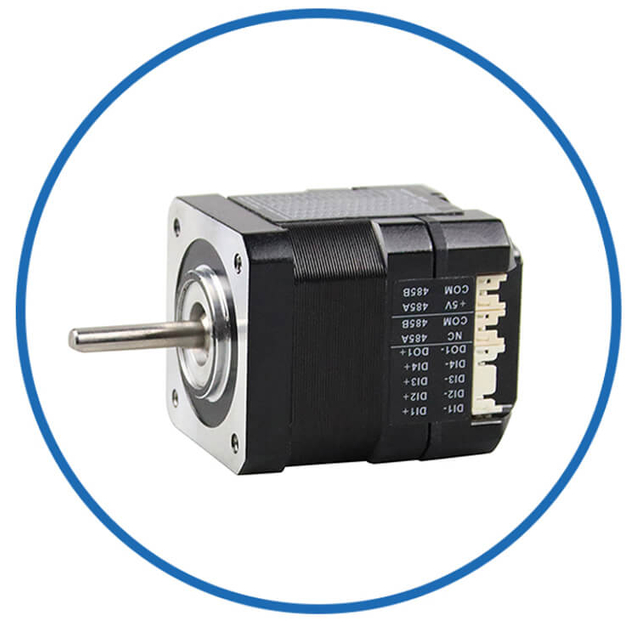



Introduction: Why Closed Loop Stepper Motors Are Becoming Popular in IndiaWith the rapid growth of industrial automation, robotics, CNC equipment, medical devices, packaging machines, textile machinery, and smart manufacturing, the demand for high-performance motion control solutions has increased s
READ MOREStepper motors have become one of the most important motion control components in modern automation systems. From CNC machines, 3D printers, medical equipment, packaging machines, robotics, semiconductor equipment, textile machinery, and industrial automation systems, stepper motors provide accurate
READ MOREChoosing the right stepper motor OEM ODM customized manufacturer requires evaluating torque, precision, customization capability, and R&D strength. Reliable suppliers offer integrated solutions with flexible configurations, ensuring high performance, stable quality, and efficient delivery for divers
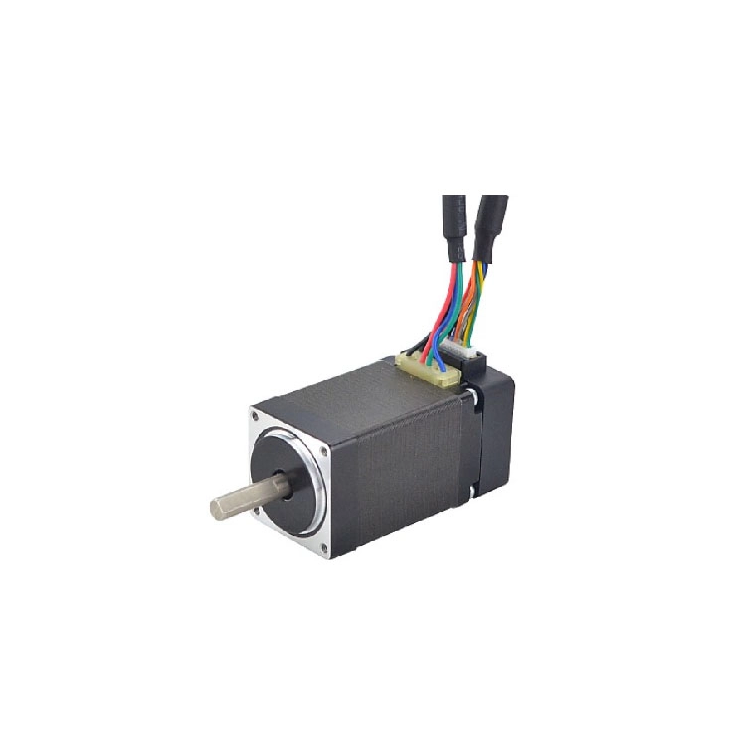
READ MOREA NEMA 11 stepper motor is a compact, precision motion solution ideal for small automation, medical, and robotic applications, with performance defined by step angle, torque, and mechanical integration. Choosing a manufacturer with strong OEM ODM customized capabilities ensures tailored shaft config
READ MOREA brake stepper motor OEM ODM customized solution combines precision motor performance with tailored brake mechanisms, enhanced safety, and application-specific adaptability, backed by a manufacturer’s engineering expertise, strict quality controls, and flexible production capabilities.The United St
READ MOREA reliable stepper motor OEM ODM customized manufacturer should offer robust production capacity, stringent quality assurance, broad customization options (mechanical, electrical, and protocol), and strong technical support to meet specific application requirements in industrial automation, robotics
READ MOREStepper motors differ from normal motors in that they move incrementally for precise positioning, while normal motors deliver continuous rotation; and OEM/ODM customized motors enable tailored performance, integration features, and optimized system fit for industrial applications.Understanding the d
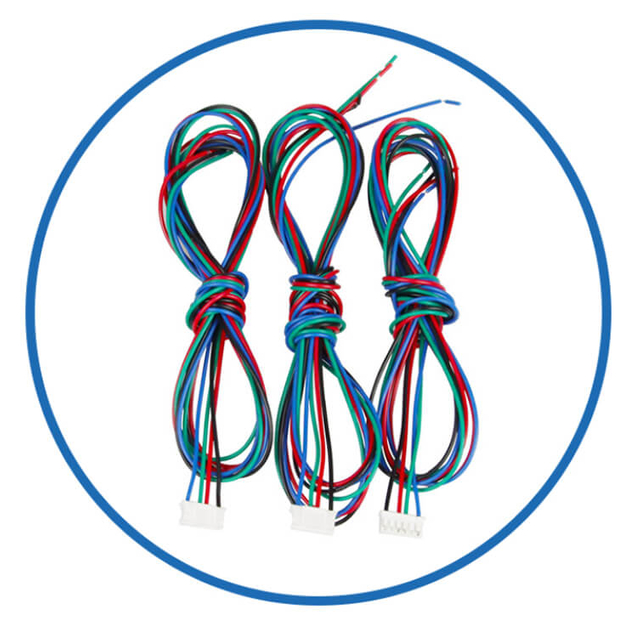
READ MOREHigh-precision stepper motors can have 2 to 8 wires depending on winding design, and JKongmotor’s OEM-ODM customized service supports tailored wiring, connectors, sizes, encoders, gearboxes, integrated drivers, environmental protection, and factory-level engineering to meet specific industrial motio
READ MORE